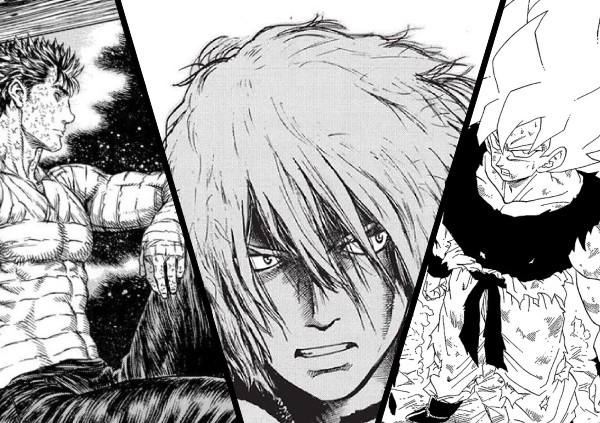
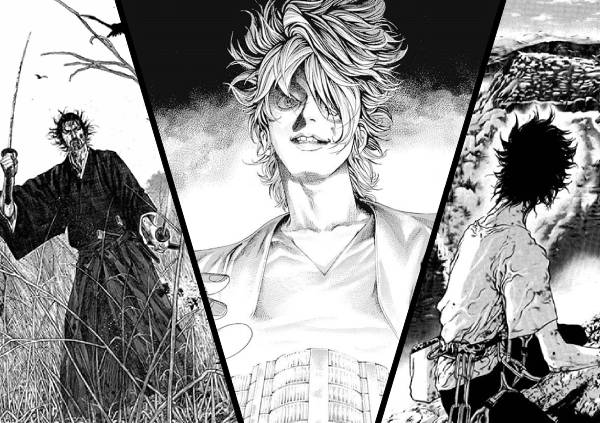
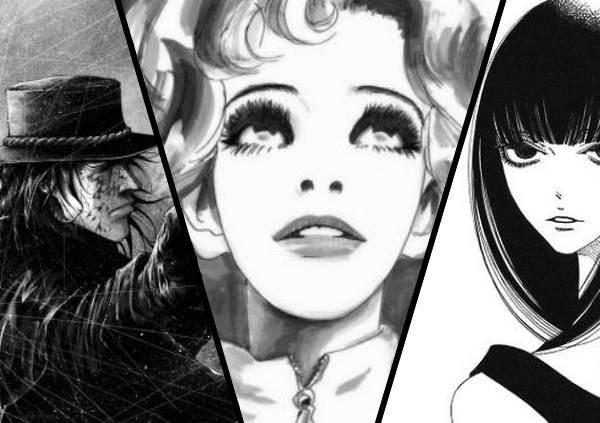
I’ve always been a fan of psychological stories, and because of that I’m a big fan of psychological manga. There’s something inherently fascinating about the human mind and the way it works, breaks, or twists under pressure, and countless manga explore it in deeply creative ways.
On this list you’ll find a broad selection of psychological stories, ranging from psychological thrillers and personal tragedies to surreal and experimental works that reveal the hidden corners of the mind. Each series here stands out for its ability to expose or examine the human psyche, whether revealing how fragile it can be, how easily it can warp, or how profoundly it shapes our lives.
Psychological manga have long been a favorite among readers. People enjoy these stories for different reasons: some for their twisted characters, others for tight, unpredictable storytelling, or even for the philosophical questions they raise. These works offer deeper, more intricate narratives, often blending mystery, horror, or drama to expose the darker layers of human thought.
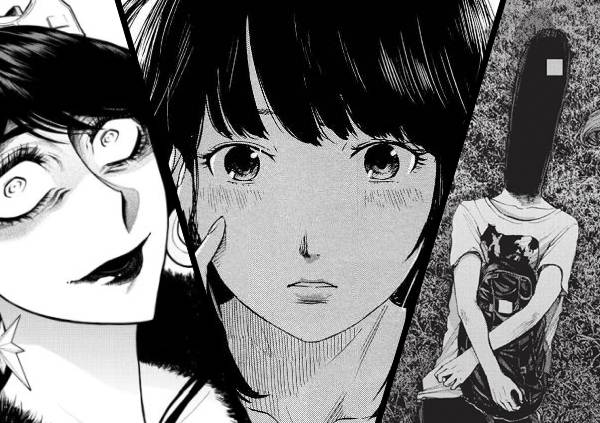
Some, like Helter Skelter and Utsubora, dissect the vanity and manipulation of the entertainment world. Others, such as Yamikin Ushijima-kun, dive into the depths of desperation and moral decay. There are also intimate, devastating stories like Blood on the Tracks and Oyasumi Punpun, which explore family trauma and the pain of growing up in a cold, indifferent world. Then there are intricate mysteries like Monster and MPD Psycho, where psychology and crime intertwine.
All of these manga have one thing in common. They peel open the human mind, exposing what lies beneath the surface. Whether grounded in reality or spiraling into madness, they each reveal something true and often unsettling about what it means to be human. If you’re looking for more tense, character-driven recommendations, check out my lists of the best mystery manga, crime manga, and drama manga.
Mild spoiler warning: I’ll focus on each manga’s psychological aspects, but certain plot details may be mentioned when necessary to explain why a series was included.
Fiction by René Rehn


Here is my list of the best 30 psychological manga I have read (last updated: April 2026).
30. Hideout
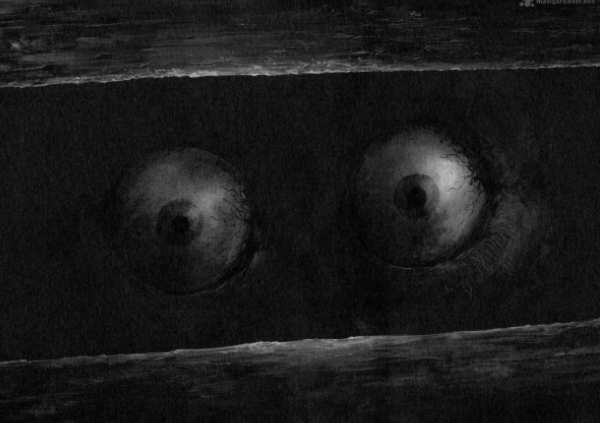
At first, Hideout might seem like a straightforward survival story, but beneath the surface lies one of the most chilling explorations of the human mind in any psychological manga. Written and illustrated by Masasumi Kakizaki, this short but devastating tale captures the total mental collapse of a man consumed by grief and resentment.
Seiichi Kirishima, a failed novelist, takes his wife to a remote island under the pretense of mending their relationship after the death of their child. His real motive, however, is much darker. When his attempt to murder her fails, she escapes, leading to a frantic chase through the jungle and into a forgotten cave system. They soon realize there is more than shadows waiting underground.
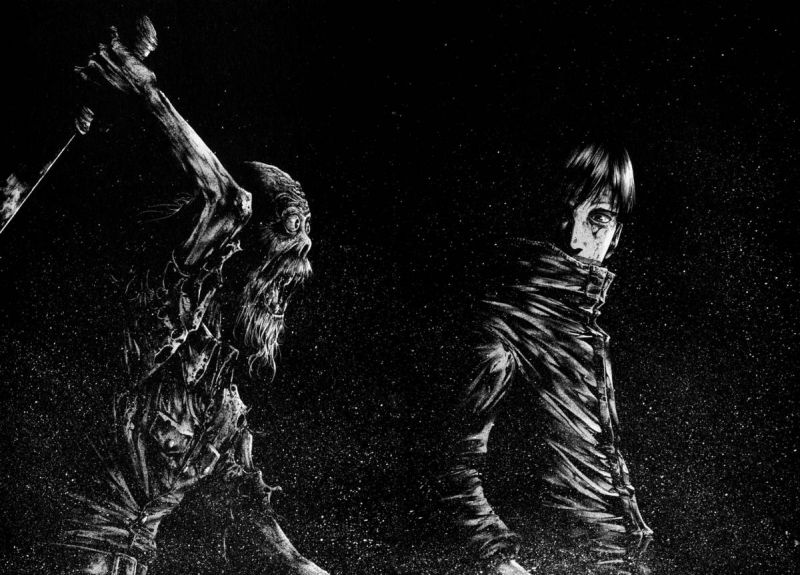
Through stark flashbacks, Kakizaki reveals the depth of Seiichi’s madness. What begins as grief shifts into hatred and self-pity until every trace of empathy is gone. The deeper he moves into the cave, the more detached he becomes from reality. Hideout uses this setting not only to trap its characters but also to mirror the isolation of a collapsing mind.
Kakizaki’s art amplifies this descent with precise, suffocating intensity. His use of thick shadows and meticulous detail gives the manga a near cinematic quality. The atmosphere is oppressive, the violence brutal, and the pacing relentless.
As a psychological horror manga, Hideout excels at showing how tragedy and guilt can push a person toward complete ruin. It’s a study of human fragility disguised as a horror story. Bleak, merciless, and unforgettable, Hideout lingers long after the final page.
Genres: Horror, Psychological
Status: Completed (Seinen)
29. Tomodachi Game
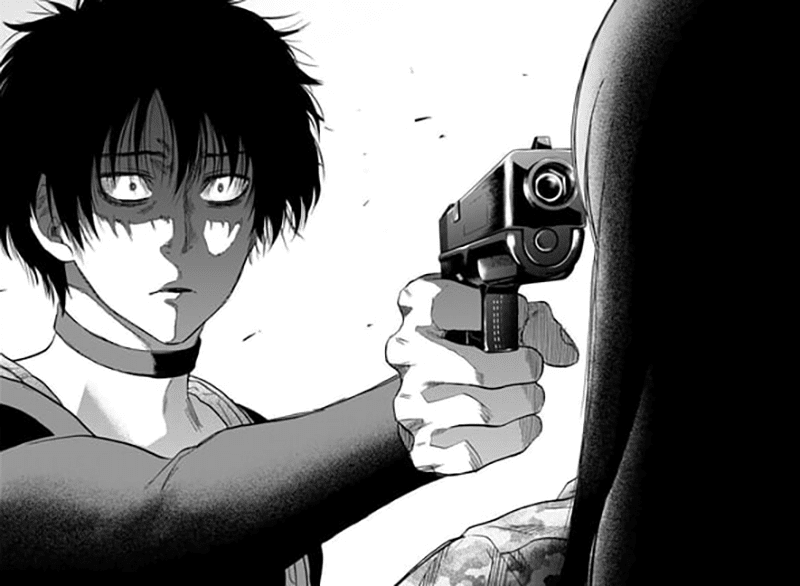
Tomodachi Game is one of the most engaging examples of modern psychological manga, combining the intensity of a death game with the tension of mental warfare. Created by Mikoto Yamaguchi and Yuki Sato, it doesn’t rely on action or violence but thrives on manipulation, deceit, and strategy, making it a must-read for fans of high-stakes psychological storytelling.
The story begins with five friends who are suddenly abducted and forced to participate in the mysterious Tomodachi Game. Someone among them has secretly stolen the class trip money to enter the game, plunging the group into a web of distrust. Each round of the game is designed to see how far they will go to protect themselves or betray their friends. What begins as a test of honesty quickly becomes a brutal study of how fragile friendship and human relationships can be.
At the center of this chaos is Yuuichi Katagiri, the series’ dark and fascinating protagonist. Unlike the typical, upbeat shonen hero, Yuuichi hides a calculating streak beneath his polite exterior. As the challenges escalate, he begins to reveal his true nature and manipulates the players around him to gain the upper hand. Watching him shift from quiet observer to cold, unflinching strategist is one of the most gripping parts of the series.
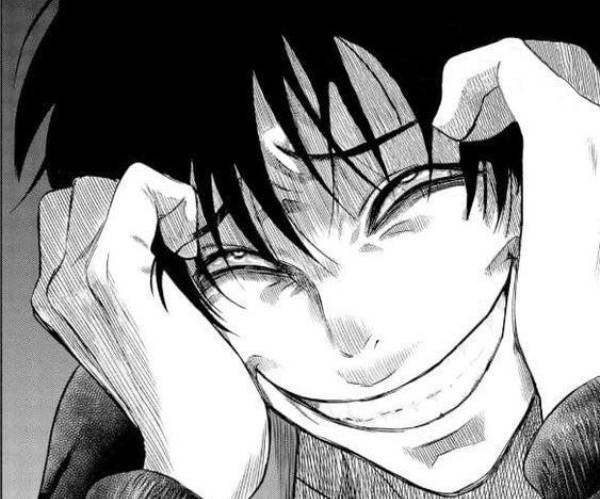
The games themselves are cleverly structured and often force characters to betray or outthink one another. However, the story sometimes leans too heavily on twists, with new revelations arriving so quickly that they begin to lose impact. Even so, the psychological tension remains strong throughout, and the sharp art captures both Yuuichi’s shifting emotions and the rising paranoia of those around him.
As a psychological manga, Tomodachi Game succeeds in exploring how greed, trust, and manipulation shape human relationships. It shows how easily people can turn against each other when pushed to extremes, and how darkness can hide beneath even the most ordinary of friendships. Despite its flaws, it remains one of the most addictive and clever mind-game series of the last decade.
Genres: Psychological, Thriller, Suspense
Status: Completed (Shonen)
28. Ikigami
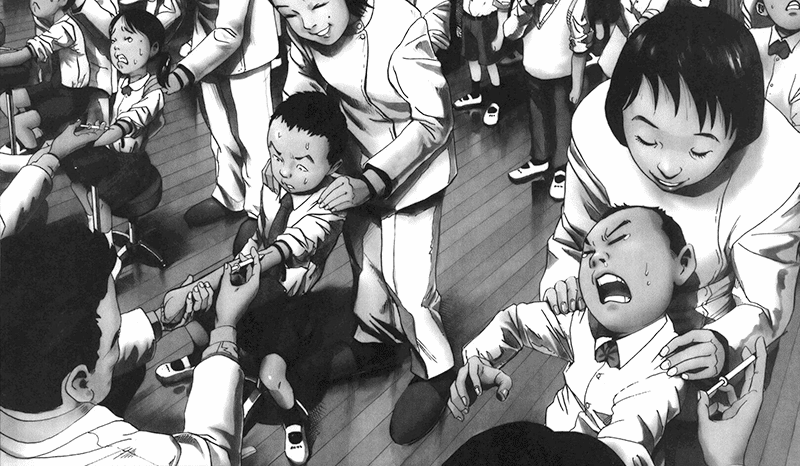
Motoro Mase’s Ikigami is a chilling and thought-provoking psychological manga set in a dystopian society ruled by the National Welfare Act. This law dictates that a small percentage of citizens between the ages of eighteen and twenty-four will be randomly selected to die for the sake of the nation’s stability. Twenty-four hours before their death, they receive a government-issued notice known as an Ikigami.
The series follows Kengo Fujimoto, a government messenger responsible for delivering these death notices. Each chapter focuses on a different recipient and explores how that person reacts to learning that their life will end within a day. Some seek redemption, others fall into despair, and a few rebel against the system. Through these stories, Ikigami examines the fragility of human emotion, the instinct for self-preservation, and the question of what truly gives life meaning.
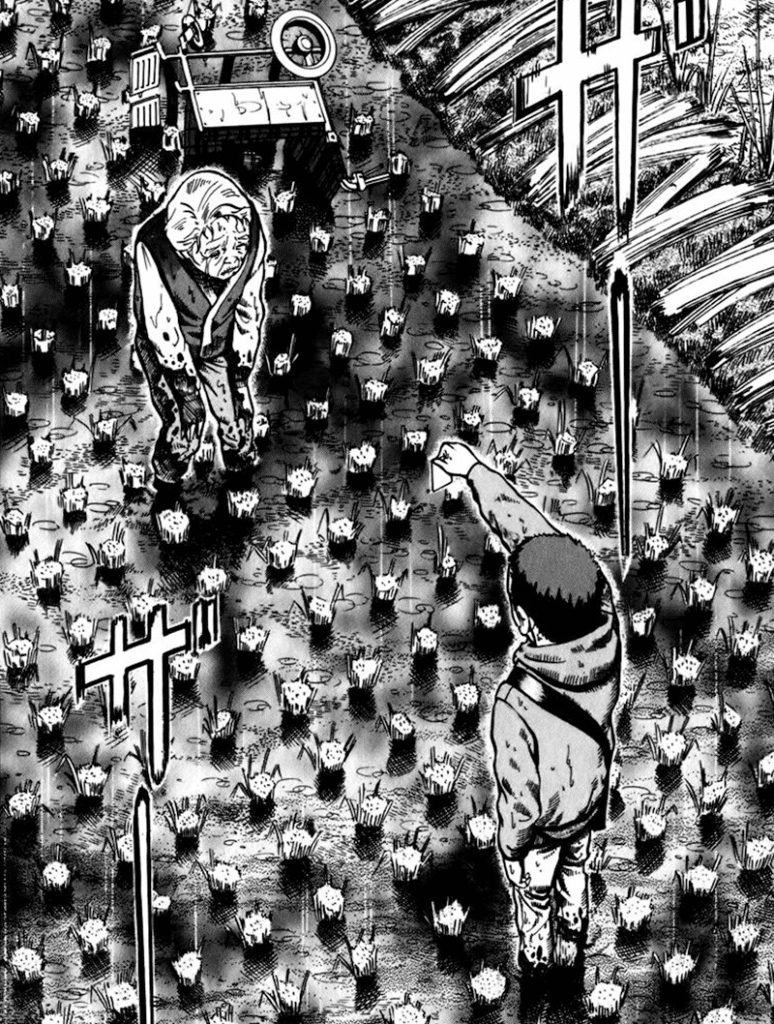
While the structure is mostly episodic, there’s a quiet overarching narrative about Fujimoto’s growing doubts regarding the morality of his job. His internal struggle mirrors the reader’s and forces us to question the ethics of a world that uses death as a tool of control. The alternating viewpoints between messenger and recipient create a rhythm of empathy and dread, giving each short arc emotional weight.
The art is clean and grounded, and reflects the bleak realism of the setting. Mase’s use of expression and subtle body language captures the terror, denial, and resignation of those facing death. Though the visuals aren’t flashy, they serve the psychological tone perfectly, drawing the reader into the quiet despair of each final day.
As a psychological horror manga, Ikigami stands out for its unflinching look at mortality and social conditioning. It portrays not only how individuals react to death but also how an entire society rationalizes cruelty in the name of order. Bleak, haunting, and sometimes beautiful, Ikigami stays on the mind long after the final chapter, leaving readers to ask themselves one simple question: how would you spend your last day?
Genres: Psychological, Drama, Dystopian
Status: Completed (Seinen)
27. Goth
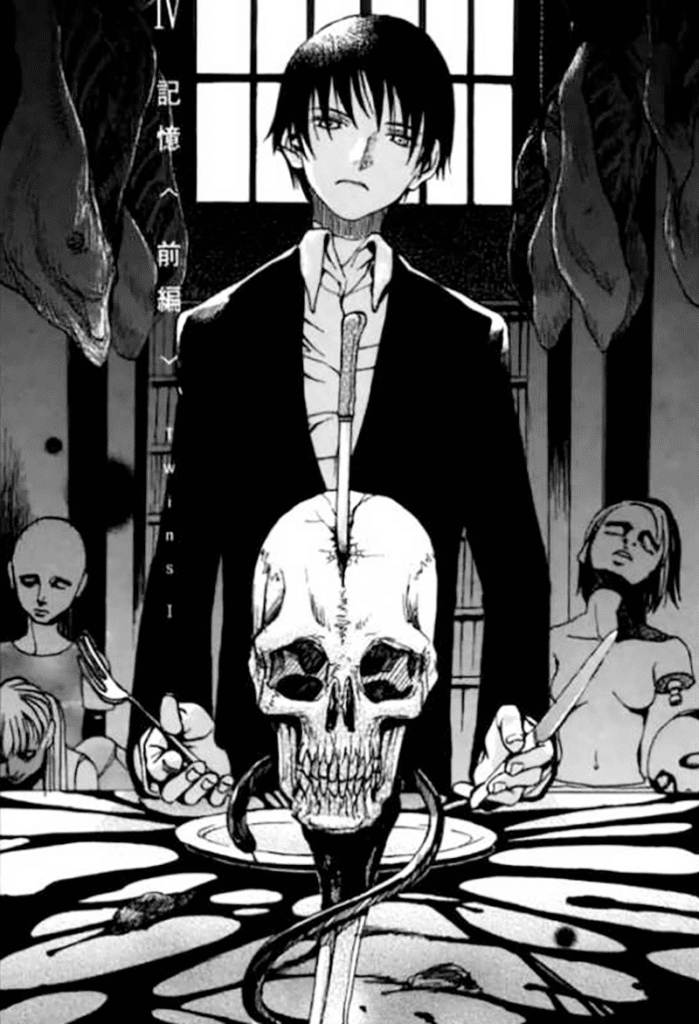
Goth has always held a special place in my heart because it was one of the first manga I ever read. Based on Otsuichi’s novel of the same name and illustrated by Kenji Ooiwa, it’s a short but unforgettable psychological manga that explores the fascination with death, the allure of darkness, and the fragile boundary between curiosity and obsession.
The story follows Itsuki Kamiyama and Yoru Morino, two high school students with a morbid fixation on murder. They aren’t detectives or heroes, but rather observers who are drawn to the darkness surrounding them. Kamiyama investigates murders not to solve them, but to understand the killer’s methods and psychology, while Morino is drawn to death in a quieter and more passive way.
Each chapter presents a new murder case, creating an anthology-like structure where every story delves into another twisted mind. The violence is stark and often shocking, but it is the cold detachment of our protagonists that leaves the deeper impression. The manga studies what it means to be fascinated by death and what happens when empathy erodes completely.
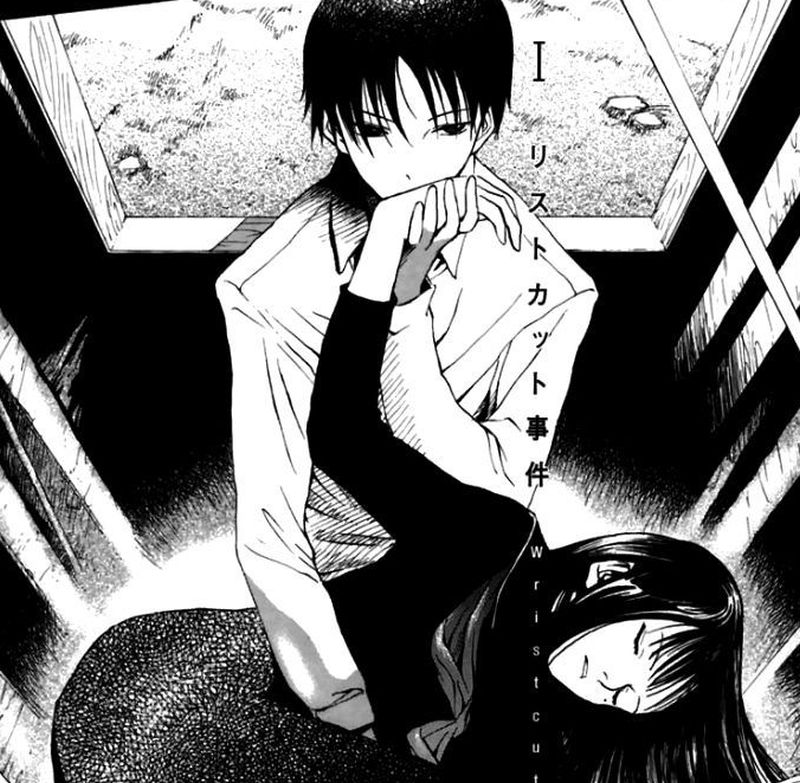
Ooiwa’s artwork supports this atmosphere perfectly. His clean, grounded style makes the brutality of each scene feel disturbingly real. While the art is not overly stylized, it conveys tension and psychological unease through subtle expressions and stark contrasts.
As a psychological manga, Goth stands out for its minimalism and emotional precision. It captures how easily curiosity turns into fixation and how some people find beauty and allure in despair. Its short length only amplifies its impact, leaving readers unsettled and reflective. For me, Goth was one of the first truly unsettling manga I ever read, and that’s why it continues to resonate with me years later.
Genres: Horror, Psychological, Mystery
Status: Completed (Shonen)
26. Dragon Head
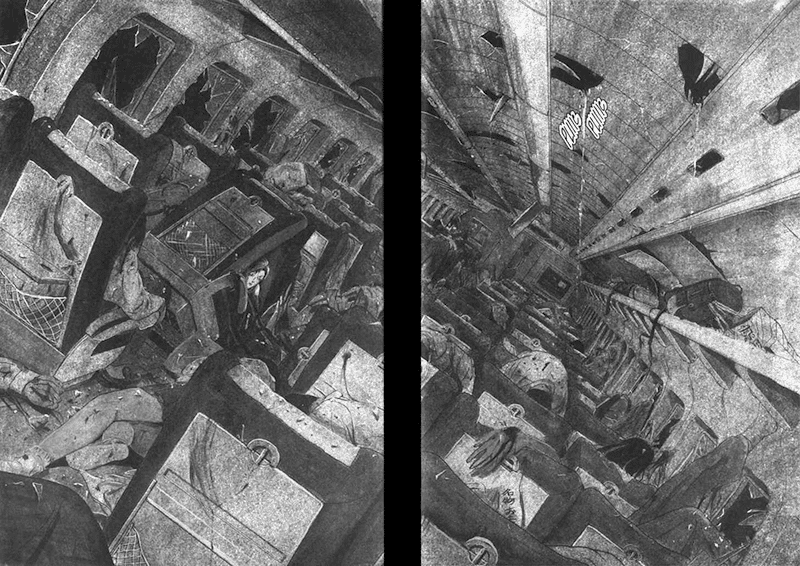
Dragon Head by Minetarō Mochizuki is one of the most unsettling and realistic depictions of human collapse in any psychological manga. What begins as a survival story quickly becomes a study of fear, madness, and the fragile line between reason and despair.
The manga opens in the aftermath of a catastrophic train derailment inside a tunnel. Three high school students named Teru, Ako, and Nobuo are now trapped in total darkness, surrounded by wreckage and corpses. Cut off from the world, they struggle to find light, food, and a way out. At first, the horror is physical, but it soon becomes entirely psychological. The isolation, suffocating heat, and claustrophobic environment slowly erode their sanity.
When the three finally escape, they discover that the world outside is far worse. The landscape is destroyed, cities lie in ruins, and the few survivors they encounter are unstable and violent. There is no clear cause of the devastation, only an overwhelming sense of hopelessness and fear. As the story continues, Dragon Head transforms from a tale of endurance into a profound exploration of how people unravel when stripped of order and safety.
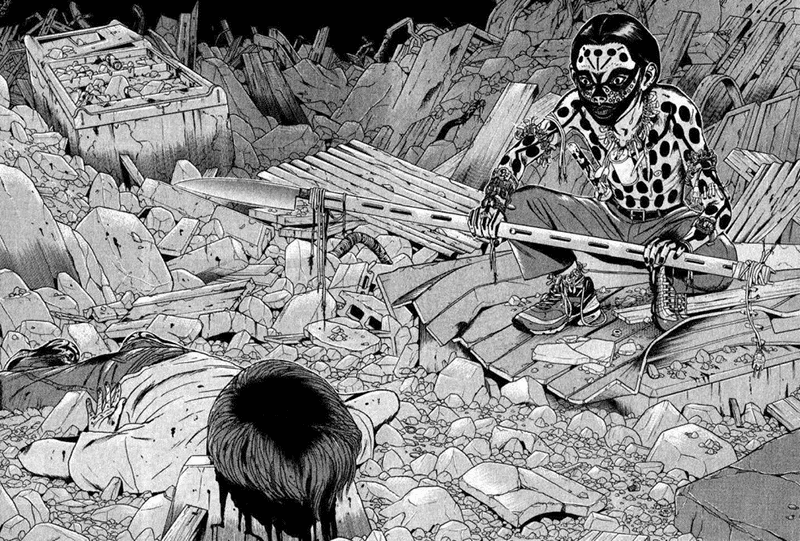
Nobuo’s descent into paranoia and complete madness is one of the most unforgettable arcs in psychological manga. His transformation from a frightened boy to a delusional aggressor captures how fear can consume and distort the human mind. Yet even outside the tunnel, Mochizuki continues to show how fragile humanity becomes when faced with the incomprehensible.
The art mirrors the story’s tension perfectly. Every panel feels heavy with grime, sweat, and exhaustion. The ruined world looks disturbingly real, and it’s this destruction that presses down on our characters like the weight of despair itself. The absence of a clear explanation for the catastrophe reinforces that the true horror lies not in what happened, but in how people react to it.
As a psychological horror manga, Dragon Head is about more than survival. It examines the limits of human endurance and the terrifying instability that lies beneath our civility. Bleak, tense, and unforgettable, it remains one of the most powerful portrayals of psychological breakdown in an apocalyptic setting.
Genres: Horror, Adventure, Tragedy, Psychological, Post-Apocalyptic
Status: Completed (Seinen)
25. Aku no Hana
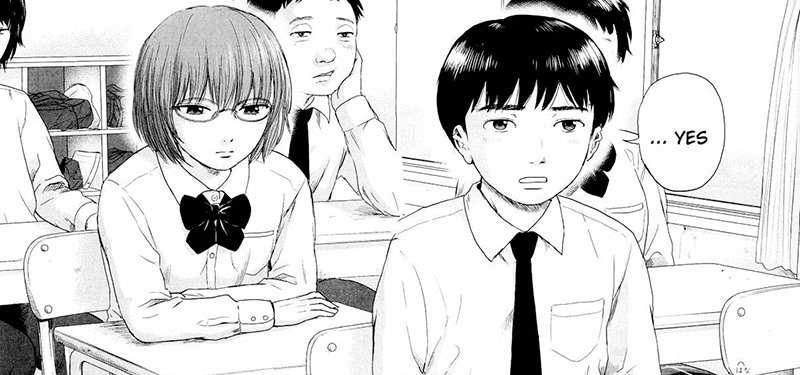
This is the first of Shūzō Oshimi’s manga on this list. It may be the lowest ranked, but it is still a fantastic work. Aku no Hana, or The Flowers of Evil, is one of the most daring and uncomfortable psychological manga ever written. Set in a seemingly ordinary middle school, it transforms a familiar coming-of-age story into a dark exploration of obsession, humiliation, and identity.
The story centers on Takao Kasuga, a quiet, literature-obsessed boy who idolizes Baudelaire’s Les Fleurs du Mal. One afternoon, he impulsively steals his crush’s gym clothes. The act would’ve gone unnoticed if not for Sawa Nakamura, a foul-mouthed classmate who witnesses the theft and decides to use his secret against him. What begins as blackmail quickly becomes a warped bond built on guilt, shame, and teenage rebellion.
What sounds like a standard school drama goes far deeper. Aku no Hana becomes a study of adolescence as psychological warfare, where curiosity and desire collide with fear and self-loathing. As Nakamura manipulates Kasuga, their relationship spirals into a chaotic struggle for control and meaning. Oshimi portrays the confusion of growing up with painful authenticity, showing how a young mind can twist under the weight of repression.
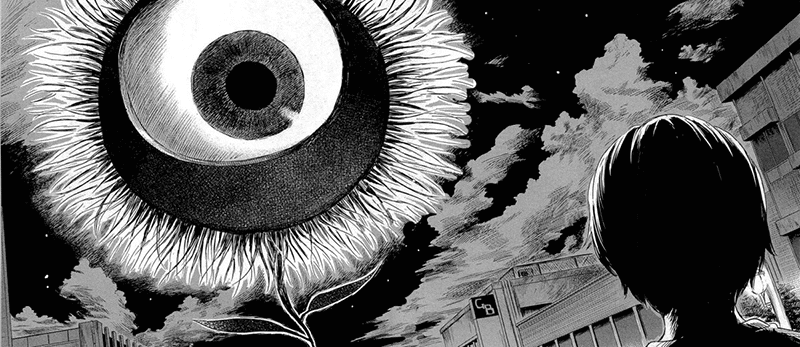
The artwork mirrors this descent beautifully. The characters’ faces are expressive yet raw; their emotions are often communicated through stillness, silence, and posture rather than dialogue. The small-town setting feels both suffocating and empty, a perfect reflection of the characters’ internal isolation. As the story progresses, Oshimi blends surreal imagery into his panels, capturing moments when reality seems to fracture under emotional pressure.
The series’ second half takes a slower, more introspective turn, focusing on recovery and the lingering scars of adolescence. While it abandons some of the shock value of the earlier chapters, it provides closure that feels emotionally earned.
As a psychological manga, Aku no Hana stands out for its fearless honesty about youth and moral corruption. It shows how rebellion can become self-destructive, and how the search for identity can lead into darkness. Disturbing, intimate, and unforgettable, it remains one of Shūzō Oshimi’s defining works.
Genres: Psychological, Drama, Coming-of-Age
Status: Completed (Shonen)
24. Onani Master Kurosawa

I first read Onani Master Kurosawa almost two decades ago, and it remains one of the few manga I still think about today. What looks like a crude joke at first glance becomes one of the most emotionally rich psychological manga ever made. Created by Katsura Ise and Takuma Yokota, it takes a shocking premise and reshapes it into a surprisingly moving story of guilt, growth, and redemption.
The story follows Kakeru Kurosawa, a fourteen-year-old loner who spends his afternoons indulging in a secret, shameful ritual inside an unused bathroom. When his mousy classmate Aya Kitahara is bullied by the popular girls, he decides to take revenge in his own disturbing ways. His actions catch up with him when Kitahara discovers the truth and blackmails him into continuing.
At first, Onani Master Kurosawa reads like a dark parody of Death Note, but its early focus on perverse deeds soon transforms into something far more mature. It becomes a genuine coming-of-age narrative about love, isolation, regret, and the painful process of learning empathy. Kurosawa’s psychological journey defines the manga. We see him at his lowest, angry, self-absorbed, and cruel, only for him to evolve into someone capable of understanding and forgiveness. His growth feels raw and earned, turning what could’ve been a shock-driven story into something deeply human.

The artwork reflects the story’s tone. The sketchy lines and subdued shading mirror Kurosawa’s confusion and emotional volatility. There’s no fanservice here; every uncomfortable scene serves a narrative purpose, grounding the story in realism rather than indulgence.
As a psychological manga, Onani Master Kurosawa stands out for its compassion and honesty. It dives into the mind of a socially alienated teenager and shows how redemption is possible even for someone who has hit rock bottom. It is one of the few stories that begins in edgy darkness but ends in hope, proving that even the most flawed individuals can find peace through understanding and change.
Genres: Psychological, Drama, Coming-of-Age
Status: Completed (Seinen)
23. Kasane

Kasane is one of those rare psychological manga that begins as a dark showbiz drama and slowly becomes a harrowing portrait of identity, beauty, and self-destruction. Written and illustrated by Daruma Matsuura, it explores the length to which a person will go to be seen and loved, and how ambition can consume not only their dreams but their very sense of self.
Kasane Fuchi is the daughter of a celebrated stage actress who inherits her mother’s immense talent, but none of her looks. Her disfigured face makes her a target of relentless cruelty and isolation. Kasane’s life changes overnight when she remembers her mother once told her to wear her lipstick and kiss the person she desires. Kasane learns that this allows her to swap faces, temporarily assuming their appearance. What begins as a miracle soon becomes a curse, as Kasane starts using her borrowed beauty to chase fame and acceptance, only to lose herself in the process.
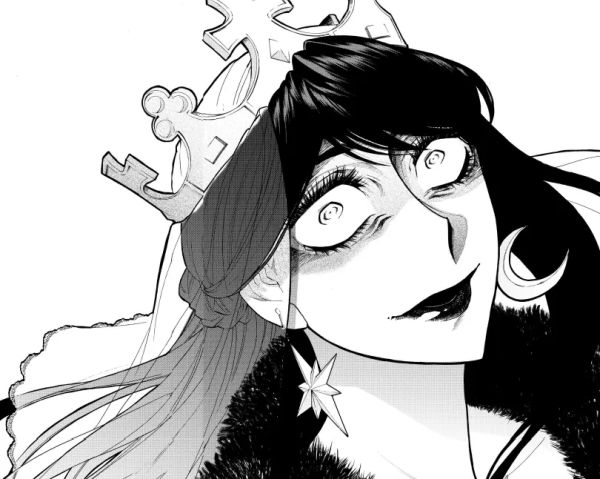
As the narrative unfolds, Kasane shifts from a story about jealousy and ambition into an intense psychological character study. The more she borrows the faces of others, the further she drifts from her true self. The series examines how our identities are shaped by perception, how vanity can erode authenticity, and how easily admiration turns into obsession. It’s a deeply psychological and twisted story that reflects the pressure and cruelty of the entertainment industry, where self-worth is often tied to appearance.
The art captures this duality perfectly. Matsuura’s illustrations are elegant but eerie, emphasizing expressions and subtle body language. The moments when Kasane’s emotions crack through her borrowed beauty are haunting, her despair and desire palpable. The theatrical framing of many panels mirrors the stage world the story is set in, giving many scenes the feel of a tragic performance.
As a psychological horror manga, Kasane stands out for its exploration of identity and moral decay. It reveals how easily success can collapse into self-annihilation when built on deceit and longing. Beneath its supernatural premise lies a powerful meditation on envy, loneliness, and the hunger to become someone else.
Genres: Psychological, Drama, Supernatural
Status: Completed (Seinen)
22. Himizu
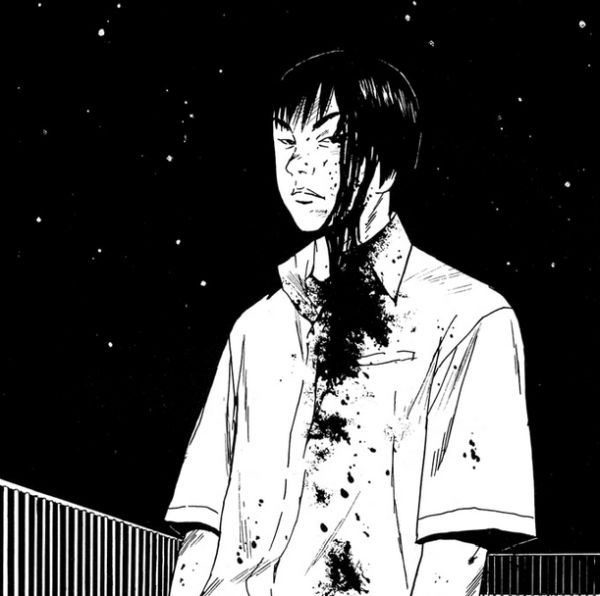
Himizu is among the bleakest psychological manga ever written. Created by Minoru Furuya, it is a story about broken people and about what happens when life offers no dreams, no purpose, and no redemption. There are no heroes or villains here, only ordinary people crushed beneath the weight of their own failures.
The story follows Sumida, a middle school boy who wants nothing more than to live a normal, uneventful life. He doesn’t wish for success or happiness, only to avoid misfortune. But life denies him even that small comfort. Abandoned by his mother and abused by his drunk father, Sumida is left to fend for himself.
At first glance, Himizu feels like a slice-of-life story that shows glimpses of the day-to-day existence among Japan’s forgotten youth. But beneath the mundane lies a deeply psychological portrait of depression, self-hatred, and disillusionment. Sumida is a prime example of modern alienation. He’s self-aware yet powerless, lashing out at others while despising himself for doing so. He’s a hypocrite, a victim, and a mirror of anyone who has ever felt trapped in meaninglessness.
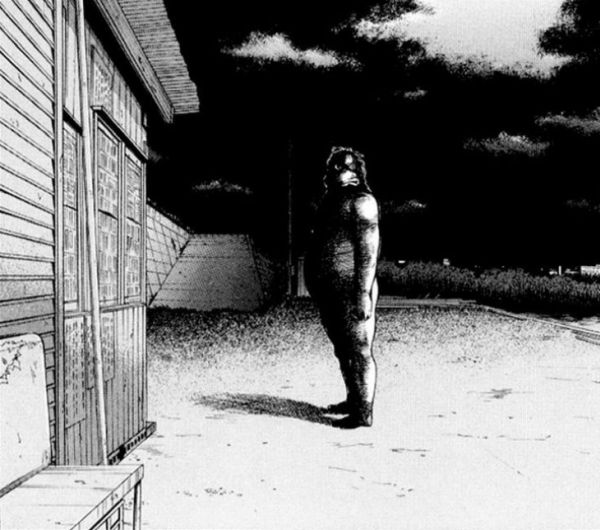
Furuya’s art amplifies this discomfort. His style is raw and often unpleasant to look at. Faces distort grotesquely in moments of anguish or excitement, and backgrounds are saturated with grime. The exaggeration is deliberate, forcing readers to confront emotions that are not beautiful or cinematic but painfully real. Even the supporting characters, from Sumida’s unstable friend Shozo to the well-meaning but delusional Keiko, embody the same fractured humanity. They don’t move the plot as much as they deepen the atmosphere of hopelessness that defines Himizu.
What makes Himizu stand out as a psychological horror manga is its refusal to offer catharsis. There are no miracles, no redemption arcs, only the quiet persistence of people trying to exist in a world that gives them nothing. It strips away fantasy to reveal the emptiness that lies beneath our ordinary lives, showing how despair can become its own kind of routine.
Ugly, honest, and unforgettable, Himizu is not an easy read, but it’s one of the truest depictions of human suffering in psychological manga.
Genres: Psychological, Drama, Tragedy, Slice of Life
Status: Completed (Seinen)
21. Nijigahara Holograph

Nijigahara Holograph is probably the most cryptic manga I’ve ever read. Written and illustrated by Inio Asano, it’s a work that abandons linear storytelling entirely, unraveling its narrative like a fever dream of memory, guilt, and trauma. More than a story, it feels like a haunting mosaic of broken lives.
Set in a quiet town overshadowed by a terrible childhood incident, the manga follows a group of former classmates still haunted by what happened years ago. A young girl named Arie was bullied and pushed into a well. This event becomes the moment that binds all their lives together. From there, Nijigahara Holograph jumps through time, showing past, present, and sometimes a possible future, all to illustrate how this single event ripples through each of them in disturbing ways.
What makes Nijigahara Holograph stand out as a psychological manga is its fragmented and dreamlike structure. The story offers no clear sequence or explanation, forcing readers to assemble the pieces through intuition rather than logic. Asano’s precise and realistic artwork grounds even the most nightmarish scenes, making the transitions between memory, imagination, and reality feel almost seamless. The result is a world that feels broken beyond repair, where every character carries invisible scars that quietly shape their behavior.

Themes of generational trauma, abuse, and guilt run through every layer of the story. Every relationship we see is defined by loss or cruelty, and every attempt at connection ends in self-destruction. Asano uses quiet moments like empty hallways, drifting butterflies, or still skies to evoke the unbearable weight of emotional collapse.
The more you read, the more Nijigahara Holograph reveals its complexity. Patterns emerge, scenes relate to one another, and bits of dialogue you once dismissed take on new meaning. Yet even after multiple readings, I could never fully make sense of it. I found only hints of its true meaning and a strange connection to Zhuangzi’s butterfly dream. It’s as if Asano wants us to experience confusion and despair alongside his characters and to feel the damage rather than simply understand it.
As a psychological horror manga, Nijigahara Holograph is both devastating and mesmerizing. It confronts trauma not as an event but as something that shapes entire generations. Disturbing, nonlinear, and emotionally suffocating, it remains Asano’s darkest and most enigmatic work to date.
Genres: Psychological, Drama, Mystery, Surreal
Status: Completed (Seinen)
20. Death Note
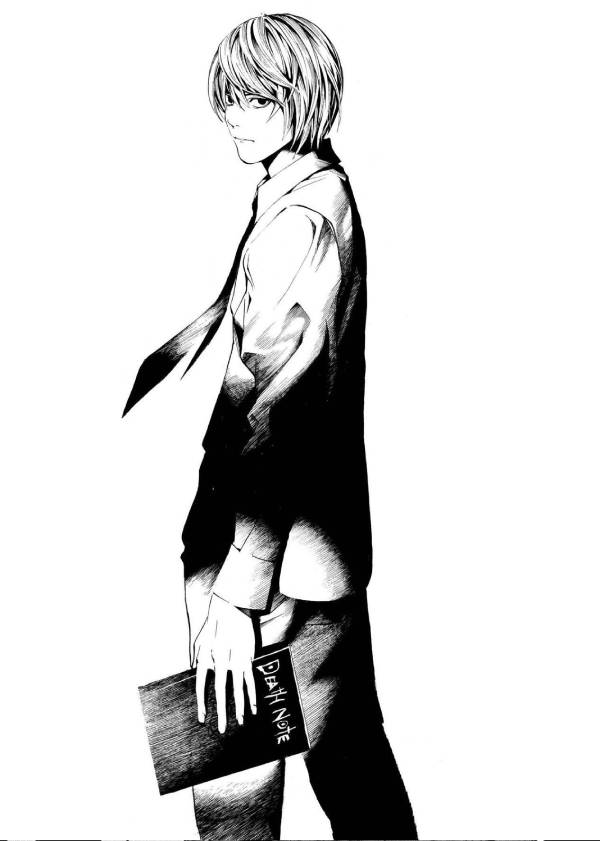
I first discovered Death Note through its anime adaptation, and like many others, ended up marathoning it over the course of a single weekend. It was one of those rare stories that immediately grabbed me and refused to let go. Created by Tsugumi Ohba and illustrated by Takeshi Obata, Death Note remains one of the defining psychological manga of the 2000s, blending supernatural intrigue with one of the most gripping mind battles in modern storytelling.
The premise is simple. High school prodigy Light Yagami discovers a mysterious notebook dropped by a Shinigami, a death god. Any name written inside it causes that person’s death. Initially using it to eliminate criminals, Light soon becomes consumed by the idea of reshaping the world into a utopia ruled by his own sense of justice. Adopting the alias Kira, he becomes both savior and executioner. His reign of terror draws the attention of L, a reclusive genius detective whose intellect matches his own, setting the stage for a tense psychological duel that defines the entire series.
What makes Death Note such an exceptional psychological manga is the way it explores morality, power, and identity through logic and manipulation. It’s both terrifying and believable to watch Light transform from an idealistic student to a tyrant with a god complex. His unraveling isn’t sudden but gradual, built on rationalizations that mirror how real people justify their worst impulses. At the same time, L’s obsessive pursuit of justice borders on madness, turning the rivalry between the two into a study of mirrored obsession.
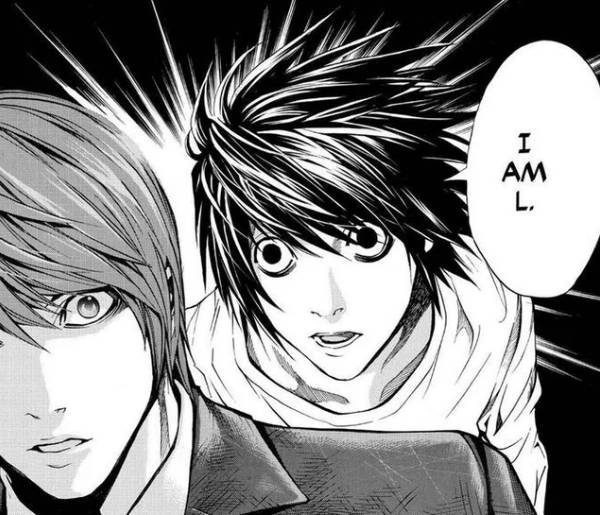
Obata’s art amplifies every ounce of that tension. The bold contrasts, expressive close-ups, and cinematic paneling give every confrontation a sense of grandeur. Even dialogue-heavy scenes feel electric, powered by the characters’ intellect and arrogance. The gothic tone, the looming shadows, and the sharp symbolism turn what could’ve been a simple thriller into a battle of wits unlike anything else in manga.
While the second half doesn’t quite reach the height of the first, Death Note’s impact is undeniable. It redefined what a shonen story could be, proving that psychological tension could rival physical combat intensity. It’s a story of ambition, moral decay, and the dangers of intellect without empathy. Few works capture the thrill of watching two brilliant minds outplay each other so perfectly.
Genres: Psychological, Mystery, Thriller, Supernatural
Status: Completed (Shonen)
19. My Dearest Self With Malice Aforethought
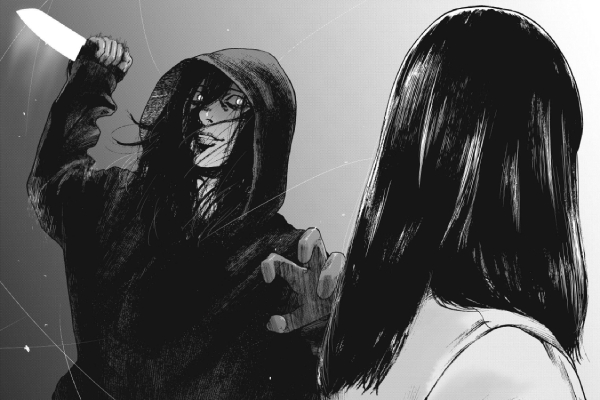
My Dearest Self With Malice Aforethought is one of the most addictive thrillers I’ve read in years. Illustrated by Shota Ito and written by Hajime Inoryuu, it’s a tightly woven psychological manga that keeps readers guessing at every turn. What begins as a case of mild amnesia quickly transforms into one of the most twisted, energetic thrillers in manga.
The story follows Eiji Urashima, an unremarkable college student who wakes up one morning beside a woman claiming to be his girlfriend. The problem is, he has no memory of ever meeting her. What seems like an awkward misunderstanding escalates when Eiji discovers that several days of his life are missing, and that during that time, someone who looks exactly like him may have committed a violent crime. As he searches for answers, he finds himself caught between two selves: the one he remembers, and the one capable of horrifying things.
As a psychological horror manga, My Dearest Self With Malice Aforethought excels at manipulating both its readers and the protagonist. The premise of your other self working against you is terrifying, but the execution elevates it further. Every revelation reshapes the story, forcing you to question what’s real and who can be trusted.

The first half of the manga is a relentless series of twists. Almost every chapter upends expectations, transforming what you thought was a straightforward mystery into something much darker. In the second half, the pacing slows, giving the story room for reflection and character depth, though some of the psychological turns push believability to the limit. Even so, the emotional and psychological core remains strong, and the final act delivers a satisfying resolution.
Visually, the art is crisp and cinematic. Ito’s clean lines and realistic faces contrast sharply with the story’s psychological volatility. Every expression carries tension, and every shadow feels deliberate. It’s this grounded presentation that keeps the manga gripping even when the narrative edges into unrealistic territory.
My Dearest Self With Malice Aforethought is a rare example of a thriller that balances unpredictability with psychological depth. Beneath its shocking twists lies a story about identity, guilt, and the terrifying idea that our worst enemy may be part of our own mind.
Genres: Psychological, Thriller, Mystery, Drama
Status: Completed (Seinen)
18. MPD Psycho
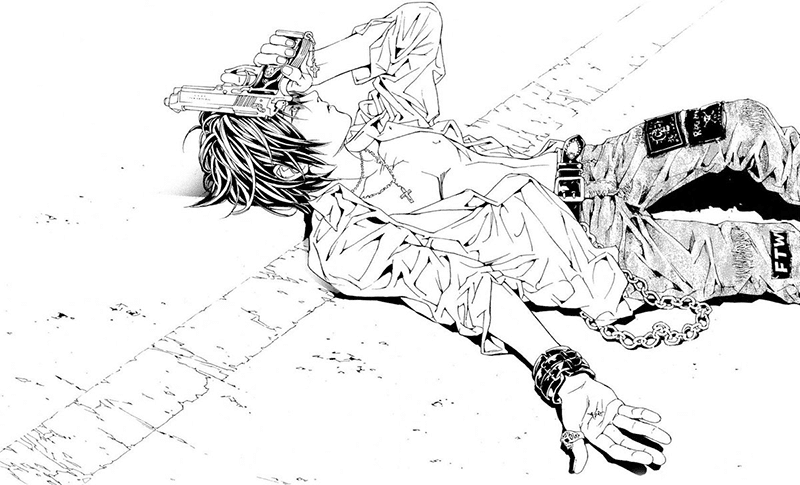
Few series capture the horror of multiple personality disorder as thoroughly as MPD Psycho. Written by Eiji Otsuka and illustrated by Shou Tajima, this is one of the most ambitious and disturbing crime thrillers in manga. What begins as a gritty detective story gradually transforms into an intricate psychological manga that dives into identity, trauma, and the fracturing of the human mind.
The story follows detective Kazuhiko Amamiya, who suffers from multiple personality disorder. The setup seems straightforward: a string of bizarre and gruesome murders, an investigation haunted by the past, and a noir tone that borders on nihilism. Soon enough, the cases begin to connect in strange, unnerving ways. The trail leads to shadowy organizations, brainwashing experiments, and cults that manipulate memory. Each revelation pulls the reader further into a web of conspiracies.
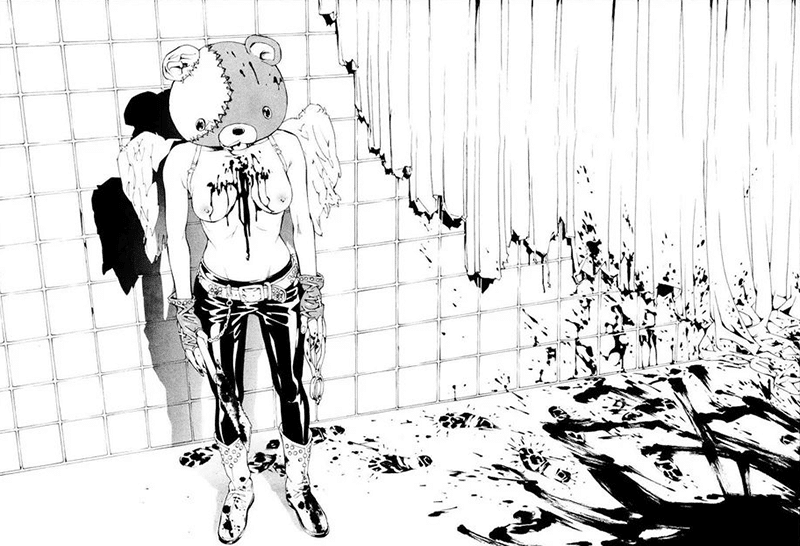
As a psychological manga, MPD Psycho explores the boundaries between self and other, and between sanity and madness. Amamiya’s condition is not just a character quirk but the central lens through which the story unfolds. His split personalities each reveal a different piece of the truth, and the struggle between them mirrors the story’s larger themes of control, identity, and moral corruption. The idea of who Amamiya really is becomes the ultimate mystery, and the answer is as horrifying as any crime scene.
The art by Shou Tajima is both brutal and beautiful. Every panel is rendered with surgical precision, giving even the most gruesome moments a cold, clinical clarity. The violence is extreme, but rather than feeling gratuitous, it reflects the breakdown of the human psyche the story dissects so meticulously. Characters look real, exhausted, and scarred, grounding the chaos in a deeply unsettling realism.
MPD Psycho isn’t an easy read. The plot is dense, disorienting, and often horrifying, but it rewards patience with a narrative that feels like peeling back the layers of a collective nightmare. It stands as a masterpiece of psychological storytelling, where identity itself becomes a crime scene. For anyone interested in complex, intelligent, and uncompromising crime thrillers, MPD Psycho is a must-read.
Genres: Psychological, Horror, Mystery, Crime, Thriller
Status: Completed (Seinen)
17. Yamikin Ushijima-kun
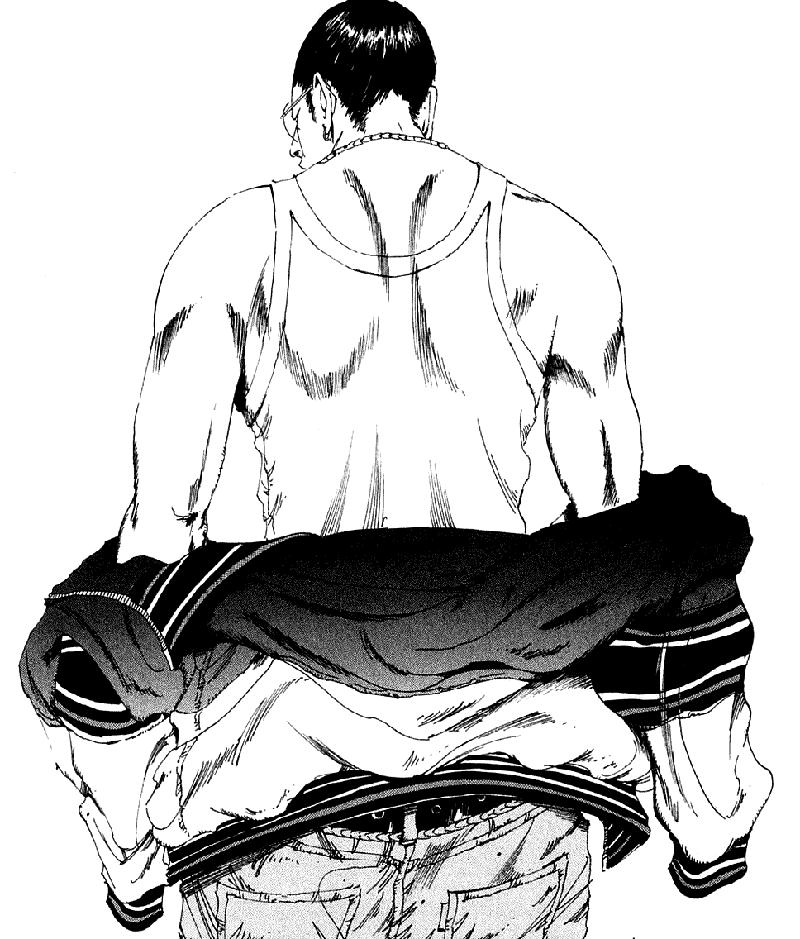
Manabe Shōhei’s Yamikin Ushijima-kun is one of the darkest, most unflinching portrayals of modern Japan ever put to paper. This long-running series dives into the world of black-market moneylenders, where desperation and debt drive people to ruin. It’s a brutally realistic psychological manga about human greed, weakness, and survival in a society designed to crush the vulnerable.
The story follows Kaoru Ushijima, a loan shark who lends money at absurdly high interest rates. His clients are society’s discarded, including overworked salarymen, gambling addicts, single mothers, or dreamers chasing impossible success. Ushijima himself is neither villain nor savior. He’s simply a man doing his job, collecting what he’s owed no matter the cost. His methods range from intimidation and extortion to manipulation and violence, all executed with chilling professionalism.
Yamikin Ushijima-kun is disturbing not for its brutality, but for its authenticity. There are no fantasy elements, no heroes, no easy redemption. Each arc introduces new victims and new tragedies, painting a mosaic of modern-day desperation. The manga shows how quickly people spiral from ordinary hardship into total collapse, often for reasons that feel painfully believable. These stories of downfall aren’t just crime tales but psychological studies of what happens when people lose all hope.
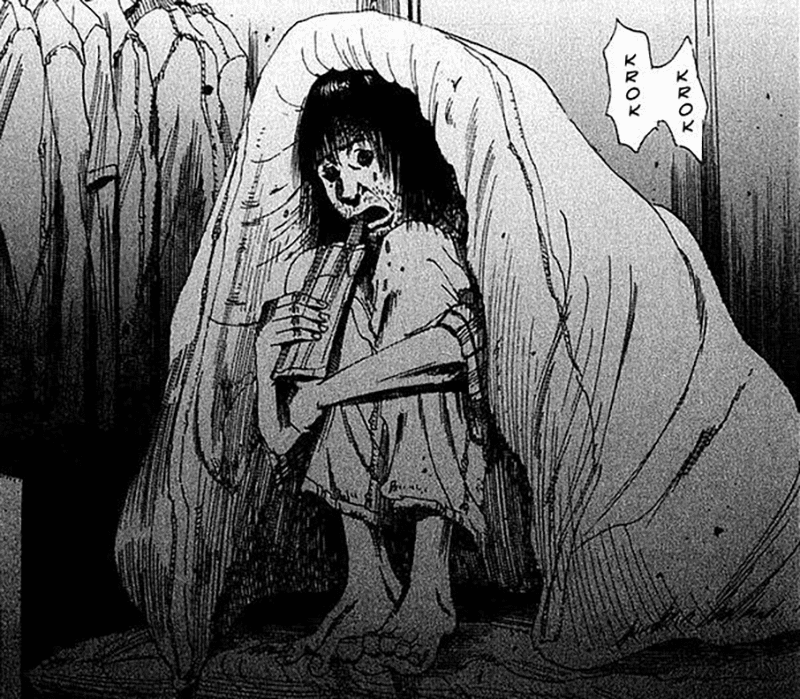
As a psychological manga, its impact lies in its unusual blend of empathy and honesty. It examines not only the predators but also their prey, showing how poverty, loneliness, and pride can push people into impossible situations. Even Ushijima, cold and methodical, reflects the society that created him. The more the manga progresses, the clearer it becomes that he’s not the true monster; it’s the world around him.
Manabe Shōhei’s art reinforces that bleak realism. His characters look weathered and human, with none of the gloss or exaggeration typical of most manga. Every backdrop, alleyway, and sweat-drenched face feels alive. The result is a world that feels oppressive yet entirely believable.
Unpleasant, gripping, and unforgettable, Yamikin Ushijima-kun stands as one of the most powerful depictions of Japan’s underworld. It offers no catharsis and no glamor, only raw truth about human nature and the systems that exploit it. This is a must-read for anyone interested in crime fiction that digs deep into the psychology of desperation.
Genres: Psychological, Crime, Drama
Status: Completed (Seinen)
16. Utsubora
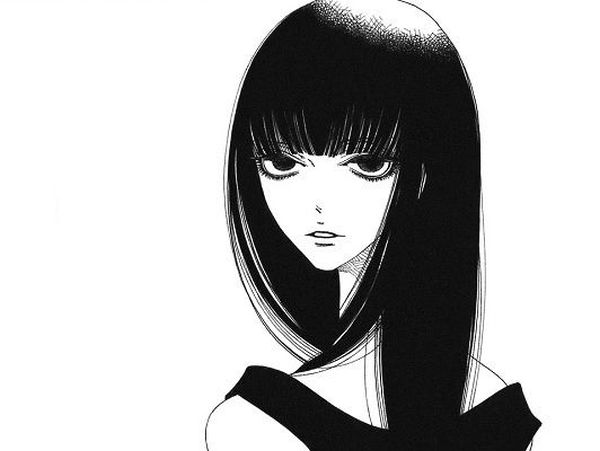
I first became interested in Utsubora: The Story of a Novelist because of its subtitle alone. As a writer myself, that was enough to draw me in. What awaited me was one of the most delicate and quietly devastating works I’ve ever read. It’s a psychological manga about identity, obsession, and the slow decay of artistic purpose.
Our protagonist, Shun Mizorogi, is a once-celebrated novelist whose creativity has withered away. When a young woman named Aki Fujino commits suicide after contacting him, her identical twin, Sakura Miki, suddenly appears. When Mizorogi’s latest book becomes the center of a plagiarism scandal, the lines between fiction and reality blur completely. The more Mizorogi tries to maintain control, the more his world unravels.
Utsubora shines as a psychological manga on several levels. It’s about the fragility of identity, both artistic and personal, but also about the dangerous temptation to live through one’s creation. Mizorogi is a man haunted by mediocrity and fading relevance, and his descent feels both tragic and disturbingly relatable. The ambiguity of the narrative reflects this disorientation and mirrors the collapse experienced by those who cannot separate art from life.
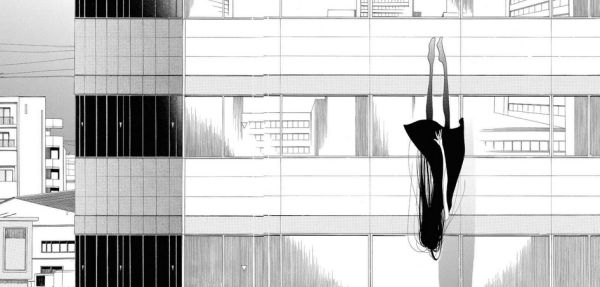
Asumiko Nakamura’s art is a perfect match for the material. Her delicate linework, restrained paneling, and expressive faces create an atmosphere of quiet but persistent unease. Characters often appear calm, even in moments of emotional chaos, giving the manga a hypnotic tension that lingers long after reading. There’s an elegance to every scene, whether it’s a simple conversation or a moment of eroticism tinged with melancholy.
What makes Utsubora remarkable is its maturity. It never overexplains and never resorts to shock. Instead, it invites readers to interpret the story’s mysteries by themselves. Beneath its surface lies a deep exploration of creation, plagiarism, and the way art becomes a mirror for self-destruction. It’s a rare, introspective work that rewards patience and close attention, one that lingers in the mind.
With its elegant art, melancholic characters, and beautifully unsettling story, Utsubora stands as one of the most refined pieces of psychological fiction in manga. For readers drawn to stories about the inner life of artists or identity crises, this is a must-read.
Genres: Psychological, Drama, Mystery
Status: Completed (Josei)
15. Helter Skelter
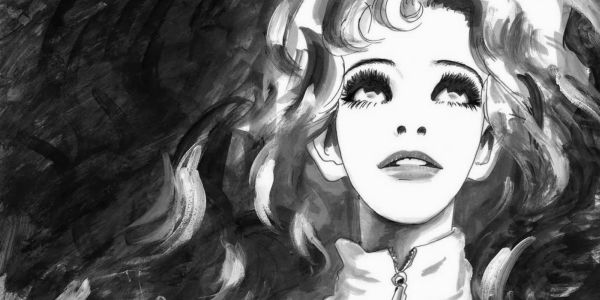
Kyoko Okazaki’s Helter Skelter is one of the most disturbing and psychologically complex manga ever created. It offers a harrowing look at the dark side of fame, vanity, and identity, told through the unraveling mind of a woman who built her life on illusion. It’s an undisputed masterpiece of psychological manga that explores what happens when beauty turns into madness.
Haruko ‘Liliko’ Hirukoma is Japan’s most famous model, but unbeknownst to the general public, her entire body has been surgically reconstructed. She’s adored by millions, constantly photographed, and envied for her perfection. But behind the camera lies something grotesque. As her body begins to deteriorate, her popularity starts to fade, and her carefully constructed identity collapses. As a result, the glamorous portrait of celebrity life turns into an unflinching descent into paranoia, cruelty, and self-destruction.
Liliko is one of the most haunting protagonists in psychological manga. She is both victim and monster, a woman cursed by her need to remain in the limelight. Her downfall feels inevitable, but Okazaki renders it with such humanity that it’s impossible to look away. Beneath the surface story of fame gone wrong lies a deeper critique of how society objectifies women, devours youth, and rewards self-erasure. Liliko’s tragedy is that she becomes exactly what the world demands: a product without soul, authenticity, and peace.
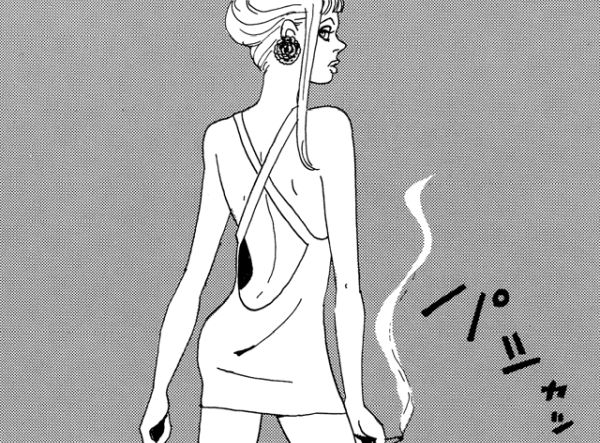
Okazaki’s art captures this decay perfectly. The sketchy, uneven lines, the raw faces, and the sense of movement all feel slightly off balance, but deliberately so. The style isn’t meant to be pretty. It’s meant to unsettle. Every imperfection reflects Liliko’s own psychological disintegration. The minimalist paneling and cold white spaces give the manga an avant-garde edge.
What makes Helter Skelter unforgettable is its honesty. It doesn’t moralize or exaggerate. Instead, it confronts the reader with the psychological horror of being consumed by one’s image. Liliko’s self-destruction feels both personal and universal, a depiction of a society obsessed with perfection.
Dark, bleak, and deeply unsettling, Helter Skelter is a landmark in psychological manga and one of the boldest examinations of identity ever written.
Genres: Psychological, Drama, Avant-Garde
Status: Completed (Josei)
14. Blood on the Tracks
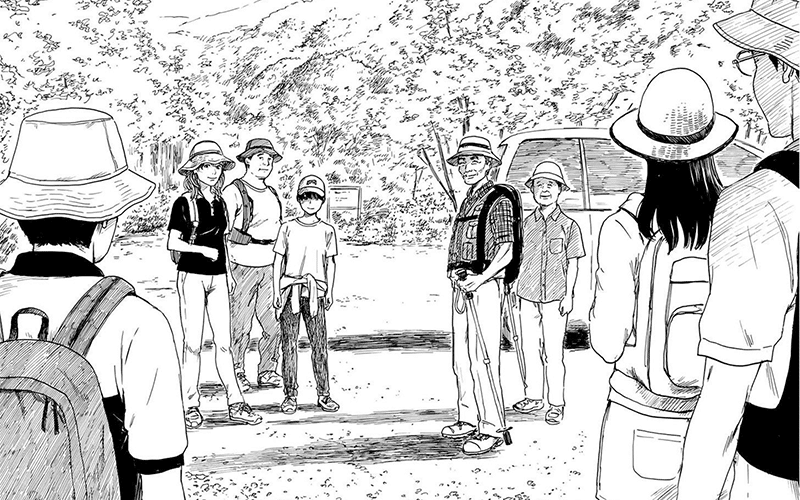
The second of Shūzō Oshimi’s works on this list, Blood on the Tracks is widely regarded as his masterpiece. It’s a dark, intimate, and deeply disturbing story about the slow psychological destruction of a young boy under the weight of his mother’s control. Among modern seinen works, few psychological manga capture horror this quietly or this completely.
Seiichi Osabe is a shy middle-school boy who lives under the watchful eye of his mother, Seiko. Her affection feels overly protective but harmless, nothing more than a mother who loves her son too much. Then, a single shocking moment tears their ordinary life apart. What follows is a suffocating portrait of manipulation, dependency, and fear. Seiichi soon realizes that love can be the most terrifying form of control.
While other manga of this kind rely on violence or disturbing imagery, Blood on the Tracks is such a powerful psychological manga because of its restraint. Oshimi stretches time until every moment, every silence, and every trembling glance feels unbearable. The terror comes not from violence but from implication, from watching a mother’s smile slowly warp into something inhumane. The pacing is deliberate, forcing the reader to sit and watch the discomfort of emotional abuse.
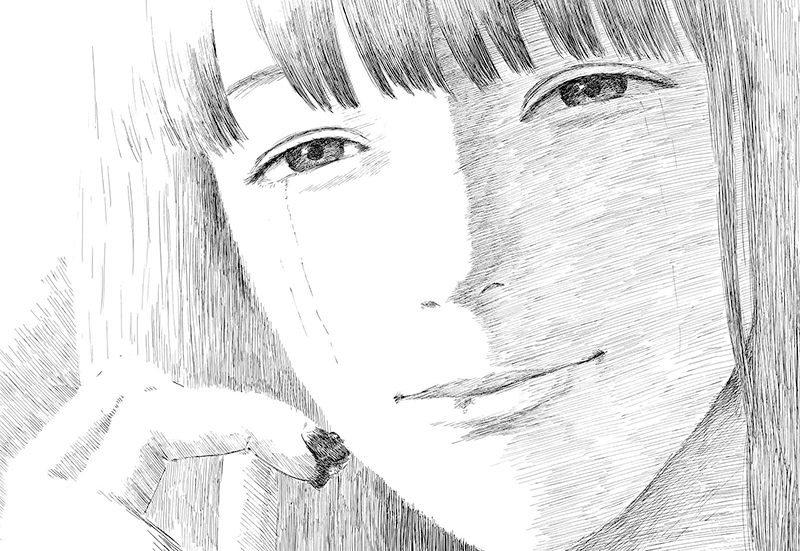
Oshimi’s art is deceptively simple yet devastatingly precise. His clean lines, empty spaces, and close-up panels of faces communicate volumes without dialogue. Every detail, from Seiko’s calm eyes to Seiichi’s hesitant posture, adds another layer to the story’s emotional suffocation. The rare moments of open scenery or movement feel like temporary gasps of air before being pulled back under.
At its core, Blood on the Tracks is a story about love corrupted. It exposes the fragile boundary between affection and obsession, and how easily the human mind can twist devotion into horror. It’s a slow, painful descent into the psychology of abuse, one that never looks away or offers false comfort.
Beautiful, haunting, and emotionally exhausting, Blood on the Tracks remains one of the most unforgettable psychological studies in modern manga.
Genres: Psychological, Horror, Tragedy, Philosophical, Slice of Life
Status: Completed (Seinen)
13. Alice in Borderland
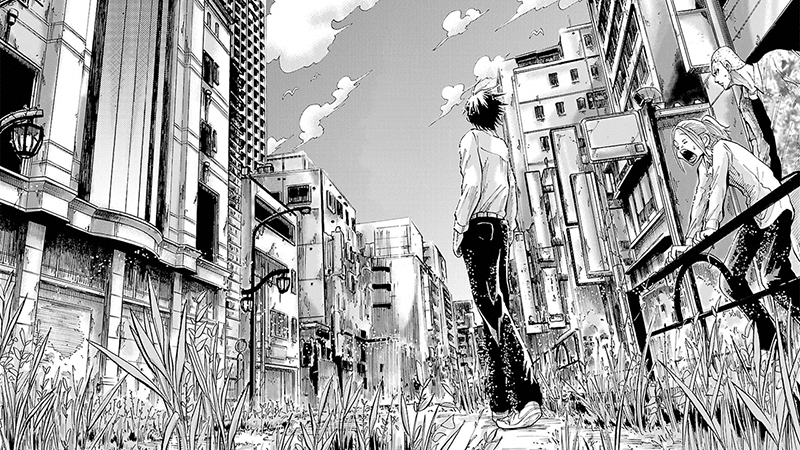
Alice in Borderland by Haro Aso is one of the most gripping death-game series ever written. Combining brutal survival challenges with complex emotional stakes, it stands as one of the strongest examples of how psychological manga can blend intellect, despair, and hope within a single narrative.
The story follows Ryohei Arisu, a disillusioned teenager who feels aimless in the real world. One night, after witnessing a burst of mysterious fireworks with his friends Karube and Chota, he awakens in an empty version of Tokyo known as the Borderland. Here, the only way to survive is to compete in deadly games, each designed to test a different aspect of human nature. Failure means death, and even victory only grants temporary safety.
Each game carries a playing-card symbol that determines its focus. Spade games demand physical strength, clubs emphasize teamwork, diamonds challenge logic, and hearts test emotional endurance. The “heart” games, in particular, highlight the psychological nature of the series, forcing participants to betray, manipulate, or destroy one another to live. These moments reveal not only the cruelty of the system but also the fragile limits of human morality when pushed to the breaking point.
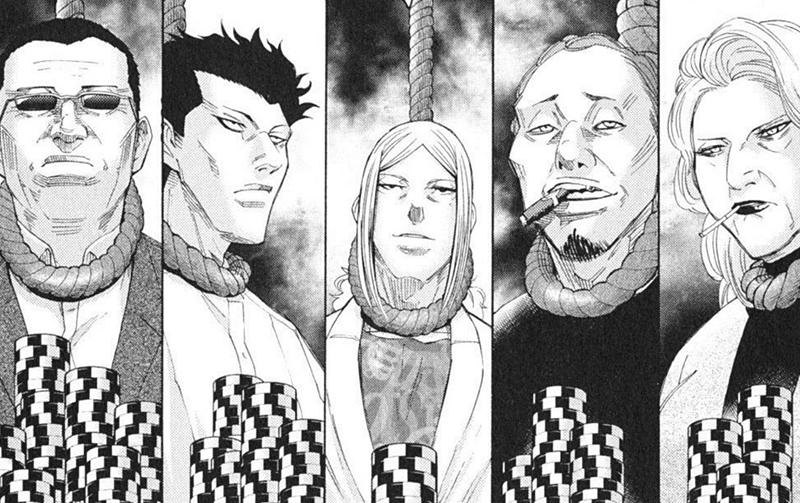
As the story progresses, Alice in Borderland evolves from a survival thriller into a broader study of purpose and meaning. Arisu undergoes a gradual psychological transformation, learning to confront loss, guilt, and the question of why he should continue fighting in a world that no longer feels real. The other characters, from the enigmatic Chishiya to the resilient Usagi, each embody different responses to despair, making the ensemble as layered as the games themselves.
Haro Aso’s art captures both chaos and quiet reflection. The vast, deserted Tokyo skyline feels almost apocalyptic, while the precision of the game sequences gives every trap and twist a chilling realism. The violence is sudden and cold, yet never gratuitous. Instead it serves the story’s psychological impact rather than spectacle.
By its end, Alice in Borderland becomes less about survival and more about human connection. It explores how people adapt when stripped of comfort, structure, and trust, and how even in the darkest places, hope can persist. For fans of intelligent thrillers and character-driven tension, it’s a must-read and a perfect example of how psychological manga can balance heart and horror in equal measure.
Genres: Survival, Psychological Thriller, Drama
Status: Completed (Shonen)
12. Liar Game
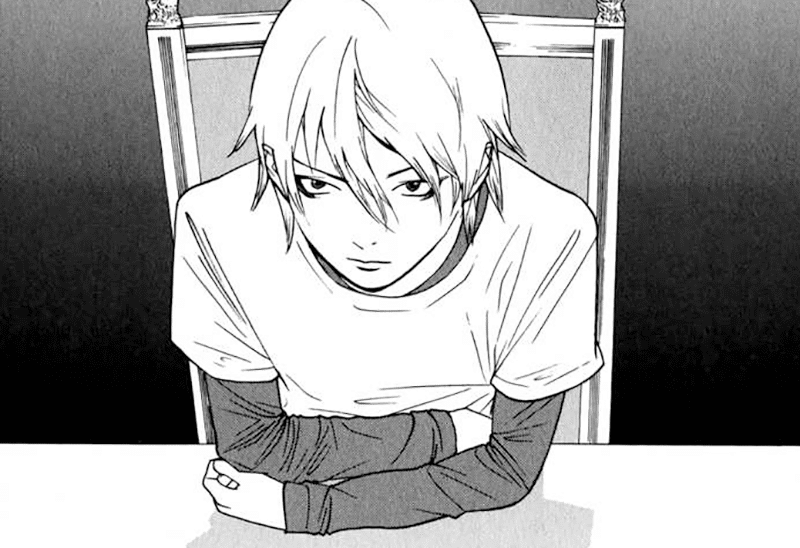
Liar Game by Shinbo Kaitani is one of the most brilliant mind-game series ever created. It takes the concepts of trust, deceit, and manipulation and turns them into a constant battle of wits that keeps readers hooked from start to finish. Though it rarely delves into overt character psychosis, it remains one of the purest examples of a psychological manga built entirely around human reasoning, strategy, and the darker sides of human behavior.
The story follows Kanzaki Nao, a young woman so honest she struggles to tell even a small lie. Her life changes when she’s suddenly invited to participate in the Liar Game, a mysterious competition where contestants use deception to steal each other’s money. Almost immediately, Nao is tricked and loses everything. Desperate, she seeks the help of Shinichi Akiyama, a recently released con artist with an exceptional understanding of human psychology. Together, they continue the game, out-thinking and outmaneuvering the game’s most cunning participants.
What defines Liar Game as a psychological manga is the precision of its games. Each round introduces a unique scenario built around group psychology, logic, and social manipulation. The rules may seem simple at first, but every match evolves into a layered psychological battle involving betrayals, alliances, and clever reversals. Kaitani explores game theory, herd mentality, and the fragility of trust in ways few manga have ever attempted.
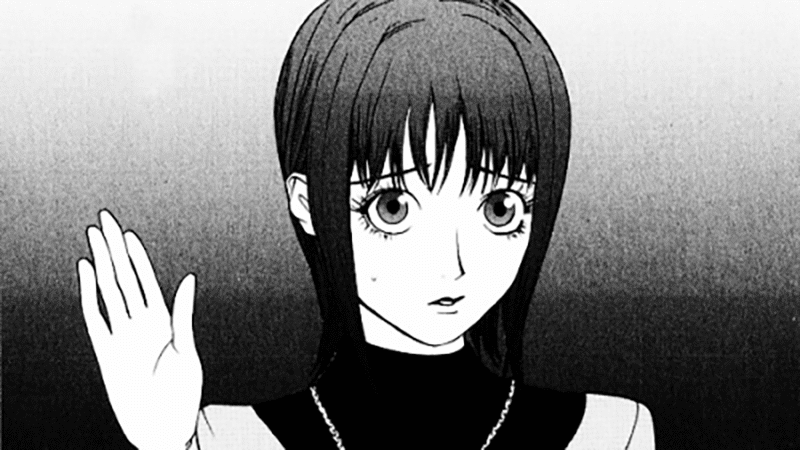
Akiyama’s calm intellect contrasts perfectly with Nao’s moral idealism, creating a fascinating dynamic between reason and empathy. The series also features unforgettable opponents like Yokoya and Harimoto, who force Akiyama into increasingly complex mental duels. Every encounter feels like a chess match where emotions, logic, and human weakness become the deciding factors.
Kaitani’s clean, precise artwork complements the story’s focus on psychological tension. The facial expressions are often exaggerated but manage to capture the shock, paranoia, and realization that accompany every twist. The layouts remain clear and fast-paced, even when the narrative grows dense with strategic explanations.
Some arcs may feel overly technical or dialogue-heavy, yet that depth is part of the series’ charm. The reader is constantly challenged to think ahead, to test their own understanding of trust and manipulation. Even with an ending that feels somewhat abrupt, the journey remains one of the most rewarding experiences in seinen storytelling.
Genres: Psychological, Thriller, Mystery
Status: Completed (Seinen)
11. Joshikouhei
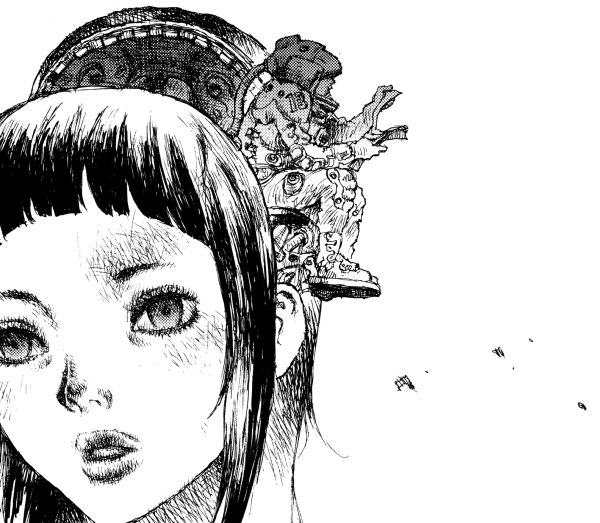
Jiro Matsumoto’s Joshikouhei is one of the strangest, most psychologically complex works in manga history. It takes the familiar structure of a military science-fiction story and mutates it into something deeply disturbing and unforgettable. Beneath its grotesque surface lies a psychological manga that explores identity, consciousness, and the disintegration of the self in ways few creators would ever attempt.
The premise alone borders on absurdity. In a distant, war-torn future, humanity fights an endless interdimensional conflict, deploying humanoid mechs called Assault Girls, giant war machines in the shape of high school girls. These weapons are controlled through neural synchronization, allowing their pilots to merge minds with the machines. The longer a soldier remains connected, the more their sense of self erodes. Their thoughts, emotions, and speech slowly transform until they begin to believe they are the teenage girls they pilot.
The protagonist, Lieutenant Takigawa, commands the Hyena Platoon, a special unit tasked with eliminating corrupted pilots who have completely lost touch with reality. His mission takes him deep into the heart of madness, where the boundaries between flesh and machinery, soldier and weapon, and human and inhuman begin to blur. What begins as grim military science-fiction evolves into a surreal descent into the psyche.
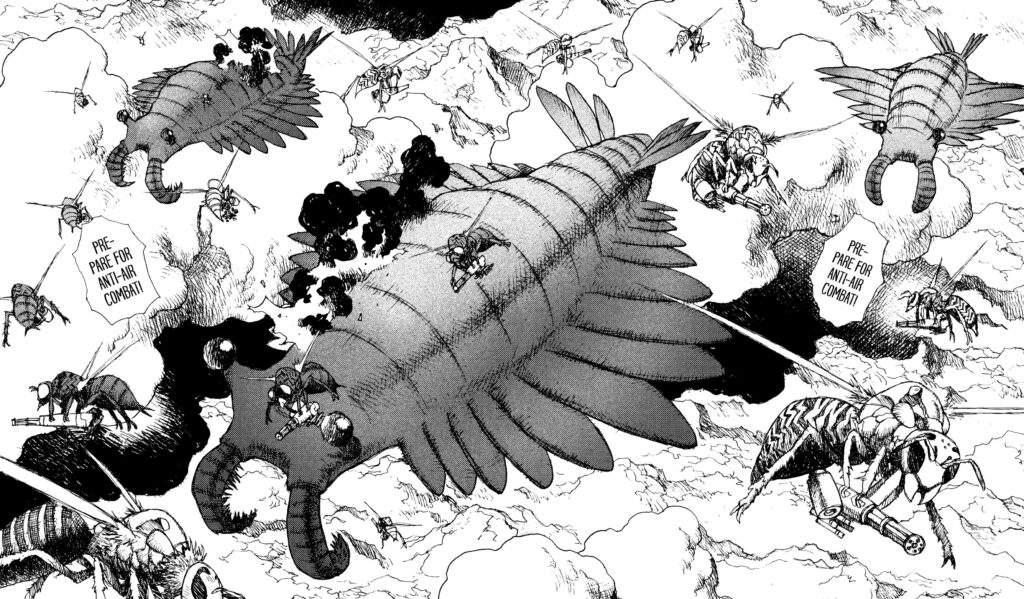
As a psychological horror manga, Joshikouhei is both visceral and cerebral. Its horror is rooted not just in gore or sexual shock, but in the terrifying question of what defines identity when consciousness itself can be rewritten. The story’s final arc spirals into philosophical surrealism, making you question the entire narrative that came before.
Matsumoto’s art mirrors this collapse perfectly. His frantic, sketch-like style creates a sense of chaos and motion that feels almost alive. The violence is raw and overwhelming, but the quiet moments between them reveals the manga’s true terror. There’s a sense that everything is constantly unraveling.
Despite its explicit content and disturbing imagery, Joshikouhei is more than shock art. Beneath its grotesque exterior lies an ambitious meditation on identity, autonomy, and the fragility of the human mind. It’s a transgressive, nightmarish, and intellectually rich experience that blurs every boundary between body, machine, and soul.
For readers fascinated by the outer edge of manga’s imagination, Joshikouhei stands as a rare masterpiece of surreal science-fiction and psychological manga.
Genres: Psychological, Sci-Fi, Mecha, Surreal, Erotic Horror
Status: Completed (Seinen)
10. Monster
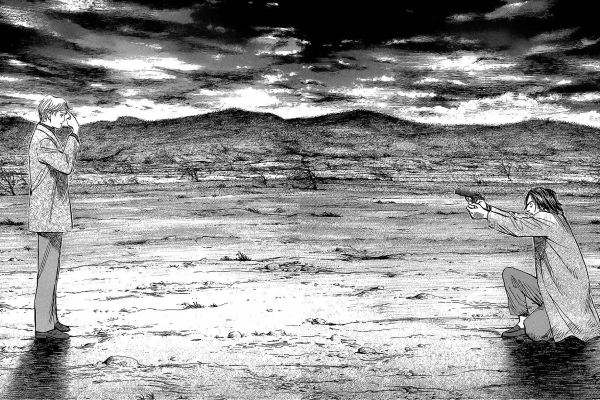
Naoki Urasawa’s Monster is his psychological and philosophical masterpiece, a monumental work of suspense and moral complexity that redefined what a thriller manga could be. Set in post-Cold War Europe, it combines noir atmosphere, philosophical depth, and masterful pacing to create one of the greatest manga ever written.
The story begins with Dr. Kenzo Tenma, a brilliant Japanese neurosurgeon working in Germany. One night, against orders from above, he saves the life of a young boy, Johan Liebert, instead of that of an important politician. His decision destroys his career, but the true consequences emerge years later, when Johan reappears as a remorseless killer. What follows is a long, haunting pursuit across Europe, as Tenma tries to stop the monster he once saved.
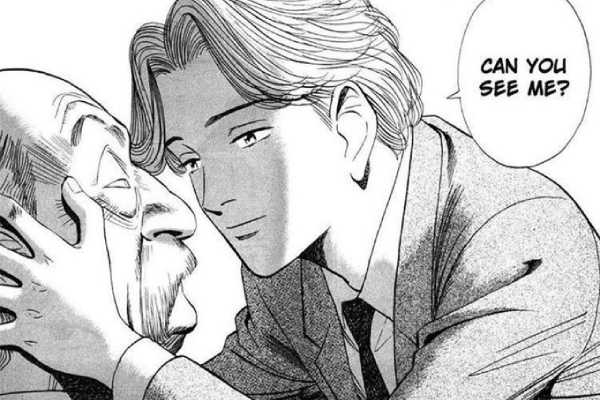
Monster excels as a psychological manga because it dives deep into the nature of good and evil. Johan is a terrifyingly calm figure whose charisma and intellect allow him to manipulate others into violence and despair. He doesn’t act out of greed or madness, but pure nihilism. His view of humanity is detached and analytical, treating people as objects to break. Watching him work is chilling precisely because his evil is rational.
Tenma, by contrast, is a man driven by conscience. His journey is as much internal as external, a moral pilgrimage where he must decide what justice truly means. Urasawa fills the story with morally gray figures who each reflect facets of Johan or Tenma’s internal struggles. The question that echoes throughout is simple yet profound: if evil can exist without reason, how can we define humanity?
Urasawa’s art heightens the realism and tension. His grounded character designs and cinematic paneling create a quiet dread that builds over time. Instead of jump scares or sudden violence, Monster thrives on its slow-burn atmosphere. Every conversation, each empty hallway, and each fleeting smile from Johan feels like a moment suspended between life and death.

While the manga occasionally stretches coincidence, its 162 chapters remain gripping throughout. The story’s structure, the process of moving from city to city and revealing new pieces of Johan’s past feels deliberate and methodical, reflecting Tenma’s slow realization that he isn’t hunting a man but confronting an idea.
Monster is ultimately about moral decay and the fragility of empathy. It’s not just a chase story, but an examination of what happens when a single act of compassion unleashes something inhuman. Profound, tense, and relentlessly intelligent, it remains one of the defining works of modern seinen fiction and psychological manga.
Genres: Psychological, Mystery, Drama
Status: Completed (Seinen)
9. The Climber
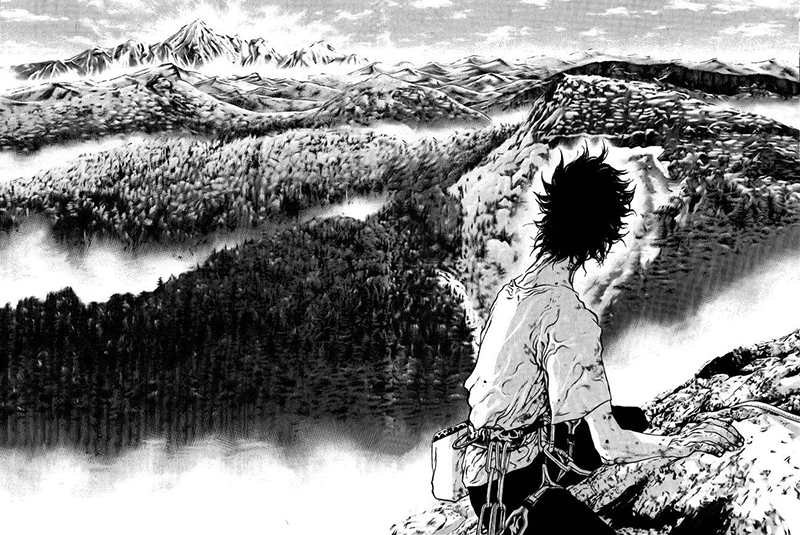
Shinichi Sakamoto’s The Climber is less a psychological thriller or mystery and more a psychological coming-of-age character study that uses mountaineering as a metaphor for confronting and overcoming inner demons. It’s one of the most hauntingly beautiful manga ever drawn, and a testament to Sakamoto’s mastery as both artist and storyteller.
The story follows Buntarou Mori, a withdrawn and directionless teenager whose life changes on a whim. After being challenged by a classmate to scale the school, Mori accepts and in the process awakens something inside of himself. That moment of quiet rebellion becomes the start of his obsession. From then on, climbing isn’t just his passion, but his reason for living.
What begins as a grounded sports narrative soon transforms into something far deeper. Mori is not a typical protagonist; he’s detached, introspective, and almost alien in how little he connects with others. Through climbing, however, he begins to experience transformation, not through social struggles or external validation, but through isolation and endurance. Every ascent mirrors an internal struggle. Each wall of rock is a confrontation with the limits of his mind and body.
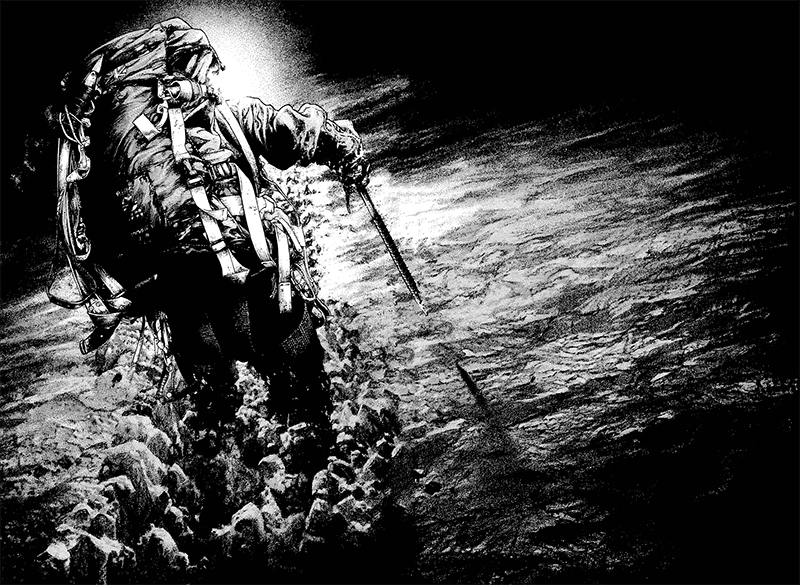
This makes The Climber a deeply effective psychological manga. It explores obsession not as a destructive force, but as a means of transcendence. Sakamoto’s portrayal of solitude is unnervingly raw. When Mori climbs, there are no inner monologues, no cheers, just the vast, cold silence of the mountains and the rhythm of survival. These moments of silence speak louder than any dialogue.
The manga also stands out for its unflinching realism. Climbing is shown not as an adventure sport but as a negotiation with death. The danger is constant and matter-of-fact, never dramatized. Characters fall, disappear, or are buried in snow without glory. Yet, that brutality gives the series its spiritual weight. Death is not the enemy; it is part of the climb, part of pursuing something greater than self-preservation.
Sakamoto’s art is simply breathtaking. His double spreads of towering mountain ranges are among the finest in all manga. His meticulous use of shading, texture, and lighting captures the sheer scale and beauty of nature with photographic precision. Many sequences unfold without a single word, relying entirely on visual storytelling. When Mori hangs from a cliff in the freezing air, you feel the height and fear, but also the serenity of that moment.
Originally co-created with writer Yoshio Nabeta, The Climber underwent a major tonal shift when Sakamoto took over solo. What began as a relatively straightforward sports drama evolved into a meditative, philosophical work about purpose, loneliness, and the human drive to ascend.
The deeper question that drives the story, that of why we climb mountains, is never answered directly. The simple answer, echoing the words of mountaineer George Mallory, is “because they are there.” Yet Sakamoto turns that simplicity into something profound. For Mori, climbing is not about accomplishment but about facing the void within himself. It’s about finding meaning in suffering, beauty in danger, and transcendence in endurance.
The Climber is a rare kind of psychological manga, one that communicates through silence and image rather than dialogue or dramatic twists. It’s a meditative experience: slow, melancholic, and overwhelmingly human.
Genres: Sports, Drama, Psychological
Status: Completed (Seinen)
8. Ichi the Killer
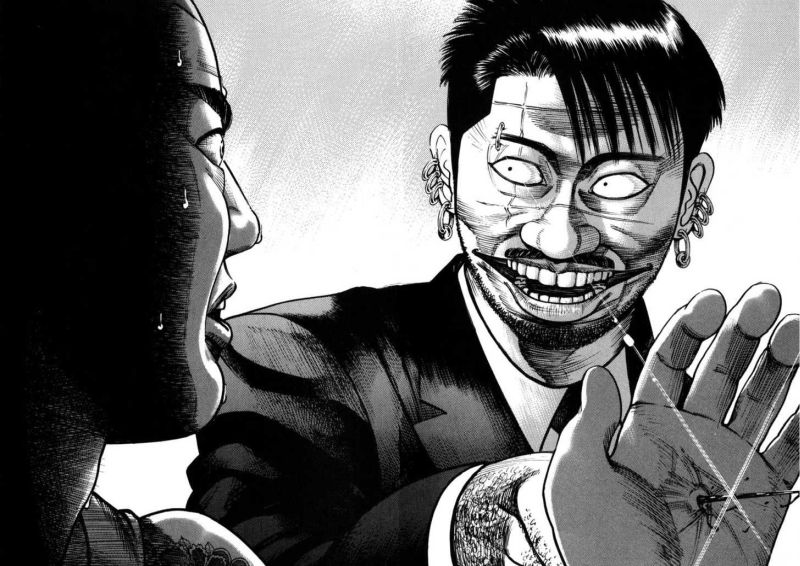
Ichi the Killer might be the most graphic and disturbing work on this list. Created by Hideo Yamamoto, it is, on the surface, an ultraviolent yakuza thriller about two men hunting each other. But beneath its shocking exterior lies one of the richest, most psychologically complex stories ever told in manga.
At its core, Ichi the Killer is a study of pain and power, revolving around two unforgettable figures. Ichi is a traumatized young man, manipulated into becoming a murderer. His counterpart, Kakihara, is a flamboyant, sadomasochistic yakuza enforcer who feels alive only through pain. When Kakihara’s boss disappears, his obsessive search leads him to Ichi, setting off a brutal collision between two broken souls.
It would be easy to dismiss Ichi the Killer as nothing more than an exercise in shock value, but doing so would overlook its brilliance as a psychological manga. The graphic violence, sexual depravity, and moral collapse all serve a larger purpose: to explore the extremes of human psychology. Yamamoto constructs a grim world where empathy and cruelty, pleasure and pain, become indistinguishable.
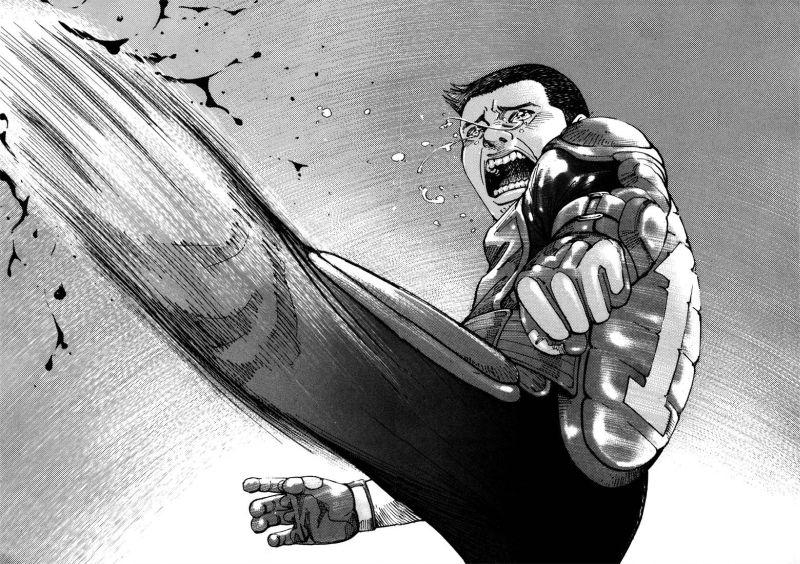
The psychological element extends beyond its two leads. Yamamoto uses their story to expose the darkest corners of society itself. The manga delves into the underbelly of Tokyo’s criminal world with unflinching realism, portraying it as a place where manipulation and abuse are normalized, and where vulnerability is constantly exploited. Every character, no matter how minor, seems trapped in a cycle of dominance and submission.
Visually, Ichi the Killer is as striking as it is repulsive. Yamamoto’s art is hyper-detailed yet eerily clean, a contradiction that heightens this discomfort. His mastery of facial expressions gives the characters a manic, grotesque intensity, often revealing their mental state more clearly than the dialogue ever could. When Ichi cries or laughs, it’s never clear where fear ends and pleasure begins. Kakihara’s scarred face, perpetually grinning through agony, becomes a symbol of both sadism and tragedy.
The violence itself deserves mention, not for its shock factor but for how purposefully it’s framed. Yamamoto glorifies it, but it’s often so over-the-top and chaotic it becomes exhausting and disturbing to witness. The scenes of torture and sexual degradation leave a psychological imprint, one that forces readers to question why they keep turning the pages. It’s less entertainment and more confrontation.
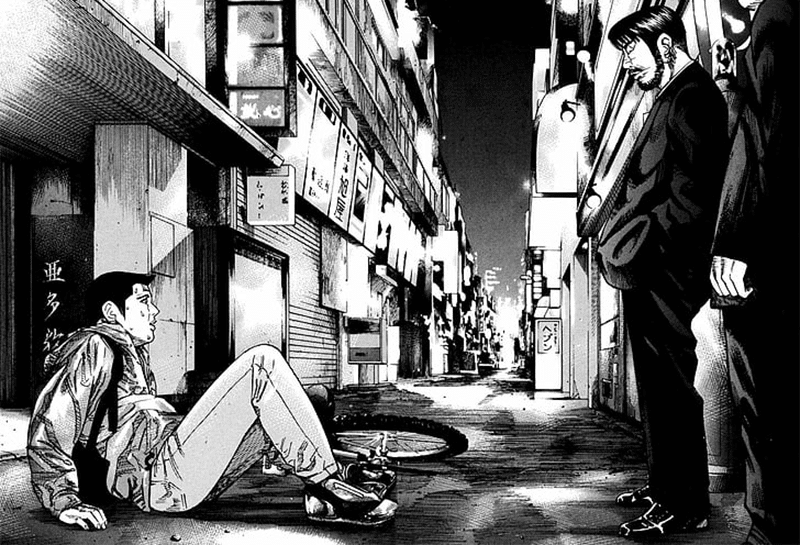
The manga’s deeper theme is trauma and how it can be weaponized. Ichi’s fragile psyche is systematically exploited by those around him, turning his naïveté into a tool of destruction. Kakihara, too, is a prisoner of his conditioning, chasing pain as a substitute for feeling. In the end, both men are broken by a system that breeds monsters, not through genetics, but through cruelty, neglect, and manipulation.
As disturbing as it is, Ichi the Killer remains a remarkable psychological manga precisely because it refuses to look away. It doesn’t moralize or romanticize its subjects, but dissects them. Yamamoto opens a window into the abyss of human behavior, and what he finds there is no evil for its own sake, but brokenness, loneliness, and the perverse way people try to feel alive.
Reading Ichi the Killer can be a punishing experience but also an unforgettable one. It’s grotesque, fascinating, and disturbingly honest about the human capacity for violence. Beneath its surface of blood and pain lies a story about control and manipulation.
Genres: Crime, Psychological, Gore
Status: Completed (Seinen)
7. Usogui
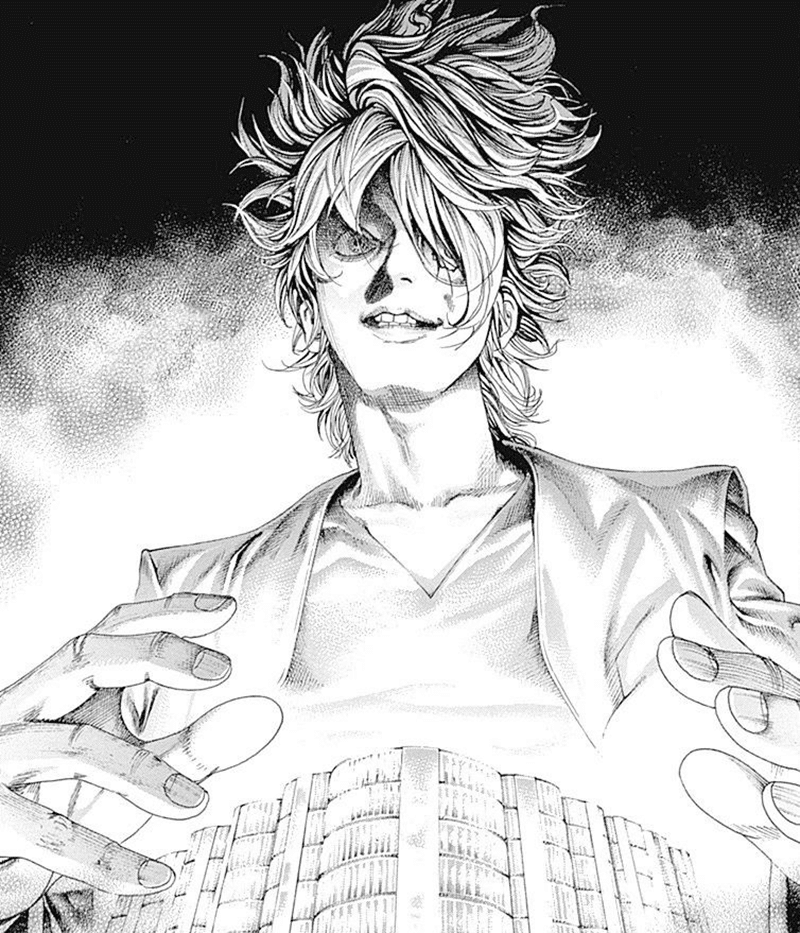
The final mind-game manga on this list is also the best the genre has to offer. Usogui by Toshio Sako stands at the peak of high-stakes strategy storytelling, a sprawling, intricate series that transforms gambling into a psychological battlefield. While it may not explore the human mind in the same way as darker, introspective works, it remains a brilliant psychological manga for how it captures tension, intellect, and the sheer willpower of every confrontation.
The series centers on Baku Madarame, the Lie Eater, a man who dives into deadly games overseen by Kagerou, a powerful underground organization that ensures every wager, no matter how lethal, is honored. Baku’s brilliance lies in his ability to see through deception, anticipation, and manipulation while maintaining absolute composure no matter how desperate the odds become. His opponents range from brilliant tacticians to sadistic killers, and every match becomes a duel of logic, deception, and nerve.
In its early chapters, Usogui feels rough around the edges. The first arc, which places Baku in an abandoned building against a psychotic killer, is more survival horror than a mind-game. Yet even in these early chapters, Sako’s storytelling reveals his talent for building pressure. By the time the manga reaches the Labyrinth arc, it hits its stride. From then on, each gamble becomes a masterpiece of tension, full of layered deceits, double bluffs, and sudden reversals that keep you guessing until the last page.
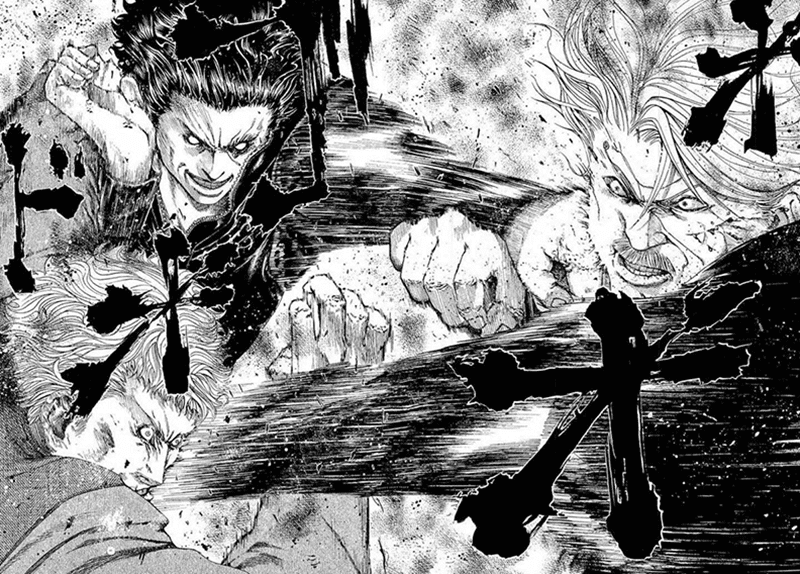
As the series progresses, it becomes increasingly complex yet remains surprisingly clear. The rules of almost every game, no matter how complex, are explained with precision, and the psychological warfare between players is the true draw.
By the Tower of Karma and Protopos arcs, Usogui ascends to another level entirely. The legendary Surpassing the Leader arc is the culmination of everything the series stands for: simple rules, impossible stakes, and strategies so deep they verge on the impossible. What could’ve been a simple gambling setup becomes one of the most insane and nerve-wracking duels in manga history.
Throughout its runtime, Sako’s artwork evolves dramatically, becoming sharper and more cinematic. His control over light, shadow, and perspective heightens each twist, turning the act of bluffing and betting into a visual spectacle.

Baku himself is a fascinating psychological figure. Though not an introspective protagonist in the traditional sense, his every action reveals his unrelenting will and mastery of human behavior. He embodies the spirit of psychological manga, but not through self-doubt or trauma, but through sheer intellect, observation, and focus. His charisma dominates the page, making him one of the most compelling strategic minds in the medium.
The supporting cast adds further depth. The ominous Kagerou referees give the series mythic weight. Opponents like Soichi Kimura and Vincent Lalo push Baku to his limits, forcing him to reveal layers of cunning and creativity that are almost supernatural.
If you enjoy strategic battles, high-stakes games, and stories that reward attention to detail, Usogui is an absolute must-read. It’s intense and deeply satisfying, a testament to how far psychological storytelling can be pushed within a competitive framework. Few series reach this level of precision or ambition, making Usogui one of the greatest seinen and psychological manga ever made.
Genres: Psychological, Gambling, Thriller
Status: Completed (Seinen)
6. Oyasumi Punpun
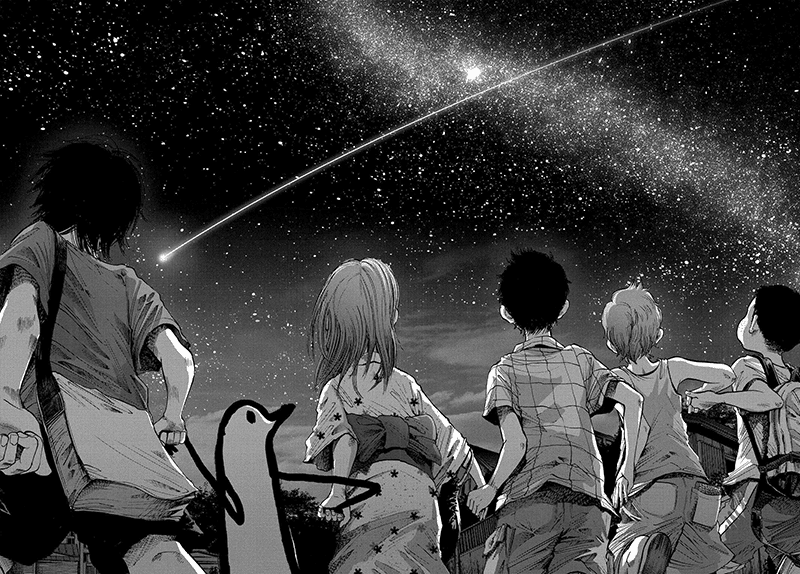
This list wouldn’t be complete without including Oyasumi Punpun, Inio Asano’s dark, psychological masterpiece. While Monster examines the nature of evil through a grand, suspenseful lens, Punpun turns inward instead. Its protagonist isn’t a genius or nihilist; he’s just an ordinary boy crushed beneath the quiet weight of life. This is one of the most psychologically bleak manga ever created, a work that details a slow, painful descent into despair, and one of the most powerful character studies in modern storytelling.
At first, Oyasumi Punpun feels deceptively gentle. We meet Punpun Onodera, an awkward eleven-year-old who falls in love for the first time and dreams small, innocent dreams. Yet his world is about to unravel. His parents fight, his family fractures, and the adults around him fail to offer guidance. What begins as a story about childhood quickly becomes a chronicle of emotional decay. Punpun drifts through adolescence and adulthood, his life shaped by trauma, guilt, and the crushing realization that the world doesn’t care about him.
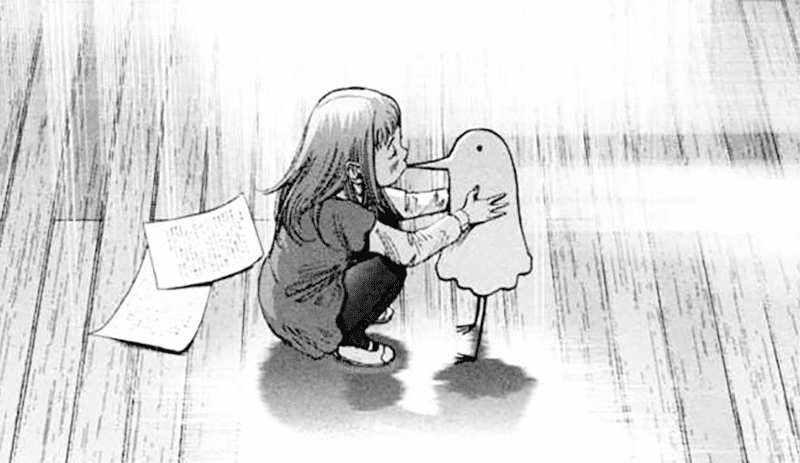
The brilliance of Asano’s storytelling lies in how he visualizes that alienation. The world of Oyasumi Punpun is drawn with hyper-realistic precision: gritty streets, cluttered rooms, and city skylines that seem alive. Against this backdrop, Punpun and his family are drawn as crude, bird-like caricatures. It’s a jarring but genius choice, emphasizing Punpun’s disconnection from his surroundings. He looks like he doesn’t belong, and he doesn’t. This visual metaphor, both surreal and subtle, gives the manga its haunting psychological heart.
As the story unfolds, Asano strips away the illusions of youth and replaces them with the full weight of adult reality. Abuse, sexual trauma, family dysfunction, and loneliness are all explored without sentimentality. Every smile hides pain, and every act of affection is tinged with selfishness or desperation. The relationships in Oyasumi Punpun are messy and often toxic, but they feel painfully real. Asano doesn’t moralize or redeem his characters. He simply observes them, exposing the small cruelties and accidents that shape their lives.
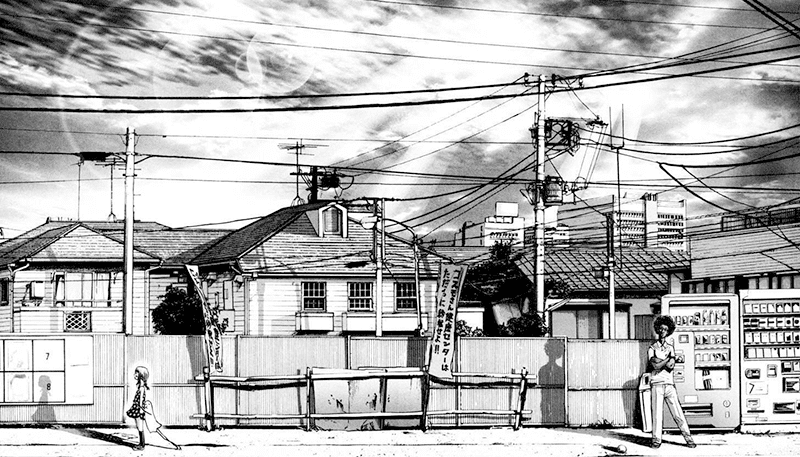
What makes this such a powerful psychological manga is how gradual the transformation feels. Punpun doesn’t go insane in any dramatic sense. Instead, he slowly fades. Every disappointment and betrayal chips away at him until there’s almost nothing left. The darkness in the manga isn’t supernatural or exaggerated; it’s the quiet, invisible sort that accumulates over years of neglect and disillusionment. As readers, we see the slow erasure of innocence in excruciating detail, until we can no longer tell whether Punpun is a victim or his own worst enemy.
The later arcs of the manga push these ideas to their limit. Punpun’s young adult years become a fever dream. Some moments feel chaotic or even melodramatic, but that messiness is part of its authenticity. Asano captures how depression and self-hatred can reach an irreversible breaking point. But even then, life simply continues on, and this might be the most painful thing of all.

At its core, Oyasumi Punpun asks how an ordinary person becomes lost. It’s not a story about villains or heroes, but about small moments, the words left unsaid, the love that never arrived, the dream that died quietly. There’s no redemption, only understanding. It’s dark, raw, and deeply uncomfortable, but it’s also profoundly human.
Inio Asano’s magnum opus is not an easy read, but it’s impossible to forget. It’s a rare example of a manga that treats adolescence and adulthood with brutal honesty, showing how fragile identity can be when tested by the world’s indifference. For readers looking for a psychological manga that cuts to the bone, Oyasumi Punpun stands as one of the most haunting works the medium has ever produced.
Genres: Psychological, Drama
Status: Completed (Seinen)
5. Homunculus
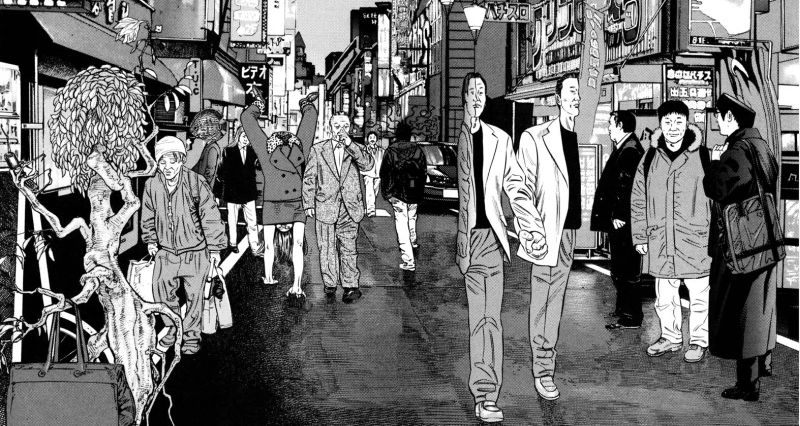
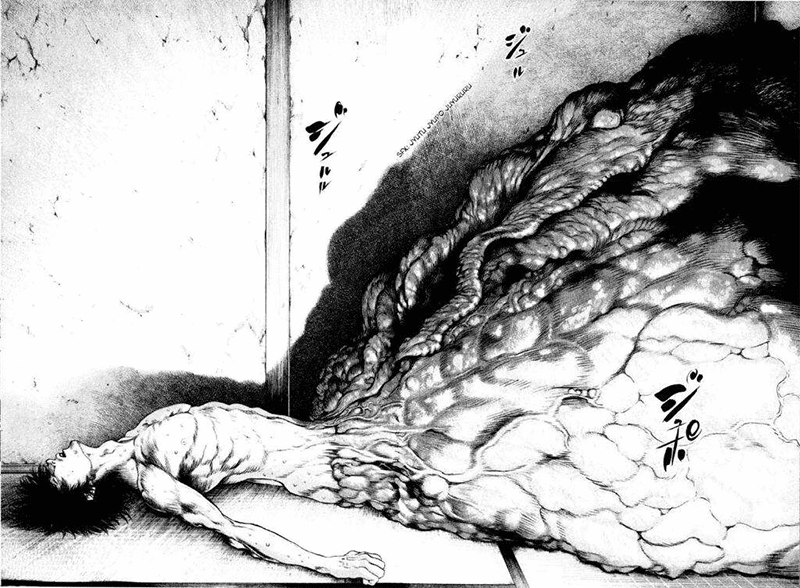
Hideo Yamamoto’s Homunculus is his true psychological masterpiece. While Ichi the Killer shocked readers with violent depravity, Homunculus trades blood and gore for something far more disturbing: a descent into the human mind. The story begins with a strange medical experiment but transforms into one of the most haunting and intellectually stimulating psychological manga ever written.
We’re introduced to Susumu Nakoshi, a man literally and metaphorically stuck between two worlds. He lives in his car, parked between a lavish hotel and a park full of homeless people. One day, a young medical student named Manabu Ito approaches him with a bizarre proposal: to undergo trepanation, an ancient procedure that involves drilling a hole into the skull to unlock hidden parts of consciousness. Desperate for money, Nakoshi agrees. But the moment the surgery is done, he begins to see horrifying, distorted reflections of the people around him: their homunculi.
At first, these hallucinations appear to be supernatural. Nakoshi sees people as grotesque monsters, their physical form warped beyond recognition. But as the story unfolds, it becomes clear that these visions are more than hallucinations. Each homunculus represents the inner trauma, desire, or insecurity of the person he’s looking at. The result is a deeply unsettling journey through the subconscious, where reality and metaphor constantly overlap.

What makes Homunculus so powerful as a psychological manga is how Yamamoto uses its surreal premise to dissect identity and perception. Nakoshi’s gift, or curse, forces him to confront both his own suppressed past and the hidden ugliness within others. The more he sees, the less stable his sense of self becomes. By the midpoint of the manga, the focus shifts inward. The story stops being about strange powers and becomes a study of mental collapse, repression, and the fragility of identity. Nakoshi’s reality disintegrates, and the line between self and others begins to blur entirely.
Visually, Homunculus is astonishing. Yamamoto’s realistic art style captures every nuance of expression, every flicker of discomfort, while the design of the homunculi is nothing short of disturbing. Some are erotic, others grotesque, but all feel deeply symbolic. They expose the raw, unfiltered emotions that people hide behind their social masks. The art doesn’t just show distortion; it feels distorted, as if the reader is trapped in the same world Nakoshi is.
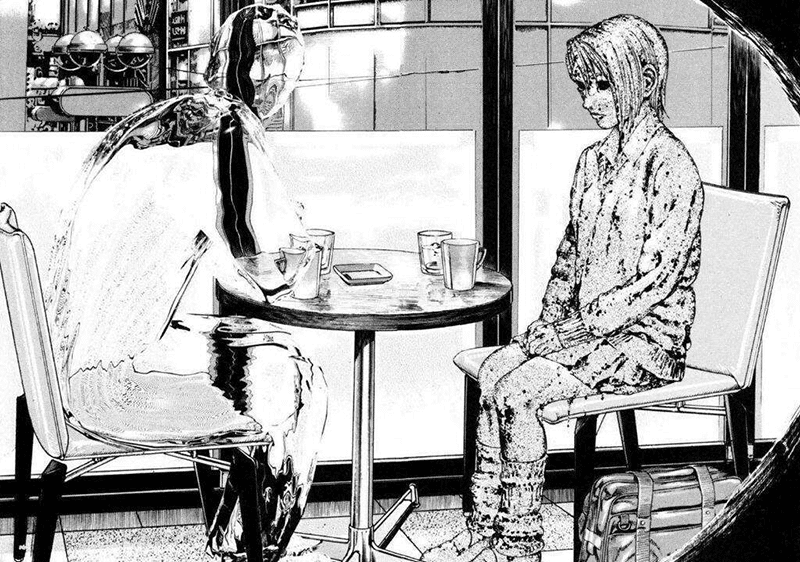
As the story moves into its later volumes, logic begins to fracture. The narrative grows increasingly weird as the boundaries between illusion and reality collapse. The ending remains controversial, but that ambiguity is part of its brilliance. Homunculus doesn’t give answers. Instead, it forces you to question your own understanding of self.
This is a rare work that truly earns the label of psychological manga. It’s an exploration of consciousness, identity, and trauma that might require multiple rereads to fully process. Every chapter feels loaded with symbolism, and the later parts of the story resemble a mental labyrinth.
Unsettling, intelligent, and profoundly human, Homunculus remains one of the greatest achievements in seinen storytelling. It’s a haunting exploration of what lies beneath perception, a surreal and philosophical masterpiece that proves that the mind itself can be the most terrifying thing of all.
Genres: Horror, Psychological, Philosophical, Drama
Status: Completed (Seinen)
4. Inside Mari
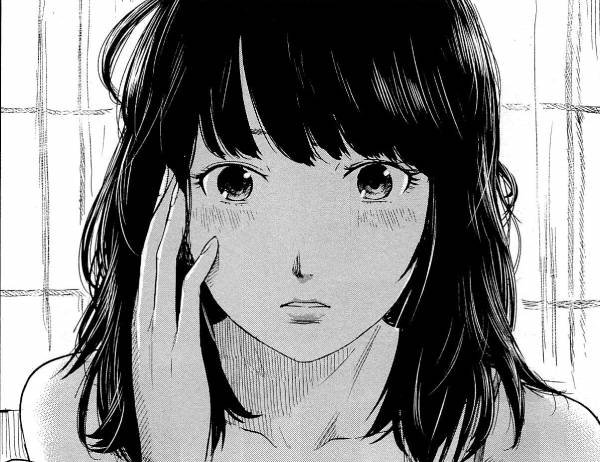
The final manga by Shūzō Oshimi on this list, and my personal favorite among his works, is Inside Mari, one of the most intriguing and unsettling reading experiences I ever had. What appears at first to be a weird body-swap story evolves into a haunting exploration of identity, repression, and the fragility of self. It’s a psychological manga of the highest order: intimate, unnerving, and impossible to forget once you’ve experienced it.
Isao Komori is a lonely college dropout who’s shut himself off from the world. His only comfort is quietly watching a high school girl named Mari at the local convenience store, admiring her from afar as a symbol of purity and normality. Then, one night, everything changes. Isao wakes up in Mari’s body with no explanation or memory of how it happened. At first, the premise feels like a gender-bender fantasy, but Oshimi’s true intent becomes clear in time.
From that shocking start, Inside Mari transforms into a slow-burn mystery about the human mind. Every chapter peels back a layer of denial and self-deception as Isao struggles to understand what’s really happening. The body-swap itself becomes symbolic of deeper trauma, and Oshimi uses it to explore isolation, sexual guilt, dissociation, and the hidden self. By the time the truth emerges, the story has turned into a profound study of the human psyche.
Oshimi’s storytelling thrives on moments of tension and vulnerability. He lingers on quiet, intimate moments that make the reader uncomfortable, not because of shock value, but because of their emotional honesty. The characters’ inner turmoil is so vividly drawn that you feel it. There are no easy answers. Instead, it’s the unfiltered honesty that makes Inside Mari such a remarkable psychological manga.
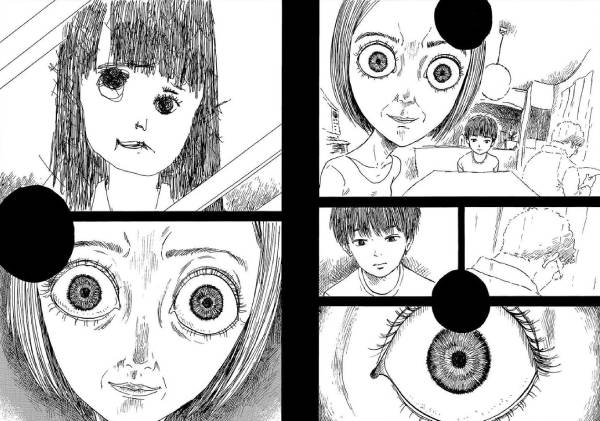
The art, as always with Oshimi, amplifies the unease. His clean, expressive linework captures every flicker of shame and confusion on a character’s face. The mundane city settings feel oppressive, reflecting the claustrophobia of inhabiting someone else’s body.
What’s most impressive is how controlled the narrative is. Oshimi builds mystery with patience and precision, guiding readers through increasingly unreal developments without ever losing emotional clarity. When the final revelation comes, it reframes everything before it in a way that’s deeply satisfying. It’s a twist that doesn’t rely on shock, but on emotional truth.
Inside Mari is not an easy manga to summarize, and it isn’t meant to be. The less you know going in, the more powerful the experience will be. It’s disturbing, unpredictable, and quietly devastating, but it’s also beautiful in how it confronts loneliness and the search for self. Few works in manga capture the inner landscape of the human mind with this level of intimacy and rawness.
Strange, emotional, and masterfully told, Inside Mari is Shūzō Oshimi at his boldest and most mature. It’s one of the best psychological manga I’ve read in years, and a must-read for anyone drawn to stories that explore the hidden corners of the mind.
Genres: Psychological, Mystery
Status: Completed (Seinen)
3. Bokutachi ga Yarimashita
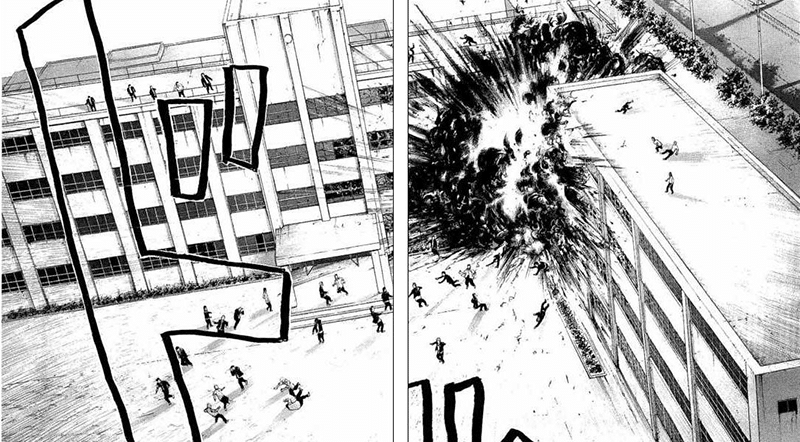
Nowadays Kaneshiro Muneyuki is best known for his shonen sports hit Blue Lock, but years before that, he wrote one of the darkest and most psychologically complex character studies in manga. Bokutachi ga Yarimashita begins as a simple slice-of-life story about bored teenagers, only to spiral into one of the bleakest and most unsettling depictions of guilt and consequences I’ve ever read. This is not a story about redemption but about survival, both mentally and morally.
The premise is deceptively ordinary. Tobio Masubuchi and his three friends, Isami, Maru, and Paisen, are typical high schoolers drifting through their youth. They hang out, complain about life, and occasionally fantasize about doing something reckless. When Maru is beaten up by delinquents from a nearby school, the group decides to take petty revenge. What starts as a childish prank meant to scare their rivals turns into a disaster, forcing the four friends to live with the unbearable consequences of what they’ve done.
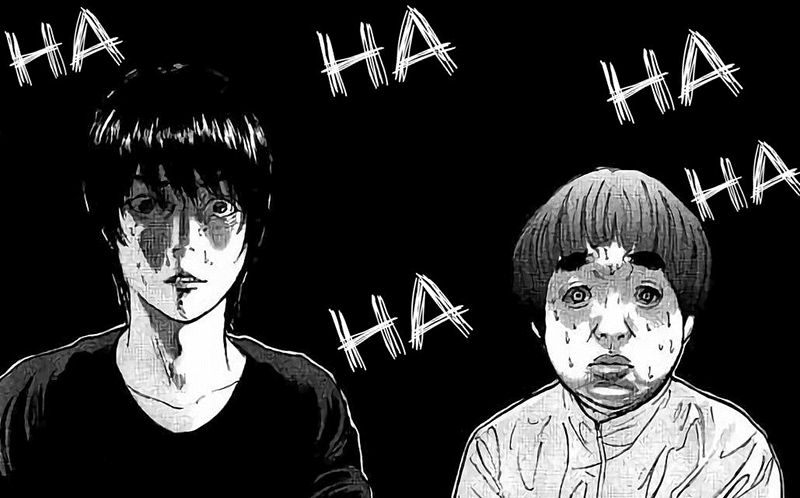
From that point on, Bokutachi ga Yarimashita becomes a slow, agonizing unraveling of the human psyche. There are no heroes, no justice, and no clean resolution. The real focus is on what guilt does to people. Each one of them copes differently, with denial, self-destruction, or desperate rationalization, but they all crumble in their own way. Watching their mental states deteriorate is both painful and mesmerizing. It’s this intimate focus on emotion and moral decay that makes it one of the most striking psychological manga of its kind.
Kaneshiro writes with a kind of cruel precision. Every scene feels raw, and every moment of silence is charged with emotion. The tension doesn’t just come from action, but from the quiet moments of reflection, the lingering looks, and the inability of the characters to face themselves. The art, while understated, shines in how it captures body language and facial expressions. An empty stare, forced laughter, or pearls of sweat forming on someone’s face say much more than any monologue could. You can feel the characters breaking, page by page.
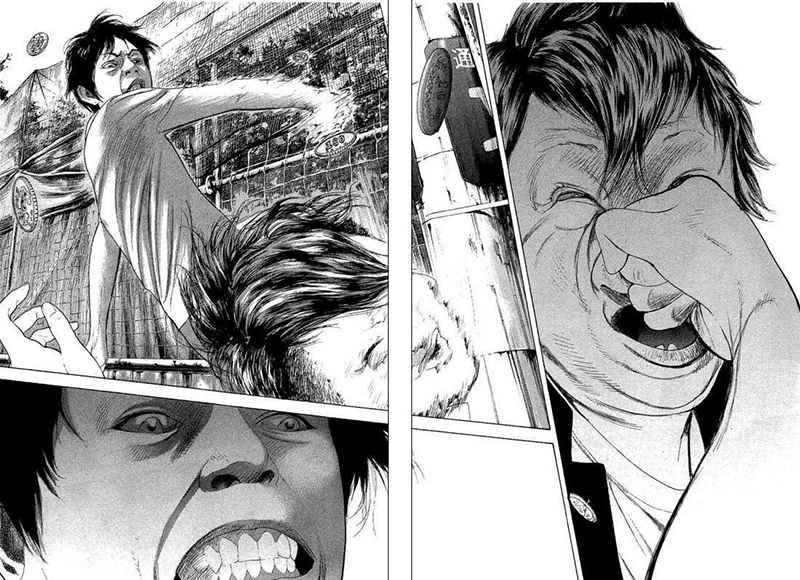
Thematically, the manga is about guilt, regret, and the impossibility of escaping one’s past. It asks whether people can ever truly move on from what they’ve done, or if the weight of guilt becomes a permanent part of who they are. Bokutachi ga Yarimashita doesn’t offer redemption or forgiveness, and that’s what makes it hit so hard. It’s brutally honest about the way trauma lingers and about how ordinary people crumble when confronted with extraordinary consequences.
What struck me the most was the hopelessness that permeates every chapter. There are no dramatic speeches or grand lessons, only the suffocating realization that actions cannot be undone. Kaneshiro presents this with a grim realism that feels closer to psychological drama than crime fiction.
By the end, you’re left with something rare in manga: a story that doesn’t seek to entertain but confront. Bokutachi ga Yarimashita is a harrowing portrayal of guilt and human weakness, and one of the most deeply affecting works in modern seinen storytelling. For anyone drawn to stories that dig into the darkest corners of the human conscience, this psychological manga is a must-read.
Genres: Psychological, Crime, Drama
Status: Completed (Seinen)
2. Ultra Heaven
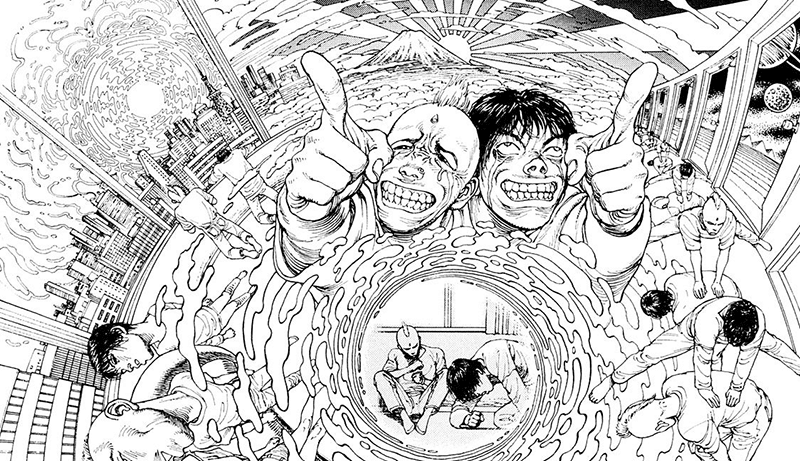
Keiichi Koike’s Ultra Heaven is one of the most visually ambitious and mind-bending manga ever created. Unlike most psychological manga that explore trauma or inner conflict, this one turns its focus outward toward transcendence, altered consciousness, and the limits of perception itself. It’s not just read; it’s experienced. Few works in the medium commit as completely to visual and conceptual experimentation, and none do it quite like Ultra Heaven.
The story unfolds in a bleak futuristic city where emotions are bought and sold like narcotics. Its protagonist, Kabu, is a heavy user of synthetic feelings, using artificial bliss to numb the emptiness of modern life. When he’s introduced to a new substance called Ultra Heaven, Kabu’s world begins to dissolve. It doesn’t just alter his emotions; it shatters reality itself. From that moment on, Kabu is propelled into a spiraling odyssey through hallucinations, meditative states, and existential awakenings, blurring the line between mind, body, and soul.
What makes Ultra Heaven so remarkable is not the concept of addiction or escapism, but how completely Koike visualizes it. The art is nothing short of a revelation. Realistic depictions of futuristic streets give way to chaotic kaleidoscopic imagery that bends the rules of the medium. Panels overlap, dissolve, and contort as Kabu’s mind unravels. Perspectives melt, faces stretch, and pages transform into psychedelic compositions. Koike doesn’t just illustrate hallucination; he creates it using the structure of manga itself to simulate the fragmentation of consciousness. Reading Ultra Heaven feels like being pulled into someone else’s trip gone wrong.
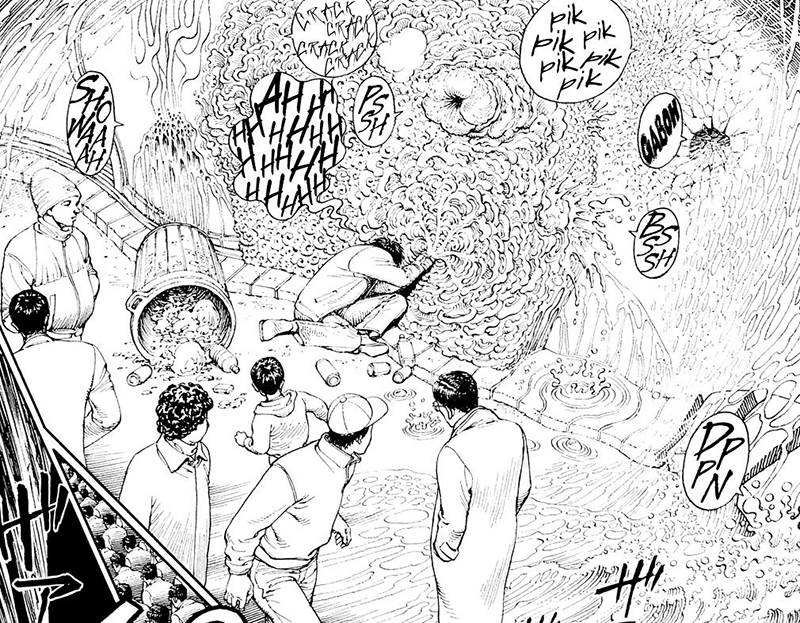
Though its premise recalls cyberpunk and dystopian classics like Brave New World, the heart of Ultra Heaven lies not in critique but in metaphysical pursuit. The series moves from drugs to meditation, from external highs to internal stillness, suggesting that enlightenment can be reached by multiple, equally dangerous paths. The narrative continually questions the nature of reality: is transcendence freedom, or just another illusion? These philosophical undercurrents make it a deeply cerebral experience and give it its own place among the greatest psychological manga of its time.
Kabu himself is an unreliable guide, consumed by his obsession with expanding awareness even if his sanity slips. The other few characters we encounter act almost as archetypes of different approaches to enlightenment.
Ultra Heaven doesn’t follow the rules of conventional storytelling. It’s composed of three volumes that feel like evolving states of mind rather than story arcs. Questions are raised but rarely answered, and the final section, focused almost entirely on meditation and inner dissolution, abandons plot altogether in favor of pure abstraction. This might frustrate some readers, but it’s precisely what makes the work so daring. Koike’s goal isn’t clarity; it’s transcendence.
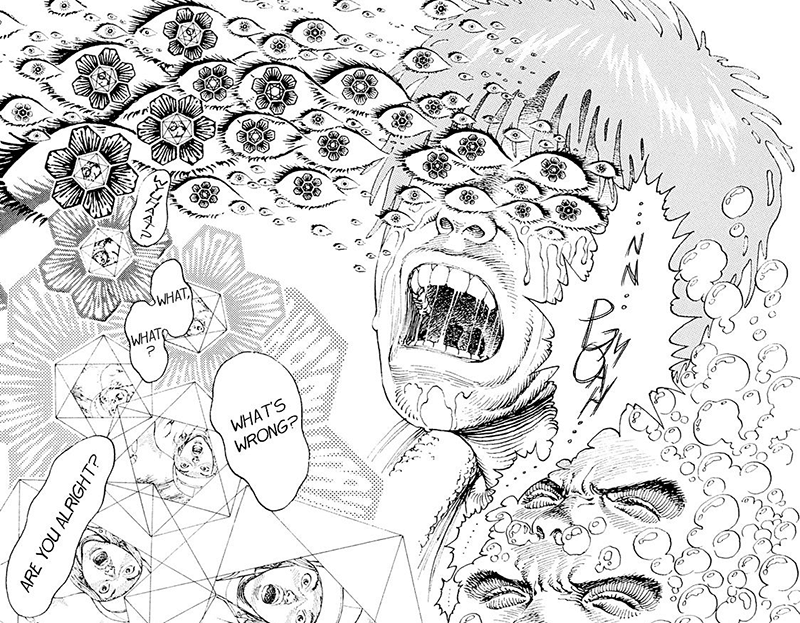
While other creators such as Shūzō Oshimi or Inio Asano have occasionally toyed with surreal or distorted imagery, none have committed so fully to mirroring the instability of consciousness through visual form. Ultra Heaven pushes the manga medium to its limits, turning the page itself into a psychedelic medium.
It may not probe the personal, emotional depths that define other psychological masterpieces, but its exploration of enlightenment and the dissolution of the self is equally profound. Both a philosophical and sensory experience, Ultra Heaven is a masterpiece of visual storytelling and one of the boldest artistic experiments in modern manga.
Genres: Psychological, Sci-Fi, Experimental
Status: Completed (Seinen)
1. Freesia
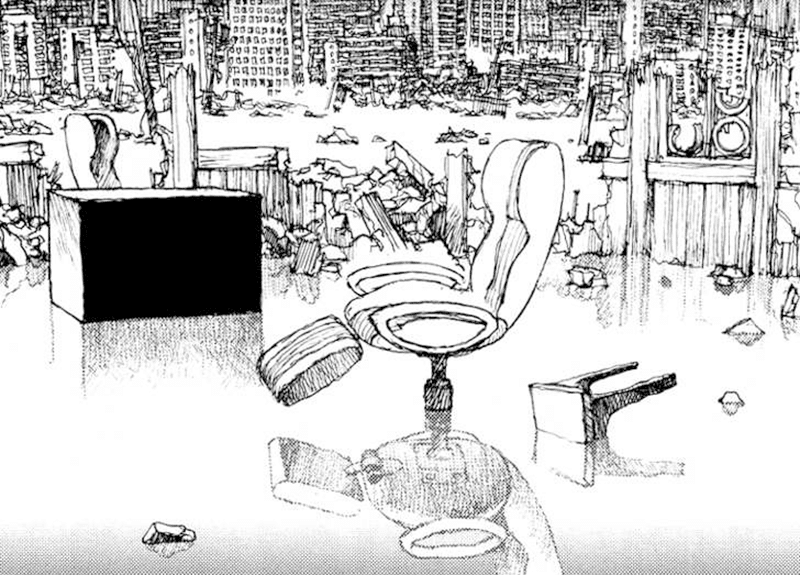
Putting Freesia in the top spot might be a controversial choice, but for me it easily earns the title of my favorite psychological manga. Jiro Matsumoto’s work is dark, transgressive, and deeply unsettling, yet no other story captures mental illness and societal decay quite like this one. It’s a rare kind of manga that doesn’t just show madness, but traps you inside it.
Set in a near-future Japan torn apart by war, Freesia presents a society that has legalized revenge. If someone kills a loved one, the government grants permission to the victim’s family to retaliate, either directly or by hiring professionals to do it. Kano, the protagonist, works for an organization that specializes in hunting down people marked for execution. On paper, it sounds like a revenge thriller, but it becomes an intimate, fragmented exploration of morality, guilt, and insanity.
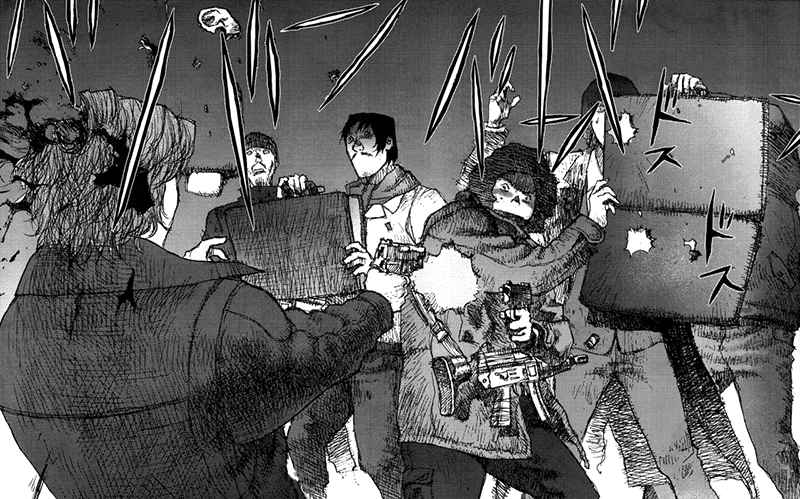
What makes Freesia so powerful is how it portrays mental illness from the inside out. Kano suffers from severe hallucinations and delusions, and the story never gives us a clear sense of what is real. Matsumoto’s genius lies in his presentation. He never treats it as an external affliction, but instead pulls us deep into his psyche until we share in his confusion and paranoia. It’s one of the most striking depictions of insanity I’ve ever seen in manga.
But Freesia isn’t just about Kano. The entire cast feels infected by the sickness of their world. Every character, from killers to clients to targets, feels corrupted in some way. The retaliation law is meant to restore balance, but it only spreads more violence and despair. Matsumoto takes this grim setup and uses it to examine how justice, when left to emotion and revenge, becomes indistinguishable from cruelty.
The brilliance of the manga lies in its moral ambiguity. The people marked for execution are not all irredeemable monsters. Many are remorseful, broken, or victims of circumstance, but it no longer matters. Once their name is on the list, they’re condemned. This blurring of guilt and innocence creates an oppressive atmosphere where every death feels tragic.
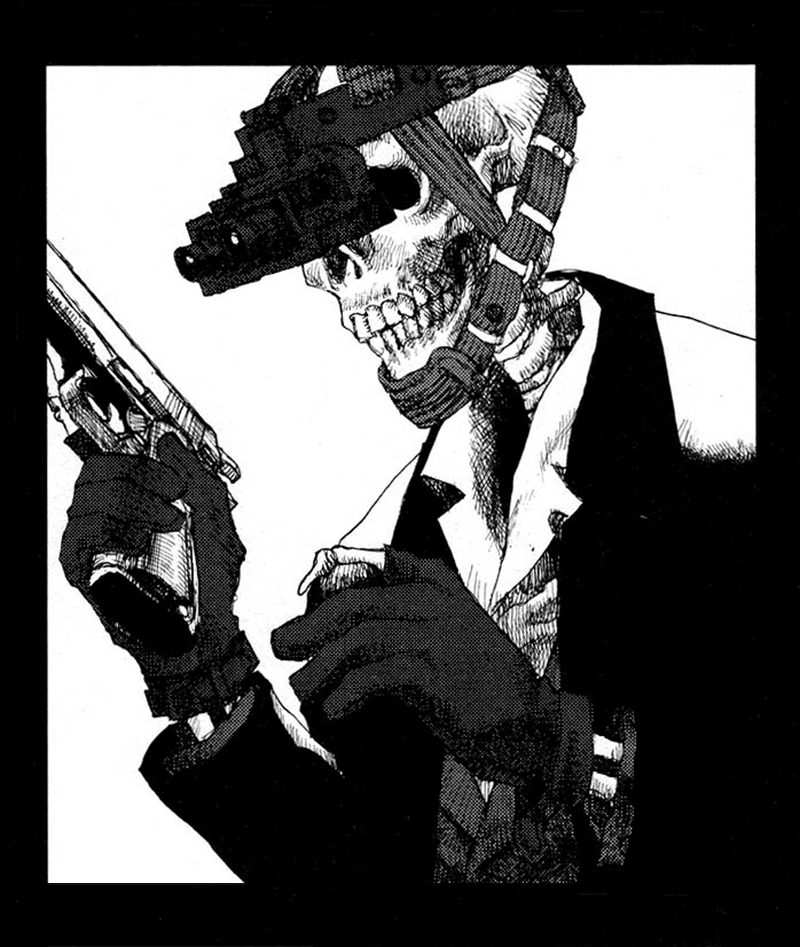
Matsumoto’s art is as rough and haunting as his themes. The world is rendered in gritty textures and claustrophobic streets. His characters look exhausted, their faces empty or streaked with grief. The visual style mirrors the instability of the story itself, shifting abruptly between grounded realism and surreal hallucination. At times, sex and violence erupt in ways that feel grotesque but necessary, emphasizing how broken and dehumanized this world has become.
What sets Freesia apart from other dark manga is its quiet humanity amidst all the madness. For all the bleakness, there are moments of painful introspection. Kano himself is a broken man, one who’s severely mentally ill, but he knows, and tries his best to handle the nightmarish world he’s got to endure.
Calling Freesia a psychological manga barely captures its depth. It’s about trauma, dissociation, and the human capacity for both cruelty and guilt. It’s about what happens when justice loses meaning and morality becomes fluid. Most of all, it’s about a man trying to navigate a reality he can no longer trust, and a society that reflects his own broken state of mind.
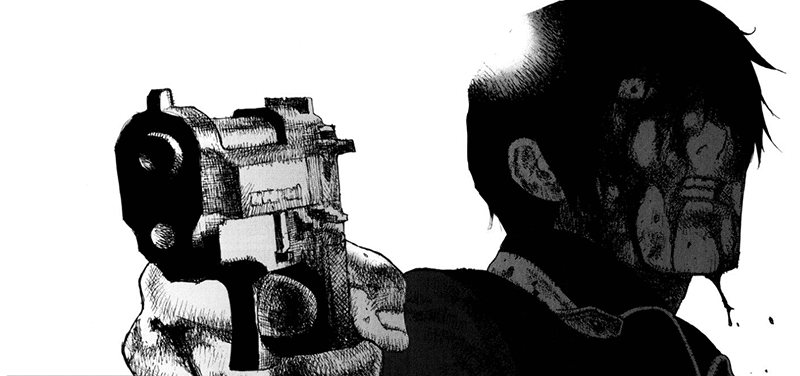
Dark, surreal, and transgressive, Freesia is a masterpiece of psychological manga and one of the most haunting works ever published in the seinen genre. It’s not an easy read, but for me, it remains a singular and unforgettable vision of madness, morality, and decay.
Genres: Psychological, Crime, Drama
Status: Completed (Seinen)