Fantasy is one of the world’s most popular genres. There’s something endlessly compelling about stories filled with wizards, magic, and mythical creatures. The best fantasy manga do more than just sprinkle in spells or monsters. They invite you into worlds that feel alive, with their own rules, histories, and a sense of wonder.
This list covers a wide range of fantasy manga. There are shonen adventures set in sprawling magical worlds, built around battles and power systems, alongside whimsical coming-of-age tales and quieter, more contemplative stories that use fantasy settings to explore grief, purpose, and growing up.
What you won’t find here are darker, more twisted stories. If you’re looking for Berserk, Claymore, or Attack on Titan, you’ll find them on my best dark fantasy manga list.
And while there’s no shortage of fantasy manga out there, not all of them are worth reading. Plenty of series settle for familiar plots and settings, swapping in a few fantastical elements without doing anything interesting with them. For this list, I’m focusing on titles that stand out not just for their content, but for the worlds they create and the way they use fantasy to tell memorable stories.
Some series, like InuYasha, lean folkloric, bringing Japan’s mythic landscape to life through yokai, demons, and curses. Others, like Witch Hat Atelier or Delicious in Dungeon, start with classic fantasy premises, but then surprise you with their worldbuilding, creativity, and the kind of story they choose to tell. And then there are more somber picks like Frieren or To Your Eternity, which use magical settings to shed light on deeper themes without ever losing that sense of wonder.
All of these series have one thing in common: they make their worlds feel alive and worth exploring. If you’re looking for more story-heavy recommendations, check out my lists of the best drama manga and mystery manga.
Mild spoiler warning: I’ll avoid major plot revelations, but I may mention some details to explain why each series earns its spot.
Fiction by René Rehn


With that said, here are the best fantasy manga to read right now (last updated: April 2026).
9. Black Clover
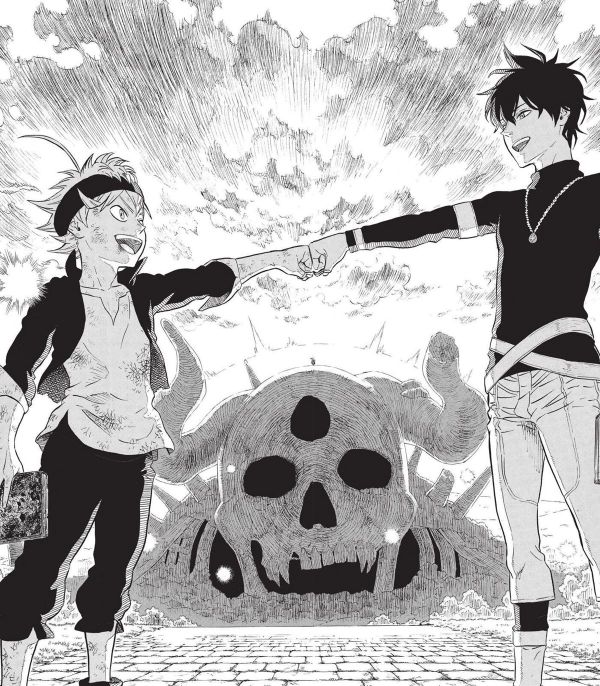
Probably the most typical shonen entry on this list, Black Clover doesn’t pretend it’s doing something radically new. It’s an underdog story in a kingdom where power is public, ranked, and brutally unfair. It runs on the same idea that keeps many other long battle series enjoyable: the loud kid everyone dismisses refuses to stay down. Still, it’s a lot more effective than its premise suggests. It has a clean fantasy framework, satisfying momentum, and a magic-heavy setting that feels alive.
The Clover Kingdom’s most unique trait is that magic isn’t just an ability. It’s social status. Your grimoire is essentially your proof that you belong in this world, and Black Clover builds most of its tension around what happens when someone shows up without one. Asta’s lack of magic creates a clear source of friction. He’s not an underestimated genius so much as a visible contradiction the culture doesn’t have a place for. His rivalry with Yuno works for the same reason. It’s not mere jealousy, and it’s not a petty grudge. They’re both orphans, but one is gifted and one isn’t, and both are convinced they can make it to the top.
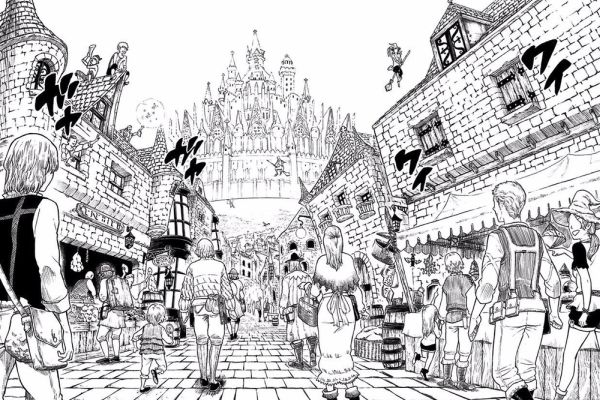
Once the Magic Knights enter the picture, the setting does real work. The squads all have different reputations within the same institution, and the series uses them not just to form teams, but to show how the kingdom is structured. It makes the world bigger than just a stage for power-ups. Even when Black Clover falls into standard shonen escalation, the conflicts are still tied to the setting’s assumptions about talent, lineage, and authority.
The other consistent strength is spell variety. Black Clover is at its most fun when it treats magic like a crowded ecosystem. Elemental matchups, specialized utility spells, support roles, and flashy combat applications show up often enough that it rarely feels like everyone’s doing the same thing. The series also knows how to pace itself. It moves quickly, doesn’t stop for long-winded explanations, and it reliably delivers a handful of big visual moments per arc that remind you why battle fantasy can work so well.
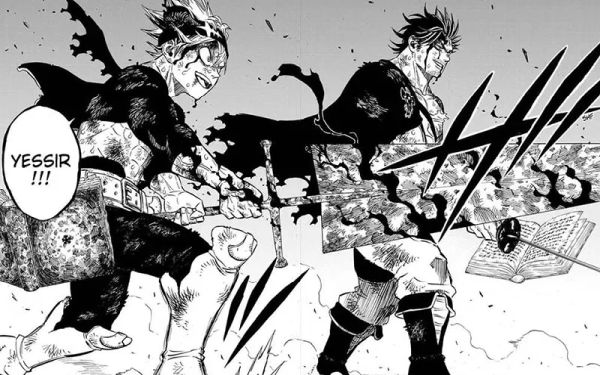
That said, the writing can be as conventional as the framework suggests. Asta’s personality is the biggest hurdle. He’s relentlessly loud, confident, and often grating early on. If you don’t like that type of protagonist, you may never fully settle into the series’ rhythm. The story also leans hard on familiar shonen tropes: sudden breakthroughs, emotional moments, and villains that exist to be defeated rather than explored. When the stakes escalate, the speed feels sharp. When it isn’t, the speed can make character growth feel compressed.
Still, if you read Black Clover with the right expectations, it delivers what it promises. It’s a straightforward, energetic fantasy manga that treats magic as the center of the world rather than decoration, and it’s easy to keep turning pages once the squads, rivalries, and larger conflicts appear. If you’re looking for a fast, accessible battle fantasy with lots of spellcraft, strong momentum, and a setting that runs on magic as culture, Black Clover is a solid fantasy manga pick.
Genres: Action, Adventure, Fantasy, Comedy
Status: Ongoing (Shonen)
8. Magi: The Labyrinth of Magic
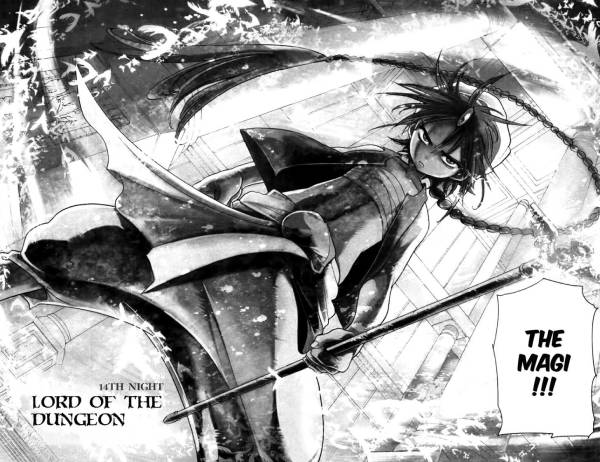
Another fairly typical shonen entry, at least at first, Magi: The Labyrinth of Magic starts by leaning into the most comforting version of adventure. You get treasure-filled dungeons, strange relics, new companions, and a hero’s journey that feels deliberately old-fashioned in the best way. If you’ve read enough battle series, the early beats will feel familiar. What makes Magi worth staying with is how quickly it grows beyond that template. It begins as a quest, then quietly turns into a wider story about power, freedom, and what societies do when they decide someone is disposable.
The manga follows Aladdin, a young Magi, as he travels with his djinn companion, Ugo, in a story that carries nostalgic, storybook warmth. The dungeons are a big part of the initial appeal because they feel like actual fantasy spaces rather than mere fighting arenas. They have rules, traps, and a steady sense of discovery, with each new location offering a different kind of danger. The humor is also classic shonen, including broad reactions and occasional silliness, but it usually works and adds to the charm. Even in these lighter chapters, the series hints that the world isn’t fair, and that adventure is built on systems that benefit some people and crush others.
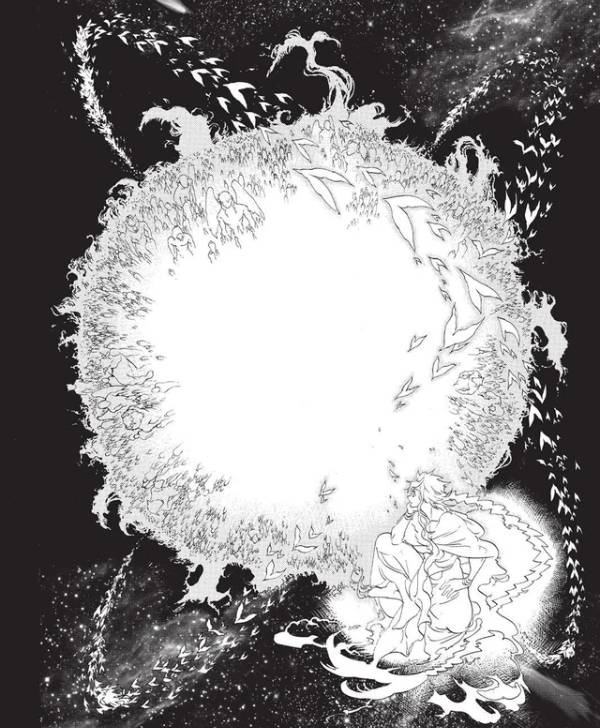
Where Magi stands apart is its ambition. It treats magic, wealth, and authority as interconnected rather than separate. The setting expands into multiple continents and ideological conflicts, and it does more than just name-drop politics. It shows how nations justify violence, how leaders manufacture legitimacy, and how people talk themselves into believing domination is for the greater good. The fantasy elements aren’t just spectacle. They power social control, and that’s why the series’ questions about slavery, freedom, and responsibility land harder than you’d expect from the opening arcs. It’s also unusually good at showing what happens after a dungeon is cleared and people have to decide who owns the treasure, who benefits from it, and who gets left behind.
The cast is a major reason the series works so well. Aladdin can be read as a more straightforward lead, but he’s surrounded by characters whose inner conflicts create real tension. Alibaba is the standout, both because he feels human in his insecurities and because his goals give the series an emotional spine. Morgiana’s arc adds stakes that aren’t abstract, pushing the series to confront what freedom means when your past keeps defining you. As the story broadens, Hakuryuu brings tragedy and obsession into the mix, and Sindbad evolves into a compelling wildcard, charismatic, strategic, and increasingly difficult to pin down morally. The result is a shonen ensemble that keeps changing instead of fitting into archetypal roles.
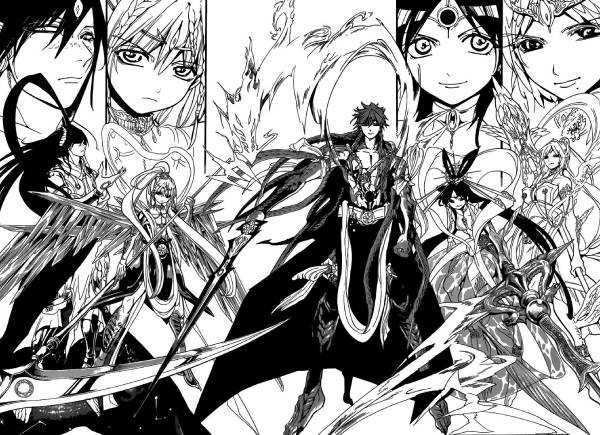
Still, Magi is uneven in its final third. As the scope escalates, it shifts toward flashier combat, heavier lore drops, and more rigid power mechanics. Because of this, some of the tighter storytelling that defines its middle stretches gets buried under long explanations. The ending is divisive for a reason. Depending on what you value most, it can feel abrupt, or it can feel like a step sideways from the themes that made the journey so compelling.
Magi delivers strong adventure momentum early, then earns its reputation through scale, culture, and bold thematic swings. If you want a fantasy manga that begins as a classic dungeon quest and grows into a larger story about empires, ideologies, and complicated people, Magi is an easy recommendation.
Genres: Action, Adventure, Fantasy
Status: Completed (Shonen)
7. To Your Eternity

To Your Eternity is one of the most contemplative titles on this list, and it gets there by treating its central supernatural hook as the emotional heart instead of a power fantasy. Yoshitoki Ōima tells a story centered on an immortal being that can change shape, but the real focus is what that immortality does to the heart. The series is patient, frequently devastating, and quietly original in the way it uses fantasy to ask what a human life is worth when you can outlast everyone you love.
The premise is straightforward and almost minimalist. A mysterious entity comes into the world without identity, language, or emotion. It begins as a sphere, then cycles through forms that feel more like impressions than choices: a rock, moss, and a dying wolf. Eventually, it becomes a lonely boy in a frozen settlement, and from there the story opens into a long journey through different landscapes and communities. The being, later named Fushi, learns through contact. Each bond teaches it something it didn’t know, and each loss reshapes it in ways that are both literal and internal. Growth in this series is not about powers. It’s about learning to care, then learning what it costs to keep caring after someone’s gone.
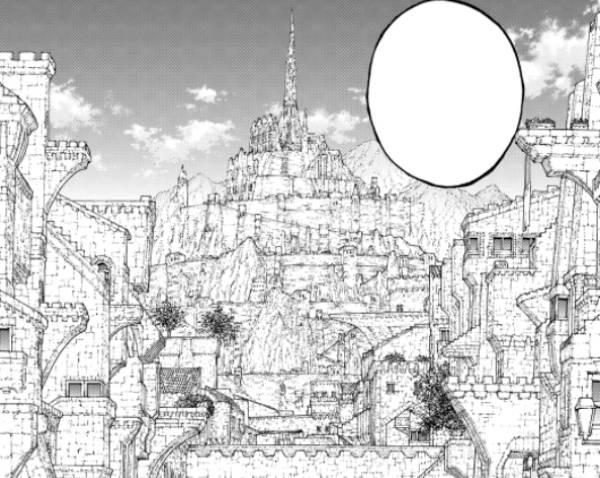
What makes it work as a fantasy manga is the way the supernatural premise is integrated into the world’s emotional logic. Ōima isn’t interested in a decorative setting, and she’s not interested in treating death as cheap drama. The world feels alive, sometimes harsh, and sometimes unexpectedly tender, but always indifferent to the dreams and wishes of any single person. The earliest arcs are the strongest because they’re tight and let relationships develop naturally. Characters like Pioran, March, and Gugu are not just companions. They serve as the story’s emotional anchors, the people who give Fushi its first understanding of friendship, sacrifice, responsibility, and grief.
The art supports that tone without calling attention to itself. Landscapes can be stark, and character acting is expressive in a restrained way that makes the quiet panels land. The series is melancholic, but it’s not mean-spirited. Even when it leans into tragedy, it usually does so with patience, letting moments breathe long enough to feel honest. That balance is the reason the manga can hit so hard without ever turning into pure misery. It’s sad, yes, but it’s also deeply invested in connection, and the small kindnesses that keep people human in difficult circumstances.
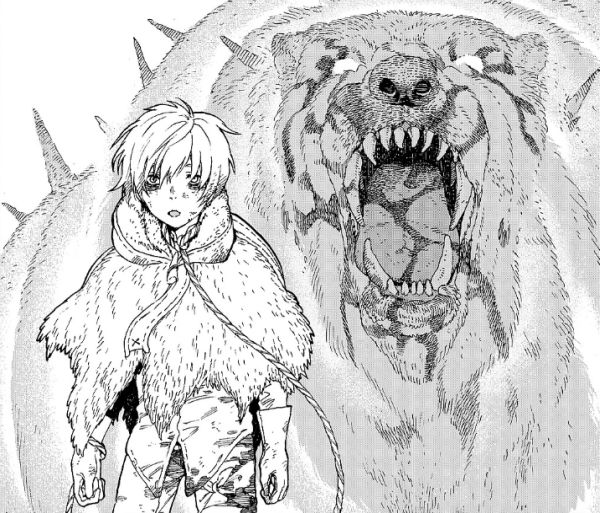
The weaknesses appear when the scope expands. As the story moves across eras and introduces larger conflicts, it can fall into a repeating rhythm where new characters arrive only to serve as another inevitable loss. Once the pattern becomes too visible, the emotions can feel engineered. Some later stretches are also divisive in terms of pacing and resolution, especially when the series raises big questions that never receive satisfactory answers. Still, those issues don’t erase what the manga accomplishes at its best, and they don’t diminish how memorable its strongest earlier volumes are.
If you want a fantasy manga that prioritizes emotional weight over spectacle, this is the pick. It’s sincere, often heartbreaking, and unusually thoughtful about the way people change us even after they’re gone. Few fantasy manga manage a journey this distinctive.
Genres: Drama, Fantasy, Supernatural
Status: Completed (Shonen)
6. Delicious in Dungeon
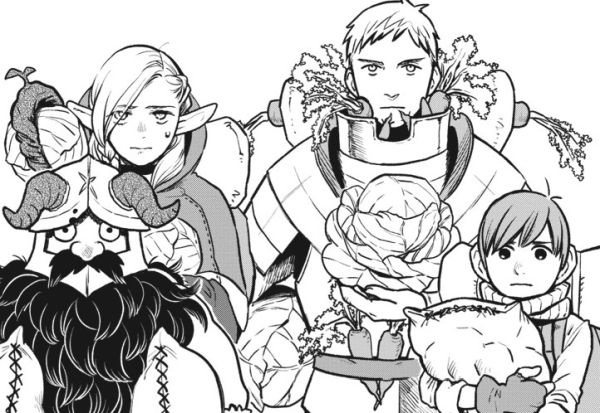
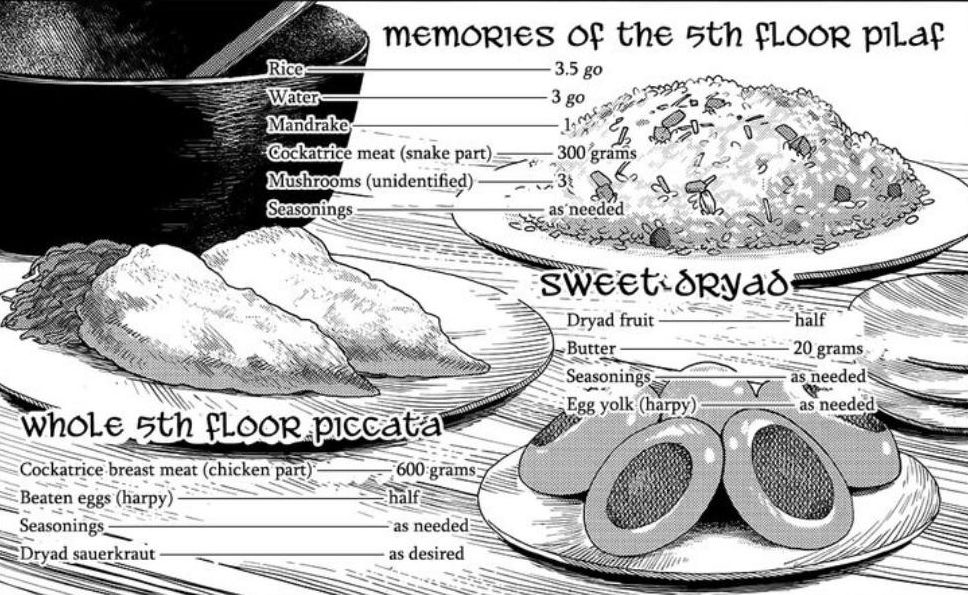
Delicious in Dungeon looks like a familiar dungeon-crawl on purpose. You’ve got an adventuring party, a deep labyrinth, monsters to fight, and a clear reason to keep moving forward. Then it makes one decision that changes the entire tone of the journey: the group starts eating what they kill. That premise is funny on the surface, but it’s also the series’ best worldbuilding tool. Ryoko Kui treats the dungeon like an ecosystem with rules, and food becomes a way to study them up close. The result is a fantasy manga that feels warm, specific, and oddly believable, even when it’s serving you a recipe you’d never touch in your life.
The early chapters lean hard into the cooking hook, and they don’t rush past the gross part. Slimes, basilisks, living armor, and other classic monster designs are treated like ingredients, and the manga spends a lot of time on preparation, identifying edible parts, and the logic of survival when the alternative is starving. The humor works because the tone is matter-of-fact. The party debates monster cuisine the way you would debate camping food, and the grounded seriousness makes the absurdity land. Kui’s creature designs are a huge part of this. The monsters don’t feel random. They’re built around plausible physiology, which makes the cooking feel less like a gag and more like a look at how the dungeon actually functions.
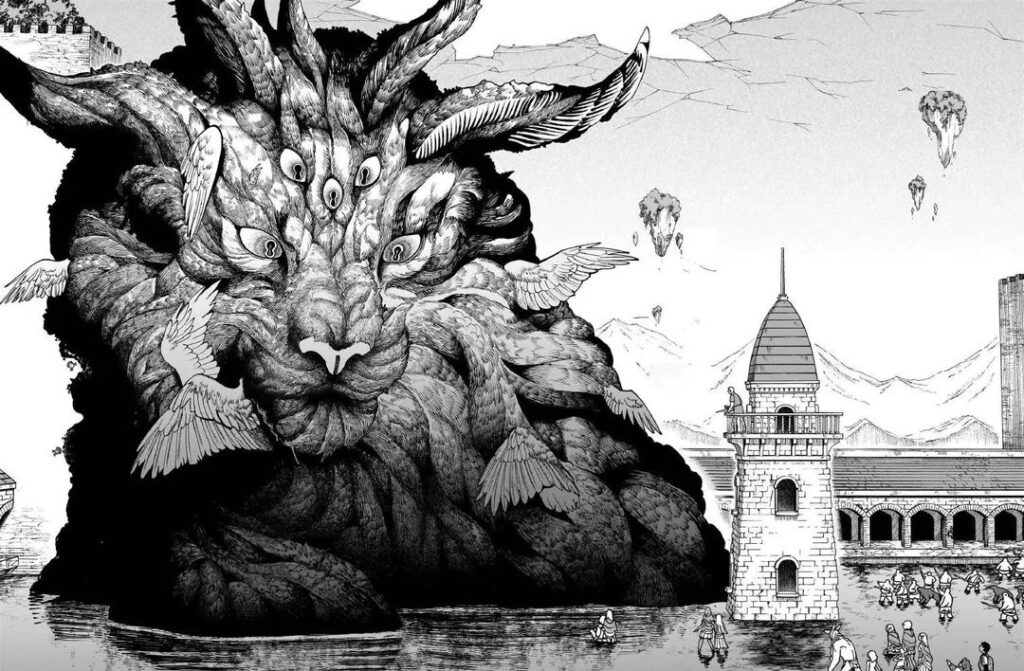
What gives the series staying power is that it doesn’t remain a recipe-of-the-week comedy. Eventually, the main plot comes into focus, and the dungeon feels less like a stage for jokes and more like a place with history, danger, and consequences. The food remains central, but it stops being the only reason scenes exist. That shift is where Delicious in Dungeon becomes quietly impressive. It rewards attention, builds consistency into the world’s rules, then uses them to shape decisions and relationships. The writing gets sharper about cause and effect, which makes every new discovery feel earned rather than convenient.
The characters also improve as the story goes on. At first, the party looks like classic RPG class silhouettes. You recognize the type immediately, and in the early stretches they can feel like roles instead of people. The manga gradually fixes that through interactions rather than exposition. The group’s chemistry develops in small, realistic ways, and the warmth you feel isn’t sentimental. It comes from competence, stubbornness, and the strange intimacy of sharing meals in a place that wants to kill you. Even when the chapter is built around something disgusting, the tone is grounded in camaraderie, and that grounding keeps the comedy from turning into pure silliness.
The final arc pushes further into dramatic territory, and the culinary angle can feel less central than it was at the start. If you’re reading solely for the monster-cooking structure, this might create some friction. Still, the trade-off is worthwhile. As the plot gains momentum, the stakes sharpen, and the series lands as a complete adventure rather than a premise repeated endlessly. Even when the story gets more serious, it never fully abandons the idea that food is culture, and that sharing is one of the easiest ways to show group values.
If you want a fantasy manga that takes a familiar setting and makes it feel new through ecology, craft, and genuinely cozy group dynamics, this is an easy recommendation. It’s also a fantasy manga that understands survival isn’t only about fighting. Sometimes it’s about sitting down, eating together, and deciding to keep going.
Genres: Adventure, Comedy, Fantasy, Cooking
Status: Completed (Seinen)
5. Frieren: Beyond Journey’s End
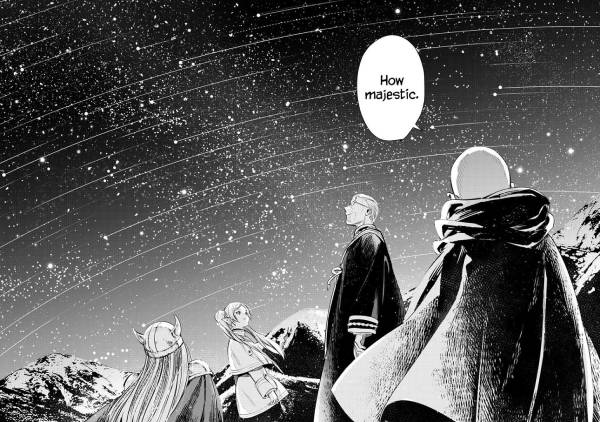
Frieren: Beyond Journey’s End starts where most fantasy stories stop. The Demon King’s been defeated, the world’s saved, and the hero’s party is supposed to live happily ever after. Frieren is an elf mage, so her life stretches on for centuries, but the people she fought beside don’t get the same luxury. That simple imbalance gives the series its identity. It’s not a quest story so much as the aftermath of one, shaped by time, memory, and the slow realization that you can love people deeply without ever learning who they really were.
The premise hits fast and stays with you. Frieren travels with Himmel, Heiter, and Eisen at the end of their legendary journey, then watches the human members of her party grow old while she barely changes. Their deaths aren’t written as twists. They’re inevitabilities, and that’s the point. Frieren’s regret isn’t only grief. It’s embarrassment, too, the quiet shame of realizing she treated years as disposable because she assumed she would always have more. She was present for the grand moments, but absent for the small ones, and the series builds its emotional weight on what it means to notice that too late.
What makes Frieren one of the most distinctive entries in modern fantasy manga is how it uses familiar genre landmarks not as places for battles but to return to. Towns and side quests that would normally exist for a single arc become memories with context. Old battle sites feel like graves. Magic, meanwhile, is treated like a language Frieren has spoken for so long that she forgets how strange it looks to everyone else. The world’s rules aren’t delivered through exposition. They show up through routine: how humans fear demons, how communities rely on magic, and how people build lives around threats that return in cycles.
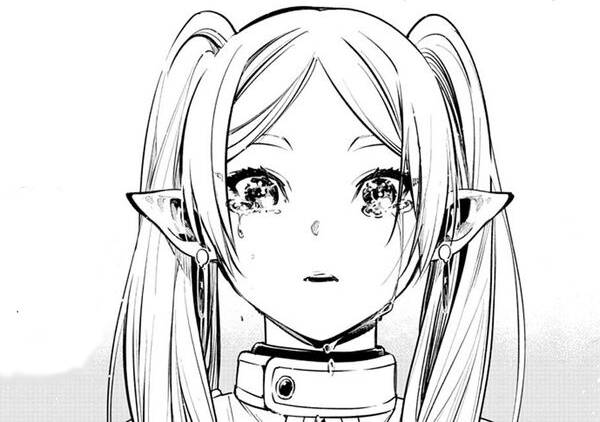
Early on, the series is uniquely compelling. It can be quiet, bittersweet, and genuinely funny in the same chapter, without announcing a tonal shift. Frieren’s deadpan perspective makes ordinary human urgency look ridiculous, and the story uses that gap in lifespan to highlight what people choose to value while they still can. Fern, her apprentice, gives the journey its grounding. She’s practical, disciplined, and emotionally direct in ways Frieren isn’t, and their dynamic turns the manga into something warmer than pure melancholy. Watching Frieren learn gratitude in small increments is the real progression here.
Visually, the manga matches that restraint with clean linework, character acting that’s soft and expressive, and an atmosphere that feels understated on purpose. Some locations can look plain compared to the manga’s more ornate fantasy spreads, but that simplicity fits a story built around fading recollection. The moments you remember are often the smallest ones: a gesture, a shared meal, an act of kindness that only becomes meaningful years later.
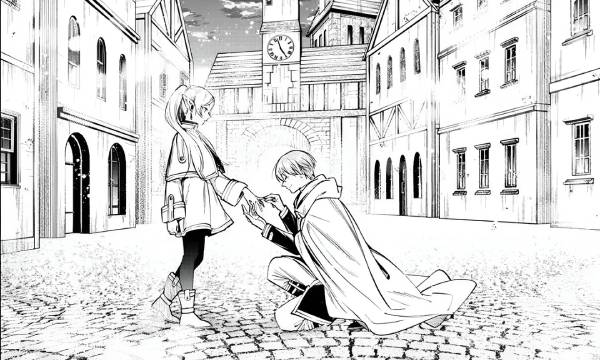
That said, Frieren doesn’t stay in its reflective lane forever. Later material leans more into shonen structure, including exams and more straightforward action beats. Depending on what you want, that shift can feel like a welcome change or a dilution of the series’ original magic. The antagonists are also uneven, occasionally hinted at as more complex than they appear, but not always explored with the same care the manga gives its human bonds.
Still, if you want a fantasy manga that feels like the echo of heroism rather than the battle itself, this one’s a rare find. It’s less about saving the world than learning how to live after you did, and why the people beside you matter while they’re still there. It’s a fantasy manga that lingers long after you’re done reading.
Genres: Adventure, Fantasy, Slice-of-Life
Status: On Hiatus (Shonen)
4. InuYasha
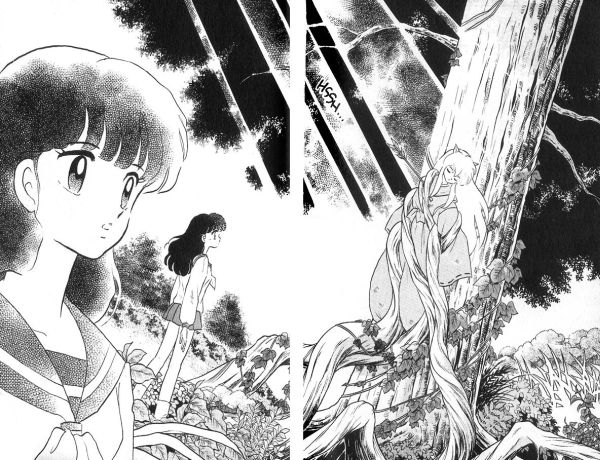
InuYasha is an outlier on this list, and that’s exactly why it belongs here. Rumiko Takahashi doesn’t build a world out of castles, elves, and wizard schools. She builds it out of yokai, demons, curses, and shrines. It’s the kind of folklore that makes the countryside feel haunted even in broad daylight. The supernatural isn’t a special occasion in InuYasha. It’s part of the environment, treated as ordinary, and that mythic texture gives the series an atmosphere different from standard fantasy settings.
Kagome, a modern girl, is dragged into a well and dropped into feudal Japan, where she becomes bound to the Shikon Jewel, a spiritual artifact that turns desire into power. When the jewel shatters, the core plot begins. The pieces scatter across the country, and Kagome has to work with InuYasha, a half-demon with a volatile mix of arrogance and vulnerability, to retrieve them before they fall into the wrong hands. From there, the manga settles into an episodic travel structure: new villages, new threats, new legends, and the steady sense that the land itself is full of hungry monsters.
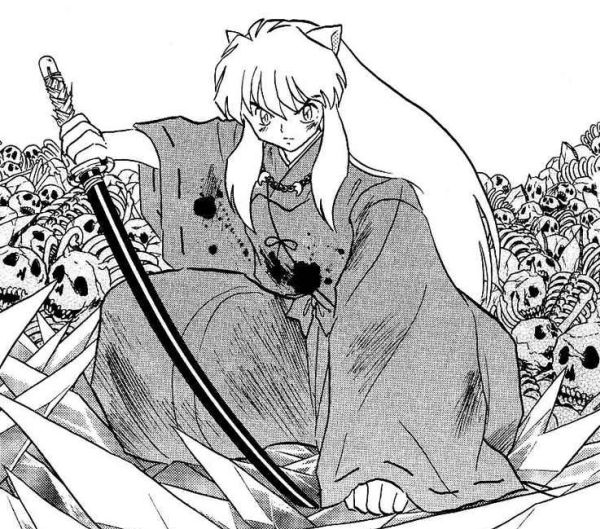
What makes the series work is how naturally the cast fits that world. Even when the roles are straightforward, Takahashi is sharp at writing character fiction that feels human rather than mechanical. Kagome’s decency is not just a label. She has internal moments where you can see her choosing compassion, wrestling with jealousy, and learning what responsibility actually costs when people can die for it. InuYasha’s depth is more limited, but his rawness functions as its own kind of honesty. A lot of emotional weight is tied to the pull between Kagome and Kikyo, and while that love triangle can frustrate, it also gives the story a living, beating heart. The series is at its strongest when it slows down long enough to let those feelings breathe instead of sprinting to the next confrontation.
The other characters elevate the series further. Sesshomaru is the standout wildcard, not because he’s immediately likable, but because he expands the moral range of the world. He makes it clear that demons aren’t just evil, and his evolution across the series is one of Takahashi’s most satisfying character arcs. Naraku, meanwhile, is the kind of villain that defined an era of shonen. He’s manipulative, persistent, genuinely twisted, and keeps the chase sharp even when the story takes its time getting there. If you enjoy classic, long-running antagonists, Naraku is one of the best, especially in how he manipulates relationships instead of simply overpowering people.
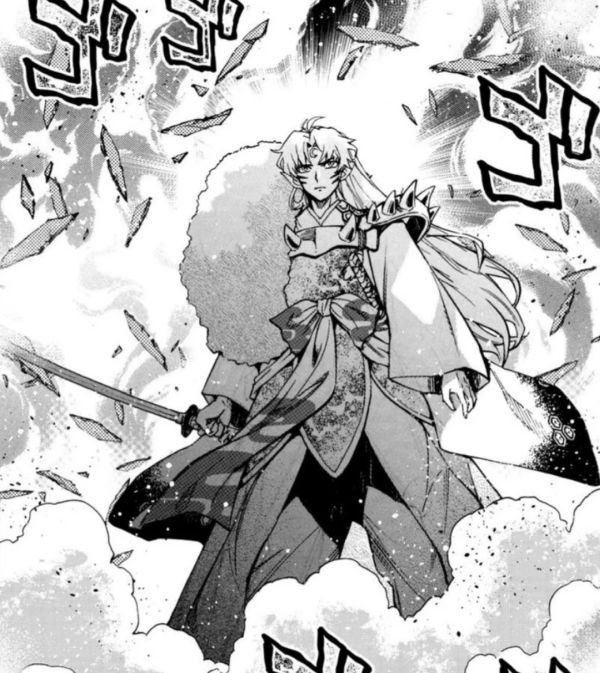
The trade-off is length. InuYasha is long, and it doesn’t always manage that runtime well. Conflicts can drag, progress can come in frustratingly small steps, and the structure can feel repetitive in the latter half. Some action is also harder to track than more modern choreography. Still, the manga often feels more charming when it’s not rushing, when it takes a detour into local stories, or a lighter chapter that reminds you why the group’s dynamic works so well.
If you want a fantasy manga rooted in Japanese myth, with yokai-laced travel, romance, tension, and a long quest that actually reaches a full conclusion, InuYasha remains a compelling read. It’s also the kind of fantasy that can spark a lasting interest in folklore, simply because the world feels so alive.
Genres: Action, Adventure, Fantasy, Romance
Status: Completed (Shonen)
3. Magus of the Library

As a writer, I’ve always had a weak spot for stories about books, and Magus of the Library is one of the rare stories that treats that obsession as an entire world. It’s a story about stories, set in a society where books aren’t a hobby or school requirement. They’re a civilizational force, guarded, curated, and rationed with the seriousness most settings reserve for crowns, relics, or weapons. If you want sweeping battles and nonstop action, this is not that kind of fantasy. If you want a fantasy manga that makes libraries feel sacred and turns access to knowledge into a matter of class and fate, it’s hard to beat.
The setup starts in the worst place a reader can be born: the slums. Theo Fumis lives in a remote village where the library may as well not exist. He loves books, but the people around him treat his love as pointless, and the system agrees. He’s bullied for his unusually long ears, marked as an outsider, and reminded daily that curiosity doesn’t count as status. The turning point arrives when a group of elite librarians from the Central Library pass through town. One of them, Sedona Bleu, lends Theo a cherished book, and that act does more than inspire him. It gives his dream a location. Aftzaak, the City of Books, stops being abstract and becomes a destination, and the story turns into a coming-of-age narrative built around discipline, education, and belonging.
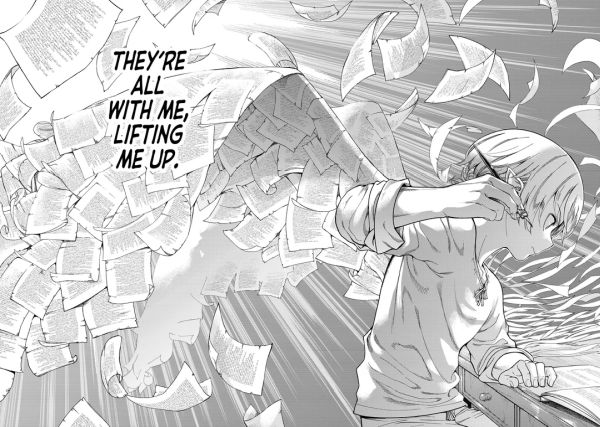
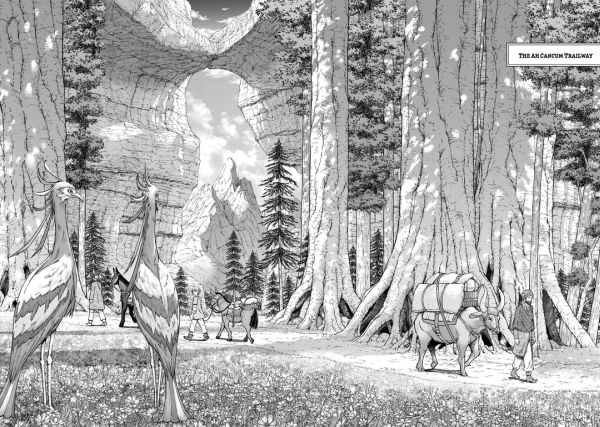
What sets it apart is the care it puts into cultural logic. The world doesn’t lean on quick real-world analogies to make itself easy to digest. It builds outward through geography, customs, religion, and social systems that feel like they were there long before Theo was even born. Different people and races don’t read like a checklist of fantasy archetypes. They feel like part of a larger civilization with its own assumptions about language, class, and who deserves access to knowledge. Even the reverence for books is treated honestly. The manga keeps hinting that literature can be elevating and corrosive, a tool for liberation and a tool for gatekeeping, depending on who controls it.
Art is a major part of why the worldbuilding lands. It’s dense without feeling cluttered, and detailed without turning sterile. Clothing, interiors, cityscapes, and small objects have specific details that make the setting feel inhabited. There’s a whimsical edge to the designs at times, especially when the story leans into the romance of discovery, but the visuals never feel like decoration. They’re part of the beauty.
That said, the series demands patience. Early stretches can feel heavy with terminology, institutions, and texture, and this deliberate pace won’t work for everyone. The uniformed librarians can also blur together until you learn to recognize them by expressions, characterization, and voice. If you’re the kind of reader who wants immediate conflict and clear villain arcs, the careful build-up may feel slow.
Still, if you enjoy fantasy built on institutions, language, history, and the emotional weight of learning, Magus of the Library is deeply rewarding once you settle into its rhythm. It’s less a tale of conquest than a tale of entry, the long, methodical push toward a life that once felt impossible. If you’re looking for a fantasy manga that’s heartfelt, beautiful, and genuinely in love with books without turning into hollow symbolism, this one’s for you.
Genres: Adventure, Fantasy
Status: Ongoing (Seinen)
2. Witch Hat Atelier
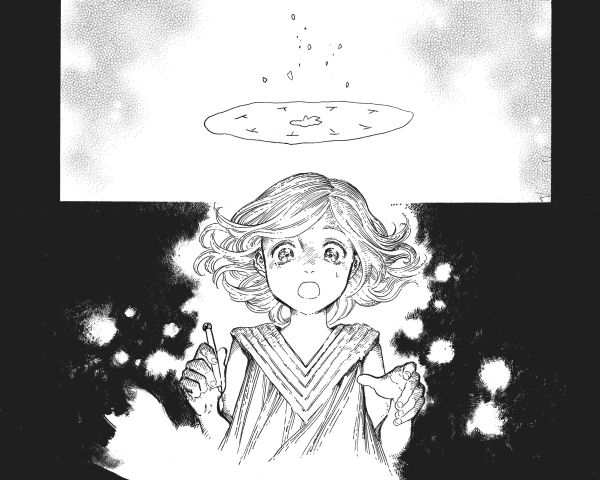
Witch Hat Atelier is one of the best modern examples of a magic school story done with real discipline. It looks like a classic coming-of-age fantasy on the surface, but its strongest choice is in how it treats spellcasting. Magic is not an inherited superpower used to justify power scaling. It’s a craft you can learn, practice, and misunderstand, and that single shift gives the world a rare sense of coherence. Coco isn’t special because she was born into it. She’s special because she wanted something badly enough to chase it, and because she’s willing to live with the consequences of what went wrong.
Coco begins as a curious girl who’s always been told she cannot become a witch. When she accidentally uncovers how magic works, she makes a mistake that’s both awe-inspiring and devastating. That’s where it becomes a classic apprentice story. Witch Hat Atelier is warm and human, but it doesn’t treat wonder as free. Adult witches step into Coco’s life, especially Qifrey, offering structure, training, and protection, but they also represent an institution with boundaries, taboos, and quiet hypocrisies. The series never forgets that rules are made by people, and people don’t always make rules for pure reasons.
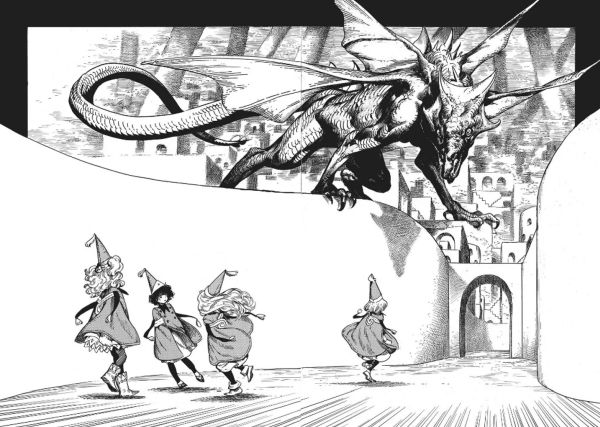
The magic system is the clearest example of what makes this manga work. Spells are drawn as something you can create, not something you shout. The act of casting is visual, physical, and precise, which makes every lesson feel like genuine learning instead of narrative stalling. That precision also creates tension. Forbidden magic isn’t scary because it’s dark. It’s scary because you can see how easy it would be to bend a method, redraw a line, and create something catastrophic. The Brimmed Caps, a group pushing into banned techniques, function as a persistent threat because they turn the central question of magic into an ethical argument. Who gets access, who sets the limits, and what happens when someone refuses those limits?
Kamome Shirahama’s art is the other reason this series belongs on a best fantasy manga list. It’s unusually rich, with clothing, architecture, tools, and creature designs that feel cohesive rather than ornamental. Even quiet chapters have a strong sense of place, and the paneling sells motion and scale without relying on spectacle. It’s a rare series where worldbuilding isn’t only explained through dialogue, but visible in every corner of the room. You can feel the craft of the setting the way Coco feels the craft of spellcasting.
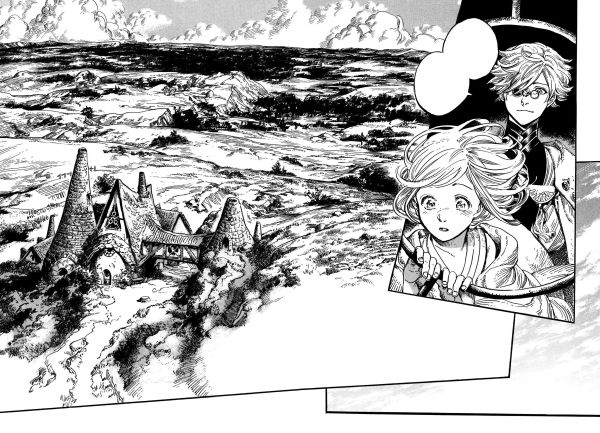
The character work keeps all that beauty from turning into mere presentation. Coco is earnest without being bland, and her growth comes from effort, mistakes, and stubborn empathy. Her fellow students give the apprenticeship setup real texture, especially when personalities clash. Agott can be hard to like early on, but her sharpness has purpose, and her development feels earned rather than flipped by a single speech. The series is also good at making the academy setting feel alive, with friendships, rivalries, and small humiliations that make the magic feel human.
If you want a fantasy manga that treats magic as something you can understand, fear, and shape, Witch Hat Atelier is one of the strongest modern seinen picks. It’s gorgeous, yes, but it’s emotionally sincere and quietly ambitious about what a magical world should demand from the people living in it. It’s also the kind of fantasy manga that makes you want to reread pages just to see how spellcraft is drawn.
Genres: Adventure, Fantasy, Coming-of-Age
Status: Ongoing (Seinen)
1. Fullmetal Alchemist
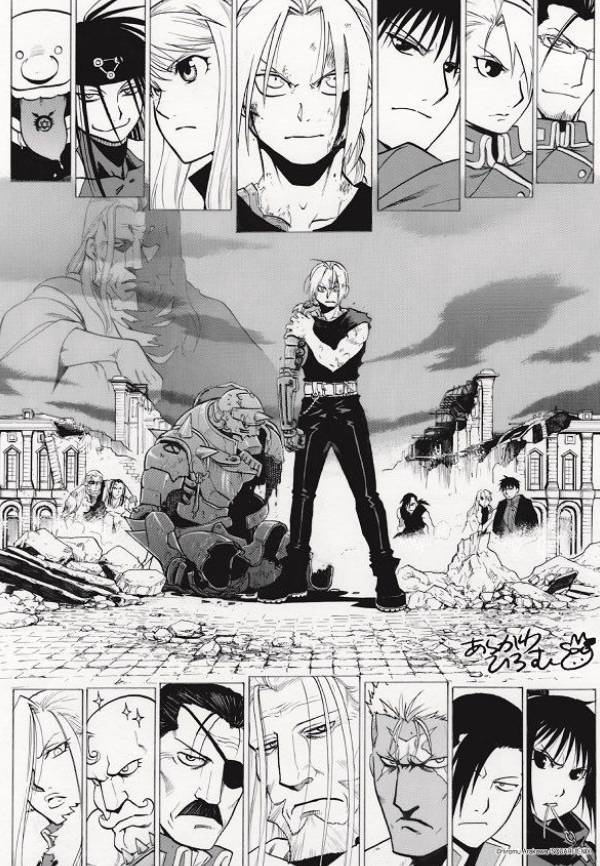
Few series build a fantasy world with rules as clear and consequences as sharp as Fullmetal Alchemist. Hiromu Arakawa takes a magic system and treats it like applied science, with laws that shape politics, war, and everyday life. Alchemy is not a vague force that does whatever the story needs. It’s a discipline with limits, costs, and ethics, and the manga never lets you forget what happens when people decide those limits shouldn’t apply to them.
Edward and Alphonse Elric commit a forbidden act of alchemy and pay for it brutally. Their search for a way to restore what they’ve lost gives the story momentum, but it’s only the surface layer. Amestris is one of the most distinctive settings in mainstream fantasy manga because it feels industrial and bureaucratic rather than medieval. Trains run, and the military has paperwork, ranks, and propaganda. Whole regions carry the scars of conquest. That grounded infrastructure makes the supernatural elements hit harder, because the world already feels functional before alchemy tears it apart.
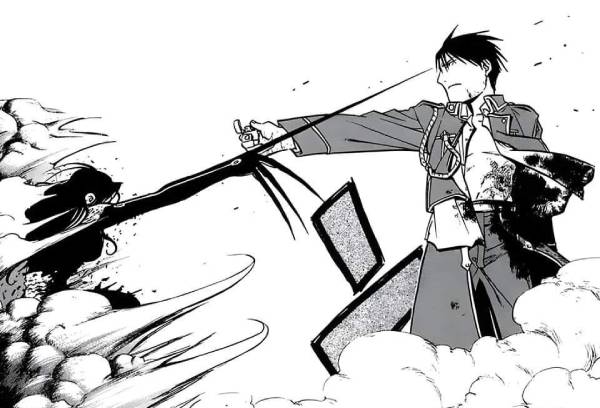
Arakawa also makes history matter. The story’s present is haunted by atrocities that aren’t treated as background flavor. The Ishvalan War is not a convenient tragedy designed to spice up a side character. It’s a moral stain that reshapes how you read the heroes, the state they work within, and the people who refuse to forgive. Scar embodies that tension. He’s violent and frightening, but his anger has a logic the manga forces you to confront.
The villains are another reason the series holds up. The Homunculi aren’t just named enemies with special powers. Each one reflects an aspect of human desire pushed past sanity, and their presence ties the mystery to a larger question about what people become when they try to rewrite their own nature. Father, at the center of the conspiracy, works both as a puppet master and as a critique of ambition that wants results without responsibility. Even when the story escalates into bigger schemes, it rarely loses its emotional center, because those schemes are built from the same temptation that set the story in motion.
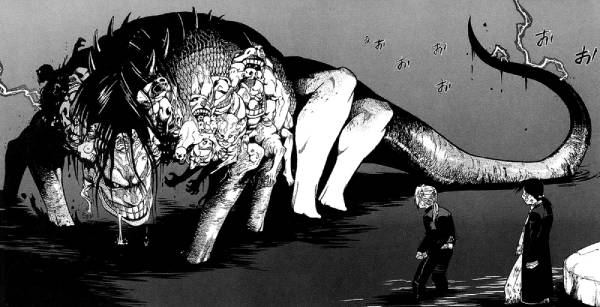
Edward and Alphonse remain the heart of the series throughout. Instead of invincible prodigies, they’re presented as teenagers living with trauma, pride, guilt, and a stubborn refusal to let their worst mistakes define their entire lives. The supporting cast reinforces that strength. Riza Hawkeye, Winry Rockbell, and Roy Mustang, in particular, give the world a sense of loyalty and conflict, while Shou Tucker shows how horrifying alchemy can become when used with cold, mundane cruelty. It’s one of the rare long shonen ensembles where most characters feel essential rather than decorative.
Arakawa’s art matches the storytelling. Action is staged with clarity, alchemy has visual weight, and character expressions carry quiet scenes without needing monologues. If there’s a drawback, it’s that the humor can be uneven, and some later sections move quickly because there’s so much to resolve. Still, as a complete adventure with consistent world rules, moral complexity, and an ending that feels earned, it stands out from similar battle shonen.
If you want a fantasy manga that treats magic as a system with real consequences and uses that system to tell a story about war, ethics, and human nature, Fullmetal Alchemist is still the standard.
Genres: Action, Adventure, Fantasy, Mystery
Status: Completed (Shonen)