Action manga have a special pull. There’s nothing quite like a series that knows exactly what it is and delivers page after page. Brutal brawls, stylish gunfights, impossible power-ups, and battles that spiral into pure chaos. The best action manga don’t just include fights. They build entire worlds around them.
This is also a fights-first list. Every series here earns its spot through one thing above all else: how fully it commits to combat. Some of these manga are built around long-running rivalries and power escalation, while others are tighter stories that keep the pace high and the violence constant.
The list covers a wide range of action styles, from classic battle shonen and supernatural conflicts to pure martial arts manga where every arc is designed around the next matchup. You will also find tournament-focused series that treat fighting as the entire structure, along with a few outliers that lean into absurd comedy, science-fiction brutality, or grounded street violence.
Action manga have been part of the medium from the beginning, evolving from clean martial arts choreography into increasingly stylized and inventive forms of combat. Whether it’s fists, blades, bullets, or monsters, action manga have always been about momentum, escalation, and the thrill of watching a fight pushed to its limits.
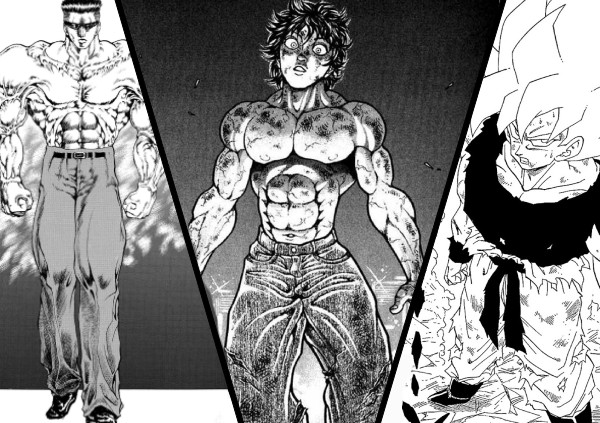
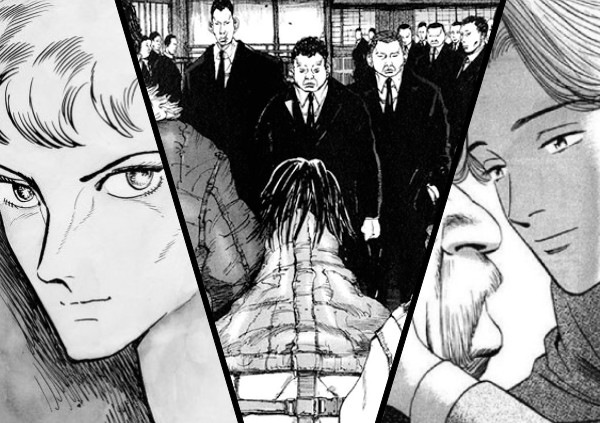
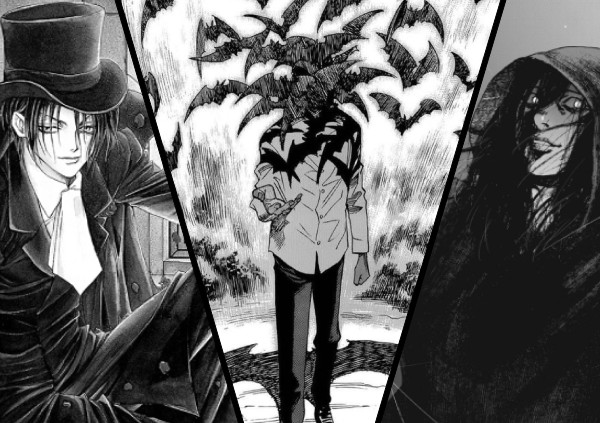
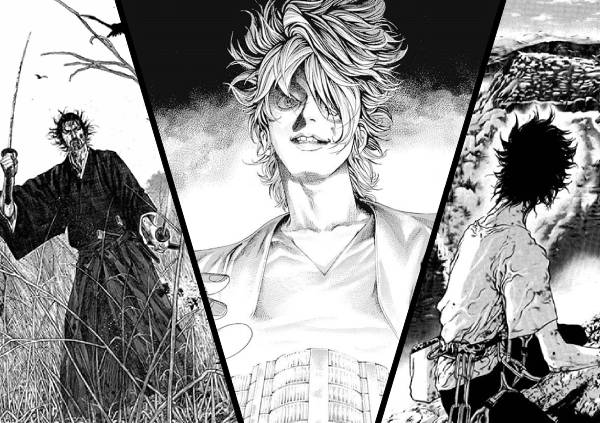
Kengan Ashura and Record of Ragnarok are the purest form of fight-driven storytelling, where the plot exists solely to move to the next clash. Biomega delivers a different kind of action that’s fast, brutal, and apocalyptic in the way it escalates. JoJo’s Bizarre Adventure: Part 7 – Steel Ball Run mixes bizarre adventure energy with constant Stand battles and creative matchups. And then you have brawler series like Crows and Holyland, which strip everything down to raw street violence and the psychology behind winning fights.
That also means I’m not ranking these purely on popularity. I’m not the biggest fan of traditional shonen, so a few iconic titles might land lower than you expect, even if they’re cornerstones of the genre.
Mild spoiler warning: I’ll keep things mostly general, but some plot details may be necessary to explain what makes a series worth reading.
With that said, here are the best action manga (last updated: March 2026).
29. Demon Slayer
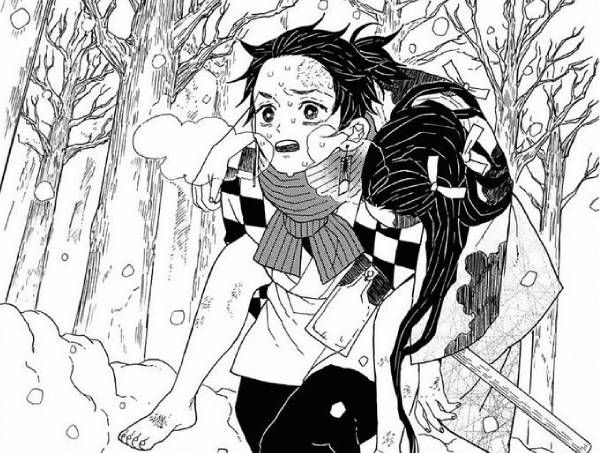
Demon Slayer is the kind of action manga that completely understands what readers want. It’s fast, clean, and emotionally direct, and built around a simple promise. Whenever the story slows down, it’s only because the next fight is about to hit even harder.
The setup is a classic shonen tragedy. Tanjiro’s life is destroyed overnight. His sister becomes something he can’t save and can’t abandon, and the road forward turns into a chain of escalating battles against increasingly dangerous demons. It’s familiar on paper, but the execution is sharp. The series never gets lost in its own mythology, and it doesn’t drown the reader in exposition dumps. Everything exists to keep the story moving forward and the combat escalating.
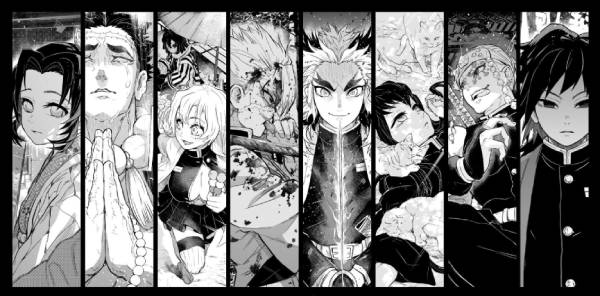
The biggest reason Demon Slayer works is how much weight it gives its action. Fights are flashy and readable, but they also feel personal. Every major demon encounter comes with a sense of tragedy and consequence, and the series leans into that without turning every arc into melodrama. The Breath Styles give the combat a strong identity. Even in black-and-white, the swordsmanship feels vivid and distinct, with techniques that are easy to recognize and satisfying to watch evolve. It’s not just spectacle for its own sake. The battles have rhythm, pressure, and stakes that make each new opponent feel like a step up.
The one drawback is that Demon Slayer doesn’t reinvent much. You get the expected training beats, the power surges, the emotional flashbacks, and the ranked enemies. But that familiarity is also why it lands. It’s a series that does the fundamentals extremely well, with great pacing and a strong sense of payoff. It also knows when to end decisively without dragging itself into a bloated, overly complex endgame.
Demon Slayer is a polished, fight-driven shonen that delivers big battles with real emotional weight.
Genres: Action, Adventure, Fantasy, Supernatural
Status: Completed (Shonen)
28. Naruto
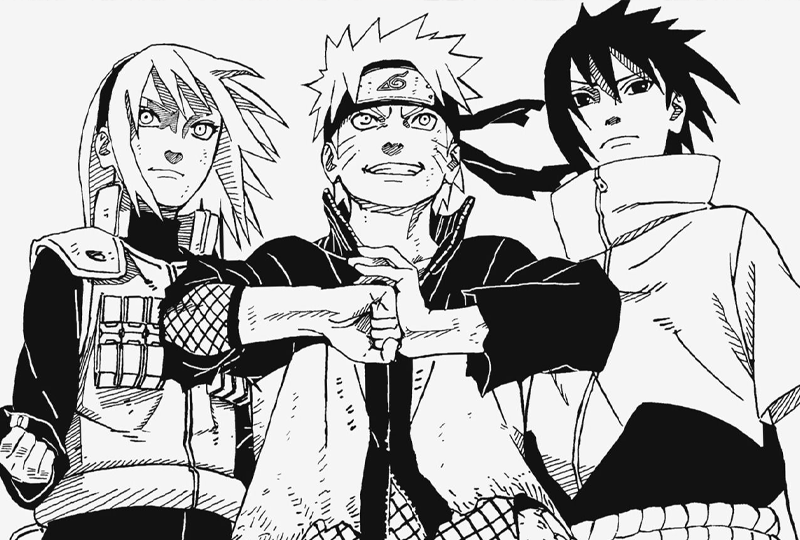
Naruto earns its reputation the same way the best action manga do: it hooks you quickly with fights that are smart, dangerous, and well-designed. At its peak, it’s a ninja story where every clash feels like a tactical problem, and the winners are the ones who adapt fastest, not the ones who are the strongest.
Naruto starts out as an outcast kid with something monstrous sealed inside him, before he gets thrown into the shinobi world with teammates, rivals, and an absurd amount to prove. From there, the series builds momentum through training arcs, missions that spiral into real danger, and a steady widening of the world beyond the Hidden Leaf Village. What makes it click, especially early on, is how grounded the combat feels. Hand signs, feints, and traps turn fights into tactical puzzles where one mistake can end everything.
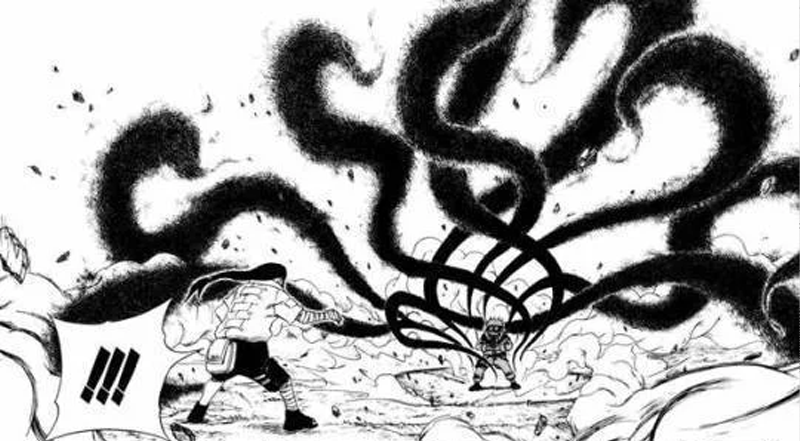
That first half is where Naruto becomes a classic. Even today, the Chunin Exams are often cited as one of the best tournament arcs in manga, not just because of the format, but because almost every matchup reveals something new. It’s character development through combat, with tension that stays high and strategies that remain readable. The following invasion arc raises the stakes without losing the series’ tactical edge. The second half keeps the momentum going by introducing the Akatsuki, one of the most iconic villain groups in manga. Their presence alone elevates the series, because it forces fights to feel more lethal and unpredictable.
The downside is that Naruto gradually shifts away from its strengths. Later arcs get bloated, and the combat drifts toward god-tier spectacle. You still get standout moments, and the Pain arc is an easy example of Naruto going all out, but the story’s final stretch abandons the tight ninja logic that made the early fights so satisfying.
Even with an uneven second half, Naruto’s highs are undeniable. It’s an action manga built around tactics, rivalries, and iconic matchups, even if it lands lower here than its legacy suggests.
Genres: Action, Adventure, Fantasy
Status: Completed (Shonen)
27. Black Lagoon
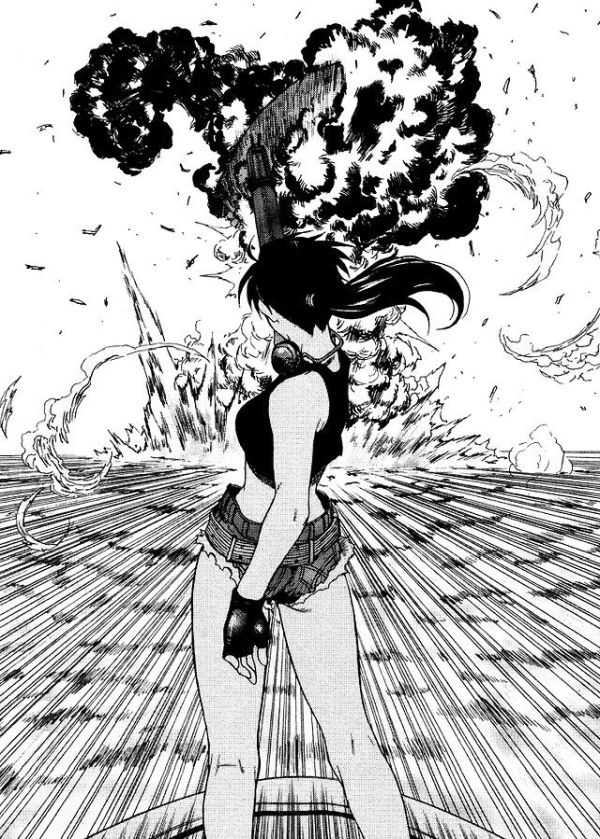
I first ran into Black Lagoon through its anime adaptation back in the day, and it still holds up as one of the slickest all-guns-blazing action stories out there. Reading the manga later, though, hits differently. It’s the same world of mercenaries, criminals, and nonstop firefights, but you get more time with the characters and story arcs the anime never touched.
The premise follows Rokuro Okajima, a normal Japanese salaryman who gets dragged into the criminal underworld. After being kidnapped by the Lagoon Company, he’s abandoned by the people who were supposed to protect him. Instead of escaping, he stays, and that decision becomes the series’ driving force. Rock is completely out of his depth physically, but he adapts fast in every other way. He becomes the guy trying to impose logic and restraint on a crew that lives by violence, profit, and impulse.
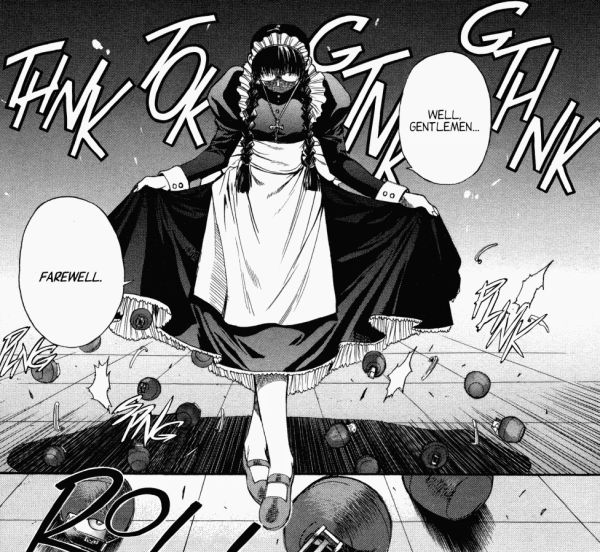
As fights-first action manga go, Black Lagoon is pure gunplay. The series runs on deals that go bad, rival crews colliding, and sudden bursts of violence that turn conversations into chaos. The action has that Hong Kong crime-movie rhythm: sharp movements, constant tension, and shootouts that feel loud even on a silent page. Revy is the obvious centerpiece, not just because she’s a walking disaster with perfect aim, but because the series uses her as a threat the moment a situation shifts. When she decides the talking is over, it’s over.
What makes the manga worth reading, even if you’ve seen the anime, is the extra texture. Rock’s development comes through more clearly, character dynamics get more room to breathe, and the later material explores different tones and versions for certain major events. The manga has also had long pauses over the years, so it reads best as an ongoing series rather than something with a clean ending.
Black Lagoon stands out for its stylish gunfights, a cast that feels dangerous and alive, and action that never lets up.
Genres: Action, Crime, Thriller
Status: Ongoing (Seinen)
26. Bleach
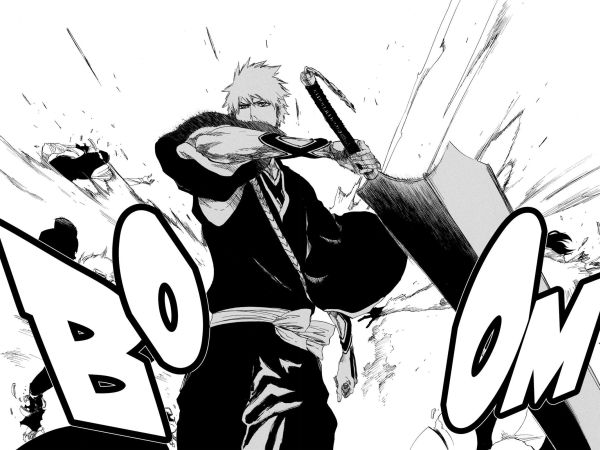
If there’s one manga that lives on pure style, it’s Bleach. It’s a pillar of modern shonen because of its iconic character designs, dramatic reveals, and fights that exist to be remembered.
The premise introduces us to Ichigo Kurosaki, a teenager who gets dragged into the world of Soul Reapers after a chance encounter. From there, his life becomes a cycle of supernatural threats, high-stakes battles, and rival factions with their own agendas. Bleach doesn’t waste time trying to justify itself with realism. It leans into operatic stakes and clean power escalation, and it uses that structure to keep the story moving from one major showdown to the next.
What makes the series stand out is how much personality it packs into combat. Tite Kubo’s art is effortlessly stylish, with sharp silhouettes, expressive paneling, and a sense of swagger that turns even simple standoffs into hype moments. And then there’s the single word that every manga fan recognizes instantly: Bankai. Bleach understands the thrill of transformations and builds its biggest fights around that payoff. The battles feel like theatrical events, with matchups designed to show off new abilities, brutal finishing moves, and power gaps that force characters to evolve or get crushed.
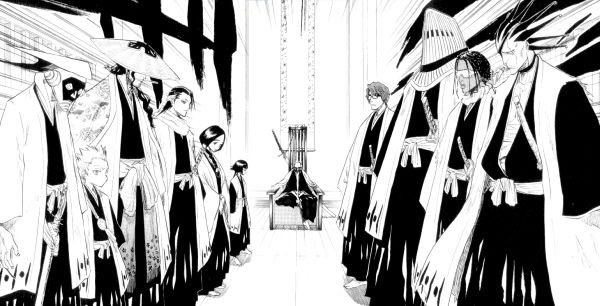
The cast is fun and easy to get invested in, even if some characters are more iconic than deeply written. Bleach’s biggest issue is arc structure. It can get repetitive, with long stretches that follow a familiar pattern of invasion, matchups, power-ups, and bigger enemies waiting. Soul Society is still the high point for a reason, although it, too, suffers from typical shonen training syndrome.
Still, when Bleach is good, it’s pure adrenaline. The antagonists help a lot, too. Aizen is one of shonen’s best villains, and characters like Ulquiorra and Grimmjow give the series some of its most memorable battles. If you want an action manga driven by stylish fights and relentless escalation, Bleach delivers.
Genres: Action, Adventure, Supernatural
Status: Completed (Shonen)
25. Rosen Garten Saga
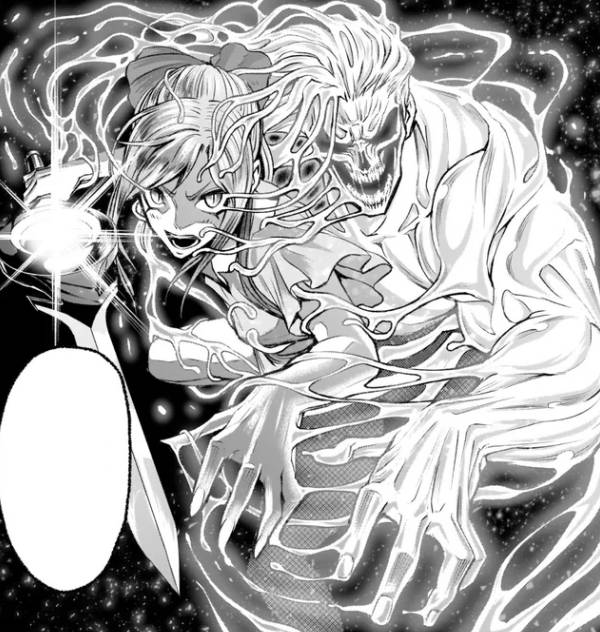
A retelling of the Nibelungenlied as a tournament action manga sounds like a fantastic idea, and Rosen Garten Saga does exactly that and a whole lot more. It takes the basic hook of legendary figures clashing in brutal matchups, then gleefully turns the whole thing into a hentai-adjacent sex comedy that’s so shameless and chaotic you almost can’t believe it exists in serialized form.
On paper, the premise is simple. Rin enters a battle-heavy story fueled by duels, rivalries, and escalating opponents, all while wielding a sword tied to the legendary hero Siegfried. Around her, the cast pulls from myth and folklore, but there’s a catch. These aren’t noble icons facing each other with honor and dignity. They’re degenerate caricatures built around outrageous impulses, warped identities, and the kind of unfiltered comedy that treats good taste like an afterthought. Characters will pause mid-fight to deliver dramatic speeches, but instead of friendship and resolve, it’s all about lust, fetish obsession, and whatever unhinged preference drives them.
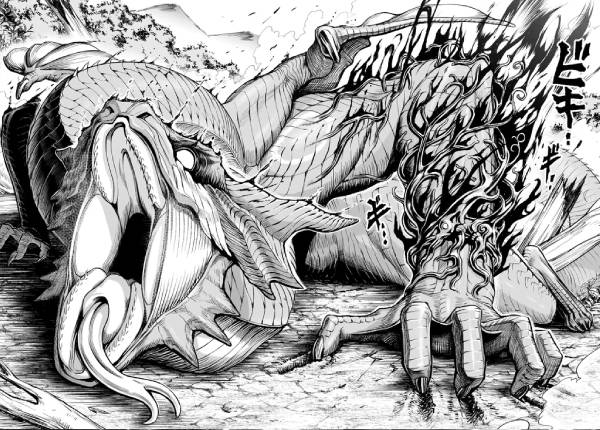
The wild part is that it all works. Rosen Garten Saga commits so hard to its own stupidity that the absurdity becomes the appeal. It’s a parody of battle manga tropes that never feels lazy, because the author still understands pacing, matchups, and escalation. Each chapter pushes the insanity further. Fights, politics, and character relationships all function by the same depraved logic. It’s grotesque, proudly offensive, and often genuinely funny, but it’s also the most explicit title on this list, with content that many readers will bounce off immediately.
What makes it even more ridiculous is how good it looks. The art is clean, energetic, and far more polished than it has any right to be, and the choreography is sharp, even when the combat is fueled by pure degeneracy. If you can handle extreme, taboo humor and want an action manga that feels like a train wreck you can’t stop reading, Rosen Garten Saga is unforgettable.
Genres: Action, Adventure, Comedy, Fantasy, Erotica
Status: Ongoing (Seinen)
24. Record of Ragnarok
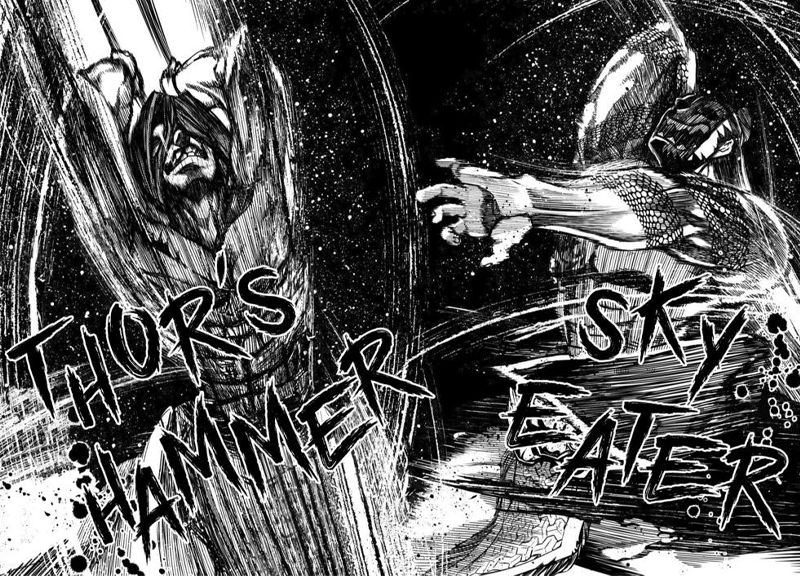
Record of Ragnarok is the purest kind of fights-first action manga. It doesn’t pretend the plot is the main attraction, because the whole premise exists for one reason: to throw gods and humans into a one-on-one tournament and let the strongest fighter win. The setup is simple in the best way possible. The gods vote to wipe out mankind, but are interrupted by the Valkyrie Brunhilde, who calls for Ragnarok, a 13-round deathmatch. From there, it’s all matchups, entrances, and escalation. Each round is designed like a headline fight. You get two larger-than-life combatants, a clear theme for the clash, and the crowd losing their minds every time the tide turns. It’s dumb in the most satisfying way, because it knows the reader is here for the spectacle.
The fights are the real hook, and for a series about humans facing deities, they’re surprisingly physical. Many battles feel like brawls, weapon duels, and brute-force contests where damage matters and momentum swings hard. The art sells it, too. Characters look absurdly cool, and the manga loves big reaction panels and dramatic impact shots that make each technique feel like an event.
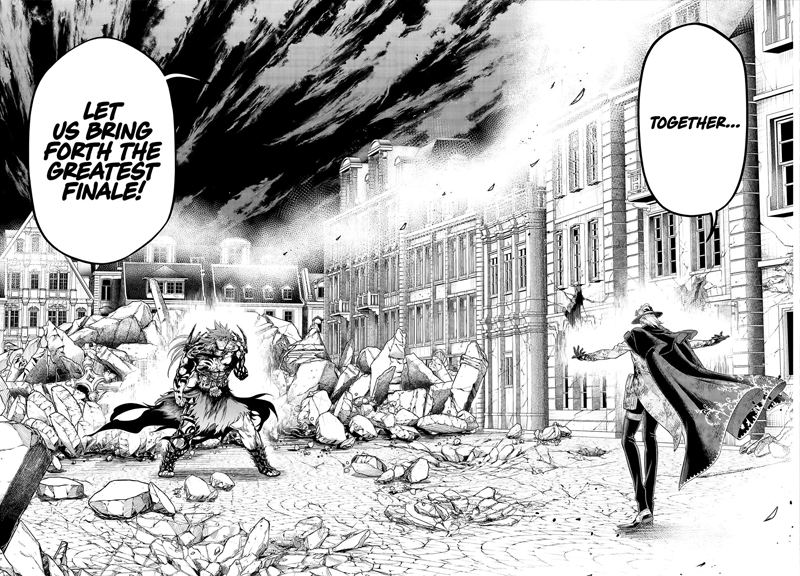
The biggest drawback is also part of the formula. Fights regularly stop so the series can drop backstories mid-round, and their quality is inconsistent. Some flashbacks add real weight and make the matchup hit harder, but others drag, interrupt the flow, and overshadow the combat. The series often takes liberties with historical and mythological portrayals, which can either be fun or frustrating depending on the character.
When a round clicks, it’s pure hype. If you want a tournament series where the story exists solely to set up the next fight, Record of Ragnarok is one of the most addictive reads in the genre.
Genres: Action, Fantasy, Supernatural
Status: Ongoing (Seinen)
23. Majo Taisen
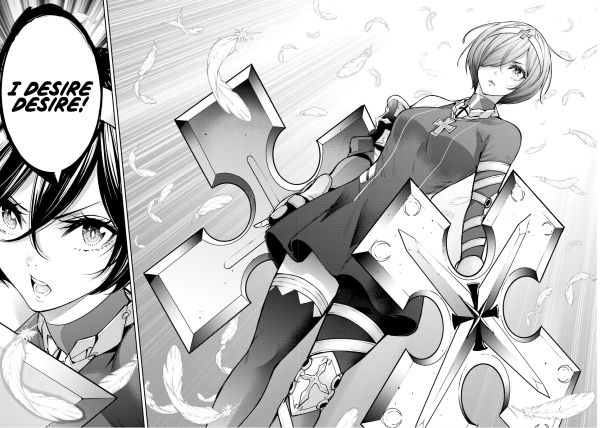
Majo Taisen follows the tradition of Record of Ragnarok almost beat by beat. It’s a tournament battle manga that throws famous women from history into a brutal one-on-one death bracket, then builds the entire series around flashy powers, dramatic entrances, and constant momentum.
The hook drops Joan of Arc into Walpurgis Night, where 32 witches fight until only one survives and earns her wish. From there, the series doesn’t waste time pretending it’s something deeper than it is. The tournament exists to create matchups, and each matchup exists to show off a new fighter’s personality and combat style. If you like action manga that stay focused on fights, Majo Taisen does exactly that.
The biggest difference from Record of Ragnarok is how it handles power. Where Ragnarok leans into brawls and weapon clashes, Majo Taisen goes heavier on magical abilities and spectacle. Each witch has a unique power tied loosely to her identity, and the best fights feature counters, sudden reveals, and momentum swings that keep the duel from turning into straight slugfests. It doesn’t reinvent the formula, but the matchups are engaging enough that the series stays hard to put down.
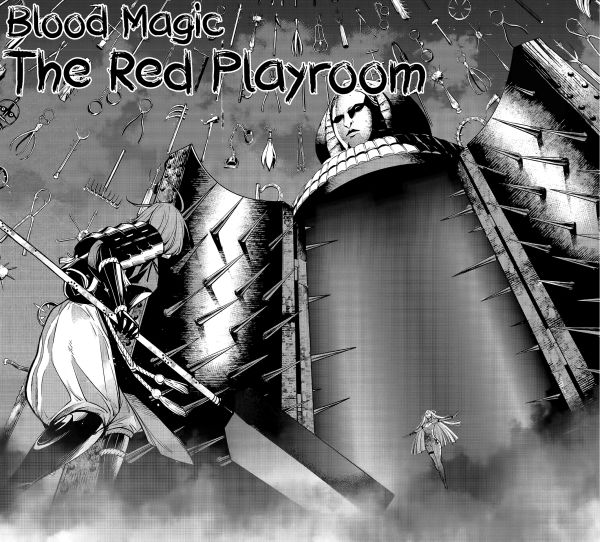
The art helps a lot, at least when it comes to character design and action panels. Nearly every fighter is drawn to look striking, intimidating, or outright gorgeous, which is fun but also makes the historical angle feel more like an aesthetic than a real foundation. Certain poses and angles also lean into fanservice territory. It’s not explicit, but it can get distracting. Backgrounds are another weak spot. Almost all fights take place in the same empty arena, which can be a bit of a letdown.
Characters can be a mixed bag. While some like Marie Antoinette and Mata Hari stand out, others can be forgettable. There are also hints at something bigger going on behind the tournament, which keeps things interesting.
Majo Taisen is an easy pick if you want bracket escalation and stylish, magic-based duels.
Genres: Action, Fantasy, Supernatural
Status: Ongoing (Seinen)
22. Holyland
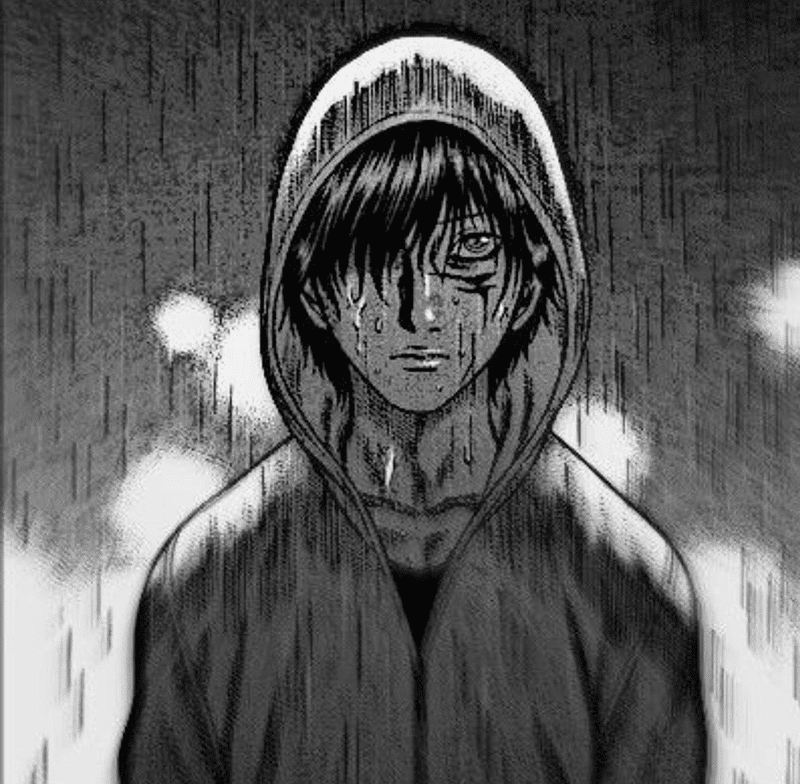
Holyland is what action manga looks like when it strips away the spectacle and treats every fight realistically. It’s raw, grounded, and uncomfortable in the best way, because the violence here isn’t heroic. It’s survival, pride, fear, and desperation colliding in dark alleyways.
Yuu Kamishiro isn’t a prodigy or a born fighter. He’s a lonely teenager who gets pushed around at school and doesn’t know where he belongs. What makes Holyland so compelling is how simple the starting point is. Yuu doesn’t get strong overnight or discover some hidden talent. He takes a single boxing punch and trains it obsessively, then tests himself on the streets at night. From there, the series builds its combat loop naturally. One fight leads to another, reputation spreads, and eventually Yuu becomes a magnet for other fighters who live on the edge of society. The streets become his holy land, the only place where he feels he exists for a reason.
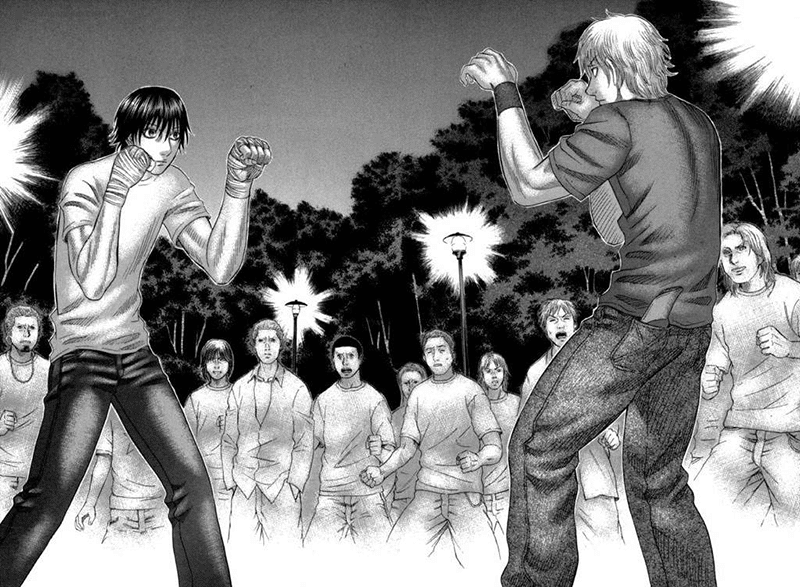
The action is brutally believable. Holyland doesn’t glamorize fighting, but it also doesn’t hold back from showing why it’s compelling. Every matchup has weight because the techniques are real and the outcomes are plausible. You get punches that land with ugly impact, grappling that turns fights into panicked scrambles, and victories that leave noticeable damage behind. It also does something rare for a fights-first series: opponents feel like real people. Characters like Masaki Izawa and Shougo Midorikawa are fully realized, with their own insecurities, limits, and reasons for throwing themselves into violence.
If there’s one downside, it’s that the manga can get a little too technical. The frequent explanations of form, distance, and mechanics occasionally interrupt the flow. The story leans heavily into character psychology, so it isn’t pure nonstop combat in the way something like Kengan Ashura or Grappler Baki are. But the fights are still the core of the series, and the realism makes every clash feel tense in a way most action manga never manage.
Holyland makes street fights feel authentic, tactical, and emotionally loaded.
Genres: Action, Martial Arts, Drama
Status: Completed (Seinen)
21. Crows
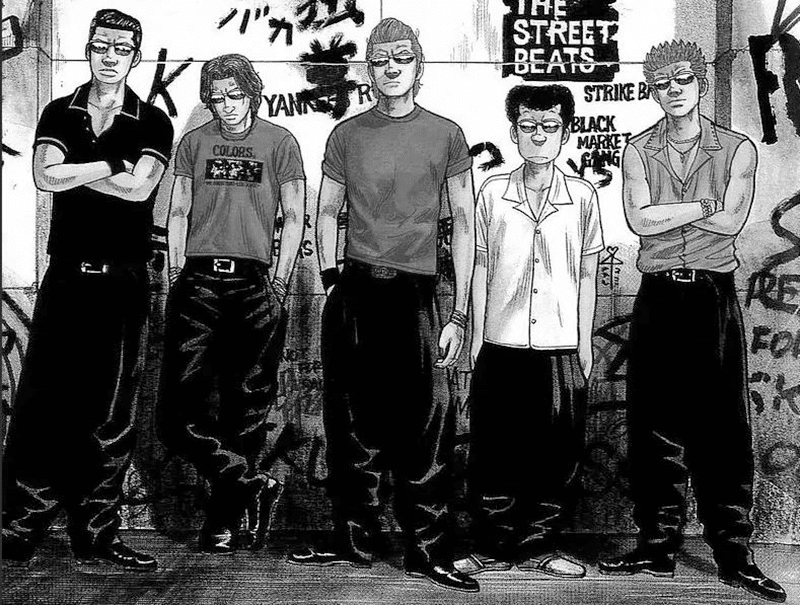
If there’s one series that lives purely on street brawls, it’s Crows. It’s not interested in formal schools or flashy techniques. Instead, it treats fighting like a social language, where reputation is everything and dominance is decided the only way delinquents care about: by throwing hands until someone can’t get up anymore.
The story drops you into Suzuran High, a school infamous for producing the worst troublemakers around and never crowning a single leader. Harumichi Bouya transfers in with the goal of doing the unthinkable: taking over. That ambition becomes the story’s driving force. Suzuran is its own ecosystem. There are rival cliques, shifting alliances, and long grudges. Bouya’s arrival throws the whole thing into chaos. Every new relationship feels like it could turn into a fight, and every fight feels like it changes the hierarchy.
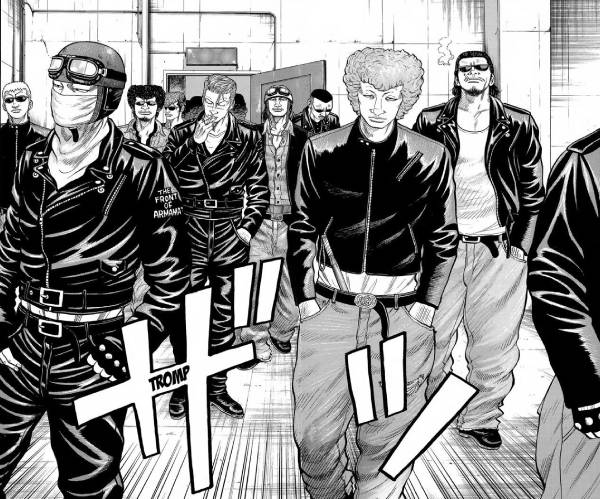
What makes Crows work as an action manga is its simplicity. There are no complicated side plots and no needless melodrama. The plot revolves around fighting. Conflicts escalate naturally, from individual brawls to street wars involving entire crews, and the manga never loses that sense of momentum. The action itself is better than you might expect from an older series. Even without named techniques, you can feel the difference between someone who’s just posturing and someone who can actually fight. Positioning, timing, and toughness matter. The best fighters aren’t simply strong. They’re the ones who stay calm in chaos and know how to break an opponent’s rhythm.
Crows might be a violent series, but it’s also funny and weirdly lighthearted. There’s a sense of camaraderie behind all the bruises, and the series has a surprising amount of heart for a manga built on public beatdowns. Fights also never feel anonymous because the cast is large and full of memorable faces. Bouya stands out for his unwavering optimism and charisma.
The art is rough in that early 1990s way, and the world runs on delinquent logic where adults barely exist, but that’s all part of the manga’s charm. Crows is full of high-energy fights and a surprising amount of personality.
Genres: Action, Drama
Status: Completed (Shonen)
20. Yu Yu Hakusho
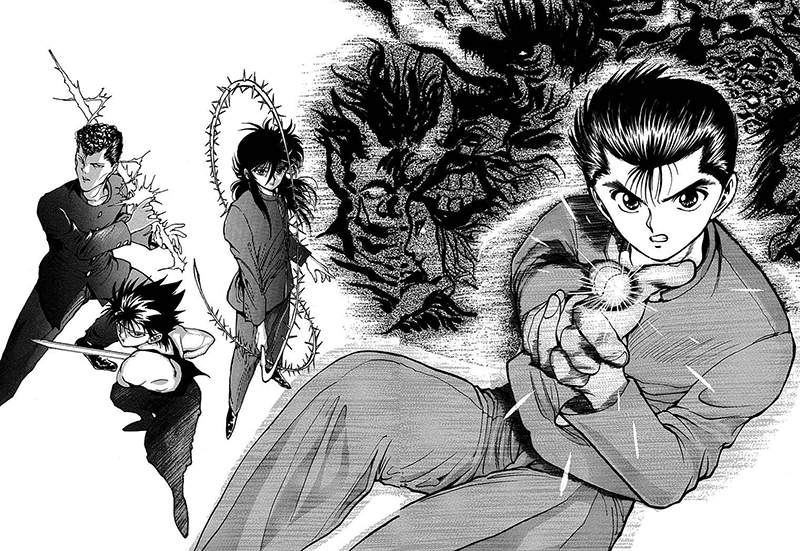
Yu Yu Hakusho is one of the most popular shonen action manga of the 1990s, and it still holds up surprisingly well if you want fights with personality and momentum. Written before Hunter x Hunter, you can already see the foundation of what Togashi would perfect later, just delivered in a simpler, faster package.
The series opens with Yusuke Urameshi. When he dies saving a kid, he’s revived as a Spirit Detective and tasked with investigating paranormal crimes. Early on, the structure leans episodic, with demons, hauntings, and other strange cases. But it doesn’t stay that way for long. Yu Yu Hakusho quickly finds its real identity once it shifts into escalating battles, rival figures, and larger conflicts tied to the demon world. What makes it feel distinct compared to other shonen of its era is the tone. This isn’t just another martial arts series. It’s occult, mythic, and psychic, featuring demons and spiritual energy, giving it a darker edge than the more straightforward adventure tone you see in many classics.
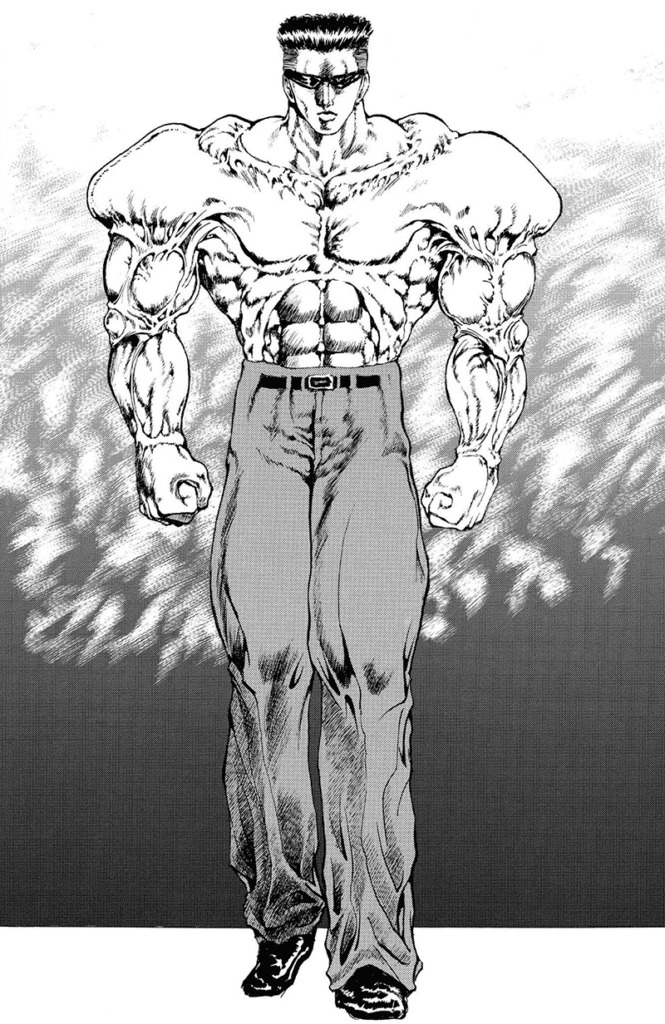
The cast is a big part of what makes the series so memorable and the fights so good. Yusuke is that perfect mix of attitude and heart, and his dynamic with Kuwabara adds warmth and comedy without undercutting the stakes. Kurama and Hiei are still iconic and help keep the matchups varied, since their fighting styles are so different from Yusuke’s brute-force approach.
Yu Yu Hakusho is most famous for its Dark Tournament arc, which is still widely cited as one of the greatest tournament arcs in manga. It has nonstop matchups, great pacing, and memorable villains, with Toguro standing out as a genuinely intimidating antagonist.
The series isn’t perfect, though. The art can look dated, and the early stretch takes a while before it settles into its rhythm. But once the core cast is assembled and the fights become meaningful, it’s hard to stop reading.
If you want an action manga full of supernatural fights, a lovable cast, and one of the genre’s best tournament arcs, Yu Yu Hakusho is an easy recommendation.
Genres: Action, Supernatural
Status: Completed (Shonen)
19. Gamaran
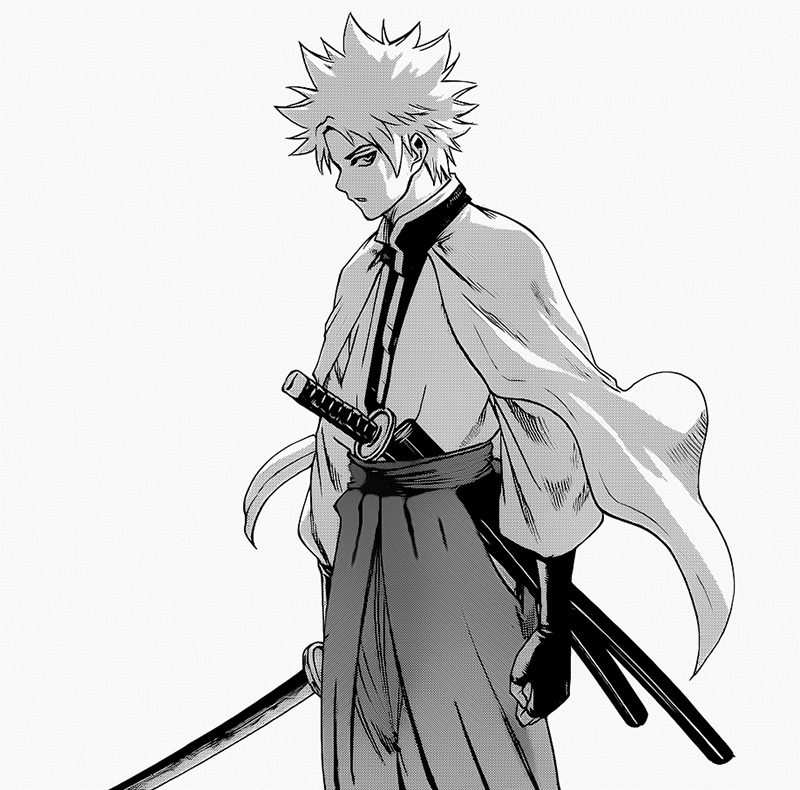
Gamaran is a samurai manga that runs purely on battles. It doesn’t feature deep political drama or sweeping historical commentary. It’s here to do one thing: deliver duel after duel with fighters who live and die by the blade.
The setup is a classic tournament structure with an Edo-era flavor. A powerful lord declares a competition to decide the future of his domain, and each of his sons sets out to secure a champion strong enough to survive the tournament. When Naoyoshi Washitsu goes looking for a famous swordsman, he ends up recruiting the swordsman’s son, Gama, a young prodigy who feels made for that kind of story. From there, the manga shifts right into the action. Gama faces opponent after opponent, each tied to a distinct weapon, style, and mindset, and the series keeps raising the difficulty until every duel feels like it could end in a single mistake.
What makes Gamaran stand out is how dedicated it is to combat craft. It introduces a huge range of fighters, and it gives each of them an identity that shows up directly in their fighting style. You get different schools of swordsmanship, unusual weapons, brutal close-quarters styles, and matchups designed to force Gama to adapt rather than simply overpower his opponents. The series also explains its combat ideas just enough to make the fights feel grounded, but it rarely slows down with lengthy lectures. The pacing stays aggressive, and the action never feels like filler.
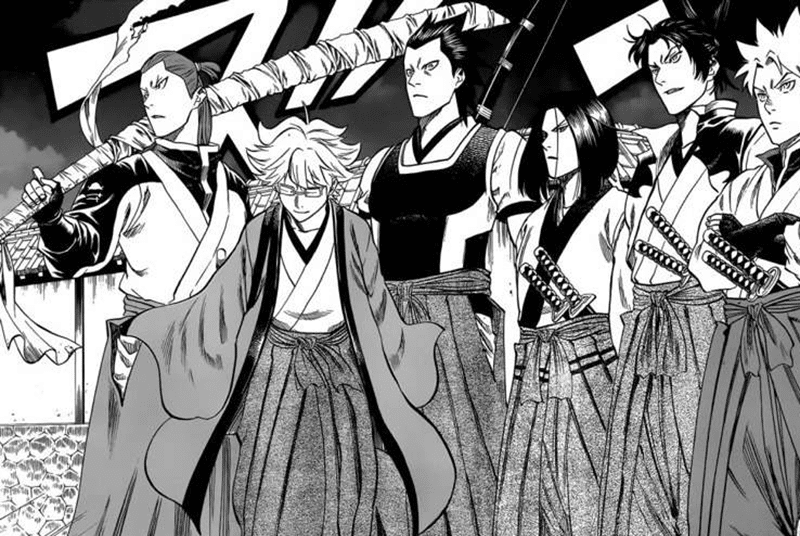
Gamaran’s art leans toward clarity and impact rather than flashy spectacle. Duels have a tactile weight that makes them feel dangerous. The choreography is crisp, and the movements are easy to read. Even when the series gets more exaggerated, the consequences remain the same. Fighters bleed, stumble, and lose limbs when they misjudge an exchange. That tension gives Gamaran a constant edge. The reader understands that one wrong step could end it all.
The main weakness is the story’s simplicity apart from combat progression. Character development is minimal, and what plot there is serves only as an excuse for the next duel. For a fights-first manga like this, though, that simplicity is a strength. Gamaran is pure samurai action, full of nonstop duels and a tournament structure that never lets up.
Genres: Action, Adventure
Status: Completed (Shonen)
18. Tenkaichi
Similar to Gamaran, Tenkaichi is a tournament manga centered on samurai swordfighting. Gamaran focuses on grounded technique and discipline. Tenkaichi goes completely insane. This is samurai action turned into myth, an alternate history tournament where Japan’s deadliest legends clash like demigods, and every duel is designed to escalate into something outrageous.
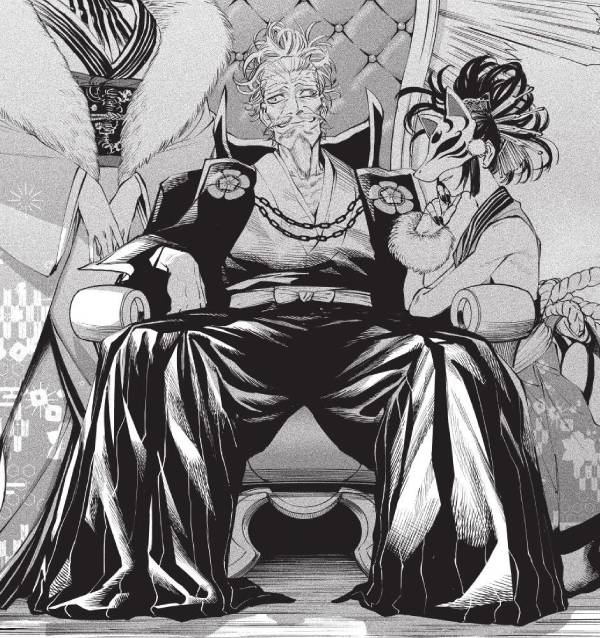
After Oda Nobunaga unifies Japan, he knows his end is approaching and decides to settle succession through a death tournament. Sixteen champions are chosen, and the winner’s master earns the right to rule. From that point on, Tenkaichi doesn’t waste time. It dives right into the matchups. Each fight is built around spectacle, personality, and the thrill of watching two wildly different combat styles collide.
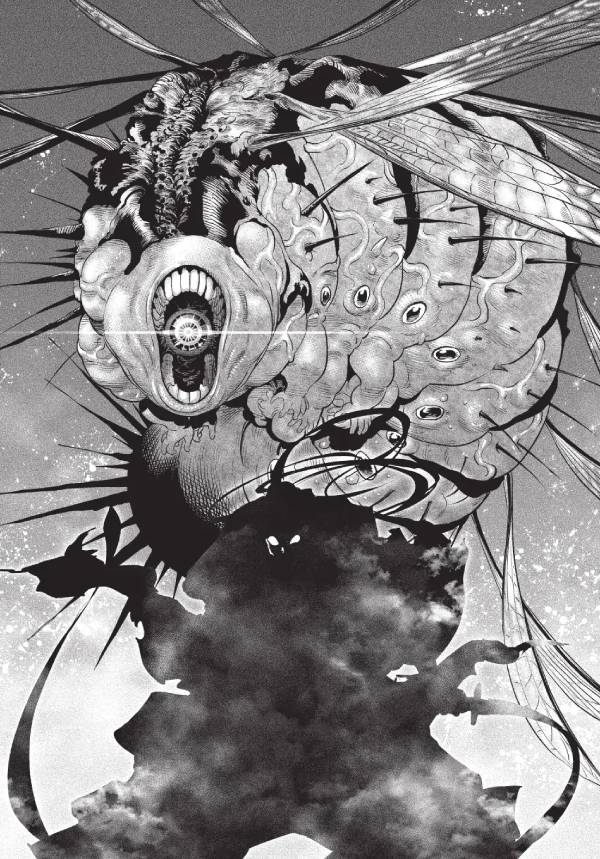
The cast is a huge part of the appeal. Tenkaichi pulls from real Japanese history and legend, then twists them into larger-than-life monsters. Names like Musashi and Kojirō carry instant weight, but the manga doesn’t rely on accuracy or reverence. It imagines everyone as a stylized version of their myth, with fighting styles and designs that feel more like a fever dream than real history. That approach makes every round feel unpredictable, because you’re watching legends unleashed.
The art is where Tenkaichi truly shines. It’s muscular, violent, and ridiculously dynamic, with heavy impacts, brutal wounds, and the kind of paneling that makes every swing carry enormous weight. The fights build toward crescendos that feel almost theatrical, with perfectly timed reversals and finishing sequences that sell the tournament’s life-or-death stakes. It’s one of those series where you can tell the author is obsessed with making every duel memorable.
If there’s one downside, it’s that the story is almost entirely built to serve the tournament. You won’t get deep character drama beyond ego, ambition, and obsession with victory. But that’s also why it belongs on an action manga list. Tenkaichi exists for the thrill of combat, and it delivers with an absurd amount of polish.
Genres: Action, Historical, Martial Arts
Status: Ongoing (Seinen)
17. Jujutsu Kaisen
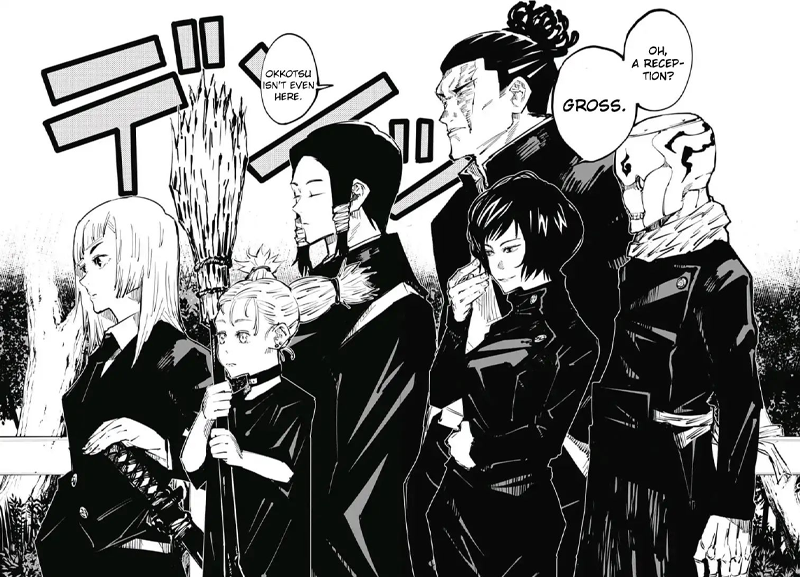
Jujutsu Kaisen is one of the most popular action manga in recent years, and it earns that status by feeling sharp and brutal. It takes a familiar setup but injects it with modern pacing, nasty horror, and fights that hit hard and fast.
We’re introduced to a world of curses, beings born from negative emotions, and sorcerers who exist to exorcise them. Yuuji Itadori ends up becoming the vessel for the legendary curse Sukuna after making one impulsive decision. Instead of focusing on exposition, the series throws Yuuji directly into a world of lethal training, power struggles, and fights where the wrong matchup means death. That structure keeps everything moving. Jujutsu Kaisen rarely feels like it’s wasting time on the way to the next clash.
Where the manga shines is combat design. The cursed techniques are creative, the matchups varied, and the series makes fights tactical without turning them into dry lectures. Domain Expansions are the obvious highlight because they function like ultimate moves with genuine presence. Whenever a domain hits the page, it feels like the rules of the fight have just changed completely. The art is clean, aggressive, and fantastic at selling motion, impact, and sudden violence.
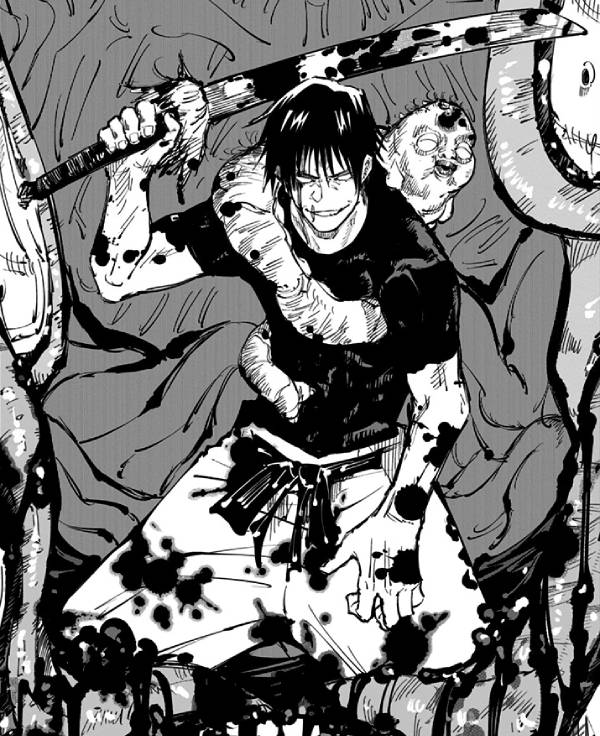
The downside is that the power system can get a bit too dense once the series pushes past its strongest stretch. After the Shibuya Incident, the techniques and mechanics become more complicated, and you start running into heavier exposition that can stall momentum. The finale also turns more repetitive than it should, with Sukuna spending long stretches fighting nearly everyone, and it’s clear he’s the author’s favorite character.
Jujutsu Kaisen is one of the defining modern battle series. The early arcs are tense and stylish, the cast is memorable, and the fights deliver some of the strongest supernatural action of its era. It stands out for its combination of unsettling horror imagery and high-speed combat, and constant escalation.
Genres: Action, Supernatural, Horror, Fantasy
Status: Completed (Shonen)
16. Hellsing

Hellsing might be one of the most popular action manga of all time, helped massively by its iconic anime adaptations and cult reputation. Even today, the manga hits hard because of its pure supernatural carnage and zero interest in restraint. If you want stylish violence, grotesque monsters, and a protagonist who treats every fight like an execution, this is one of the best action rides in manga.
We’re introduced to the Hellsing Organization, which protects Britain from undead threats. Their ultimate weapon is Alucard, an immortal vampire unleashed whenever the situation turns ugly. Alongside Integra Hellsing and the newly turned Seras Victoria, he tears through rival vampires, ghouls, and religious fanatics as if it were routine. The scale escalates fast, especially once Millennium enters, a Nazi vampire army engineered for war and chaos.
Hellsing’s biggest strength is tone. This isn’t slow-burn vampire horror or elegant gothic tragedy. It’s grindhouse insanity with apocalyptic stakes, where every character feels like an exaggerated archetype. Alucard isn’t a brooding antihero. He’s a gleeful nightmare, the kind of monster who enjoys the hunt as much as the slaughter. Alexander Anderson is another standout, because the series understands just how much fun it is to watch two unstoppable forces collide in fights that keep escalating beyond any reasonable limit.
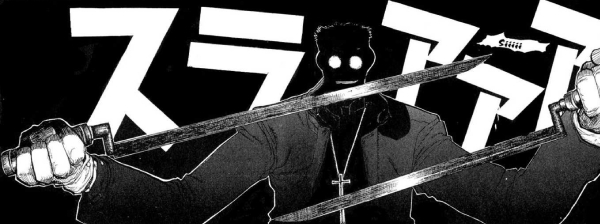
The action is relentless and feels like it’s lifted from an over-the-top action movie. It’s gunfire, blades, transformations, familiars, and copious amounts of gore. Hirano’s art style sells it all perfectly. Thick black shadows, sharp contrasts, and aggressive paneling give the violence real presence, and the series improves steadily as it goes on. Even when the fights become absurd, the impact feels heavy, and the momentum never drops.
Hellsing isn’t subtle, and it isn’t trying to be. It’s horror-tinged action built around monsters, bloodshed, and sheer swagger. If you want an action manga that delivers nonstop supernatural chaos with one of the most unstoppable characters ever drawn, Hellsing is an easy recommendation.
Genres: Action, Horror, Supernatural
Status: Completed (Seinen)
15. One Punch Man
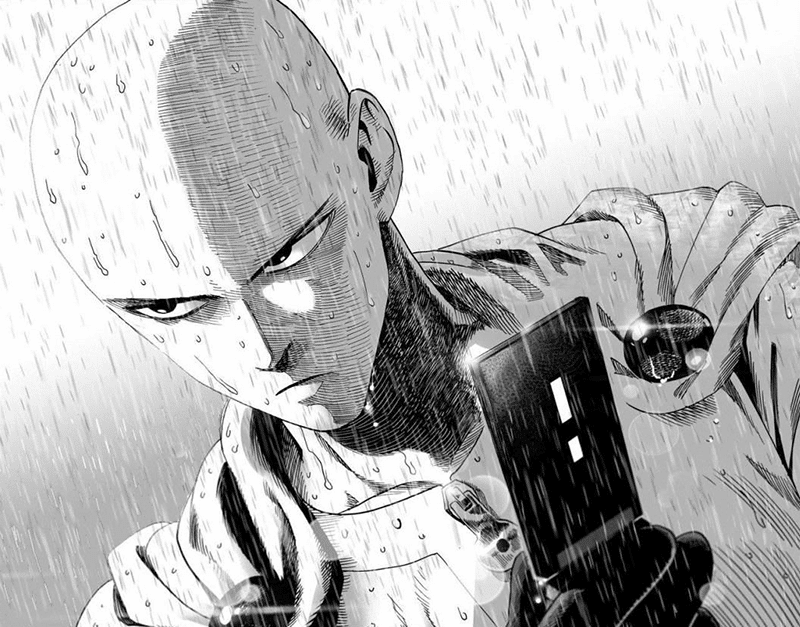
Few manga understand the thrill of action as well as One Punch Man, and fewer can make it this funny without undercutting the spectacle. It takes a single joke, a hero so strong he ends every fight instantly, and somehow turns it into a series that still delivers some of the most explosive action in modern manga.
Saitama is the perfect antihero for an action manga. He trains until he’s unbeatable, joins the Hero Association, and realizes his reward for becoming the strongest person alive is boredom. The series could’ve gotten stale fast if it stayed locked into that same punchline, but One Punch Man avoids that trap by shifting the weight onto its supporting cast. That’s where the fights really bloom. You’ll get entire arcs where Saitama barely matters until the final beat, while other heroes struggle, adapt, and push themselves to the limits against threats that feel genuinely overwhelming.
The action is the main reason One Punch Man ranks as high as it does. Yusuke Murata’s art is absurdly good, with monster designs that feel huge and violent, choreography that stays readable even at max speed, and spreads that are nothing short of breathtaking. It’s one of those rare series where even side characters get fights that feel cinematic. The Monster Association arc, in particular, turns into a sprawling chain of matchups, power reveals, and escalating chaos, and it’s hard not to respect how much effort goes into making every exchange look clean and impactful.
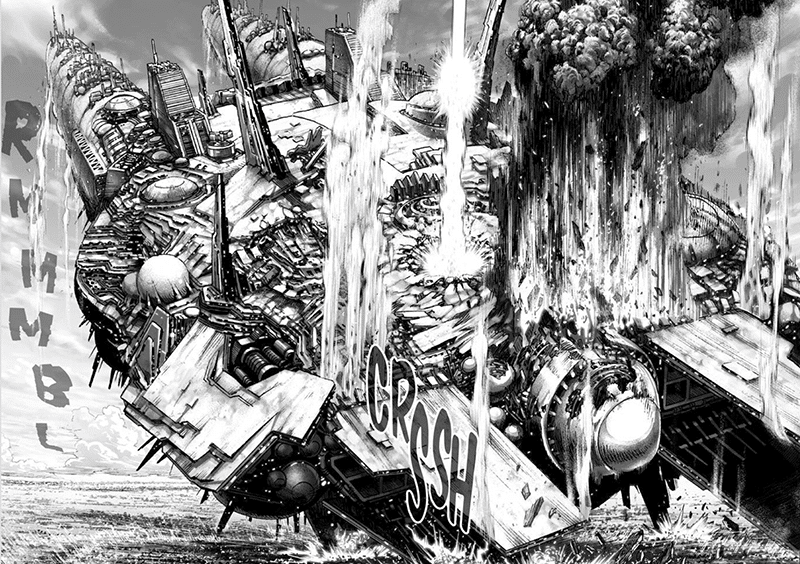
Throughout the manga, the comedy still lands because it’s timed perfectly. Saitama’s deadpan reactions and casual attitude act as a punchline to the genre itself. You’ll watch other characters do the most dramatic, desperate, life-or-death combat imaginable, only for Saitama to arrive and end it as if it’s nothing. It’s a simple contrast, but it stays effective because the series commits fully to both halves. The fights are played straight, and that’s exactly why the jokes work.
The one downside is that Murata’s perfectionism can slow things down. Chapters get redrawn, arcs get reworked, and the release rhythm can feel messy at times. Even so, the wait time is often worth it, because One Punch Man is one of the strongest action manga currently running. It combines genuinely sharp comedy with insane spectacle.
Genres: Action, Comedy, Supernatural
Status: Ongoing (Seinen)
14. Battle Angel Alita

Cyberpunk manga are known for their dystopian worlds, where technology reshapes life into something colder and more brutal, but few of them commit to action like Battle Angel Alita does. This is a series that treats combat like a language. Fists, blades, and broken machinery do most of the talking, and the result is one of the most kinetic series in the genre.
The story begins in the Scrapyard, a junk city built beneath a shining utopia. Dr. Ido finds the remains of a cyborg girl in the trash, rebuilds her, and gives her a name: Alita. She wakes up with no memories, no past, and no idea what she’s capable of, but that innocence doesn’t last long. The Scrapyard is a place where everything has a price, and violence is the quickest way to learn the rules. Alita’s growth happens through constant conflict. Each opponent forces her to evolve, adapt, and become sharper than she was before.
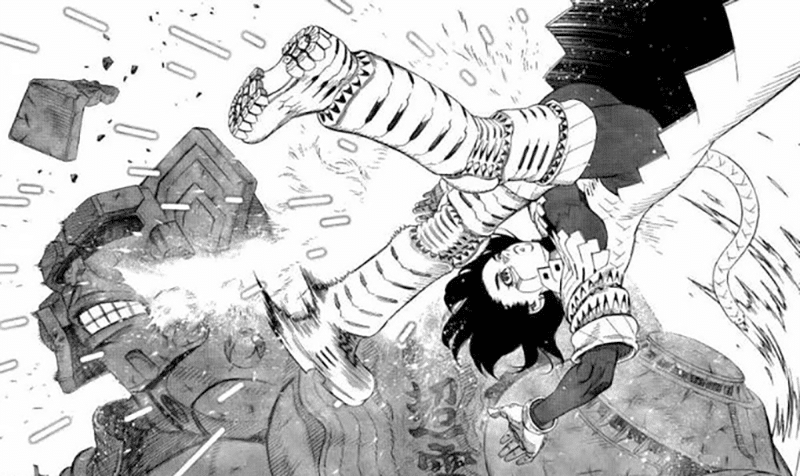
What makes Alita stand out as an action manga is how physical and readable the fights feel. Kishiro’s combat has real weight. Bodies don’t just fly, they snap, crack, and come apart in ways that make upgrades matter. The series is full of opponents who look genuinely dangerous, and battles rarely feel like filler because the stakes are always personal, even when the world expands. Then you get the Motorball arc, which is still one of the best moments in any science-fiction manga. It’s speed, brutality, and spectacle blended into a single violent sport, and it shows how good Kishiro is at drawing motion without turning the page into visual noise.
There’s also real substance underneath the carnage. Alita’s story is about identity and self-determination, but it never turns into slow philosophical detours. Those themes are tied directly to survival, choice, and what Alita becomes through combat. The relationship with Ido gives the series an emotional anchor, and the contrast between the filthy Scrapyard and the unreachable world above creates constant tension in the background. The early art can feel rough, and some character designs look exaggerated, but the series gets more confident as it goes, especially once the action ramps up.
Battle Angel Alita earns its place for its sharp and brutal cyberpunk fights and its relentless forward momentum.
Genres: Action, Sci-Fi, Cyberpunk
Status: Completed (Seinen)
13. Hunter x Hunter
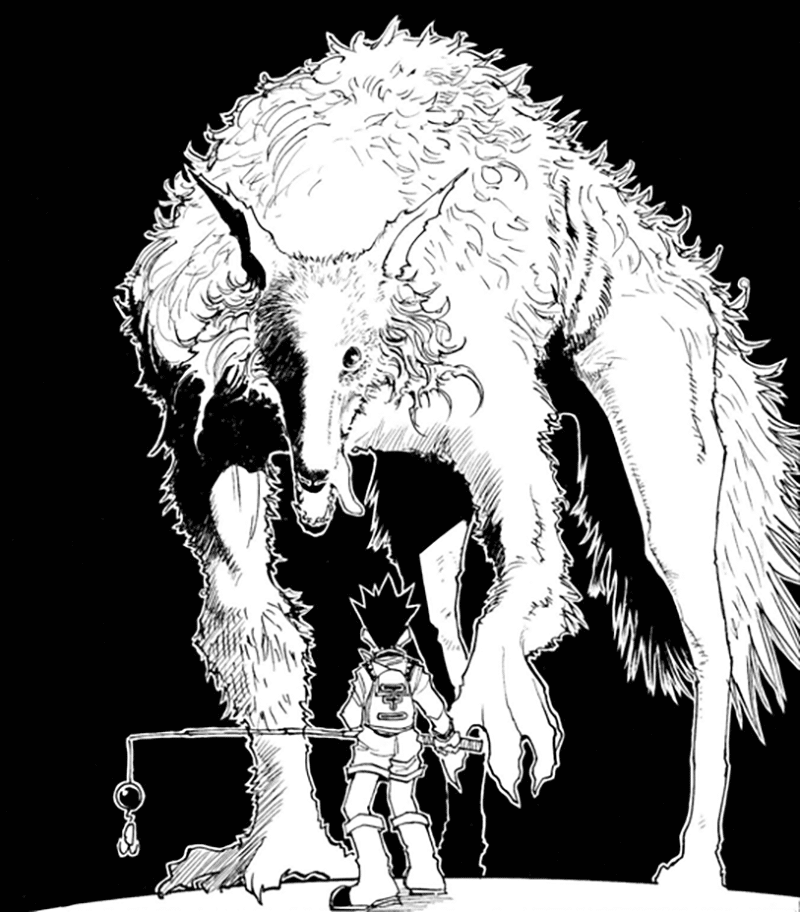
Hunter x Hunter is one of the most ambitious shonen manga ever made. What starts out as a classic adventure manga with a kid taking a brutal exam to prove himself, slowly evolves into something darker, sharper, and far more complex than it first appears.
The early stretch is deceptively simple. Gon wants to become a Hunter to find his father, so he enters the Hunter Exam, where he meets allies and rivals who will later define the series. At first, it reads like a traditional shonen adventure, full of tests, training, and colorful characters. But the longer it goes, the more the series reveals its true strength. Hunter x Hunter isn’t interested in repeating the same arc structure as other shonen. It keeps evolving, shifting tone, and raising the mental stakes just as much as the physical ones.
The action becomes genuinely special once Nen is introduced. It’s not just a power system. It’s why fights feel like psychological chess matches instead of simple slugfests. Abilities aren’t generic power-ups. They’re shaped by personality, limitations, and weirdly specific rules that make fights unpredictable. The best battles come from planning, deception, and the ability to read your opponent. The series gets a lot of mileage out of that. It’s one of the most detailed and satisfying systems in manga, and it’s the main reason the action stays fresh even when the story slows down.
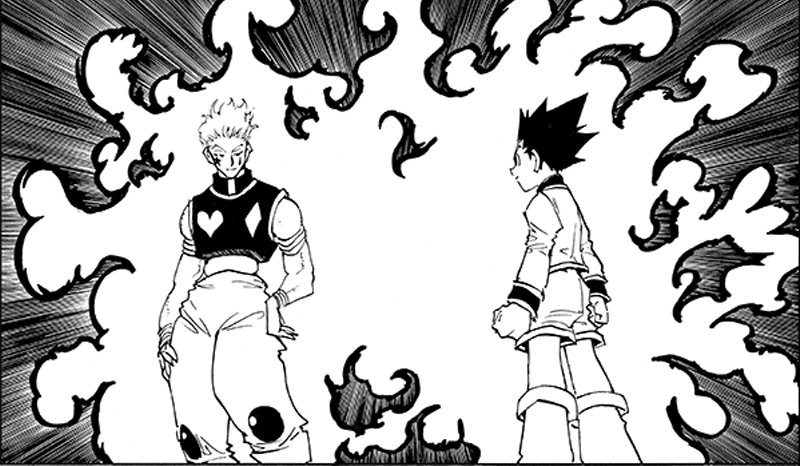
The cast also carries a lot of weight. Gon and Killua’s bond gives the series emotional grounding, while antagonists like Hisoka and the Phantom Troupe add an unsettling edge that most shonen villains never reach. When Hunter x Hunter leans into the criminal underworld or moral decay, it can feel closer to a thriller than a typical action manga. The Yorknew City arc is still one of the best examples of that, and the Chimera Ant arc shows how far Togashi is willing to push the genre into darker territory.
Of course, the series has flaws. Togashi’s art can be inconsistent, and his love for detail can sometimes turn into overwhelming exposition, especially in later arcs where chapters can feel like dense rulebooks. It’s also infamous for hiatus stretches, which can make the reading experience feel frustratingly incomplete.
As an action manga, though, Hunter x Hunter is special. If you want fights that reward attention, a power system that actually changes how combat works, and a series that keeps getting stranger and darker as it goes, this is one of the best long-form reads in the genre.
Genres: Action, Adventure, Fantasy
Status: Ongoing (Shonen)
12. Grappler Baki
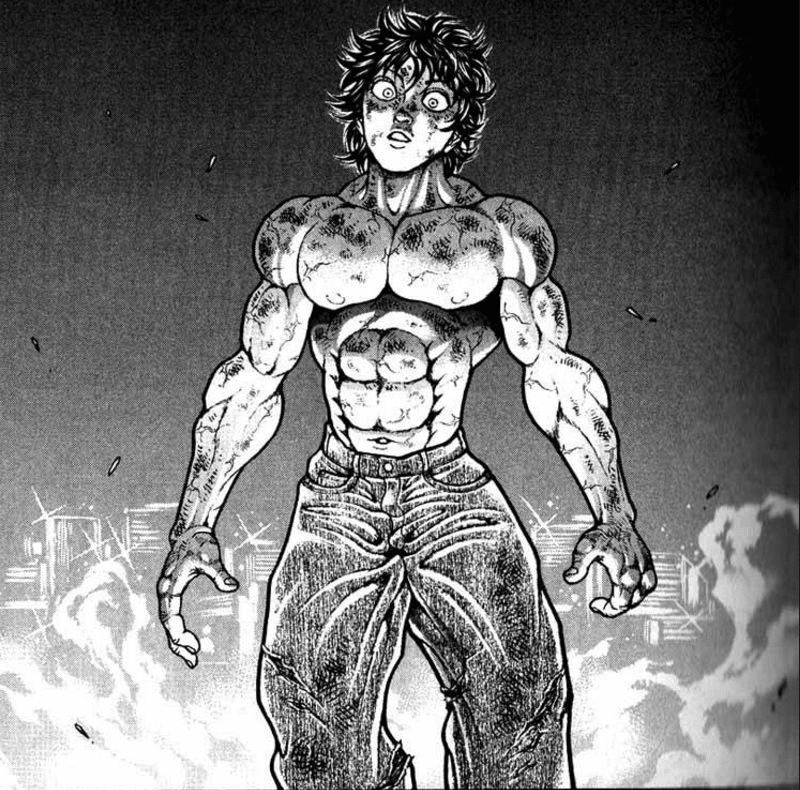
Few manga go as insane as Baki. At first glance, it looks like a typical martial arts series built on training, underground arenas, and brutal matchups, but it quickly reveals itself as a sincere martial arts fever dream. Everything’s exaggerated, everything’s impossible, and yet the manga insists it’s all just physiology, technique, and willpower taken to the extreme.
Baki Hanma is a young fighter sharpening himself in the Tokyo Underground Arena with one long-term goal: surpassing his father, Yujiro Hanma, who’s known as the strongest creature on Earth. Yujiro isn’t written like a normal villain or rival. He’s treated like a natural disaster, a walking apex predator. That gives the series a great foundation, because every fight is framed as preparation for something monstrous.
What makes Baki stand out as an action manga is that it doesn’t rely on typical superpowers. It’s all hand-to-hand combat, leverage, grappling, striking, pain tolerance, and psychological warfare. The funny part is that none of it is remotely realistic, yet the series plays it as real martial arts. Fights will pause so the narrator can explain how a stance shifts the center of gravity, why muscle chains matter, or how fighters can multiply their strength simply through imagination. Another fighter will win through anatomical knowledge so precise it borders on the supernatural. The logic is ridiculous, but the commitment is total, which is exactly why it works.
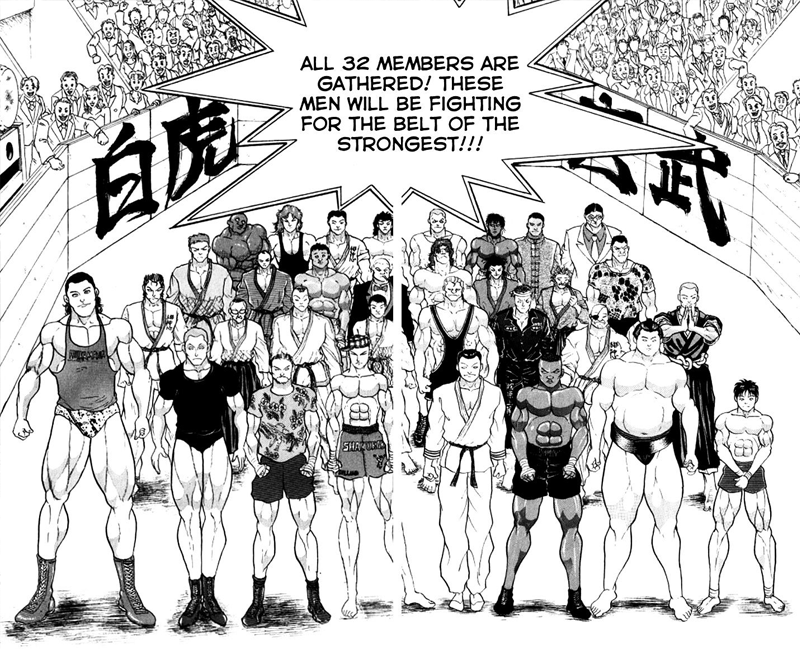
Baki is brutal, but that violence is a major part of its appeal. Victories aren’t decided through points or techniques, but through pure damage until someone is unable to continue. Fighting isn’t treated like a sport. It’s dominance, survival, and ego, with enough brutality to make every matchup feel dangerous. The cast is also a huge reason the series stays entertaining. Many side characters embody specific combat philosophies, whether it’s street pragmatism or pure discipline.
The main drawback is how the series looks early on. The art is rough, warped, and so heavily stylized it might push some readers away. It improves and becomes more confident over time, but the visual aesthetic is always one of a kind.
Baki stands out as one of the most entertaining action manga for pushing physical combat into outrageous territory while still taking it seriously.
Genres: Action, Martial Arts
Status: Ongoing (Seinen)
11. Dandadan
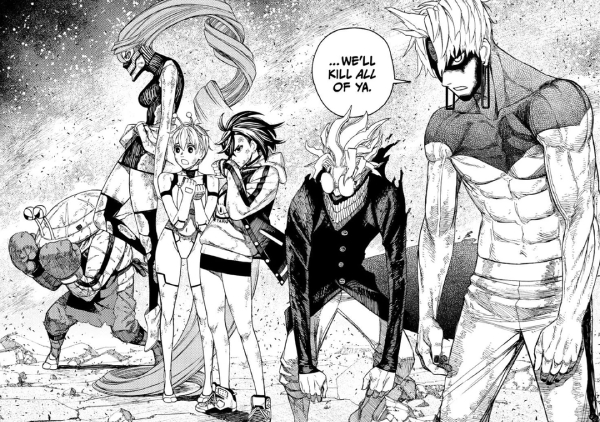
Few modern shonen can rival Dandadan when it comes to sheer momentum. This is a genre blender that somehow makes horror, science-fiction, romance, comedy, and pure battle manga feel like they are all part of the same story, sometimes in the same chapter. And the crazier it gets, the more it works.
The series starts with a simple clash of beliefs. Momo Ayase thinks ghosts are real but laughs at the idea of aliens. Okarun is the exact opposite. He takes extraterrestrials dead seriously but can only scoff at ghosts. They split up to prove each other wrong, and get proven wrong immediately, and the plot never slows down again. Dandadan turns into an escalating chain of supernatural disasters, with Momo and Okarun dragging a growing cast into fights that get bigger, stranger, and more unhinged every arc.
What really earns it a spot on an action manga list is the quality of the combat. The fights are legitimately insane, but they remain readable. Dandadan doesn’t rely on static panels or endless exposition. It moves, and it moves constantly. Characters get launched through streets, pummeled through walls, and improve mid-fight in ways that feel frantic but deliberate. The choreography is sharp, the matchups feel distinct, and the abilities are weird enough that fights never feel interchangeable. Even when the series goes full kaiju-scale chaos, it still remembers to keep the action clean and satisfying.
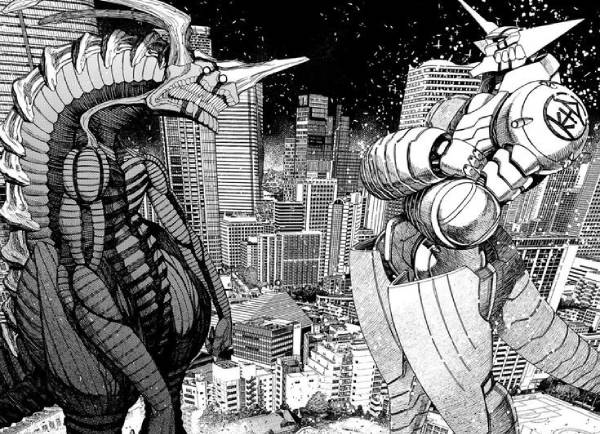
The art is a huge reason it lands. Yukinobu Tatsu draws with an absurd amount of energy, balancing exaggerated comedy with genuinely unsettling horror imagery. Yokai designs are warped and grotesque, while the science-fiction threats are sleek, violent, and otherworldly. The page composition deserves praise, too. When Dandadan hits a big moment, it hits it with double-page spreads that are among the best in modern shonen.
The wild part is that the series has real emotional weight beneath the insanity. Dandadan loves sudden backstories and character beats that hit harder than you expect, which gives the fights more bite than spectacle alone. The tone can still feel chaotic, and that whiplash is part of the identity, but the core cast is strong enough to hold it together.
Dandadan is one of the most unpredictable action manga of its era. It’s ridiculously creative and constantly escalating.
Genres: Action, Comedy, Supernatural, Sci-Fi
Status: Ongoing (Shonen)
10. Chainsaw Man
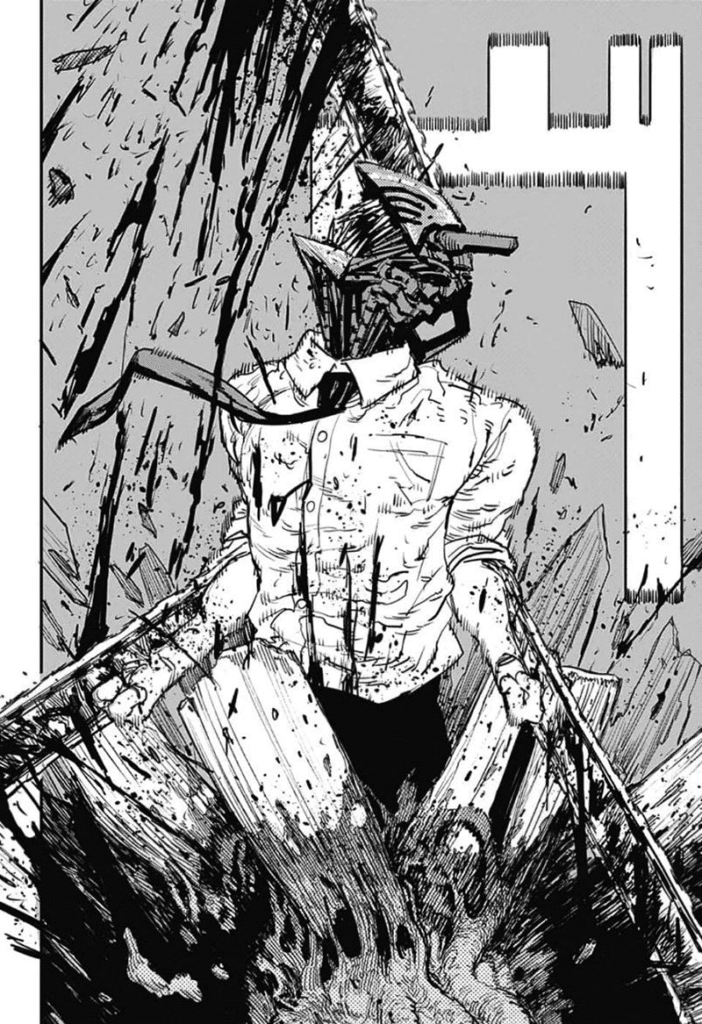
Chainsaw Man is one of the most insane action manga of the last decade. Tatsuki Fujimoto takes a premise that sounds like a joke, a guy with chainsaws for a head and arms fighting devils for money, and turns it into something brutal, emotional, and constantly unpredictable.
Denji is as far from a noble hero as you can get. He’s broke, half-starved, and stuck doing dirty work to pay off debt that isn’t really his. When he merges with Pochita, his pet devil, he becomes Chainsaw Man. He soon gets recruited into the Public Safety Bureau, a government agency specializing in exterminating devils. From there, the series is always moving, always escalating, and always threatening to grind its characters down.
The fights are the series’ main selling point, and they’re some of the wildest in modern manga. Battles happen fast, swing violently, and often end in moments that feel less like winning and more like surviving. The devils themselves are built for this kind of spectacle, with designs that are creative, unsettling, and grotesque. One minute it’s a brawl in a cramped hallway, the next you’re watching something so ridiculous it shouldn’t work, like Denji riding the Shark Devil around a living typhoon, cutting the enemy apart. The action feels like it’s constantly breaking the rules of what a battle manga can do.
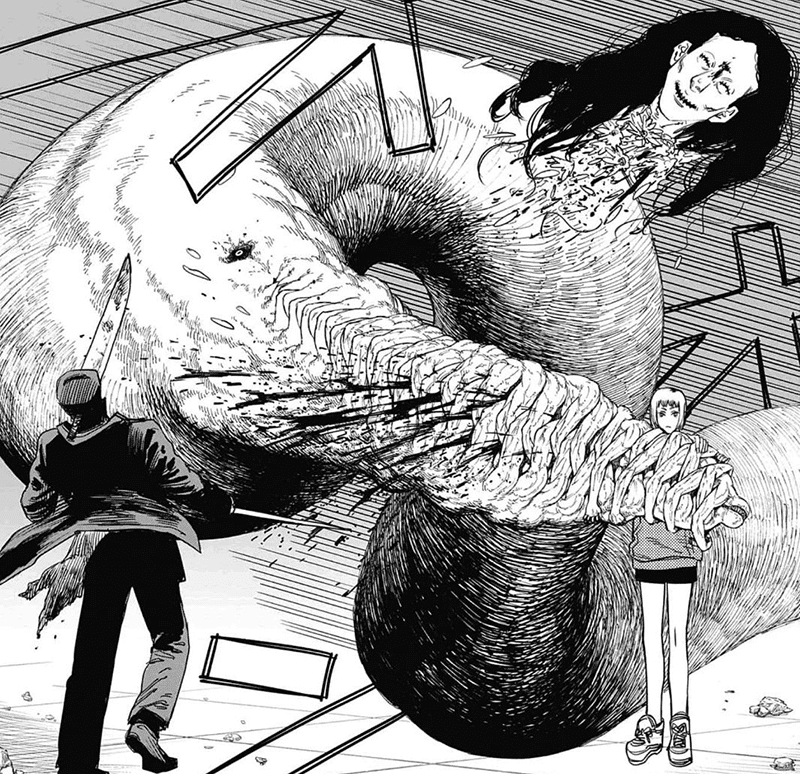
Fujimoto’s art style fits that energy perfectly. It’s scratchy, raw, and sometimes messy, but it makes the carnage feel immediate. Panels don’t feel polished for the sake of looking pretty. They feel violent, as if the series is dragging you through the fight rather than showing it from a safe distance. The tone works the same way. Chainsaw Man can jump from crude comedy to genuine despair in a single chapter, and it somehow never feels like tonal whiplash. That instability is the point. It’s a world where happiness is rare, and the next nightmare is just waiting around the corner.
The cast is a big reason the madness lands. Denji’s simplicity hides how desperate he is for connection, and characters like Aki and Power add both chaos and real tragedy. Then there’s Makima, who might be one of the most chilling presences in modern shonen, because she doesn’t need to raise her voice to feel terrifying.
Chainsaw Man is an action manga that’s violent, weird, and creative in ways most series wouldn’t dare attempt.
Genres: Action, Horror, Supernatural, Comedy
Status: Completed (Shonen)
9. Blue Lock
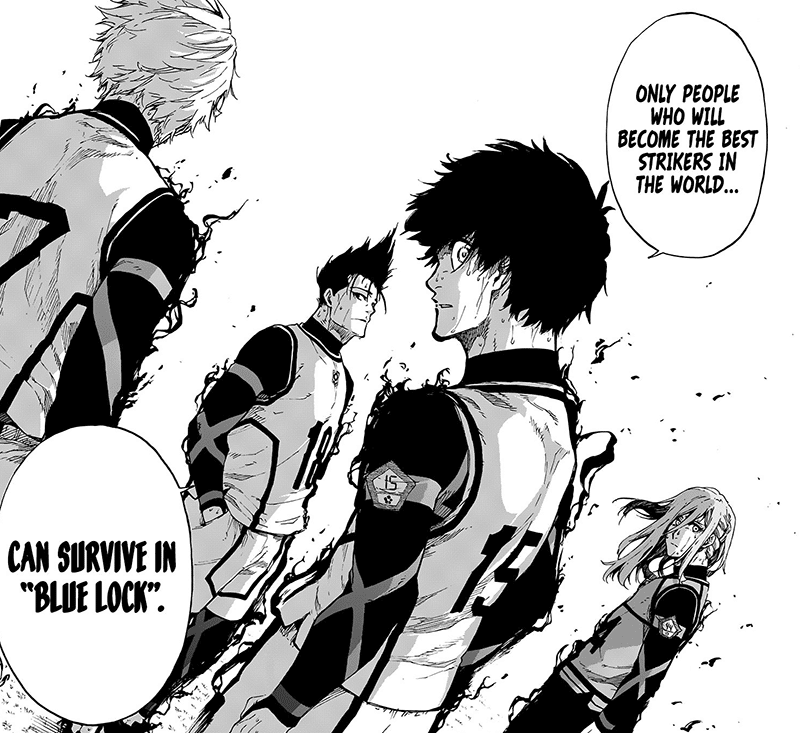
Featuring a sports series on an action manga list might seem strange at first glance, but Blue Lock is a battle shonen in soccer form. It treats matches like life-or-death confrontations, builds arcs around rivalries and power-ups, and delivers the same rush you get from tournament manga.
The premise reframes soccer into something far more aggressive than a team sport. Japan wants a world-class striker, so the Blue Lock program locks 300 young forwards inside a brutal training facility, where only one gets to rise. That alone makes the series feel like a pure survival game, and it instantly shifts from teamwork to ego, ambition, and pressure. Yoichi Isagi starts as a fairly ordinary player, but he’s built for adaptation. His spatial awareness and willingness to evolve mid-match become the core that keeps the story escalating.
What makes Blue Lock work as an action manga is how it represents competition. This isn’t realistic soccer. It’s psychological warfare with goals as finishing moves. The series gives players signature weapons, turns clashes into chemical reactions, and frames momentum shifts like turning points in a fight. Nomura’s art sells it perfectly. Matches look intense, characters move like predators, and the panels consistently emphasize inner tension, ego states, and the feeling of shifting dominance. Even a single pass can feel like an attack. When a goal finally lands after multiple layers of buildup, it hits with the same satisfaction as a shonen finishing move.
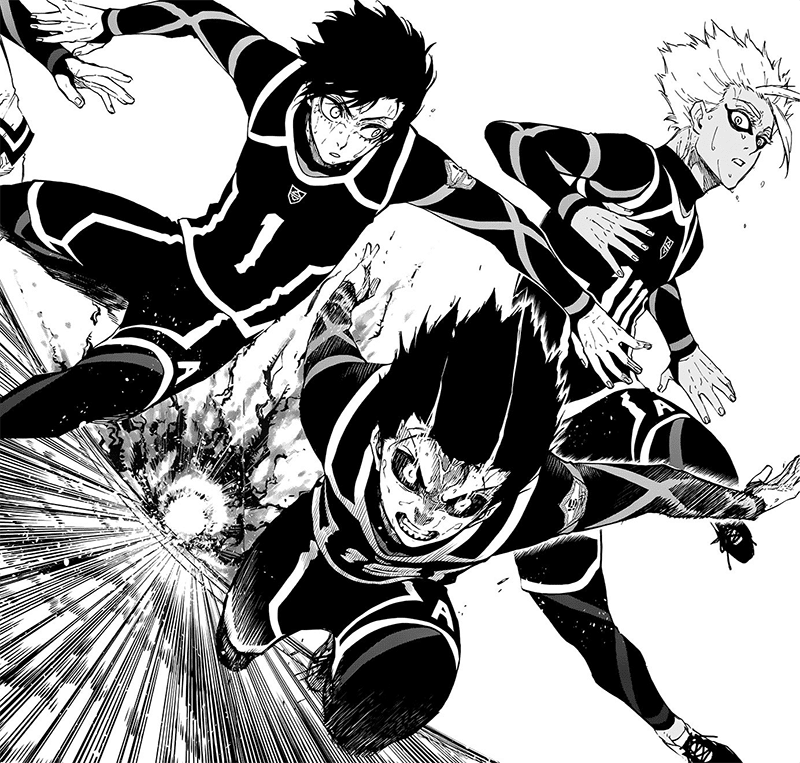
The cast is another strength because the rivalries are the whole experience. Bachira’s chaotic creativity, Nagi’s lazy genius, Chigiri’s speed, and Barou’s King routine all function like different fighting styles. Later characters like Kaiser push the ceiling even higher, giving the series the feeling that there’s always going to be a bigger fish.
The escalation is handled especially well. It starts with elimination matches, builds into the U-20 arc, then expands toward global competition. Each phase raises the tension while staying locked on the same thrill: watching players evolve under pressure. It’s ridiculous, but it’s supposed to be. It’s not trying to be a normal sports manga.
Blue Lock stands out for its hype, rivalries, and nonstop competitive pressure.
Genres: Sports, Action
Status: Ongoing (Shonen)
8. Fist of the North Star
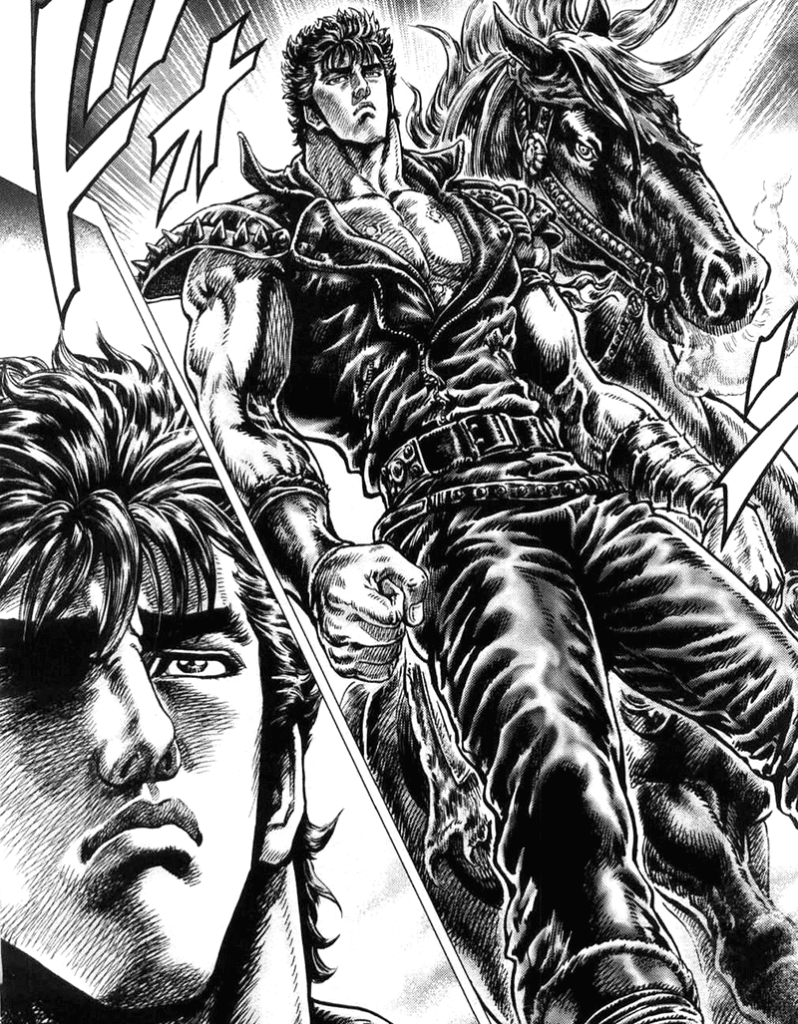
If there’s one series that can be described as the definitive action manga, it’s Fist of the North Star, Buronson and Tetsuo Hara’s testosterone-fueled spectacle that basically runs on grit, gore, and pure intimidation. It’s also the blueprint for the wandering savior archetype.
The setting is a scorched post-apocalypse where civilization has collapsed into sand, gangs, and desperation. The weak are hunted, violence is the only language anyone respects, and food and water are scarce. Kenshiro arrives in that wasteland as the heir to Hokuto Shinken, a martial art built around pressure points and internal destruction. He doesn’t just beat his enemies. He ends them. One touch, one strike, one calm sentence, and it’s already over. The series understands how satisfying that is, and it turns Kenshiro into a mythic figure who exists to punish cruelty.
What makes Fist of the North Star so timeless is how hard it commits to spectacle. The fights are outrageous, but they never feel lazy. Kenshiro’s style is precise and surgical, while his opponents are often towering monsters who rely on brute strength, weapons, or sheer savagery. That contrast is the series’ core rhythm. You get intimidation, posturing, brutal exchanges, and then the inevitable moment when Kenshiro proves he’s operating on another level. The violence is absurdly graphic, with bodies erupting and faces distorting. And who could forget Kenshiro’s most iconic line: “You’re already dead.” It’s one of those phrases that instantly triggers nostalgia because it represents the purest kind of payoff.
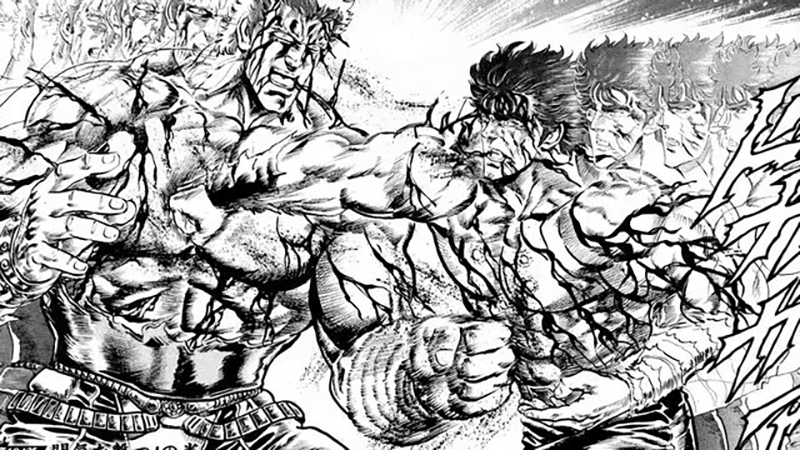
There’s also more emotion here than people might expect. For all the macho energy, the series is full of tragic rivals, doomed allies, and that weird, sincere 1980s intensity where men cry openly over honor and loss. Raoh is the series’ greatest antagonist and adds real weight to the story. He’s not just another villain to punch through. He’s a larger-than-life force that pushes the story into operatic territory.
The main downside is the structure. Like many long-running classics, it can feel episodic, and some arcs exist mainly to deliver the next batch of fights. The art also looks dated early on, although it grows into a sharper, more confident style.
Still, Fist of the North Star is a foundational action manga that’s brutal, iconic, and endlessly entertaining if you’re in the mood for violent fights and over-the-top spectacle.
Genres: Action, Martial Arts, Sci-Fi
Status: Completed (Shonen)
7. JoJo’s Bizarre Adventure: Part 7 – Steel Ball Run
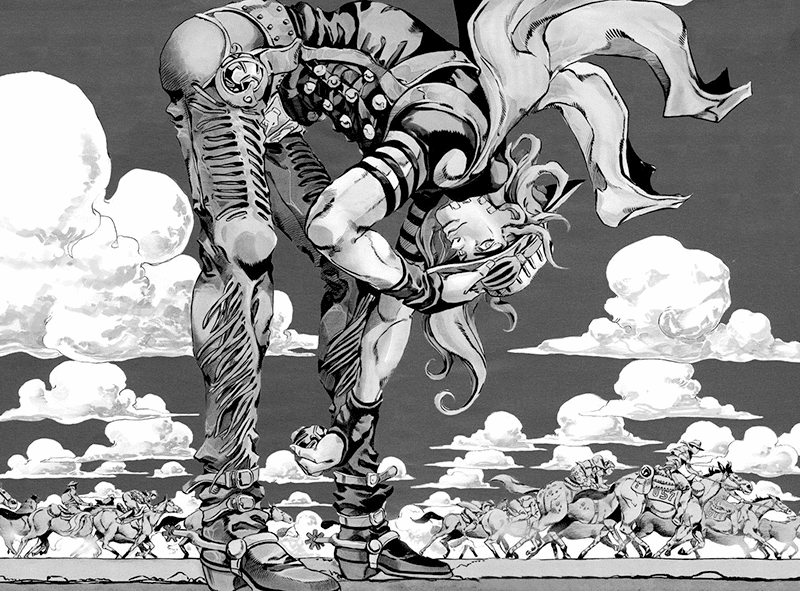
While JoJo’s Bizarre Adventure: Part 7 – Steel Ball Run is first and foremost a weird adventure manga built around a continent-spanning horse race, it’s also packed with action-heavy Stand battles that feel inseparable from the story’s momentum. It’s one of those rare series where the fights don’t interrupt the narrative. They are the narrative.
In an alternate 19th-century America, a massive horse race from San Diego to New York takes place, awarding the winner a life-changing cash prize. The story follows Johnny Joestar, a former prodigy now paralyzed from the waist down. Early on, he crosses paths with Gyro Zeppeli, a charismatic competitor who uses Steel Balls and a strange technique known as the Spin. When Johnny briefly regains feeling in his legs, he joins the race. To him, it’s now more than a competition. It’s become an obsession. He wants his old life back. From there, both men are pulled into something larger, full of rival competitors, assassins, and sacred relics.
What makes Steel Ball Run stand out as an action manga is how it structures conflict. The race stays central the entire time. Even when assassins appear, alliances shift, and supernatural conspiracies surface, the sense of forward motion never disappears. That constant pressure gives the battles a unique intensity. You’re not just fighting to win. You’re fighting while moving, being chased, and trying not to lose ground, which changes the flavor of every encounter.
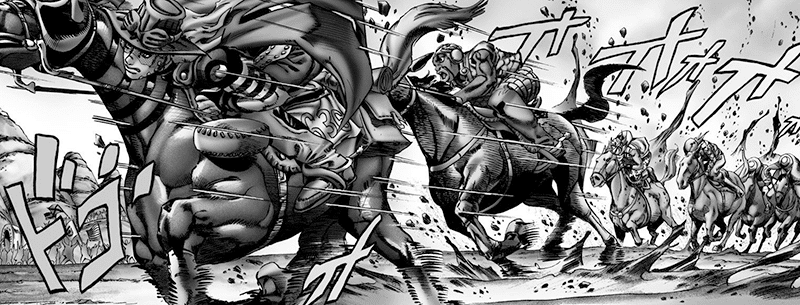
And then there are the fights themselves. Steel Ball Run is peak Stand combat, meaning every battle is a tactical puzzle, not a straight slugfest. Abilities are bizarre, specific, and often unfair in the best way. The wins rarely come from raw power alone. They come from positioning, deception, improvisation, and understanding the rules of a Stand before it’s too late. The Spin adds another layer, because it’s not only an homage to the earlier parts’ Hamon, it also feels like a grounded combat system inside an otherwise surreal universe.
Araki’s art also feels fully matured here. The sense of motion, the panel composition, and the dramatic reveals hit harder than ever, and the American frontier imagery gives the series a visual variety that keeps every new stretch of the journey fresh.
If you want action that’s creative, strategic, and unpredictable, Steel Ball Run is the JoJo part that delivers it at the highest level.
Genres: Action, Adventure, Supernatural
Status: Completed (Seinen)
6. Biomega
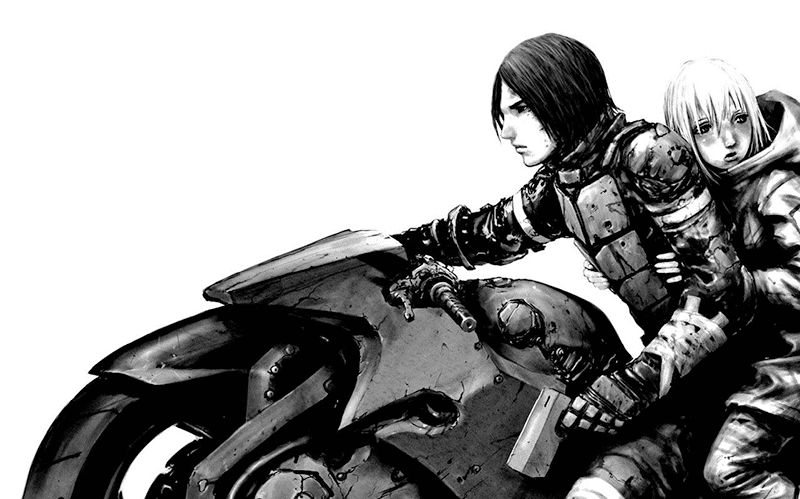
Tsutomu Nihei is known for his dark, quiet cyberpunk worlds and architectural insanity, and Biomega carries a lot of the same DNA as Blame! but with one key difference. Instead of slow isolation and a creeping atmosphere, this is an insanely fast-paced action manga, and one of the fastest reads on this list.
The setup introduces us to Zouichi Kanoe. He’s a synthetic human working for TOA Heavy Industries, tasked with finding a rare human immune to the N5S virus, a plague that turns people into grotesque biomechanical drones. But Biomega doesn’t focus on this mission for long. It keeps escalating, stacking factions, corporate agendas, and nightmare creatures on top of each other until it feels like the most insane apocalypse ever put to paper.
The action is the main event. Biomega’s fights are violent, stylish, and full of high-tech brutality, from motorcycles tearing through swarms of enemies to massive firearms, monstrous drones, and destruction that looks industrial in the worst way. Nihei draws combat like it’s a natural disaster, with bodies ripped apart and environments annihilated as collateral. It’s also one of those manga where the visuals do a lot of the storytelling. Entire stretches unfold with minimal dialogue, and the page flow becomes cinematic, emphasizing motion, impact, and scale over exposition.
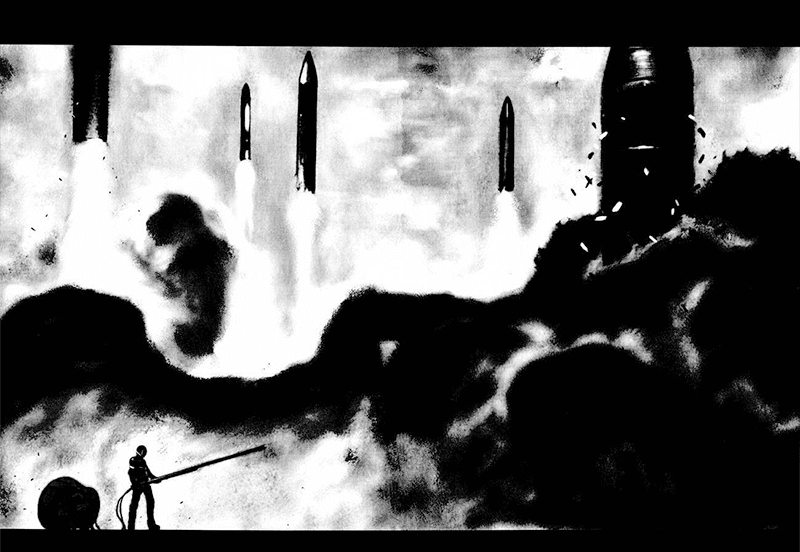
The flip side is that the pace can be almost too aggressive. Big moments can fly past so quickly that you barely register them. Sometimes Nihei doesn’t even show the full fight. You’ll see a confrontation, then suddenly you’re staring at the bloody aftermath. Plot points appear without being fully explored, characters come and go, and by the later volumes the story compresses what feels like a larger vision into a tight page count. It can be disorienting and frustrating, especially if you’re looking for deeper character arcs and narrative clarity.
But as an action manga, Biomega is unforgettable. It’s cyberpunk chaos with horror textures, zombie apocalypse energy, and some of the most stunning futuristic combat Nihei has ever drawn.
Genres: Action, Sci-Fi, Cyberpunk, Horror
Status: Completed (Seinen)
5. Dragon Ball
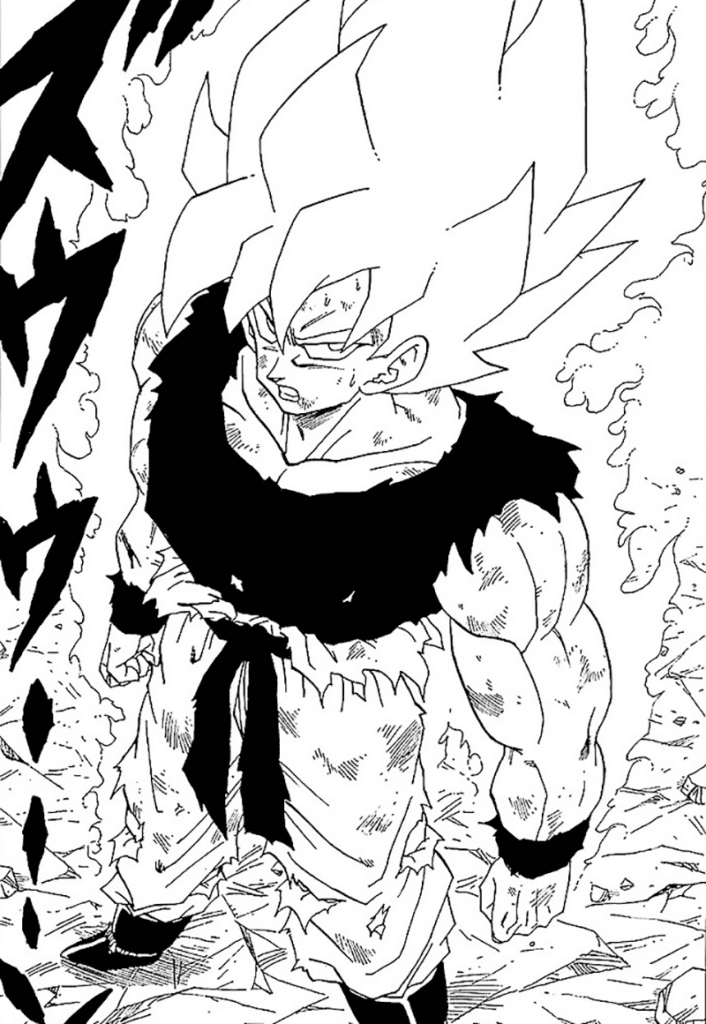
Everyone who’s even a little familiar with manga knows the title Dragon Ball. Akira Toriyama’s masterpiece isn’t just iconic. It’s one of the core reasons battle manga read the way they do today. But beyond the nostalgia and influence, Dragon Ball still earns its place for one simple reason: Toriyama draws action better than almost anyone who ever worked in the medium.
The story starts out lighter than most people would expect. Young Goku teams up with Bulma to search for the Dragon Balls, and the early arcs lean into comedy, travel, and weird folklore as much as they lean into fighting. But even in that goofy phase, the series already feels like a combat manga. Characters train, learn from stronger fighters, and evolve through effort and experience rather than vague destiny. Then the series hits the World Martial Arts Tournament arcs, and that’s where Dragon Ball becomes foundational. These tournaments are still some of the cleanest, most satisfying examples of fight storytelling in manga, with matchups that build tension, rivalries that feel personal, and victories that come from timing and clever shifts in momentum.
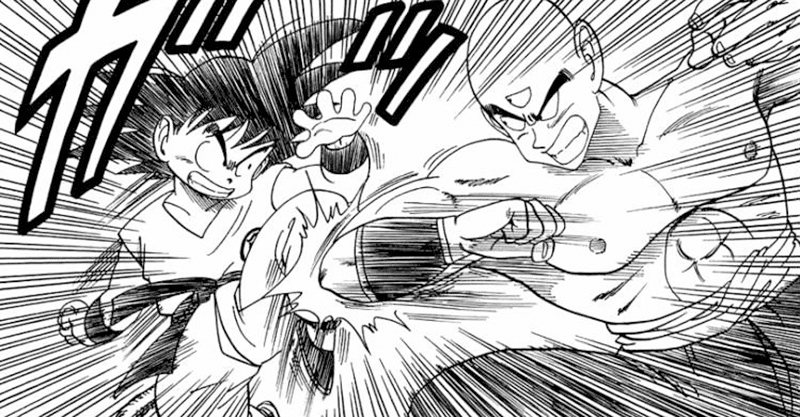
Toriyama’s choreography is the real draw. His paneling makes motion feel effortless, almost animated, with clear exchanges that never turn into unreadable chaos. You always understand where the fighters are, what they’re trying to do, and why a moment matters. Even when the pace ramps up, the fights keep a rhythm that’s hard to replicate. It’s the kind of action where you feel the spacing, the feints, the impact, and how Goku gradually climbs from a talented kid to a fighter pushing past his limits. That clarity is why Dragon Ball reads smoothly decades later, even for people who think they already know the story.
As the series expands, the combat shifts toward larger spectacle. Power scaling climbs, energy attacks become central, and the tone changes once death becomes less permanent because the Dragon Balls can undo it. Some readers love the escalation. Others prefer the earlier phase, where training and technique feel like the main language of the story. Either way, Dragon Ball never stops delivering action, and its fight design remains the gold standard for the genre.
Genres: Action, Adventure, Martial Arts
Status: Completed (Shonen)
4. Gantz

If there’s one manga that defines brutal science-fiction action spectacle, it’s Gantz. It throws ordinary people into high-tech alien hunts, then turns up the carnage until the fights feel like an endurance test for both the characters and the reader.
Kei Kurono and Masaru Kato die in a freak accident, then wake up in a strange apartment with a group of confused strangers and Gantz, a giant black sphere. The rules are simple and horrifying. They’ve been drafted to hunt aliens hiding among humans. If they die again, they die for real. The first mission instantly makes it clear that this is not a heroic power fantasy. It’s nothing short of a massacre.
Gantz is at its best when it’s in mission mode. The action is high-octane, brutal as hell, and constantly unpredictable. The suits and weapons turn the team into something like science-fiction soldiers, but they never feel invincible. If anything, the high-tech gear only makes the deaths nastier, because the series can stage fights at insane speed while still keeping the violence graphic and personal. Oku’s monster design is a huge part of the appeal. The aliens range from grotesque to surreal to outright terrifying, and each hunt feels like it’s built around a new nightmare. People get shredded, blown apart, or erased in seconds, and the series loves to remind you how disposable the cast really is.
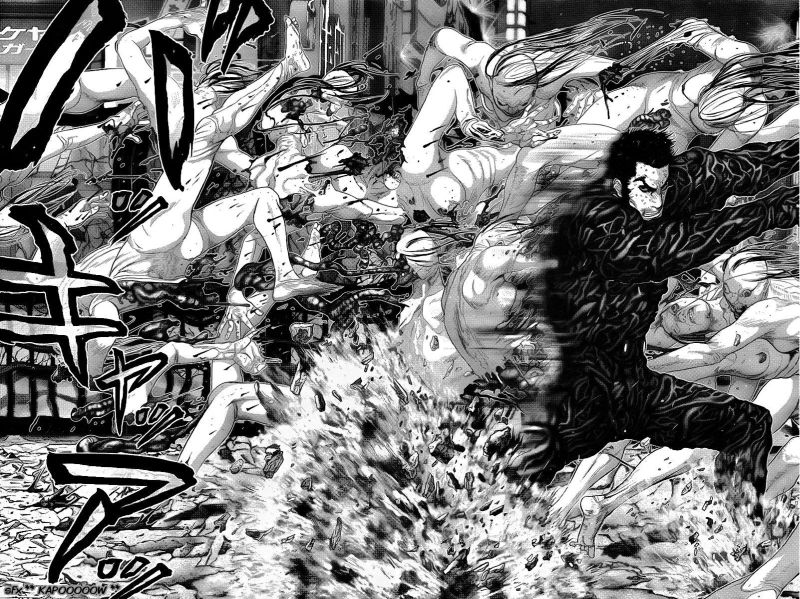
The art carries a lot of the spectacle. Oku draws bodies, environments, and creatures with a level of detail that makes the carnage feel disturbingly real. Battles often reach unbelievable levels of insanity, especially once the scale expands. The tension stays high because Gantz doesn’t protect anyone. It’s one of those series where a character can be built up, start growing on you, then get killed in the most sudden and ugly way possible.
Kurono’s development is also a big reason the story stays engaging. He starts off as selfish and unpleasant, the kind of protagonist you don’t want to root for, which makes it even more satisfying when trauma and survival gradually shape him into someone stronger and more human. The arc gives the chaos an emotional spine, even when the story around him gets increasingly absurd.
The flaws mostly show up in the long-form sprawl. Some plot threads feel like experiments Oku got bored with, and the later stretch gets messier as it tries to go bigger, including a finale that feels rushed. But even then, the core experience remains unforgettable. Gantz is a science-fiction action manga at its rawest, most brutal, and most unforgiving.
Genres: Action, Horror, Sci-Fi
Status: Completed (Seinen)
3. Kengan Ashura
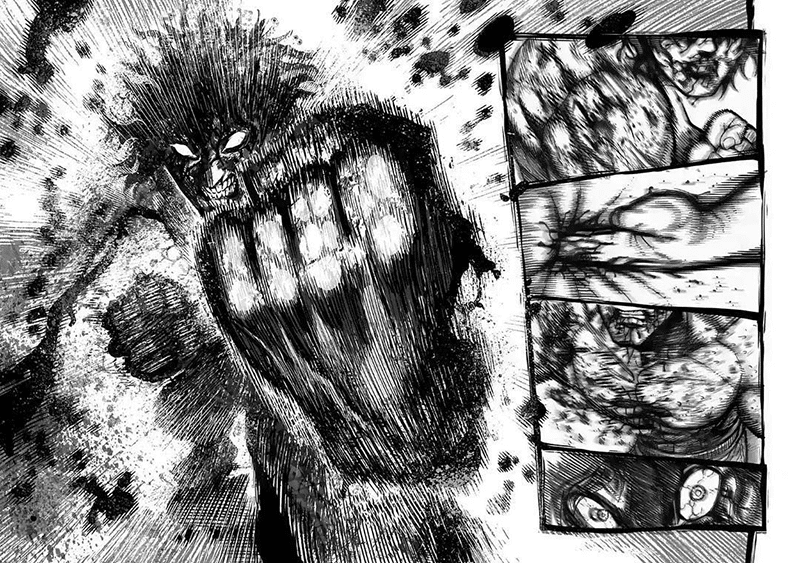
Kengan Ashura is my favorite tournament action manga, and one of the greatest martial arts manga of all time. It doesn’t just feature a tournament arc. It is the tournament arc, and it builds its entire identity around it, then delivers a series of brutal, high-energy matches that are as addictive as they’re consistent.
The hook drops you into a world where fighting is not about honor or destiny. It’s about business. Major corporate disputes are settled through sanctioned martial arts matches, with companies hiring fighters the way they’d hire lawyers or lobbyists. The setup creates a ruthless combat economy, and once Tokita Ohma enters the system, the story accelerates into the Kengan Annihilation Tournament, a massive bracket designed to decide who controls the association. From that point on, Kengan Ashura becomes exactly what it promises: nonstop violent competition with real stakes inside its world.
The action is the main reason it ranks so high. Kengan Ashura’s fights are brutal, over-the-top, and ridiculously satisfying to read, but they stay grounded in the language of martial arts. The exaggeration comes from techniques pushed past human limits, not energy beams. You’ll see grappling, striking, counters, feints, pressure, endurance, and ugly damage piling up until someone breaks. The series occasionally dips into a mythic edge with techniques like Ohma’s Advance or the Kure clan’s Removal, giving the fights an extra spike of insanity without abandoning the hand-to-hand core. It still feels like combat, just turned into legend.
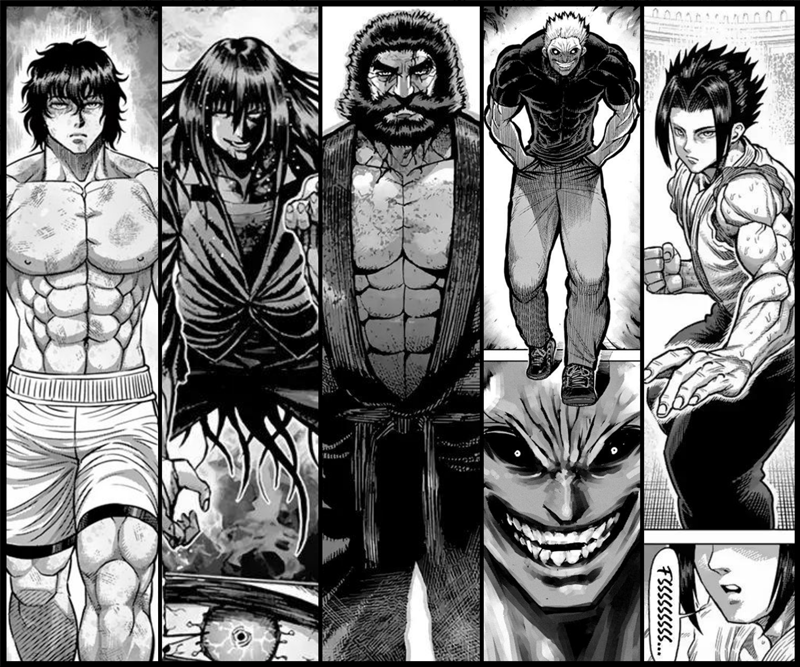
What really elevates Kengan Ashura, though, is the roster. This manga understands that a tournament is only as good as the fighters it features, so it makes everyone memorable. Fighters have distinct silhouettes, philosophies, and reasons for stepping into the ring. Even characters who seem like they exist to lose a round often end up getting enough backstory, personality, and presence that you care. There’s also a strong sense of camaraderie and respect throughout the violence. Fights can be vicious, but there’s an underlying culture of strength, pride, and rivalry that makes the tournament feel alive instead of mechanical.
The art only heightens the appeal. Daromeon’s art is aggressive and sharp, but always readable. Exchanges are fast, transitions between strikes and grappling are clean, and finishers land with real impact.
Kengan Ashura is a pure tournament action manga with some of the most memorable characters and some of the best fights in modern martial arts manga.
Genres: Action, Martial Arts
Status: Completed (Seinen)
2. Sakamoto Days
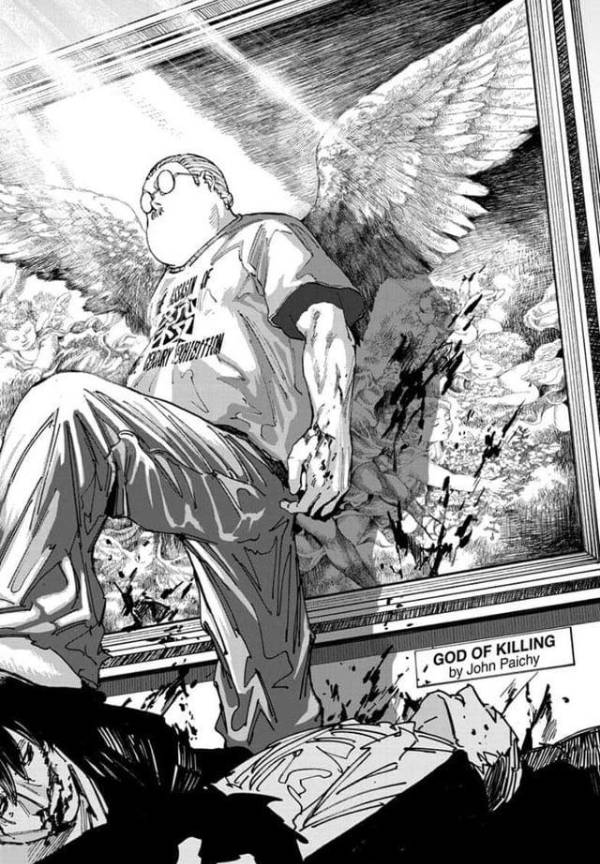
Among ongoing shonen, Sakamoto Days might be the best action manga right now when it comes to pure hype, creativity, and fight choreography. It’s one of those rare series where you can open almost any chapter and immediately get a dose of clean, stylish action that feels effortless.
At first, the series is more comedy-forward. Taro Sakamoto used to be the ultimate assassin, feared across the underworld and unbeatable in a straight fight. Then he fell in love, retired, got chubby, and started running a convenience store. The fun in these chapters comes from watching this legend casually dismantle attackers with household appliances while staying committed to his new rule: no killing. But the longer you stick with it, the more the series shifts gears. The comedy stays, but the world expands, the threats get more dangerous, and Sakamoto Days transforms into one of the most consistently intense action manga of the last decade.
The reason it earns such a high spot is the combat itself. Suzuki’s choreography is absurdly good. Fights unfold like movie storyboards, with clear positioning, sharp transitions, and impacts that land without ever turning into visual noise. It’s fast, fluid, and always readable, the kind of manga that makes you forget you’re looking at still panels. The closest comparison in terms of pure flow is Blade of the Immortal, not because the tone is similar, but because the action has the same physical clarity. Every throw, dodge, gunshot, or close-range exchange feels deliberately staged.
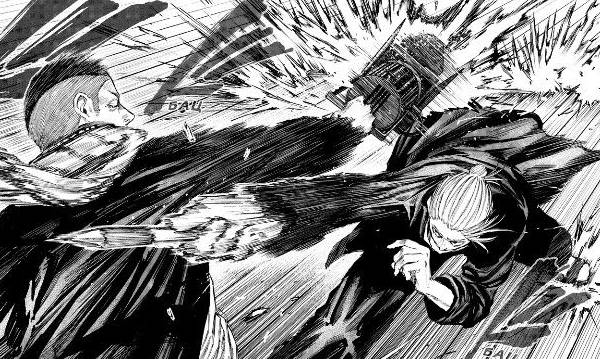
Sakamoto Days also understands that great action needs variety. It isn’t just about who punches harder. The fights are creative, shaped by the environment, full of improvised weapons, and feature assassins with distinct styles. Shin’s telepathy changes how encounters play out. Nagumo brings chaos and unpredictability. And when the series wants a mythic threat, it delivers, turning certain characters into walking disasters that almost no one can keep up with.
The tone is another reason it works. The humor never fully disappears, but it evolves into deadpan banter, cool one-liners, and absurd little beats in the middle of the violence. That contrast gives the series its identity. It can be cartoonish one moment, then slam someone through a wall the next, without ever feeling inconsistent.
Sakamoto Days isn’t trying to be profound, and it doesn’t need to be. The plot exists to set up the next fight, and that’s exactly why it’s so satisfying. It’s one of the best action manga currently running. It delivers nonstop momentum and some of the best fight choreography in modern shonen.
Genres: Action, Comedy
Status: Ongoing (Shonen)
1. Blade of the Immortal
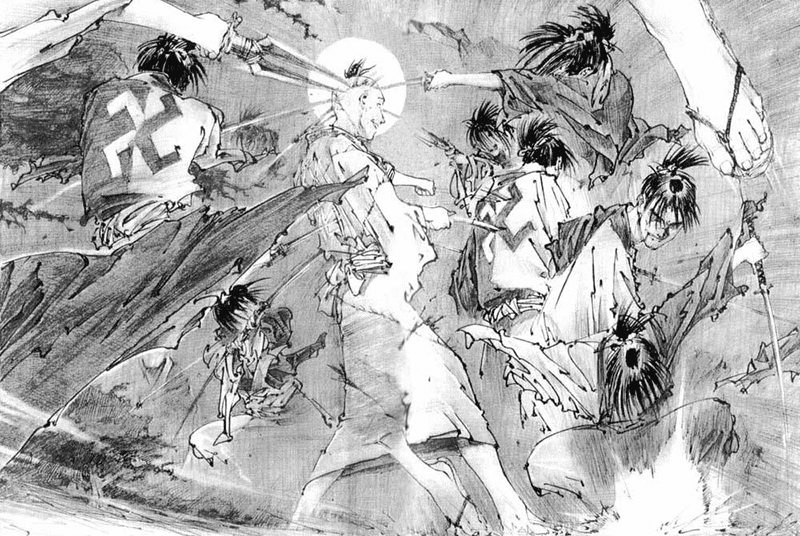
Blade of the Immortal is, to me, the greatest samurai manga ever made. While it doesn’t have the same meditative ambition as Vagabond, it stands apart through sheer attitude. It’s gritty, punk, and viciously human, a revenge drama where the sword fights aren’t decoration. They’re the heartbeat of the story.
Manji is an infamous swordsman cursed with immortality by bloodworms that keep him alive no matter the injury. The only way out of it is penance through violence: kill a thousand evil men and earn the right to rest. That path collides with Rin Asano, a teenager whose family was slaughtered by the Itto-ryu, a sword school led by the charismatic and terrifying Anotsu Kagehisa. Manji becomes her bodyguard almost by accident, and what starts as a simple revenge story slowly expands into a web of rival factions, personal grudges, and unhinged fighters.
What makes Blade of the Immortal special, even beyond the writing, is the combat. These are some of the best choreographed battles in all of manga. Samura doesn’t draw sword fights as elegant dances. He draws them as messy, savage collisions where someone loses a hand, a throat gets cut, or victory comes down to pain tolerance and desperation. The violence is brutal, but it rarely feels empty. It feels like the cost of swinging a sword at another human being. Surprisingly, Manji’s immortality doesn’t remove tension, because the manga constantly puts him up against fighters who are even more skilled than he is. It also makes the fights much more costly. He might not die, but he can be broken, mutilated, and humiliated in ways that make every fight feel dangerous.
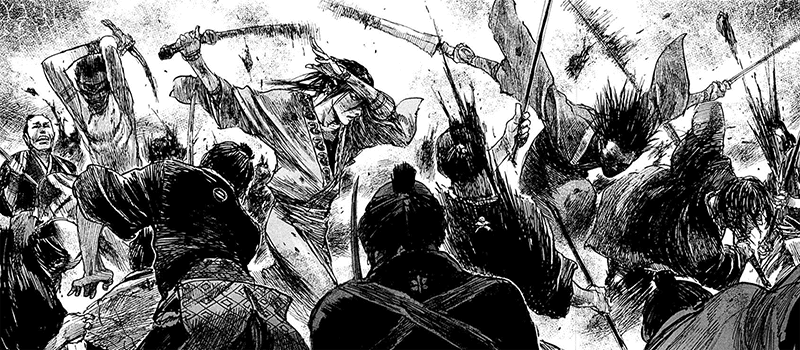
Samura’s art is another part of why the battles hit so hard. The style looks rough and sketchy at first, almost messy, but once you get used to it, it becomes obvious how skilled he is. Motion reads cleanly, character silhouettes are distinct, and the page has a gritty texture that fits the tone perfectly. The manga is full of panels that feel ugly in the best way. Even outside combat, the environments and character designs carry a sense of realism that makes the entire world feel harsh and physical.
The cast is another highlight. Blade of the Immortal is stacked with memorable fighters, many of whom you end up caring about as much as the leads. Anotsu is the obvious standout because he’s not a simple villain. He’s driven, principled, and dangerous because he believes in what he’s doing. Characters like Magatsu, Makie, Hyakurin, and even the monstrous Shira give the story a moral grayness that makes every clash feel loaded. There are no clean heroes here. Just people with reasons, scars, and the willingness to keep fighting.
Blade of the Immortal is absolutely character-driven, but those characters are inseparable from the action. The battles are frequent, gripping, and often unforgettable and backed by some of the strongest writing and art in any samurai series. If you want an action manga with real weight behind every slash, this is as good as it gets.
Genres: Action, Historical, Drama
Status: Completed (Seinen)