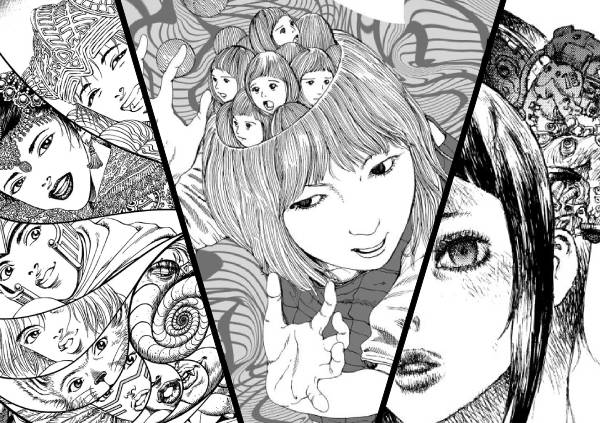
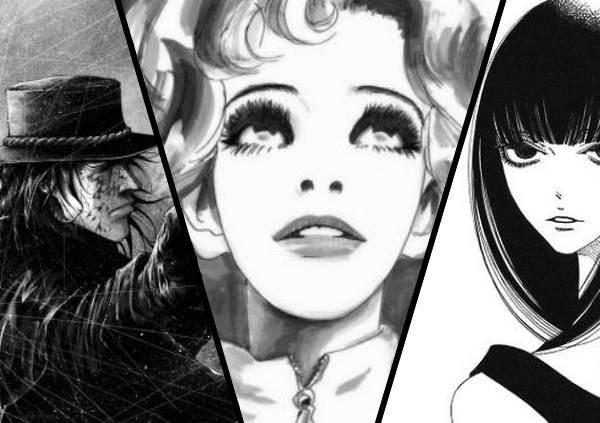
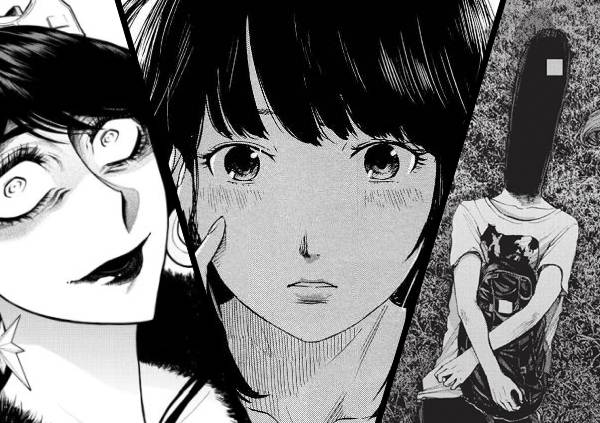
Getting into new manga can be difficult, especially with the sheer number of ongoing series these days. That’s why I put together this list of my favorite manga that are currently running. These are ongoing manga that are genuinely worth keeping up with, whether you read weekly or catch up in chunks.
This list is not simply a collection of the most popular titles. It’s a mix of personal favorites and standout series that impressed me early on and continue to deliver. You’ll find everything from unsettling horror manga and high-energy battle shonen to more thoughtful, psychological works. Some of these series have been running for dozens or even hundreds of chapters, while others are newer releases that may have slipped under your radar.
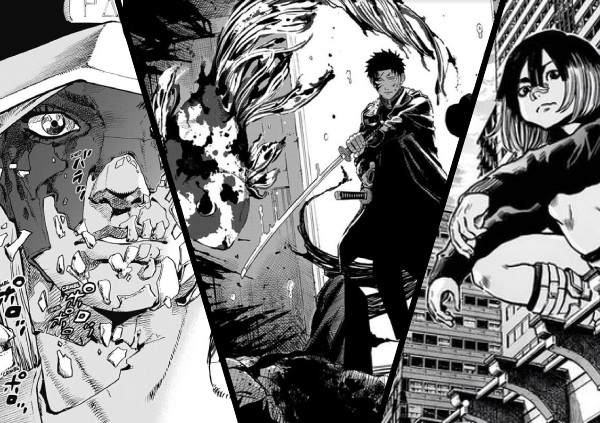
I gravitate more toward seinen manga, so this list naturally leans in that direction. That said, there is still a strong selection of excellent shonen series here as well, especially ones that stand out for their consistency, creativity, or long-term potential.
What all of these manga have in common is simple: they are ongoing and worth your time. Whether you’re looking for the slow-burn horror of a series like Tonari no Jii-san, the brutal martial arts action of Kengan Omega, or the quiet, contemplative character work of Blue Period, there’s something here worth following.
If you’re tired of the usual recommendations and want manga that feel current, fresh, and genuinely engaging, this list is a great place to start.
Mild spoiler warning: I avoid major plot details whenever possible, but brief story elements may be mentioned to explain why a series earns its spot.
With that said, here’s my list of the best currently ongoing manga (last updated: January 2026).
26. Tonari no Jii-san
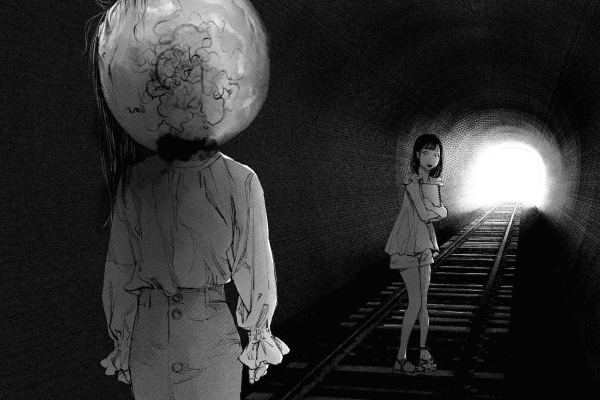
Quiet horror often lingers longer than anything overly violent, and Tonari no Jii-san understands that perfectly. Instead of shock, it builds unease through absence, denial, and the unsettling sense that reality itself is being ignored. This makes it stand out among modern ongoing manga series.
The story centers on Yuki, a reserved girl growing up in a small rural town. Her ordinary life fractures after a disturbing experience she witnesses during a trip to see her sister off. What makes the moment so unsettling is not just what she sees, but the reaction that follows. No one acknowledges it. No one questions it. The world simply continues as if nothing happened. From there, the manga leans hard into uncertainty, forcing both Yuki and the reader to question whether the horror lies in the event itself or in the collective refusal to recognize it.
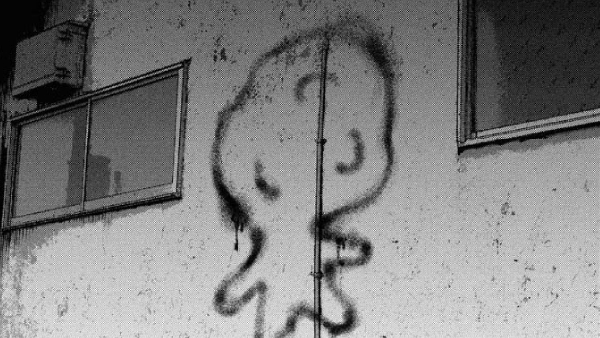
As the series develops, its focus shifts from personal paranoia to a broader and more disturbing mystery. Hints of local folklore and grotesque transformations suggest that the town’s exterior is hiding something profoundly unnatural. The horror escalates patiently, and even as the focus gradually shifts from its folkloric roots to a more science-focused narrative, its core themes stay the same.
The artwork plays a major role in sustaining the atmosphere. Heavy shadows, unsettling textures, and distorted imagery give the manga a surreal quality that fits its themes perfectly.
Still early in its run, Tonari no Jii-san stands out as a slow-burn series worth following closely. Even when the story switches to more outlandish ideas, it remains one of the most compelling ongoing manga currently being published.
Genres: Horror, Drama, Mystery, Psychological, Tragedy
Status: Ongoing (Seinen)
25. N
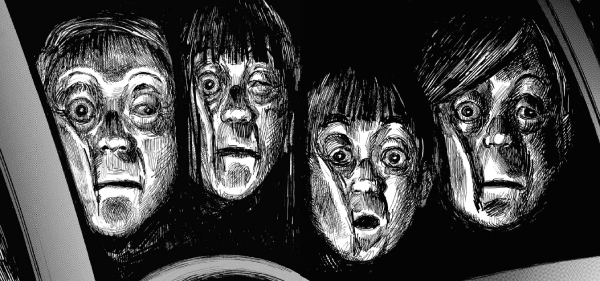
N thrives on fragmentation and uncertainty, using short, unsettling episodes to build a larger sense of unease. Each chapter introduces a different scenario, from eerie online encounters to modern urban legends, all presented with minimal exposition. What initially feels disconnected gradually reveals a deeper pattern beneath the surface, placing the series firmly among the most unsettling ongoing manga today.
As the series progresses, recurring symbols and references begin to link the stories together. A shadowy organization known only as N emerges, suggesting that these incidents are not isolated. The narrative remains deliberately opaque, but it never feels random. Careful readers are rewarded as details quietly echo across chapters, forming a loose but intentional structure.
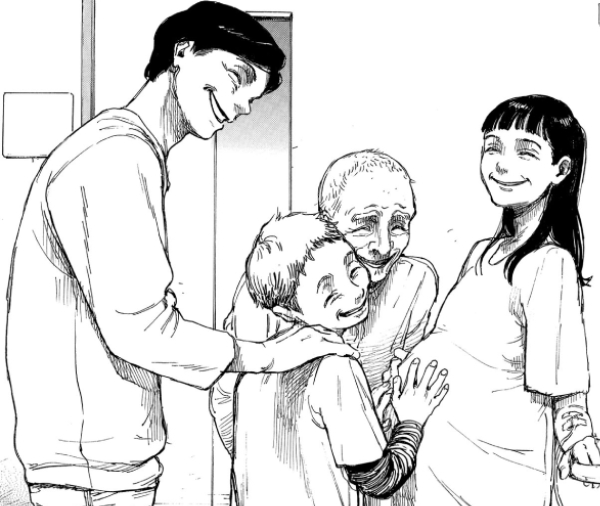
The artwork helps massively in sustaining the horror. The rough, almost unstable linework gives the manga a raw quality that suits its subject matter. Faces warp unnaturally, expressions linger too long, and panels feel strangely off balance in ways that heighten the discomfort. When the series leans into visual horror, it does so without restraint.
What makes N compelling as an ongoing manga is its focus on atmosphere over exposition. Even with its irregular release schedule, the material published so far establishes a distinct identity rooted in modern anxieties and internet-era horror. It stands comfortably alongside such classics as Fuan no Tane and PTSD Radio, while carving out its own distinct identity.
For readers interested in contemporary Japanese horror that values mood, implication, and lingering dread, N remains worth following.
Genres: Horror, Mystery, Supernatural, Psychological
Status: Ongoing (Seinen)
24. Ragna Crimson
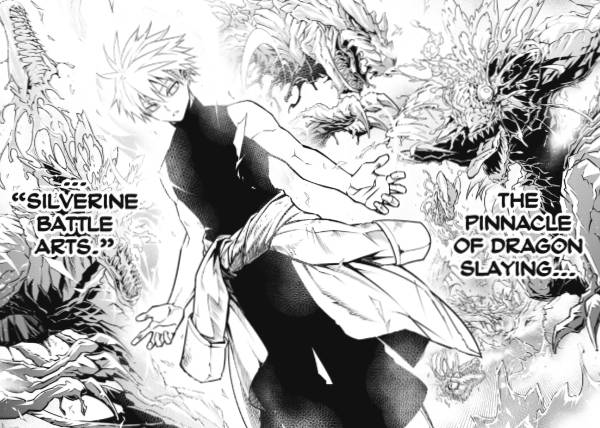
Ragna Crimson leans heavily into excess, embracing scale, violence, and spectacle in ways that make it easy to keep reading even when its ideas are familiar. It does not aim for quiet introspection or subtle worldbuilding. Instead, it commits to momentum, escalation, and sharp tonal shifts that keep the story unpredictable, which helps it stand out among current running manga.
The series starts with what appears to be a conventional fantasy setup, following dragon hunter Ragna, but quietly abandons that comfort zone. Early twists push the narrative into something far grander and more unstable, setting the tone for a world where survival depends as much on manipulation as raw strength. The introduction of Crimson reshapes the series entirely. Their presence turns the story into a volatile partnership built on conflicting goals, uneasy trust, and constant power imbalance. This relationship drives the manga forward.
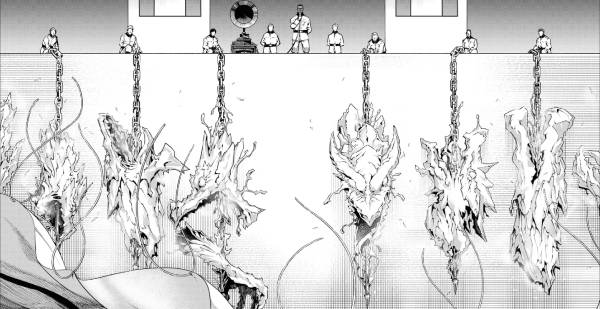
As the scope expands, Ragna Crimson reveals an ambitious setting filled with dragon monarchs, fractured nations, and strange technological elements layered onto traditional fantasy imagery. That mix can feel chaotic at first, but later developments suggest a deliberate logic behind the setting’s contradictions.
Large-scale battles quickly become more frequent, and the antagonists grow increasingly memorable, with the dragon monarchs themselves showing greater nuance and more developed personalities than the human cast.
Visually, the manga excels during action sequences. Combat is brutal and energetic, with dynamic compositions that emphasize impact and speed, even if clarity occasionally suffers in denser panels.
The early chapters can feel rushed and are full of familiar revenge beats, but the series improves steadily once it finds its rhythm. As an ongoing manga that continues to escalate its stakes, Ragna Crimson remains a flawed but highly engaging read for fans of dark fantasy.
Genres: Action, Adventure, Dark Fantasy
Status: Ongoing (Shonen)
23. Centuria
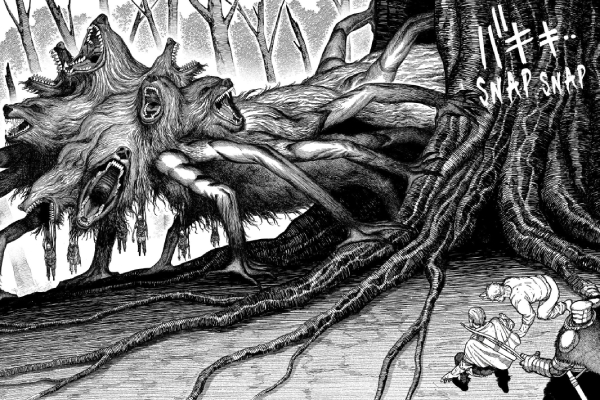
Centuria wastes no time and immediately presents us with a bleak fantasy world that treats human life as expendable and the supernatural as utterly indifferent. From its opening chapters, the series establishes a myth-heavy tone rooted in suffering, sacrifice, and forces far beyond human control. This sets it apart from many other contemporary fantasy titles.
The narrative revolves around Julian, a lone survivor whose life becomes bound to an ancient sea deity after a catastrophic event. Rather than focusing on power fantasy, the manga frames his newfound strength as a burden. As the story expands, hints of a wider cosmology emerge, suggesting a larger conspiracy tied to ancient powers. The sense of looming inevitability gives the series a weight that carries it forward.
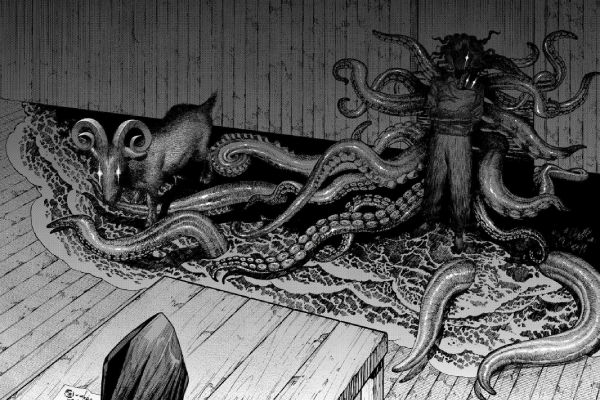
Centuria’s art makes it one of the strongest ongoing manga in the dark fantasy space. Tohru Kuramori’s artwork emphasizes texture and scale, rendering grotesque creatures and vast environments with meticulous detail. Monsters feel alien and oppressive, while large-scale action conveys a cinematic sense of destruction without losing emotional clarity.
Despite its oppressive atmosphere, the series remains grounded in shonen storytelling conventions. Characters often fall into clearly defined roles, and recent arcs devote considerable time to extended combat. These sequences can slow the pace, especially when battles dominate multiple chapters.
Even so, the broader mystery surrounding the world and Julian’s role within it continues to deepen. That steady expansion of lore keeps Centuria engaging as an ongoing manga, particularly for readers drawn to mythological horror and large-scale fantasy with a consistently dark edge.
Genres: Horror, Dark Fantasy, Action, Supernatural
Status: Ongoing (Shonen)
22. Mujina into the Deep
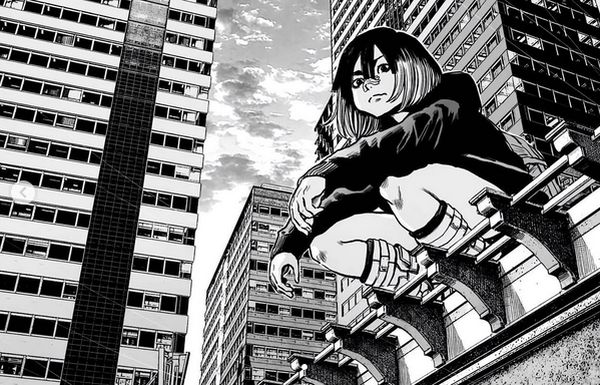
Mujina into the Deep feels like Inio Asano deliberately stepping into more overt action territory while sticking to his usual themes. It blends urban violence, sexual provocation, and political anxiety into a setting that feels uncomfortably close to the present, even when its action turns surreal or exaggerated.
The manga starts with Terumi Morgan, an unremarkable salaryman whose stagnant life collides with a runaway teenager and Ubume, a professional assassin known as mujina. From there, the series presents us with a world of social decay, economic pressure, and casual brutality. Rather than presenting clear heroes or villains, Asano frames his characters as a product of their environment, often acting out of desperation rather than ideology.
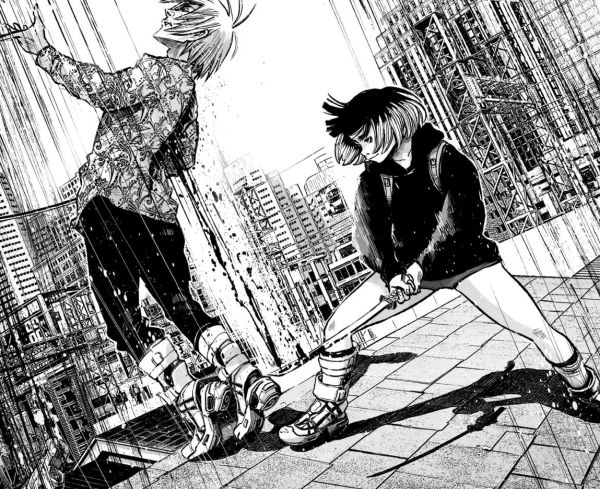
Visually, the manga carries Asano’s familiar strengths. Backgrounds are dense and grounded, while character designs feel deliberately overdrawn and outlandish. Action scenes move at a brisk pace and favor impact over elegance, which suits the story’s chaotic tone. At the same time, some character designs and motifs are reminiscent of earlier works, giving the cast a strangely familiar feeling.
Mujina into the Deep remains divisive. Its use of sex and violence feels intentionally abrasive, though its larger themes are still taking shape. There are hints of broader social critique beneath the surface, but the series has yet to fully reveal them.
Still, its momentum and unpredictability make it compelling to follow chapter by chapter. For readers interested in an ongoing manga that combines Asano’s psychological sensibilities with raw action and modern political unease, Mujina into the Deep is worth keeping an eye on as it continues to develop.
Genres: Action, Drama, Psychological
Status: Ongoing (Seinen)
21. Kagurabachi
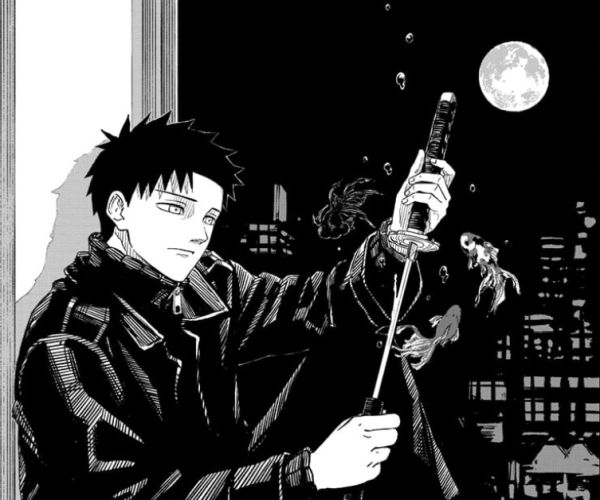
Kagurabachi thrives on mood, violence, and immediacy, positioning itself as a stripped-down revenge fantasy prioritizing impact over psychological complexity. From the outset, it makes its intentions clear by leaning into sharp aesthetics, brutal confrontations, and a tightly focused emotional core.
At the center is Chihiro, a quiet and driven protagonist whose life is shaped by loss and an unrelenting desire to reclaim what was taken from him. His motivation is straightforward, and so far the series does little to complicate his inner life. Instead, the manga relies on atmosphere, visual symbolism, and an escalation of threats to maintain interest. The enchanted swords serve as both narrative anchor and spectacle driver, each battle pushing the story forward through action rather than introspection.
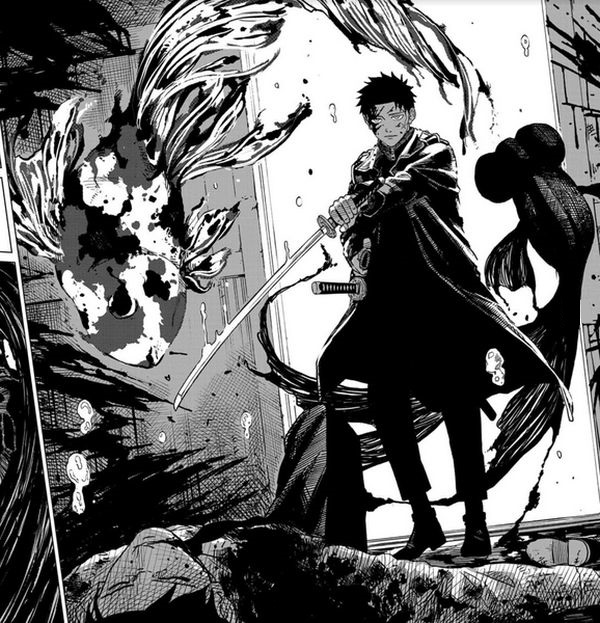
Visually, Kagurabachi is confident and stylish. Sword techniques are easy to follow, magic effects are distinctive, and the blend of modern clothing and traditional weapons gives the setting a clear identity. Action scenes avoid excessive abstraction, favoring clean composition that emphasizes lethality and momentum.
Kagurabachi’s pacing remains a double-edged sword. Chapters move quickly from setup to confrontation, but extended internal monologues and flashbacks can occasionally stall tension mid-fight. Character depth beyond the protagonists is almost non-existent, leaving much of the long-term appeal dependent on how the cast expands.
Even with those limitations, the series maintains strong forward momentum. For readers looking for an ongoing manga driven by style, violence, and a clear revenge framework, Kagurabachi is an engaging title worth following as it continues to define itself.
Genres: Action, Fantasy, Supernatural
Status: Ongoing (Shonen)
20. Shikabane Kaigo
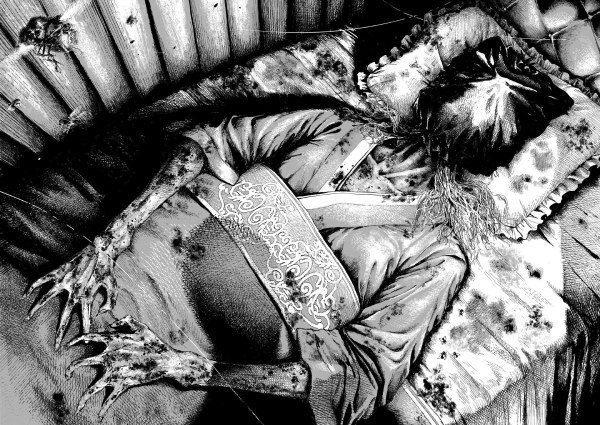
Unease settles quickly in Shikabane Kaigo, a horror series built on restraint and atmosphere rather than sudden shock. From its opening chapter, the manga establishes a suffocating sense of wrongness that grows heavier with each scene, making it a standout among recent ongoing manga.
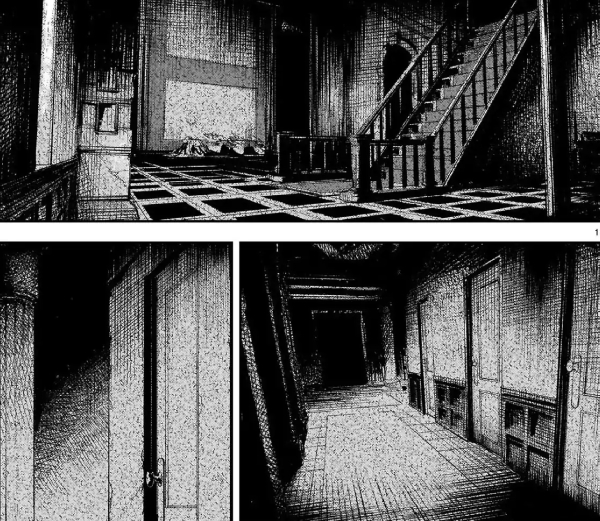
The premise centers on Akane Kuritani, who accepts a job as a live-in caregiver in the remote mountains. There she’s tasked with tending to a bedridden elderly woman. The work itself seems straightforward, but every detail surrounding it appears subtly wrong. House rules are overly specific, coworkers behave with unsettling politeness, and the decaying Western-style mansion feels less like a home and more designed to trap its inhabitants.
The horror unfolds gradually, driven by isolation rather than escalation. Conversations feel off, and the sense of being watched never fully disappears. The patient, Hiwako, is especially disturbing, depicted with an almost clinical level of detail that makes her look as if she’s already dead. Her presence alone is enough to make every scene she appears in pure nightmare fuel.
Visually, the manga excels at grounding its horror. Textures are heavy, shadows linger, and empty spaces feel charged with hidden intent. Nothing is exaggerated, which makes the grotesque elements land even harder when they appear.
Still early in its run, Shikabane Kaigo already excels in tone and pacing. For readers drawn to psychological dread and slow-burning tension, this ongoing manga is well worth keeping up with as it continues to unfold.
Genres: Horror, Mystery, Psychological
Status: Ongoing (Seinen)
19. Goblin Slayer
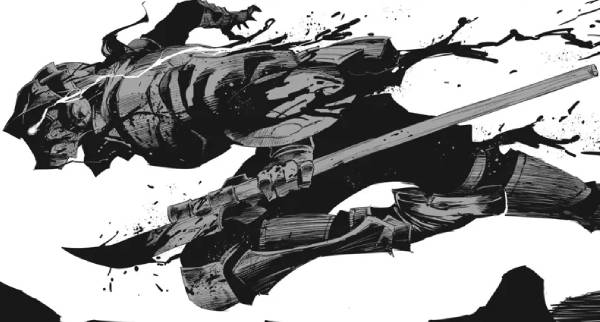
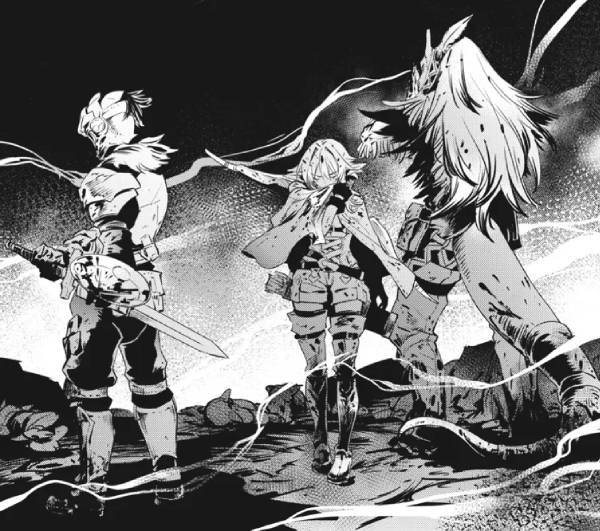
Goblin Slayer commits fully to its narrow premise. Rather than expanding its world with sprawling lore and heroic fantasy, the series stays focused on grim dungeon crawling, where survival depends on preparation, caution, and the willingness to fight dirty. That focus gives the manga a consistency that many fantasy series lack, especially among long-running ongoing manga.
The story revolves around a single-minded adventurer who accepts only goblin extermination quests. His approach is practical to the point of obsession, relying on traps, terrain, and resource management instead of flashy techniques. Encounters feel grounded because victory comes from planning rather than power escalation. Even small mistakes carry consequences, reinforcing the setting’s hostility.
Goblin Slayer truly shines during combat and underground exploration. Battles are cramped, chaotic, and violent, emphasizing smoke, darkness, and limited space. Goblins are depicted as repulsive and dangerous, not because of strength, but because of numbers and cruelty. While town scenes can feel plain, the dungeons themselves are convincingly oppressive.
The series is not without issues, though. Its episodic structure leaves little room for long-term narrative growth, and character development remains minimal by design. The bleak subject matter, including sexual violence tied to goblins, establishes a harsh and edgy tone early on that may turn some readers away, even though the manga treats it seriously rather than exploitatively.
As an ongoing manga, Goblin Slayer succeeds by knowing exactly what it wants to be. It offers repetition with intent, delivering methodical dark fantasy for readers who value tactical combat over narrative complexity.
Genres: Dark Fantasy, Action, Adventure
Status: Ongoing (Seinen)
18. Dai Dark

Dai Dark by Q Hayashida treats death, space travel, and body horror with casual irreverence. Rather than building toward a traditional narrative arc, it thrives on constant escalation, piling bizarre ideas on top of one another with complete confidence. That approach makes it one of the most distinctive ongoing manga in publication right now.
The premise revolves around Zaha Sanko, a man whose bones are rumored to grant wishes, turning him into a moving target across a filthy, lawless universe. Instead of leaning into drama, the series frames this concept as an excuse for relentless absurdity. Space is depicted as a dumping ground for trash and corpses, violence is routine, and morality barely registers. Sanko’s companions, a cast of morbid oddballs, reinforce the tone through deadpan humor and casual cruelty.

Hayashida’s artwork carries much of the series’ identity. Panels overflow with grime, warped anatomy, and grotesque machinery, yet it always remains easy to read. The violence is extreme, but its exaggerated presentation turns gore into a punchline rather than shock moments. Horror and comedy coexist without ever canceling each other out.
Narratively, the series remains loose and episodic. Long-term plot developments move slowly, and character growth takes a back seat. The structure may frustrate some readers looking for progression, but it suits the manga’s anarchic and chaotic spirit.
Dai Dark succeeds by refusing to settle into predictability. It offers consistency in tone and creativity, ideal for readers who want cosmic horror filtered through gleeful nonsense and unrestrained imagination.
Genres: Horror, Sci-Fi, Comedy, Action, Adventure
Status: Ongoing (Shonen)
17. The Summer Hikaru Died
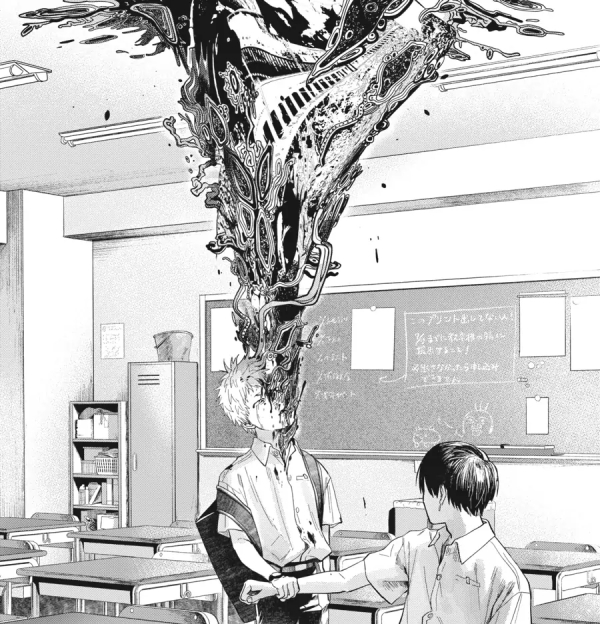
Loss is the central theme of The Summer Hikaru Died, shaping a horror story that values emotional weight over disturbing spectacle. Set in a quiet rural village, the series opens with an unsettling truth rather than a mystery. Yoshiki already knows that his closest friend is gone, even though something identical has returned in his place. That acceptance defines the tone from the start and sets this ongoing manga apart from more conventional horror.
The entity wearing Hikaru’s face is soon revealed to be something profoundly inhuman. Its true form appears as a mass of shifting colors and alien forms beyond human understanding. Yet the narrative focuses on Yoshiki’s grief. Instead of running or fighting, he clings to the presence that still resembles the person he loved. That decision drives the story’s quiet tension, where fear and affection exist side by side.
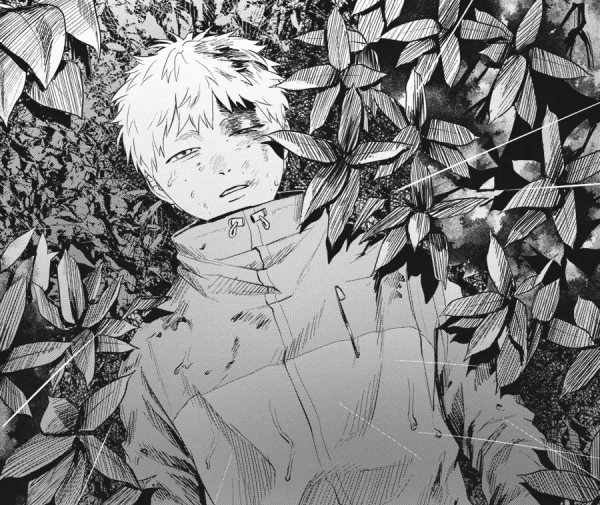
The relationship carries subtle boys’ love undertones expressed through closeness and emotional dependency rather than overt romance. Moments of physical intimacy feel deeply uncomfortable, not just because they shock, but because they blur the line between mourning and denial. It’s from this contradiction that the horror emerges.
The surrounding village adds another layer of unease. Folkloric elements, silent forests, and the rumored presence of a local deity suggest that this tragedy is part of something far older and stranger. Each chapter expands that context without rushing answers.
The Summer Hikaru Died remains remarkably consistent in tone and intent. It’s ideal for readers who are looking for horror rooted in emotion, memory, and the pain of refusing to let go.
Genres: Horror, Mystery, Supernatural, BL
Status: Ongoing (Seinen)
16. Tenkaichi
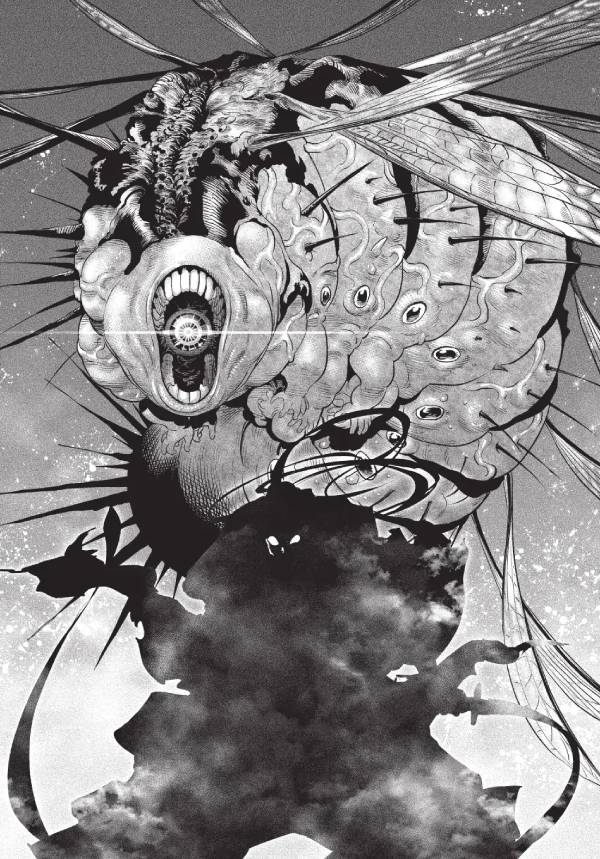
Tenkaichi is a manga that succeeds at one thing and one thing alone: pure spectacle. It exists to showcase violent showdowns between historical figures pushed to superhuman extremes. This singular purpose makes it a fantastic series to keep up with, especially for readers drawn to action-focused ongoing manga.
Set in an alternate version of seventeenth-century Japan, the series focuses on a brutal martial arts tournament designed to decide the nation’s future. Political nuance takes a backseat to physical dominance, as legendary warriors are reimagined as exaggerated combatants. Familiar names such as Sasaki Kojirō, Miyamoto Musashi, Fūma Kotarō and Hattori Hanzō, among others, carry immediate weight, which helps each match feel significant even before the fights begin.
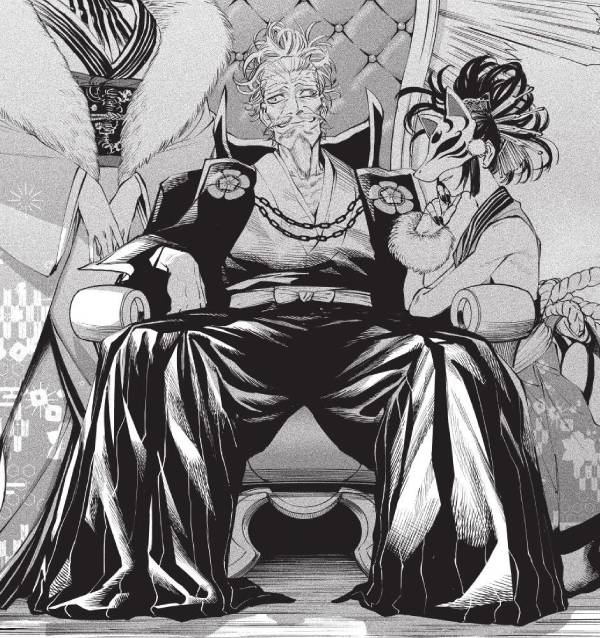
The artwork is where Tenkaichi truly excels. Character designs are aggressive and distinct, with exaggerated physics and expressive faces that sell both arrogance and desperation. Fight choreography favors clarity and rhythm, allowing techniques to unfold with theatrical timing. Panel layouts lean into scale and momentum, making every clash feel decisive and larger than life.
Narratively, the series keeps things lean. Character backstories and motivations are delivered quickly, often serving as fuel for the next strike or technique rather than long-term development. That simplicity can feel repetitive for some readers, but it also ensures consistent pacing and frequent payoffs.
Tenkaichi delivers exactly what it promises. It prioritizes excitement over depth and visual impact over introspection. For readers interested in stylized historical combat and high-stakes tournaments, it remains one of the best and most exciting ongoing manga.
Genres: Action, Historical, Samurai, Martial Arts
Status: Ongoing (Seinen)
15. Kengan Omega
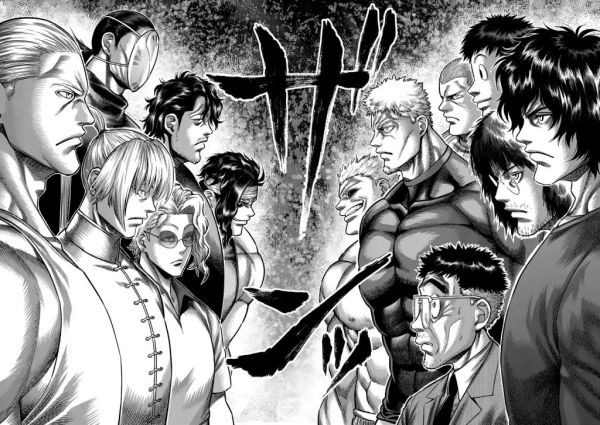
Kengan Omega expands its predecessor’s foundation without abandoning what made it compelling in the first place. While brutal hand-to-hand combat remains the core attraction, this continuation places greater emphasis on long-term storytelling, turning the series into something broader than a single tournament showcase. That shift gives the manga a different rhythm compared to Kengan Ashura, but it also makes it more interesting to follow as an ongoing manga.
The series introduces new characters early on, most notably Narushima Koga, whose perspective offers a grounded entry point into the Kengan world. Alongside him is Gaoh Ryuki, a fighter tied to a larger, mystery that unfolds gradually. Their presence keeps the narrative fresh and unpredictable, rather than simply repeating familiar plot beats.
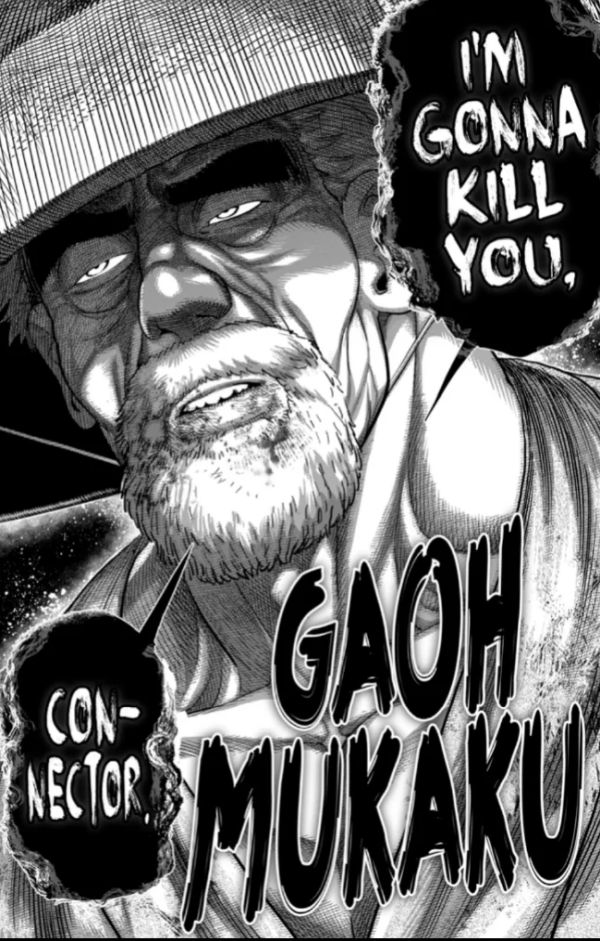
Structurally, Kengan Omega moves between different conflicts and fights rather than locking itself into one central event. Rival organizations, underground factions, and competing schools of martial arts clash as often as individual fighters. This broader scope gives the narrative not only more intrigue, but also room to breathe. At the same time, Omega’s plot can feel more outrageous, featuring exaggerated conspiracies, secret bloodlines, and high concepts such as cloning that push the narrative into more fantastical territory.
Even so, the fights remain exceptional. The choreography is sharp, the techniques are distinct, and the character designs continue to be a major strength. Each battle feels purposeful, whether it advances the plot or simply delivers spectacle.
As an ongoing manga, Kengan Omega succeeds by balancing continuity with escalation. It may not match its predecessor’s tournament focus, but it remains a must-read for fans who value intense martial arts combat.
Genres: Action, Martial Arts
Status: Ongoing (Seinen)
14. A Suffocatingly Lonely Death
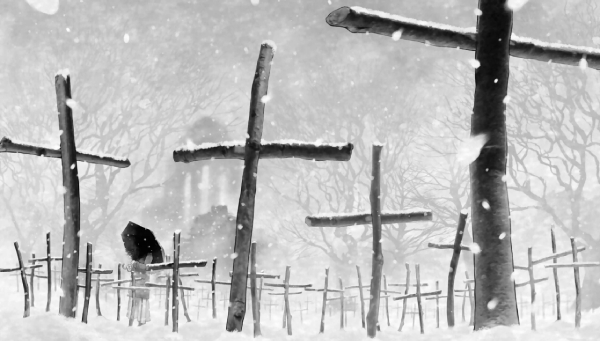
Bleak atmosphere and psychological tension define A Suffocatingly Lonely Death, a series that prioritizes dread through implication rather than spectacle. It operates closer to a crime thriller than traditional horror, but its subject matter and emotional weight firmly place it among the darker ongoing manga worth following.
The story unfolds around a disturbing crime case that draws investigator Jin Saeki into a web of violence, buried trauma, and unreliable testimony. From the outset, the narrative establishes an oppressive tone. Every detail complicates the truth instead of clarifying it. Suspects feel unstable, motivations remain obscure, and connections between characters hint at long-standing psychological damage.
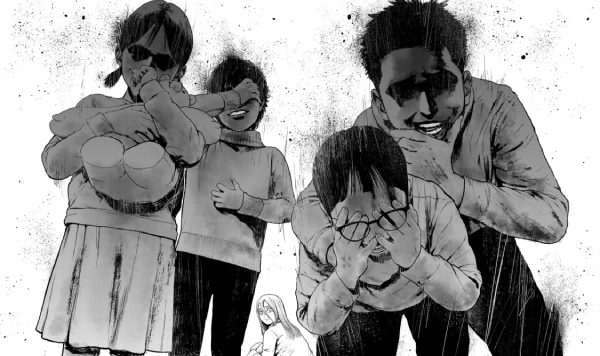
Much of the manga’s impact comes from its restraint. Rather than following its predecessor, My Dearest Self With Malice Aforethought, and relying on constant twists, the series lets unease accumulate through pacing and detail. Conversations feel loaded, the truth feels painfully out of reach, and the sense that something is fundamentally wrong never dissipates. The artwork reinforces this approach with sharp line work and harsh expressions that make moments of violence feel intimate rather than sensational.
The storytelling here feels more controlled. The mystery develops methodically, allowing tension to build without rushing toward shock value. That measured progression gives the narrative a grounded detail that suits its themes.
A Suffocatingly Lonely Death stands out for its consistency and quiet confidence. Readers drawn to psychological horror rooted in crime, trauma, and human cruelty will find it an ongoing manga to keep up with as its mysteries continue to unfold.
Genres: Mystery, Psychological, Horror
Status: Ongoing (Seinen)
13. Made in Abyss
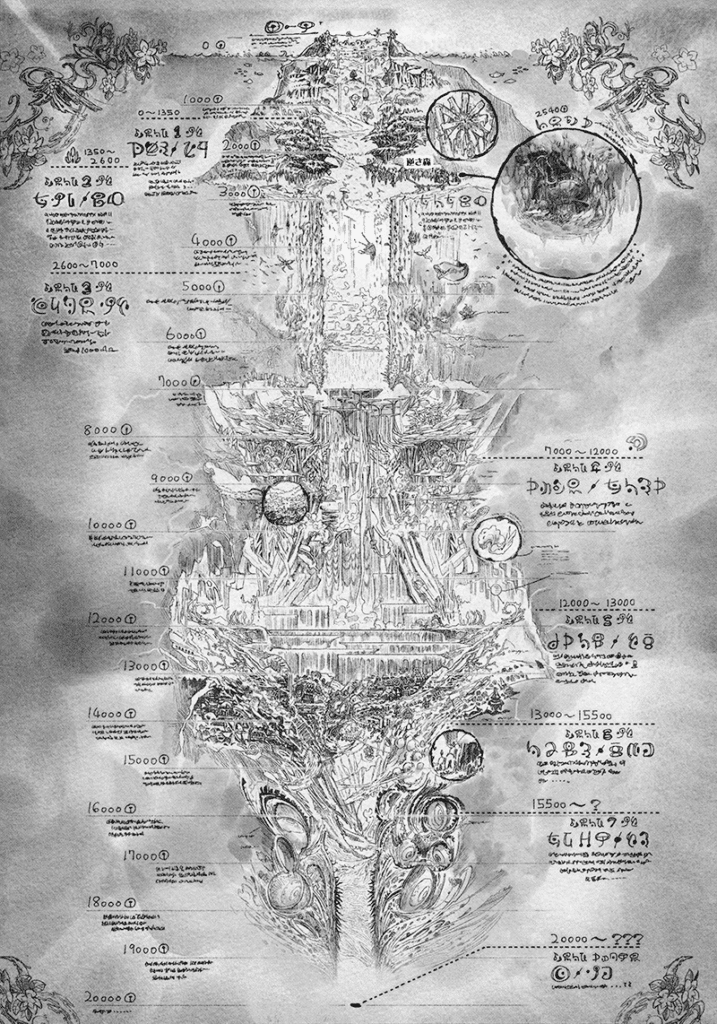
Few series rely so completely on setting as Made in Abyss. Its power comes from immersion, drawing readers into a world that feels ancient, hostile, and impossibly beautiful all at once. Rather than relying on action-based battles, the manga builds tension through descent, where every step downward carries irreversible consequences. That focus makes it a standout among ongoing manga.
The plot focuses on Riko, the daughter of a legendary Cave Raider, who wants to follow in her mother’s footsteps. She enters the Abyss alongside Reg, a mysterious robot boy she believes is connected to her mother’s disappearance. Yet this plot feels almost superficial because the Abyss itself dominates the narrative. Layered environments, alien wildlife, and forgotten technology create a vertical world that feels alive and indifferent. Exploration is treated as both wonder and danger, with each new discovery carrying a physical and psychological price. The infamous Curse of the Abyss, tied to ascending, ensures that progress is permanent, reinforcing the story’s sense of dread and inevitability.
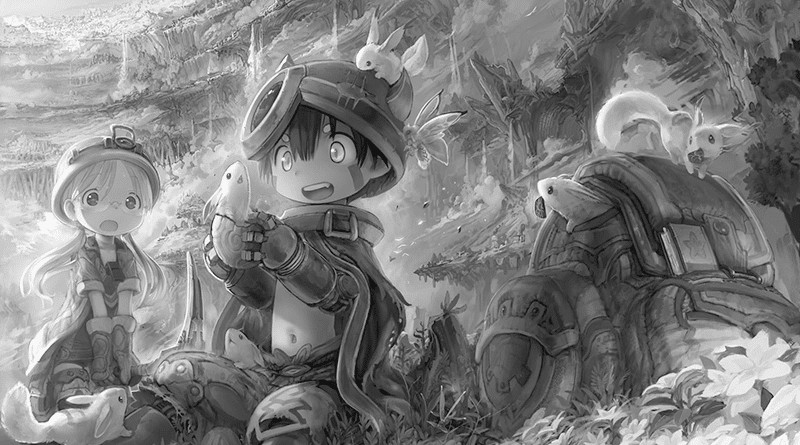
Visually, the manga thrives on contrast. Soft character designs and playful expressions clash with grotesque injuries and environmental cruelty. That dissonance is intentional, amplifying shock when innocence collides with suffering. The artwork is dense with detail, making each layer of the Abyss feel distinct and meticulously realized.
Despite its status as an ongoing manga, the series releases chapters irregularly. Long gaps between updates mean it’s better approached as something to revisit occasionally rather than follow weekly. Even so, its consistency in tone and worldbuilding remains the same across volumes.
For readers drawn to immersive environments, existential danger, and slow-burning despair, Made in Abyss remains a dark fantasy experience unlike almost anything else currently being published.
Genres: Dark Fantasy, Adventure, Sci-Fi
Status: Ongoing (Seinen)
12. Berserk
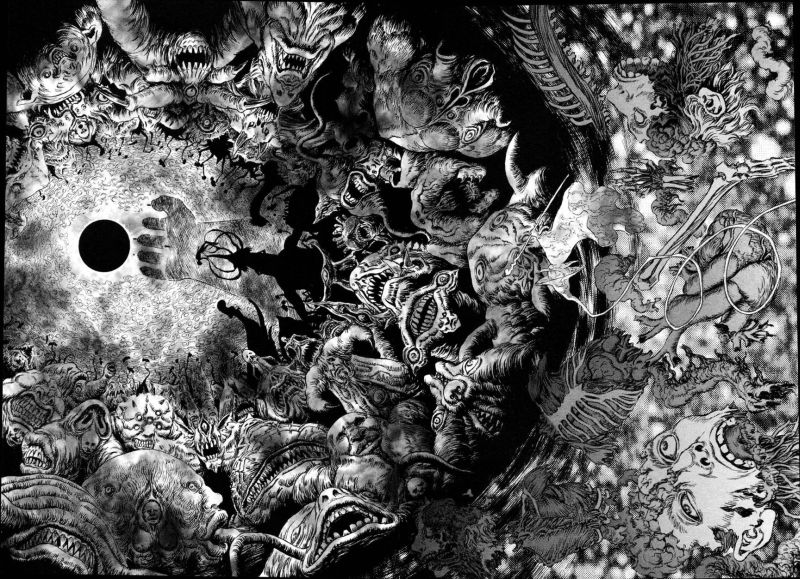
Few works in the medium carry the same weight as Berserk. It’s not only a landmark dark fantasy series, but also a showcase of what manga can achieve in terms of scale, emotion, and artistic ambition. Decades after its debut, it remains one of the most influential series ever created, and its impact continues to shape modern fantasy storytelling.
The narrative centers on Guts, a hardened warrior whose life is defined by violence, loss, and an unbreakable will to survive. His bond with Griffith, once built on a shared dream and mutual respect, evolves into one of the most tragic relationships in manga history. Surprisingly, Berserk’s plot doesn’t just focus on revenge and brutal fights, but explores such themes as trauma, obsession, and endurance, allowing suffering to shape its characters and world alike.
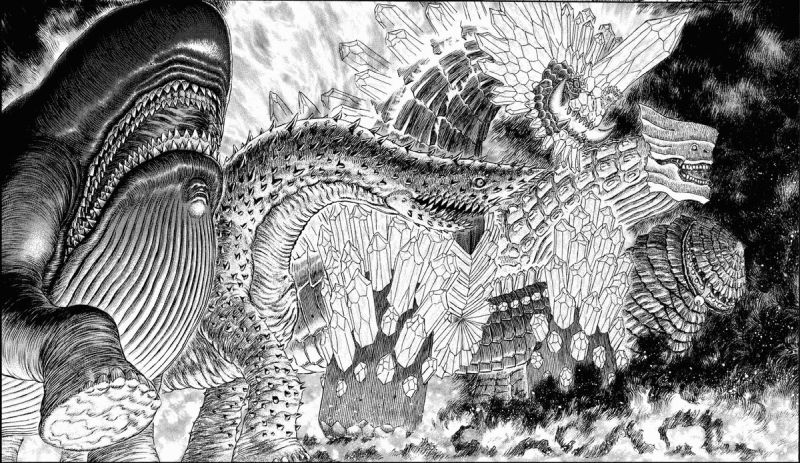
That world is relentlessly bleak. War-torn landscapes, religious fanaticism, and grotesque demonic beings form a setting that feels oppressive yet meticulously crafted. The visuals elevate everything further. Miura’s artwork combines extreme detail with a sense of scale few artists have ever matched, balancing brutality with moments of haunting beauty.
Although Kentaro Miura’s death marked a devastating turning point, the series continues under Kouji Mori and Studio Gaga, following the path Miura shared with them. While releases are infrequent, the series still earns its place as an ongoing manga.
For readers willing to endure a slower release schedule, Berserk’s new chapters remain a must-read. As an ongoing manga, its legacy, thematic depth, and visual mastery still place it among the highest achievements in the medium.
Genres: Horror, Dark Fantasy, Action, Tragedy, Psychological
Status: Ongoing (Seinen)
11. The Way of the Househusband
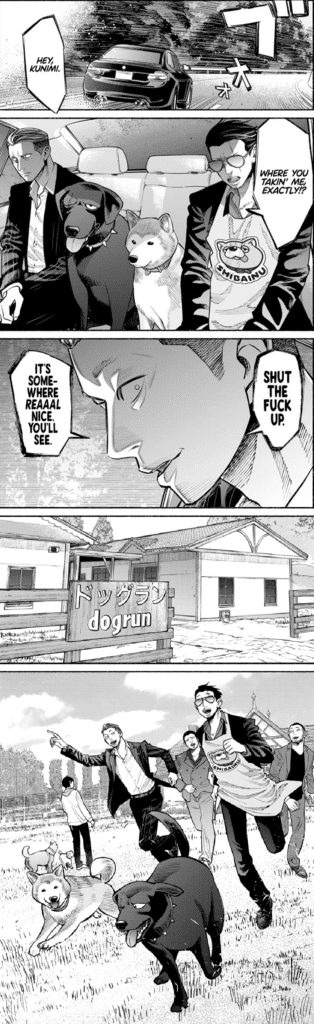
The comedy in The Way of the Househusband comes from contrast rather than punchlines. The series treats everyday domestic life with the same visual intensity usually reserved for over-the-top crime thrillers, turning routine chores into dramatic showdowns. That commitment to tone keeps the manga consistently entertaining, even deep into its run, which is why it remains a standout ongoing manga.
Tatsu, once feared as a legendary yakuza, now dedicates his life to cooking, cleaning, and supporting his wife. The joke never changes, but the execution stays sharp. Grocery shopping feels like a high-stakes negotiation, neighborhood encounters resemble territorial standoffs, and casual conversations carry the weight of criminal history. The humor works because the manga never winks at the reader, playing everything completely straight.
The artwork does much of the heavy lifting. Clean lines, exaggerated expressions, and dramatic paneling sell the absurdity without clutter. The visual language of action manga is repurposed for mundane tasks, and that consistency keeps each chapter punchy. Supporting characters, many of whom share Tatsu’s criminal past, add variety without overstaying their welcome. Miku and Masa in particular ground the series with warmth and comedic timing.
Narratively, the series is episodic and intentionally repetitive, which suits the comedic rhythm. Releases can be infrequent, with breaks between chapters, but the formula never wears thin. As an ongoing manga, it rewards casual check-ins rather than constant tracking.
For readers who enjoy deadpan humor, strong visual comedy, and absurd situations played out with total sincerity, The Way of the Househusband remains one of the most reliable comedy manga still being published.
Genres: Comedy, Slice of Life
Status: Ongoing (Seinen)
10. Nikubami Honegishimi
Nikubami Honegishimi is one of the most intriguing ongoing manga in the horror genre right now. It builds unease piece by piece, letting strange details linger until they form a larger, deeply disturbing picture. That patience gives the series a distinct feel.
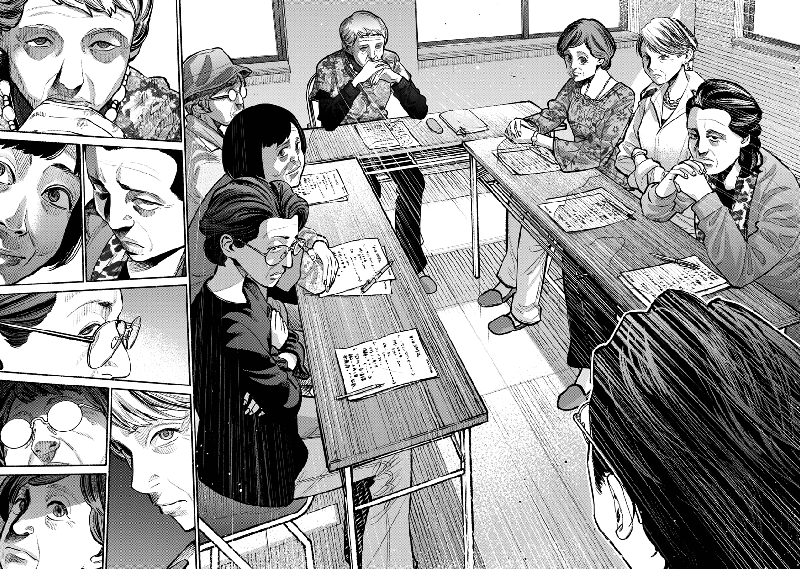
The narrative operates across two periods, weaving together past investigations with present consequences. Early chapters focus on paranormal casework by occult magazine editor Inubosaki and photographer Asama, where each incident feels self-contained. These encounters are not only shocking, but they establish patterns, recurring imagery, and unanswered questions point toward something larger and unresolved. In the present, Inubosaki’s nephew is searching for the truth about the events that led to her death, turning what seemed episodic at first into fragments of a larger mystery.
The horror here relies heavily on atmosphere. Silence, implications, and quiet dread do more work than explicit violence. This general discomfort carries over from one chapter to the next, while slowly shedding light on the overarching narrative. This slow pacing might not appeal to everyone, but it gives the manga a distinct identity.
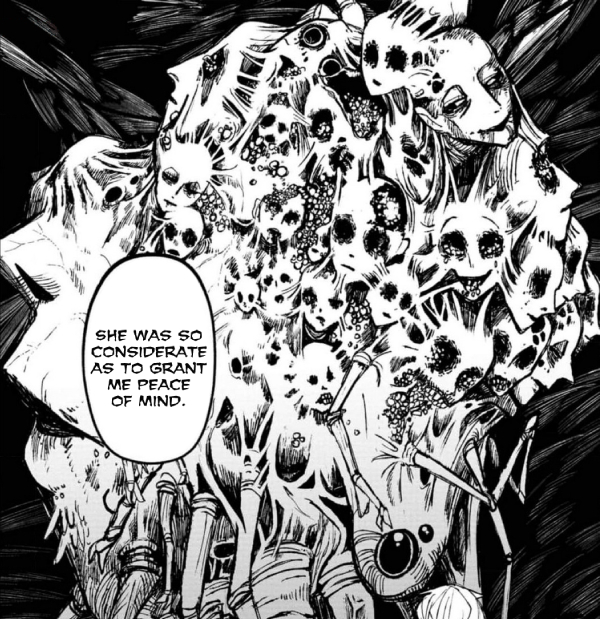
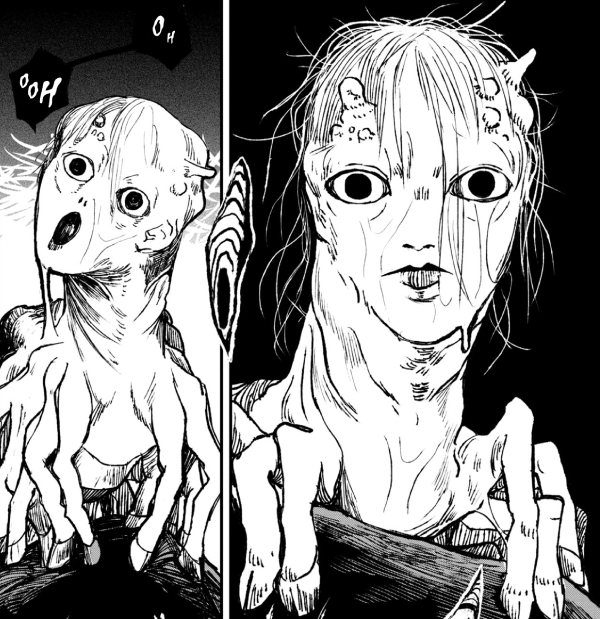
Artistically, the manga stands apart. Character designs are exaggerated and occasionally playful, which contrasts with the grotesque and often disturbing monster imagery. When the series leans into creature design, it delivers some of the most striking visuals in modern manga.
While still early in its run, Nikubami Honegishimi already shows strong confidence in tone and structure. As an ongoing manga, it’s especially appealing to readers who value mood, originality, and folkloric horror over immediate payoff.
Genres: Horror, Supernatural, Mystery
Status: Ongoing (Seinen)
9. Choujin X

Sui Ishida is best known for Tokyo Ghoul, but his new work Choujin X is already shaping up to be another standout. At its heart sits uneasy transformation, but rather than turning toward spectacle, the series builds tension through instability, asking what happens when ordinary people stumble into power they are not equipped to handle. That restraint gives Choujin X a distinct identity among modern ongoing manga.
The story revolves around two childhood friends whose lives change after a desperate decision exposes them to the world of Choujins, humans warped by supernatural abilities. The imbalance between them becomes central. One adapts quickly, while the other struggles with fear, self-doubt, and the visible consequences of transformation. That uneven dynamic grounds the narrative and creates space for psychological conflict alongside action.
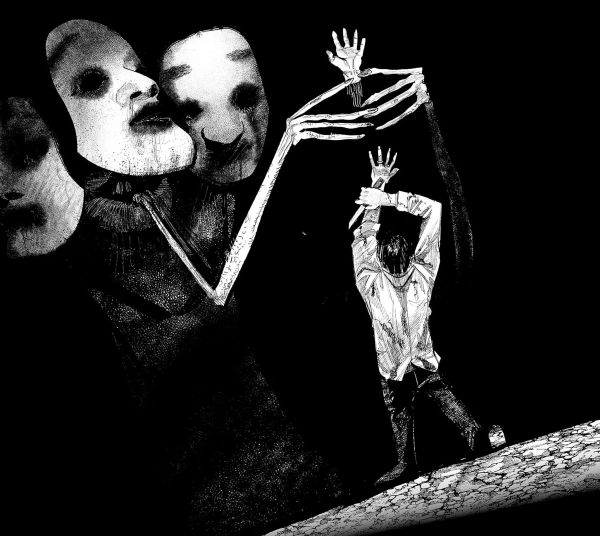
Tonally, Choujin X balances grim subject matter with moments of dark humor and surrealism. Violence is present, but it rarely feels indulgent. Instead, confrontations often highlight the emotional cost of power and the fragility of identity. The world itself remains loosely defined, hinting at larger powers and factions without overwhelming early chapters.
Visually, Sui Ishida’s strengths are immediately apparent. Panel layouts are expressive, anatomy is fluid, and sudden bursts of abstraction heighten moments of panic or loss of control. The artwork reinforces the sense that reality itself can bend or fracture at any moment.
Release schedules have been intentionally flexible, allowing the series to progress at its own pace. Choujin X benefits heavily from that freedom, maintaining a consistent tone while gradually expanding its scope. For readers interested in action-driven stories with psychological weight, it remains one of the best ongoing manga to follow.
Genres: Action, Supernatural, Psychological
Status: Ongoing (Seinen)
8. DRCL: Midnight Children
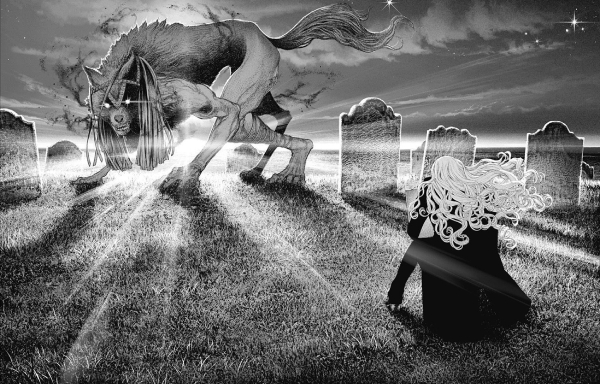
Shinichi Sakamoto’s DRCL: Midnight Children treats gothic horror as something to be experienced rather than simply read. Every chapter prioritizes mood, texture, and emotional instability, resulting in a work that feels closer to visual literature than conventional manga. That commitment to atmosphere and operatic visuals immediately separates it from most ongoing manga.
The series reshapes familiar vampire mythology into something fragmented and dreamlike. The setting, a rigid boarding school steeped in repression and hierarchy, is the perfect place for a story centering on obsession and decay. As Dracula’s presence seeps into the narrative, reality begins to slip. Scenes unfold like half-remembered nightmares, where desire, fear, and identity blur together without clear boundaries.
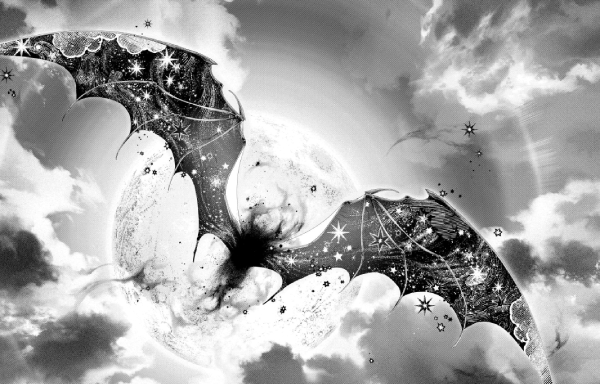
As with his earlier works, Sakamoto resists linear story progression. Instead of clear plot beats, the manga relies heavily on symbolism, repetition, and visual metaphor. Thoughts and memories overlap, and emotional states often matter more than concrete events. This approach demands attention, but also rewards readers who are willing to engage with it on its terms rather than through a straightforward adaptation.
The artwork is extraordinary and among the finest in the medium. Sakamoto’s pages are dense with motion, shadows, and anatomical exaggerations. Bodies twist unnaturally, faces turn into animalistic expressions, and entire sequences unfold through abstract imagery rather than action. Even the story’s quieter moments are full of unnatural beauty.
DRCL: Midnight Children progresses deliberately. It’s a mesmerizing reinterpretation of one of the world’s most famous vampire stories. For readers who are drawn toward experimental horror, gothic sensuality, and visual ambition, it remains among the most compelling series still in publication.
Genres: Horror, Vampire, Fantasy, Drama
Status: Ongoing (Seinen)
7. Blue Period
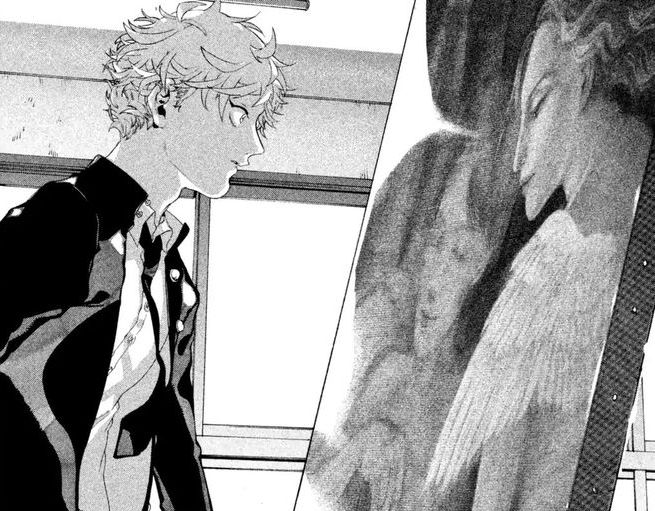
Among the ongoing series on this list, Blue Period stands out as one of the most contemplative. It approaches creativity with honesty and restraint, focusing less on inspiration and more on discipline, insecurity, and the slow erosion of certainty that comes with choosing a difficult path.
The story centers on Yatora Yaguchi, a high-achieving student who outwardly excels but feels internally disconnected. His encounter with art does not offer comfort or easy fulfillment. Instead, it introduces frustration, doubt, and an overwhelming awareness of his own limitations. The manga treats learning as a grinding process shaped by repetition, failure, and uncomfortable self-reflection. One of its defining ideas is the rejection of effortless genius in favor of relentless effort, a perspective that will resonate with anyone who has ever taken creative work seriously.
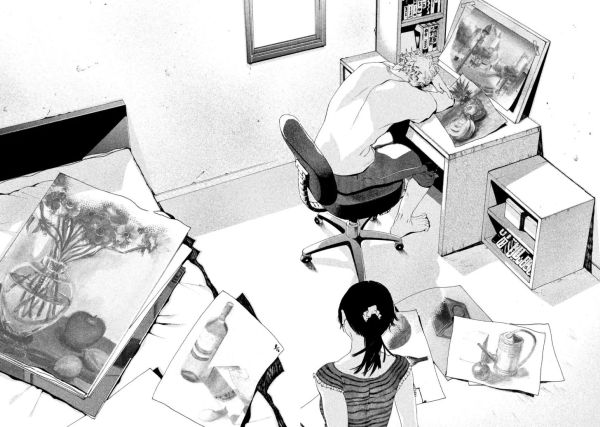
Supporting characters deepen that theme. Each represents a different response to pressure, ambition, or fear of inadequacy. Their struggles are not exaggerated for drama, but presented as everyday emotional realities, which gives the series a grounded tone. Conversations about technique, critique, and comparison are woven naturally into character interactions, making the artistic process feel tangible rather than abstract.
Visually, the artwork prioritizes expression and intimacy over spectacle, reinforcing the story’s inward, psychological focus. Faces, postures, and small gestures carry emotional weight, while discussions of composition and color reinforce the story’s focus on craft.
Blue Period remains one of the most compelling ongoing manga because of its consistency and sincerity. It does not chase climaxes or shortcuts. It’s a powerful, intimate, and deeply affirming story about the psychological struggles of creative commitment.
Genres: Drama, Psychological, Slice of Life
Status: Ongoing (Seinen)
6. JoJo’s Bizarre Adventure Part 9: The JoJoLands
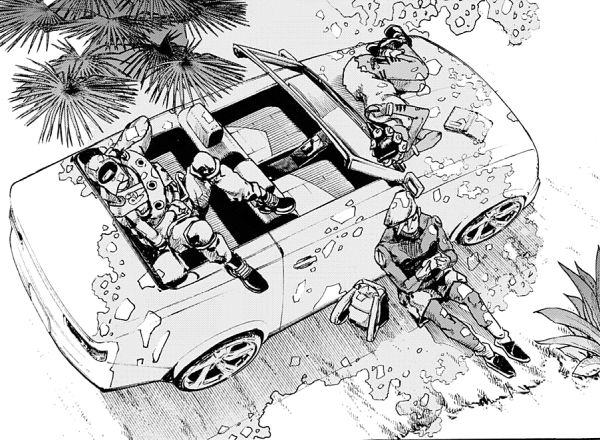
More than three decades into its run, JoJo’s Bizarre Adventure continues to prove that reinvention is its greatest strength. The JoJoLands, the ninth main installment, feels strikingly modern while remaining unmistakably JoJo. It’s a reminder that even this late into the franchise, Araki can still surprise, unsettle, and entertain in equal measure, making it one of the most compelling ongoing manga right now.
Set in contemporary Hawaii, the story shifts focus toward crime, money, and ambition. The cast operates on the fringes of legality, pulling off scams and robberies rather than heroic quests. At the center is Jodio Joestar, a protagonist defined less by righteousness than calculation and volatility. His willingness to escalate violence without hesitation gives the series an edge that immediately separates it from earlier parts. The supporting cast adds texture, especially as their loyalties and motivations gradually come into focus.
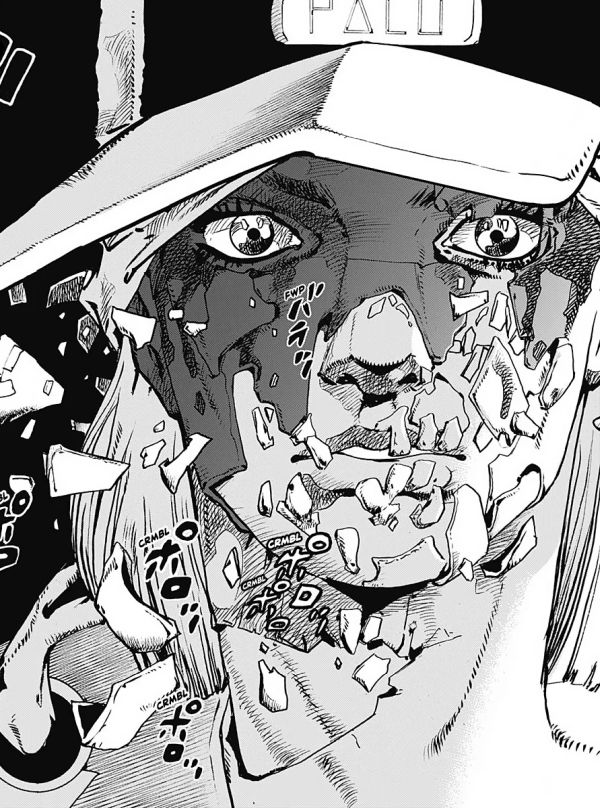
The central mystery revolves around a strange lava rock tied to wealth and attraction, which functions as both plot device and thematic anchor. Araki uses it to keep the narrative moving, with each confrontation revealing more about its rules rather than stalling momentum. The pacing remains tight, and the status quo shifts frequently, preventing earlier chapters from feeling static.
The artwork maintains Araki’s expressive, fashion-focused style. Stand abilities are bizarre even by JoJo standards, but they are introduced with clarity and purpose. While some thematic threats remain underdeveloped so far, what’s there is promising and hints at a bigger, more complicated narrative to come.
The JoJoLands feels fresh, confident, and unpredictable. It shows that even thirty years as an ongoing manga, JoJo still has room to evolve.
Genres: Action, Supernatural, Crime
Status: Ongoing (Seinen)
5. Chainsaw Man
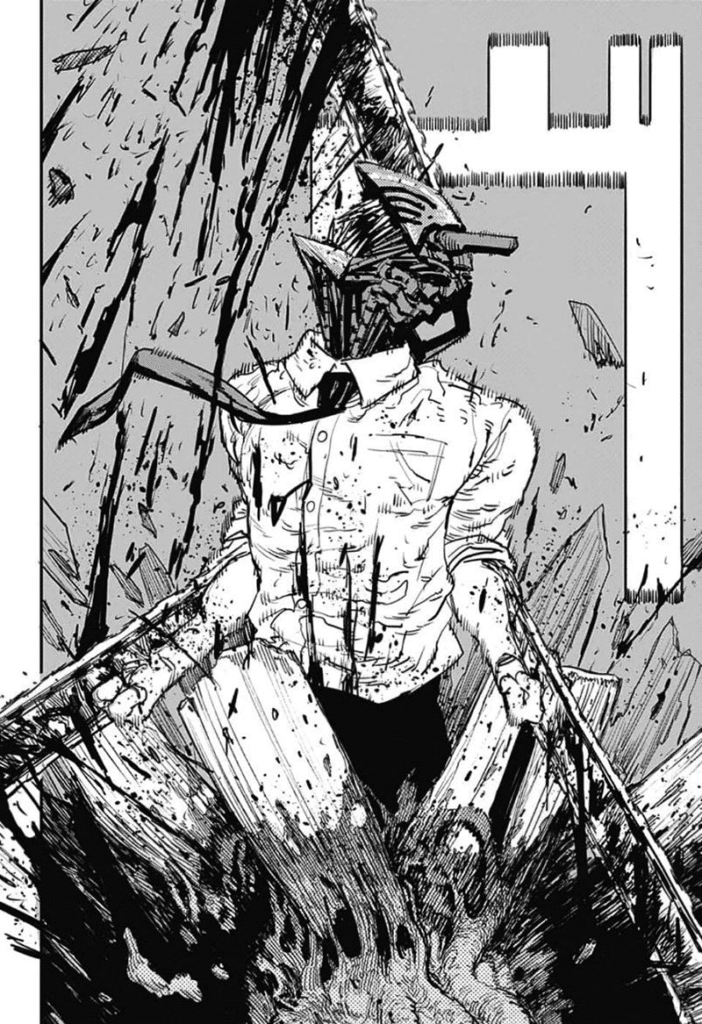
Tatsuki Fujimoto’s Chainsaw Man thrives on instability, both tonally and emotionally. That restless energy is exactly why it remains such a compelling ongoing manga. It takes familiar shonen components and twists them until they feel uncomfortable and then pushes even further into insanity.
It’s a series that runs on pure excess and spectacle. Devils manifest as grotesque embodiments of fear, violence is sudden and messy, and action scenes arrive with little warning. Fujimoto’s rough, scratchy art reinforces the chaos, favoring impact and momentum over polish. The fights feel uncontained, often exploding across the page in ways that mirror the story’s emotional volatility.
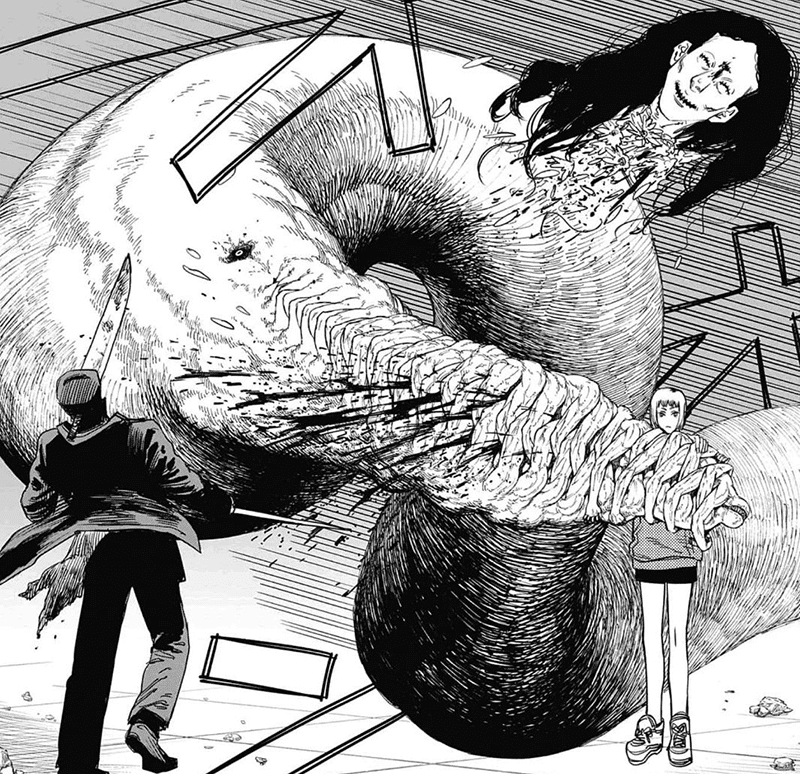
What anchors all of this is Denji. His goals are small, almost pathetic, yet painfully human. He wants comfort, affection, and a sense of agency in a life that keeps reducing him to a tool. The tension between crude desire and emotional emptiness defines the series. As the cast expands, especially with figures like Aki, Power, and the unnerving Makima, the manga reveals a sharper focus on exploitation, grief, and power dynamics beneath its absurd surface.
Part 2 leans even harder into discomfort and unpredictability. The scope widens, the humor turns darker, and the sense that anything can collapse at any moment becomes central rather than incidental. That commitment to risk keeps the series from stagnation.
Chainsaw Man deserves its high position on this list by refusing to settle. It remains volatile, emotionally abrasive, and impossible to predict, which makes each new chapter a must-read.
Genres: Horror, Supernatural, Action, Comedy
Status: Ongoing (Shonen)
4. Dandadan
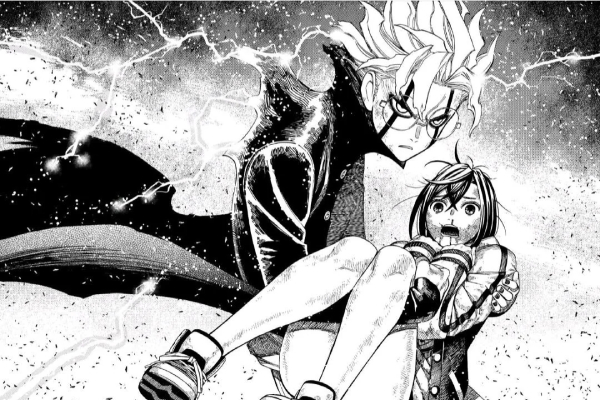
Few shonen series feel as untamed as Dandadan, an ongoing manga that seems determined to ignore genre limits entirely. Created by Yukinobu Tatsu, formerly an assistant to Tatsuki Fujimoto, the series carries that same feeling of excess while carving out an identity that’s loud, strange, and surprisingly sincere.
Rather than easing readers in, the manga sprints forward from the outset. After a dare between the nerdy Okarun and the sharp-tongued Momo Ayase, supernatural threats escalate rapidly, bouncing between urban legends, aliens, and folklore with no warning. The pacing stays aggressive, yet it never collapses into noise. Each arc builds on the last, adding new characters and complications while maintaining a clear sense of forward momentum.
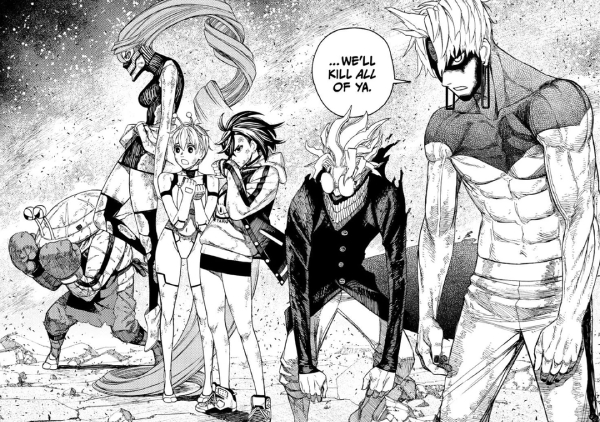
The tonal whiplash is deliberate. Grotesque horror sequences sit beside romantic comedy and explosive battle shonen spectacle. One chapter leans into absurd humor, the next into body horror or large-scale destruction before moving back to intimate character moments. What holds it all together are its emotions. Backstories reveal grief, isolation, and lingering trauma, giving weight to characters who might otherwise feel purely chaotic.
Visually, Tatsu operates at a higher level than most. Yokai designs feel rooted in folklore but pushed into unsettling territory, while alien technology and combat favor clean lines and overwhelming scale. Action spreads emphasize motion without sacrificing clarity, which keeps even the most insane fights readable.
Similar to Chainsaw Man, Dandadan thrives on unpredictability without ever losing cohesion. It rewards readers who enjoy momentum, tonal risk, and characters that grow beneath spectacle. Few ongoing manga feel this alive from chapter to chapter.
Genres: Horror, Supernatural, Comedy, Action, Sci-Fi
Status: Ongoing (Shonen)
3. Kingdom
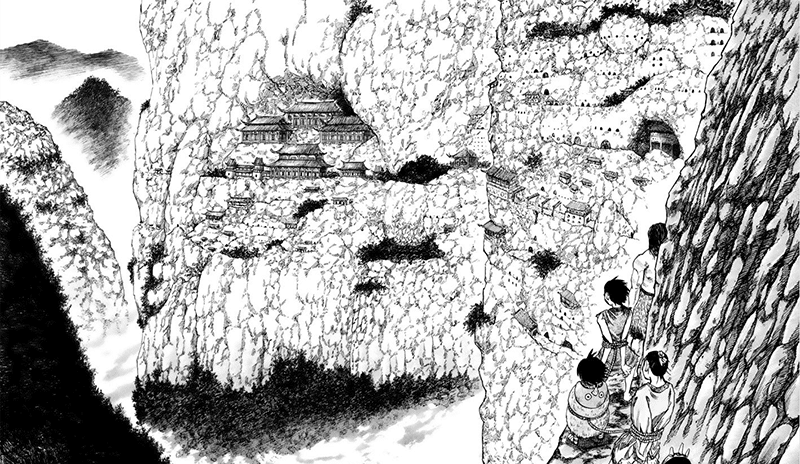
Very few series attempt the level of scale Kingdom does, and fewer sustain it for as long. As one of the medium’s longest-running titles, this ongoing manga stands as a monumental commitment to historical warfare, ambition, and endurance. Yasuhisa Hara treats the Warring States period of China not as a background flavor, but as a living setting driven by politics, bloodshed, and human will.
The protagonist Shin, a former servant boy, dreams of becoming a Great General under the Heavens. Yet the series doesn’t focus on his heroics alone. Instead, the manga depicts intense, long-lasting campaigns. We witness armies maneuvering across entire regions, supply lines, moral breaks, and tactical decisions lasting across dozens of chapters. Large-scale warfare is the manga’s core appeal, with battles unfolding as layered contests of deception, formation control, and psychological pressure. Victory often feels earned through planning rather than brutal force.
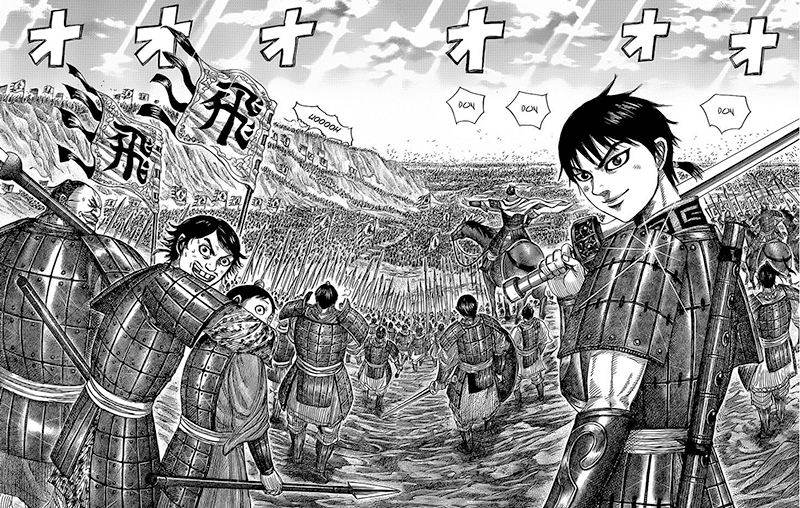
The political dimension reinforces that weight. Power struggles within Ei Sei’s court and between rival states shape every conflict, ensuring that battles never exist in isolation. Ambition drives nearly every major figure, whether it’s the dream of unification or the desire to crush it. Commanders like Ouki, Riboku, and Kanki bring sharply defined personal philosophies to war, which keeps confrontations ideologically charged rather than repetitive.
Hara’s artwork evolves dramatically over time. Early chapters feel restrained, but later arcs showcase massive city sieges, sweeping cavalry charges, and dense battlefield compositions that showcase the scale convincingly. Few manga handle crowd scenes and motion with this level of clarity.
Despite its intimidating length and shonen-style first arc, Kingdom remains an ongoing manga worth keeping up with. Its consistency, escalating stakes, and historical ambition make it one of the most rewarding long-form epics still in publication.
Genres: Historical, Military, Strategy
Status: Ongoing (Seinen)
2. Blue Lock
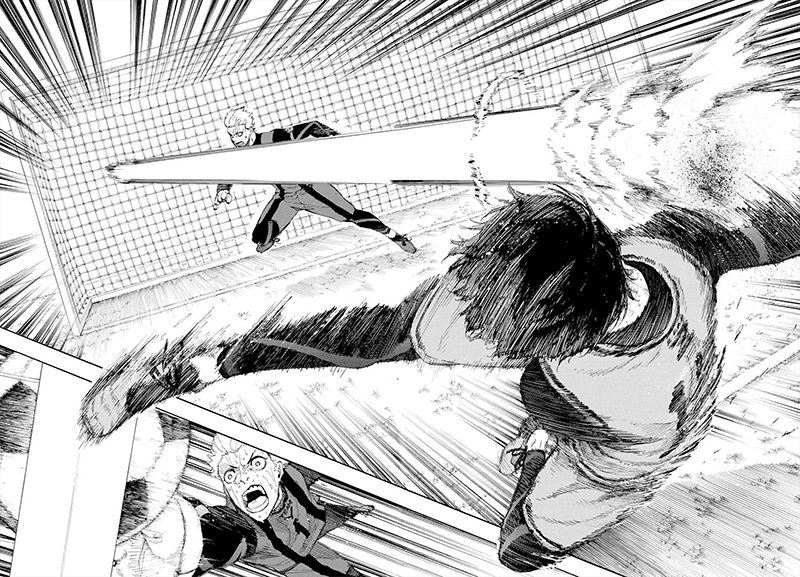
I’m not a soccer fan, yet this ongoing manga keeps pulling me back chapter after chapter. Blue Lock works because it treats soccer less like a sport and more like a psychological battleground, where ego, pressure, and self-belief decide who survives. That reframing alone makes it compelling even for readers who usually skip sports manga.
The structure is ruthless. Hundreds of young strikers are locked into a system that rewards selfishness, adaptability, and mental resilience above all else. Matches are elimination rounds rather than friendly competitions, with careers ending the moment someone loses. Yoichi Isagi begins as an ordinary player, but the series focuses on awareness, decision-making, and growth rather than raw talent.
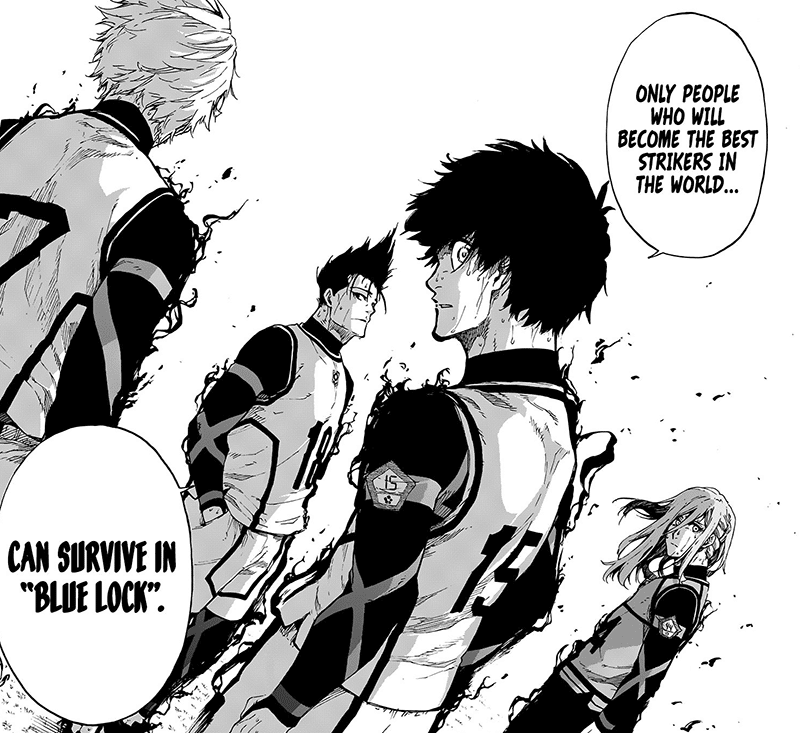
What truly sells the series is its presentation. Yusuke Nomura’s artwork transforms plays into internal wars. Mental states manifest visually through exaggerated expressions, distorted anatomy, and symbolic imagery that communicates more than what’s said in words. Goals feel earned through positioning and timing rather than luck, which keeps tensions high even when the actions become exaggerated.
The cast remains strong despite its vast size. Rivalries drive momentum, and new opponents consistently force Isagi and others to redefine their strengths. Later arcs further expand the scale but always without losing focus, pushing the series onto an international stage while maintaining the same cutthroat tone.
As an ongoing manga, Blue Lock thrives on escalation and consistency. It’s not realistic soccer, but a story of ambition, pressure, and pure hype that remains worth following as it continues to escalate.
Genres: Sports, Action
Status: Ongoing (Shonen)
1. Sakamoto Days
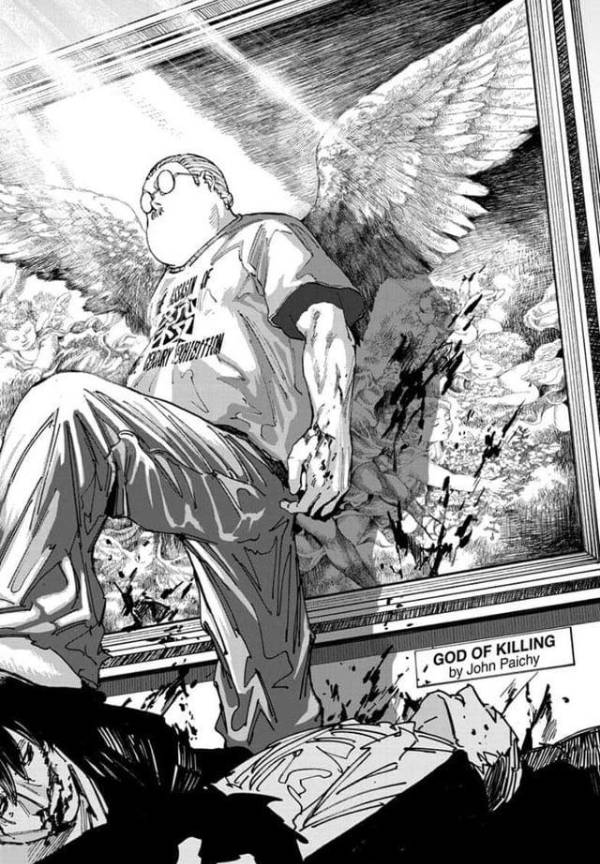
Sakamoto Days starts as a comedy manga. Yet what keeps the series gripping as an ongoing manga is how confidently it transforms its playful premise into one of modern shonen’s sharpest action showcases. Sakamoto Days shines with momentum, clarity, and timing that outshine most other titles currently running, and it never wastes a chapter.
The core idea is deceptively simple. A former legendary assassin now lives quietly, committed to family life and a strict no-killing rule. Trouble arrives constantly in the form of professional killers who underestimate him, which turns every encounter into a problem-solving exercise rather than a power contest. Violence becomes choreography, not escalation, and restraint is the defining challenge.
Early chapters lean heavily into humor and improvisation, with everyday spaces turning into battlegrounds through clever staging. As the cast expands, the scope widens. Underground organizations, elite assassins, and long-buried grudges begin shaping a broader conflict. The shift never feels abrupt, and the series grows without ever losing its playful edge.
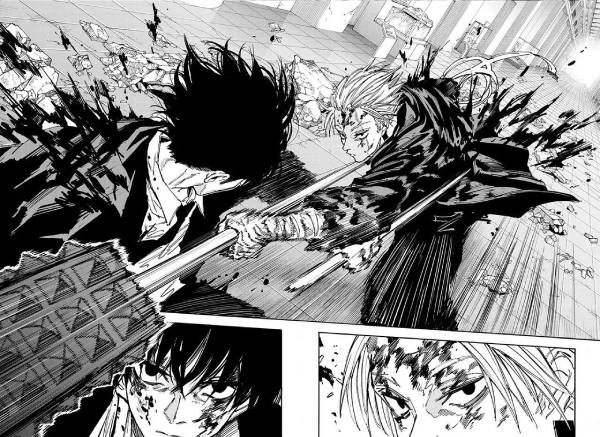
Yuto Suzuki’s art carries much of the impact. Action reads cleanly and stands out with some of the best choreography in battle shonen. Movements are sharp and intentional, violence is brutal, and each fight communicates personality as much as technique. Few series balance readability and spectacle this well.
Character chemistry keeps the tone light even when fights turn brutal. Banter, rivalries, and absurd timing coexist with bone-shattering hits. Emotional depth is secondary, but this focus on style over substance is done by design.
Sakamoto Days is currently my favorite ongoing manga because it delivers some of the best and most inventive action in modern manga. The narrative stays fresh, the stakes are consistently escalating, and it remains fun all around, making it one of the best series to keep up with as it continues.
Genres: Action, Comedy
Status: Ongoing (Shonen)