Many manga run long, stretching into hundreds of chapters or dozens of volumes. But not every story needs that much space to deliver thrills, atmosphere, and a satisfying conclusion. That’s where short manga shine. These are stories you can read in a single sitting and still walk away feeling like they delivered.
That’s why I put together this list of the best short manga. It includes true one-shots, along with a few denser picks like Soloist in a Cage or Ultra Heaven that can take a full afternoon to read. Even so, every entry here is short enough to finish quickly compared to the usual long, multi-volume commitment.
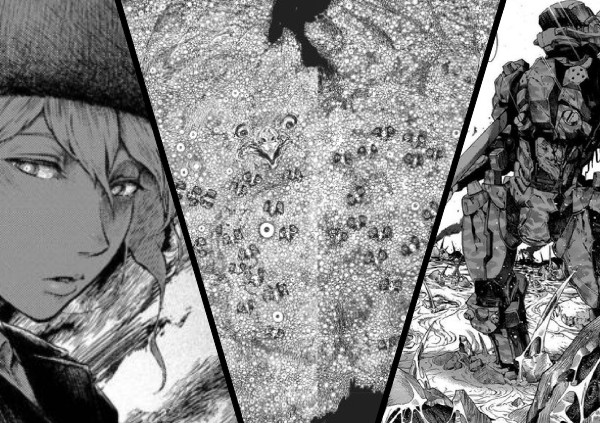
There’s a lot of variety on this list. Some lean into horror first, like Hideout, while others lean into tight science-fiction action, like All You Need Is Kill. A few go full experimental and surreal, like BIBLIOMANIA or Witches. Different tones, different genres, same appeal: each one gives you a full, satisfying experience without hundreds of chapters.
Mild spoiler warning: I’ll avoid major plot details, but I may mention basic setups to explain why each manga is worth reading.
With that said, here’s my list of the best short manga you can read in a single sitting (last updated: February 2026).
17. Hideout
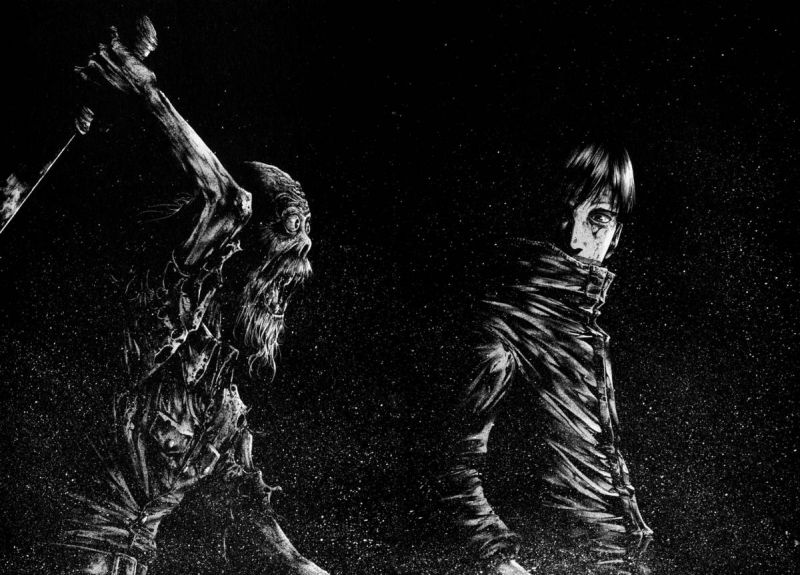
Hideout is the kind of short manga that doesn’t build dread so much as drop you right into a nightmare. In nine chapters, Masasumi Kakizaki delivers a vicious blend of survival horror and psychological collapse, with pacing that never loosens its grip. Seiichi Kirishima is a failed writer who takes his wife to a remote island to repair their relationship after the death of their child. He’s lying. Seiichi has come up with a plan to kill her, but when that plan fails, the story changes to a frantic chase. The pursuit forces them into a cave system, but it isn’t as empty as it should be.
What makes Hideout work is how effectively it escalates tension. When the manga leans into flashbacks, they’re brief and function as grim proof that Seiichi’s mind has been cracking long before he entered the caves. It’s a descent fueled by grief, bitterness, and self-hatred, and the manga refuses excuses or redemption.
The story lives through Kakizaki’s art. Heavy blacks, tight framing, and oppressive shadows make the cave feel alive and the pages claustrophobic. Reading it in a single sitting is brutal because it never gives you room to breathe.
Genres: Horror, Psychological
Status: Completed (Seinen)
16. All You Need Is Kill
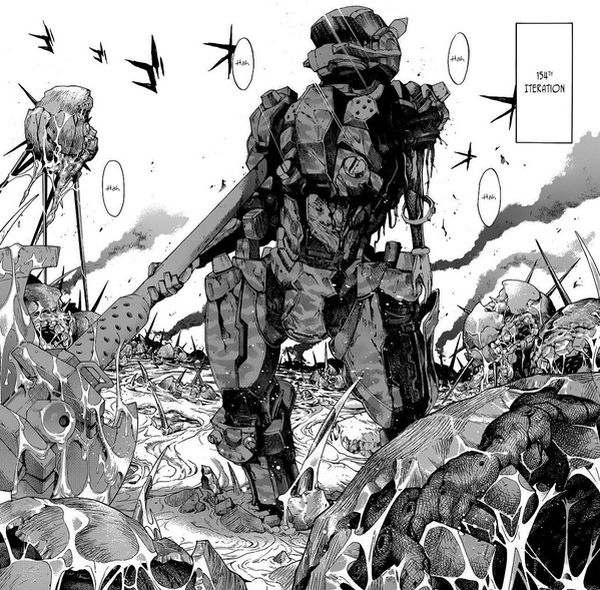
All You Need Is Kill is a war story built around one central idea: dying becomes practice. It’s a two-volume short manga that moves like a blockbuster, but it’s strongest when it shows what constant repetition does to a person.
Earth is losing a global war against aliens called Mimics, and rookie soldier Keiji Kiriya doesn’t even survive his first deployment. Then he wakes up a day before the battle, trapped in a loop that resets every time he dies. The hook is simple, but the execution lands. Each restart escalates the tension, teaches you the rules, and turns basic combat into trial-and-error. Watching Keiji go from panicked recruit to hardened fighter is the main satisfaction, and the powered-suit action is easy to follow without ever feeling clean or meaningless.
Takeshi Obata’s art is a huge part of that appeal. The exosuits, environments, and impacts are full of crisp, obsessive detail that make every fight feel physical, even when the story is accelerating. The downside is that the cast outside of Keiji and Rita stays thin, and later chapters can feel rushed, especially when they aim for emotional weight.
The pacing is the point. All You Need Is Kill is grim, efficient, and full of adrenaline.
Genres: Action, Sci-Fi, Mecha
Status: Completed (Seinen)
15. Hotel
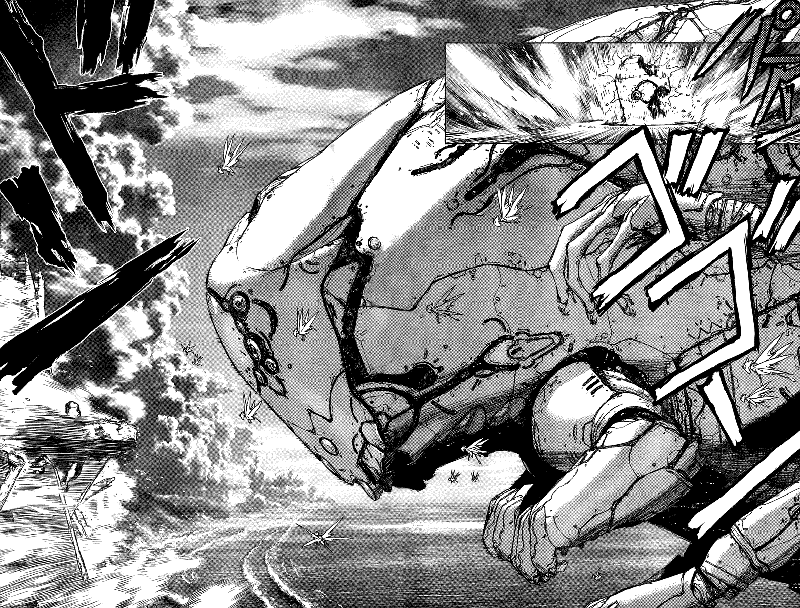
Boichi can make anything look fantastic, but Hotel is one of the clearest arguments for why he’s one of manga’s top-tier artists. It’s a compact anthology where the visual storytelling does as much work as the writing. Even when a chapter’s idea is simple, the art does the heavy lifting.
Each story stands on its own, which makes this an easy short manga to read in a single sitting. The early chapters lean into more grounded and emotional themes, with a strong science-fiction tone and a few thematic threads that make the collection feel loosely connected rather than purely random. As it goes on, that tone changes. Some chapters get stranger and more surreal, which gives Hotel a nice sense of range.
The downside is consistency. There isn’t a single weak chapter, but some are clearly more memorable than others, and one entry leans on pure spectacle. It’s beautiful, including a full-color chapter that looks incredible, but it’s more about mood and visuals than story.
It’s a perfect manga for readers who want a one-volume collection of science-fiction short stories, emotional payoff, and stunning artwork without having to commit to a longer story.
Genres: Sci-Fi, Drama
Status: Completed (Seinen)
14. Soloist in a Cage
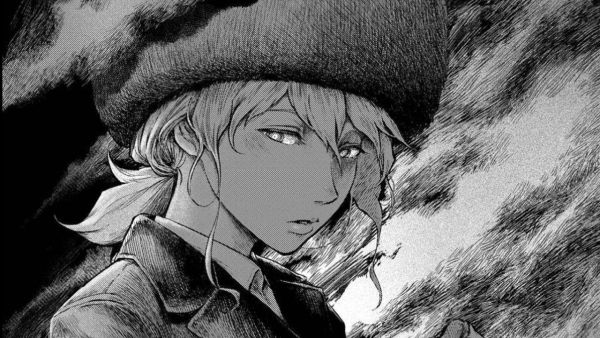
Soloist in a Cage wastes no time proving what kind of world it’s dealing with. Prison City is a sealed dystopian sprawl. Nobody gets out. Kids are born inside the walls, and survival is a matter of luck and cruelty. It’s a bleak setup, but it hooks fast and uses its short runtime well.
Chloe grows up in this cage, raising her baby brother, Locke, in a place ruled by gangs, traffickers, and worse. When a rare escape attempt promises the possibility of freedom, the plan falls apart, and Chloe is forced to leave behind the person she was trying to protect. Years later, she returns with a single goal. Trained to fight, she steps back into a hellhole that’s only gotten larger and is now even more tightly controlled.
The story itself is straightforward, and the characters can feel simplistic, especially for a setting this complex. Some antagonists don’t land as hard as they should, and a few action beats resolve so quickly they feel like highlights rather than full fights. The reason it still works is the presentation. The art is crisp, cinematic, and dynamic, with fight choreography that feels like dancing rather than brawling. Snowy rooftops, oppressive shadows, and sudden violence give the whole manga a harsh, cold atmosphere.
As a short manga, it delivers a compelling hook, stunning art, and zero filler.
Genres: Action, Drama, Dystopian
Status: Completed (Seinen)
13. Zashiki Onna
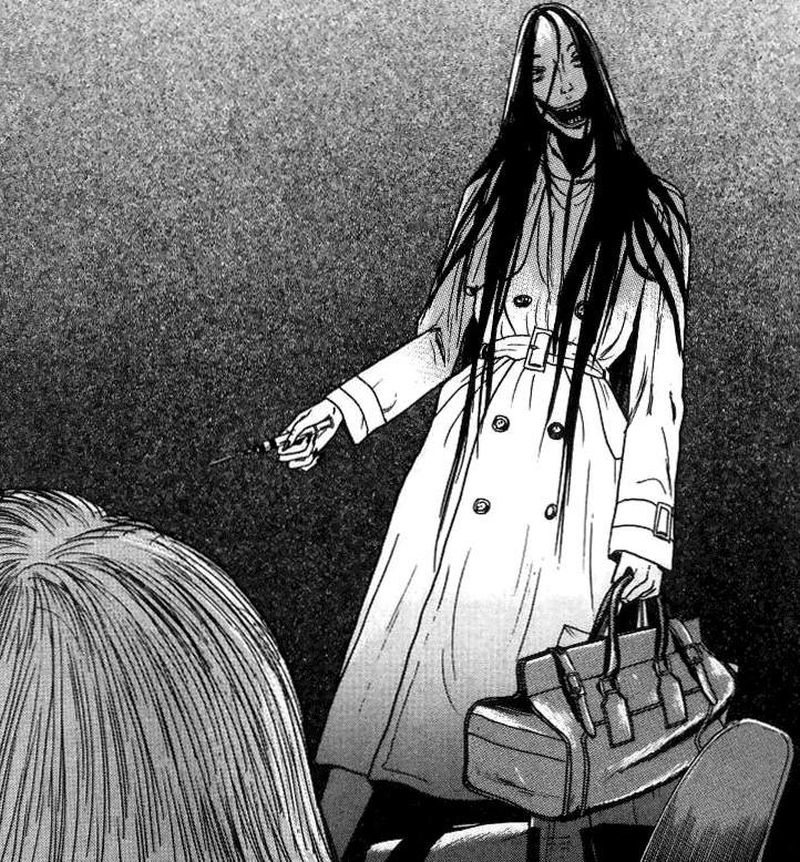
Zashiki Onna doesn’t need gore, curses, or monsters to get under your skin. It’s one of the cleanest examples of stalker horror in manga, and it still works because it understands the real fear behind obsession. The premise is simple, but it keeps escalating until what started as unease turns into panic.
Hiroshi is a college student living an unremarkable life when he notices an unusually tall woman outside a neighbor’s apartment. The moment is small, easy to dismiss, and that’s exactly why it lands. Their exchange is short, but it’s enough for her attention to shift to him, and soon boundaries start to collapse. At first, she appears at his door, then she breaks into his home, and before long, her obsession turns physical, and dangerous.
The manga’s biggest strength is plausibility. The woman is never explained as a supernatural being. She’s just there, relentless, quiet, and the lack of motive makes her feel even worse. The art emphasizes cramped interiors, uncomfortable angles, and distorted facial expressions that make almost every page unsettling.
The trade-off is how straightforward it is. Zashiki Onna isn’t a layered mystery or twist-heavy thriller. It’s a slow, invasive escalation, and it commits to that all the way through. If you’re looking for a short manga that’s tight, creeping, and hard to shake, this one stands out.
Genres: Horror, Mystery, Psychological, Thriller
Status: Completed (Seinen)
12. Goth
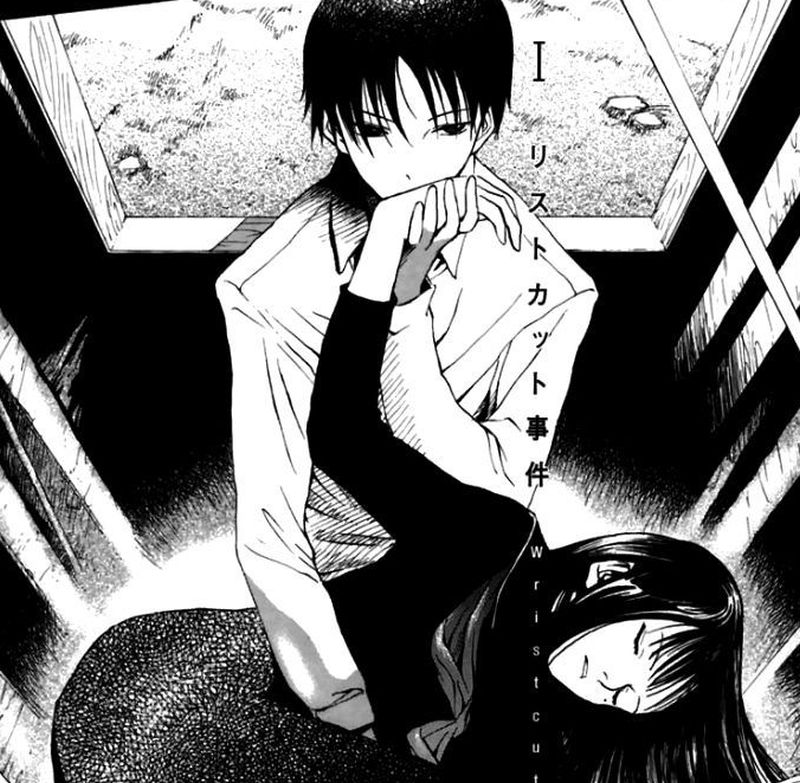
Goth is a horror manga with a cold, adolescent focus. It’s not interested in heroic investigators or righteous catharsis. The hook is that two teenagers are drawn to death the way others are drawn to gossip, and the story never pretends that fascination is healthy.
An adaptation of Otsuichi’s novel, with art by Kenji Oiwa, Goth focuses on high schoolers Yoru Morino and Itsuki Kamiyama as they investigate a string of gruesome cases. The structure is episodic and loosely connected, with each chapter built around a different crime and a different killer. Kamiyama often figures out what happened and who’s responsible, but he isn’t seeking justice. He’s studying murder, collecting details, and treating violence like a hobby. Morino isn’t a moral counterweight. She’s just as unnerving and interested in death.
Goth’s biggest strength is atmosphere. It keeps things lean, and the lack of sentimental framing makes the violence feel blunt and uncomfortable. The art isn’t flashy, but it’s effective where it matters. Murder scenes are vivid, grotesque, and hard to shrug off, which is exactly the point. Even more so because of the characters’ reaction to them.
The downside is the depth. It’s a short manga, so the main duo’s darker edges are suggested rather than explored, and some plot threads end right when they could’ve turned into something more intriguing. Still, it stands apart from conventional horror mysteries by refusing to relegate its protagonists to familiar roles.
Goth isn’t for readers who want likable leads, but it’s perfect for those who are looking for clinical, unsettling crime horror.
Genres: Horror, Psychological, Mystery
Status: Completed (Shonen)
11. Witches
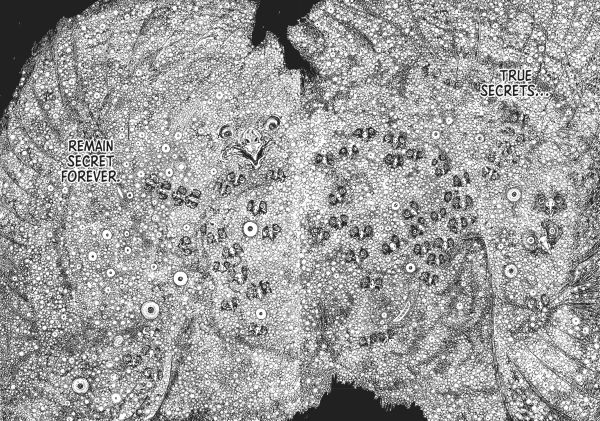
Witches feels less like a conventional story collection and more like a series of waking dreams. Daisuke Igarashi builds a world where magic is real, logic feels secondary, and ordinary life brushes up against something vast and unseen.
It’s an anthology of tales that share a loose universe and a consistent focus on perception. Characters stumble into moments of wonder, dread, tenderness, and quiet devastation, usually without fully understanding what they’ve touched.
The best chapters don’t explain. They let an image, a landscape, or a sudden shift in reality carry the meaning, which is where Igarashi excels.
The art is the main reason Witches belongs on a list of the best short manga. Page spreads can be stunning, and backgrounds have a dense, tactile detail that makes cities, coastlines, and interiors feel both real and slightly dream-like. It’s also a work that can be rough around the edges. Faces can feel slightly off, story flow can get clunky, and the writing can sometimes spell out ideas the visuals already communicated. Witches is also a work primarily interested in myth-building and aesthetics, which sometimes comes at the cost of accurate representations of cultures and locations.
Still, when it hits, it’s sublime. It’s folk horror combined with surreal fantasy, filtered through the eyes of an artist who trusts atmosphere over clear answers.
Genres: Supernatural, Fantasy, Drama
Status: Completed (Seinen)
10. Keep on Vibrating
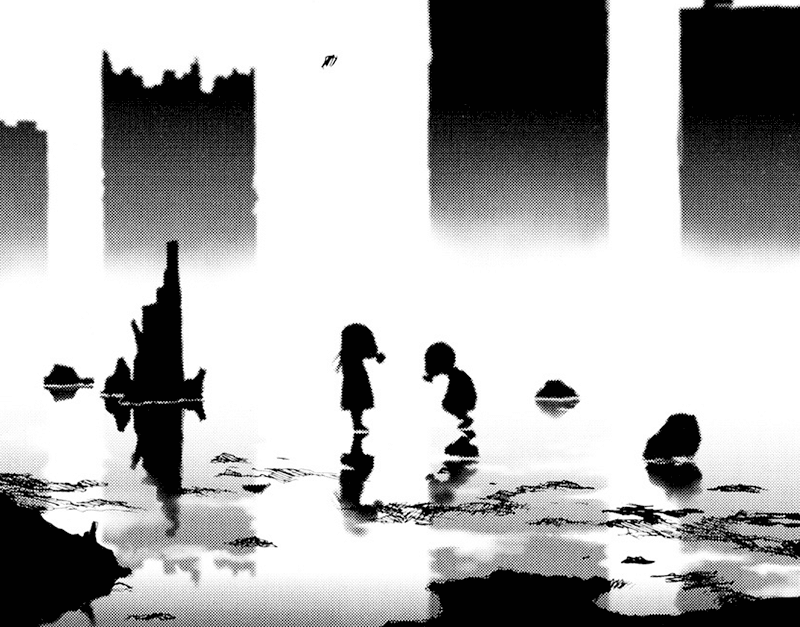
Keep on Vibrating is the most transgressive entry on this list, and you feel that within the first few pages. Jiro Matsumoto has a reputation for a reason, and in this collection he embraces it. It’s explicit, abrasive, and often deliberately ugly, but it’s also weirdly compelling.
Rather than a single plot, this manga strings together short vignettes that feature sex, violence, and surreal breakdowns with almost no interest in interpretation or comfort. Characters move through ruined streets, back alleys, and fractured worlds as if everything is normal. That disconnect is the point. Matsumoto treats the grotesque as the everyday, then pushes it even further. Some stories feel like pure shock. Others, like the very first chapter, are so surreal that you’re unsure what you’re reading.
The art matches the mood perfectly. It’s gritty and sketchy, with a raw instability that makes every panel feel slightly wrong. Matsumoto also isn’t afraid to shift styles midstream. What might feel like warped realism at first can turn into abstract absurdity in a matter of panels.
It’s a singular experience, but it’s also full of explicit sex, taboo imagery, and moments that feel like provocation for its own sake. Still, as a short manga collection, it’s one of the easiest ways to understand Matsumoto’s real appeal. You’ll either drop it right away, or you’re going to be enthralled by its insane, hypnotic energy.
Genres: Psychological, Drama, Surreal, Erotica
Status: Completed (Shonen)
9. Fraction
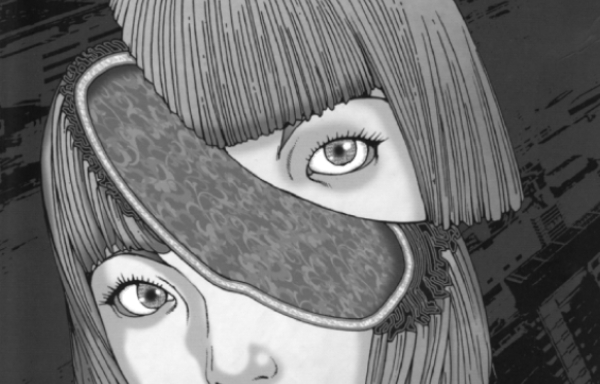
Fraction is one of the most interesting meta-horror works in manga, and Shintaro Kago’s sharpest showcase when he prioritizes form over story. It starts like a nasty serial killer thriller, then steadily reveals that the story itself is what’s being dissected.
The premise introduces a murderer dubbed the Slicing Devil, who cuts his victims in half, and the first chapter plays that grim premise straight. Then Kago inserts himself into the manga, discussing the narrative, and turns it into a self-aware discussion on structure, genre conventions, and how authors manipulate readers. It might sound indulgent, but it’s the opposite. These explanations are incredibly clever and lead to a twist that lands because you finally realize what he’s been doing all along.
After that, the plot pivots back to the Slicing Devil, but with a more openly absurd tone, closer to the chaotic, nonsensical stories he’s known for. The volume also features several one-shots. The standout here is Voracious Itches, a piece of body horror so revolting, that it’s guaranteed to stay on your mind.
Fraction is a work that’s transgressive, structurally unhinged, and sometimes intentionally offensive. It stands out not so much for the story it tells but for what it does with it. Part serial killer manga, part meta-narrative, part typical Kago, it’s a short manga that feels almost too ambitious for its page count.
Genres: Horror, Mystery, Psychological, Meta
Status: Completed (Seinen)
8. Enigma of Amigara Fault
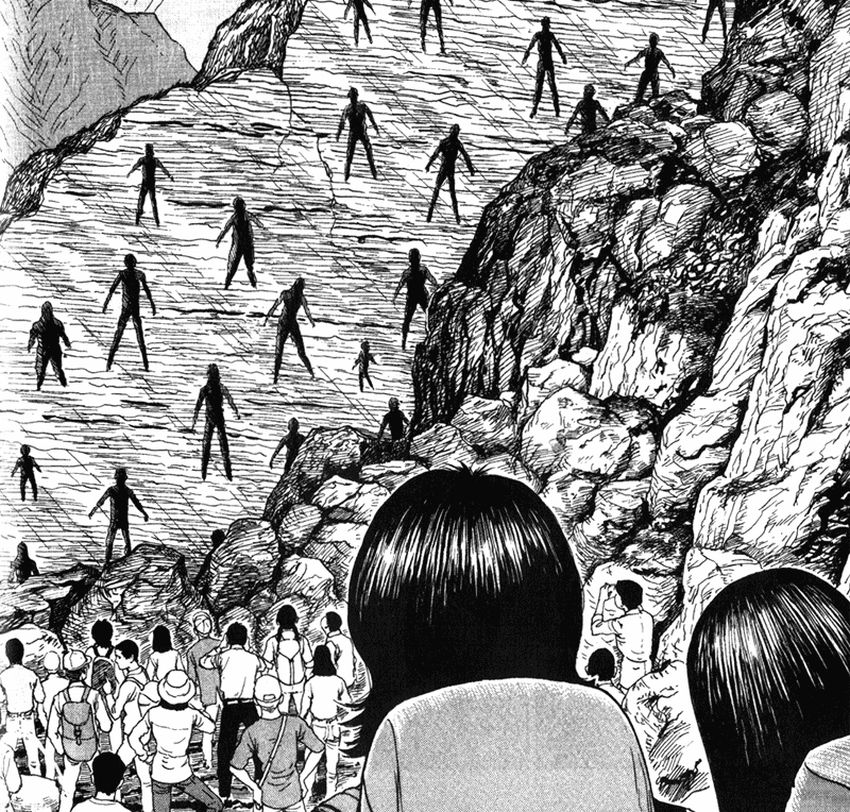
Sometimes the shortest stories are the most terrifying, and Junji Ito has always understood that short-form horror can hit harder than a long-running series. The Enigma of Amigara Fault is proof. In roughly thirty pages, Ito creates a tale that’s haunting and taps into a fear too real to be fictional.
After an earthquake, a fault line reveals something impossible: hundreds of human-shaped holes carved into the stone. The image is strange enough on its own, but Ito makes it worse. When news footage spreads, people gather, and an obsession takes hold. Visitors aren’t just there to stare at the phenomenon. They feel pulled toward it, certain that one of those holes was made just for them.
The story follows a young man arriving at the site and meeting a woman named Yoshida. The pacing is perfect, and we watch as the compulsion plays out in real life. There’s no spectacle, only the slow build of dread, and the awful combination of curiosity and inevitability. The horror isn’t just about claustrophobia. It’s the idea of being pulled in by something you don’t understand, and helpless to do anything but obey it.
The holes are never explained, and that’s why the story lingers. As a short manga, it wastes nothing, and it leaves you with a final page you won’t be able to shake.
Genres: Horror, Supernatural, Mystery
Status: Completed (One-shot)
7. BIBLIOMANIA
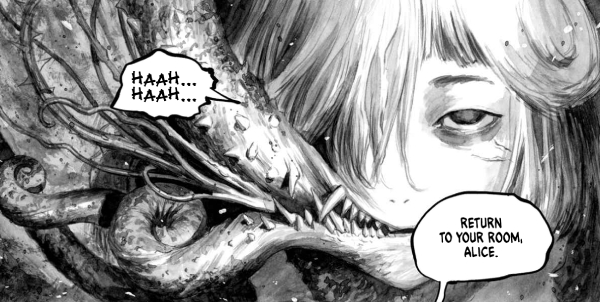
BIBLIOMANIA feels less like a traditional manga and more like a surreal picture book. It’s gorgeous, meticulous, and deeply wrong, the kind of body horror where the art is the reason you keep turning the pages.
A girl named Alice wakes up in Room 431 of a decrepit manor with no explanation and no way out. When a talking serpent instructs her not to leave, she does exactly that, ignoring its warning that her body will rot. From there, the manga turns into a fever-dream tour through shifting rooms, strange inhabitants, and increasingly bizarre transformations. BIBLIOMANIA isn’t driven by mystery or complex plot beats. It’s about the steady erosion of normality. While Alice’s world expands room by room, her humanity slips further and further away.
What makes it work so well is its pure commitment to atmosphere. The story is simple and almost fable-like, but Macchiro’s art turns every hallway and grotesque change into something both eerie and elegant. Panels are packed with details, and the contrast between Alice’s cute, storybook design and the manor’s nightmarish interiors keeps the tone off-balance. While it’s clearly inspired by Alice in Wonderland, BIBLIOMANIA never feels like parody or homage. It uses the familiar framework simply to showcase visual surrealism.
The biggest downside is the narrative. If you want strong character writing or a tidy resolution, this manga won’t deliver. As a short manga, BIBLIOMANIA is closer to an art-driven descent into visual madness than a conventional horror story, and that’s exactly why it stands out. Even if you can read it in a single sitting, its art will be unforgettable.
Genres: Horror, Fantasy, Psychological, Drama
Status: Completed (Seinen)
6. Fuan no Tane
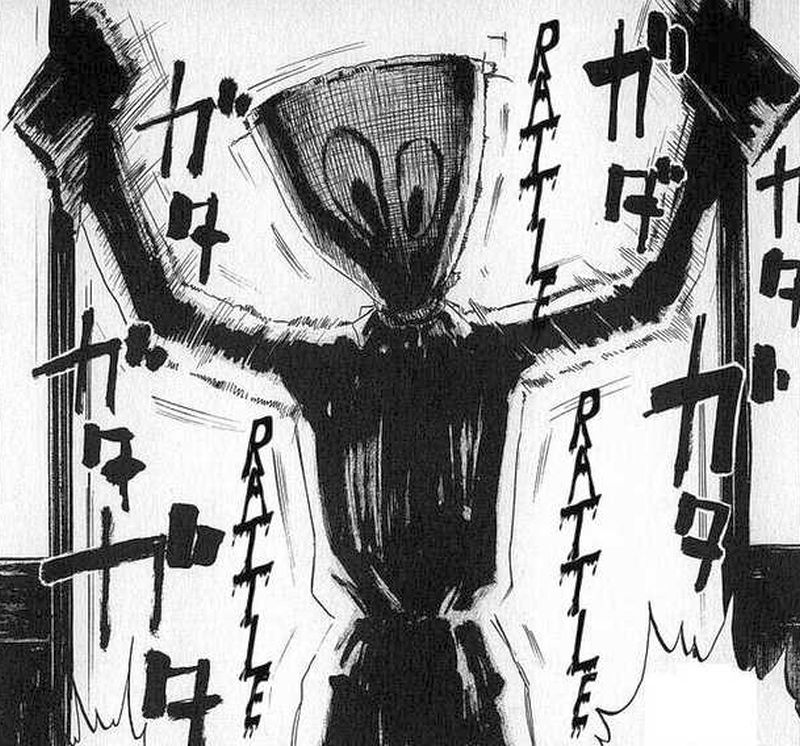
Fuan no Tane is a work that barely qualifies as traditional storytelling, and that’s exactly why it works. Masaaki Nakayama strips horror down to raw sensation, delivering micro-scares that feel like half-remembered urban legends or something wrong you saw out of the corner of your eye.
There’s no central plot and no recurring characters. Instead, it’s a chain of tiny vignettes that often run only a few pages, sometimes with minimal dialogue. Each one drops you into a mundane situation: a school hallway, a quiet street, a home visit, and then interrupts it with something wrong. No explanation, no lore, and no resolution. Many chapters end right at the moment of impact, leaving the horror to your imagination instead of resolving it on the page.
Nakayama’s art is grounded until it isn’t. Faces warp, eyes go empty, and a single glance through a window becomes unbearable. The paneling does a lot of the heavy lifting, using abrupt reveals and negative space to create that classic J-horror feeling. While some entries lean more into weirdness or dark comedy, most are straight horror.
Fuan no Tane is here for its micro-scares approach. The original run is a short manga that you can finish in an hour or two, and if you want more, Fuan no Tane+, Fuan no Tane*, and Nakayama’s PTSD Radio explore the same bite-sized dread in different ways. The format is the point, and it’s brutally effective.
Genres: Horror, Supernatural, Psychological
Status: Completed (Shonen)
5. Hanging Balloons
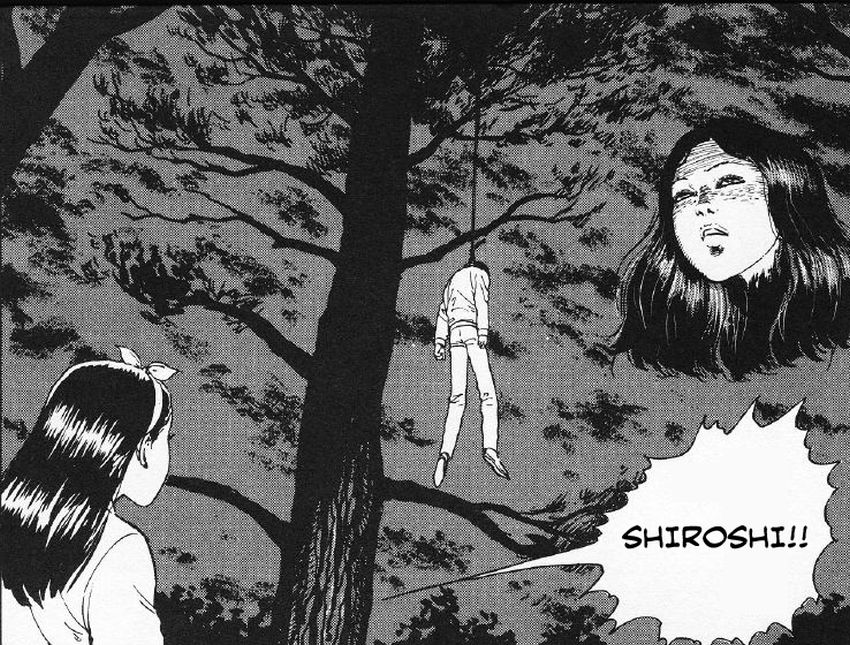
Hanging Balloons is my favorite Junji Ito one-shot, and it’s a great example of how he can turn an absurd premise into something genuinely apocalyptic. The premise sounds like a joke until you see it on the page, and then it becomes hard to forget.
It starts small, with the suicide of a young idol named Terumi and the quiet dread that hangs over Ito’s best works. Rumors spread soon after, but the ghost people report seeing isn’t a figure drifting through the streets. It’s a floating head. At first, it feels like a ghost story, but Ito uses that slow opening to set up the real hook. The sky fills with enormous balloons, each bearing a human face, and fixated on a single person. They don’t attack at random. They stalk their counterparts patiently and relentlessly, with one purpose: to kill them by hanging.
What makes the story work is the escalation. Ito moves from the intimate horror of a ghost story to a public catastrophe without rushing, letting the absurdity become its own kind of logic. The concept is terrifying because it’s personal. The balloon isn’t a mere monster. It’s your own face turned into a deadly predator.
Like many Ito classics, the mystery is never explained, and the lack of answers only sharpens the unease. As a short manga, it wastes nothing, and it ends in one of Ito’s most terrifying final panels.
Genres: Horror, Supernatural, Psychological
Status: Completed (One-shot)
4. Smuggler

Smuggler proves that Shōhei Manabe can leave a mark with a single volume. It’s a tight crime thriller that’s part underworld story, part black comedy, part sudden brutality, and never stops escalating.
Yosuke Kinuta is a failed actor buried in debt, the kind of guy who keeps saying yes because he’s got no better options. Forced to take a job with a corpse disposal crew, he’s unaware of the dangers waiting for him. What starts as a routine job drags him into the middle of a mob conflict, and from there the story keeps stacking complications and bad decisions. Yosuke works as the anchor here. He’s the closest thing to a normal person, which makes the surrounding cast feel even more unhinged.
That cast makes the manga so good. The crew leader is cold and practical, gangsters are loud and unpredictable, and two Chinese assassins push the tone into something more stylized without losing its grime. The violence is quick, and sometimes shockingly casual, with flashes of dark humor that land because the manga never treats it as such.
Shōhei Manabe’s art is the perfect match. Faces look distinctly human, backgrounds feel alive, and there’s a slight ugliness to his character designs that amplifies the mood. The only downside is that the art can be polarizing. If you want clean, pretty characters, this work isn’t for you.
As a short manga, Smuggler feels lean, nasty, and complete. Think Tarantino energy filtered through a harsher, more cynical lens.
Genres: Crime, Thriller
Status: Completed (Seinen)
3. Helter Skelter
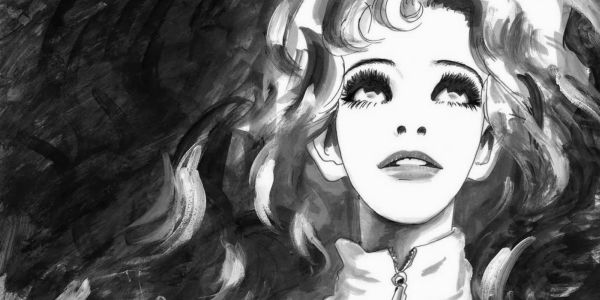
Helter Skelter isn’t a horror manga, but it’s one of the most unsettling manga about fame, beauty, and self-erasure. Kyoko Okazaki takes the glamor of celebrity culture and uses it to showcase a psychological collapse that feels intimate, ugly, and uncomfortably believable.
Japan’s top model, Liliko, is worshipped for a perfection that isn’t real. Her body has been surgically remade into an ideal, and her public identity is built on the assumption that the illusion will hold forever. When that perfection starts to fail, everything around her begins to fade. The story follows Liliko as she spirals into paranoia, cruelty, and desperation, clinging to the spotlight whatever way she can. Okazaki never reduces this premise to a simple moral lesson. Liliko is a victim, yes, but she’s also a monster, which makes this manga so hard to dismiss.
The critique running underneath is sharp. Helter Skelter is about what a culture obsessed with youth and beauty demands from a woman, and what it does to the ones who accept it. Liliko becomes a product, and her tragedy is that she succeeds at it.
Okazaki’s art leans into discomfort, featuring sketchy lines, uneven faces, and cold, white spaces that make scenes feel exposed rather than romantic. It’s a style that can be seen as rough, but that roughness is part of the effect.
As a short manga, Helter Skelter hits fast and lingers longer than most long-form psychological dramas. It’s beauty as body horror, filtered through a brutally human lens.
Genres: Psychological, Drama, Avant-Garde
Status: Completed (Josei)
2. Solanin
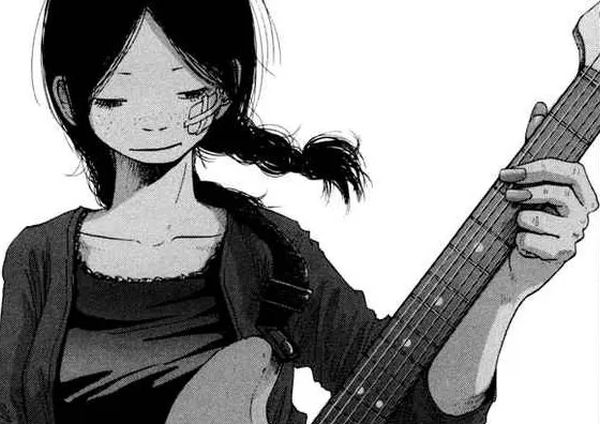
Inio Asano’s Solanin is a slice-of-life drama that understands that adulthood can feel like a slow fade into routine. It’s not built on big twists or grand ambition. It’s built on small days, stalled dreams, and the kind of sadness that creeps in when you realize nobody is going to tell you what you’re supposed to do.
Taneda and Meiko are a young couple who drift through post-college limbo. They work jobs they don’t care about, talk about possibilities, and quietly worry that their best times are already behind them. Then one day, Meiko quits her job. Instead of triumph, it’s shown as impulsive, messy, and hard on their relationship. But because of this honesty, the moment lands. The story follows them as they try to reconnect with the versions of themselves that still believed in something: their shared love for music.
Solanin stands out for its tonal control. Asano writes about the frustrations of ordinary, flawed people without turning into melodrama, giving them room to be unsure, conflicted, but still sympathetic. The art carries that emotional realism. Cityscapes look alive, faces are expressive without being exaggerated, and the panels linger on routine and silence in a way that makes the mundane feel loaded. Later story beats turn more dramatic, centering on grief and moving on, but it never feels like cheap manipulation. It feels heavy, yes, but it also feels real.
The biggest downside is how restrained Solanin feels. It’s slow, and if you’re looking for plot momentum, it may feel too quiet. But as a short manga, Solanin is remarkably complex and hits harder than many longer narratives. It’s a grounded, bittersweet drama, and it will stay with you long after the final page.
Genres: Drama, Slice of Life
Status: Completed (Seinen)
1. Ultra Heaven
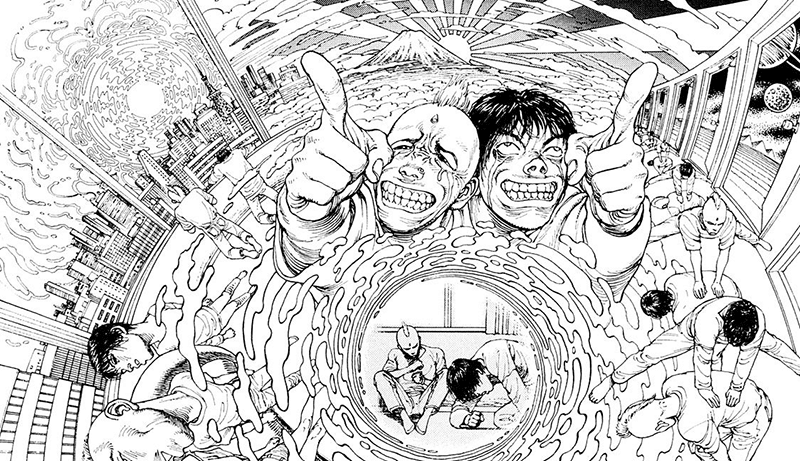
Ultra Heaven is the densest short manga on this list. Keiichi Koike turns familiar science-fiction beats into something stranger and closer to a visual experiment than a traditional narrative. It’s also the most psychedelic manga I’ve ever read, a work that treats the medium the way it’s characters treat drugs, as a gateway to altered perception.
The future is grim. Emotions can be manufactured and sold. Kabu, a small-time dealer and junkie, is addicted to these synthetic feelings. He lives for the next high until a mysterious figure introduces him to Ultra Heaven, an underground drug so potent it promises more than simple pleasure. From there, the manga becomes a spiral through addiction, altered perception, meditation, and the pursuit of transcendence.
The reason to read it is the art. Koike’s city scenes are gritty, grounded, and dense with detail, but during highs and meditative states, he breaks open the page unlike any other manga. Panels warp, overlap, and dissolve. Layouts turn into sprawling collages where perception stops making sense. Ultra Heaven doesn’t just depict hallucinations. It recreates them through structure, forcing you to experience the same vivid disorientation Kabu suffers through. Few manga have ever pushed form to such extremes while remaining readable.
Ultra Heaven’s biggest problem is fragmentation. It feels like a small part of something larger. Plot threads appear and evaporate, dialogue teases meaning before fizzling out, and its ending leans hard into abstraction. This focus on form over substance is part of its appeal, but it won’t be for everyone.
Even as a full-afternoon read, it still feels like a single sitting plunge into the outer edge of what manga can do, simply because the visuals keep pulling you in.
Genres: Psychological, Sci-Fi, Experimental
Status: Completed (Seinen)