Death game manga are one of my favorite subgenres. They turn survival into a set of rules. Whether it’s an elimination game, a rigged social experiment, or a high-stakes gamble, the appeal is the same: people get trapped, pressure rises, and you see who can think clearly when everything’s on the line.
This list is short, but it covers the range that makes the subgenre so addictive. Some entries are brutal survival stories where the games end in death, like Alice in Borderland and Kamisama no Iutoori. Others lean into a different kind of punishment, where the damage is psychological, financial, or social, like Kaiji or Liar Game.
In recent years, death game manga have only gotten more popular, with mainstream hits like Netflix’s Squid Game putting elimination formats in the spotlight. But the subgenre is broader than that. Some series depict pure survival-of-the-fittest scenarios. Others build tension through mind games centered on deception, group psychology, and people exploiting the rules. And then you have hybrids, which push high-stakes gambling into something that feels dangerous even when the game isn’t openly a death match.
All of these series stand out for the twisted situations they throw their characters into. Whether the players are students, ordinary people, or seasoned gamblers, death game manga show how fast morality bends under pressure, and how far people will go to survive or come out on top.
Mild spoiler warning: I avoid major plot revelations, but I’ll touch on each series’ premise and the games involved.
With that said, here’s my list of the best death game manga (last updated: January 2026).
9. Jinrou Game
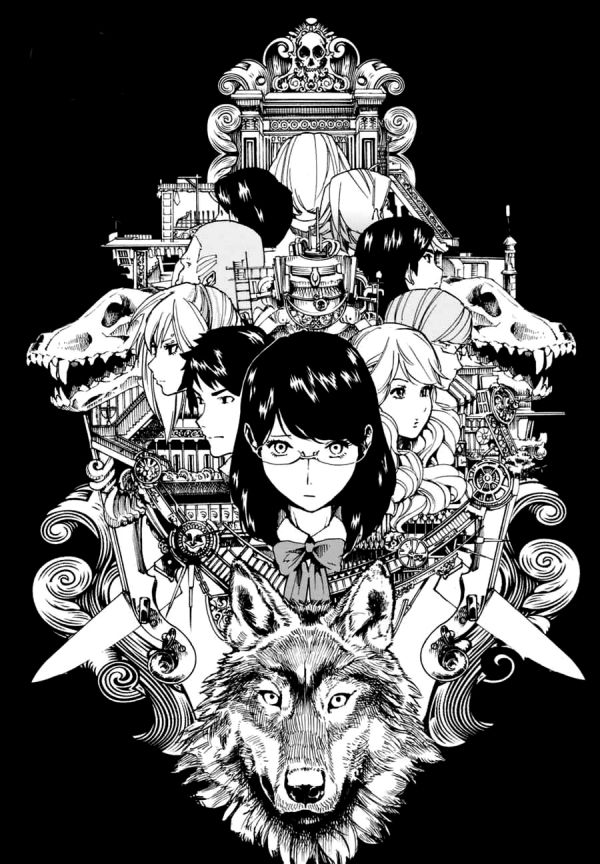
Jinrou Game takes the familiar Werewolf game and makes it literal. A group of high school students wake up trapped in an isolated space, assigned hidden roles as villagers or werewolves, and forced to follow rules that don’t bend. Every round tightens the noose, and the worst part is how quickly suspicion turns ordinary people into accusers, collaborators, or targets.
As a death game manga, it’s straightforward on purpose. The series sticks close to the villager’s perspective, which keeps the paranoia simple and readable instead of turning it into an elaborate mastermind narrative. Votes, nighttime murders, and the fear of being singled out do most of the heavy lifting. The plotting isn’t trying to reinvent the format, but it moves fast enough that predictability rarely has time to sour into boredom. It’s built to be consumed in one sitting, offering clean escalation and just enough small reveals to keep you flipping pages.

That speed comes at a trade-off. Character depth is limited, partly because the body count doesn’t give you much time to settle in. For some readers, that emotional distance is a weakness. For others, it’s part of the atmosphere, because it mirrors how the players feel. They’re confused, uninformed, and forced to judge people based on fragments. The art matches that approach. It’s solid and semi-realistic, more functional than striking, and it keeps the focus on expression and reactions over elaborate set pieces.
If you want a low-commitment death game manga, Jinrou Game works as a tight, accessible example of why social deduction games translate so well into manga. It won’t satisfy readers looking for deep psychological characterization or complex rules, but it’s a quick, readable spiral into group paranoia. If the setup grabs you, there’s more to explore afterward in follow-ups like Jinrou Game: Beast Side and Jinrou Game: Crazy Fox.
Genres: Horror, Mystery, Psychological
Status: Completed (Seinen)
8. Doubt

Doubt takes a familiar social-deduction format and turns it into a locked-room horror setup. The hook is the cell phone game Rabbit Doubt, where a group of rabbits has to identify the wolf hidden among them before they’re picked off one by one. When a handful of players meet up in real life, they end up trapped in an abandoned building, and the game restarts with real consequences.
What makes it work as a death game manga is how quickly it turns simple rules into paranoia. The group is small, the space is claustrophobic, and every conversation becomes a test of who’s performing and who’s panicking. Doubt wants you to play along, too. It gives you just enough information to form theories, then pressures you into second-guessing them as the situation deteriorates. If you liked the social suspicion of Jinrou Game, this hits the same nerve, even if Doubt leans more into horror.
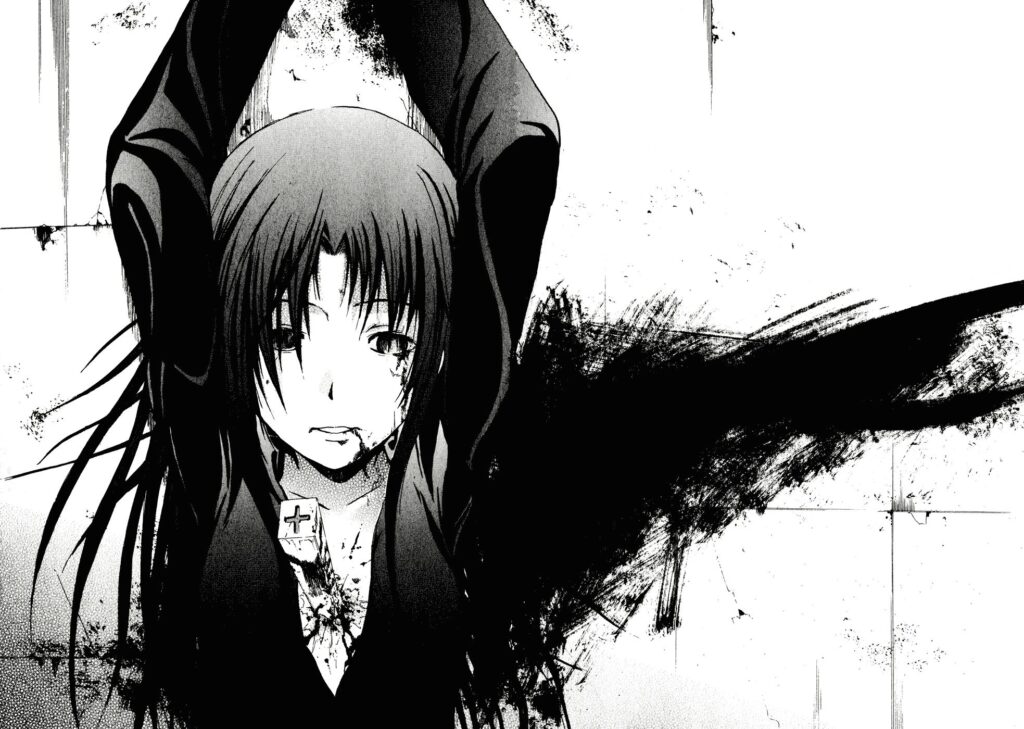
It’s also a quick read, but that brevity is part of its appeal. The series moves fast, keeps the cast lean rather than deeply explored, and leans into a horror movie rhythm where personalities matter less than the shifting alliances. The rabbit imagery helps, too. Those masks and repeated game prompts become a nasty visual signal, and the art genuinely supports the tension, even if some of the violence can feel abrupt.
The main problem is that Doubt is stronger in the ride than in the explanation. The ending is divisive, and some later turns can feel more like escalation than careful payoff. If you want clever clueing and a perfectly logical solution, this might frustrate you. But if you want a short, twisted death game manga that delivers suspicion, confinement, and a steady spiral of mistrust, it’s still effective, especially in a single sitting.
Genres: Psychological, Mystery, Thriller
Status: Completed (Shonen)
7. Tomodachi Game
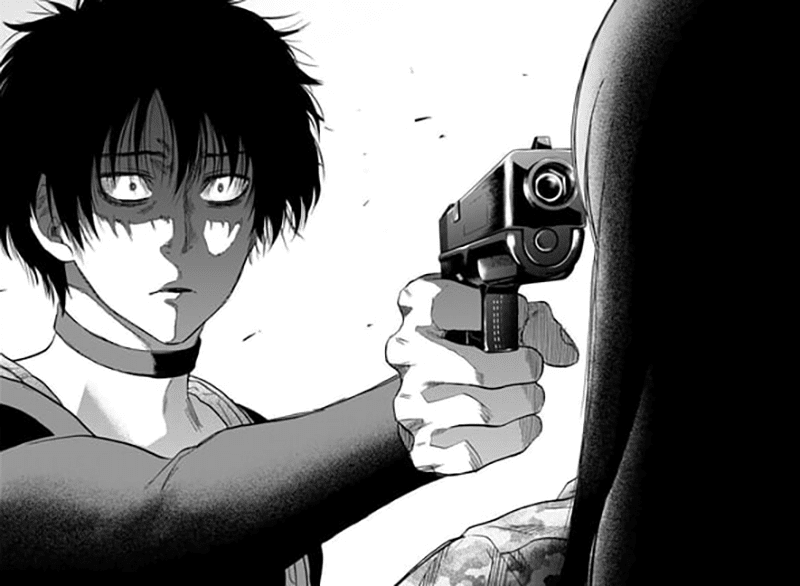
Tomodachi Game works because it turns friendship into a liability. It starts with a setup that feels almost petty: five high school friends saddled with debt after their class trip money goes missing, but the series doesn’t stay small for long. The game they’re forced into is built to weaponize trust, turning every round into a test of who’s lying, who’s panicking, and who’s willing to sell others out to survive.
As a death game manga, this one leans more psychological than bloody. The tension doesn’t come from gore or elaborate traps. It comes from rules designed to cause social damage. Each challenge pushes the characters into situations where cooperation becomes a strategic pose instead of a real bond. If you like stories where manipulation matters more than physical prowess, Tomodachi Game is the right choice.
The core reason it stands out is the protagonist Yuuichi Katagiri. He isn’t written like a typical shonen lead. Even early on, you can tell he’s comfortable doing the ugly thing if it gets results, and half the thrill is watching him shift from mild-mannered friend to cold operator. The art sells that transformation well, especially in moments where he stops pretending and takes control. A lot of the suspense comes from the question of what kind of person he actually is, and how far he’ll go when the rules reward cruelty.
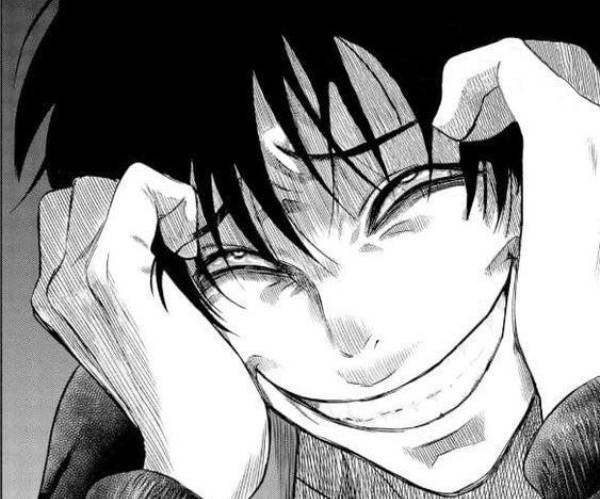
That said, Tomodachi Game has a real weakness: escalation becomes excessive. The series loves reversals, secret motives, and late reveals, and sometimes leans on retcons or shaky logic to keep the surprises coming. Over time, the constant twists can dull the suspense, because you start expecting the next big twist instead of feeling it. There’s also some fan service that can undercut scenes that would otherwise land harder.
Even with those flaws, it’s hard to deny the pull. Tomodachi Game stays addictive because its best rounds center on destroying established social dynamics, and the theme remains intact: what does friendship mean when trust has a price, and survival depends on betrayal.
Genres: Psychological Thriller, Suspense
Status: Completed (Shonen)
6. Gambling Apocalypse Kaiji
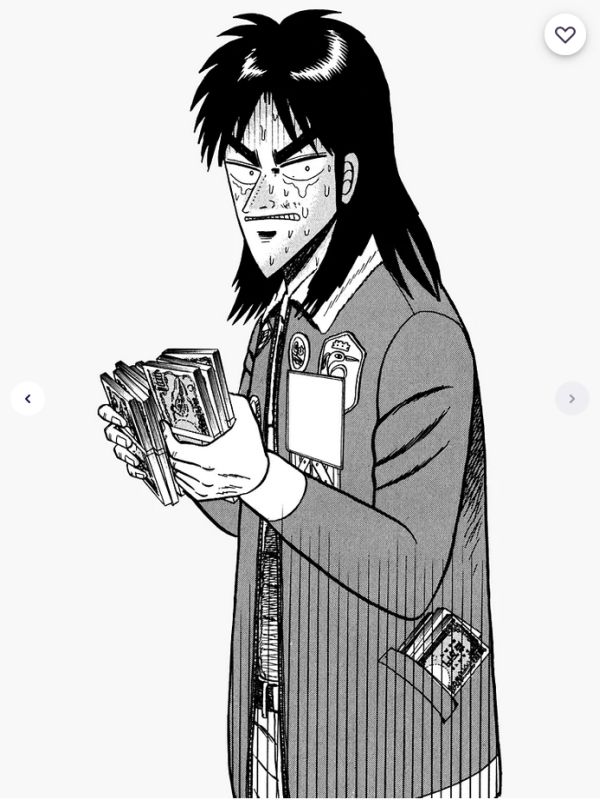
Kaiji starts from an ugly place, which is exactly why it works. Itou Kaiji is a broke drifter with no plan and no discipline, and he keeps making the same mistakes. When a debt collector shows up and tells him he’s inherited a massive loan he co-signed for someone else, the series sets its tone immediately. There’s no safety net, only interest rates, pressure, and people waiting to profit from your panic.
The hook is clean: Kaiji is offered a way out, but the escape route is a rigged gambling environment designed to produce losers. That’s why it belongs on a death game manga list even without constant bloodshed. The stakes are systemic. Win and crawl back to normal life. Lose and you fall into deeper debt, humiliation, and forms of punishment that feel like social execution. The games are structured to make desperation visible, forcing players to calculate risk in public, betray each other under stress, and rationalize decisions they’ll regret five minutes later.
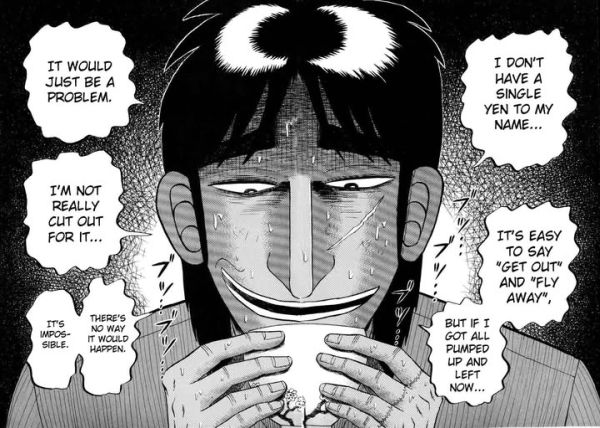
Kaiji’s biggest strength is that it makes strategy readable. Every round follows a clear logic, and the tension comes from watching Kaiji try to stay rational while his fear screams at him. Fukumoto lingers on thought processes, what-if scenarios, and split-second calculations, which turn simple mechanics into psychological warfare. You’re not just waiting to see who wins. You’re watching someone fight against his own impulses, and against the way the room turns cruel the moment money enters the equation.
The series also has a sharp moral core. Kaiji isn’t framed as a cold mastermind. He’s often kind-hearted in ways that get him punished, and he keeps wanting to believe other people can be decent, even when the environment rewards the opposite. That tension between trust and survival gives the manga its emotional bite, and it supports the wider critique running underneath: poverty and corruption aren’t abstract forces. They’re machines that turn people into predator and prey.
Fukumoto’s art can look odd at first, but it’s brutally effective at selling fear. Close-ups, sweat, and distorted expressions make every decision feel physical. If you enjoy Gambling Apocalypse Kaiji, there are also countless follow-ups in the broader Kaiji saga.
Genres: Psychological Thriller, Gambling, Drama
Status: Ongoing (Seinen)
5. Battle Royale
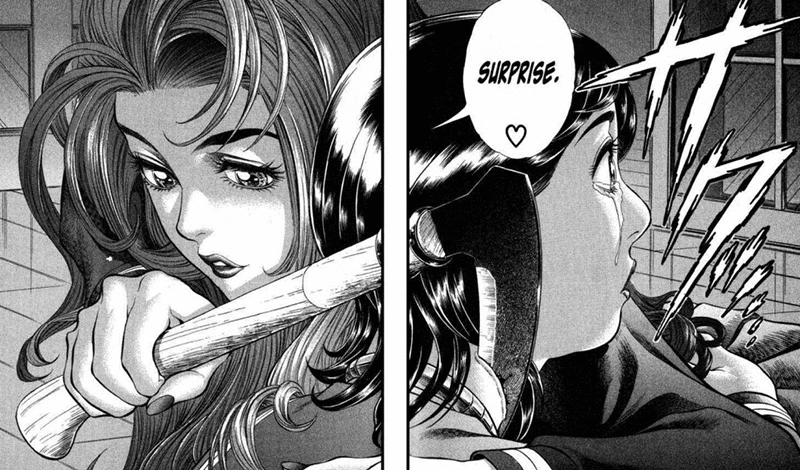
Battle Royale is the most brutal title on this list, and it isn’t brutal in a stylish, action-heavy way. It’s visceral, ugly, and often gratuitous, the kind of violence that’s meant to make you flinch instead of cheer. If you come to death game manga for pure survival pressure culminating in a sole survivor, this is one of manga’s most punishing reads.
Each year, a class of students is selected for a government program that strands them in an isolated location and forces them into a kill-or-be-killed scenario until only one remains. The rules are simple, but the psychological fallout isn’t. Battle Royale spends much of its time on how quickly group dynamics collapse. Alliances form, fracture, and turn ruthless. Some kids cling to decency, some freeze, and others give in to violence because it gives them the illusion of control. What sets the manga apart from many later imitators is how much space it gives its cast. As an adaptation of Koushun Takami’s novel, it leans into backstories, motivations, and personal relationships, which makes the deaths feel more personal. The result is a steady sense of dread, because you’re not just watching people die. You’re watching ordinary teenage conflict get warped by life-and-death paranoia.
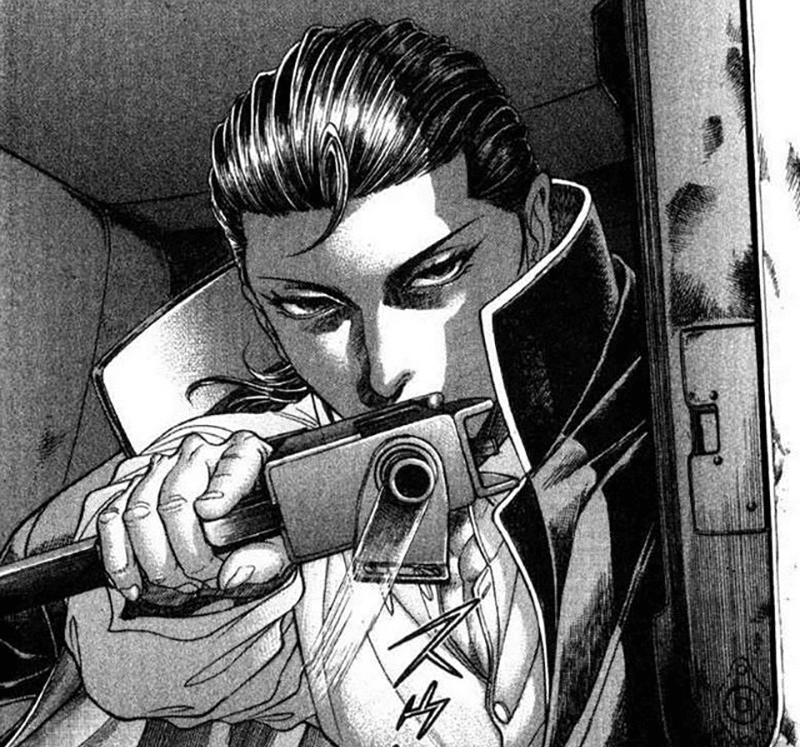
Masayuki Taguchi’s art is a huge part of the impact. It’s detailed, unflinching, and designed to emphasize desperation. When it works, that brutality sells the horror of the scenario. When it doesn’t, the series tips into excess, including moments of needless sexualization, and some of the violence can feel more stylized than it should. Structural repetition is also an issue. The manga cycles through introductions, backstories, and sudden elimination. Another flaw is character design. Despite the cast being roughly the same age, some characters look far younger or oddly older, which can pull you out of the moment.
Still, the core experience lands. I also have a soft spot for it because Battle Royale is one of my favorite movies, and the manga scratches a similar itch while expanding the material in its own way. If you want a death game manga that’s uncompromising, nihilistic, and hard to forget, this one delivers.
Genres: Survival, Psychological Thriller
Status: Completed (Seinen)
4. Liar Game
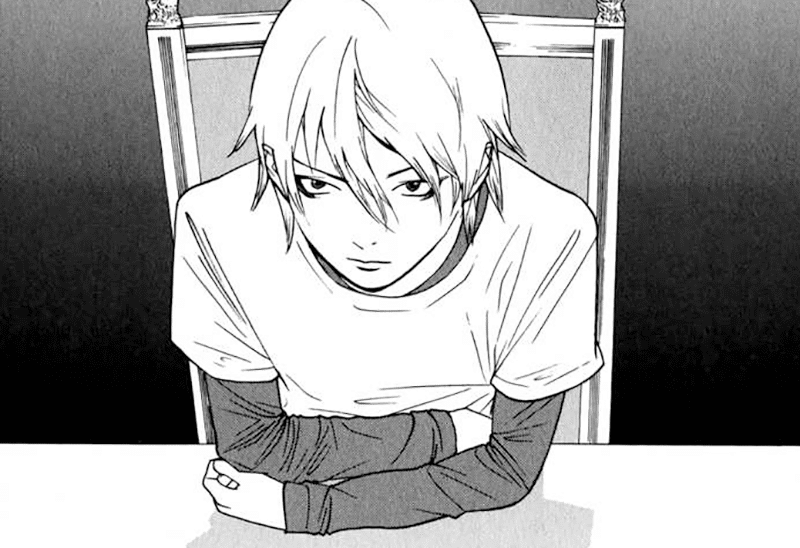
Liar Game is one of the cleanest arguments that death game manga don’t need gore to feel vicious. Its threat isn’t violence or death, but a rule set built around deceit, where every round rewards manipulation, punishes trust, and turns basic decency into a tactical weakness.
The hook is simple but effective. Kanzaki Nao is drafted into a competition where the stakes are absurd sums of money, and the game is designed to make you lose them. Nao is painfully honest, almost pathologically so, which makes her the perfect target in a system that assumes everyone will lie. After she’s conned early, she recruits Shinichi Akiyama, a recently released con artist and master strategist. Their partnership becomes the series’ driving force. Nao anchors the moral dilemma, and Akiyama treats every room like a puzzle full of exploitable behavior.
What makes Liar Game work is the structure of its rounds. The games often begin with rules that seem manageable, then reveal hidden incentives that turn cooperation into a trap. Kaitani is good at building situations where the real problem isn’t the rules. It’s the people. Who panics first, overplays confidence, or hides behind fairness to control others. The suspense comes from watching Akiyama read motives, set traps, and anticipate counter-traps from opponents who are just as committed.
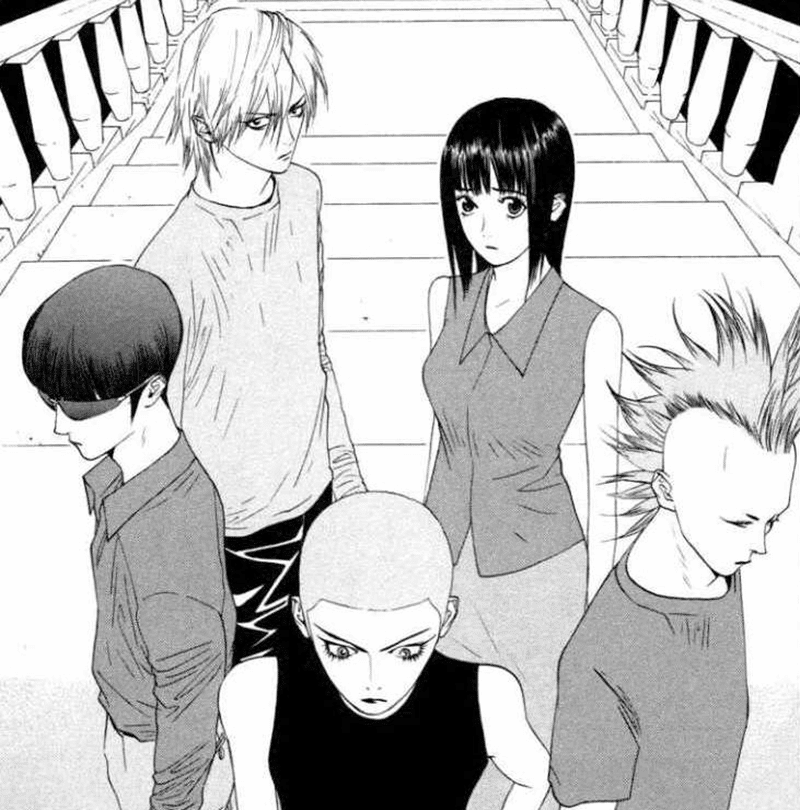
When the manga introduces other power players, the story shifts into psychological warfare. Some side characters are more archetypal than memorable, but the stronger arcs compensate by making group dynamics feel unstable and transactional. Even when the games get complicated, the tension stays rooted in social pressure, and the fear of being outmaneuvered in public.
Liar Game isn’t flawless. Rule explanations can run long, and if you don’t enjoy dense mechanics, the pacing will drag. The ending also feels smaller than the buildup suggests, like the series shies away from fully committing to its harsher themes. Still, as a death game manga built on strategy, bluffing, and human weakness, Liar Game is hard to beat.
Genres: Psychological, Thriller, Mystery
Status: Completed (Seinen)
3. Kamisama no Iutoori and Kamisama no Iutoori Ni
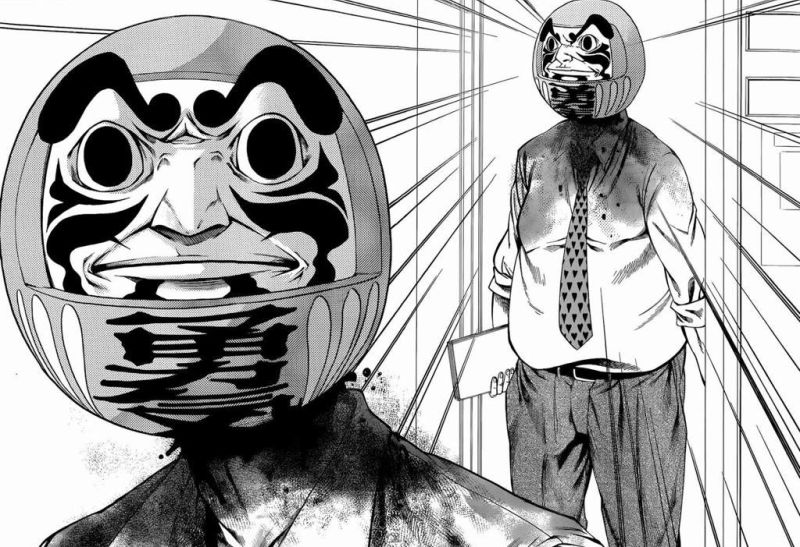
A lot of death game manga keep things grounded, or at least plausible. Kamisama no Iutoori and its sequel reject that approach almost immediately. The series treats the collapse of normal life as a baseline, then builds its tension through absurdity, folklore, and games that feel like they were designed by someone cruel and childlike. It’s also my favorite manga in the subgenre, largely because it stays unpredictable without feeling random.
The story starts when a normal high school day is interrupted by a deadly children’s game, and then commits to escalation through variety. Each challenge starts as a recognizable activity or tradition, but twisted into a rule system where one misunderstanding can get you killed. The games are rarely about brute strength. They’re about noticing constraints and figuring out the real objective before panic turns into chaos.
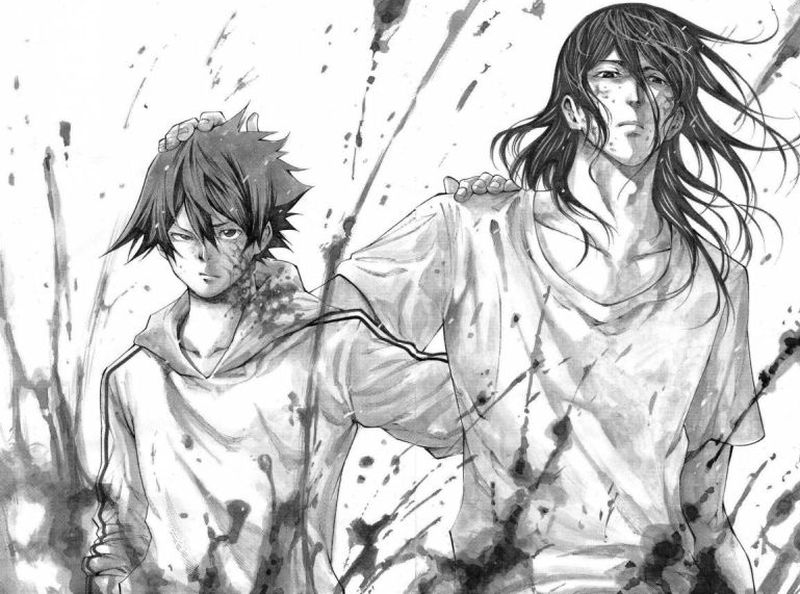
The cast is a big part of why the series stays sharp. Instead of leaning into safe archetypes, it thrives on unstable personalities. Amaya sets the tone as a charismatic sociopath who treats the games like his personal playground, and the story shows how dangerous that mindset becomes to others who are trying to survive. Ushimitsu is the standout, though. He starts as a volatile wildcard and gradually becomes one of the series’ deepest and most nuanced characters. Not everyone lands so well. Akashi, Part 2’s protagonist, is a classic good-hearted lead, and that can feel a little odd next to the manga’s wilder elements.
It also helps that the series comes in two parts, with Kamisama no Iutoori Ni expanding the scope through a new group of players before circling back to the original plot. The jump in art between parts is noticeable. Part 1 is solid, while Part 2 is more detailed, more stylized, and better at showcasing high-pressure moments.
There are flaws. Some later games run long, and the ending remains divisive. Still, if you want a death game manga that leans into surreal cruelty, inventive rule design, and characters who feel one bad decision away from death, this is a strong pick.
Genres: Survival, Psychological Thriller, Action
Status: Completed (Shonen)
2. Alice in Borderland
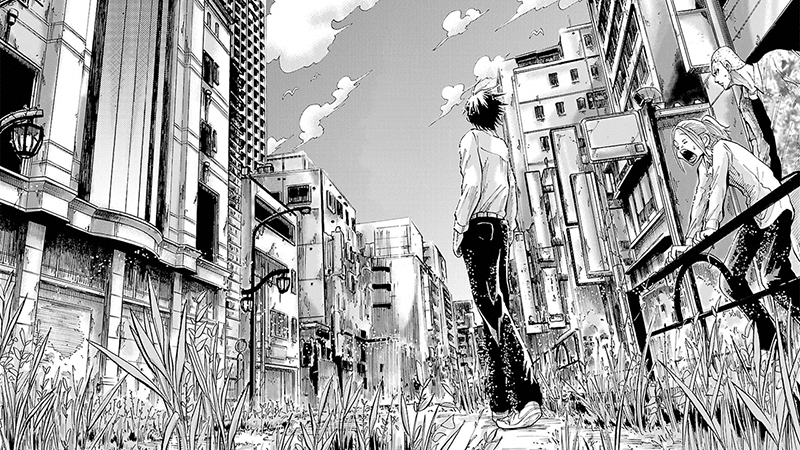
Alice in Borderland drops its cast into an empty version of Tokyo and makes survival feel bureaucratic. You don’t just need to win a game to stay alive. You need to earn time, measured in visas, and once your time runs out, the punishment is absolute. That structure creates constant pressure because every victory is temporary, and every delay is a gamble.
The series’ smartest choice is how it categorizes its challenges. Each game is tied to a playing card suit and a difficulty rating. The suits usually tell you what kind of problem you’re walking into. Spades lean into physical prowess, diamonds reward logic, clubs are for teamwork, and hearts center on trust, empathy, and emotional vulnerabilities. That variety keeps the tension from flattening into a single rhythm. At times, the rounds are brutally simple, built around quick comprehension and fast movements. At others, they’re slower, more psychological, and more cruel, because they force the players to weigh survival against loyalty.
As a death game manga, it also avoids the trap of relying on a single omniscient genius to carry the suspense. Ryohei Arisu is smart and observant, but he isn’t a superhuman mastermind. He makes mistakes, hesitates, and acts like someone who’s trying to function under pressure. That grounded perspective helps the games land as real experiences rather than brutal puzzle showcases. It also leaves room for other players to matter, especially characters like Usagi or Chishiya.
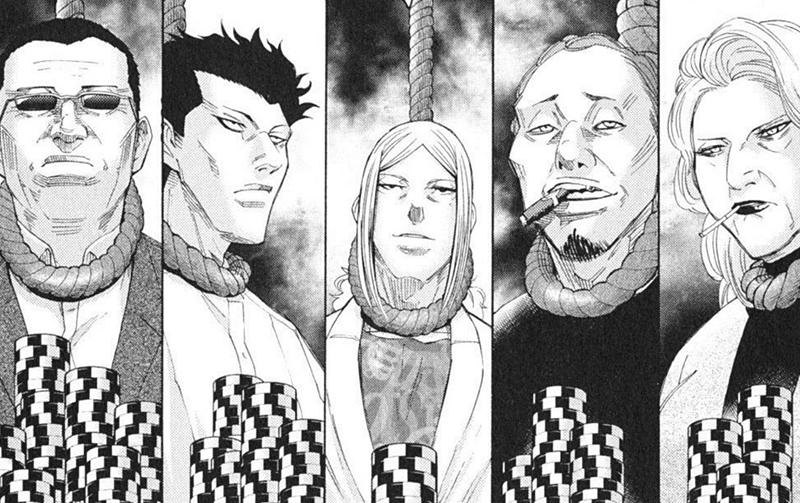
Haro Aso’s art does a lot of work to sell the setting. The deserted cityscapes feel eerily calm, while the game spaces feel meticulously engineered. When violence arrives, it’s staged clearly, without turning the suffering into spectacle. The result is an atmosphere that stays tense even between games, because the world itself feels hostile.
The main downsides are pacing and focus. Later stretches can feel more episodic, shifting attention from the main cast to expand the world. Depending on your taste, that either deepens the world or loosens the tight momentum of the early arcs. The ending is also divisive. It fits thematically, but it might undermine the manga’s earlier tension and stakes.
If you want a survival thriller with clear rules, varied game design, and a strong sense of escalation, Alice in Borderland is one of the most competent death game manga out there.
Genres: Survival, Psychological Thriller, Action
Status: Completed (Shonen)
1. Usogui
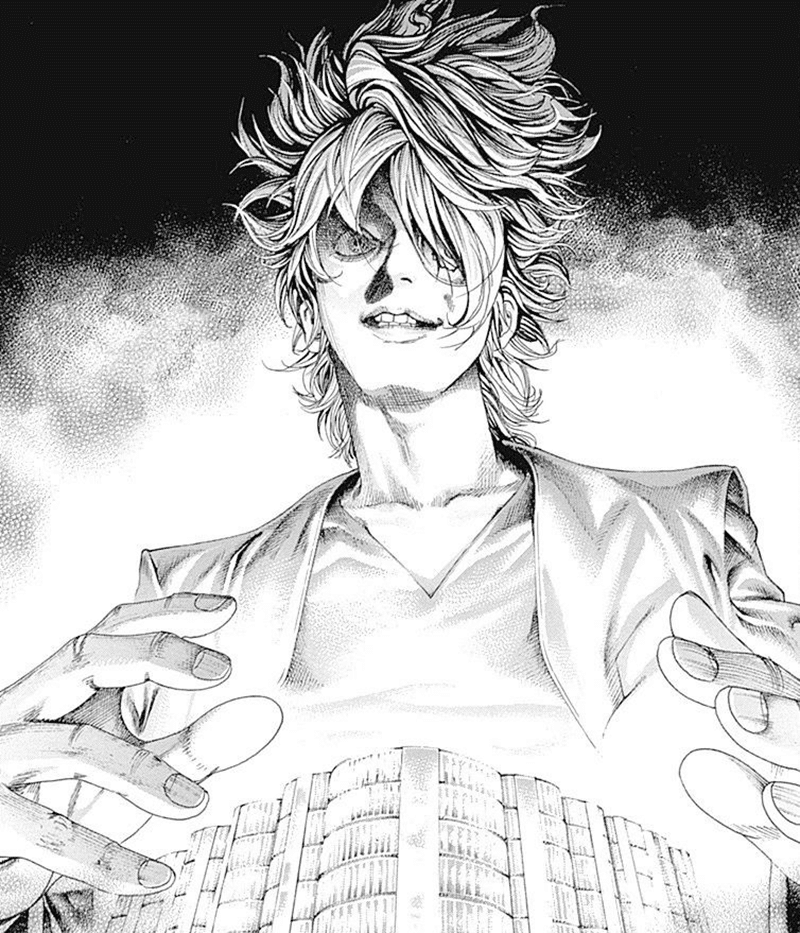
If you want high-stakes gambling treated as a life-or-death scenario, Usogui is the standard. It treats games the way some manga treat combat, as a discipline with its own mechanics, tells, and counters. The difference is that the damage starts as psychological until it doesn’t. Every gamble has consequences enforced by an underground organization that doesn’t tolerate excuses.
Baku Madarame, the Lie Eater, enters these matches with an almost unnatural calm. He isn’t framed as a moral hero or a relatable underdog. He’s a specialist, someone who understands the most reliable weapon in a closed rule set is control of perception. The organization that oversees the gambles, Kakerou, matters because it turns them into binding contracts. Their referees don’t care who deserves to win. They care about every bet being honored, and that keeps the tension clean. When the rules are absolute, the only question is who can exploit them better.
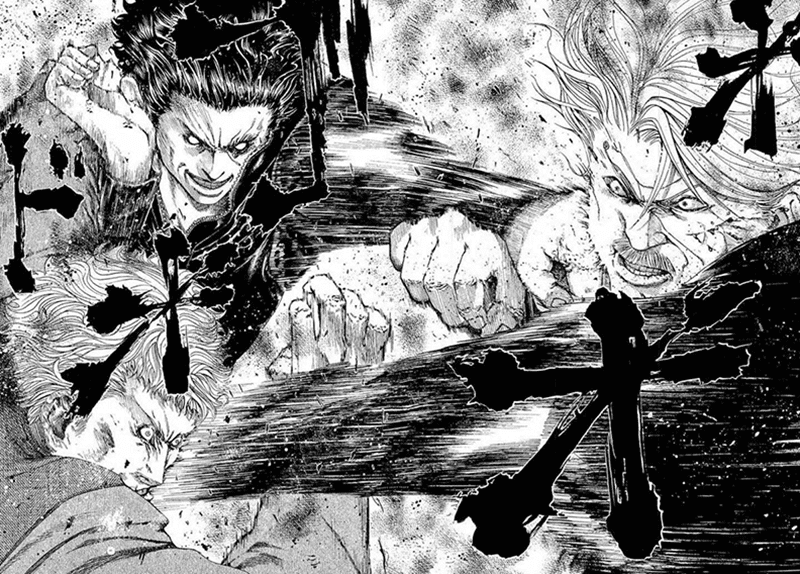
Usogui can be deceptive at the start. The opening stretch is rougher and more survival-leaning, and the art is less refined early on. It’s not the series at its full strength. The shift happens once the games emphasize layered deception, hidden information, and strategy that unfolds over time. The Labyrinth arc is where the manga shows its real identity, built around cheating, double bluffs, and psychological pressure that keeps escalating without losing coherence.
From there, the manga becomes increasingly ambitious. The games grow more complex, but they remain readable. You can track why a move works, why a bluff lands, and why a mistake is fatal. The art evolves alongside the escalation. Panels get sharper, motions become clearer, and the pacing feels more controlled.
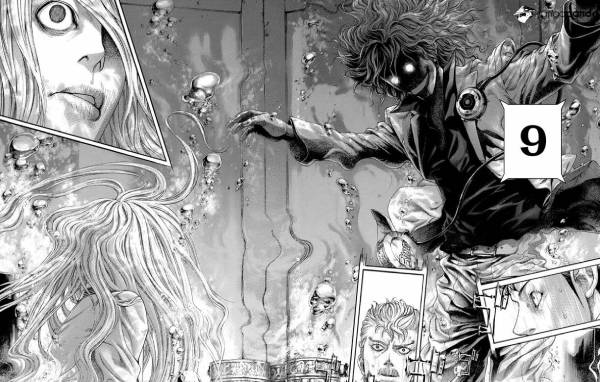
The peak arcs are famous for a reason. Air Poker is one of the most distinctive, high-tension gambles in manga, not because it’s complicated for its own sake, but because of the art direction, clever strategies, and constant reversals. Surpassing the Leader delivers the same pressure on an even larger stage, pushing the series toward its most extreme form of mind-game storytelling.
As a death game manga, Usogui is a rare example that keeps raising the ceiling. If you want psychological warfare treated with the seriousness of a duel, and you don’t mind a slower early stretch before it becomes addictive, this is a crowning achievement.
Genres: Psychological, Gambling, Thriller
Status: Completed (Seinen)