Science-fiction has always been one of manga’s strongest pillars. Whether it’s neon-soaked cyberpunk cities, ruined futures, or high-concept worlds built around one terrifying idea, science-fiction manga has a way of making the genre feel limitless. The best series don’t just dress up a story with technology. They use the setting to change how life works, how people think, and what survival means.
This list covers a wide range of science-fiction manga, from genre-defining classics to modern standouts. Every title here earns its place through the strength of its worldbuilding, its core science-fiction concept, or the way it explores a future shaped by progress, collapse, or both. Some of these stories are brutal and violent, others are quiet and reflective, and a few are so strange they barely fit the genre at all. What they share is a commitment to speculative worlds that feel real on the page.
One reason science-fiction manga remains beloved is the variety. You’ll find manga that grew out of Japan’s early cyberpunk movement, stories built around space travel and long-term survival, and post-apocalyptic settings where humanity clings to the last scraps of civilization.
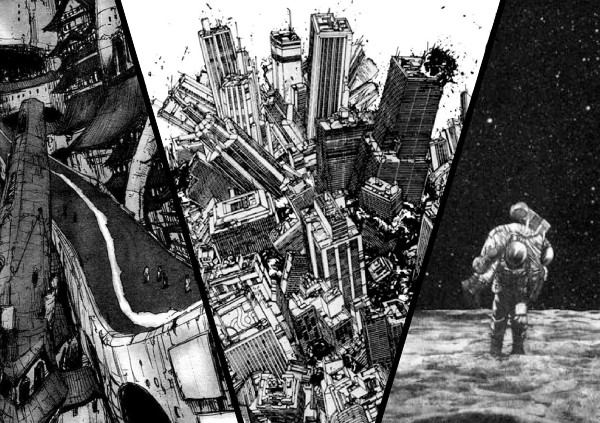
Some series, like Nausicaä of the Valley of the Wind or Land of the Lustrous, use their worlds to tell more ambitious, thematic stories. Others, like Blame! or Girls’ Last Tour, lean into isolation and scale, placing small human lives against environments that feel endless and indifferent. You’ll also find grounded stories like Planetes, which explores what a future in space might actually look like. And for readers who like their science-fiction stranger, titles like Joshikouhei and Ultra Heaven twist futuristic ideas into something surreal and unpredictable.
No matter the era or tone, these manga stand out because they commit to their concepts. Some are somber reflections on life in the future, others are technological nightmares where progress becomes the threat. Either way, the setting isn’t just flavor. It’s the point.
Mild spoiler warning: I’ll keep each entry focused on its science-fiction elements, but a few early plot details are necessary to explain why a series belongs here.
With that said, here are the 28 best science-fiction manga (last updated: February 2026).
28. Origin
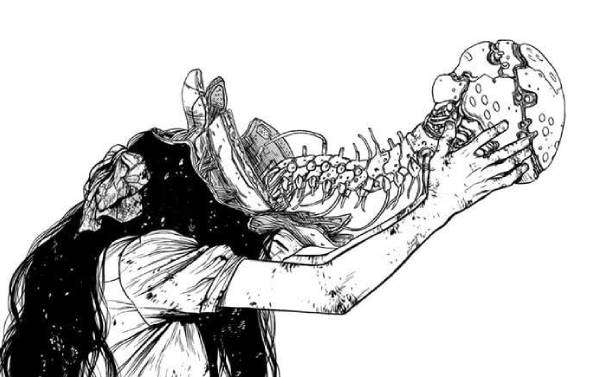
Boichi’s Origin is one of the more modern entries on this list, and it’s firmly cyberpunk. That said, it’s not the kind of story you might expect from its premise. It opens with neon sprawl, corruption, and inhuman threats hiding in plain sight, but it doesn’t rely on spectacle.
The premise transports us to Tokyo in 2048. The city’s now the hub of a massive Eurasian railroad linking much of the northern hemisphere. Crime and corruption are rampant, and so are darker forces. The protagonist, a prototype android named Origin, hides in plain sight while hunting down other artificial beings who blend in just as easily. On paper, this might sound like a typical killer android vs. killer android story, but much of the series’ personality comes from what happens between these fights. Origin has to work, pay rent, keep his cover intact, and deal with repairs and upgrades as if they’re just part of his weekly routine. That mundanity gives the science-fiction concept a realistic edge, and it makes his loneliness land harder than the action does.
As a science-fiction manga, Origin works best when it leans into identity and restraint. Origin’s reasoning is cold, direct, and often unintentionally funny, but there’s something quieter and tragic behind it. He studies people the way a machine would, searching for something he can’t fully replicate. The violence hits fast, but the story keeps circling back to what it means to exist in a human world without being one. Boichi’s art does a lot of heavy lifting here. The mechanical detail is intricate and sharp, the fights are easy to follow and well choreographed, and the city feels dense without becoming visual noise.
The downside is that Boichi can’t resist undercutting his own atmosphere. Origin frequently features awkward fan service and tonal whiplash, moving from thoughtful scenes into exaggerated comedy or distracting sexual innuendo.
Later chapters lose some of the careful mood the manga builds early on, and the ending feels rushed and almost too ambiguous for its own good. Still, Origin is a cyberpunk science-fiction manga with a strong sense of character, stunning art, and a focus on the more mundane parts of futuristic urban life.
Genres: Sci-Fi, Cyberpunk, Action, Thriller
Status: Completed (Seinen)
27. Bokurano
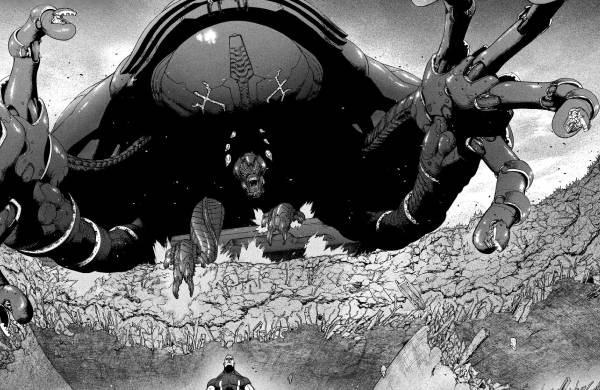
Bokurano is a science-fiction manga built around one of the most recognizable setups in the genre: a group of kids is asked to pilot a giant mech and protect the world. But instead of treating that premise like a power fantasy, it turns it into something closer to a nightmare. It starts as a game. They agree to fight, then learn what that promise actually means.
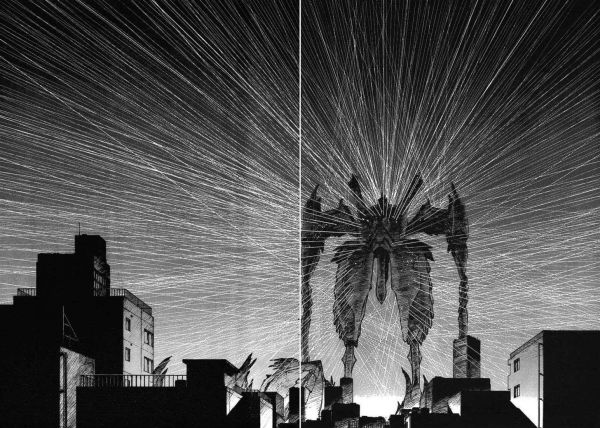
The battles themselves don’t feel triumphant. Each fight is framed around consequences and costs. Cities get destroyed, collateral damage piles up, and even survival comes at a price. Bokurano centers on one major theme: how you spend what little time you have when saving the world is a death sentence. That pressure gives the story its momentum. It doesn’t rely on twists, but lets the premise do the work.
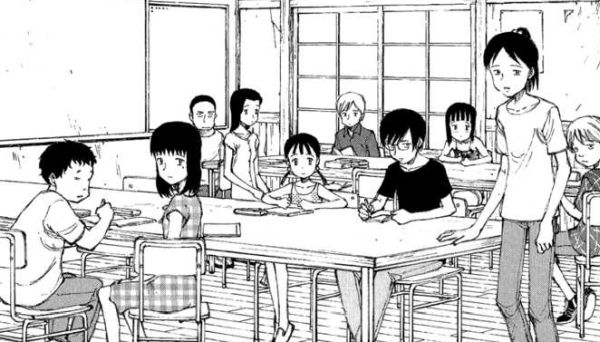
Structurally, it’s episodic. It focuses on the children one by one, showing how each of them handles the situation. We see fear, denial, numbness, and even anger, but not only in the cockpit. The tone is heavy, and doesn’t flinch from abuse, exploitation, and broken families. Instead of dodging these topics, Bokurano leans into them, making its science-fiction premise hurt even more. It’s not a distant tragedy. It’s intimate misery given center stage.
The downside is that Bokurano can be emotionally blunt, sometimes to the point of feeling scripted. Some characters don’t act like real kids, and some of the philosophical beats feel awkward instead of sharp. Still, if you want a science-fiction manga that treats mecha as psychological horror and commits to consequences instead of catharsis, Bokurano will stick with you.
Genres: Drama, Psychological, Sci-Fi, Mecha
Status: Completed (Seinen)
26. No. 5
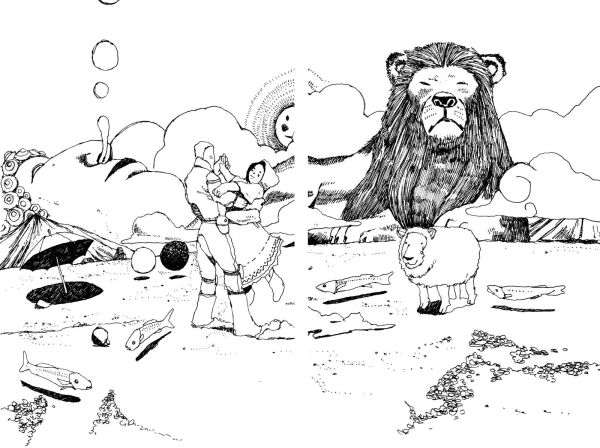
No. 5 is one of the strangest entries on this list, a science-fiction manga that barely feels like a conventional story. Taiyō Matsumoto throws you into a world that’s become 70% desert and refuses to explain anything you’re seeing. The result is less a clean narrative and more a fever dream, combining violence, symbolism, and deadpan absurdity.
The premise makes it sound straightforward enough. No. 5 is a marksman working for an elite group called the Rainbow Council. One day, he goes rogue, setting out across the scorched wasteland with the enigmatic Matryoshka. All the while, he’s being hunted down by former allies who feel less like traditional soldiers and more like bizarre ideas made into characters. From there, the series refuses to offer you any form of structure and instead operates on dream logic. You’re given no background or exposition, conversations feel stilted and coded with symbolism, and the world’s rules seem arbitrary by design.

What makes it work is how fully Matsumoto commits to this disorientation. No. 5 doesn’t build tension through escalation or a clean plot. It builds it through atmosphere and momentum, the sense that you’re traveling through a world that refuses answers. It can read like a random puzzle, but the randomness feels deliberate. The setting follows the same logic. At first glance, it feels dystopian, but it’s also strangely playful. One moment might be brutal, the next surreal, and the shift never comes with any kind of warning.
The art is what makes it all work. Matsumoto’s linework is loose, sketchy, and expressive, with a grime-stained energy that makes the desert feel endless. Characters look bizarre and human at the same time, and the action has a jagged, kinetic rhythm that fits the story’s instability. Even when you’re not sure what’s going on, you’ll get swept along by the art.
The downside is accessibility. No. 5 can feel impenetrable, and it offers neither exposition nor a clean payoff. If you want stories that explain their concepts, this will feel borderline nonsensical. But as a science-fiction manga with a focus on mood, imagery, and pure weirdness, it’s a singular experience.
Genres: Sci-Fi, Action, Psychological, Surreal
Status: Completed (Seinen)
25. AD Police
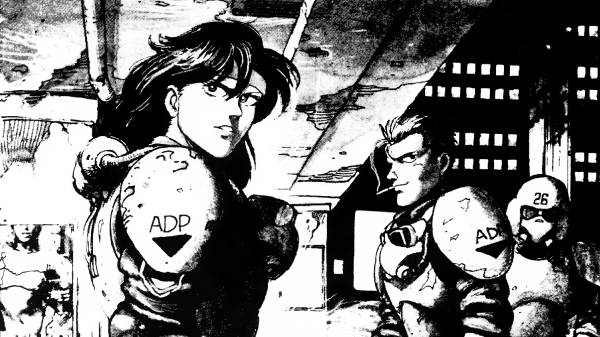
AD Police is set in the Bubblegum Crisis universe, which immediately made it a must-read. Bubblegum Crisis was the first anime that pulled me into the cyberpunk genre, so I was excited when I found a manga set in the same world. It doesn’t have the same flashy action or scale as the anime series, but as a science-fiction manga, it holds up surprisingly well, especially if you’re a fan of gritty 1980s futurism.
The setting is MegaTokyo, a city defined by sprawling infrastructure, neon-lit decay, and the constant threat of machines going berserk. The AD Police are a specialized unit to deal with these types of crimes. The machines they face are called Boomers, sentient androids designed for labor and security. The officers respond with powered armor and military-grade tech, making their operations look more like urban warfare than traditional policing. Even when they’re doing the right thing, they leave trails of destruction behind, making them anything but heroes in the public eye.
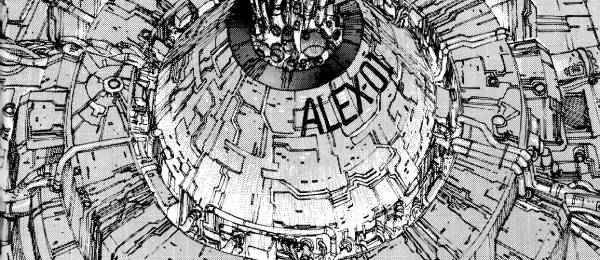
Structurally, AD Police can feel episodic at first, but it eventually builds into something bigger. The focus on smaller cases fits the setting well and allows the manga to show different sides of the same job. You get rogue androids, institutional burnout, and a creeping sense that humanity is losing control over its creation. The best moments aren’t speeches or big reveals. They’re the ones where the job feels like routine, showing that MegaTokyo has been living this nightmare for long enough to normalize it.
The art and mood are the main draw. AD Police features everything that made late-1980s cyberpunk so popular: dense, grim city shots, neon lights, and rain-slicked streets. The action is clean, and even when the plot moves fast, it captures those classic themes of morality, power, and anxiety about modern technology.
Unfortunately, AD Police is short. At only nine chapters, it can feel more like a teaser than a fully realized story, and character development often takes a back seat to action and setup. Still, as a science-fiction manga, it’s an entry that captures cyberpunk’s golden age, and ideal for readers who want grit, style, and dystopian policing.
Genres: Sci-Fi, Cyberpunk, Action
Status: Completed (Seinen)
24. Hotel
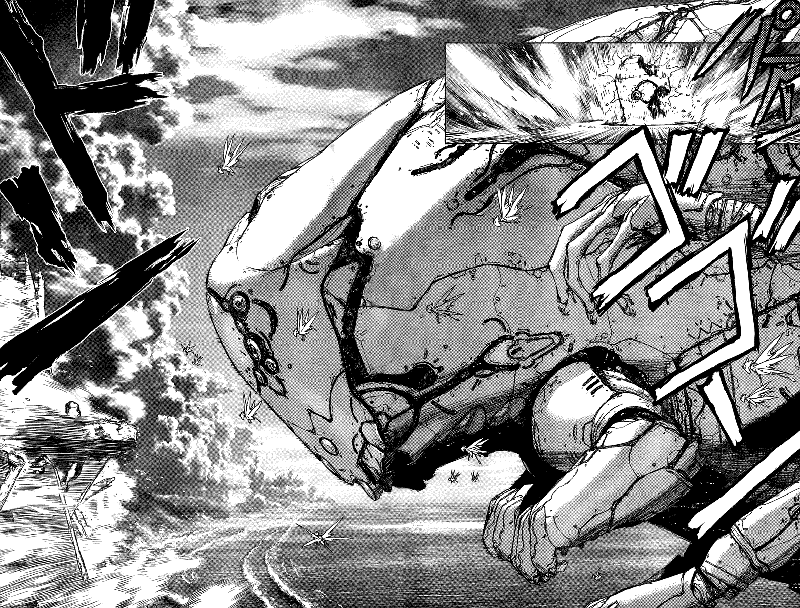
Hotel is among the best one-shot collections I’ve read, and also a reminder why Boichi is such a standout artist in manga. Even if you’ve never read his longer series, it makes the appeal obvious within a few pages. Every chapter looks incredible, and even when the plot wavers, the visual craft alone makes you keep reading. As a science-fiction manga, it’s refreshingly varied, jumping from more somber narratives to outright absurdity without losing its identity.
The stories aren’t connected in any direct way, but share a loose thematic thread. Boichi seems drawn to bigger ideas, especially the kind that pushes human ambition to its limits. The title story, Hotel, is easily the centerpiece. It follows an AI tasked with maintaining a massive facility that preserves Earth’s genetic information, essentially an archive created to outlast humanity itself. It’s strange, lonely, and surprisingly heartfelt at the end, delivering an emotional payoff that only great short stories pull off.
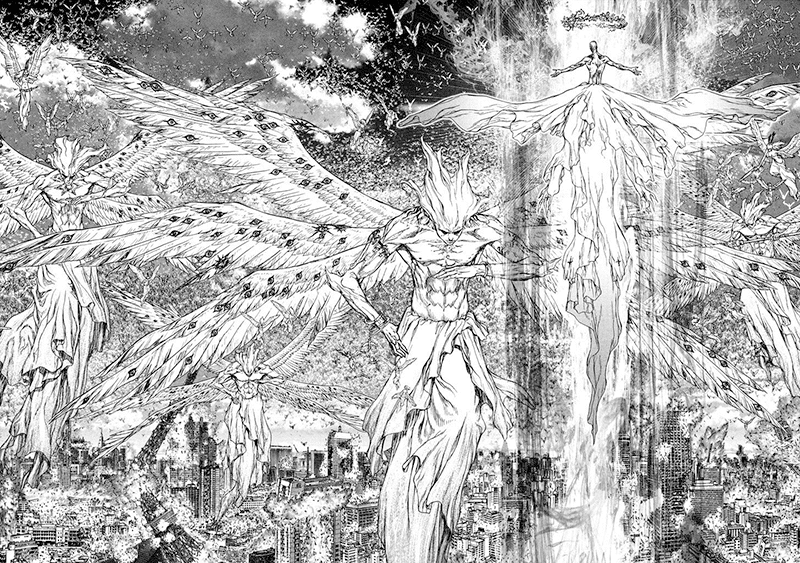
From there, the collection becomes more varied. One chapter leans more somber and grounded, using science-fiction elements as a vehicle rather than spectacle. Then things get more chaotic, especially in the infamous ‘tuna’ story, which begins with a scientist trying to revive an extinct species and gets more outlandish the longer it goes. It’s the kind of escalating weirdness that shows just how much Boichi is enjoying the absurdity. There’s also a chapter that’s lighter on science-fiction and feels more like an excuse to visualize a bizarre idea rather than a full narrative.
The final chapter is the purest showcase of Boichi’s skill. It’s presented in full color and looks stunning, even if it doesn’t offer much in terms of plot. That’s the main drawback with Hotel. While none of the stories are outright bad, their quality varies, and some feel more like visual experiments than complete concepts. Still, the highlights are genuinely strong, and the overall experience is worth it for the range alone.
This is a science-fiction manga ideal for readers who want short, memorable bursts of imagination presented with stunning, highly polished art.
Genres: Sci-Fi, Anthology, Drama
Status: Completed (Seinen)
23. All You Need Is Kill
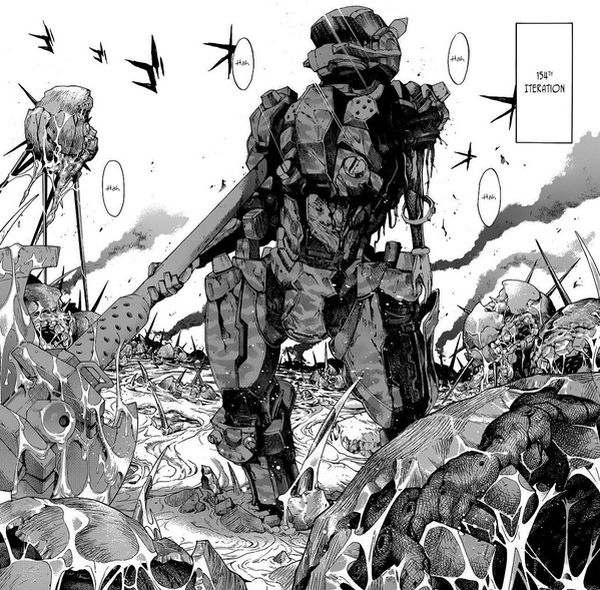
All You Need Is Kill is a compact, brutal science-fiction manga. As a two-volume adaptation of Hiroshi Sakurazaka’s novel, it’s built on one brutal premise: dying is practice. It doesn’t just focus on action. It shows how repetition grinds down its protagonist, turning every reset into a lesson in survival, discipline, and psychological erosion.
Aliens known as Mimics have invaded Earth. Humanity is fighting a losing battle, and newly conscripted Keiji Kiriya dies almost instantly during his first deployment. That’s when it starts. Keiji wakes up the day before the battle, thinking it was all a dream. When the same details keep repeating, he realizes he’s trapped in a time loop that resets every time he dies. It’s a simple concept, but the execution stays sharp. With each reset, Keiji learns more about the enemy, the battlefield, and the cost of hesitation. Quickly, fear gets replaced by routine, and we watch him as he grows from recruit to seasoned fighter.
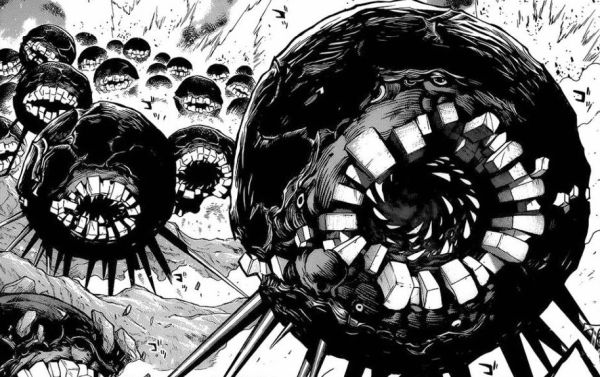
The science-fiction elements are lean but effective. The powered suits give the action real weight without turning it into mere spectacle, and the Mimics feel alien in a genuinely disturbing way. The time premise gives the series a high-concept edge, but it also forces the reader to watch the same day repeat while the character keeps evolving. The story really takes off once Keiji crosses paths with Rita, a legendary soldier and veteran of many battles.
A huge part of the series’ appeal is the art by Takeshi Obata. The military tech, including the exosuits, is rendered with crisp detail, while impacts and motions are clear, making the action easy to track even as the pacing grows more aggressive. The main limitation is the rushed finale, and the thin supporting cast. Outside of Rita and Keiji, most characters feel one-dimensional.
Still, for its two-volume run, it lands harder than a lot of longer science-fiction manga.
Genres: Sci-Fi, Action, Mecha
Status: Completed (Seinen)
22. Trigun Maximum
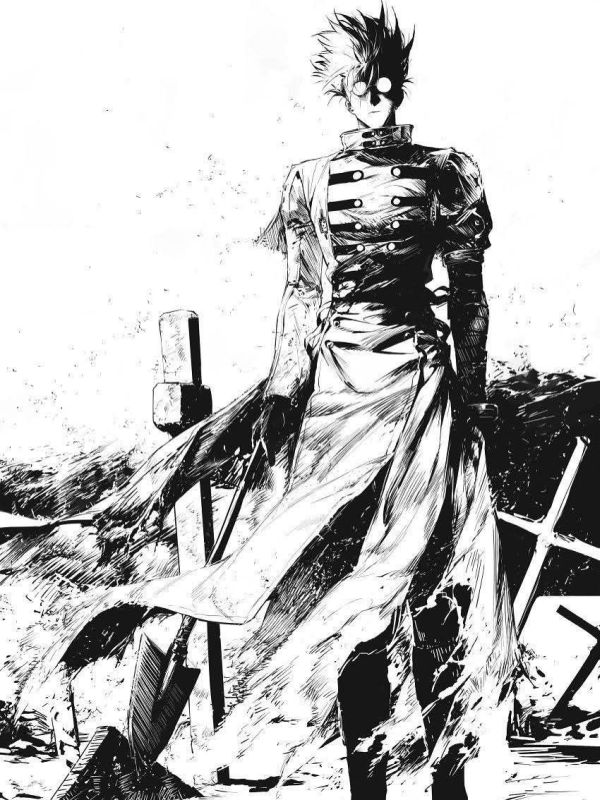
I first ran into Trigun through its original anime adaptation, and it felt like the perfect gateway into science-fiction Western storytelling. Reading the manga later made one thing obvious: Trigun Maximum is where the series truly shines. It’s a science-fiction manga that starts with chaos and comedy, then gradually becomes something more serious, emotional, and ambitious than its early tone suggests.
The core setup is simple but memorable. On the desert planet Gunsmoke, Vash the Stampede is a legendary criminal with a $$60,000,000,000 bounty on his head, and a reputation for destroying entire cities. Bounty hunters follow him wherever he goes, turning every town into a battle zone before he can even catch his breath. The truth is that Vash isn’t a cold-blooded outlaw. He’s a pacifist with ridiculous skill, obsessed with love and peace, and committed to never killing anyone, no matter how ugly the situation gets. That contradiction is the series’ driving force. The violence follows him everywhere, and every time he tries to do the right thing, he gets punished for it.
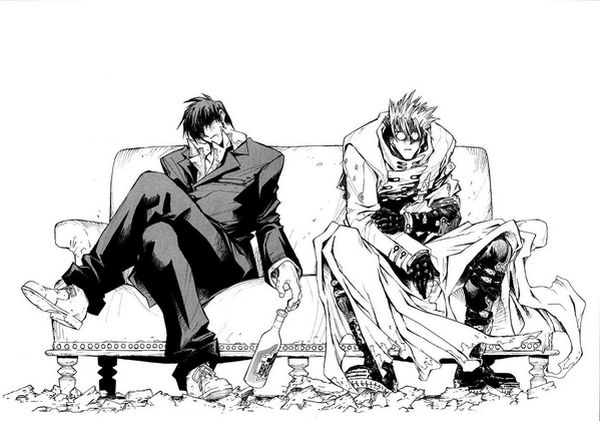
What makes Maximum hit harder than the original Trigun run is that it shifts its episodic mayhem into a larger conflict with real weight. The world feels harsh and exhausted, like a place barely held together by stubborn survival and half-functioning technology. As the story continues, we learn more about Vash’s past, the planet’s history, and the forces that keep pushing him toward breaking his moral code. This is when we meet Nicholas D. Wolfwood, arguably Trigun Maximum’s greatest character, and an ideal counterbalance to Vash. He’s pragmatic, lethal, and consistently testing whether Vash’s idealism is bravery or delusion.
While Trigun Maximum is still fun, it’s not as lightweight anymore. The comedy never fully disappears, but the emotional beats become more serious, and confrontations feel inevitable. Nightow’s art is generally great, but it can get messy during high-motion battles. This roughness fits the setting, but it’s the manga’s clearest downside, apart from a few plot beats that lean harder into chaos than clarity.
Trigun Maximum is a science-fiction manga that doubles as a desert epic and moralistic tale, full of gunslinger action and high-concept ideas.
Genres: Sci-Fi, Action, Adventure, Drama, Comedy
Status: Completed (Seinen)
21. Fire Punch
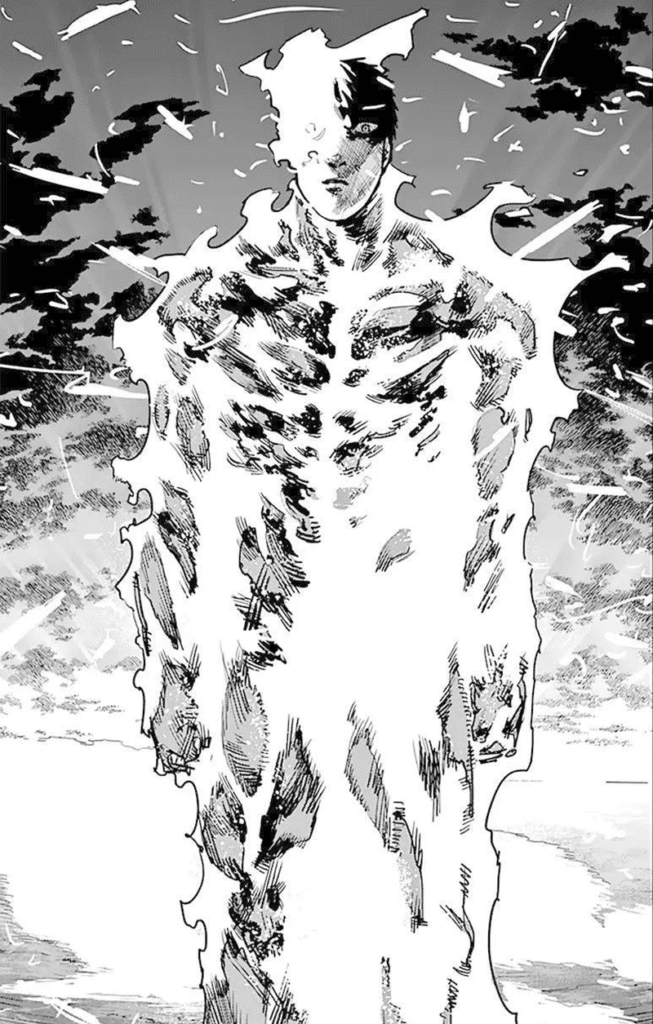
Fire Punch is a post-apocalyptic manga by Tatsuki Fujimoto, and one of the rawest manga I’ve read. It reads like a work created with no interest in comfort or following genre conventions. This is a science-fiction manga at its most nihilistic, mixing brutal survival, strange powers, and sudden meta detours into something that feels intentionally bizarre.
After a supernatural catastrophe caused by the Ice Witch, the world is locked in permanent winter. Civilization has collapsed, and the survivors have turned toward cannibalism, cults, violence, and routine cruelty. In this world, we meet the siblings Agni and Luna, two Blessed with regenerative powers, who live in a small village. When a military commander discovers the community’s cannibalistic leanings, he burns it to the ground with inextinguishable flames. While Luna succumbs, Agni survives. With the fire still burning on him, his body keeps healing itself, leaving him trapped in continuous agony as he drags himself across the frozen wastes, bent on revenge.
Even early on, the series has a distinctive science-fiction feel. The Blessed read like genetically engineered humans, which makes their powers feel less like a gimmick and more like a high-concept. We also get glimpses of society before the catastrophe with the introduction of the city of Behemdorg. Its modern technology and industrial expertise make the world feel less like fantasy ruin and more like a broken future. That contrast matters because Fire Punch isn’t entirely about suffering. It’s about what humans become when systems fail and power turns into myth.
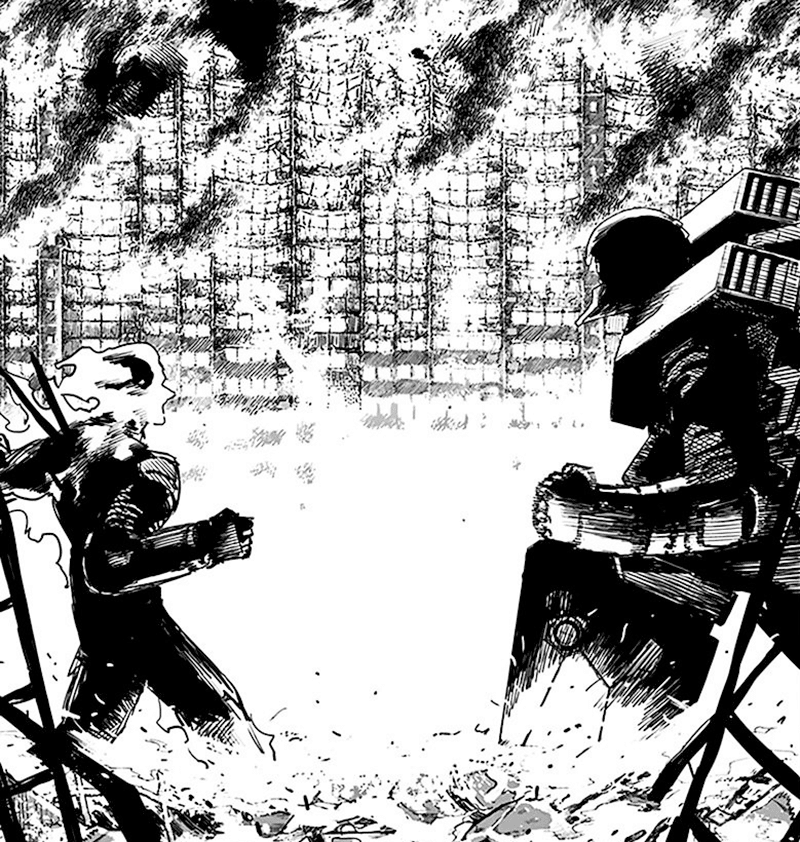
Then we get introduced to Togata, a film-obsessed immortal with a warped sense of storytelling who turns the manga into a parody of itself. Fire Punch starts openly mocking typical tropes, commenting on its own brutality, and questioning where the story is supposed to go. These chapters are some of Fujimoto’s best work because they aren’t just fun, they show people’s hunger for spectacle regardless of the cost.
This is an extreme work, with relentless cruelty and a tone that can lurch from grim tragedy to absurd commentary without warning. The final act is also divisive, leaning into philosophical weirdness and leaving many readers confused.
Fire Punch isn’t for readers looking for clean arcs or normal plot beats. It’s unpredictable, ambitious, but also unforgettable.
Genres: Sci-Fi, Post-Apocalyptic, Action, Horror, Drama
Status: Completed (Shonen)
20. Dandadan
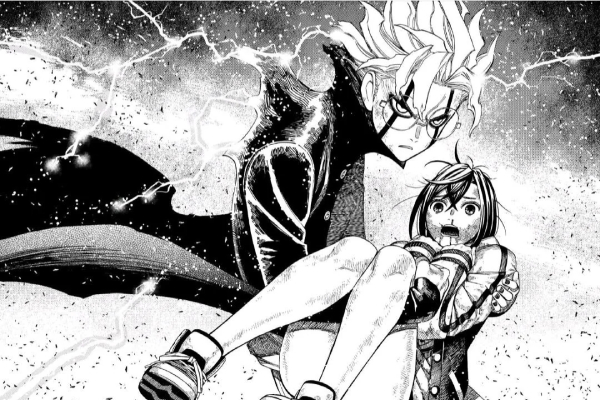
Dandadan is an exhilarating genre blend that refuses clean labels, but it still earns its spot on this science-fiction manga list. Yukinobu Tatsu treats aliens and futuristic threats as more than window dressing. Between bizarre invaders, and full-on kaiju-scale destruction, the series keeps stacking science-fiction concepts on top of its horror and comedy elements until it becomes its own brand of chaos.
A simple dare sets things in motion. Nerdy outcast Ken Takakura, nicknamed Okarun, is obsessed with aliens, while Momo Ayase believes in ghosts. When they each investigate a haunted location tied to their beliefs, they both end up being right. From there, Dandadan turns into a chain of encounters that swing between grotesque supernatural horror and sudden alien threats. It’s a constant collision of the occult and the cosmic, with every new chapter throwing weirder ideas into the mix.
What makes it work is how sharp the execution is, even when the tone is all over the place. The action is kinetic and readable, the monster design is memorable, and the alien tech feels properly otherworldly instead of generic. One moment you’re dealing with the goofy-looking Serpo aliens, the next you’re hit with something genuinely terrifying, with fights that sometimes feel closer to mecha spectacle than paranormal mayhem. Tatsu also manages to throw in some real emotional moments when it counts. Backstories land hard, and these quieter character insights stop the series from turning into pure escalation.
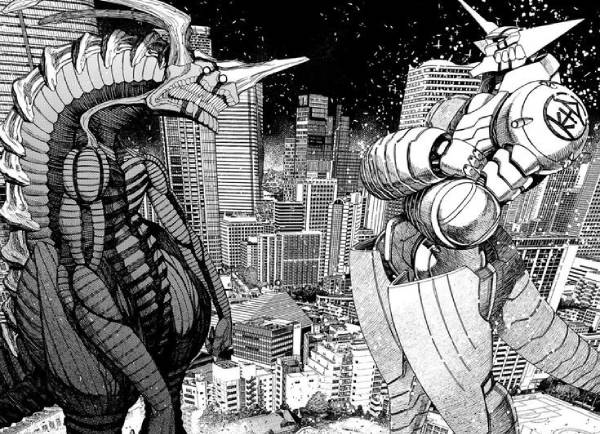
The art is one of the main reasons Dandadan can pull off these wild shifts so easily. Tatsu moves from unsettling details to comedic exaggeration without ever losing control. The horror imagery has twisted designs and menace, while the science-fiction action has speed and impact. Spreads regularly sell the sense of scale, even when the plot is going into overdrive.
The main drawback is that Dandadan’s pacing can feel relentless, and the wild tonal swings might not work for everyone. If you want a consistent mood and tight structure, it can be exhausting. But if you like fast escalation and imaginative threats, Dandadan is a science-fiction manga that thrives on unpredictability.
Genres: Sci-Fi, Action, Comedy, Horror, Supernatural
Status: Ongoing (Shonen)
19. Usuzumi no Hate
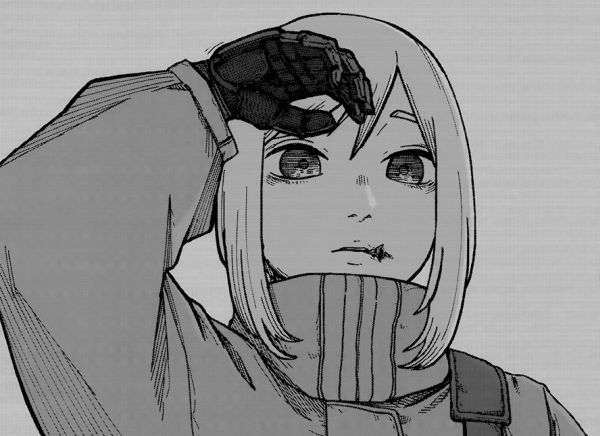
Usuzumi no Hate is the newest entry on this list, and it immediately stood out to me as a quiet, haunting take on the apocalypse. It’s a science-fiction manga that doesn’t rely on flashy tech or constant action to feel futuristic. Instead, it builds its identity through atmosphere, ruins, and the slow realization that the world ended a long time ago.
The premise introduces us to a young woman named Saya, who walks through a world where humanity has almost vanished because of an alien invasion by beings called Executioners. She isn’t a normal survivor either. She’s an artificial human with a mission, searching for anyone still alive while cleansing the corruption the Executioners left behind. That structure gives the story an episodic rhythm. Each chapter sends her somewhere new. It’s a different section of a dead city, another pocket that once flourished with human life, and the manga lets the setting do most of the talking.
Early on, the appeal is loneliness. If you love the empty-world feeling of Blame! or Girls’ Last Tour, Usuzumi no Hate hits that same mood of wandering through giant, silent spaces that feel almost sacred. The architecture is the highlight. Crumbling skyscrapers, decrepit streets, and forgotten interiors are drawn with enough detail to make the world feel alive even after it’s died. Saya’s presence only makes the emptiness sharper. She keeps moving because she was created to, not because she believes her mission will actually succeed.
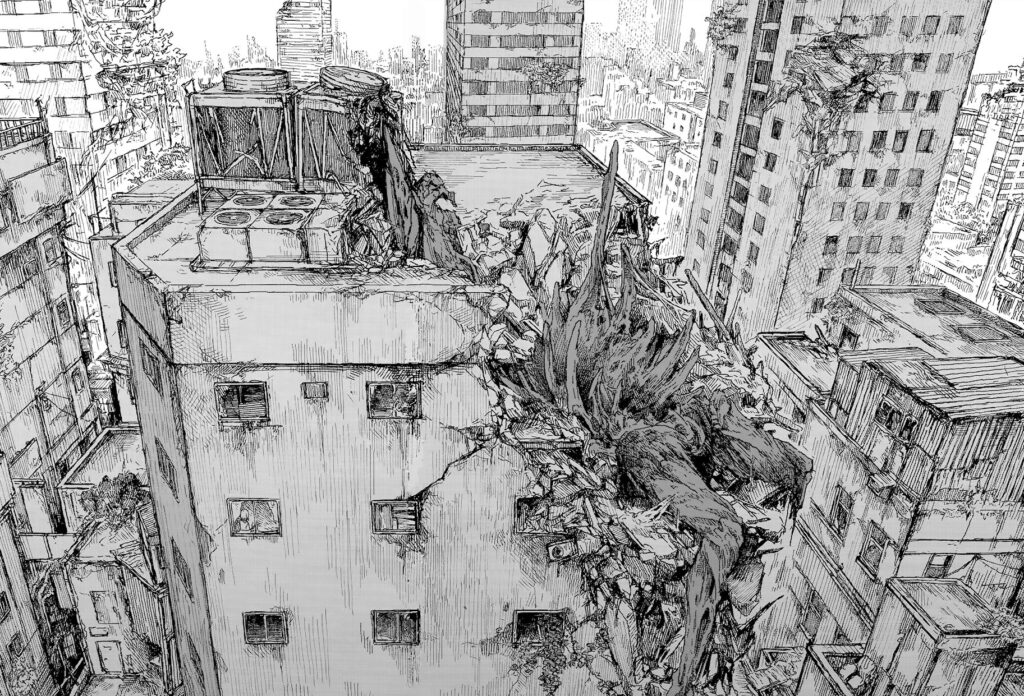
What elevates the series is how it handles despair without drowning in it. It doesn’t constantly tell you how tragic everything is. It just shows remnants, lets quiet scenes linger, and trusts the reader to understand. Saya’s perspective also adds a strange emotional layer. She isn’t a dramatic narrator, so the sadness often lands through the contrast of how calm she behaves and how bleak the world looks.
That said, the manga shifts gears as it goes on. Later chapters introduce other living humans, and the story becomes less about solitary exploration and more about character dynamics and moving toward a possible destination. Depending on what you want, that change will either feel welcome or like a loss of the earlier, hypnotic isolation. It’s also still ongoing, so the long-term tone could keep evolving in unpredictable ways.
Usuzumi no Hate is a science-fiction manga that’s best if you want beauty in ruin, a steady sense of wonder, and a journey that feels both gentle and grim at the same time.
Genres: Sci-Fi, Post-Apocalyptic, Adventure, Drama
Status: Ongoing (Seinen)
18. Knights of Sidonia
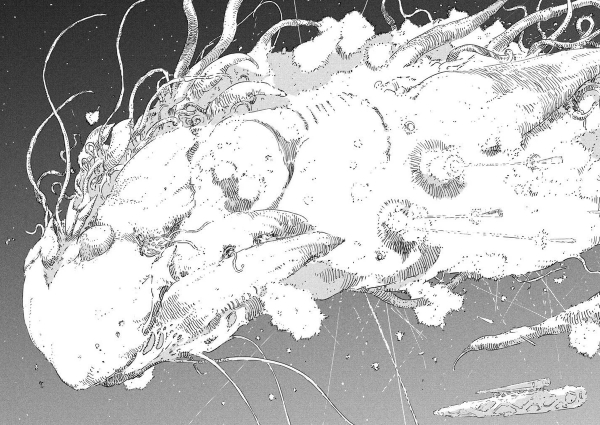
Tsutomu Nihei often writes stories that feel like silent journeys through dying worlds made of unfathomable architecture, but Knights of Sidonia takes that cold scale and turns it into a space opera. It’s a science-fiction manga about humanity surviving aboard a moving fortress, fighting an enemy that feels less like a different species and more like a malevolent cosmic power.
The setting alone is high-concept. Earth is gone, and the last remnants of humanity drift through space aboard massive seed ships, each carrying a self-contained ecosystem, military infrastructure, and enough culture to pretend normal life still exists. Sidonia is only one of those ships, which makes the scale quietly terrifying. Even if the ship falls, the story implies the war doesn’t end. Humanity is scattered, small, and replaceable on the cosmic timeline.
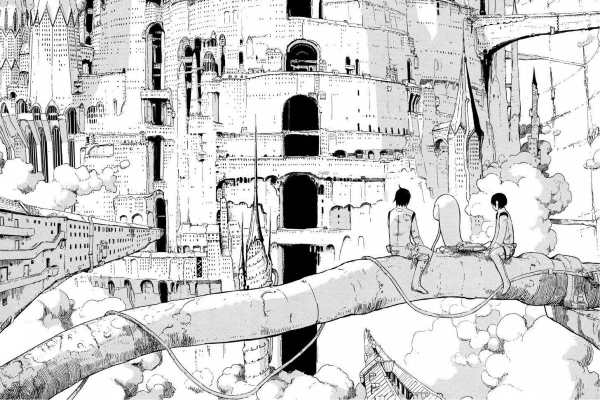
The story follows Nagate Tanikaze, who’s spent most of his life in the ship’s depths, isolated from the population, until he’s pulled into the world above and quickly drafted into combat. Sidonia’s defense depends on Gardes, towering mechs built to fight the Gauna, a relentless alien presence that keeps attacking the ship no matter where it goes. The Gauna are pure nightmare fuel. Their biology is wrong on a fundamental level, shifting between organic armor and a strange internal structure, and their ability to mimic human form adds an eerie layer of body horror. Nihei never fully explains them, and that’s part of the dread. They feel unknowable, and the series treats survival as the only realistic goal.
What makes Knights of Sidonia stand out is the balance between spectacle and atmosphere. The space battles are huge, fast, and surprisingly readable, with intricate mechanical details. Nihei’s designs carry the world, from the brutalist interior of the Sidonia to the grotesque alien shapes outside. This is also his most accessible work. For longtime Nihei fans, that lighter tone can feel almost shonen-leaning, but it also makes the ship feel alive. Even so, death is common, and safety is always temporary.
The biggest flaw is the ending. Nihei wraps things up in a way that feels almost too clean and optimistic for a series built on existential dread and Lovecraftian horrors. Still, the journey there is strong enough. Knights of Sidonia is a science-fiction manga for readers who want massive space battles, unsettling aliens, and worldbuilding that shows just how insignificant humanity really is.
Genres: Sci-Fi, Action, Mecha, Horror
Status: Completed (Seinen)
17. Appleseed
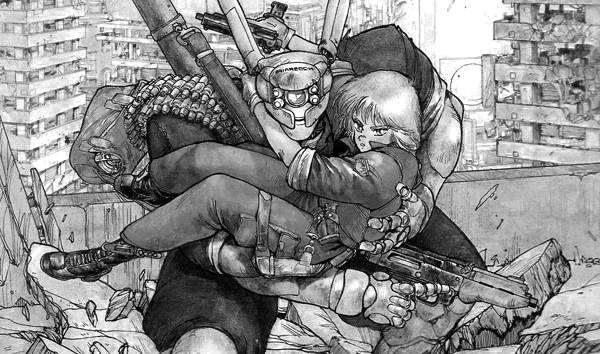
Appleseed is a cyberpunk mecha manga by Masamune Shirow that stands out for its dense worldbuilding, military action, and an early version of the ideas that would later shape Ghost in the Shell. It’s older, messier, and more chaotic than his most famous work, but it’s also a foundational science-fiction manga, especially if you like 1980s futurism that treats technology as both salvation and threat.
Set in the 22nd century, it features a world left half-ruined and politically unstable after a world war. In that chaos sits Olympus, a gleaming city-state built as a utopia, run by advanced systems and tightly enforced order. Deunan Knute, a capable ex-SWAT operative, is recruited into the city’s elite police force, alongside her partner Briareos, a heavily augmented cyborg with an intimidating presence but a strangely human core. Olympus looks perfect from a distance, but the manga doesn’t take long to show that it’s held together by paranoia, power struggles, and the kind of fragile social engineering that only works until it fails.
Appleseed’s strongest hook is the tension between design and reality. Olympus is engineered for stability, with AI governance and genetically created bioroids meant to smooth out the worst parts of human nature. Politics return anyway. People still want power. Factions still form. Even with machines and engineered humans designed for harmony, a utopia is just another system to be exploited. That’s where Appleseed earns its cyberpunk edge. It isn’t about grimy alleyways and neon decadence. It’s about the fragility of an optimized future.
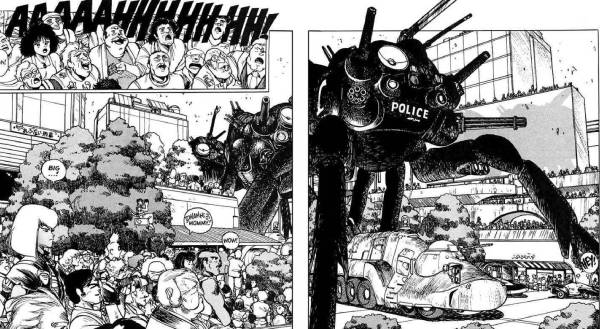
Shirow’s execution leans more action-heavy than philosophical. Tactical missions, security crackdowns, and mecha combat dominate a lot of the pages, giving the series a punchier rhythm than you might expect from a work featuring such heavy themes. The mecha designs are the real highlight. They look functional and industrial, with mechanical details that make every mech look real and built for combat. The action is genuinely exciting, and much of it feels like a prototype for a lot of science-fiction action manga that came later.
The downside is that it can sometimes be hard to read. The paneling gets busy during chaotic scenes, and Shirow occasionally dumps exposition in a way that feels more like reading a manual than following a conversation. The story also swings between ponderous explanation and gripping action, which can interrupt the flow.
Appleseed is still a hallmark of science-fiction manga. It captures a moment when optimism about technology and fear of control were both part of the same vision. Rough as it can be, it’s still one of the safest recommendations for readers who want cyberpunk built on systems, politics, and heavy mecha warfare.
Genres: Sci-Fi, Cyberpunk, Mecha, Action
Status: Completed (Seinen)
16. Battle Angel Alita

Battle Angel Alita is a cyberpunk manga that swaps neon skylines for rust, scrap metal, and a world that looks like it’s already lost. Instead of a flashy futuristic city, you get the Scrapyard, a brutal sprawl of factories, back-alley clinics, and cybernetic violence. It’s science-fiction manga at its most physical, grounded in body upgrades, street-level conflicts, and the question of who someone is when their body can be rebuilt piece by piece.
One day, cybernetics specialist Dr. Ido stumbles upon the remains of a cyborg girl in a pile of junk. After rebuilding her, he names her Alita. Upon awakening, she has no memories of who she was, only a strange instinct for combat and a relentless desire to understand herself. That amnesia could’ve been a generic hidden-past hook, but Kishiro uses it as a defining character trait. Early on, Alita is almost childlike, then she hardens as she learns what kindness costs in a world built on exploitation.
The worldbuilding is the series’ clear foundation. The Scrapyard feels alive because it’s full of broken people trying to earn a living through violence. Mercenaries, bounty hunters, and augmented freaks move through its labyrinthine alleys, waiting for their next prey. Hanging above is Zalem, a floating utopia of perfection and control, and a constant reminder that the world isn’t fair. That contrast is classic cyberpunk, and expands when Alita’s journey widens beyond street-level grit.
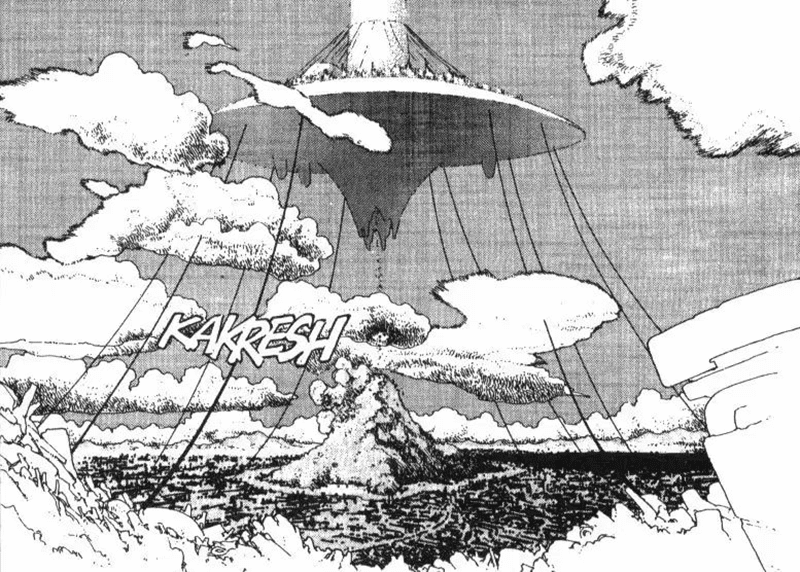
Battle Angel Alita is iconic for its action. Kishiro is excellent at conveying speed and impact, making the fights feel technical instead of pure spectacle. Motorball, in particular, is one of the best action arcs in manga, a violent sport that combines velocity, brutal fights, and real stakes without losing clarity. Another highlight is the series’ focus on cybernetics. Over the course of the series, Alita receives multiple upgrades, each more intricate and imaginative than the last. The same goes for her opponents, who grow increasingly grotesque, with the standout being Zapan, whose final form is nothing short of nightmare fuel.
If there’s one downside to Battle Angel Alita, it’s the early chapters. The art can look rough, and some of the character designs lean too cartoonish. All this changes in later volumes when it turns into a science-fiction manga that balances visceral combat and identity-driven storytelling.
Battle Angel Alita is best for fans of gritty, character-driven cyberpunk action.
Genres: Sci-Fi, Cyberpunk, Action, Drama
Status: Completed (Seinen)
15. Pluto

At first glance, Pluto might look like a straightforward robot story, but it’s really a slow-burn, futuristic murder mystery. Based on Osamu Tezuka’s iconic manga Astro Boy, Naoki Urasawa reimagines it as a grounded thriller that uses futuristic technology not as a stylish backdrop, but as a vehicle for social criticism. It’s a science-fiction manga driven by investigation, grief, prejudice, and the uncomfortable idea that a machine can suffer in much the same way as a human.
The most noticeable change is Pluto’s choice of protagonist. The original Astro Boy followed the adventures of Atom, but here the story focuses on Gesicht, another highly advanced robot. As a detective for Europol, he investigates the destruction of one of the world’s most advanced robots, a legendary figure once considered untouchable. When other robots are destroyed as well, a pattern becomes clear. Someone’s targeting them, and the killer seems to move with purpose rather than impulse. Before long, the ominous name “Pluto” starts circulating, but less like a clue and more like a looming presence.
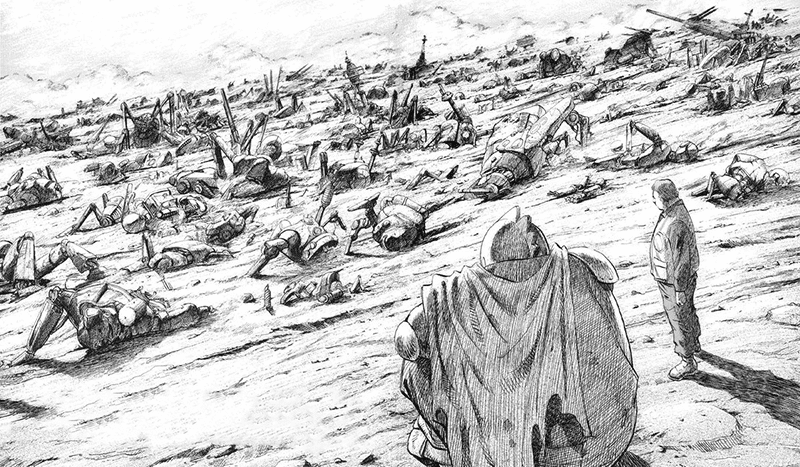
Urasawa’s worldbuilding is subtle, but that’s part of the appeal. This is a future where robots are integrated into daily life so completely that society has normalized them. They work, have families, and enforce the law, yet are still treated as property when convenient. The tension between what makes one human and what a machine is the centerpiece of the manga. It’s baked into the way the characters talk, the laws they follow, and the violence they’re exposed to. Urasawa suggests artificial intelligence isn’t just a technological leap, it’s a moral crisis waiting to happen.
Pluto is a thriller most of all. Gesicht interviews witnesses, revisits old incidents, and slowly realizes that the case isn’t just about catching a killer. It’s about a war that never truly ended, and the way trauma continues to echo, even for beings that aren’t supposed to have emotions. Gesicht himself proves the central theme. He might be a robot, but he dreams, suffers from guilt, and fears what his investigation may lead to. That makes it not only more personal than procedural, but central to the manga’s themes.
The main drawback is the later volumes, which push the story closer to Tezuka’s mythical Astro Boy direction rather than staying true to the razor-sharp tension of the middle volumes.
Overall, Pluto is a science-fiction manga for readers who want a noir-leaning mystery where the future isn’t flashy, but quietly terrifying because of how familiar it looks.
Genres: Sci-Fi, Thriller, Mystery, Drama
Status: Completed (Seinen)
14. Dead Dead Demon’s Dededede Destruction
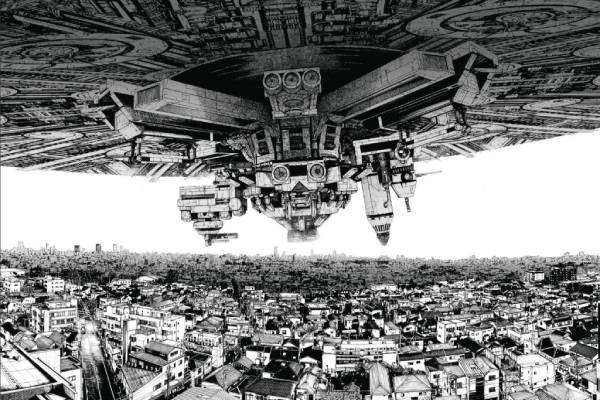
Dead Dead Demon’s Dededede Destruction is one of the strangest entries on this list, and one of the most quietly unsettling. Inio Asano takes a premise that should turn into an action spectacle, then does the opposite. While a giant alien mothership hangs over Tokyo, the story focuses on the lives of Ouran and Kadode, two ordinary high school girls. That contrast is the point, and it’s unsettling even when almost nothing happens.
The girls drift through school days, petty arguments, and late-night conversations, as if everything is normal. Meanwhile, the world around them has already changed. Military responses, government messaging, and rumors about the invaders quietly dominate the story’s backdrop. Asano points toward an undeniable truth that many alien invasion stories miss: people normalize everything. No matter the disaster or the absurdity. Life goes on, even if the sky is wrong, because you’ve got bills to pay and school to attend.
What makes it work is the world’s logic. The invasion isn’t treated as a single event with a clear beginning and end. It’s a prolonged condition, something society adapts to through denial, until the extraordinary becomes the mundane.
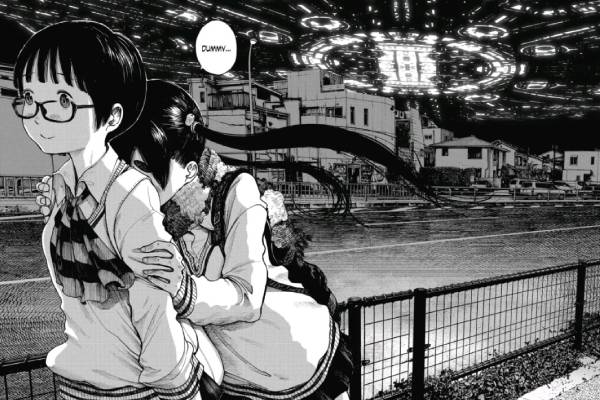
That changes around the halfway point. The tone shifts from grounded slice-of-life to something stranger and more conceptual. The story introduces ideas involving time, memory, and consequences. It stops being a straightforward narrative and becomes something bolder, messier, and more ambitious, as if Asano is testing how far he can push the premise. When it works, it feels like the manga reveals what it’s been hiding all along. When it doesn’t, it can feel like Asano’s destabilizing the story on purpose.
What makes it compelling even then is Asano’s art. His hyperrealistic cityscapes make Tokyo feel tangible and alive, while the exaggerated, almost comedic character designs create an uncanny disconnect. The mothership looming overhead serves as a visual anchor, a reminder that normalcy is nothing but an illusion. Even when the story gets confusing, the imagery keeps it grounded.
Another downside is the ending. It’s deliberately ambiguous, which can be satisfying or frustrating if you prefer a cleaner resolution.
Dead Dead Demon’s Dededede Destruction is Inio Asano at his most ambitious, a science-fiction manga that commits to atmosphere and ideas over clean answers.
Genres: Sci-Fi, Slice-of-Life, Drama
Status: Completed (Seinen)
13. Parasyte
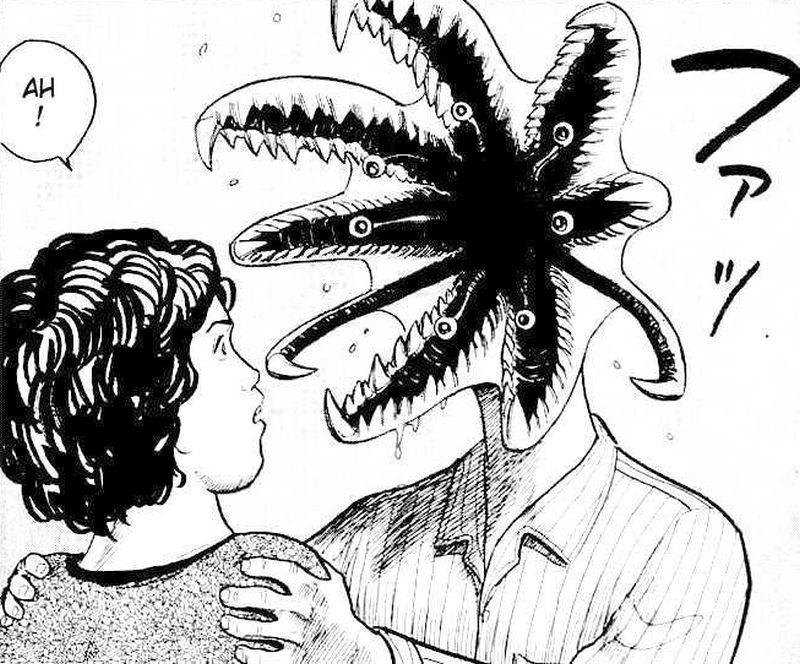
Parasyte is the most horror-leaning entry on this list, but its core idea is pure alien invasion science-fiction. A new species arrives in secret, takes over human bodies, and turns everyday life into a paranoid nightmare where anyone could wear the wrong face. It’s a science-fiction manga that centers on one simple question: what happens when humanity stops being the top predator?
Shinichi Izumi is a normal high schooler until one of the parasites tries to burrow into his brain. When he wakes up, the creature ends up inhabiting only his right arm. That mistake creates the story’s core dynamic. Instead of merging into one, Shinichi and the parasite, later called Migi, have to coexist in the same body.
Elsewhere, other parasites succeed. Having taken over their human hosts, they move through society with eerie calm, killing and feeding on humans whenever it suits them. This logic keeps Parasyte’s horror sharp. The parasites never announce themselves, and they don’t operate like pure monsters. They hide, adapt, and treat people as nothing but livestock. Their bodies can change with horrifying flexibility, turning heads into blades, mouths into rings of teeth, and limbs into weapons. It’s grotesque, but it’s also precise, which always makes the transformations feel like a deliberate biological function.
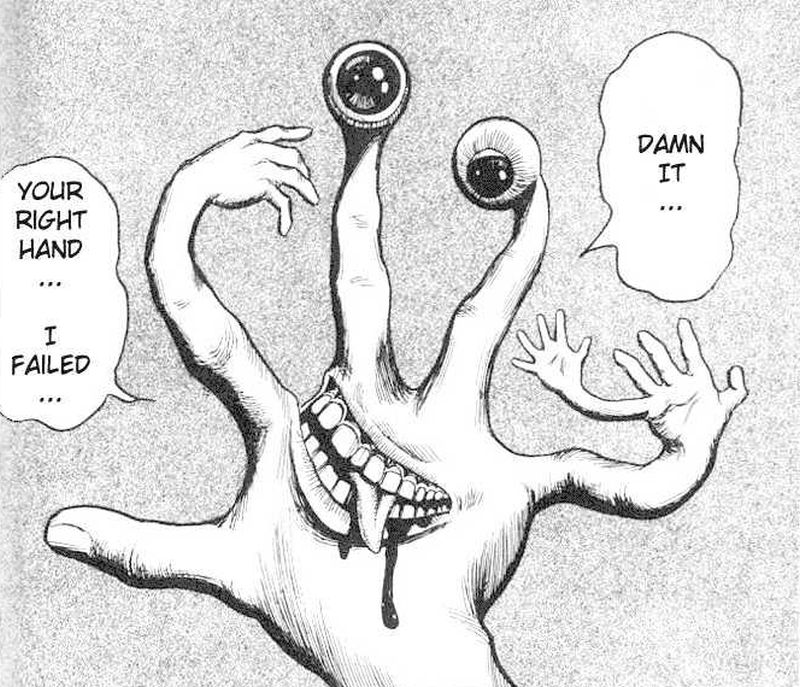
What elevates the manga beyond a pure survival thriller is psychological erosion. Shinichi doesn’t just learn how to fight back. He starts changing, and not merely in a way that feels empowering. The more he’s forced to fight, the harder it becomes to tell where his humanity ends and something colder begins. That change gives the story depth. It isn’t asking whether monsters exist, but how easy it is to become one when the circumstances demand it.
Iwaaki’s pacing is controlled, mixing sudden violence with quieter scenes that let the dread settle. The action is brutal, disturbing, and gory, but the series never forgets that each confrontation has consequences. Even the philosophical angle lands because it’s tied directly to character behavior. All this makes Parasyte a timeless science-fiction manga because it’s not about modern technology, but about biology, identity, and the fragile illusion of public safety.
If there’s one downside, it’s the supporting cast. Many of them are merely functional when compared to Shinichi’s and Migi’s central relationship. In terms of atmosphere, creature design, and moral ambiguity, though, it’s outstanding.
Cold, gruesome, and strangely thoughtful, Parasyte left a permanent mark on the genre.
Genres: Horror, Sci-Fi, Action, Psychological
Status: Completed (Seinen)
12. Nausicaä of the Valley of the Wind
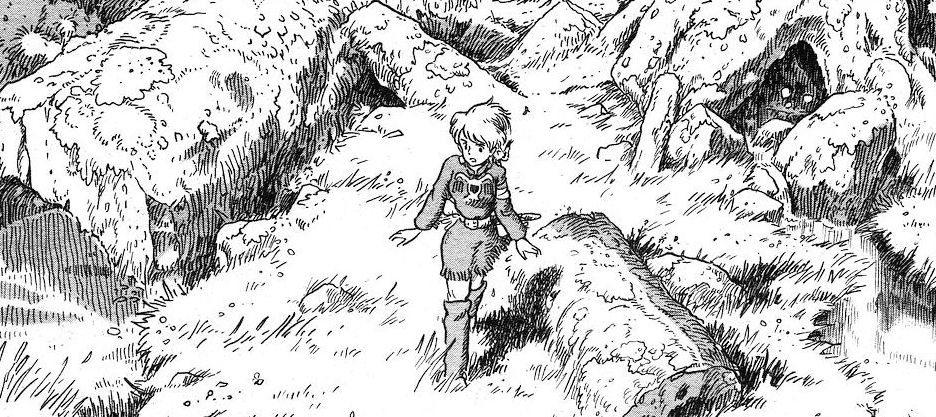
No science-fiction manga list feels complete without Nausicaä of the Valley of the Wind, Hayao Miyazaki’s sprawling post-apocalyptic epic about a world that poisoned itself but continued on anyway. Long after a cataclysmic war reduced modern civilization to ashes, humanity is scattered in small kingdoms, clinging to whatever arable land still exists.
The speculative hook is brutal and fascinating: the planet is being reclaimed by the Sea of Corruption, a colossal fungal forest that releases toxic spores and breeds monstrous insects. Survival isn’t just a matter of politics or warfare. It’s biological. Most people can’t safely breathe outside their settlements, and the ecosystem itself feels like an immune response that no longer recognizes humans as part of its body.
Nausicaä, princess of the Valley of the Wind, is one of the few who engage with that reality instead of treating it as scenery. She’s curious, compassionate, and capable, and the story immediately throws her into a conflict when larger powers escalate the war and drag smaller nations into it. What follows isn’t a clear hero’s journey. It’s an escalation of invasions, shifting alliances, and moral compromise, all happening in a landscape where one wrong decision can trigger a catastrophe that wipes out everyone.
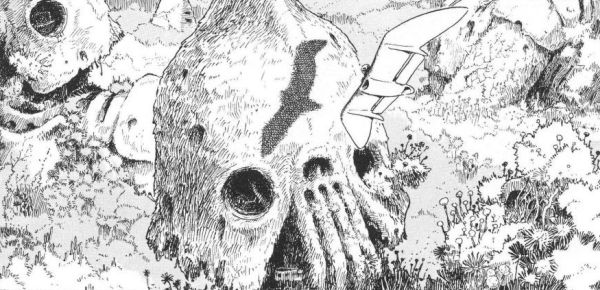
What makes it stand out as a science-fiction work is the way Miyazaki treats ecology as a system with rules, not a fantasy curse to be lifted. The insects aren’t just monsters. They’re part of an environment that behaves logically, reacts to threats, and punishes exploitation. Technology also lingers. Ancient weapons, half-understood machines, and remnants of prior ages tempt people into repeating the same mistakes, and Miyazaki frames that impulse as the true antagonist.
Visually, it’s gorgeous and meticulously crafted. You get vast deserts, strange aircraft, dense mechanical detail, and creature designs that are both majestic and terrifying. It’s also far more violent and disturbing than people might expect from Miyazaki, showing how ugly, chaotic, and dehumanizing war is.
The manga isn’t perfect. Nausicaä can feel almost saint-like, and the story’s scope gets denser the longer it continues. There are a lot of factions, moving parts, and moral debates, which might be a surprise for those who’ve only seen the anime adaptation.
Still, if you want a post-apocalyptic manga that treats nature, war, and human ambition as one connected disaster, this is as visionary as it gets. It’s science-fiction manga at its most mythic and devastating.
Genres: Adventure, Action, Drama, Sci-Fi, Post-Apocalyptic
Status: Completed (Seinen)
11. Biomega
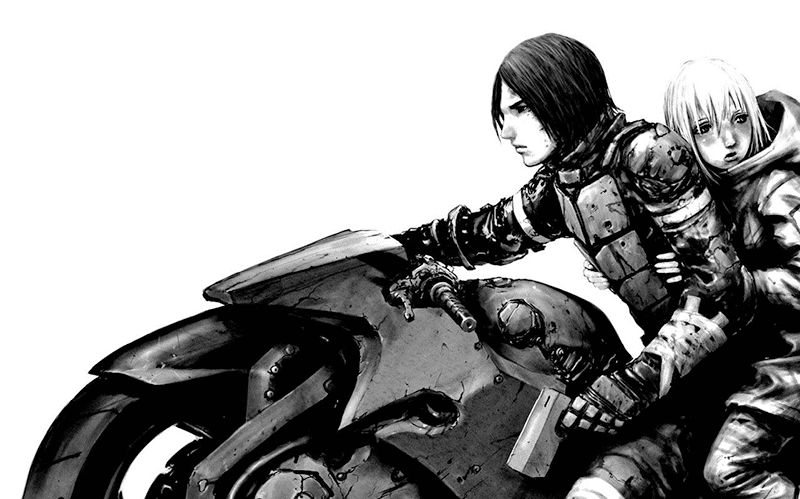
Biomega by Tsutomu Nihei might be the fastest-paced manga on this entire list. It’s a cyberpunk zombie apocalypse that blasts through its first act, then mutates into something even stranger. If you love science-fiction manga that prioritizes momentum, atmosphere, and sheer concept density over explanation, this one delivers.
The setup throws us into a ruined near-future Earth. Zoichi Kanoe is a synthetic human working for Toha Industries. He’s sent out with his AI companion Fuyu Kano to locate a rare human with resistance to the N5S virus. That virus doesn’t just kill people. It rewrites their bodies into grotesque biomechanical drones, turning cities into festering hives of rotten flesh. What should’ve been a straightforward mission turns into a global power struggle, involving mega-corporations, mutated creatures, and those who want to use the outbreak for their own goals.
Nihei’s world is a pure industrial nightmare. Giant structures rise into the sky, roads and tunnels feel endless, and high technology is everywhere. The design of the infected is as unique as it is disturbing. It’s a body horror fusion of machine and decaying flesh, frozen mid-mutation into something else entirely.
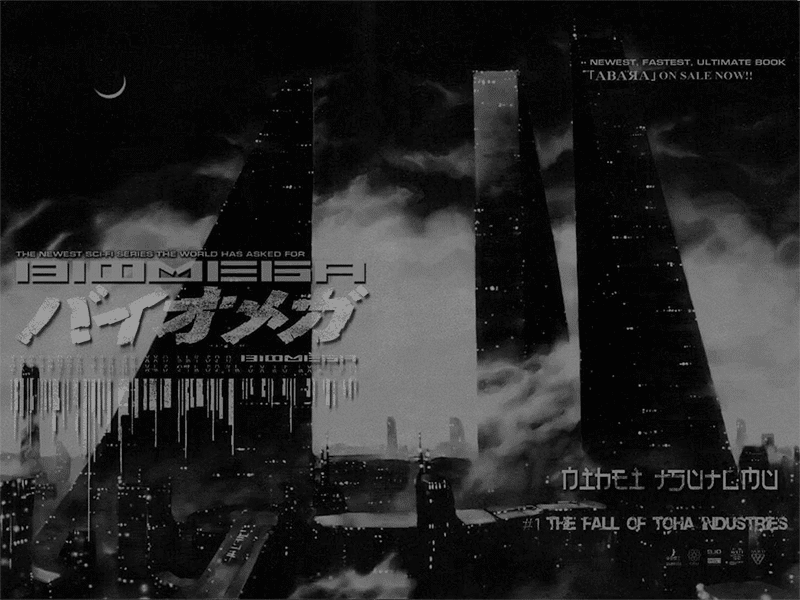
Execution-wise, Biomega is visual storytelling in its purest form. Nihei loves long stretches of minimal dialogue, letting architecture, framing, and momentum do the storytelling. Zoichi’s hyper-stylized appearance is part of that identity. He performs impossible stunts, blasts through massive waves of drones, and wields weapons of mass destruction. The action is clean even when it’s fast, and its momentum stays high throughout the manga’s first half.
Then the second half hits. The later volumes turn into a wilder, more surreal biopunk adventure, and the pacing loosens up compared to the initial fast-paced structure. It’s still a science-fiction manga, but it starts feeling like a different manga, exploring even stranger locations and more abstract ideas. Biomega can, at times, feel too big and ambitious for its six-volume run, leaving plot points unexplored and rushing past some of its better ideas.
Few cyberpunk manga commit this hard to sheer imagination and visual storytelling. It’s perfect for readers who want a brutal, high-speed descent into biomechanical horror and outrageous concepts.
Genres: Cyberpunk, Action, Horror, Sci-Fi
Status: Completed (Seinen)
10. Joshikouhei
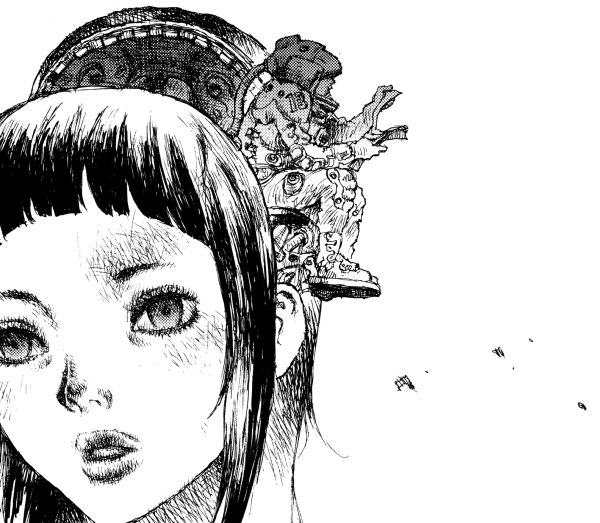
Joshikouhei is easily the most bizarre, surreal, and transgressive entry on this list. Jiro Matsumoto takes a familiar war story and twists it into a psychological breakdown disguised as a military science-fiction manga, where the real threat isn’t the enemy, but what a weapon does to the person using it.
The core idea makes it clear this isn’t your typical war story. The premise centers on an interdimensional war in which soldiers pilot Assault Girls, colossal combat units resembling schoolgirls. These mechs are weapons of massive destruction, able to turn the tides of entire battles. The most grotesque part is the link between pilot and machine: the longer someone pilots an Assault Girl, the more the machine’s identity bleeds into the pilot’s mind. It’s not trauma or stress, but the slow replacement of self, where speech patterns, emotions, and instincts reshape themselves around a manufactured persona.
That’s where Joshikouhei stops being a straightforward combat story and turns into something nastier and more complex. Pilots who’ve lost the ability to separate themselves from the machine are called corrupted. It then falls to Lieutenant Takigawa and his Hyena Platoon to track them down and eradicate them. These encounters aren’t heroic clashes, but feel like containment failures. Matsumoto frames the battlefield as a place where identity can rot, with each mission pushing pilots closer to the irrevocable moment of corruption.
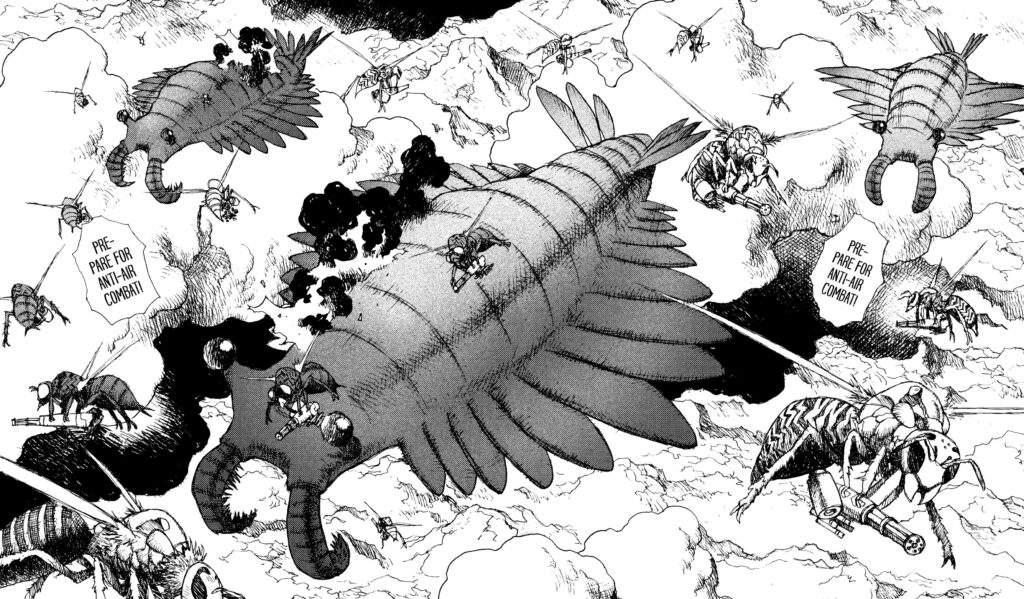
Joshikouhei’s world is intentionally cold. Advanced technology is used for war instead of progress, and its use becomes another way to erase people. Even when the story is at its most violent, and battles rage, it’s rarely cool or stylish. The fights are messy, ugly, and disorienting, especially when the Hyena Platoon is battling corrupted Assault Girls.
Matsumoto’s art style fits the story perfectly. It’s frantic, sketchy, and turns action into a mess that makes it hard to tell where the machine ends and the body begins. This is exactly the point. When he leans into body horror, he goes all the way, including an infamous scene so shocking and explicit that it’s clearly designed to be horrifying rather than titillating.
That said, Joshikouhei is extreme. It’s packed with graphic nudity, gore, and imagery that will make readers drop it almost instantly. It also gets increasingly abstract near the end, shifting into fever-dream surrealism.
Joshikouhei is a singular experience, a mecha science-fiction manga that’s hostile, philosophical, and psychologically destabilizing.
Genres: Sci-Fi, Mecha, Psychological, Surreal, Horror
Status: Completed (Seinen)
9. Land of the Lustrous
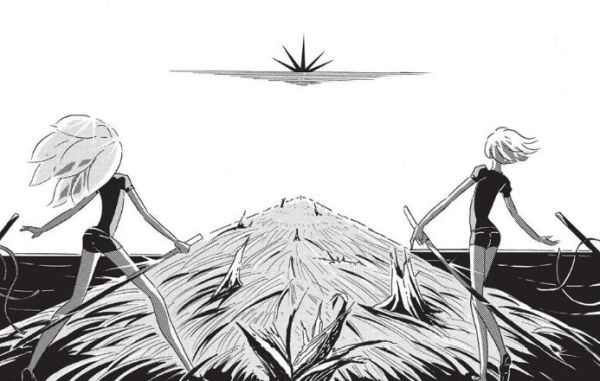
There’s nothing else in manga that feels quite like Land of the Lustrous. It’s a science-fiction manga that looks delicate on the surface before slowly revealing a setting built on strange natural laws, pseudo-futurism, and a kind of existential pressure that never lets up. Its art style is a huge part of that effect: clean lines, sharp silhouettes, and wide stretches of negative space make every page feel cold, unique, and alien.
The manga introduces a distant future Earth where immortal gemstone beings called the Lustrous live in a quiet, rigid society. They are in constant danger from the Lunarians, mysterious beings that descend from the sky to collect them for their crystalline bodies. It’s an almost mythical premise, but the series makes it into something eerily physical and plausible. This is not fantasy with magical rules. Instead, Haruko Ichikawa’s world is shaped by geology turned biology, long cycles of collapse and transformation, and the consequences of survival across millennia.
Phosphophyllite, or Phos, is the weakest and most aimless of the group, brittle and sidelined, but desperate to be useful. What follows is one of the most haunting character developments in modern science-fiction manga, because it isn’t powered by simple growth or willpower. It’s shaped by erosion. Every new responsibility comes with a cost, and every solution changes what Phos is, both in body and mind. The series is at its best when it shows how identity can be rewritten, not through speeches, but through gradual replacement and loss.
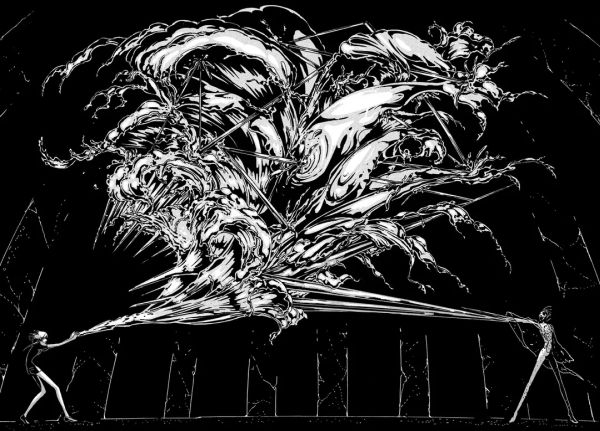
Ichikawa deserves credit for how well she handles scale. The story starts intimately and lonely, then widens into something cosmic without turning into spectacle. The Lunarians are designed as an abstract threat, and the calm rhythm of the Lustrous’ daily lives makes both sides feel equally unsettling. Action scenes feel fragile and severe, not like fights, but like elements colliding and shattering.
The distinctive edge here is tone. This isn’t a hot-blooded war story or a traditional hero’s journey. It’s a quiet, philosophical, and often unsettling story, more concerned with what purpose means when life’s eternal.
The single downside is emotional harshness. As the series continues, it grows bleaker and more meditative, and some readers might miss the earlier balance of lightheartedness and momentum.
Land of the Lustrous is a science-fiction manga that’s beautiful, ruthless, and strangely inevitable.
Genres: Sci-Fi, Fantasy, Psychological, Drama
Status: Completed (Seinen)
8. Ghost in the Shell
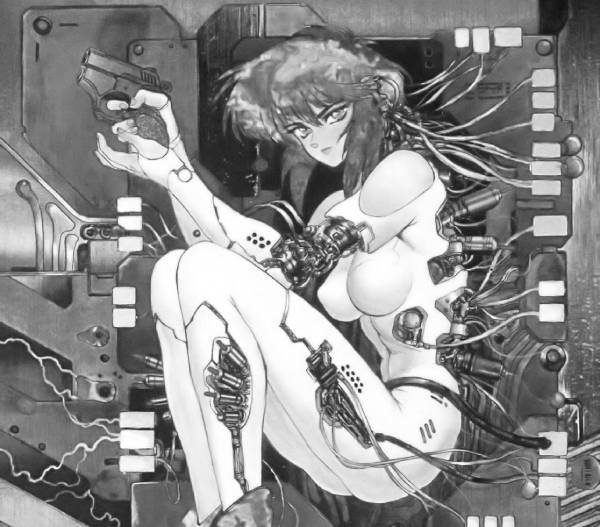
Ghost in the Shell is one of those rare titles that doesn’t just represent a genre. It defined it. Masamune Shirow’s original manga is a cornerstone of cyberpunk and science-fiction manga, building a near future where identity is no longer anchored to flesh, privacy doesn’t exist, and the line between human and machine is nothing but a technicality.
The year is 2029, and cybernetics are everywhere. Brains can interface with the Net, information warfare is as dangerous as gunfire, and bodies can be reconstructed from scratch. This is the world Section 9 operates in, a covert unit created to deal with political manipulation, cyberterrorism, and rogue AIs. The heart of the unit is Major Motoko Kusanagi, a confident full-body cyborg who slowly comes to question memory, selfhood, and identity.
If you’ve only seen the 1995 anime adaptation, you might be surprised how different the manga feels. It’s far more episodic, showcasing various operations that lean into heavy action, expository worldbuilding, and philosophical exercises. Shirow’s version of Motoko is also more playful than her anime counterpart, willing to banter and push buttons. It makes the cast feel more alive, even when the story moves into denser concepts.
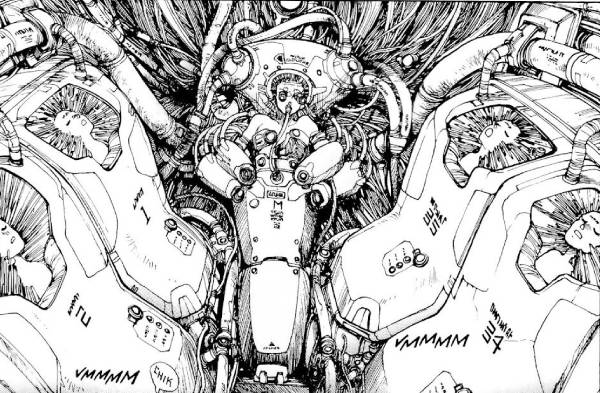
That density is part of the appeal, but it’s also a challenge. Shirow treats the setting not as a vibe, but as a functional, plausible world, constantly layering in details about cyberbrains, hacking, surveillance, and how governmental institutions weaponize information. The result is a cyberpunk manga that feels oddly relevant, especially how it frames identity as something editable, vulnerable, and exploitable. When the story leans into more abstract concepts and existential territory, it hits hard because it’s grounded in internal logic.
The main downside is how overwhelming Ghost in the Shell can be. Between packed panels, occasionally confusing action, and Shirow’s infamous footnotes, it sometimes feels like a much longer work than its three-volume run suggests.
Still, Ghost in the Shell is one of the most rewarding science-fiction manga ever written: cerebral, stylish, and unsettling in the way only great futurism can be. It’s perfect for readers who are looking for big cybernetic ideas and the messy implications that come with them.
Genres: Cyberpunk, Sci-Fi, Noir
Status: Completed (Seinen)
7. Planetes
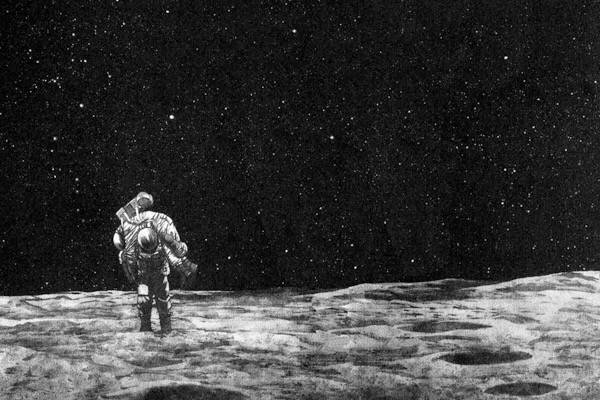
Planetes might be the most grounded entry on this list, and that’s exactly why it hits so hard. Instead of leaning on lasers, aliens, or world-ending wars, it treats space like a workplace.
Makoto Yukimura builds a story around an unglamorous job: orbital debris collection. In the near future, humanity has filled Earth’s orbit with junk, and someone has to clean it up before it shreds satellites, stations, and people. The premise sounds small, but it’s high-concept. Planetes turns space expansion into logistics, labor, and risk management, and it makes the vacuum feel terrifying without needing monsters. This is a science-fiction manga with a hard science edge, obsessed with procedure, physics, and what it means to keep working in an unforgiving environment.
The Toy Box crew is the heart of the story, especially Hachimaki. His ambition gives the manga momentum, not because he’s destined to save the world, but because his dream is painfully human. He wants something bigger than routine, something that proves his life matters. The cast around him carries its own weight: Yuri’s quiet grief, Fee’s sharp edge, Pops’ aged experience. They don’t exist as archetypes. They feel like real people with a history, bad habits, and private reasons for showing up every day.
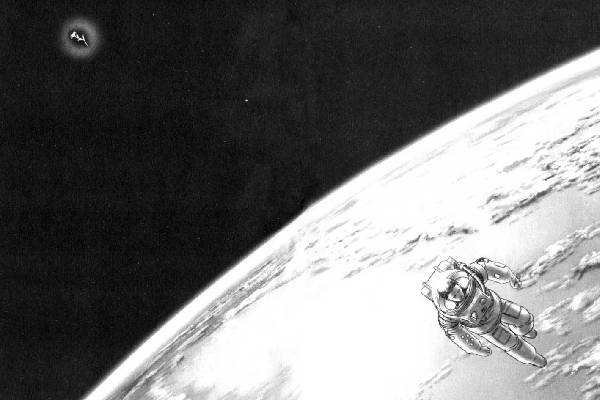
What makes Planetes stand out is its world logic. Space isn’t a fantasy here. It’s corporatized and politicized. Missions come with budgets, rules, and compromises. Characters argue about safety protocols, the ethics of development, and who gets left behind when progress becomes a business. Even when the series widens its scope beyond day-to-day operations, it never stops feeling plausible. The bigger themes emerge naturally out of the setting.
The art by Yukimura is amazing and sells the scale without romanticizing it. You get the mechanical detail of equipment and machines, plus the eerie stillness of orbit, where Earth looks close enough to touch but also impossibly far away. Empty black space and spreads of drifting debris make characters feel small, almost meaningless. That’s the point, because space doesn’t care.
If there’s a downside, it’s pacing. Planetes is a manga that can feel slow and episodic early on, and readers looking for escalation could easily feel underwhelmed. But that patience is the series’ real strength, letting the emotional payoff land with real force.
Planetes is a science-fiction manga about hard science problem-solving with a mature, character-driven core.
Genres: Sci-Fi, Drama, Psychological
Status: Completed (Seinen)
6. Girls’ Last Tour
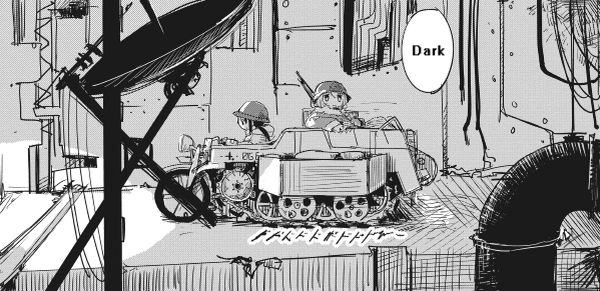
When I started reading Girls’ Last Tour, I didn’t expect to like it as much as I did. On the surface, it looks like a quiet survival story about two girls scavenging for food, warmth, and fuel in the ruins of civilization. But the deeper it goes, the clearer it becomes: it’s a gentle, almost comforting portrait of the end of the world.
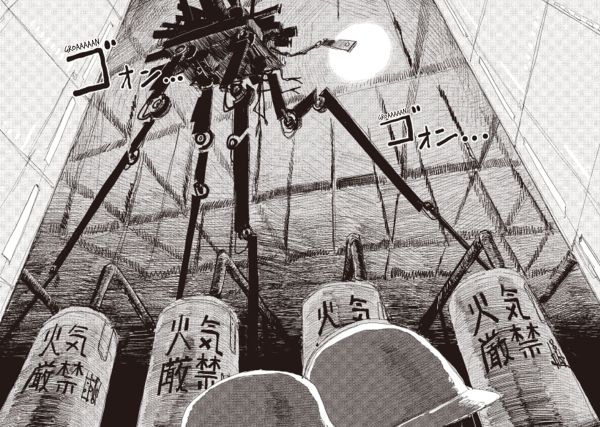
The science-fiction hook is instantly haunting. Chito and Yuuri travel through a dead megacity that feels less like a setting and more like the last remnants of humanity. Layers of concrete, abandoned industry, and silent infrastructure stretch on forever, hinting at a civilization that once reached absurd levels before quietly collapsing. That scale matters. Even when the chapters are about the more mundane moments of life, the environment tells you that something enormous and irreversible has already happened.
What makes it stand out as a science-fiction manga isn’t just the advanced tech on display, but that it’s already become history. The girls occasionally stumble upon artifacts most people would take for granted, like a camera, but they treat them like relics from a forgotten civilization. It’s not so much about how these things work, but why they were made in the first place. Each discovery turns into a meditation on memory, culture, and meaning, without ever forcing a single definitive answer.
The series stays grounded in routine. The girls move because staying still means starvation. When survival’s on the line, there’s no room for existential dread. They bicker, make up, and keep going because momentum is its own kind of hope. That’s where the series’ defining mood comes in: tender nihilism. Life might not have a grand purpose, but warmth, companionship, and a meal are more than enough to keep waking up in the morning. Girls’ Last Tour isn’t about despair or misery. It’s about resignation made into something soft and weirdly sweet.
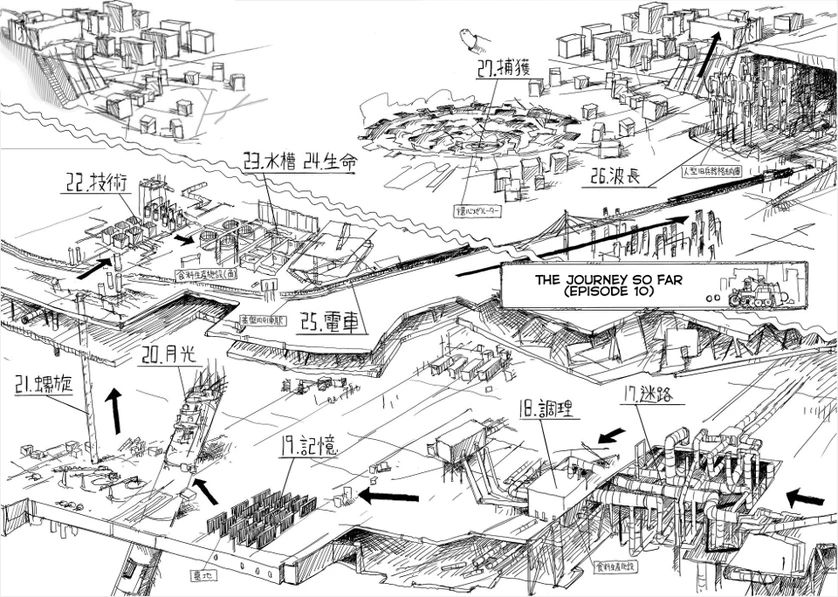
Visually, Girls’ Last Tour is brilliant by contrast. The characters are drawn with a cute simplicity, while backgrounds lean vast, geometric, and lonely, echoing Nihei’s megastructures. Huge empty spaces make them feel small and insignificant, and the silence between panels says more than dialogue ever could. It’s a post-apocalyptic manga that understands that emptiness doesn’t have to be terrifying.
That said, Girls’ Last Tour is slow and unflashy, deliberately so, and its bleakness can hit harder the longer you read on. The ending, especially, can feel too heavy or depressing for some readers, but to me it felt perfect, because the series’ core philosophy stayed honest to the last page.
Girls’ Last Tour is a science-fiction manga that’s quiet, human, and strangely comforting at the edge of oblivion.
Genres: Sci-Fi, Post-Apocalyptic, Slice-of-Life, Drama, Psychological
Status: Completed (Seinen)
5. Gantz
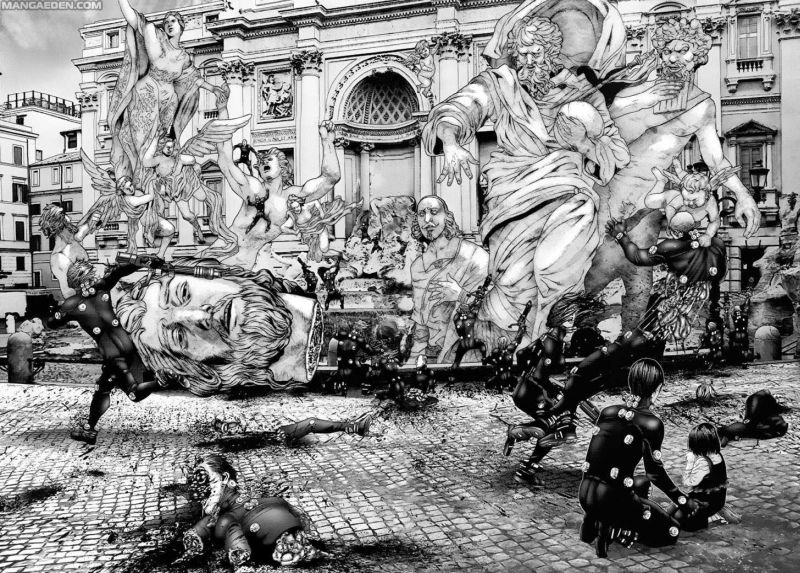
Gantz is one of the most outrageous, high-octane rides in science-fiction manga. It’s brutal, messy, and often completely unhinged. Hiroya Oku takes a simple survival premise and turns it into an escalating nightmare of alien slaughter, human ugliness, and jaw-dropping spectacle.
It starts with death. Kei Kurono and Masaru Kato die in a sudden accident, then wake up in a cramped Tokyo apartment with a group of strangers who are just as confused as they are. At the apartment’s center sits Gantz, a black sphere that throws them into a mission they never agreed to. Their job appears simple at first: hunt down aliens hiding in plain sight. In reality, it’s full of panic, gore, and split-second deaths that make it clear nobody is safe.
The science-fiction hook isn’t just that aliens exist. It’s the system behind the violence. Gantz drops ordinary people into missions using advanced gear that feels both militarized and oddly specific. The series leans hard into the high-concept tech in general, with teleportation, replication, and an infrastructure operating beyond the characters’ understanding. Oku constantly suggests something bigger at work, and that the characters are nothing more than its disposable parts.
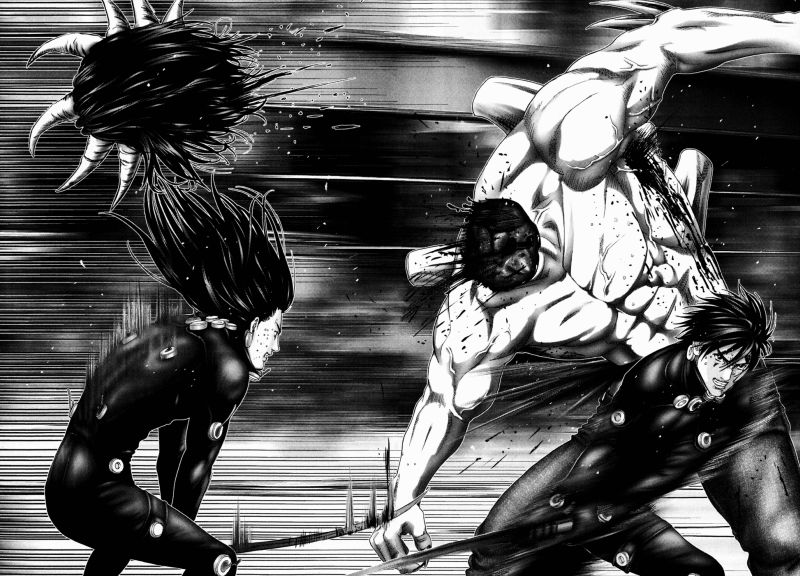
Gantz lands so hard because of its structure. The fights are chaotic, vicious, and weirdly fluid in motion, with Oku’s linework giving even the most grotesque violence a slick, readable flow. The alien designs are a major selling point. They are surreal, imaginative, and often genuinely unsettling, shifting from walking death sentences to designs so bizarre you’re unsure what you’re even looking at. The tension stays high because the story treats its cast as disposable. People don’t get last words or heroic speeches. They get erased.
Even the world outside the missions is unflinchingly dark. Oku paints a cynical, rotten version of modern life, full of cruelty, exploitation, and casual violence. It adds a grimy edge that makes the alien hunts feel like an extension of humanity’s worst impulses rather than an escape from them. Gantz isn’t interested in heroic purity. It’s interested in what people become when only survival matters.
Kurono is the clearest example. He starts out as crude, selfish, and hard to root for, which is exactly why his development is so great. Over time, trauma shapes him into someone capable of leadership and empathy, and it never feels like a sudden personality switch. It feels earned. The supporting cast helps, too. Even when characters don’t get backstories, they have sharp enough personalities to make the missions feel tense in a personal way.
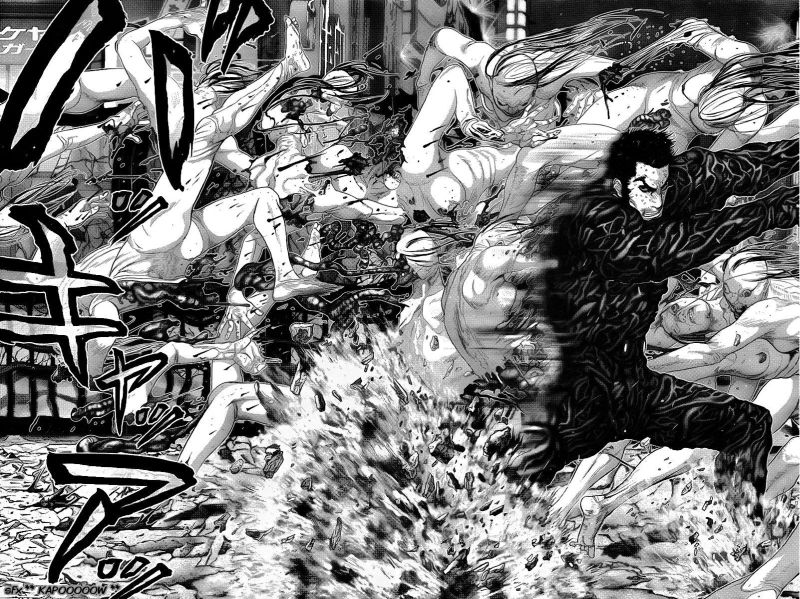
For all its creativity, Oku can sometimes get overambitious. Its length introduces several scattered subplots and dangling ideas that never get satisfying payoffs, with the vampire storyline being the most notorious example. The final stretch also expands into large-scale chaos with a climax that feels rushed when compared to the manga’s earlier, more deliberate momentum and character beats.
Still, when Gantz hits, it remains unmatched. It’s savage, inventive, and thrilling in a way very few series dare to be. This is science-fiction manga at its most reckless, and it commits without flinching.
Genres: Horror, Action, Psychological, Sci-Fi, Alien
Status: Completed (Seinen)
4. Ultra Heaven
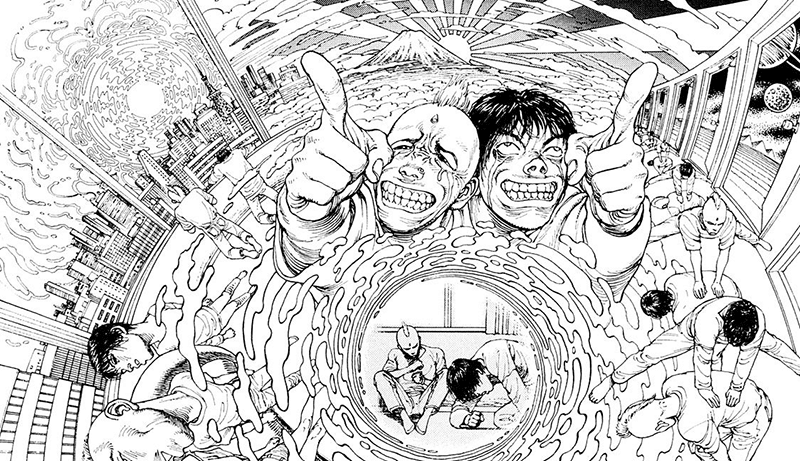
Ultra Heaven might feel like an outlier on this list. It’s not a space opera, a mecha war, or a cyberpunk thriller. It’s a psychedelic fever dream about chemical bliss, spirituality, and the slow collapse of reality set in a futuristic city. Yet it still earns its spot as an essential science-fiction manga because of how far it pushes the genre’s obsession with consciousness and artificial experiences.
The core idea is that feelings have become products. With the right drug, you don’t just get high. You get emotions: rage, bliss, comfort, serenity. Anything can be manufactured and sold. Kabu is the kind of guy who fits right into this world. He’s a small-time dealer and a heavy user who constantly searches for something stronger. That makes him the perfect target for Ultra Heaven, a new underground drug.
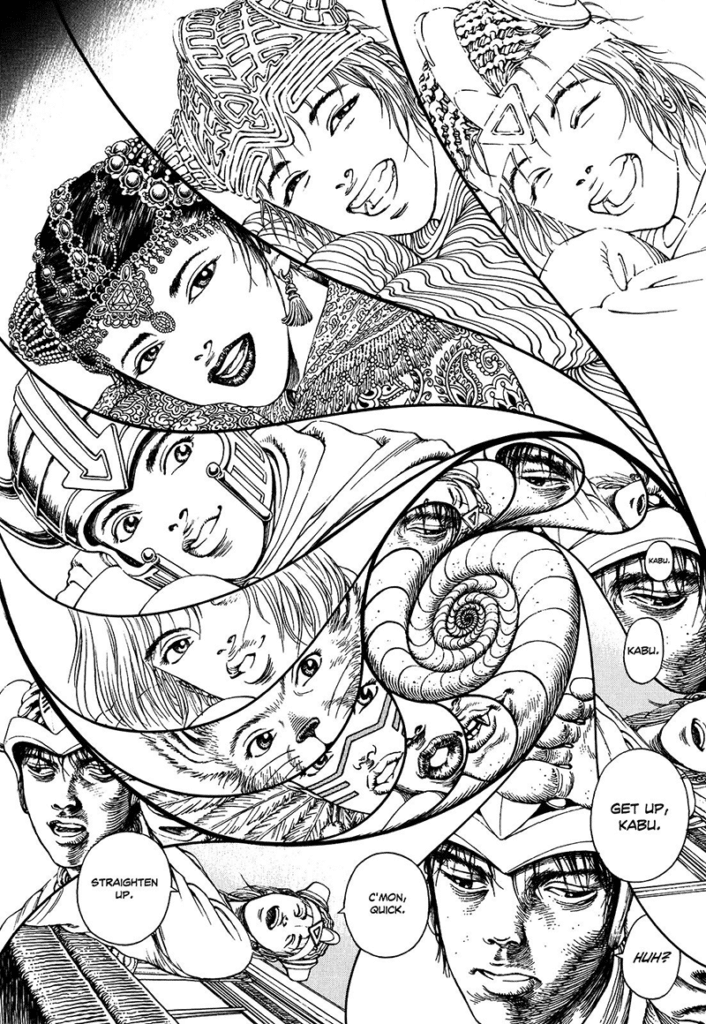
What makes the manga hit isn’t plot complexity, because it’s not built like a traditional narrative. It’s built like an experience. The early sections feel grimy and tactile, full of street-level grit, and closer to a dystopian manga. Then the drugs kick in, and the story doesn’t just slip, it drops into full metaphysical freefall. Koike makes altered states the real setting, not a temporary detour, and turns the manga into a visual representation of an unstable consciousness trying to understand what’s happening.
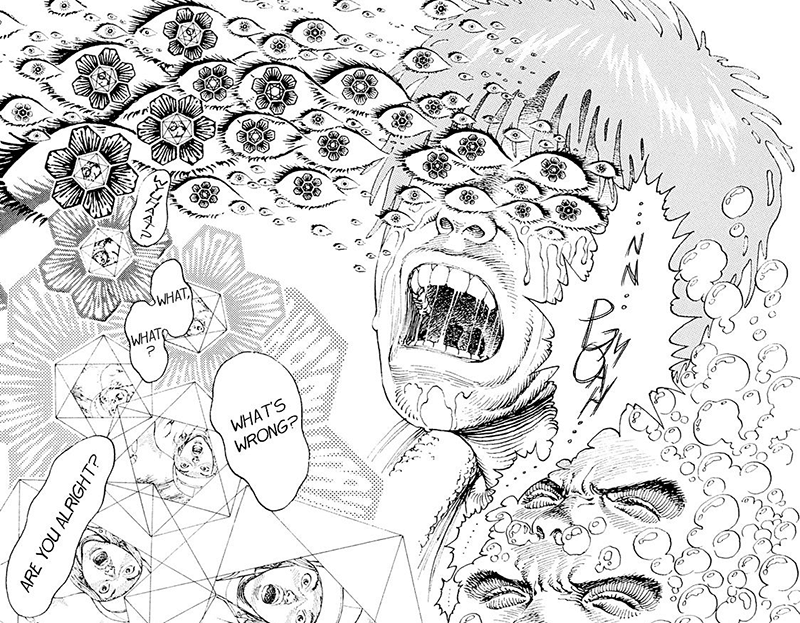
Koike’s art is what elevates the manga to new heights. His characters and environments have a harsh, grounded realism, the kind that makes the city feel heavy, suffocating, and used up. But once Kabu takes a hit, the pages stop behaving normally. Panels twist, overlap, and fracture. Perspectives flip without warning. Shapes repeat and turn into kaleidoscopes. Sometimes it reads like a hallucination rendered with mechanical precision, other times like an abstract diagram of something that doesn’t have a visual representation. It’s one of the rare manga where form is inseparable from content. You don’t just observe Kabu’s spiral from a distance. You’re dragged into it with him.
Later chapters shift the focus again. This is when Ultra Heaven stops being purely about chemicals and focuses on something else: meditation, discipline, and guided transcendence. Here, enlightenment turns into something that can be manufactured and engineered, just like drugs. That’s where Ultra Heaven shines most as a science-fiction manga. It isn’t just trippy. It’s asking what happens when inner experiences become commodities, exploited, and monetized.
Ultra Heaven’s main drawback is how fragmented and brief it is. With only three volumes, it can feel unfinished, like you’re only seeing a small part of a much larger story. Plot threads drift in and simply vanish. Explanations are nonexistent, and the final stretch embraces abstraction so hard that it becomes nigh incomprehensible.
And yet, that incompleteness feels almost like the point. Ultra Heaven isn’t trying to be neat. It’s trying to destabilize. If you’re looking for an experimental science-fiction manga about the fringes of the inner mind, perception, and psychedelic enlightenment, there’s nothing quite like it.
Genres: Psychological, Sci-Fi, Experimental
Status: Completed (Seinen)
3. Eden: It’s an Endless World!
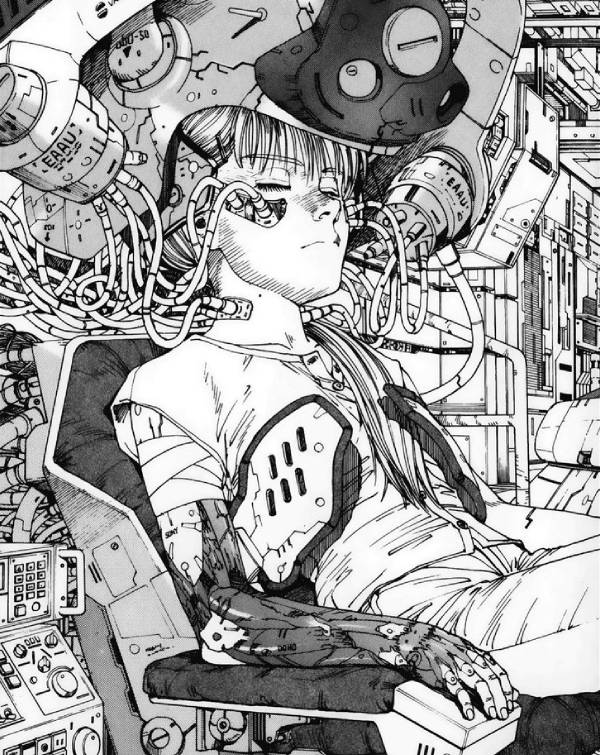
Eden: It’s an Endless World! is a cyberpunk epic that doesn’t rely on neon lights or cool gadgets to make its world feel eerie and convincing. Hiroki Endo builds a world that was shattered by catastrophe and rebuilt into something colder, quieter, and more dangerous. It starts with survival, but it turns into a story where corporations, crime, religion, and technology clash. As a science-fiction manga, it’s one of the most ambitious titles on this list: big ideas, hard consequences, and a future that feels uncomfortably plausible.
In the aftermath of a global pandemic, a shadowy organization seizes control under the banner of stability, transforming a ruined world into a managed system. Eden makes it clear that a dystopia isn’t created by a single, decisive event. It’s created by decisions, compromises, and institutions that never give power back once they have it. From there, the story turns into a long-form geopolitical thriller spanning continents.
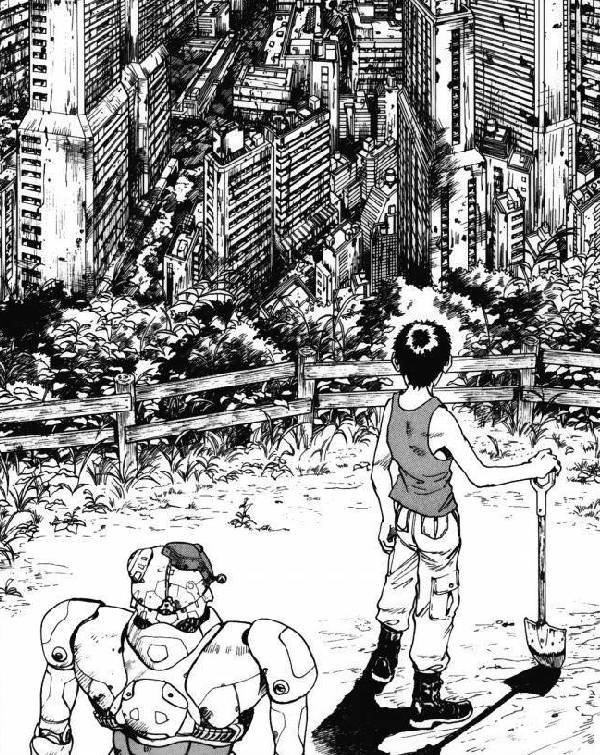
What makes Endo’s worldbuilding work is how it treats technology as infrastructure, not decoration. The future isn’t shiny. It’s functional and militarized, with hackers, surveillance tools, cybernetic enhancements, and advanced weaponry existing alongside poverty, exploitation, and collapsing states. The series keeps returning to its core message: technology doesn’t fix human nature; it just changes the scale of what humans can do. That’s why Eden’s cyberpunk elements feel so grounded. It’s a future shaped by incentives and ambition, not aesthetics, and its violence is the logical consequence of politics and desperation rather than random spectacle.
Execution-wise, Eden’s greatest strength is scope without losing momentum. The cast spans continents and social classes, from soldiers to mercenaries to idealists, criminals, scientists, and people simply trying to live their lives. Endo shifts perspective often, but each viewpoint is a different angle of the same broken structure, showing how power travels through money, coercion, faith, and fear. The tension doesn’t come from stylized action, but from unstable alliances, moral compromises, and the sense that every victory has a price.
Visually, the manga commits to physical reality. Endo’s art is sharp, anatomical, and emotionally blunt. Injuries look painful, sex looks human rather than glamorous, and exhaustion shows up in faces and posture. When the story gets violent, it’s ugly and direct, not stylized. That choice is a huge part of Eden’s identity. It’s a series that refuses to romanticize the underworld or the cost of survival.
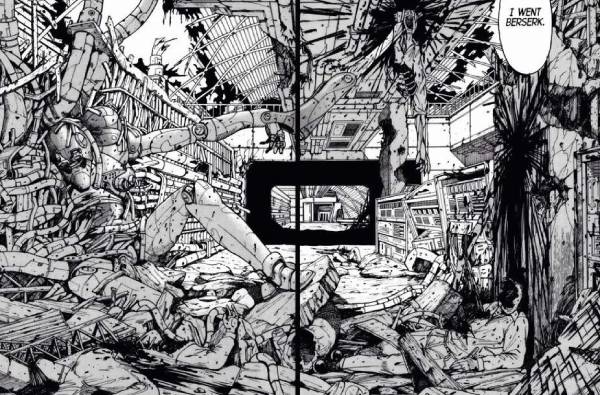
Its most distinctive edge is that it treats cyberpunk as a global condition. A lot of cyberpunk manga focuses on a single city, a single case, or a single movement. Eden feels more like watching a world reassemble itself after a disaster into a new order that’s worse than what came before. It also weaves in spiritual and philosophical ideas without turning preachy, using belief systems as another way to show how people cope with collapse or how they exploit it.
Eden can also be a demanding series. It’s long, brutal, and spends a lot of time in society’s more uncomfortable areas, showing sexual violence and the uglier sides of human behavior. While scale is part of the appeal, it also means long detours, dense stretches, and a tone that rarely offers much relief.
Eden: It’s an Endless World! is one of the most rewarding reads in science-fiction manga. It’s adult cyberpunk that feels realistic, politically sharp, and follows its ideas to their nastiest conclusion.
Genres: Sci-Fi, Cyberpunk, Thriller, Drama, Psychological
Status: Completed (Seinen)
2. Akira
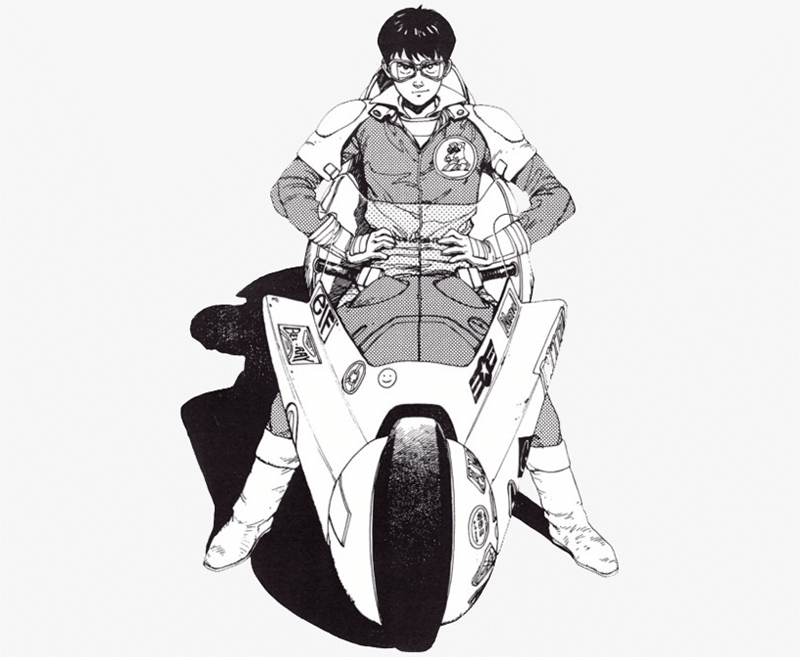
Akira by Katsuhiro Otomo might be the most influential science-fiction manga ever made. It’s a landmark work that shows how manga visualizes urban collapse, political paranoia, and youth rebellion, all packed into a single dystopia. Even decades later, it still feels strangely modern, owing not only to its stunning visuals but its timeless themes.
Centered on the rebuilt metropolis of Neo-Tokyo, it’s a story of aggressive biker gangs, extremist cells, and a government trying to handle public unease with secrecy and brute force. It’s a world full of tension and suppression, giving you the feeling that the next riot, cover-up, or disaster is just pages away. This pressure makes Akira feel less like a simple futuristic setting and more like a system about to collapse.
Kaneda and Tetsuo are two reckless teenagers shaped by the streets and the chaotic world around them. Their friendship carries a constant edge of rivalry, and that instability becomes catastrophic when they get involved with a secret military project. Akira’s story relies heavily on psychic powers, but the real science-fiction idea is what seemingly unlimited power does to identity. Tetsuo’s awakening isn’t framed as heroic. It’s a corruption, an escalation that turns insecurity into fuel for an apocalypse.
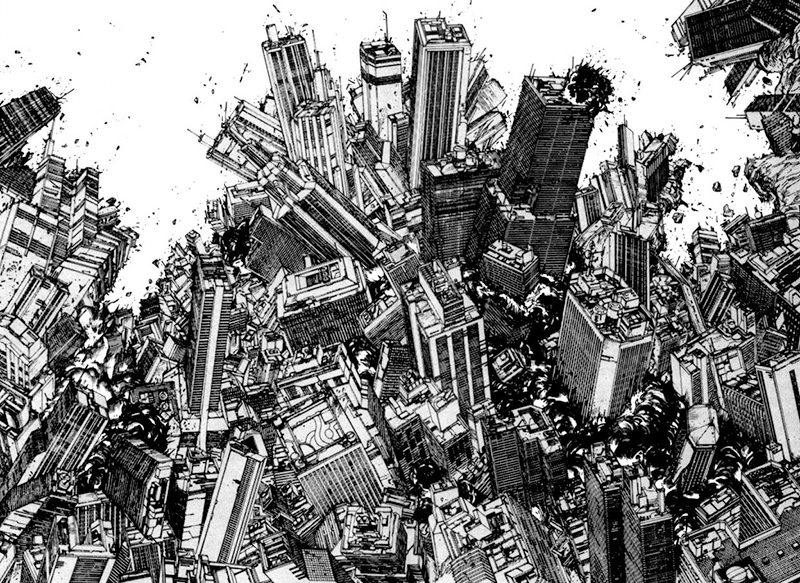
Otomo’s execution elevates the manga to greatness. His paneling is cinematic, but not in a conventional way. He controls motion, space, and geography with obsessive precision, so even chaotic street fights and explosions stay readable. Neo-Tokyo is rendered with a precision and architectural density that other series can’t match for more than a few panels at a time. You can feel the concrete, the sprawl of highways, the clutter of rubble, and the grime of alleyways. When Akira’s scale rises, the destruction doesn’t feel abstract or symbolic. It looks almost controlled, as if Otomo understands exactly how a city’s meant to break apart.
Akira is also one of the purest examples of momentum-based storytelling in science-fiction manga. It doesn’t stop to explain things, and it doesn’t need to. Tension comes from acceleration: turf conflicts turn into political chaos, covert military experiments become public disasters, and ordinary violence swells into something mythic. It’s not hard science-fiction, and it doesn’t want to be. The power system seems intentionally hazy to keep the story in a feverish state fueled by escalation.
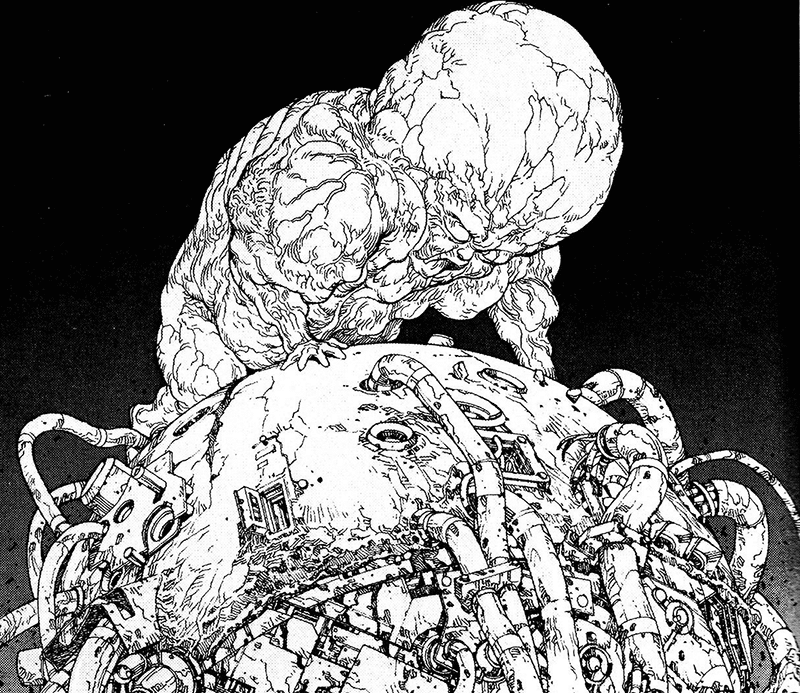
That said, Akira isn’t flawless. The characters can feel archetypal, especially when compared to other cyberpunk manga that dive deep into psychology and philosophy. Kaneda is charming and impulsive, Tetsuo is never far from outright psychopathy, and the supporting cast exists to expand the scope rather than to evolve. When the story shifts into massive psychic spectacle, coherence takes a hit, and the emotional intimacy of the earlier street-level conflicts gets overshadowed by sheer scale. Otomo’s ambition is part of the appeal, though, even when it can make the narrative feel disjointed.
Still, Akira earns its reputation through raw vision. It’s dystopian science-fiction at its best: loud, crowded, unstable, and drawn with a level of craft that’s leagues above most of the genre. It doesn’t just depict the end of the world. It makes you live through it.
Genres: Sci-Fi, Cyberpunk, Dystopian, Action
Status: Completed (Seinen)
1. Blame!
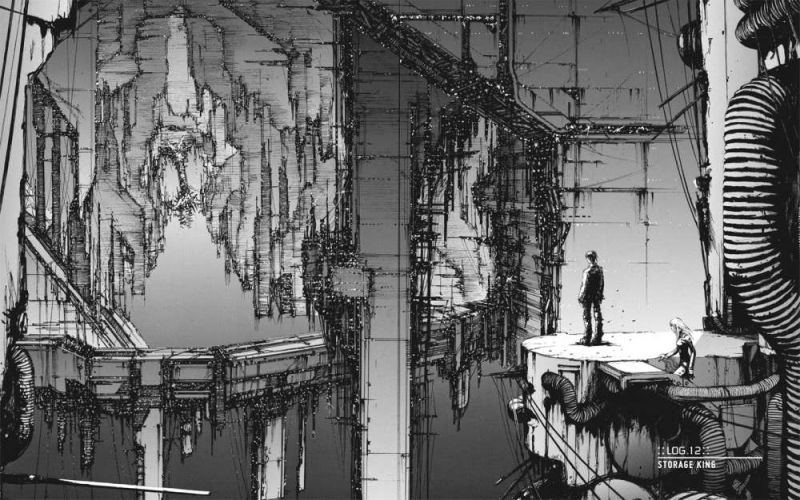
Tsutomu Nihei’s Blame! is one of my favorite manga of all time, and it’s also one of the most overwhelming pieces of science-fiction manga ever drawn. It doesn’t offer you clean explanations or a friendly world. Instead, it drops you into a future so vast and broken that humanity feels completely insignificant.
Blame!’s world is dominated by The City, a self-expanding megastructure that keeps building in all directions without a clear endpoint. Somewhere inside that infinite machine exists the Netsphere, a control layer that could bring order back to the system. Killy’s job is to find a human with the Net Terminal Gene, the genetic code needed to access it. That simple objective pushes him into a seemingly endless journey through never-ending corridors, unfathomable industrial complexes, and entire regions designed with no regard for human life.
Blame! works because its science-fiction elements aren’t just a backdrop. The setting behaves like a living organism. The City grows, repairs, replaces, and expands with cold indifference, and the creatures inside feel less like inhabitants and more like invaders. Biomechanical monstrosities lurk in hidden corners. Cyborgs look like nightmares given silicon life. The Safeguard exists to eliminate threats and unauthorized humans. The Builders keep constructing new layers even when there’s no longer any civilization in need of them. Meanwhile, every pocket of human survivors Killy encounters feels temporary, as if on the fringes of oncoming destruction.
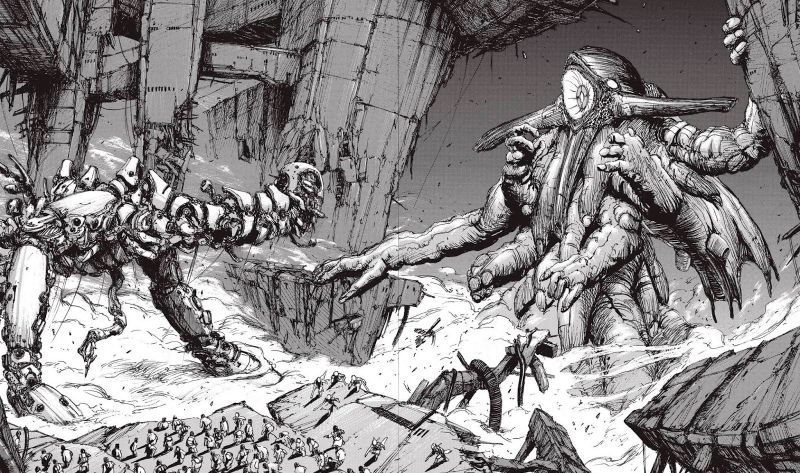
Nihei’s greatest weapon is visual storytelling. He never pauses to explain how anything works, but the world still feels consistent because the details reinforce each other. Bodies and identity feel mutable in unsettling ways, with systems that can rebuild, overwrite, and repurpose what’s left behind. Technology feels less like machinery and more like high-concept ideas given form. At times, it becomes so extreme it reads like sorcery, but the manga presents it as the natural endpoint of a hyper-developed, fully networked society.
The other reason Blame! hits so hard is its restraint. Dialogue is sparse, and exposition is a rare luxury. Instead of narration, you get scale. Killy is often rendered as a tiny silhouette against impossible architecture, and those panels tell you more than exposition ever could. You feel how far he’s traveled, how unimportant he is compared to the machinery and structures surrounding him, and how little The City cares for any life dwelling within it.
When violence happens, it’s sudden and catastrophic. The Gravitational Beam Emitter Killy wields doesn’t create stylized fights, but instant annihilation, turning shootouts into structural disasters. That contrast is the series’ rhythm: long stretches of ominous, quiet exploration, then a few seconds of sheer, unbridled destruction.
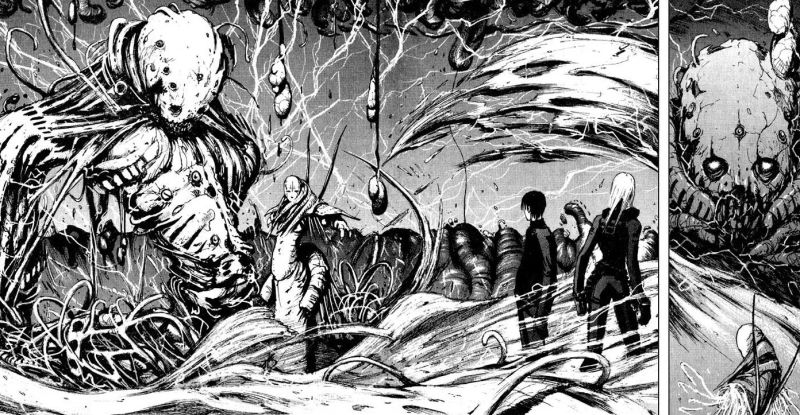
Blame!’s biggest flaw is the one thing that makes it legendary. It can be incredibly hard to read. The story is cryptic, arcs feel episodic, and Nihei’s refusal to spell anything out will leave many readers frustrated. Even when answers arrive, they tend to raise more questions, which is either perfect or infuriating, depending on what you expect from the genre.
Blame! is a singular achievement in science-fiction manga. It’s a work full of oppressive atmosphere, architectural horror, and alien ideas delivered with total confidence. It’s not about plot, but about vision, and the sense of traveling through a world that’s not only infinite but uncaring.
Genres: Sci-Fi, Cyberpunk, Horror, Action
Status: Completed (Seinen)