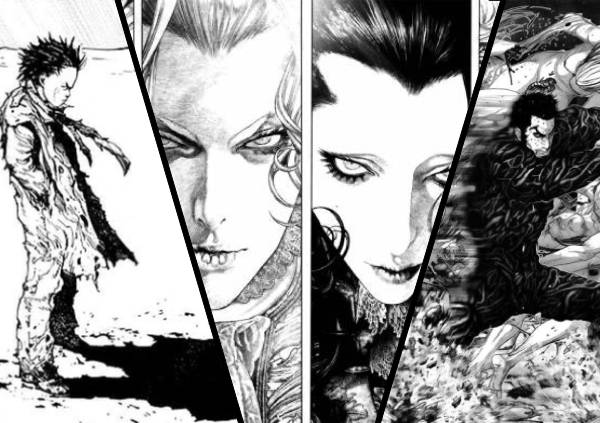
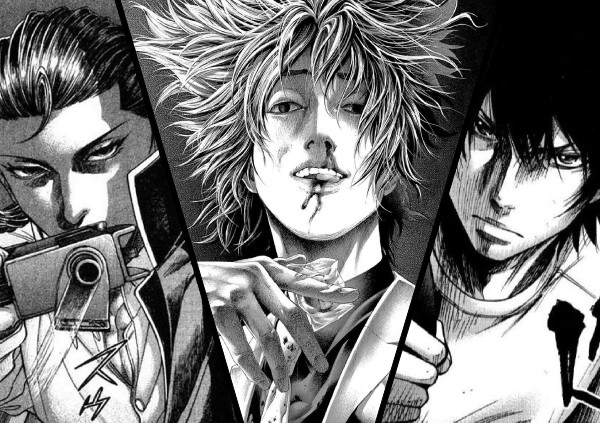
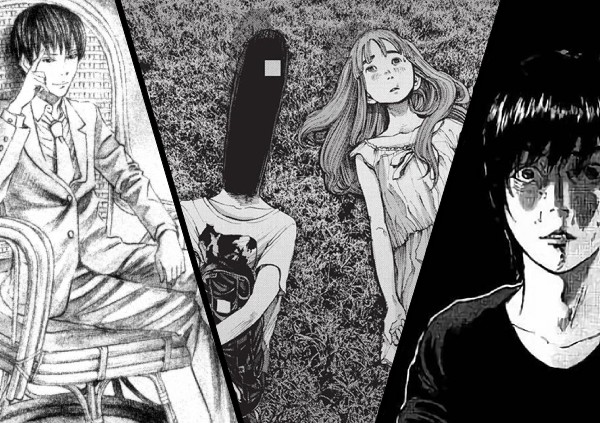
Martial arts have long been a part of Japanese culture, so it’s no surprise that manga has produced so many memorable stories built around combat. The best martial arts manga do more than deliver brutal fights and high-stakes confrontations. They make techniques feel tangible on the page, whether that’s disciplined training, tactical matchups, or the ruthless logic of survival.
This list takes a broad view of the genre. You’ll find shonen battle and tournament staples alongside darker seinen, delinquent brawlers, and historical samurai stories. The common thread is intent. Each series treats fighting as more than background action and gives real attention to style, progression, and the mindset behind the violence, even when the combat is exaggerated or mythic.
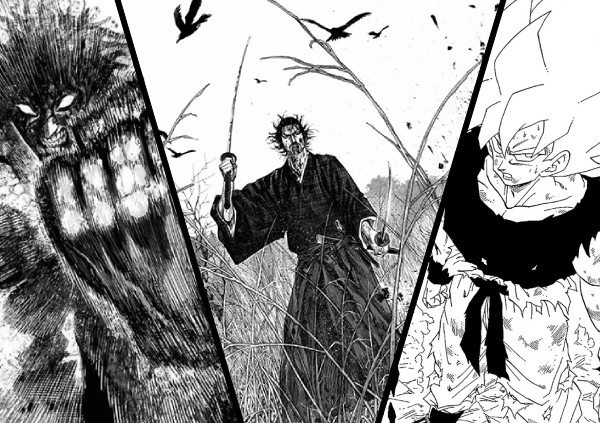
Some series explore martial arts as a craft. Others use it as a tool to show character, obsession, and escalation. Samurai titles like Vagabond and Blade of the Immortal frame swordsmanship as a martial discipline shaped by era, reputation, and morality. Tournament-driven series like Kengan Ashura turn combat into a system where matchups and rule sets matter as much as raw strength. Street-fighting manga like Holyland or Crows strip everything down to reputation, fear, and what happens when people choose violence as their identity.
Not every story here treats martial arts as noble. Shamo and Shigurui, for example, dig into uglier impulses, showing how technique can become a tool for control, self-destruction, or cruelty. That range is part of what makes this corner of manga so enduring. Martial arts manga can be crowd-pleasing spectacle, but at their best, they also reveal what a person becomes when fighting is the only language left.
Mild spoiler warning: I’ll keep the discussion focused on combat and why each series belongs here, but I may mention certain plot details.
With that said, here’s my list of the best martial arts manga (last updated: January 2026).
17. History’s Strongest Disciple: Kenichi
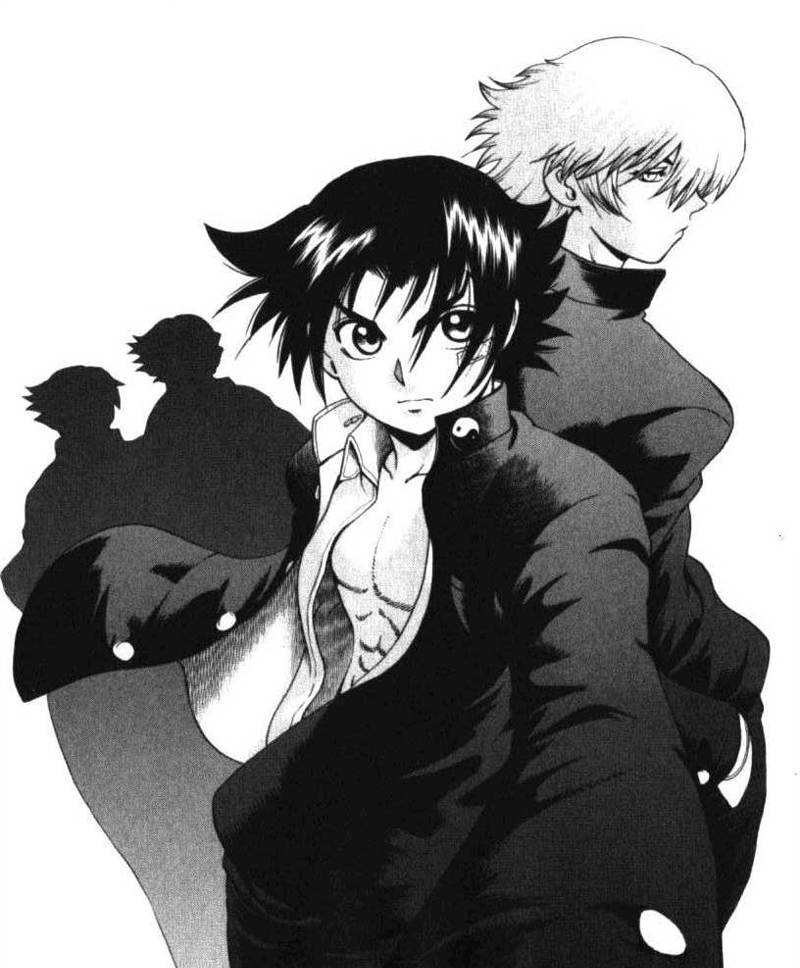
History’s Strongest Disciple: Kenichi is about as close as you can get to a classic shonen training fantasy, pushed to an absurd extreme. It’s a pure zero-to-hero setup: a weak kid gets real instruction, learns real fundamentals, and survives long enough to apply it against opponents who should defeat him.
Kenichi Shirahama starts out as an easy target, the kind of guy who wants to change but doesn’t know how. After a brief, humiliating attempt to toughen up through his school’s karate club, he gets pulled into Ryozanpaku, a home dojo run by a group of martial arts masters. This shift is the series’ driving force. Kenichi isn’t gifted in the usual sense. He improves because he gets drilled, punished, corrected, and rebuilt by people who treat training like a science, even when the manga turns it into comedy.
What makes it worth including on a martial arts manga list is how much attention is given to technique and progression. The fights are readable and often genuinely gripping, and the series takes time to frame styles, habits, and counters so matchups feel real. Even when it exaggerates for spectacle, the fundamentals are still there. Kenichi loses because he doesn’t understand distance, timing, or intent, then wins later because he trains these specific gaps. That simplicity is part of the appeal, and it’s why it remains one of the more training-focused martial arts manga in long-running shonen.
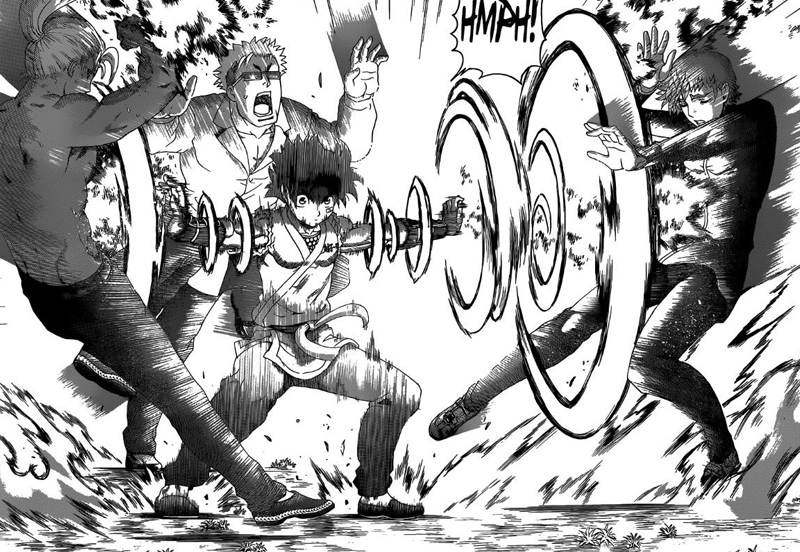
Structurally, it can feel repetitive. One faction gets defeated, then a stronger one appears, and the cycle repeats. A lot of defeated enemies also side with the protagonists, which reduces tension over time. Character development rarely goes beyond them becoming stronger, and some of the eccentric side characters, like Nijima, can drift from funny into grating.
The biggest problem is the fanservice. It’s constant, loud, and often undercuts scenes that would work better without it.
Still, if you want a long-running shonen focused on training, clear choreography, and a likable cast, Kenichi remains a solid pick.
Genres: Action, Comedy, Martial Arts
Status: Completed (Shonen)
16. Over Bleed
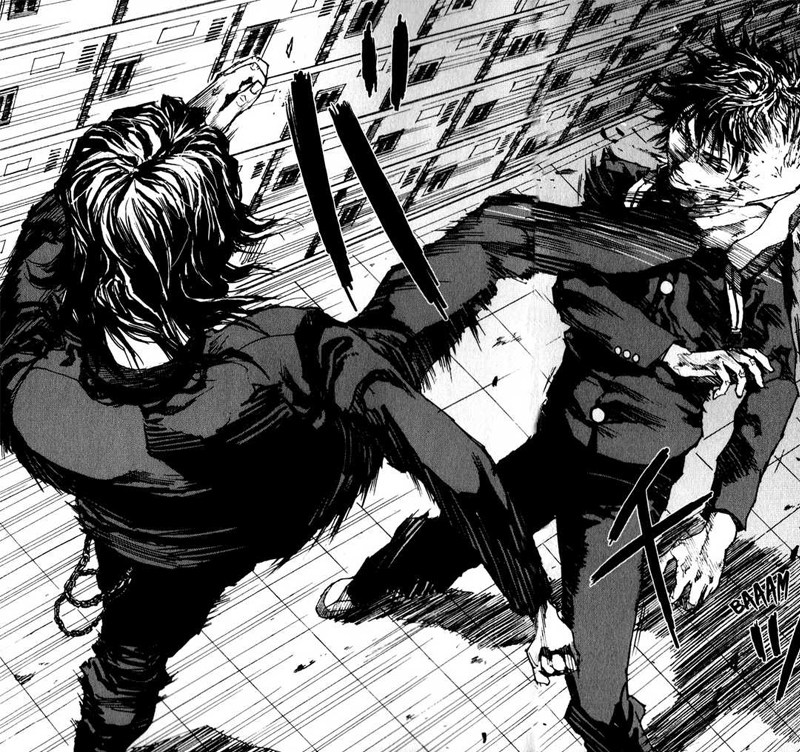
Over Bleed reads like a back alley fight video you were never meant to see. It starts with a familiar setup for street-fight stories, but quickly earns its place on a martial arts manga list by treating violence as ugly, opportunistic, and uncomfortably realistic.
Kei Nishijima is a bullied high schooler who has already learned the obvious lesson: nobody is coming to help him. After a breaking point and a failed suicide pact with his childhood friend Akira, Kei keeps moving through life like a ghost. Months later, he discovers an underground website called Over Bleed, a hub for recorded street fights. One of the fighters on the site, Bunen, looks uncannily like Akira. Kei’s response isn’t noble or healthy. He decides the only way to get answers is to join the fray and fight his way up until Bunen can’t ignore him any longer.
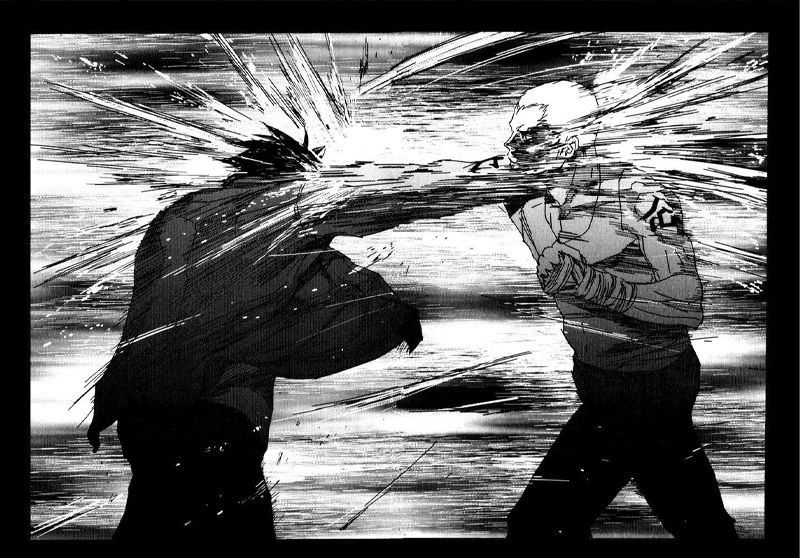
What makes Over Bleed stand out is how it depicts street fighting. The choreography is clean and easy to follow, but the tactics are mean and ugly. Kei scraps to win, not to impress. He bites, cheap-shots, targets weak points, and uses whatever is nearby when technique alone isn’t enough. That desperation is the point. These aren’t honorable matches with rules and referees. They are contests shaped by fear, adrenaline, and the constant question of who will go one step further. That gives this martial arts manga a harsher, more believable edge than most fighting series.
Due to its short length, the series stays focused. It doesn’t wander into long side stories, and it doesn’t dilute the core through filler. The downside is that the same tightness can make the ending feel abrupt. The finale lands, but its resolution can feel rushed for how intense the buildup is.
If you want a brutal, realistic street-fight story with sharp art and minimal padding, Over Bleed is a strong pick.
Genres: Action, Martial Arts, Drama
Status: Completed (Seinen)
15. Ranma 1/2
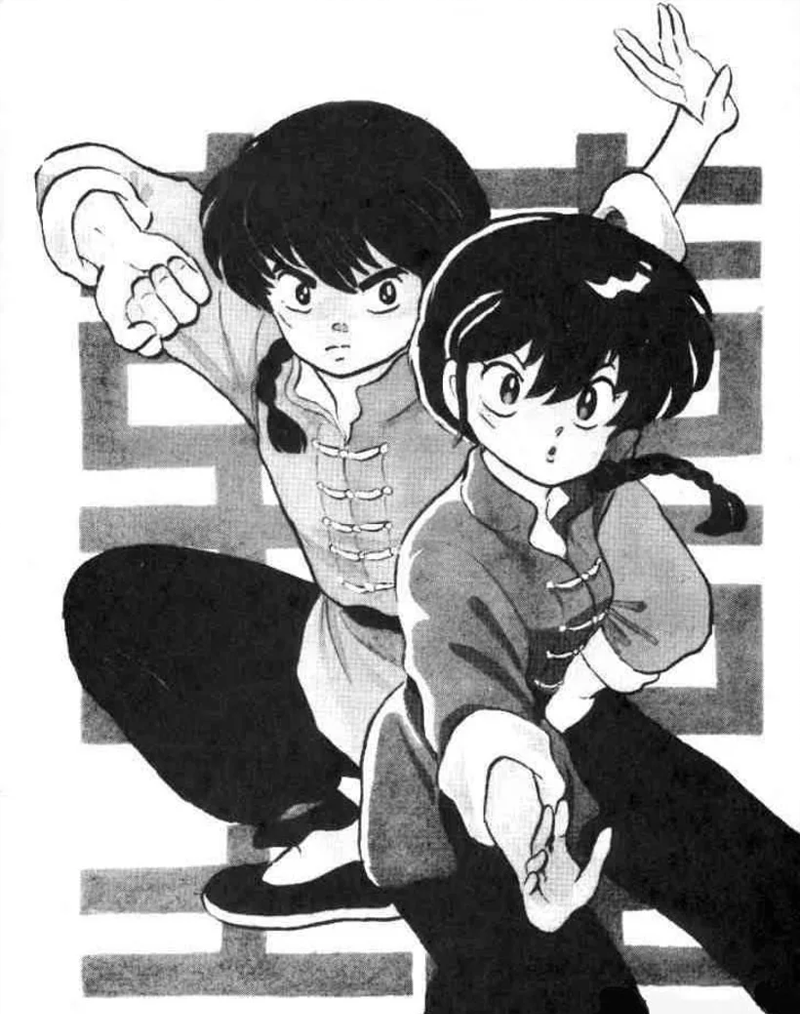
Ranma 1/2 is an outlier in the genre because the fighting is also the punchline. Rumiko Takahashi builds the series around a simple idea, then keeps finding new ways to push it into chaos without losing the core appeal: clean, readable action that treats martial arts as a flexible framework for comedy, rivalry, and romance.
Ranma Saotome returns from training in China with his father Genma, bringing two problems home. The first is an arranged engagement to Akane Tendo, set up by their parents. The second is a curse picked up during training that turns Ranma into a girl whenever splashed with cold water, while hot water reverses it. The gag never stops being funny, because Takahashi uses it to trigger misunderstandings, escalate challenges, and bait new rivals into fights that spiral far beyond the original dispute.
What earns Ranma 1/2 a spot on a martial arts manga list is how central combat remains even when the series is being ridiculous. The story runs on challenges. Characters express affection, jealousy, pride, and insecurity through violence, and the manga keeps inventing styles and techniques that are simultaneously over-the-top and oddly convincing.
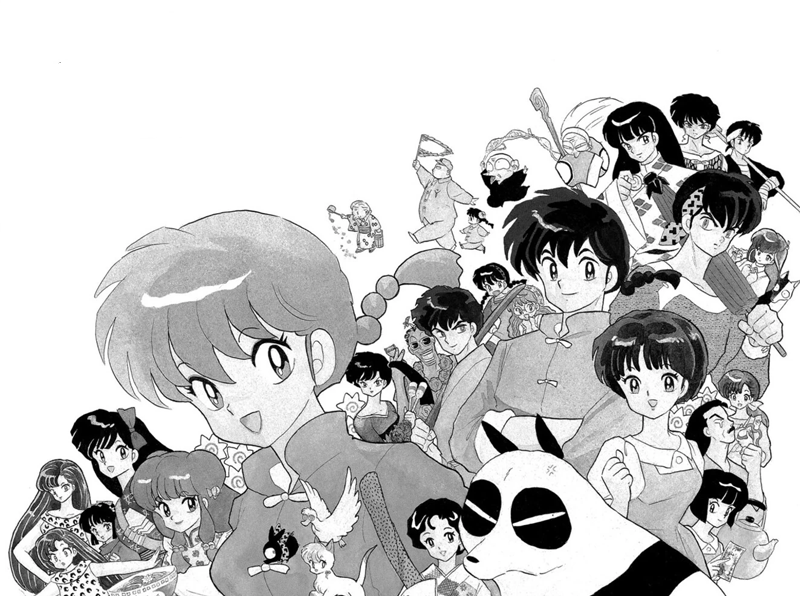
Some of the later martial arts concepts move into self-parody. Especially when they lean into exotic hidden school absurdity, but that exaggeration is part of the tone. The fights still land because the choreography is staged clearly, the movements read well, and the comedic timing is built into the action rather than added afterward, which is why it remains such a distinctive martial arts manga even decades later.
The cast is intentionally extreme. Almost everyone is a walking personality trait designed to collide with someone else’s. That makes the episodic structure work, but it also means the romance can feel stuck in place. Akane is one of the characters that may test your patience. Her brash, tsundere behavior is era-defining, but it can become grating when the same story beats are repeated ad absurdum.
If you came to Ranma through the older anime adaptation, the manga offers a tighter experience. The original TV run also ended years before the manga was concluded, so it doesn’t cover the full story. Regardless, Ranma 1/2 still holds up as a martial arts comedy with unusually strong fight readability.
Genres: Action, Comedy, Romance, Martial Arts
Status: Completed (Shonen)
14. Gamaran
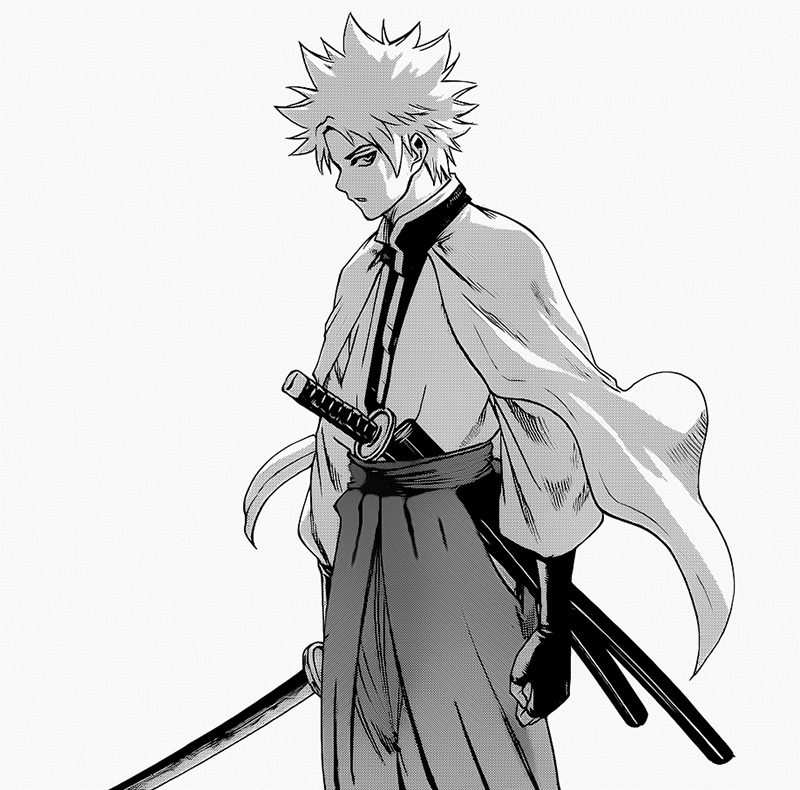
Gamaran is one of the purest tournament-focused fight series you can read. It’s set in the Edo period and treats swordsmanship like a competitive discipline, built around matchups, counters, and the idea that style matters. The story exists mostly as a framework for fights, which is exactly why it works. If you want a martial arts manga that prioritizes combat craft over drama, this one stays fully on target.
The premise is simple but functional. A powerful daimyo announces a succession tournament, and each of his sons must select a champion to represent them in lethal duels until only one contender remains. Naoyoshi Washitsu goes looking for a famed swordsman, only to end up bringing his son Gama into the competition instead. From there, the series becomes a steady climb through increasingly dangerous opponents.
Gamaran’s best quality is in how it treats variety. The roster is packed with distinct fighters, and the manga takes time to establish what makes each style threatening. That doesn’t mean long lectures or heavy narration. The explanations are practical and tied to what you’re seeing on the page, so technique never feels detached from the action. Weapons, ranges, grips, and timing all matter, and the fights are less endurance contests and more tactical exchanges, which is exactly what people are looking for in martial arts manga.
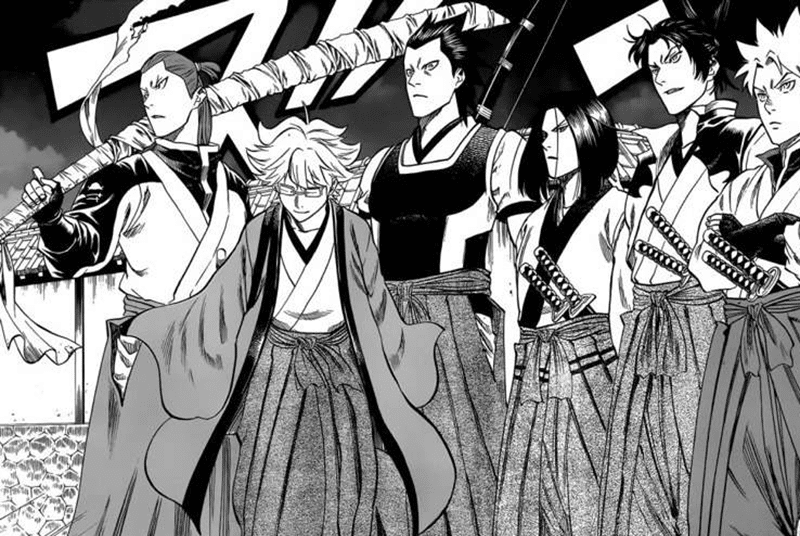
The art is strong when it counts. Quiet scenes are serviceable, but the duels are staged with clear momentum. Movement reads cleanly, impacts have weight, and bouts often end decisively instead of stretching into multi-chapter stalemates. That sense of speed and danger fits the setting, and it helps the tournament structure feel like a genuine elimination gauntlet.
The tradeoff is character depth. The series doesn’t aim for complex psychology, and much of the cast exists solely to embody a technique, a weapon, or a fighting philosophy. If you want layered development or surprise turns, you won’t find it here. If you want straightforward, well-executed swordfighting, Gamaran delivers.
Genres: Action, Martial Arts, Samurai, Tournament
Status: Completed (Shonen)
13. Shamo
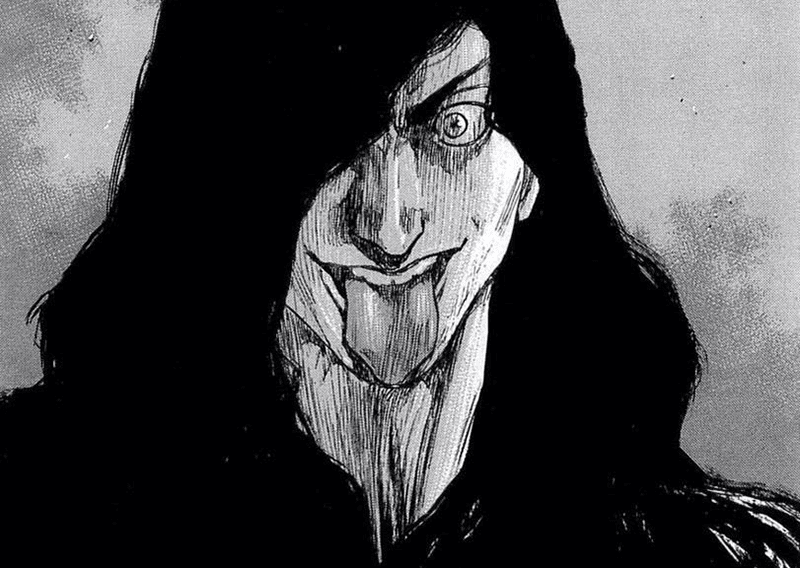
Shamo is one of the bleakest entries you can put on a martial arts manga list because it treats fighting as a tool for domination, not self-improvement. The series does not ask you to root for its lead. It asks you to watch what happens when someone with talent uses it to take whatever he can.
Ryo Narushima is sixteen when he murders his parents and gets sent to a reformatory. Inside, he meets Kenji Kurokawa, a karate practitioner who recognizes his potential and teaches him how to survive. That training is not framed as inspirational. It’s practical, brutal, and shaped by the reality that weakness attracts predators. When Ryo is released, he carries that lesson back into the outside world with a kind of cold clarity.
The fighting in Shamo has an ugly edge that separates it from cleaner tournament manga. Ryo doesn’t compete to prove himself. He fights to get paid, to take control, and to avoid ever being cornered again. When he’s forced to use violence, he uses whatever works. There’s technique, but there’s opportunism, too. Reading an opponent matters, but so does a willingness to cross the line. That’s the point. Shamo shows the darker side of martial arts culture, the version tied to crime, exploitation, and people who treat combat as leverage. It makes this martial arts manga feel closer to moral collapse than a power fantasy.
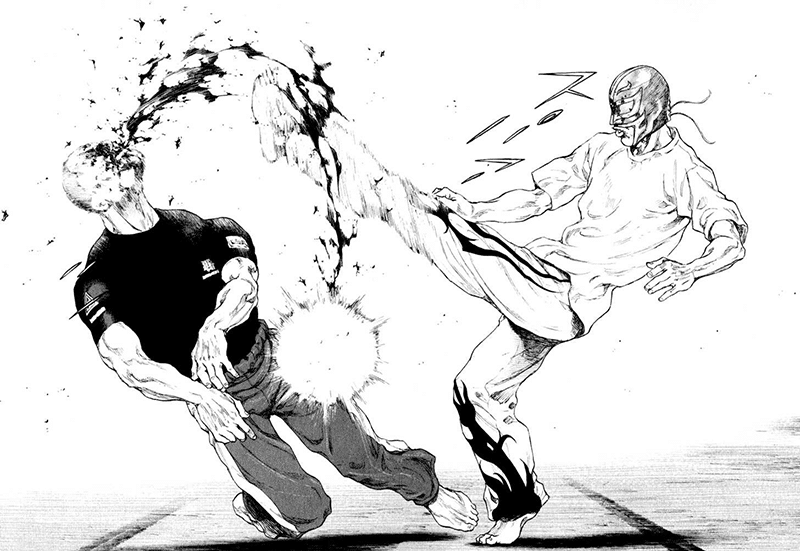
What keeps it from feeling like edgy shock is that Ryo’s life is not glamorized. He’s isolated. The people around him tend to exploit him, fear him, or look for ways to profit from him. The manga keeps asking a simple question: what kind of future is available to someone society has deemed unforgivable? That tension gives the early stretch real weight, and it turns fights into symptoms of a deeper self-destructive trajectory.
The art fits the tone. It’s gritty and grounded, and it sells damage without romanticizing it. Fights are well choreographed and gripping, even if they cross the line of what’s allowed in martial arts matches.
The big drawback is the later shift in focus. The series pulls away from its sharp social bleakness and leans into broader, more mythical ideas like ki and less into grounded combat. For many readers, the first half is the reason Shamo stands out, while the second half turns away from what made it compelling in the first place.
Genres: Crime, Martial Arts, Thriller
Status: Completed (Seinen)
12. Battle Angel Alita

Battle Angel Alita is cyberpunk first, but it earns its place here because the action is built around a specific fighting discipline rather than generic mecha battles. Yukito Kishiro gives Alita a martial art with its own identity, rules, and feel, which the series’ best fights use as a foundation.
The setup is simple. After discovering the remains of a female cyborg, cybernetics specialist Dr. Ido decides to rebuild her. She wakes up with no memories, a new body, and instincts she cannot explain, including a forgotten martial art called Panzer Kunst. Scrapyard, the city where the story takes place, is not a heroic place to start over. It’s a dense maze of factories, crime, and scavenged metal, where violence doubles as entertainment and economy.
Panzer Kunst is the reason this series fits on a martial arts list. In-universe, it’s described as a martial art developed for combat in zero gravity, originating on Mars, with techniques and ranks named in German. You don’t need to memorize the lore for it to work. You can feel it in the choreography. Alita’s movements are fast, fluid, and surgical, with a strong emphasis on angles, positioning, and disabling force rather than trading blows. When she fights larger opponents, the matchups are not solved by raw power so much as efficiency, reading the opponent’s intent, and using a machine body with purpose.
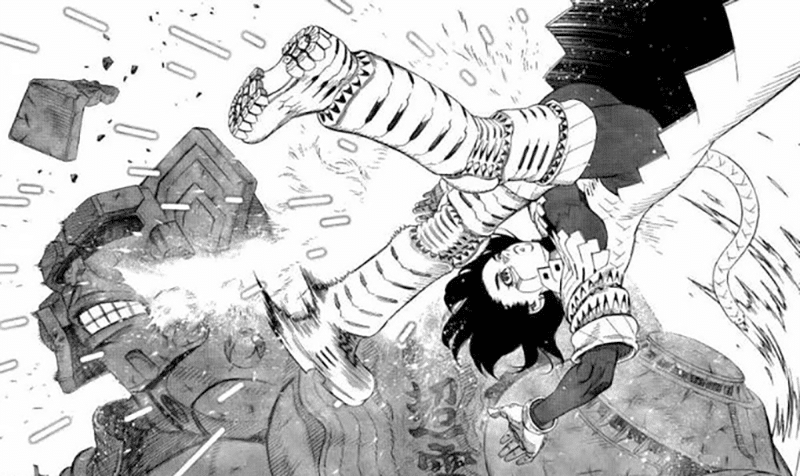
Kishiro’s art is strongest in motion. The series shows speed, impact, and mechanical damage with clarity, and the Motorball arc is the clearest example of that kinetic skill. The wider story is less about an end goal and more about identity, agency, and what it means to choose a life in a world that treats bodies as replaceable hardware. This character focus keeps the series from feeling empty.
There are rough edges. Some early art and character designs can veer into caricature, and Alita’s immaturity can be grating in stretches. As a stylish outlier within martial arts manga, Battle Angel Alita shows how a distinct combat system can elevate action into something memorable.
Genres: Action, Sci-Fi, Cyberpunk, Martial Arts
Status: Completed (Seinen)
11. Naruto
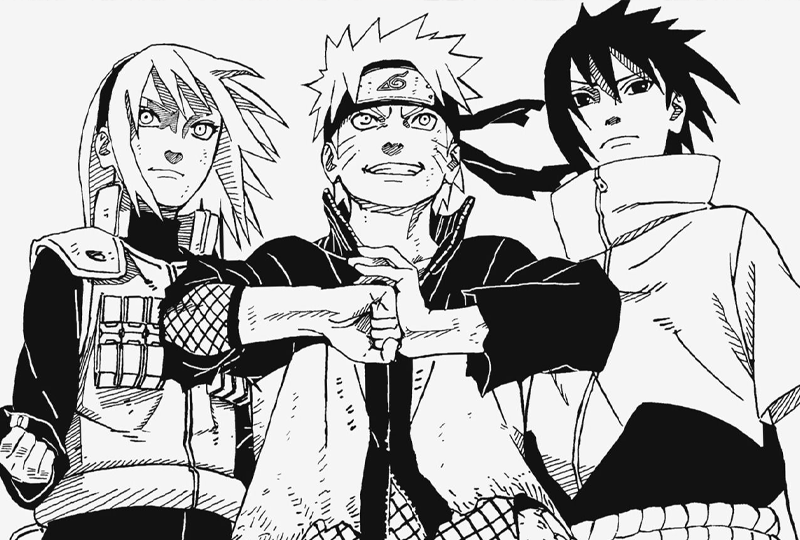
Naruto is a cornerstone of manga, but it belongs on this martial arts list for a specific reason: at its best, it treats combat like a craft. Early Naruto is built on timing, positioning, misdirection, and the idea that a fight can be solved through preparation and counters rather than raw force.
As an outcast with the Nine-Tailed Fox sealed inside him, Naruto Uzumaki is ostracized by his village and desperate to prove he deserves a place in it. He’s placed on Team 7 with Sakura Haruno and Sasuke Uchiha under the guidance of Kakashi Hatake, and the series quickly establishes how its action works. Shinobi combat is not just a contest of strength. It’s a mix of taijutsu, tools, deception, and techniques triggered through hand signs, with each fighter carrying a specific toolkit and temperament.
That foundation makes the early arcs feel unusually tactical for a battle shonen. Matchups depend on information. Traps matter. Small openings get exploited. Even when the setting leans into fantasy, the fighting often reads like a martial arts exchange, especially when taijutsu specialists appear and the manga centers on speed, form, and pressure. The Chunin Exams are the cleanest showcase of this approach, a tournament arc that emphasizes variety and fight logic without losing momentum.
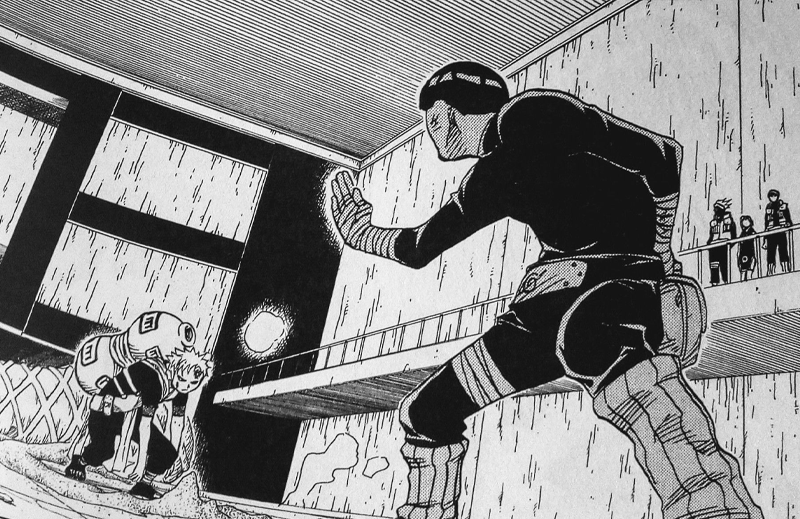
Naruto’s main weakness is that this approach changes over time. As the story expands, the series gradually shifts away from grounded ninja problem-solving and toward larger, flashier power escalation. Fights become grander, but they lose some of the earlier tension that came from limitations, preparation, and clever counters. The same shift applies to Naruto himself. The underdog appeal is strongest early on, when growth feels earned through training and persistence, and weaker later, when the story leans more heavily on inherited power and late-stage power-ups.
Even with those issues, Naruto remains a defining martial arts manga for readers who value technique-driven action, tactical choreography, and a world where combat styles feel distinct. If you want the part of the series that best fits this list, the manga’s earlier portion is the clear recommendation.
Genres: Action, Adventure, Fantasy, Martial Arts
Status: Completed (Shonen)
10. Dragon Ball
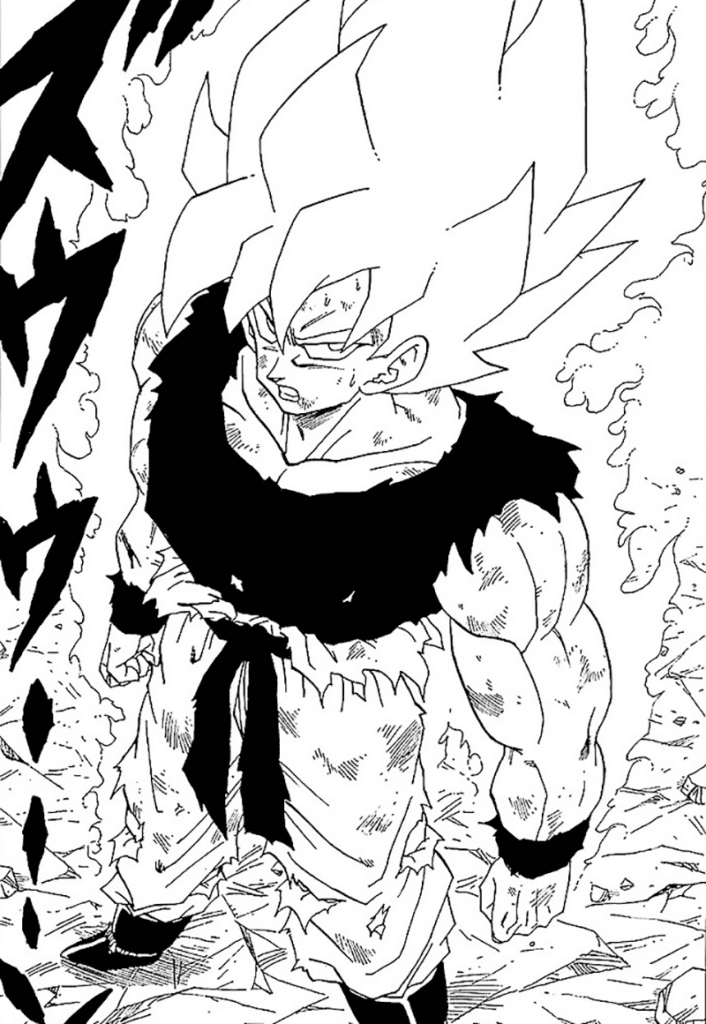
Most people associate Dragon Ball with the series’ later direction: transformations, planet-level threats, and blinding energy blasts. This can obscure what makes this manga such a foundational read for combat fans. At the start, Dragon Ball is a lighthearted adventure series built around a young martial artist, constant training, and fights that feel closer to classic kung fu storytelling than modern power fantasy.
The series centers on Son Goku, a young boy who teams up with Bulma to search for the seven Dragon Balls. Their journey introduces them to a cast of rivals, teachers, and troublemakers. Those opening stretches lean heavily into comedy, folklore, and travel, but martial arts aren’t window dressing. They are the main language of conflict. Characters improve through practice, physical conditioning, and learning from better fighters. The series constantly frames strength as a craft rather than a birthright.
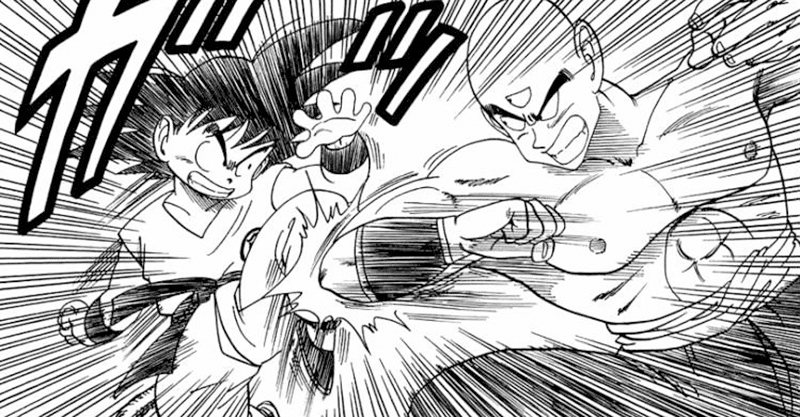
That focus peaks during the tournament arcs. Dragon Ball’s Tenkaichi Budokai, also known as the World Martial Arts Tournament, has fights that are still some of the cleanest examples of how to stage action on the page. Akira Toriyama’s paneling is crisp, movement is easy to read, and exchanges have a strong sense of rhythm. The best bouts aren’t just blurs of impact. They’re about timing, feints, and small advantages that turn into decisive moments. Even when techniques get exaggerated, the fights keep a grounded flow that many later imitators struggle to match, which is why Dragon Ball’s early run remains a must-read for fans of martial arts manga.
As the scope widens, the balance shifts. Combat becomes more spectacle-driven, with less focus on technique and more on overwhelming force. The martial arts foundation doesn’t disappear, but it becomes less central as energy blasts and escalation take over. The Dragon Balls themselves also change the tone of danger, since death and consequence can feel temporary. For some readers, that later direction is part of the fun. For others, it’s where the series loses the specific charm of its early, training-first identity.
Either way, Dragon Ball remains a key martial arts manga because it establishes many of the genre’s staples while still delivering some of the clearest and most dynamic fights in manga history.
Genres: Action, Adventure, Martial Arts
Status: Completed (Shonen)
9. Crows
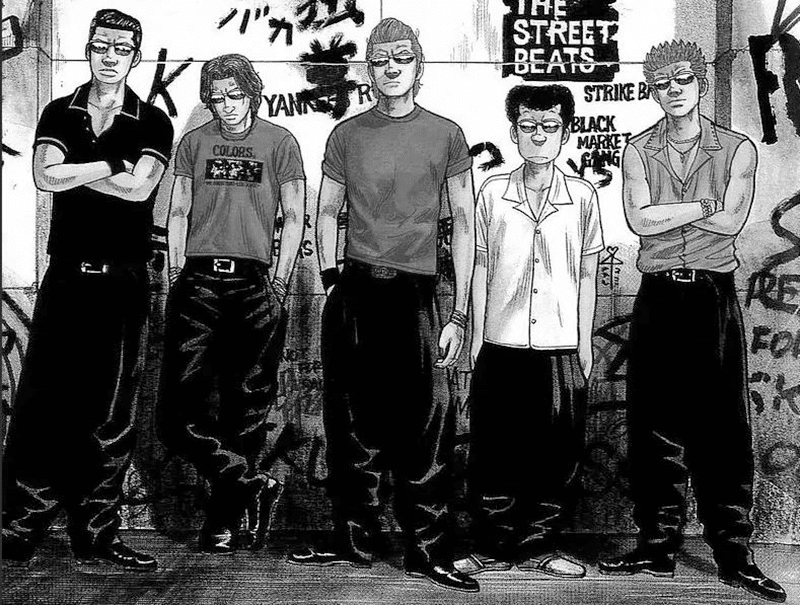
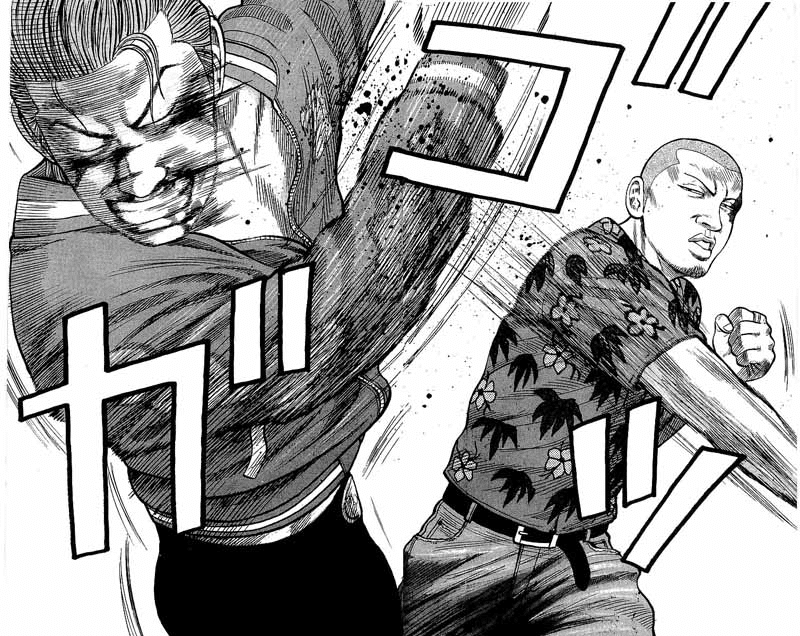
Crows is delinquent violence in its purest form. It’s not a dojo story, and it’s not built around named techniques or formal schools. Instead, it treats street fighting as a culture, with its own hierarchy, reputation, and rules that only exist because everyone agrees they do. That’s exactly why it belongs on a martial arts manga list. The series is obsessed with the act of fighting and the social gravity it creates.
Harumichi Bouya transfers to Suzuran High, a school famous for producing delinquents and known for never crowning a single leader. Bouya has a simple plan: beat everyone and take the top spot. The manga wastes no time pretending this will be simple or tidy. Suzuran is packed with cliques, grudges, and rivalries that spill into the surrounding city, and Bouya’s ambition immediately drags him into shifting alliances and street wars.
The appeal is clarity of purpose. Crows doesn’t dilute itself with long side plots or melodrama. It delivers brawls, escalating conflicts, and the constant question of who can dominate. The fights are the highlight, and they are better choreographed than you might expect from an older delinquent series. Even without formal martial arts language, you can still feel technique in the way characters press forward, absorb damage, and look for openings. A good fighter is not just someone who hits hard. It’s someone who keeps their balance, reads the moment, and knows when to strike and when to disengage. Those instincts are the series’ real system, and they are what make this martial arts manga feel so satisfying despite its lack of formal combat schools.
The tone is another reason it works. For all the bruises and broken pride, Crows is strangely lighthearted. It’s loud, funny, and unexpectedly sincere about friendship and loyalty, with occasional flashes of vulnerability that keep the cast from feeling like interchangeable tough guys. The characters are also strong. Rival groups and fighters all have distinct looks and personalities, and Bouya is charismatic enough to carry the chaos without turning it into a generic power fantasy.
The art, however, is unmistakably early 1990s, rough in a way that can take a few chapters to get used to. There’s also the realism. Adults, teachers, and police may as well be nonexistent, which makes the public brawls feel like a stylized delinquent myth.
If you want street fights with energy, clear action, and a lot of personality, Crows is a classic.
Genres: Action, Drama, Delinquents
Status: Completed (Shonen)
8. Holyland
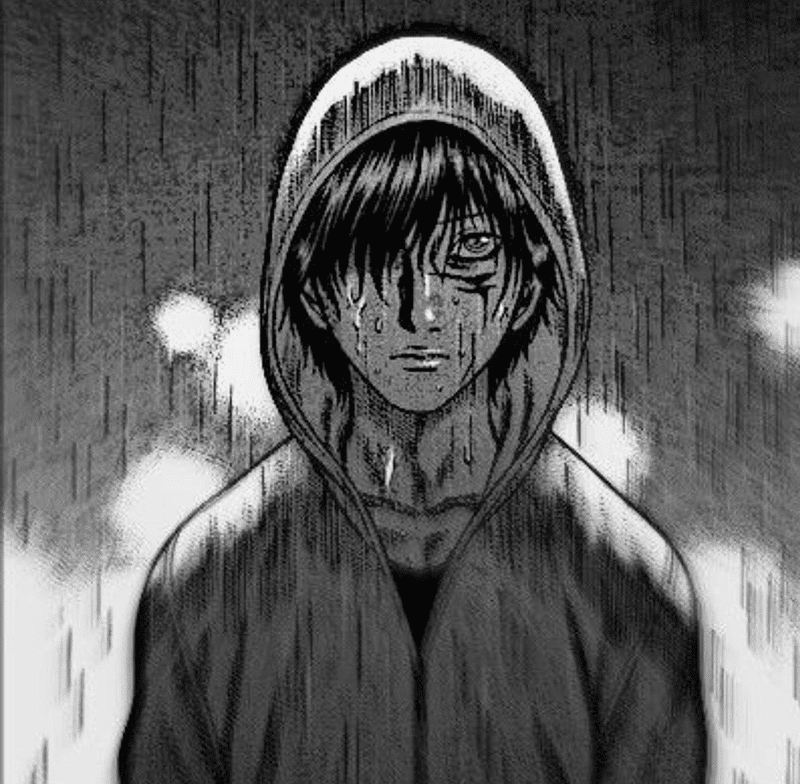
Holyland treats street fighting as a refuge. Not in the romantic sense, but in the way desperate people carve out a place where they can exist without pretending. It’s a coming-of-age story told through bruises, fear, and whether you stand your ground or fold.
Yuu Kamishiro is a teenager who has no real place at school and no protection from bullying. Instead of chasing a new identity through clubs or friends, he chooses something narrower and more honest. He trains a single boxing punch until it becomes reliable enough to use in real fights. Once he steps into the streets, that decision sets the format of the series. Holyland isn’t about climbing a formal ladder. It’s about testing yourself against other isolated fighters, earning a name, and learning what violence actually costs.
The fights make it such a great martial arts manga, and they’re handled with a realism that feels unusually grounded. There are no superpowers, no mythical techniques, and no convenient invincibility. A good strike matters because of distance and timing. A mistake matters because you get hurt. Punches, kicks, holds, and counters are treated like tools with specific uses, not just flashy animations. Kouji Mori frequently pauses to explain what is happening and why a technique works, which can interrupt momentum, but it reinforces the idea that Yuu isn’t winning because he’s the protagonist. He’s winning through mechanics and willingness, which gives this martial arts manga a rare sense of physical consequence.
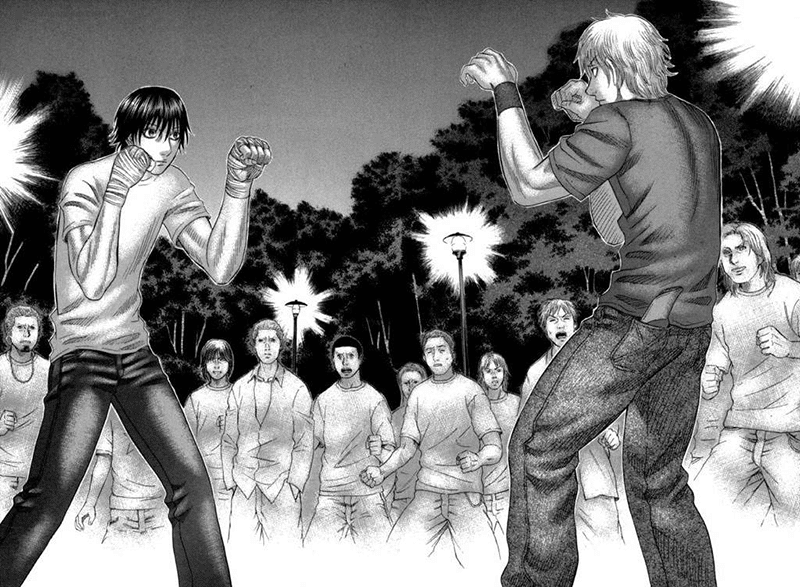
Character work carries as much weight as combat. Yuu doesn’t want glory. He wants to belong. The supporting cast is equally grounded, especially fighters like Masaki Izawa and Shougo Midorikawa, who make the streets feel populated with people who have different reasons for choosing violence. That focus comes with a structural downside. The story can feel repetitive because it’s often built around new confrontations and their emotional aftermath, rather than a single, escalating plotline.
If you want realistic street fights that double as a study of isolation and identity, Holyland is hard to beat.
Genres: Action, Drama, Martial Arts, Coming-of-Age
Status: Completed (Seinen)
7. Shigurui
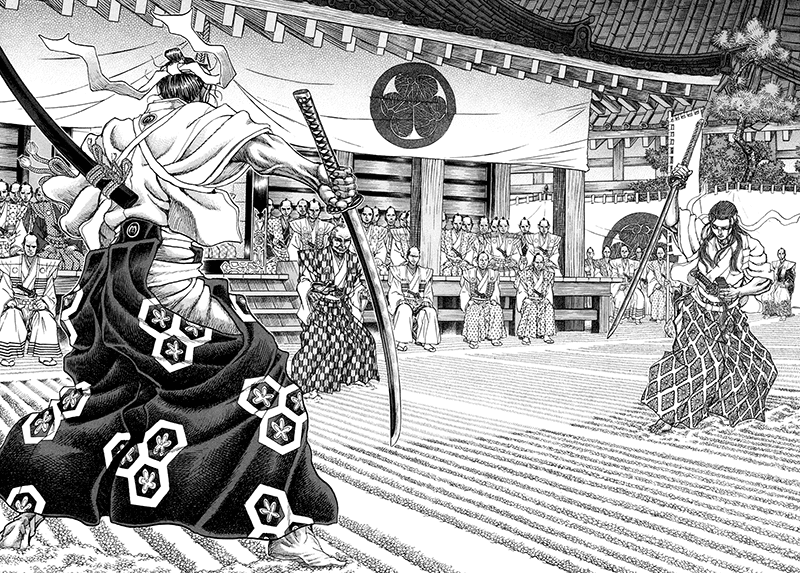
Shigurui is samurai fiction with none of the usual romanticization. It treats swordsmanship as a discipline built inside a system of control, where obedience matters more than life, and honor is mostly a story powerful people tell to justify cruelty. If you want a martial arts manga that frames technique as something inseparable from hierarchy, politics, and obsession, Shigurui is one of the most uncompromising examples.
The opening is vivid and vicious. A daimyo hosts a martial arts tournament where duels are fought with real blades, and the story introduces two fighters whose bodies already show that this is far from a heroic age. From there, Shigurui spends less time chasing spectacle and more time explaining how men like this are created. Training is not portrayed as self-improvement. It’s ritual, indoctrination, and rivalry, shaped by dojo politics and the constant pressure to prove yourself in a world that punishes weakness.
The combat reflects that outlook. Duels are tense because they are decisive. Small choices in distance, timing, and intent matter, and when someone commits, the consequences arrive immediately. Rather than leaning on named techniques or flashy gimmicks, the series emphasizes the precision and ugliness of real swordplay. That restraint makes the violence hit harder because it feels like an extension of the society that produces it, not a separate layer, and that’s the reason this martial arts manga stays so disturbing.
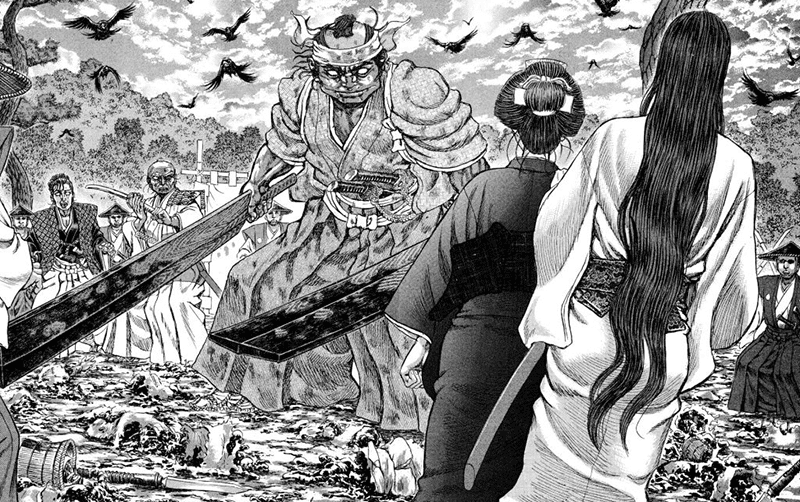
Takayuki Yamaguchi’s art is obsessive, with a harsh beauty to faces, bodies, landscapes, and architecture that makes the setting feel real. It can switch from calm to horrific without warning, and that contrast is central to the manga’s tone. The same world that produces discipline and refinement also produces mutilation and degradation.
The story’s bleakness extends beyond the fighters. Shigurui is explicit about the role of women in this era. They’re treated as property or bargaining chips, which adds to the sense of spiritual rot rather than providing relief from it. The main structural weaknesses show up in the later volumes, which drift into unrelated side stories, and the conclusion, which feels abrupt. This is, in large part, because the manga adapts only the original novel’s opening chapter.
If you want a grim, historically flavored portrait of swordsmanship where martial skill is inseparable from brutality and power, Shigurui delivers that experience without compromise.
Genres: Action, Drama, Historical, Martial Arts, Tragedy
Status: Completed (Seinen)
6. Tenkaichi
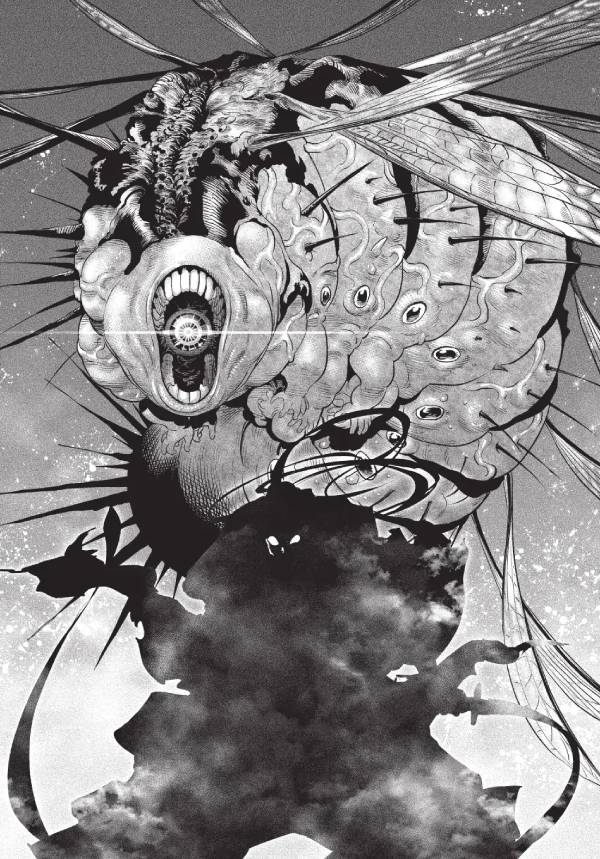
Tenkaichi is tournament spectacle turned up to an outrageous level. It takes historical swordfighters and martial legends, strips away most narrative weight, and builds a death-match bracket designed for maximum matchup hype. If you want a martial arts manga full of wild choreography, techniques, and the pure excitement of seeing styles collide, Tenkaichi knows exactly what it’s doing.
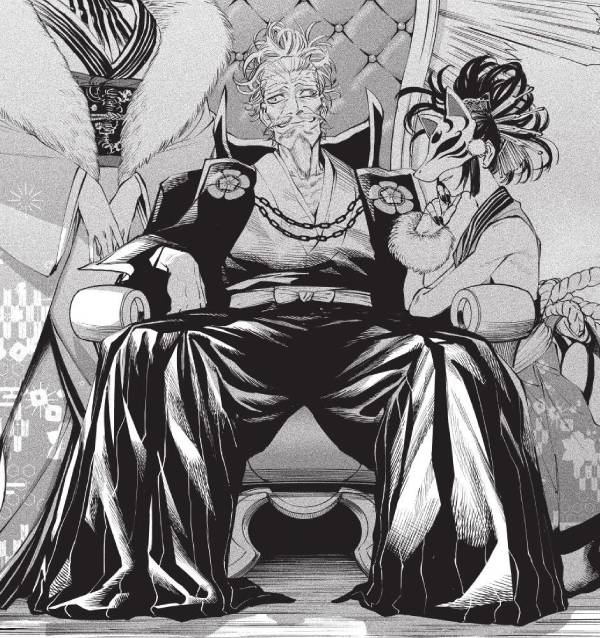
The manga is set in an alternate version of 1600, after Oda Nobunaga has unified Japan and decides the question of succession through a single contest. Sixteen warriors will fight to the death, and the winner’s patron gains control of the country. That setup is not subtle, but it doesn’t need to be. It functions as an excuse to stage duels between reimagined historical figures, the kind of clashes that carry instant meaning even if you only recognize a few names.
The roster is the main draw. Tenkaichi takes familiar icons and recasts them as extreme personalities and distinct fighting identities. Each competitor has a distinct design and combat philosophy, which keeps the fights from feeling like interchangeable violence.
The manga also leans heavily into technique. Even when a fighter is pushed into near-superhuman territory, their style is still anchored in something readable, whether that is weapon choice, footwork, or the logic of range and timing. That commitment to readable, style-driven combat is why Tenkaichi fits so naturally on a martial arts manga list, even when it gets ridiculous.
The art does much of the heavy lifting, and it delivers. Paneling is dramatic without becoming muddy, motion is fluid, and impacts land with real weight. The series is especially good at selling the moments when fighters get serious, revealing techniques and styles that push the series into mythic territory. That’s the appeal of tournament manga at its best, and Tenkaichi constantly aims for those moments.
The tradeoff is depth. Outside the fights, the story is mostly scaffolding. Some readers may find it refreshing; others will want stronger character arcs or a narrative beyond the tournament progression. Tenkaichi isn’t trying to be a complex historical drama, and it doesn’t pretend to be.
If you’re in the mood for brutal, stylish duels and legendary names turned into pure fighting identities, Tenkaichi is one of the most satisfying ongoing tournament reads currently.
Genres: Action, Historical, Martial Arts, Samurai
Status: Ongoing (Seinen)
5. Fist of the North Star
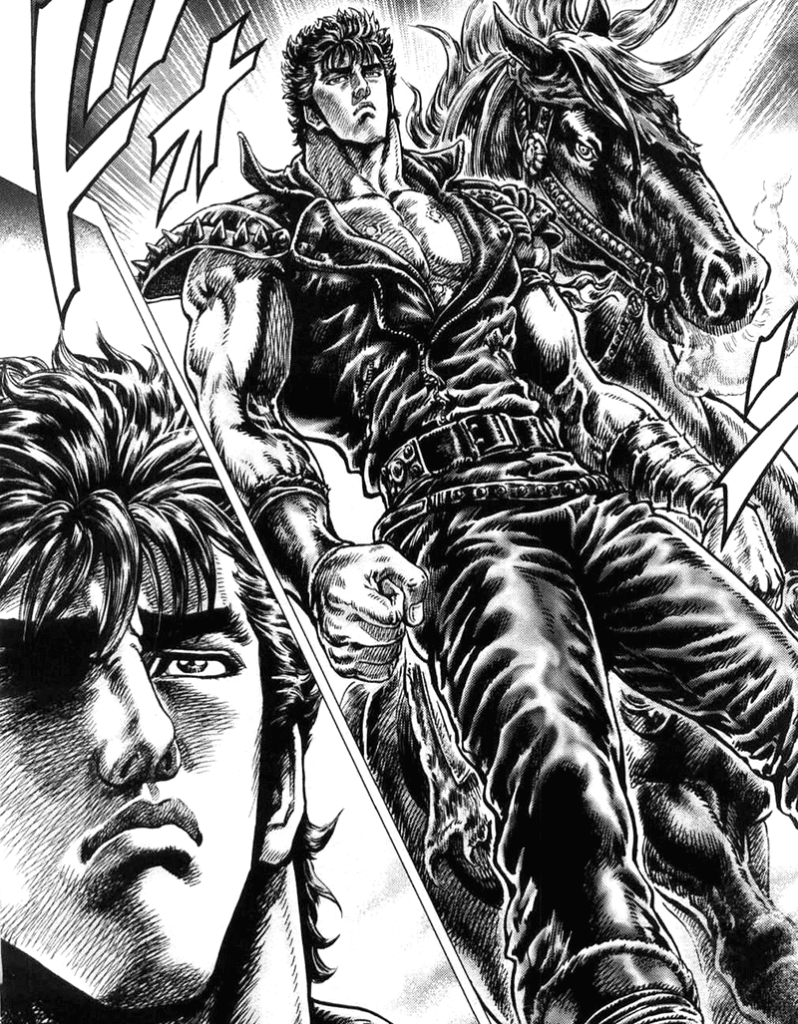
Fist of the North Star is martial arts turned into a post-apocalyptic myth. It’s a foundational battle shonen that inspired countless modern manga, but reads like a pulp legend. If you want realistic combat, this series is not for you. If you want a martial arts manga where style feels like doctrine and every clash is treated as a matter of survival and pride, this is one of the genre’s defining works.
The setting is simple but effective. After a nuclear war, society has collapsed into a desolate wasteland, and the remaining order is enforced by gangs and warlords. Food and water are currency. Mercy is a weakness. In this world, we meet Kenshiro, the wandering heir to Hokuto Shinken, a pressure-point martial art that kills with surgical touches and grotesque certainty. The early stretch is episodic, built around towns in trouble and villains who need to be dealt with. Over time, the story expands as Kenshiro’s past, rivalries, and personal losses come into view, and the series becomes more tragic and operatic.
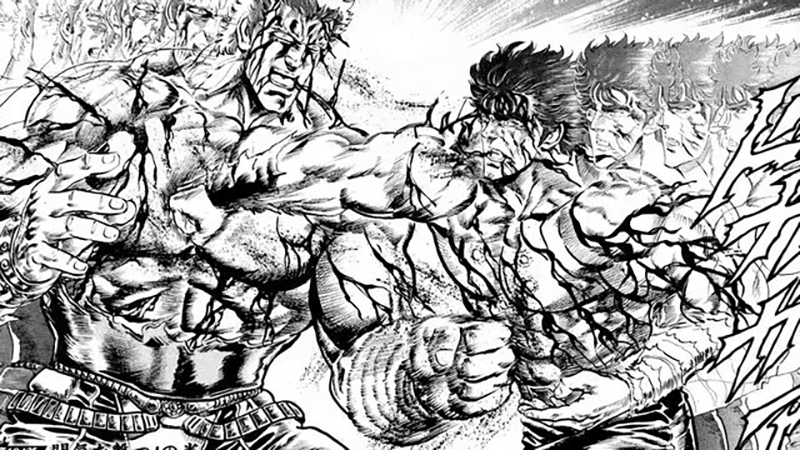
The combat is the selling point here. Fist of the North Star is not interested in competition or fair fights. It’s interested in domination. Hokuto Shinken and its rival schools are depicted as lethal systems with rules and lineages, and the manga treats each confrontation like a clash of doctrines. Kenshiro’s strikes are theatrical and brutal, but the series still frames them as technique, not magic. You’re meant to believe there’s an internal logic, that mastery produces control so absolute it becomes supernatural, which is exactly why it works so well as a martial arts manga even when it becomes absurd.
Tetsuo Hara’s art drops you into a detailed and bleak world full of characters with exaggerated muscles and stunningly rendered violence that can still surprise modern readers. It’s also unapologetically a product of its era. Emotions are huge. Masculinity is loud. People deliver speeches about honor and resolve, then explode someone’s body from the inside out via a single pressure point.
Kenshiro himself is more archetype than nuanced personality, a stoic savior defined by how others respond to him. The supporting cast carries much of the story, particularly major allies such as Rei and rivals like Raoh, who give the narrative weight beyond Kenshiro simply defeating villains.
If you want a post-apocalyptic epic where martial arts are mythic weapons and brutality is the point, Fist of the North Star is an undisputed classic.
Genres: Action, Martial Arts, Post-Apocalyptic
Status: Completed (Shonen)
4. Grappler Baki
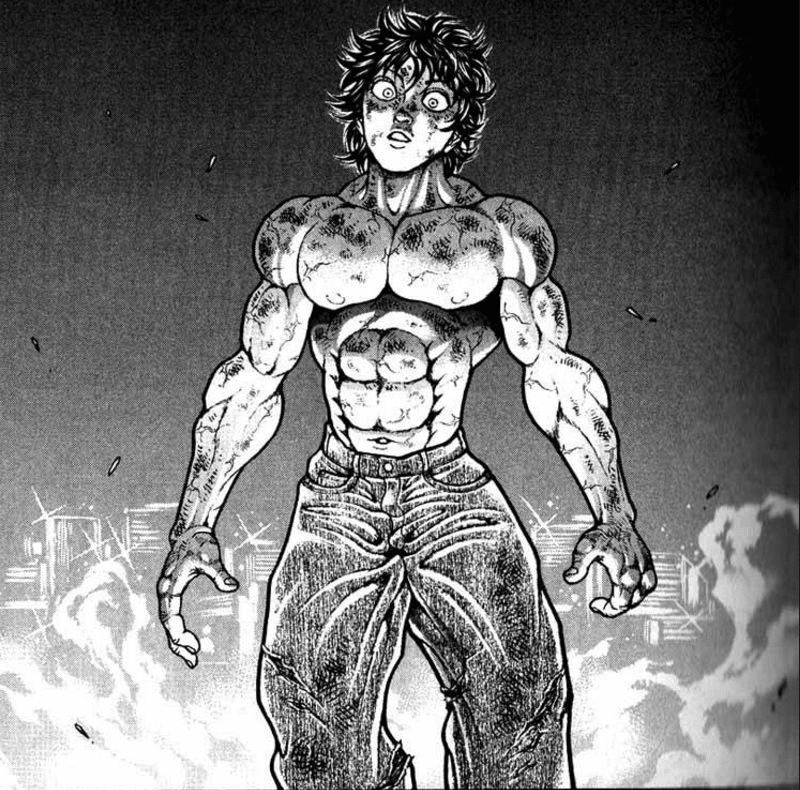
Grappler Baki treats martial arts like a fever dream told with complete sincerity, and might be the clearest example of sheer insanity taken as fact. It’s loud, brutal, and frequently absurd, yet it rarely feels like a power fantasy in the usual shonen sense. The characters do impossible things, but they do them through technique, physiology, and sheer willpower as if the human body could be pushed to those extremes. That commitment makes Grappler Baki such a standout.
The story centers on Baki Hanma, a young martial artist who fights in the Tokyo Underground Arena to sharpen his technique, test his limits, and reach a single goal: facing his father, Yujiro Hanma, the so-called strongest creature on Earth. Yujiro is less a parent than a force of nature, and Baki’s progress is measured against the looming fact that his opponent is nothing short of a monster.
What makes the series work is its obsession with the mechanics of fighting. There are no energy blasts, no mythic techniques, and no power levels. Instead, Grappler Baki leans on striking, grappling, leverage, breath control, pain tolerance, and psychological warfare. It also loves explanations. Fights often pause to describe why a tactic works, what a stance implies, or how a body breaks under a specific kind of pressure. The logic is frequently exaggerated, sometimes to the point of comedy, but it’s still presented as martial truth. One character might improve a punch through visualization. Another might win through precise anatomical knowledge. Yujiro might even stop an earthquake with a single punch. Yet the manga never winks, never makes it pure parody, and instead fully commits.
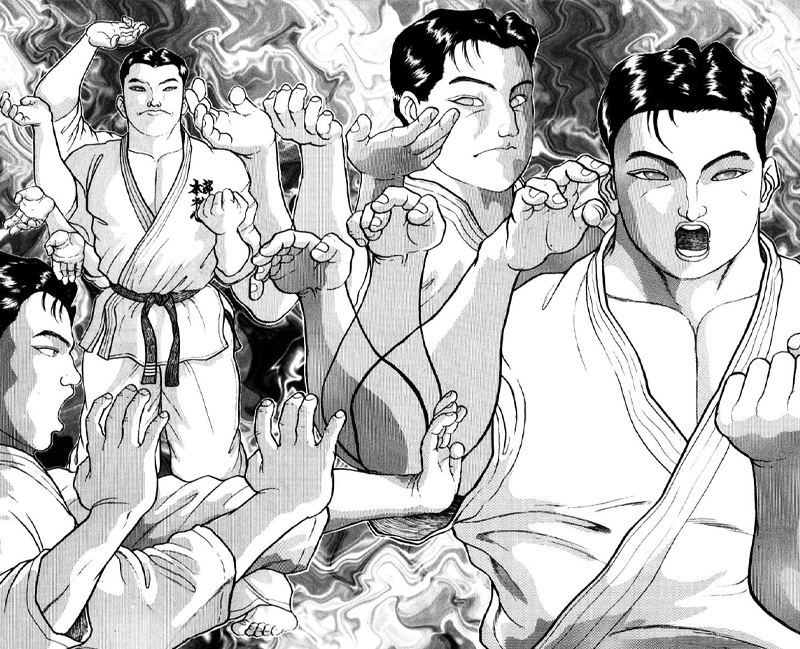
The violence is part of the identity. Bones snap, flesh tears, and victories are often decided through damage rather than clean, technical wins. At the same time, the series is not only about cruelty. It’s also about personality. A huge portion of Grappler Baki’s charm comes from its cast of fighters, each with a distinct style, philosophy, and presence. Even side characters can feel iconic because they embody a specific approach to combat, whether that’s traditional technique, street pragmatism, or something stranger.
The biggest barrier is the art, especially early on. It looks rough and warped in ways that turn some readers away. As the series continues, the visuals become more refined and confident, but the earlier aesthetic is still a commitment.
If you want a martial arts manga that takes technique seriously while pushing it into outrageous territory, Grappler Baki remains one of the most entertaining long-running series in manga.
Genres: Action, Martial Arts, Tournament
Status: Ongoing (Seinen)
3. Vagabond
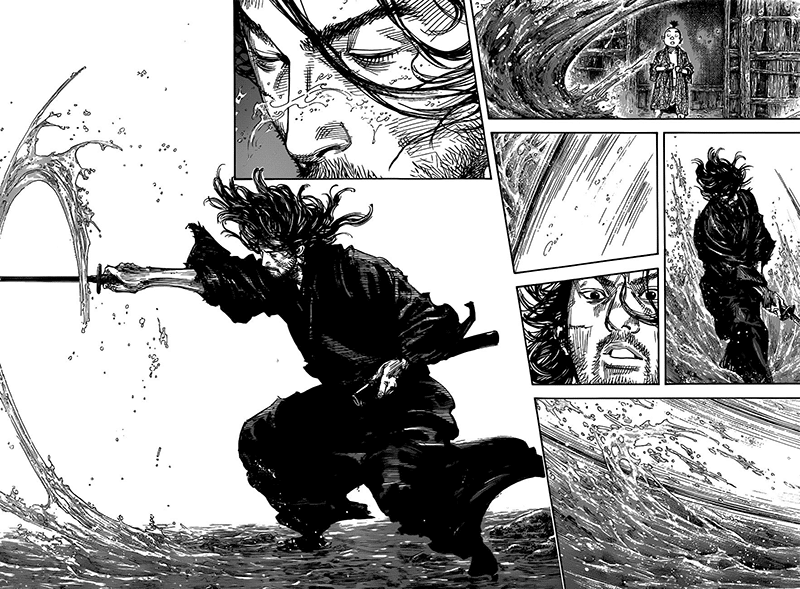
Vagabond frames swordsmanship as something closer to a lifelong discipline than a string of flashy duels. Takehiko Inoue’s adaptation of Eiji Yoshikawa’s Musashi is full of violence, but it doesn’t treat violence as triumph. Fights land with the weight of consequence, and the quiet stretches between them often matter just as much. The result is a martial arts manga that feels both brutal and meditative, and it earns that tone through patience rather than spectacle.
The premise introduces us to Shinmen Takezo, a reckless and angry young man obsessed with becoming the strongest. After war leaves him scarred and hunted, he’s given a new name, Musashi Miyamoto, and a chance to redirect his feral impulses into mastery. From there, the manga becomes a long study of what strength actually means, not just in the body, but in the mind. Musashi’s growth is not neat. It’s shaped by humiliation, fear, exhaustion, and the creeping realization that being invincible might be a hollow goal.
Combat in Vagabond is defined by restraint and psychology. Inoue rarely needs pages of explanation to show technique. The fights communicate through posture, distance, breathing, and the split-second shifts when duels are decided. Many clashes feel less like extended exchanges and more like pressure building toward a single decisive move. When the blades finally move, the violence is sudden, ugly, and final, which makes every hesitation feel crucial. The emphasis on intent, timing, and composure makes this martial arts manga so convincing even when the stakes are life and death.
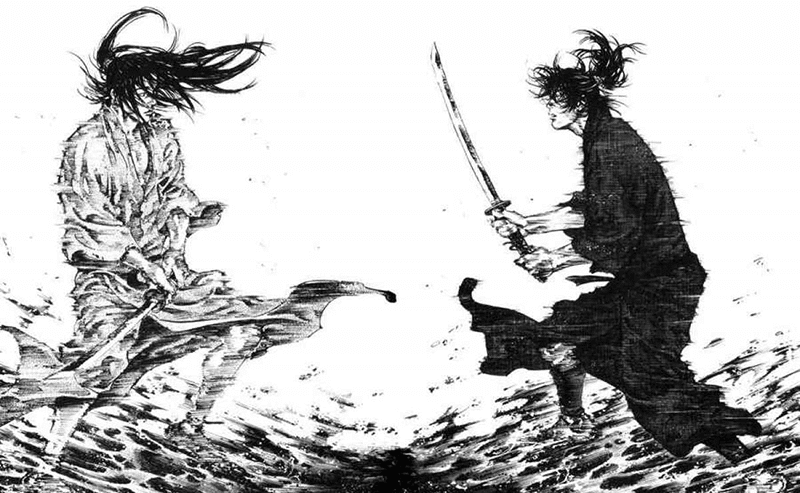
The art is inseparable from the experience. Inoue’s brushwork can make a village road feel sacred, then turn a battlefield into mud and screaming bodies without changing the underlying realism. Close-ups linger on calluses, tension in the jaw, and panic behind the eyes. Swordsmanship reads like a physical craft, but also a mental condition.
Vagabond refuses to keep its focus on Musashi alone. Rival fighters and parallel lives complicate the idea of strength, offering different answers to the same question. That breadth can slow the pace, and some philosophical tangents border on pretentious, but the larger effect is a world where martial identity is never simple.
Even though Vagabond has been on indefinite hiatus since 2015, it remains one of the manga’s greatest achievements and essential reading for anyone interested in martial arts manga.
Genres: Action, Drama, Historical, Martial Arts, Samurai
Status: On Hiatus (Seinen)
2. Blade of the Immortal
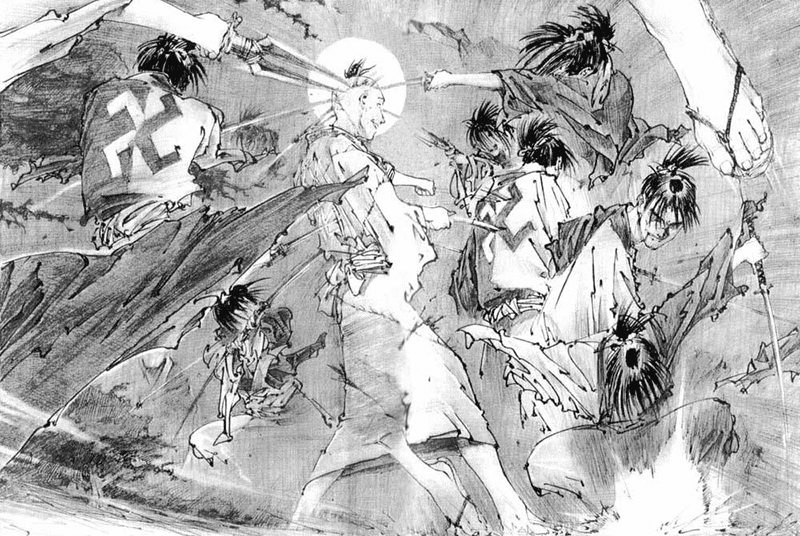
Blade of the Immortal is my favorite manga of all time, and it earns that spot because it never treats sword fights as clean, noble, or reassuring. It’s a revenge saga dressed in samurai clothing, but it rarely cares about bushido. What it cares about is what violence does to people, what it costs, and how a single grudge can draw an entire world of fighters into its wake.
Manji is an infamous killer cursed with immortality through bloodworms implanted in his body. Rin Asano is a teenage girl whose family was slaughtered by a renegade sword school, and she wants their leader dead. Manji becomes her protector, not because he’s righteous, but because he’s trying to atone. This setup might seem simple, but the series quickly becomes an ecosystem of different factions, hired killers, and personal grudges.
Where Blade of the Immortal stands apart as a martial arts manga is in the action. Samura doesn’t name techniques or get into long explanations. He relies on variety, rhythm, and brutality. Duels are savage and messy, the kind where footing slips, limbs come off, and people win through nerve, timing, and sheer refusal to give up. The series also features a broad array of weapon styles. You get traditional swordsmen, but also fighters using heavier blades, odd tools, chain-based weaponry, and even more outrageous forms. This makes matchups feel distinct, and it keeps the violence from collapsing into sameness.
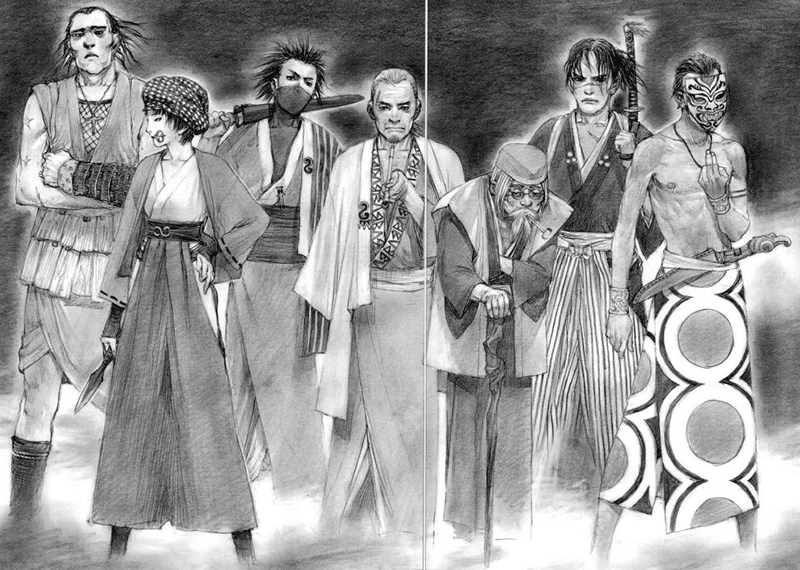
The tone is another defining trait. Where Vagabond becomes quiet and meditative, Blade of the Immortal keeps its punk energy throughout. Characters curse, posture, and lash out like people trying to survive rather than symbols of a noble era. The cast is enormous and memorable, including antagonists who are not simple villains so much as people with differing philosophies and competing visions of strength. The gray morality is one of the series’ major strengths, even if a few moments, especially involving Shira, can feel difficult to stomach.
The early chapters are slower and weaker than what follows, but once the cast opens up, the series becomes hard to put down. If you want sword fights with real consequences and a world where every fighting style comes with a worldview, Blade of the Immortal remains one of the most distinctive and addictive martial arts manga ever drawn.
Genres: Action, Drama, Historical, Revenge
Status: Completed (Seinen)
1. Kengan Ashura
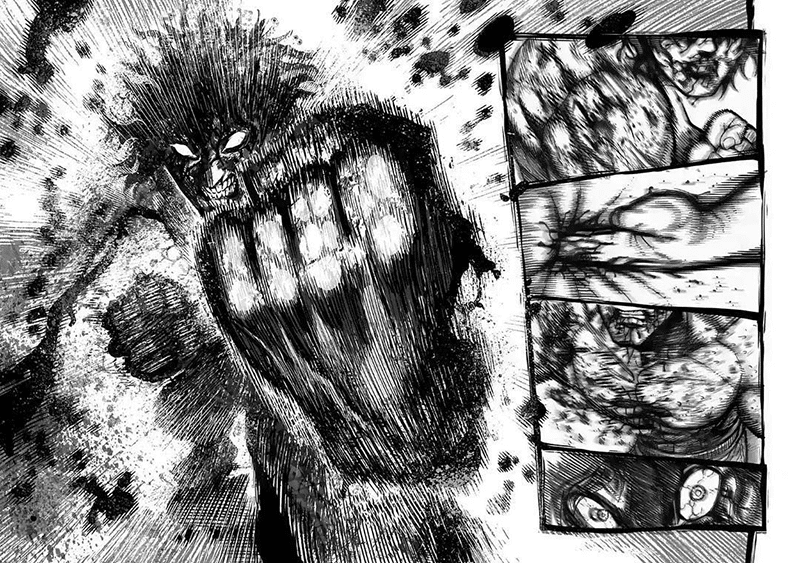
Kengan Ashura is a tournament manga with no interest in pretending it’s anything else. Plenty of series have great tournament arcs. Kengan builds an entire world where the tournament is the point, then commits to it with a roster so varied that every round feels entirely unique.
The hook is business, not honor. In this setting, major corporate disputes are settled through sanctioned fights between champions, overseen by the Kengan Association. Companies do not negotiate with lawyers so much as they invest in fighters, and that creates a fight culture built on money, reputation, and ruthless incentive. When Tokita Ohma enters the system as a corporate representative, the story quickly shifts from individual matches into the Kengan Annihilation Tournament, designed to decide the association’s leadership.
What makes it work is clarity and purpose. Kengan Ashura is a martial arts manga that prioritizes matchups, styles, and escalation with a tournament format, and it stays readable even when it gets extreme. Fights are brutal and often exaggerated, but they don’t rely on the usual power levels. The exaggeration comes from techniques pushed to extremes and bodies treated like weapons. You get signature techniques like the Kure clan’s Removal, Ohma’s Advance, and many others, but all of them are framed as martial concepts. The result is a fantasy edge without breaking the core appeal of hand-to-hand combat.
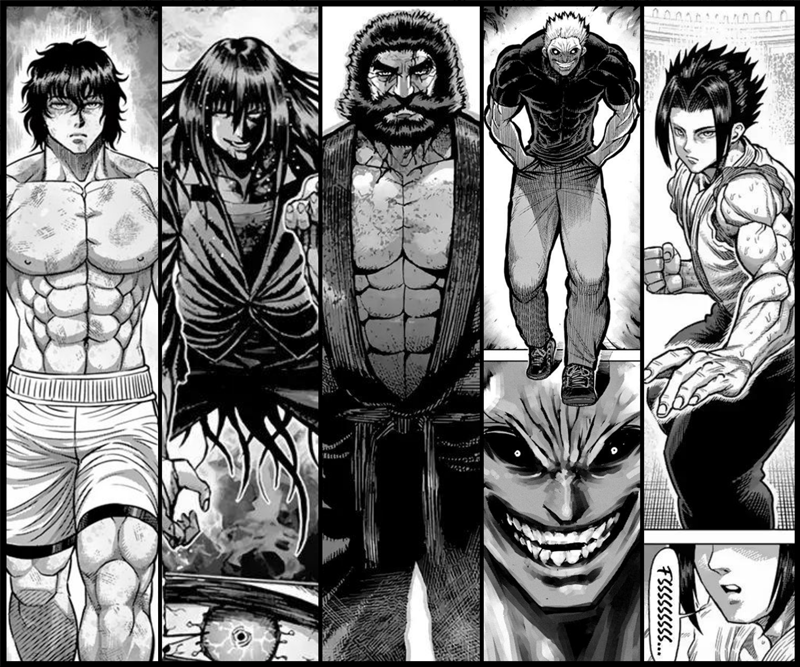
The roster is one of the biggest strengths. Fighters have distinct silhouettes, motivations, and approaches to violence, and the series takes time to give many of them a backstory or psychological hook. That investment matters because a tournament is only as good as its competitors. Kengan understands readers want distinct personalities, not flavor-of-the-week characters. The manga wants you to care about what each fighter represents, and why winning matters to them outside the tournament.
Visually, it’s a standout. The art is sharp and aggressive, built for impact and motion. Exchanges read clearly, transitions between grappling and striking are easy to follow, and finishing sequences hit with real weight. The staging also sells personality. You can often tell who someone is by how they stand, move, enter range, and what they choose to risk.
Kengan Ashura is continued in its sequel, Kengan Omega, which introduces more characters and takes on a more narrative-driven approach, but still focuses heavily on martial arts and brutal hand-to-hand combat.
If you want a story-driven drama, Kengan Ashura’s tournament focus may feel relentless. For fight fans, that relentlessness is part of the appeal. It’s a long, concentrated series of violent matchups with just enough character work to keep the cast meaningful, and it remains one of the best modern martial arts manga for readers who want little more than fights.
Genres: Action, Martial Arts, Tournament
Status: Completed (Seinen)