Shonen manga are some of the most popular series out there, but with how many new chapters drop every week, it can be hard to figure out what’s actually worth reading. That’s why I put together this list of my favorite ongoing shonen manga. These are the ones I genuinely think are worth keeping up with, whether you binge them in chunks or follow them weekly.
This isn’t a list of every shonen currently running. It’s a curated lineup of series that feel exciting right now and keep delivering, either through pure momentum, creative ideas, or sheer entertainment value. Whether you want the nonstop action of Sakamoto Days, the chaotic genre blend of Dandadan, or the relentless, ego-fueled intensity of Blue Lock, there’s something here you can jump into immediately and stay invested in.
What all the series on this list have in common is simple: they’re high-energy reads that still feel fresh chapter to chapter. Some lean into stylish action and comedy. Others go darker or more horror-tinged, but all of them have the same pull of wanting just one more chapter.
If you’re tired of the usual recommendations and want shonen manga that feel current, fun, and genuinely easy to get hooked on, this list is for you.
Mild spoiler warning: I avoid major plot reveals whenever possible, but small story details may be mentioned to explain why a series earns its spot.
With that said, here’s my list of the best ongoing shonen manga (last updated: March 2026).
10. Gachiakuta
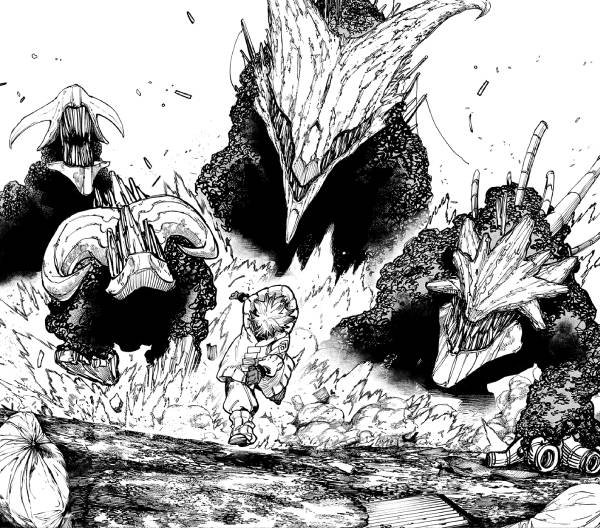
As far as ongoing shonen manga go, Gachiakuta doesn’t waste time pretending to be clean. It throws you into a city that treats people like garbage, then drops its main character into the literal landfill beneath it. The result is a trash-punk series with a sharp revenge drive and a setting that feels grimy in the best way.
Gachiakuta’s hook is simple, but the execution makes it stick. The Abyss is a world built from refuse, and everything about it has texture, from stitched-together monsters to improvised weapons that feel part of the environment. Kei Urana’s art is the real selling point here. The paneling is restless, the spreads hit hard, and the world looks alive, ugly, and dangerous.
It’s a battle manga that’s easy to binge, even if it leans on familiar tropes. The series keeps its energy high, and the visual style gives the fights an edge that most new titles don’t have.
The main limitation is that the story structure is still classic shonen at its core, so some beats are easy to predict. Still, the grit and atmosphere make it feel distinct. It fuses trash-world brutality with a unique and kinetic art style.
Genres: Action, Fantasy, Dystopian
Status: Ongoing (Shonen)
9. Galaxias
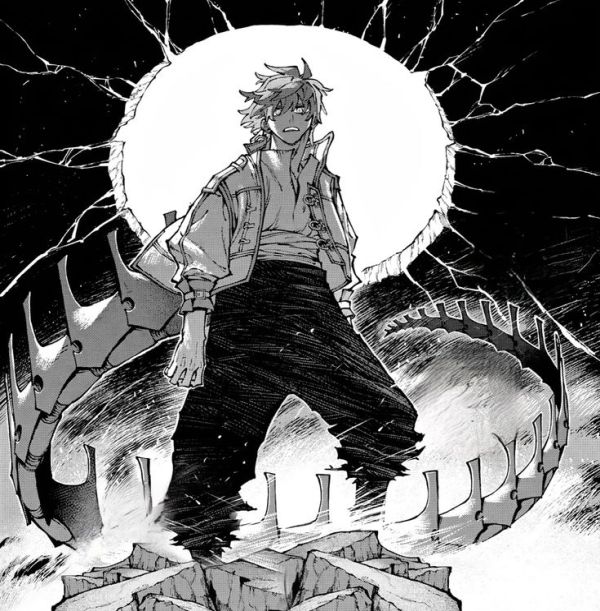
Galaxias has that old-school adventure vibe, but it isn’t content to stay cozy. The opening sets up a world where the great discoveries are already supposed to be over, which makes Jio’s dream of becoming an adventurer feel almost pointless. Then she meets Neraid, a dragonfolk with no memories and a suspicious connection to her legendary idol, Yuri Holst. From there, the story centers on discovery and doubt.
The best thing about Galaxias is the balance between light, quest-driven momentum and the steady undercurrent of mystery. It moves quickly once it finds its rhythm, and it’s already good at planting questions, paying them off, and introducing new places without drowning you in lore. The dragonfolk abilities also give the action a fun unpredictability, so fights don’t feel like filler between travel beats.
The main downside is that the premise starts familiar, and it can take a few chapters before the series shows its sharper edges. Galaxias is an easy catch-up read with a lot of room to grow. It gives you that classic journey vibe with the creeping sense that the hero’s story doesn’t add up.
Genres: Adventure, Fantasy, Action, Mystery
Status: Ongoing (Shonen)
8. Centuria
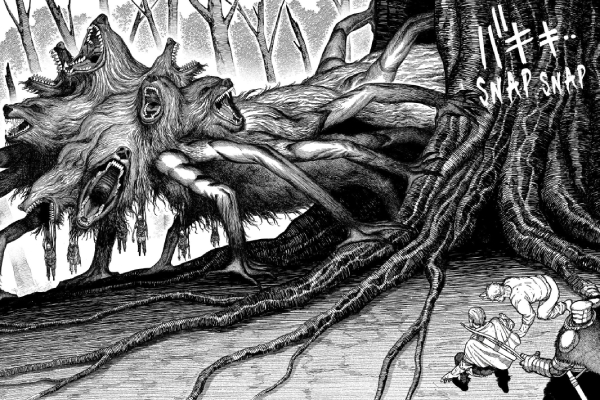
Centuria opens so brutally that you instantly understand that this isn’t your typical fantasy manga. A slave ship is swallowed by a storm, nearly everyone on board is killed, and a sea god appears at the worst possible moment. One boy survives, and the gift he receives doesn’t feel like a blessing so much as a sentence. From there, it settles into a grim, mythic rhythm that feels closer to nightmare folklore than standard battle fantasy.
What makes Centuria so readable is how hard it commits to atmosphere. The world feels cold, immense, and indifferent, while the supernatural elements carry an eerie weight. Kuramori’s art is one of the main reasons it works so well. The monsters are grotesque without looking random, the scale is cinematic, and even quieter panels have a sense of foreboding.
As an ongoing shonen manga, it works because the tension doesn’t come solely from fights. There’s a constant sense of something larger circling Julian, and the mystery keeps pulling you forward even when the action slows down. The main drawback is that the moral complexity looks deeper than it actually is, with heroes and villains painted in broad strokes. Still, it’s a dark fantasy binge that feels haunted in a way most new series don’t.
Genres: Horror, Dark Fantasy, Action, Supernatural
Status: Ongoing (Shonen)
7. Kagurabachi
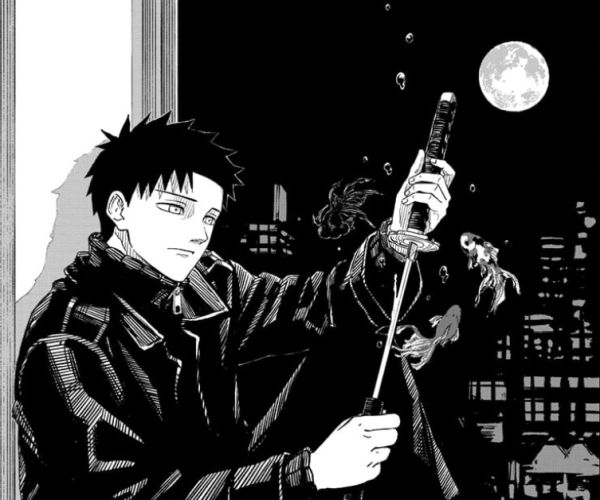
Kagurabachi hits hard because it keeps its priorities simple. It’s a revenge story built around cursed swords, sharp imagery, and fights that feel designed to leave a mark. The tone is serious from page one, and it never wastes chapters trying to soften the edge. Chihiro is quiet, focused, and shaped by loss, and the manga treats that single-minded drive as fuel rather than something to analyze deeply.
The best part is the action clarity. The swordplay reads clean, the magic effects have a clear visual identity, and the series understands how to frame violence without turning every exchange into noise. Even early on, the encounters feel like stepping stones toward a bigger underworld fueled by power, greed, and weaponized myth. That sense of escalation makes it easy to binge, and even easier to keep up with week to week.
The main trade-off is that character depth is still thin outside the core cast, and occasional internal monologues can slow momentum mid-fight. Kagurabachi has a distinct mood, and it’s perfect for fans of stylish sword violence and forward drive.
Genres: Action, Fantasy, Supernatural
Status: Ongoing (Shonen)
6. Dai Dark

Dai Dark takes a simple curse and turns it into an excuse for nonstop cosmic madness. Zaha Sanko’s bones are rumored to grant wishes, which makes him the most wanted man in a universe built from scrap metal and filth. It doesn’t chase prestige or heroics. Instead, it commits to grime, cruelty, and unhinged comedy.
Q Hayashida’s strength is tone control. While the violence is extreme, it’s staged with such deadpan absurdity that gore becomes part of the punchline instead of a cheap shock tactic. The art is dense with grotesque machinery and warped anatomy. The action stays readable, and every chapter has at least one image that’s pure nightmare fuel.
Dai Dark is an easy series to get into because it’s driven by creativity more than plot. It’s loose, episodic, and piles weird ideas on top of each other without explanation. The catch is that long-term story progression can feel slow, and character growth is minimal. It’s a nasty space-horror comedy that stands out for its unhinged imagination and consistent vibe.
Genres: Horror, Science Fiction, Comedy, Action, Adventure
Status: Ongoing (Shonen)
5. Dark Gathering
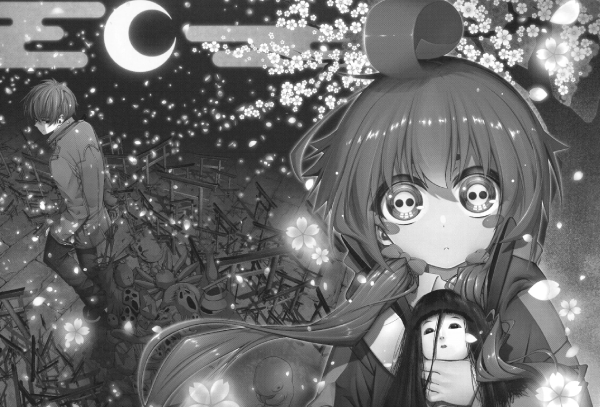
Dark Gathering is an ongoing shonen manga that starts with a simple setup, then turns progressively sinister. Keitarou is a guy who attracts ghosts but wants nothing to do with them, which is a bad combination when he ends up tutoring Yayoi, a child prodigy who treats the supernatural like a mission. Her goal is personal, the danger is immediate, and the series wastes no time dragging its cast into places they really shouldn’t be.
The manga feels like pure occult escalation. Each encounter feels like stepping into a cursed urban legend, and the spirits aren’t your traditional monsters of the week. They’re grotesque, violent, and often built around unsettling backstories that linger after the chapter ends. The series also benefits from longer installments, so arcs get room to breathe while still delivering a clean payoff.
What makes it worth catching up on is the progression. Dark Gathering builds an overarching story without losing the satisfaction of individual missions, and it stays consistently tense as the stakes climb.
The only downside is that the graphic content can be surprisingly intense for a shonen title. Either way, it’s one of the best picks for readers who want supernatural horror with strategy, disturbing imagery, and stylish battles.
Genres: Horror, Supernatural
Status: Ongoing (Shonen)
4. Chainsaw Man
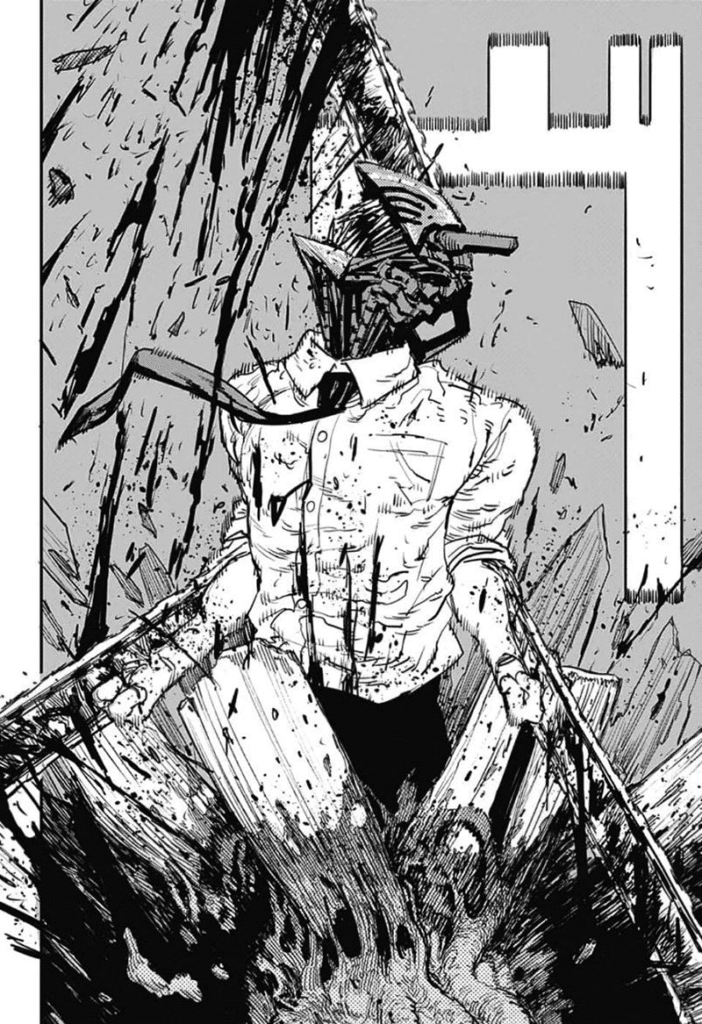
Chainsaw Man takes a ridiculous premise and turns it into something genuinely unsettling and unhinged. A broke teenager fuses with a devil and becomes a chainsaw-headed hunter, but the series doesn’t treat this idea as a joke. Fujimoto uses the carnage as a surface layer, then keeps digging into exploitation, isolation, and the emptiness of getting what you wanted.
The reading experience is the real hook. One chapter can be crude and funny, the next can turn brutal without warning, and the emotional whiplash feels intentional rather than messy. The devils are memorable because they aren’t just monsters. They’re nightmares built from human fear, and the fights have a raw intensity that makes even smaller confrontations feel dangerous. Denji also lands harder than he has any right to. He starts simple, but the story keeps forcing him to confront what he actually wants and what it costs.
Chainsaw Man is one of the few ongoing shonen manga that refuses to settle into a stable formula. Even quieter stretches feel loaded, as if something bad is about to happen at any moment. The downside is that the tone can swing so hard that it won’t work for readers who want consistency or clear catharsis. It’s perfect for readers who want an unpredictable mixture of chaos, dread, and comedy.
Genres: Action, Horror, Supernatural, Comedy
Status: Ongoing (Shonen)
3. Dandadan
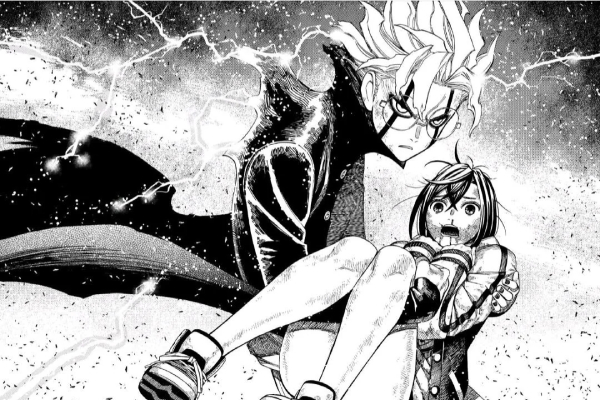
Dandadan is an exhilarating genre blend of horror, science-fiction, comedy, and romance that never sits still. It starts with a simple paranormal dare between two teenagers, then instantly spirals into aliens, yokai, curses, and battles that feel like they’re trying to outdo themselves every single chapter.
The vibe is chaotic, but it never feels sloppy. Yukinobu Tatsu knows exactly when to push into absurd comedy, when to lean into genuinely creepy imagery, and when to hit you with an emotional gut punch. The tonal range is Dandadan’s biggest advantage, because quieter stretches stay entertaining thanks to the cast’s chemistry and the constant sense that anything can happen next. The art is also fantastic. Action scenes are hyperkinetic without becoming unreadable, and the monster designs swing from folklore grotesque to science-fiction nightmare fuel with effortless confidence.
Dandadan is one of the easiest series to recommend because of its sheer momentum. The one drawback is that the tonal shifts can be whiplash-heavy if you prefer a consistent mood. Still, it’s hard to beat when it comes to paranormal insanity with a weirdly sincere heart underneath it.
Genres: Action, Horror, Supernatural, Science Fiction, Comedy, Romance
Status: Ongoing (Shonen)
2. Blue Lock
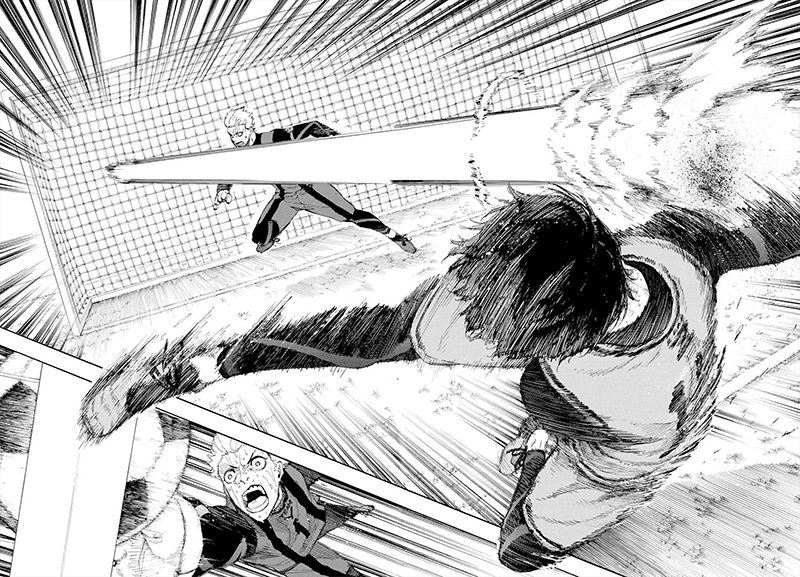
Blue Lock takes soccer and strips out teamwork. It’s an ongoing shonen manga built around a ruthless idea: lock up 300 strikers, crush anyone who can’t keep up, and force the survivors to become forwards who win games on their own. That premise turns every match into a high-stakes battle where pride, fear, and ambition matter as much as technique.
The series reads like a battle manga in a sports uniform. Players aren’t just passing and shooting. They hunt weaknesses, break rivals psychologically, and evolve mid-game in ways that feel closer to power-ups rather than training drills. Yusuke Nomura’s art sells that intensity with sharp, dramatic visuals that make even a single goal feel like a finishing move. The cast is another standout. Everyone has a distinct weapon, personality, and ego, so rivalries never blur together.
Right now, Blue Lock is deep into the U-20 World Cup arc, which raises the stakes by throwing its strikers onto the global stage. It’s the kind of escalation that makes catching up feel rewarding, since every new opponent forces another shift in mindset.
The only downside is that realism isn’t a priority, and the drama can get ridiculous. Blue Lock doesn’t stand out for plot complexity. It stands out for momentum and pure hype.
Genres: Sports, Action
Status: Ongoing (Shonen)
1. Sakamoto Days
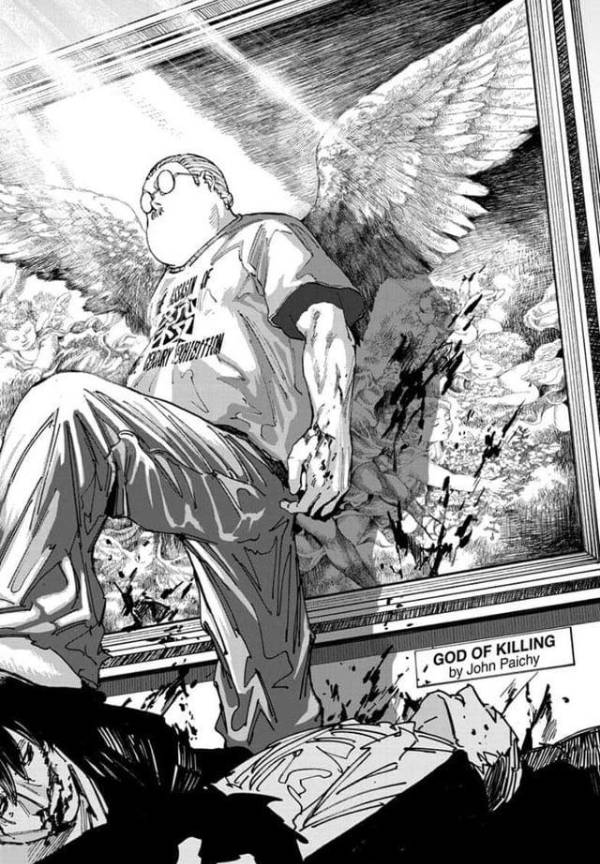
Sakamoto Days is my favorite ongoing shonen manga at the moment. It’s proof that a goofy premise can evolve into something genuinely sharp. What starts as a comedy about a legendary assassin who retires, gains weight, and runs a convenience store quickly turns into one of the cleanest action series currently running.
The fights are the real reason it’s so easy to recommend. Yuto Suzuki’s choreography is fast, readable, and consistently inventive, with action that flows cleanly instead of relying on messy blurs or impact lines. Every arc introduces new enemies with distinct styles, and the series is great at turning simple environments into weapons, whether it’s a cramped store aisle or a crowded street. Even when the stakes rise, the tone stays light, slipping into deadpan jokes and character banter without killing momentum.
Sakamoto Days is a fantastic weekly read because its chapters are tight, the pacing stays aggressive, and the cast is fun even outside combat. The main limitation is that it prioritizes spectacle over deep drama, so emotional weight takes a back seat to stylish violence. Still, for pure readability and momentum, it’s tough to beat.
Genres: Action, Comedy
Status: Ongoing (Shonen)