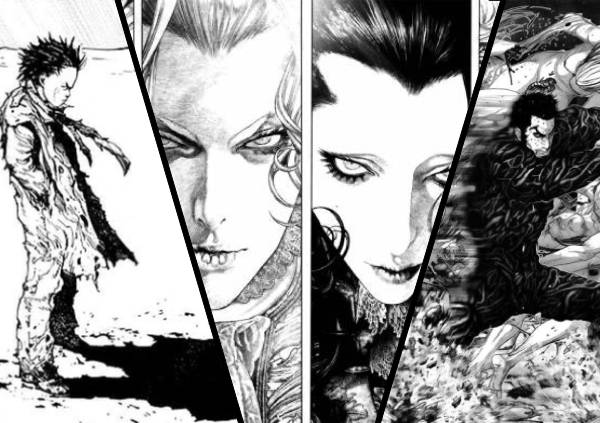
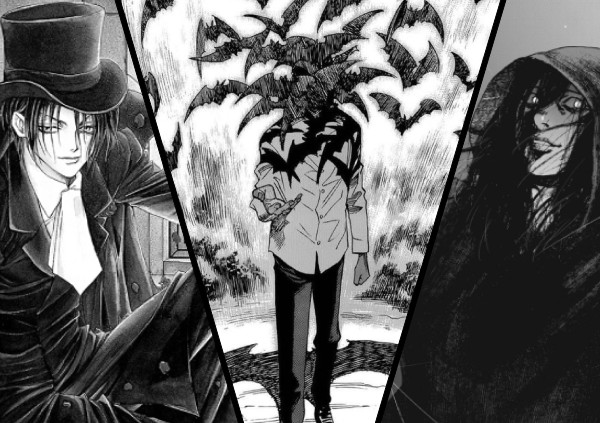
Historical manga have a specific kind of charm. They let you revisit the past, step into a different era, and experience reimaginings of major historical events through characters you actually care about. There’s something gripping about watching larger-than-life figures shape history in real time, whether it’s on the battlefield, inside a royal court, or through the quiet brutality of everyday survival. When historical manga are at their best, they don’t romanticize the past. They make it feel alive, dangerous, and human.
This list covers a wide range of historical manga, from character-driven stories rooted in Japan’s past to series set in medieval Europe and beyond. Some are massive war epics that thrive on strategy, leadership, and the cost of ambition. Others are darker and more intimate, focusing on obsession, trauma, class cruelty, and the psychological weight of living in a harsher world. There are also a few outliers that bend reality or lean into gothic horror, using historical settings to tell stories that are more stylized, surreal, or unsettling.
Historical manga also have a long tradition in the medium. They’ve been around since early manga history and have evolved into countless forms over the decades. While a lot of the most iconic series pull from Japanese history and the samurai era, there are plenty of standout manga that explore European settings, too. Revolutions, aristocratic power, religious oppression, war, and systemic cruelty all show up here, and the best series don’t shy away from what those worlds were actually like.
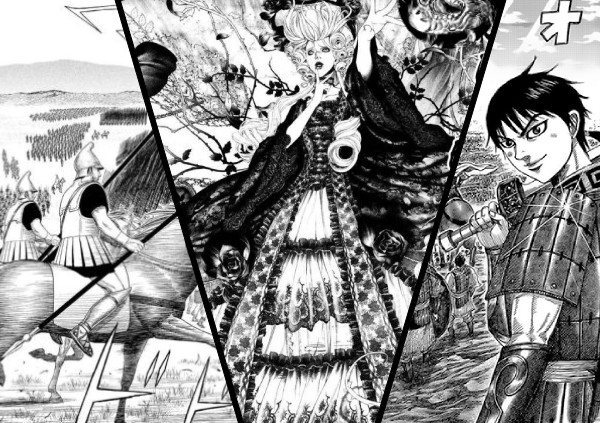
Vagabond and Shigurui are firmly set in Japan’s sword-and-honor age, telling stories driven by ambition, brutality, and obsession. Wolfsmund and Innocent explore darker corners of European history, where the ruling class can feel as terrifying as any enemy on the battlefield. And then there are titles like Me and the Devil Blues and JoJo’s Bizarre Adventure: Part 7 – Steel Ball Run, which take a historical backdrop and push it into stranger territory. It’s not pure realism, but it still delivers the same appeal that makes historical manga so compelling in the first place.
Every pick on this list earns its spot through atmosphere, historical detail, and how convincingly it captures its era, whether it’s recreating major events or telling a more character-driven story. If you’re looking for more dark or suspenseful recommendations, check out my lists of the best crime manga, thriller manga, and depressing manga.
Mild spoiler warning: I’ll focus on each series’ historical setting, but a few plot details may be necessary to explain why it belongs on the list.
Fiction by René Rehn


With that said, here are the best historical manga (last updated: April 2026).
17. Barefoot Gen
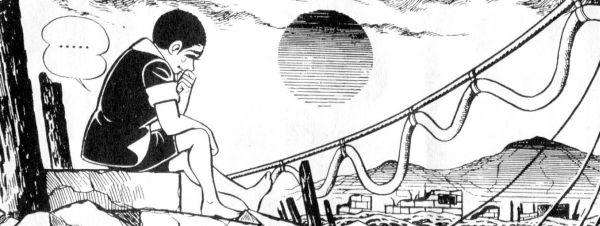
Barefoot Gen is not only the oldest entry on this list but also the most haunting. It’s a historical manga at its rawest, since it shows one of the darkest events in human history through the eyes of a child who’s forced to grow up overnight.
The story follows Gen Nakaoka, a loud, spirited kid living in wartime Hiroshima with his struggling family. Even before the bomb drops, daily life is already brutal. Food is scarce, propaganda is constant, and anyone who questions the emperor or the war effort is treated like a traitor. Gen’s father refuses to play along, which paints a target on his family’s back. That social hostility matters because it captures something a lot of WWII stories skip: the way ordinary people are pushed into cruelty, even toward their neighbors, long before the worst happens.
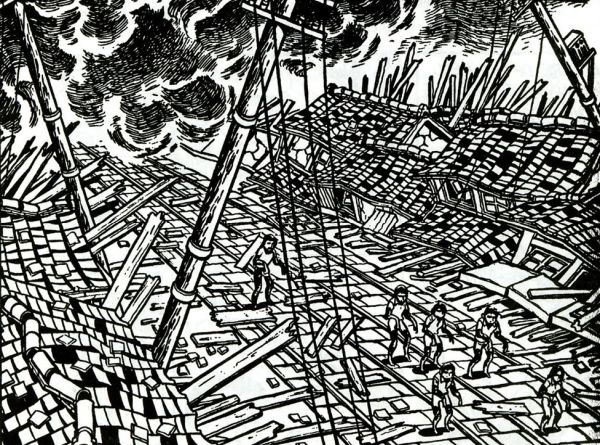
Then the atomic bomb drops, and Barefoot Gen shifts into a survival nightmare. Gen lives, but the city is instantly reduced to ash, screams, and ruins. What follows is starvation, radiation sickness, and the brutal truth that surviving the blast doesn’t mean you’re safe. Even the living are treated as if they’re contaminated, unwanted reminders of what happened. The manga never lets you escape that sense of aftermath, where society might be moving forward, but the victims are left behind.
Keiji Nakazawa’s art is simple and sometimes even oddly comedic, which might sound like a mismatch for the serious subject matter. But that contrast is part of what makes it work. The clean, readable pages keep the story moving forward, and the lighter moments make the devastation hit harder when it arrives. You can feel the author writing from lived experience, not research, which gives the entire story a weight most war manga can’t reach.
Barefoot Gen is a historical manga that romanticizes nothing and forces you to live through one of history’s bleakest hours.
Genres: Drama, Historical, War
Status: Completed (Shonen)
16. Takemitsu Zamurai
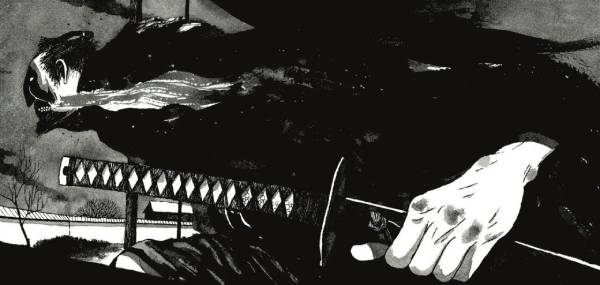
Takemitsu Zamurai is probably the most artistic take on the wandering swordsman story you’ll ever read. It’s a historical manga filtered through an avant-garde lens, blending quiet humor, melancholy, and a dreamlike sense of motion that feels closer to an ink painting than standard paneling.
Sōichirō Senō is a mysterious ronin who moves into an Edo-era tenement. Wanting to leave the life of a warrior behind, he exchanges his katana for a bamboo practice sword. From then on, he spends his days forming awkward friendships with the people around him, chasing butterflies, or watching busy streets. It’s a simple setup, but the historical weight never disappears. Edo is a place that’s cramped, tense, and built on hierarchy, survival, and old grudges. Even when Sōichirō is doing nothing, you know that trouble is never far away.
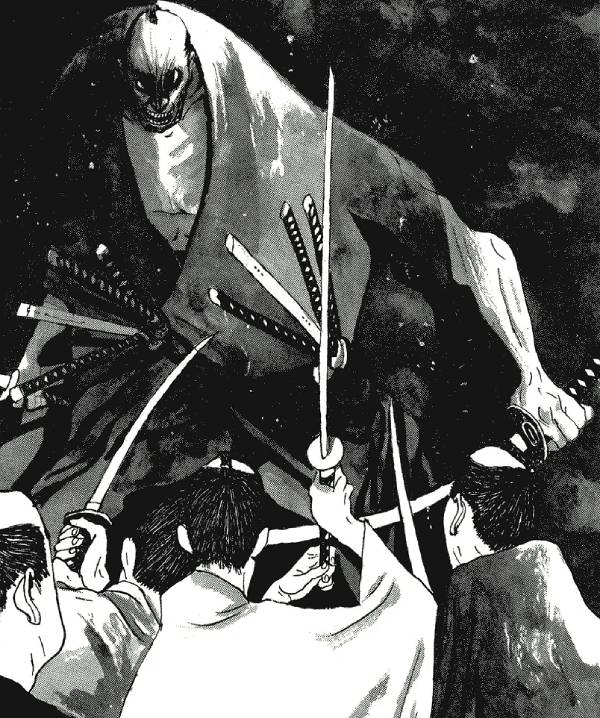
What makes this manga unforgettable is Taiyō Matsumoto’s art. The linework feels calligraphic and loose, like it’s being painted on the spot, and entire scenes unfold through body language instead of exposition. Characters warp and bend with emotion, backgrounds drip with atmosphere, and the world looks worn rather than polished. It may not be realistic in a traditional sense, but it captures the spirit of the era in a way that has to be experienced. When violence breaks out, it doesn’t feel flashy or heroic. It feels sudden, ugly, and deeply personal.
The best part is how human Sōichirō feels beneath all that style. He isn’t a mythical samurai or a stock archetype. He’s a man trying to rediscover the simple joys of life, and every small connection he makes gives the story warmth before it turns sharp again.
Takemitsu Zamurai is a historical manga that’s not only more poetic than brutal but also one of the most experimental and deeply Japanese works on this list.
Genres: Historical, Samurai, Slice of Life
Status: Completed (Seinen)
15. The Rose of Versailles
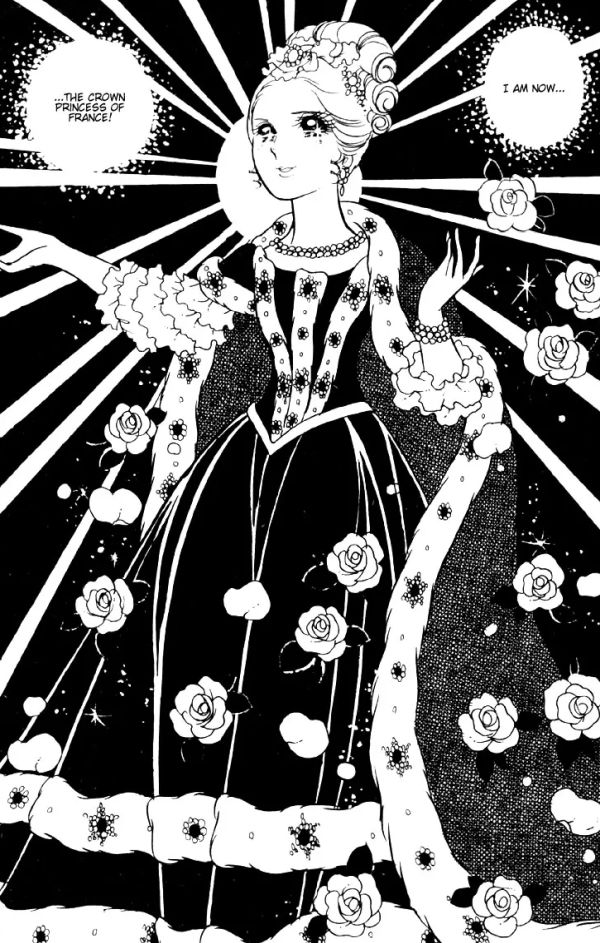
The Rose of Versailles is the kind of historical manga that’s lush, glamorous, and unapologetically emotional. But underneath all that beauty lies a story about power, class, and an empire quietly rotting from the inside.
Set in the years leading up to the French Revolution, the manga follows a young Marie Antoinette as she arrives in Versailles and stumbles into court life like it’s a game. She’s spoiled, impulsive, and painfully sheltered, making her perfect for a world built on image and privilege. Running alongside her story is Oscar François de Jarjayes, the captain of the Royal Guards, who was raised as a man to carry on her family’s legacy. Oscar is the real anchor here: loyal, disciplined, and constantly forced to balance duty against what she can clearly see happening outside the palace walls. As the gap between the nobles and the common people grows more violent and desperate, the story starts tightening quickly.
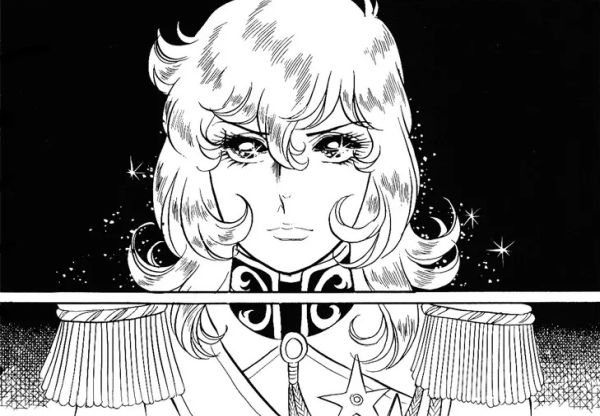
What makes The Rose of Versailles special is how it commits to big emotions without turning its cast into caricatures. Marie isn’t treated like a simple villain, and Oscar isn’t written as a flawless icon, even though she has the presence of one. The series thrives on shifting loyalties, personal identity, and the slow realization that status doesn’t protect you from consequences. The art leans into classic shojo elegance, with expressive faces, flowing hair, and theatrical compositions that fit the setting perfectly. It starts lighter and more romantic than you might expect, but the closer it gets to the revolution, the heavier and more intense it becomes.
I first found the story through the 1979 anime adaptation, and it’s interesting to see how different the manga feels. The anime leans darker and more operatic, while the manga spends more time on Marie’s perspective before the focus sharpens and the political stakes take over.
As a historical manga, The Rose of Versailles is a classic that blends court drama, tragedy, and revolution-era tension with unforgettable characters.
Genres: Drama, Historical, Romance
Status: Completed (Shojo)
14. Wolfsmund
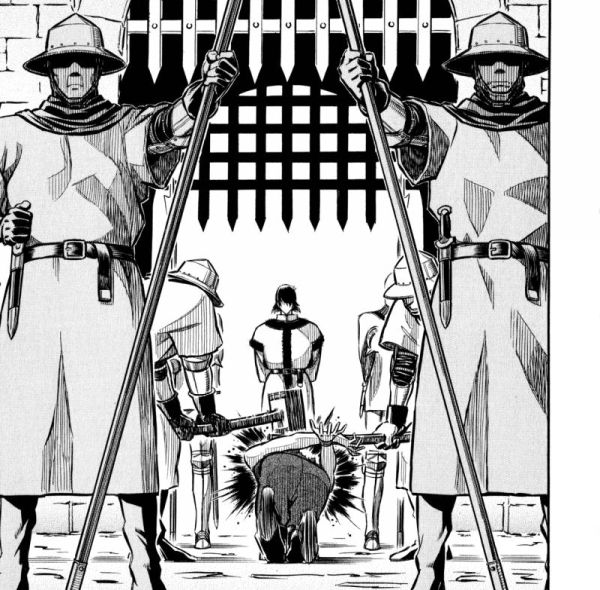
I first discovered Wolfsmund years ago and was instantly intrigued by it. It’s the kind of historical manga that doesn’t romanticize medieval Europe at all. Instead, it throws you into a world of oppression, cruelty, and survival, built around the Swiss fight for independence against Austrian rule.
The story centers on the St. Gotthard Pass, a vital route between regions that’s controlled by a border fortress known as Wolfsmund. Anyone trying to cross has to answer to Wolfram, the sadistic ruler of the gate, and that’s where the early chapters really shine. They’re almost episodic at first, following different travelers, rebels, and desperate people who attempt to slip through the pass. Most of them fail. What follows is interrogation, torture, and execution, often in scenes so brutal that calling the series violent feels like an understatement. Wolfsmund doesn’t just show cruelty. It lingers on it long enough to make you uncomfortable, which is exactly the point. This is a setting where authority is absolute, and life has almost no value.
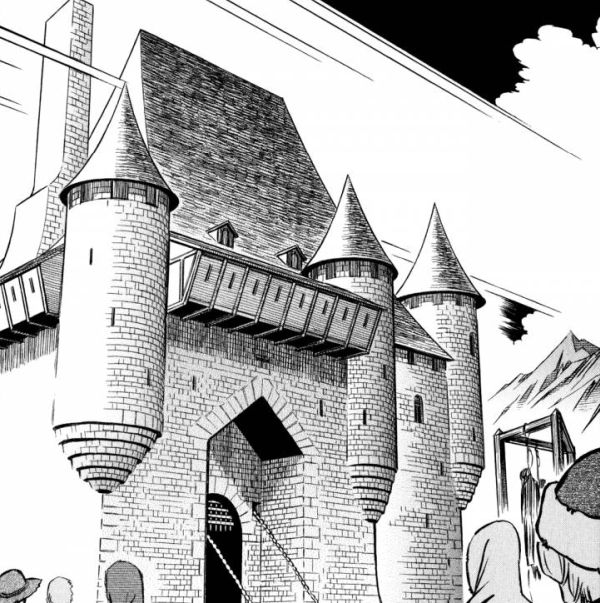
As the manga continues, it shifts from those grim one-off tragedies into something bigger. The focus expands into open conflict, showing the battles and turning points that lead toward Swiss independence. While Wolfsmund itself and Wolfram are fictional, the locations, tactics, and themes are rooted in real history, and the larger arc lines up with the struggle that defined the era. It feels less like shock-driven brutality and more like a war story, complete with sieges, formations, and desperate momentum.
The result is a messy but memorable experience. The violence can be extreme, and some readers might bounce off the torture-heavy opening. But if you can handle it, Wolfsmund delivers a harsh, grounded version of the Middle Ages.
If you want a historical manga that feels cruel, unforgiving, and relentlessly high-stakes, this one will stay with you.
Genres: Action, Drama, Historical
Status: Completed (Seinen)
13. Historie
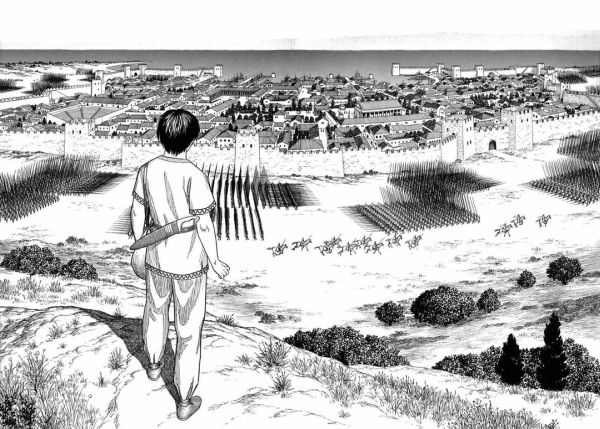
As someone who’s a big fan of ancient Greece, I was instantly interested in a historical manga retelling of the rise of Alexander the Great. Instead of focusing only on Alexander’s life, however, it tells the story of Eumenes, the brilliant, lesser-known figure who earns his place beside history’s most famous conqueror.
Historie follows Eumenes from childhood, long before he becomes the strategist and right-hand man people associate with Alexander’s campaigns. That’s what gives the story depth. You’re not just watching a legend being made. You’re watching someone claw his way upward through intelligence, instinct, and sheer, stubborn confidence. The era feels harsh and competitive, with politics and hierarchy always hanging over every decision. Even early on, it’s clear that Eumenes is living in a world where talent matters, but so does where you’re born, who you impress, and how quickly you learn to survive around people with more power than you.
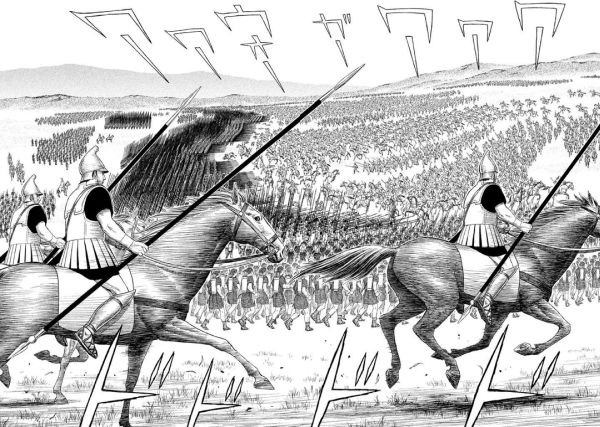
That said, Historie takes time to get going. The pacing is slow at the start, and the early art can feel rough and unremarkable compared to what the series becomes later. But if you push through those opening chapters, it steadily improves. The world grows more detailed, the character writing becomes sharper, and the story builds real momentum as Eumenes is pulled closer to the political and military forces shaping the era.
While other series, such as Kingdom, are more action-heavy and play out on massive battlefields, Historie is strongest in its quieter, political stretches. The best moments come from tension, ambition, and the psychological cost of striving for greatness in a time where success often meant becoming someone colder than you ever wanted to be.
Historie stands out as a slow-burning historical manga that blends character study, political pressure, and ancient warfare into a surprisingly personal story.
Genres: Action, Drama, Historical
Status: Ongoing (Seinen)
12. Sidooh
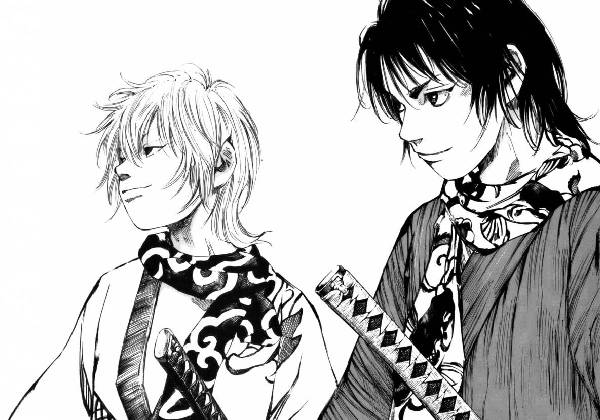
A lot of samurai manga are built around lone ronin and wandering swordsmen, but Sidooh is something else. This is a historical manga that treats the end of the samurai era like a slow collapse, where survival matters more than honor and every victory comes at a cost.
It’s 1855, and Japan is starting to change forever. Here, we meet the orphaned brothers Shoutarou and Gentarou Yukimura. Their father’s gone, their world is unforgiving, and the only thing they’re left with is a sword and a rigid idea of what it means to live by the warrior’s path. What starts as a gritty story about two kids trying not to die turns into a brutal coming-of-age tale, where the brothers are shaped by violence, poverty, and the shifting power structures of a country moving toward modernization.
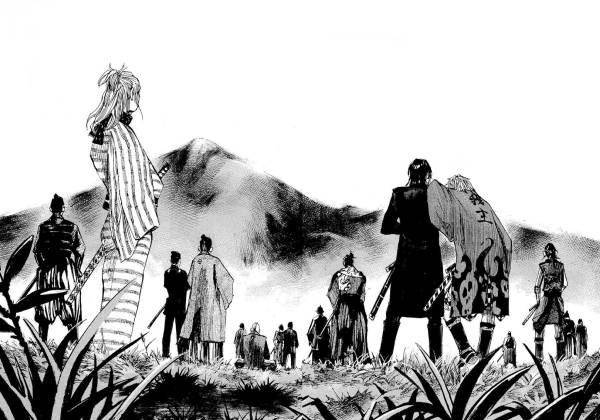
Tsutomu Takahashi doesn’t glorify swordsmanship here. Duels aren’t flashy, and violence rarely feels heroic. It’s sudden, messy, and often tragic, the kind of violence that makes you understand why the samurai myth was always just that, a myth. The brothers run into ronin, warlords, and revolutionaries, and nearly everyone they meet is clinging to old codes of honor, unable to move on. As the series continues, the personal stakes expand into a wider historical narrative. You can feel the era collapsing under its own weight, where old values don’t work anymore, and new ones haven’t replaced them yet.
The art matches the tone perfectly. Takahashi’s style is heavy and raw, with thick shadows and harsh expressions that make every street feel cold and every confrontation inevitable. Even quiet scenes carry tension, and the backdrop of Edo feels worn and haunted.
As a historical manga, Sidooh is a grounded and emotionally rough portrayal of a dying era through the people trapped inside it.
Genres: Action, Drama, Historical, Samurai
Status: Completed (Seinen)
11. Green Blood
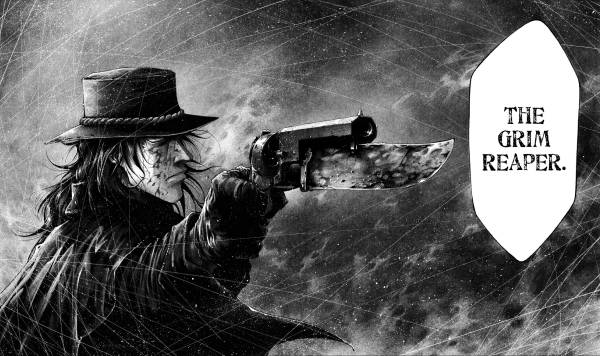
Green Blood is one of the few historical manga that dives into America’s underworld instead of Japan’s past, and that makes it a standout. It drops you straight into the filth and violence of New York’s Five Points, where poverty, corruption, and gang rule feel like the real law of the land.
Set during the post-Civil War industrial boom, the story follows Brad and Luke Burns, two brothers who grow up surrounded by brutality. Luke wants out. He’s desperate to escape the slums and build something resembling a normal life. Brad, on the other hand, is already in too deep. Unbeknownst to his brother, he’s the Grim Reaper, a feared assassin working for the Grave Digger gang. Much of the story’s early tension comes from Brad’s secret life before the story expands into a larger, more character-driven revenge narrative.
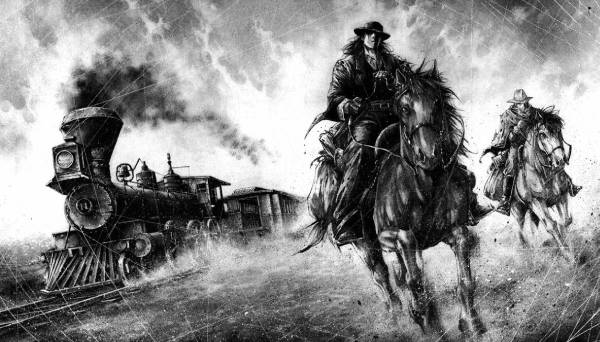
What makes Green Blood work as a historical manga is how well it captures the ugliness of its era. Five Points isn’t presented as a typical gangster playground. It feels overcrowded and desperate, full of immigrant struggle, mob intimidation, and the kind of violence that erupts over pride, territory, and survival. The manga also adds real historical flavor with events like the Dead Rabbits Riot to anchor its chaos in something recognizable, even when the story becomes cinematic.
Kakizaki’s artwork is a huge part of the appeal. The heavy shading, hardened faces, and detailed period clothing give the manga a gritty texture. Every alleyway feels cramped and dangerous, and the action has a choreographed quality that makes gunfights and brawls feel like they belong in a classic Western noir movie. It’s stylish without being clean, and brutal without feeling like it’s trying too hard to shock you.
That said, Green Blood isn’t flawless. Some side characters are thin, and it leans on familiar revenge and gang-war beats. It also feels too short, and some more breathing room would’ve helped it realize the full breadth of its vision.
Still, if you want a historical manga with a violent criminal edge and a setting you almost never see in manga, Green Blood delivers.
Genres: Action, Crime, Drama, Historical
Status: Completed (Seinen)
10. Lone Wolf and Cub
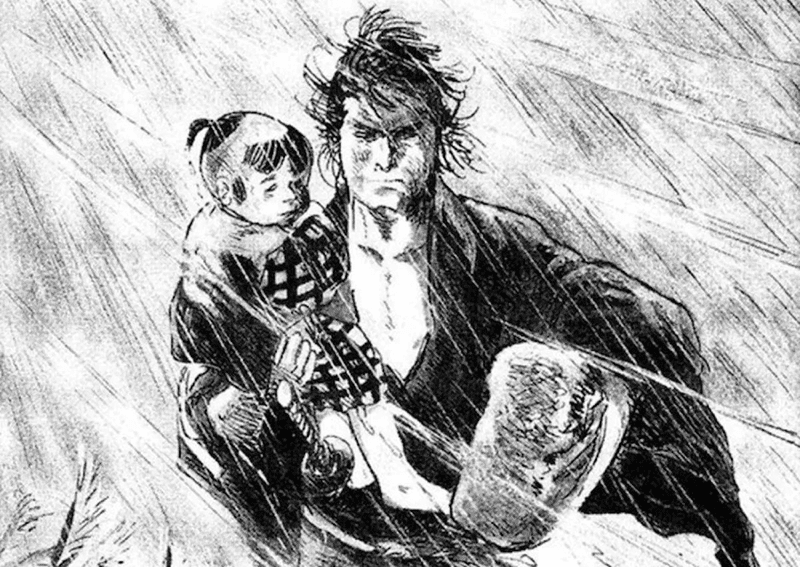
Lone Wolf and Cub is one of the most influential historical manga ever made, and it’s easy to see why. It helped redefine the samurai genre into something more adult, more cinematic, and far more brutal, serving as the blueprint for countless revenge epics that followed.
The story centers on Itto Ogami, the Shogunate’s former executioner, who’s framed for treason by the Yagyū clan and stripped of everything he once was. With no home left and no honor to protect, he becomes a ronin and sets out on the road with his infant son, Daigoro. To survive, Ogami takes assassination contracts, moving from town to town while carving a blood-soaked path toward vengeance. It’s a wandering swordsman story, but the historical core is bigger than the constant duels. Feudal Japan here is full of corruption, rigid hierarchy, and cruelty disguised as duty. Ogami’s fall shows how quickly the system can abandon you when you stop being useful.
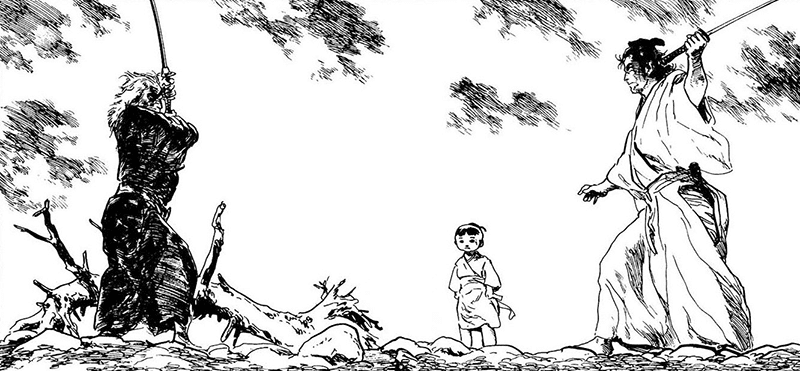
What makes Lone Wolf and Cub special is its structure. Many chapters feel like self-contained tragedies or moral parables, with Ogami and Daigoro drifting through the lives of desperate villagers, corrupt officials, and rival killers. Some arcs are pure violence. Others slow down and focus on survival, poverty, and the quiet despair of ordinary people living under the weight of authority. The story is brutal, but it’s never just mindless bloodshed. Ogami’s cold resolve is constantly balanced by Daigoro’s innocence, making them one of the most iconic father-son dynamics in manga. It’s tender in a way most revenge stories aren’t willing to be.
Goseki Kojima’s art is the other half of its legacy. The panels feel like classic jidaigeki cinema, full of heavy shadows, weathered faces, and deliberate motion. Kojima can make a silent stare-off feel tense and then make violence feel sudden and ugly without losing clarity. Even decades later, the visual storytelling still holds up as a benchmark for the genre.
The slow pacing might irritate some modern readers compared to newer action series, but it’s part of Lone Wolf and Cub’s appeal. As a historical manga, its atmosphere is hard to match. Few other series capture the beauty and brutality of the warrior’s path this well.
Genres: Action, Historical, Samurai
Status: Completed (Seinen)
9. Godchild
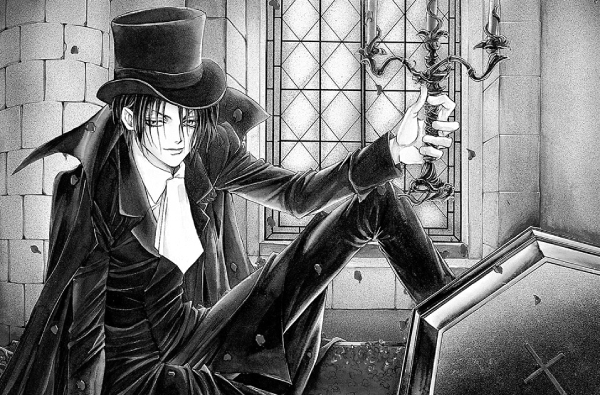
Godchild doubles as a historical manga set in Victorian England and a gothic mystery where every seemingly normal location feels one bad moment away from cruelty. It’s elegant on the surface, vicious underneath, and it uses its setting so well that the era feels like an essential part of its villainy.
Cain Hargreaves is a young aristocrat with a cursed family and an obsession with collecting deadly poisons. Over the course of the story, he investigates disappearances, murders, and the twisted behavior hidden beneath the refined Victorian surface. Most chapters work like episodic cases. Cain, alongside his loyal servant Riff, enters a party or wealthy household, and within a few pages something feels wrong. Then someone dies, and the case reveals what people are willing to do to protect their reputation. You get poisonings, staged accidents, inheritance schemes, and crimes that aren’t just about eliminating someone, but humiliating them or making them suffer. It’s classic detective-style tension, except the answers rarely feel satisfying, because the truth usually exposes a bigger kind of rot.
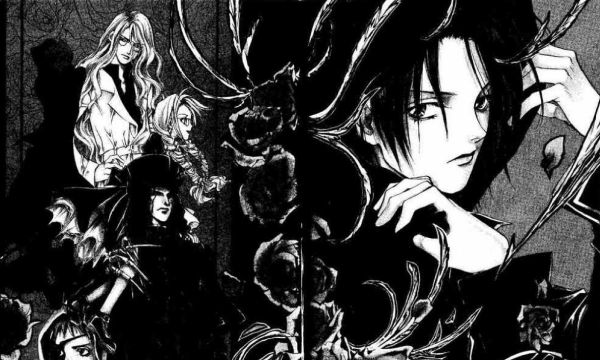
What makes Godchild stand out is how it ties those self-contained cases into an overarching narrative. The series is a follow-up to the earlier Cain Saga and improves on that formula by giving Cain’s personal story sharper momentum. Each mystery adds another piece to the larger nightmare surrounding his father and a shadowy organization. Over time, the story’s focus switches from finding out who’s responsible to how deep the corruption goes. Even Cain’s identity begins to change, as if he himself becomes as unstable as the twisted crimes he’s solving. This adds long-form tension that keeps the series compelling even when it slows down to build atmosphere.
The Victorian setting is a huge part of what makes Godchild so good. You get candlelit halls, rigid social rules, and the quiet violence of class and power. The shojo art style gives everything a melancholic beauty, which serves as a perfect contrast to the story’s nastier turns. While many of the murders Cain witnesses are twisted, the world they’re happening in looks hauntingly beautiful, almost as if the manga is trying to show how easily cruelty can hide behind etiquette.
If you want a historical manga with a gothic atmosphere, intimate crime stories, and a larger conspiracy surrounding its protagonist’s life, Godchild is an easy recommendation.
Genres: Drama, Gothic, Historical, Mystery, Thriller
Status: Completed (Shojo)
8. Shigurui
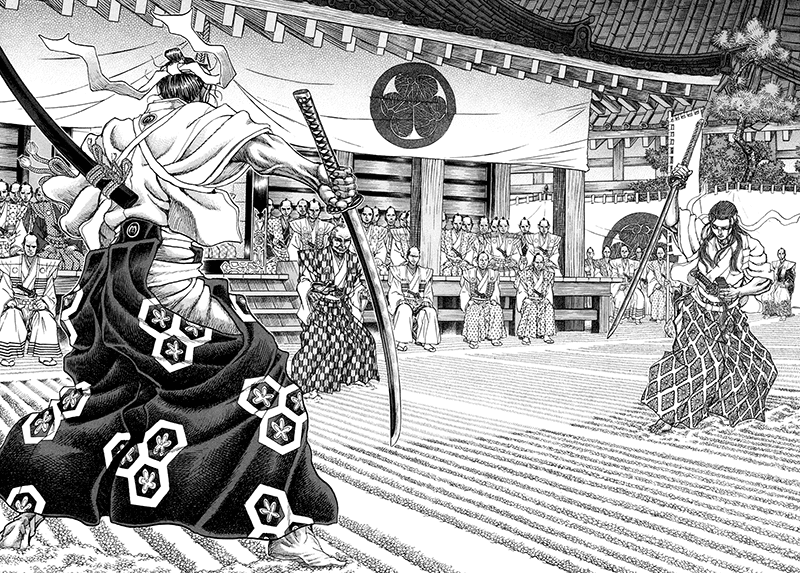
Shigurui is one of the darkest and bleakest entries on this historical manga list, and it earns that reputation immediately. This isn’t a heroic tale of honor and wandering swordsmen. It’s a story that strips the samurai myth down to the bone, showing the era as a system built on oppression, physical suffering, and psychological ruin.
The story starts when the daimyo Tadanaga Tokugawa announces a brutal tournament. It comprises eleven matches, but instead of wooden swords, the competitors wield real blades and fight to the death. The first match instantly shows you just how bleak this world is. One man, Gennosuke Fujiki, is missing his right arm, while his opponent, Seigen Irako, is lame and blind. It’s an image that’s both grotesque and mesmerizing, and from there Shigurui tells us the story of how these two men ended up reduced to this. What follows is a slow descent through brutal training, rivalry, humiliation, and the kind of ambition that destroys everything it touches.
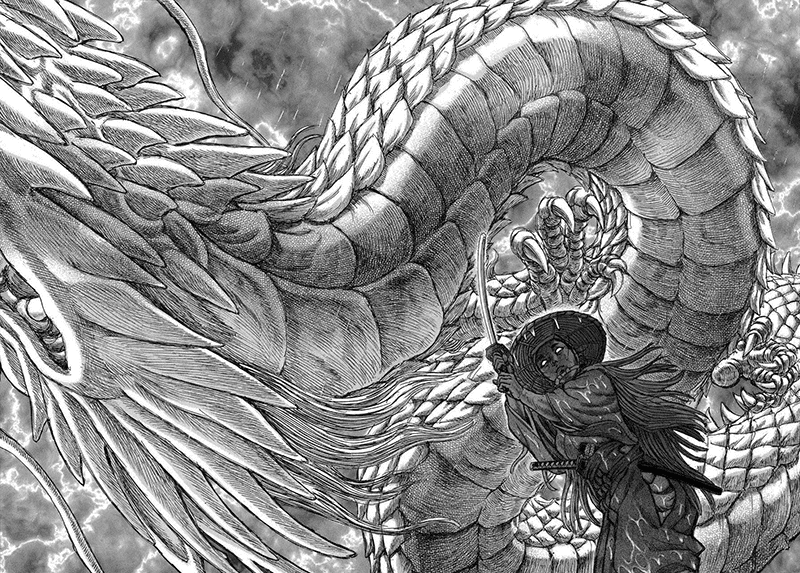
This is where Shigurui differs from many other samurai stories. The warrior class isn’t romanticized. The samurai system is shown to reward obedience, cruelty, and ego. Violence never feels heroic. It feels ritualistic, like an ugly tradition people are forced to participate in. The world is rigid and suffocating, and the characters are trapped inside it, whether they accept the rules or not. Even when the manga leans into shock, it’s always aiming for more than just stylish sword fights. It makes the past feel heavy, not romantic.
Takayuki Yamaguchi’s art is full of anatomical detail that makes every injury look disturbingly real. The gore is explicit, sometimes to the point of being hard to stomach, but at the same time, strangely beautiful in composition. Shigurui knows exactly when to stay still, when to emphasize motion, and when to let silence do more damage than dialogue. It’s repulsive and mesmerizing at the same time, and that tension never lets up.
Shigurui is a singular historical manga for how it challenges the samurai myth and shows the era at its cruelest. It’s slow, grim, and often brutal to an extreme, but also unforgettable.
Genres: Action, Drama, Historical, Martial Arts, Tragedy
Status: Completed (Seinen)
7. JoJo’s Bizarre Adventure: Part 7 – Steel Ball Run
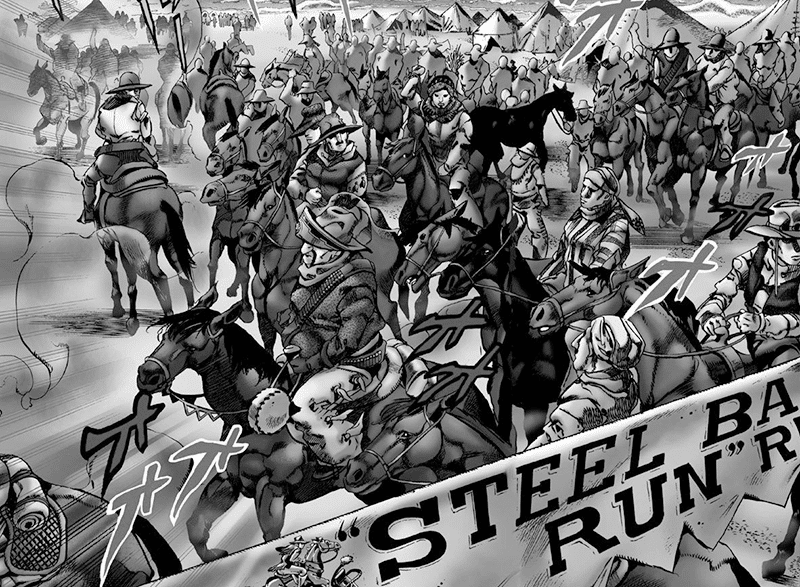
JoJo’s Bizarre Adventure is one of the most iconic franchises in manga, and Steel Ball Run is where it hits its peak. It’s also an outlier on this list because it’s full of supernatural abilities and Araki’s typical blend of insanity. Still, it works as a historical manga for how vividly it brings the American frontier to life.
Steel Ball Run takes place in an alternate version of 19th-century America, built around a horse race across the United States with a massive cash prize. The lead is Johnny Joestar, a disgraced former jockey who’s paralyzed from the waist down and barely holding himself together. Early on, he meets Gyro Zeppeli, one of the race’s competitors who fights using Steel Balls, spinning weapons tied to a secret technique. Johnny’s obsession starts the moment he realizes that technique can briefly restore feeling to his legs. From there, he joins the race, not realizing it’s a battleground for assassins, political manipulation, and a conspiracy involving sacred relics.
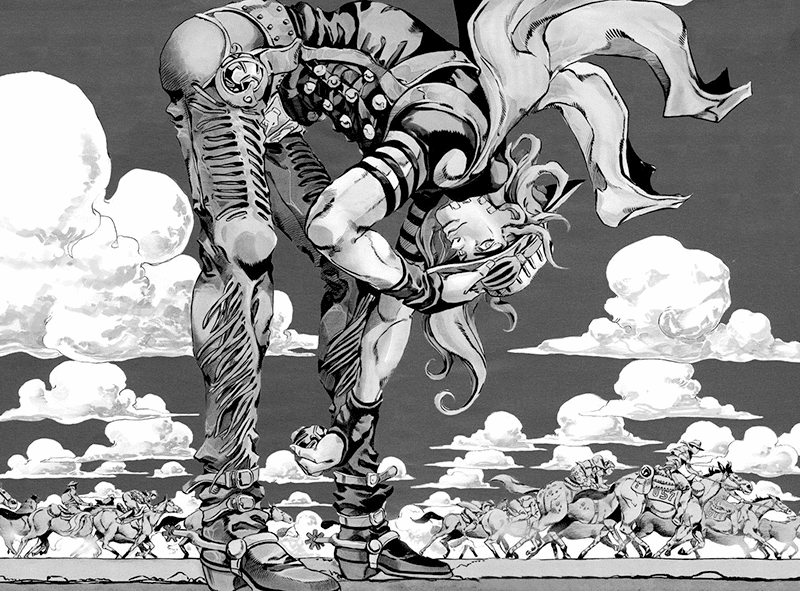
What makes the historical angle work is that the race never stops being the backbone of the story. Even when Stand battles erupt and the plot goes off the rails, the setting keeps pulling everything forward. You get dusty towns, wide-open deserts, rugged terrain, and that constant sense of danger that comes with traveling through lawless territory. It’s not realistic history, but the world still feels researched and textured. Araki clearly knows his way around American imagery, geography, and frontier atmosphere, and it adds real flavor to the madness.
Steel Ball Run’s execution is peak Araki. The Stand powers are among the most inventive and strangest in the entire series, and every major encounter feels like a life-or-death battle. Johnny also has one of the best arcs in JoJo. He starts out bitter, full of self-loathing, but becomes driven and willing to accept his own shortcomings. Gyro is the perfect counterbalance: charismatic, principled, and weirdly emotional when it matters. The result is a story that feels like a race, a road trip, and an action-heavy conspiracy thriller all at once.
Steel Ball Run is a historical manga at its weirdest, with a heavy supernatural edge, but also a breathtakingly beautiful rendition of the American frontier.
Genres: Action, Adventure, Historical, Supernatural
Status: Completed (Seinen)
6. Me and the Devil Blues
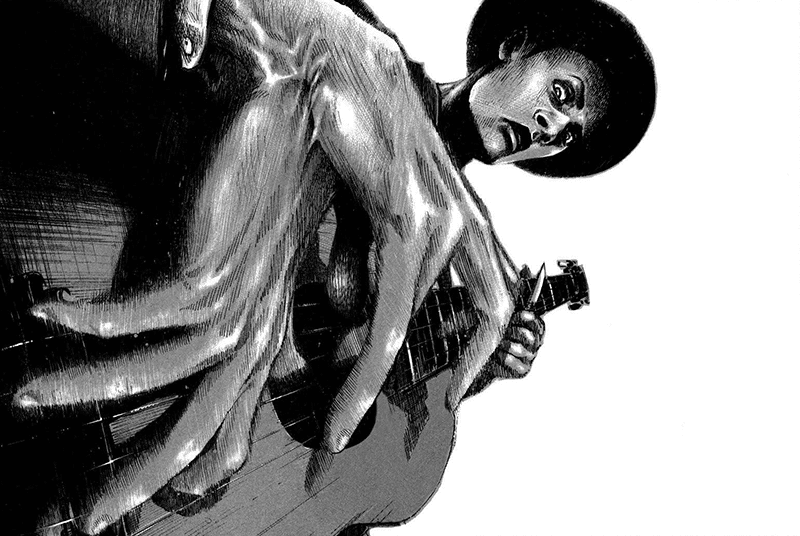
Me and the Devil Blues is a historical manga set in the American South, and it’s easily the most horror-tinged entry on this list. It takes the crossroads legend of Robert Johnson and turns it into a feverish nightmare of obsession, violence, and paranoia, all wrapped in a setting that feels sweaty, hostile, and haunted.
The story follows Robert “RJ” Johnson, a desperate musician who wants greatness more than anything. He’s not gifted, he’s not lucky, and he’s painfully aware that he won’t make it the honest way. So he does what the myth says he’s not supposed to do. One night, he heads to a crossroads and makes a deal with something he doesn’t understand. The bargain works. His fingers move like magic, and his music becomes unreal. But the price is immediate. From that moment on, RJ’s life turns into a nightmarish downward spiral full of violence and paranoia.
What makes the historical setting hit is how oppressive it feels. Hiramoto creates the Jim Crow South as a place drenched in tension, where violence and cruelty are part of the landscape. You get dusty back roads, juke joints soaked in sweat, and towns where segregation isn’t background detail, but a constant threat. The manga also features the outlaw energy of the Prohibition Era and the kind of desperation that creates myths. It’s stylized but grounded enough to make the fear land harder.
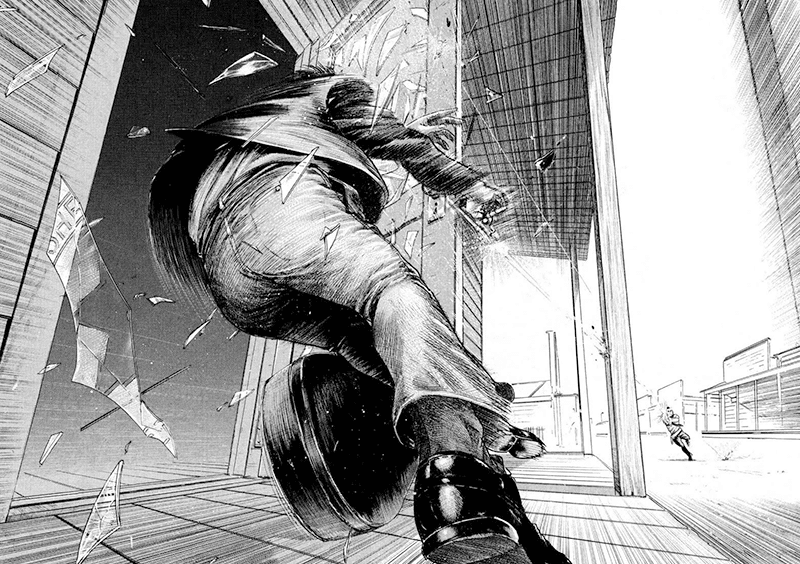
The atmosphere is the real masterstroke here. Me and the Devil Blues builds dread the way a good horror story does, by never letting you breathe for long. It isn’t pure horror in the traditional sense, but it’s soaked in guilt and impending doom, especially once the story introduces Stanley McDonald. He’s one of the most genuinely malevolent antagonists you’ll find in a manga like this, and every scene with him feels like something terrible is about to happen.
The art is nothing short of stunning. It’s gritty, hyper-detailed, and textured in a way that makes everything feel physical, from cracked dirt paths to the sweat on faces under harsh lighting. The South becomes its own character, and you can tell Hiramoto put in a lot of work to make it feel specific and alive.
If you want a historical manga that blends American gothic dread with gorgeous artwork and nonstop tension, Me and the Devil Blues is unforgettable.
Genres: Historical, Horror, Mystery, Psychological
Status: On Hiatus (Seinen)
5. Vinland Saga
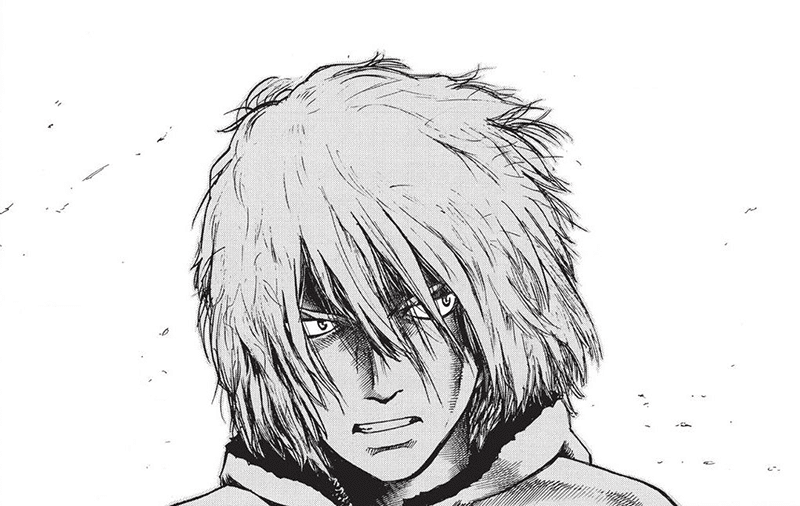
Vinland Saga is a historical masterpiece that brings 11th-century Europe and the age of the Vikings to life with brutal clarity. It’s one of the best historical manga ever created, and it earns that reputation through sheer atmosphere, character depth, and scale.
The story follows Thorfinn Karlsefni, the son of the legendary warrior Thors, whose life is destroyed when his father is murdered by Askeladd, a cunning mercenary leader. Thorfinn becomes a child soldier, clinging to revenge as his only reason to keep moving forward. This gives Vinland Saga its early edge. Thorfinn doesn’t chase vengeance from a safe distance. He follows Askeladd across battlefields, doing his dirty work, and waiting for the moment he’s strong enough to kill him in a duel. It’s personal, ugly, and painfully human, even when the story expands into larger conflicts.
As the plot escalates, Vinland Saga grows beyond revenge into politics, warfare, and survival. The kidnapping of Prince Canute triggers a chain of events that reshapes the power struggles of the era, pulling Thorfinn and Askeladd into a larger game of statecraft. This is where the manga begins to feel like a true epic. It’s not just raids and fights anymore, but shifting alliances, moral compromises, and the constant question of what it takes to survive in this harsh world.
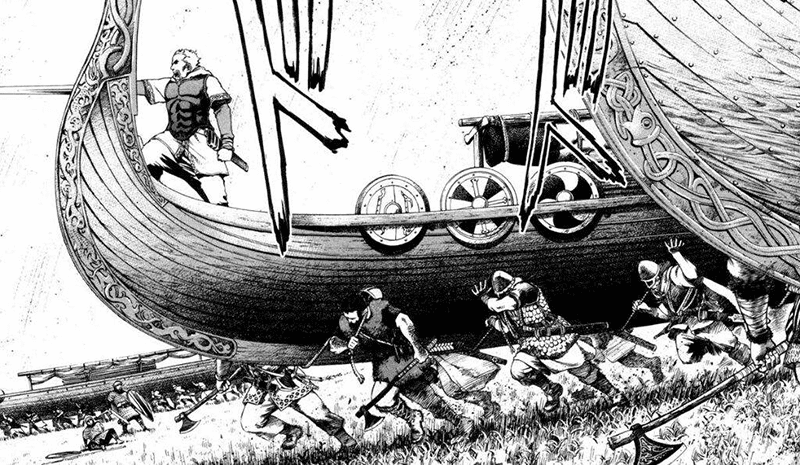
Yukimura’s historical texture is incredible. The brutality of Viking culture is never softened, and the manga doesn’t flinch from slavery, massacres, and the casual cruelty of conquest. At the same time, it feels grounded. You can almost feel the mud underfoot, the tension of longships packed with warriors, and the cold air of the sea. The art only strengthens the immersion, with meticulously drawn villages, ships, armor, and landscapes that make the era feel tangible instead of romanticized. Later arcs prove Yukimura can make quiet places just as real, whether it’s a farmstead or a camp full of war-torn veterans.
But Vinland Saga’s greatest strength is that it isn’t just about war. It’s about what war does to people. As the story slows down, it becomes a character study about trauma, guilt, and the struggle to find meaning after vengeance. Thorfinn’s evolution is one of the best in manga, and characters like Canute, Einar, and Hild deepen the emotional weight without feeling like filler.
And then there’s Askeladd, one of the most layered characters in manga. He’s introduced as a simple, one-note villain, but evolves into someone far more complex: tactician, manipulator, reluctant mentor, and a man driven by secrets of his own.
Vinland Saga is a brutal, sweeping, and deeply human historical manga.
Genres: Action, Drama, Historical
Status: Completed (Seinen)
4. Vagabond
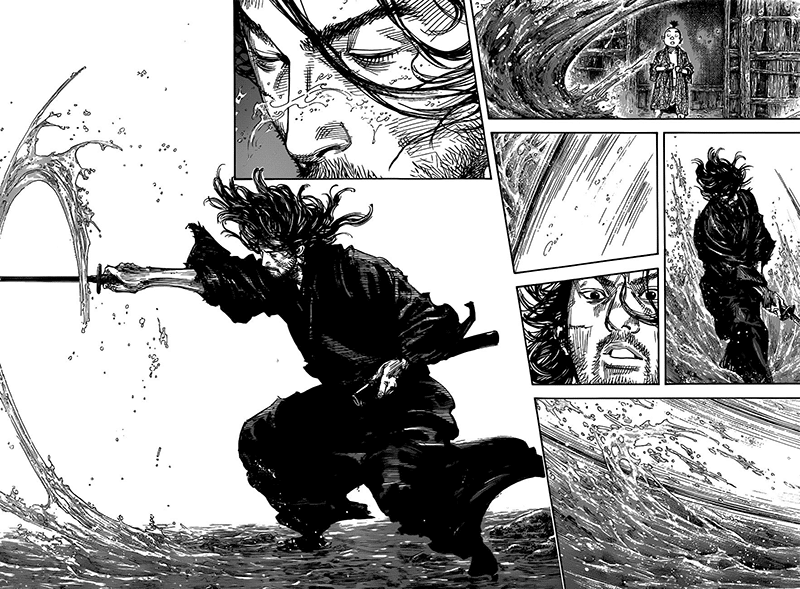
Vagabond is one of the purest historical manga ever made, an epic that turns violence into something raw, intimate, and philosophical.
Based on Eiji Yoshikawa’s novel Musashi, the manga follows a feral, angry young man called Shinmen Takezo, who believes strength is the only thing that matters. After surviving the chaos of war alongside his friend Matahachi, Takezo returns home, but is soon branded a criminal and hunted down. Eventually, the monk Takuan Soho saves him and bestows a new name upon him: Musashi Miyamoto. From there, the story becomes a long climb toward the dream of becoming invincible.
What makes Vagabond stand out isn’t just the duels. It’s how harsh the era feels. Food is scarce, reputation travels faster than truth, and violence is treated as a fact, not a dramatic event. Musashi drifts from town to town, crossing paths with rival schools, warlords, and other swordsmen chasing their own definition of purpose. The historical setting doesn’t just feel like a backdrop. It feels like a cage built from pride, class, and the constant threat of death.
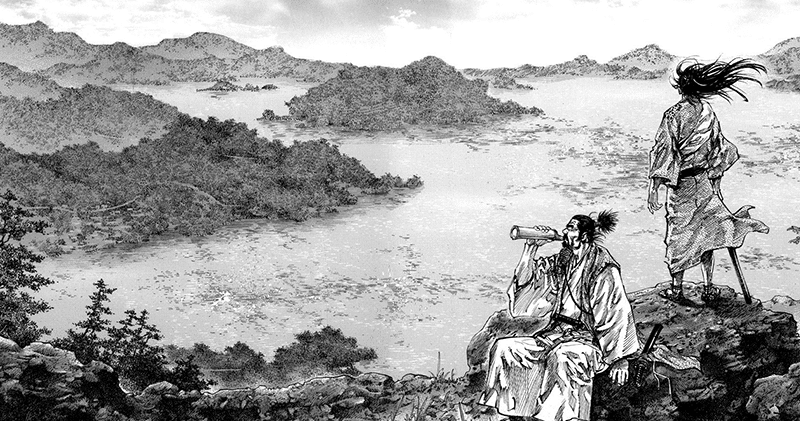
Takehiko Inoue’s art is the main reason Vagabond hits as hard as it does. His brushwork makes every panel feel alive. You get sweeping landscapes, filthy roads, cramped villages, and faces genuinely exhausted by the era they live in. When fights happen, they’re vicious and sudden, but they’re seldom treated as spectacle. A duel ends, someone collapses, and the silence afterward feels heavier than the action itself. Inoue is also incredible at pacing. He’ll linger on stillness, nature, or a quiet moment of doubt before snapping back into violence without warning.
Vagabond also benefits from its wider cast. Sasaki Kojirō isn’t just Musashi’s rival. He feels like a secondary protagonist, and the manga spends real time exploring his path through the same world. Even characters like Matahachi, who could’ve been disposable or comic relief, become tragic reminders of what happens when ambition turns into self-destruction.
While Vagabond remains unfinished to this day, it’s still essential. If you want a historical manga that feels brutal, meditative, and deeply human, this is among the best you’ll ever read.
Genres: Historical, Action, Drama, Samurai
Status: On Hiatus (Seinen)
3. Blade of the Immortal
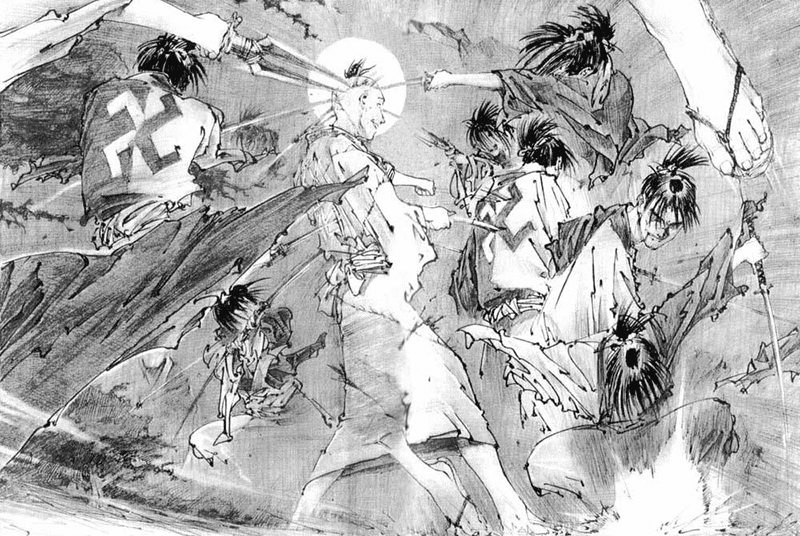
If Vagabond is a quiet climb toward mastery, Blade of the Immortal is the polar opposite. It’s a historical manga that doubles as a revenge saga full of unhinged characters, punk energy, and duels that feel desperate instead of heroic.
Manji, known as the infamous Hundred Man Killer, is cursed with immortality after an old nun infects him with bloodworms. When he meets Rin Asano, a teenage girl hunting the Itto-ryu sword school for slaughtering her family, the two form an uneasy partnership built on vengeance. The setting stays rooted in late-Edo Japan, where social rank matters, violence is normalized, and sword schools have massive influence.
The series’ biggest strength is its cast and moral mess. Blade of the Immortal never locks into an easy good-versus-evil narrative, and even the people you want dead often have motives you can understand. Anotsu Kagehisa, the leader of the Itto-ryu, is the perfect example: charismatic, ruthless, and strangely principled in his own way. Manji and Rin also grow in ways that feel realistic, shifting from pure revenge into something more complicated and painful. And then you get figures like Shira, a full-on nightmare of human cruelty, whose presence pushes the manga into darker, more stylized territory.
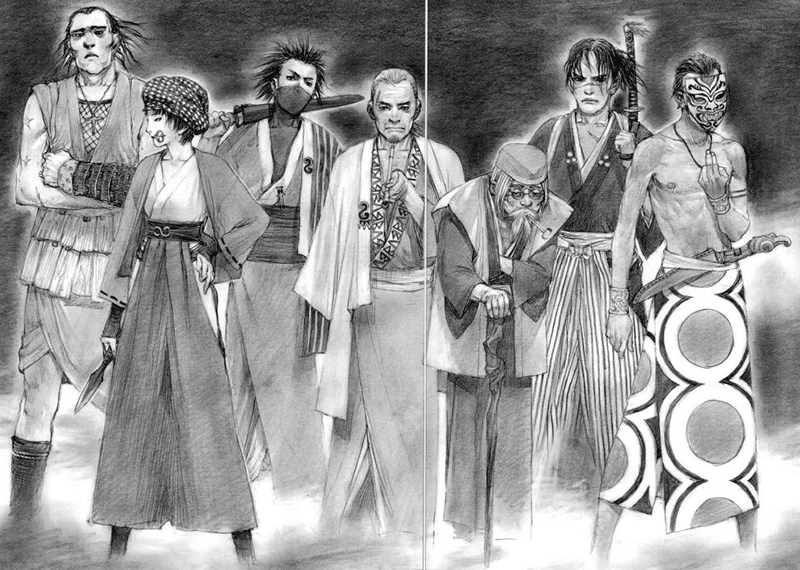
Samura’s presentation sells it. The art is sketchy but razor-sharp in motion, with fights that feel messy, tactical, and brutally physical. It’s not clean samurai choreography. It’s people slipping in blood, using inventive weapons, and winning because they’re meaner, smarter, or more willing to suffer. At the same time, the dialogue has this great contrast where high-status characters speak formally and with era-coded restraint, while Manji and the rougher fighters talk like street punks. That clash makes the world feel real, while also making the main cast feel like outsiders in a rigid system.
One of my favorite details, and a big reason this manga belongs on any historical manga list, is Samura’s weapon lore. Throughout the series, he includes short notes on blades, tools, and the fighting gear you’re seeing, grounding even the wildest duels in real historical weapons and technique. It’s the kind of extra texture that makes the violence feel like it comes from a real time and place.
As a historical manga, Blade of the Immortal stands out because it’s savage, character-driven, and showcases some of the best and most brutal fights in manga.
Genres: Historical, Action, Revenge, Drama
Status: Completed (Seinen)
2. Kingdom
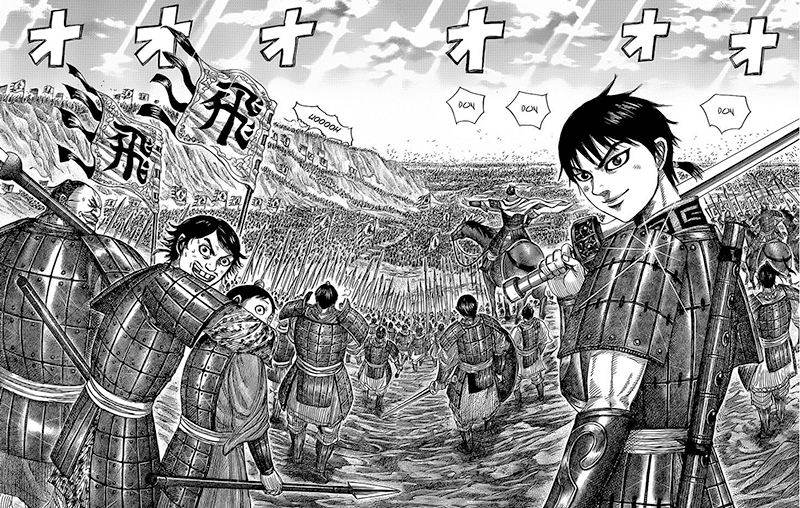
Kingdom is among the most ambitious historical manga of all time. It doesn’t just recreate famous battles but turns them into a grinding machine that never stops.
The historical core is the unification of China under the state of Qin during the Warring States period, and it takes decades of strategy, betrayal, and mass slaughter to do it. The story follows Shin, a former servant who claws his way up from the dirt with one reckless dream: to become a Great General under the Heavens. Running parallel is the story of Ei Sei, the young king of Qin, who wants to reshape the entire country through conquest and centralized rule. Most of the major players are rooted in real history, from Ei Sei himself to rival commanders and generals across the states. Shin is the perfect lead for this kind of epic because not much is known about his real-life counterpart, which gives the manga room to mythologize him without completely breaking the historical background.
What makes Kingdom stand out is how it treats war. Battles aren’t just about clashing armies and stylized duels. They’re about supply lines, terrain traps, feints, morale breaks, and commanders gambling thousands of lives on a single read of the enemy. Even major campaigns come with momentum shifts that feel earned, and the series is at its best when it zooms out to show how one battlefield decision can reshape the entire political board. The political layer matters just as much as the violence. Ei Sei’s early internal struggle to secure Qin, crush rival power brokers, and sell the idea of unification gives the story weight beyond the battlefields. Kingdom even nods to its roots by quoting and framing key moments like recorded history, drawing from Sima Qian’s accounts as a backbone, even when the narrative gets dramatized.
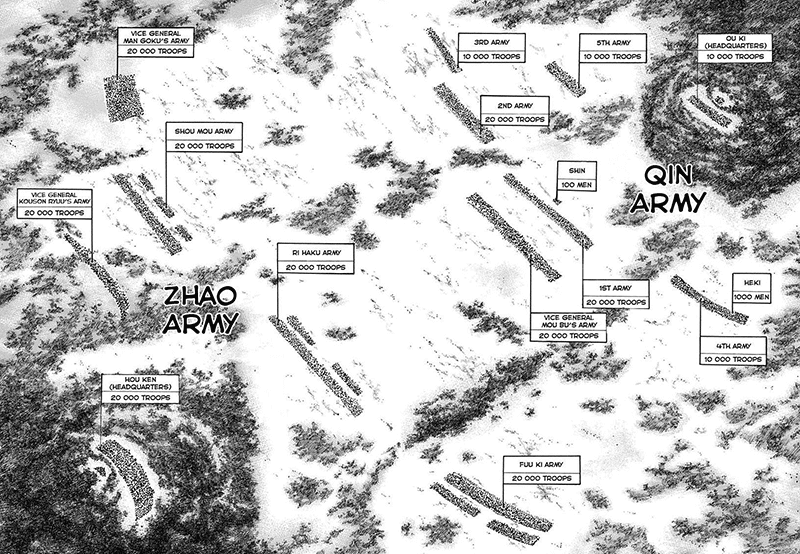
And it definitely gets dramatized. Kingdom condenses timelines, amps up personal rivalries, and turns certain wars into larger-than-life spectacles. The Coalition War is the best example: it’s based on a real turning point, but it’s presented with maximum tension and heroic escalation. Other stylized elements include the mountain forces under Yotanwa, grounded in real frontier tribes and a historical figure, but pushed into a more mythic direction to keep the battlefield variety wild and memorable.
The art also starts rougher than you’d expect from a series of this scale, but as the story expands into sieges, fortresses, and full-scale engagements, the visuals grow into massive, detailed spreads that sell the scope.
Kingdom is a seinen war story where strategy matters more than speeches. It’s not a perfect history lesson, but as an epic about ambition, statecraft, and the cost of building empires, it’s hard to beat.
Genres: Historical, Action, Military, Drama
Status: Ongoing (Seinen)
1. Innocent
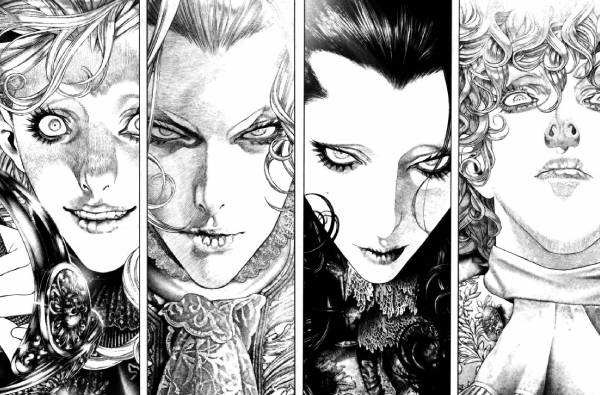
While The Rose of Versailles approaches the French Revolution with glamorous shojo style and romantic tragedy, Shinichi Sakamoto’s Innocent does the complete opposite. This is a historical manga that showcases the era’s decadence, cruelty, and obsession with spectacle and turns it into something feverish and unforgettable.
The story centers on Charles-Henri Sanson, Paris’ royal executioner, a man born into a role that makes him both essential to the monarchy and permanently stained by it. He isn’t a general or a schemer at court, but he stands at the point where power becomes physical. Every beheading is a performance, every sentence is a political statement, and the crowd is constantly waiting to be entertained. Sanson carries that contradiction of the age on his back: the kingdom wants order, the people want blood, and he’s expected to deliver death with ceremony, precision, and grace. The historical tension is constant. Reputation matters more than empathy. Duty matters more than mercy. And as France edges closer to collapse, even the idea of justice becomes nothing but a farce.
What makes Innocent so striking is how aggressively it commits to style without ever losing the ugliness underneath. Sakamoto draws 18th-century France with obsessive texture: lace, embroidery, powdered wigs, gilded halls, packed streets, and cold instruments of execution rendered like religious icons.
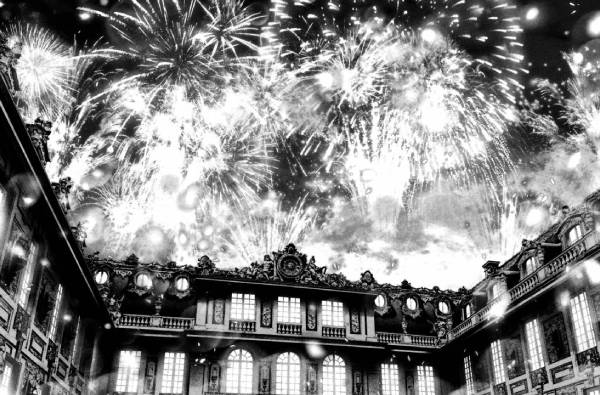
But the manga doesn’t just look beautiful. It feels like a grand opera. Characters enter scenes like performers. Emotions are constantly exaggerated. Violence is staged with theatrical symmetry, then made sickeningly real the moment the blade drops. The best part is how it makes the past feel heavy, not romantic. Public punishment isn’t just background detail. It’s social control, class warfare, and entertainment all rolled into one. And through Sanson, the series keeps asking a brutally honest question: what has society become if it needs a scaffold to function?
The most fascinating thread running through both Innocent and its sequel Innocent Rouge is Sanson’s fixation on a perfect execution, a painless death that feels almost merciful. It’s a haunting metaphor for the Enlightenment itself, where progress and philosophy exist right alongside institutional cruelty. Rouge eventually shifts more focus toward Marie-Joseph Sanson and pushes harder into rebellion, symbolism, and transgression. It can feel indulgent and fragmented at times, but it also completes the story’s transformation into a full-blown revolution nightmare, equal parts intoxicating and horrifying.
If you want a historical manga that’s operatic, brutal, and visually untouchable, Innocent is one of the boldest picks. It’s graphic, excessive, and absolutely committed to its extremes.
Genres: Historical, Drama, Psychological
Status: Completed (Seinen)