Glen Cook books are having the strangest, best moment of their forty-year life, and most of the internet hasn’t noticed yet. The Black Company, the series that invented the grunt’s-eye epic before grimdark had a name, went quiet for a quarter century after its main line closed in 2000. Then, in November 2025, the Company marched again: Lies Weeping opened a brand-new saga called A Pitiless Rain, planned at no fewer than five volumes, and the second book, They Cry, is dated for this November. Cook is eighty-two, hand-drawing the maps himself, and every reading guide that ranks above this page still tells you the story ended twenty-five years ago.
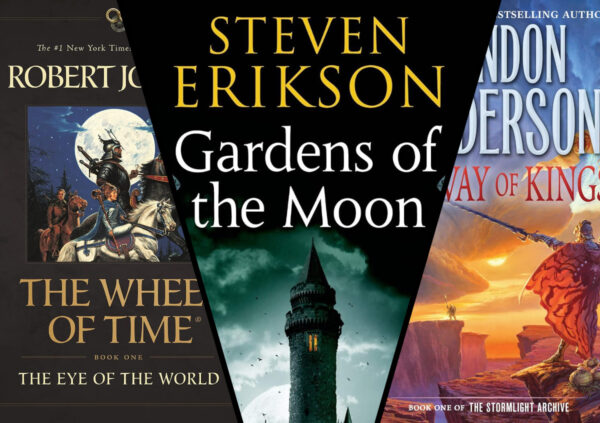
The ancestor claim comes with receipts. Steven Erikson’s blurb has ridden the covers for years, “reading Glen Cook is like reading Vietnam War fiction on peyote,” and the lineage from Croaker’s Company to Malazan’s Bridgeburners is genre history my Steven Erikson guide tells from the descendant’s side. The Black Company already holds entries on my best fantasy books pillar, my best fantasy series list, and my grimdark books list, four homes counting the dark fantasy page, more than any other author in this tier. Here’s the whole shelf, timed to the revival.
Fiction by René Rehn


The short version
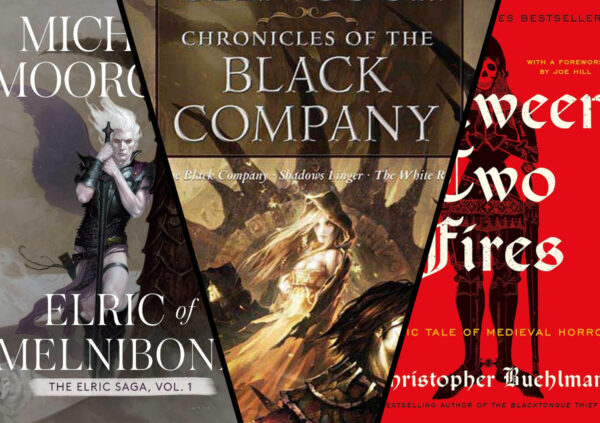
Read The Black Company (1984) first, most easily as part of the Chronicles of the Black Company omnibus, and continue in publication order through the ten classic novels. Port of Shadows, the 2018 interquel, slots in late rather than by chronology, for reasons below. Then Lies Weeping, and you’re caught up to a series that is, astonishingly, current again.
What Cook invented
The premise that changed everything is a job description. The Black Company is a mercenary brotherhood, the last of the legendary Free Companies of Khatovar, and the books are its Annals, the company’s own official record, kept by whichever soldier holds the post of Annalist. The first of them we meet is Croaker, the company physician, which means the founding text of grimdark is narrated by a tired medic writing up his brothers between engagements: laconic, biased, full of gaps he admits to, more interested in card games and bad food than in the fate of kingdoms, even as the kingdoms come apart around him.
The other invention is the employer. The Company takes the coin of the Lady, the sorceress-empress of the North, which puts our narrators on what every other fantasy novel of 1984 would have called the wrong side, serving alongside the Taken, her enslaved cadre of terror-wizards, and doing work no ballad will ever flatter. Cook, a Navy veteran of the Vietnam era who famously drafted much of this while working the assembly line at a GM plant, wrote soldiers the way soldiers talk about soldiering, and the moral fog isn’t a theme so much as the weather. Everything the grimdark shelf later built, the found-family-of-killers, the war story without heroes, the dark lord as a boss you invoice, starts here, and my grimdark list traces what grew from it.
The Books of the North
The Black Company, Shadows Linger, The White Rose. 1984 to 1985.

The opening arc: the Company enters the Lady’s service, garrisons her wars, and slowly discovers that the prophecy everyone whispers about, the rebirth of the White Rose who once imprisoned the great evil, is not somebody else’s problem. The pleasures are the Company itself, One-Eye and Goblin’s feud of petty sorceries, Raven and the mute girl Darling, Croaker’s wry ledger-keeping, and the queasy comfort of watching decent-enough men do indefensible work professionally. The Silver Spike, a side novel following departed members, hangs off this arc for completists. The honest caveats up front: the terseness reads as thin to some, the timeline can leap years between paragraphs, and the Annals keep their gaps, which the devoted will tell you is the entire point. If the first book’s flat, clipped voice clicks for you, you’re set for life, because it never changes.
The South and Glittering Stone
Shadow Games through Soldiers Live. The long road home.

The second movement turns the Company south, marching toward Khatovar, the half-mythical place the Free Companies came from, through new empires, new shadows, and wars that grind across decades. The Books of the South (1989 to 1990) reset the board and deepen the two figures at the series’ center in ways I won’t detail, and the four Books of Glittering Stone (1996 to 2000) close the classic run as one continuous, stranger, more haunted story, the Annalist’s pen passing to new hands as the old ones fail, which is the series’ quiet way of showing you what the years cost. Soldiers Live, the 2000 finale, carries the epitaph the whole saga had been earning, soldiers live, and wonder why, and for twenty-five years that was the last word.
The return: Port of Shadows and A Pitiless Rain

Port of Shadows (2018) came first, an interquel set back in the Books of the North era and built partly from short stories, framed as a lost history, which is also the honest guide to its reception: a strange, dreamlike, deliberately unreliable visit rather than a straight new installment, best read after the classic run when its games with the record can land. The real resurrection is now. Lies Weeping (November 2025) opens A Pitiless Rain, the first true new Black Company saga since the millennium, planned at five volumes minimum, with They Cry following on November 3, 2026, a year to the week later. The machinery around it has woken too: Bloomsbury took the UK rights with fresh audiobooks, the scattered short stories are finally being collected for 2027, and a new tabletop RPG ran its public playtest this winter. The long-rumored TV adaptation from the 2010s, for the record, went quiet years ago and stays quiet. The books didn’t wait for it.
Garrett, the Dread Empire, and the rest

The other Cook worth your shelf space is Garrett, P.I., fourteen books of fantasy noir beginning with Sweet Silver Blues: a wisecracking human detective in a city of elves, ogres, and rackets, Chandler by way of the tavern, and the fun-house mirror to the Company’s grimness. The Dread Empire, his earlier epic sequence, is denser and rougher, proto-Company in its military texture, for readers who want the archaeology. The Instrumentalities of the Night rounds out the epics. All of it shares the signature: wars seen from inside the ranks, by a writer who never once romanticized the work.
A note on where to actually start
The Black Company, taken in its flat, tired, unforgettable voice, with the understanding that the style is the substance and the Annals don’t editorialize. If it takes you, there are eleven more books and a live, growing saga ahead, which is a sentence nobody could write about the Glen Cook books for twenty-five years. The Annals are open again. Get your name in them before volume two lands.