David Gemmell books are having a rediscovery moment, and it’s overdue by about a generation. Legend turned forty and the machinery noticed: Orbit shipped a collector’s edition in 2025 with a new introduction by John Gwynne, the limited-press houses lined up with illustrated editions, and the grimdark crowd has been rereading the old master and admitting, in public, how much of their genre’s furniture he built. Joe Abercrombie’s blurb rides the anniversary cover, “the hard-bitten champion of British heroic fantasy,” and that’s the frame this page runs on: Gemmell is the missing link between sword-and-sorcery’s pulps and the grimdark era, the last great purist of heroic fantasy, and the writer the darker generation learned honor from before deciding to break it.
Every Gemmell novel runs the same magnificent engine: a flawed man, often an aging one, deciding at last what he is willing to die for, and then walking toward it. It never wears out, and there’s a practical gift attached, because unlike the thousand-page commitments that dominate this cluster, his shelf is built from standalones. You can read one Gemmell and be done, complete, in an evening and a half. Nobody ever reads just one. Legend sits among my books like Lord of the Rings picks, the grimdark generation’s debt to him is on the record, and this is the full tour of the shelf.
Fiction by René Rehn


The short version
Read Legend first, always. After that, order barely matters, which is the most liberating sentence on this site: the Drenai books are standalones scattered across centuries, and you can follow characters instead of numbers, Druss’s books, Waylander’s books, Skilgannon’s pair. Rigante is the second world and the deep-cut favorite. Shannow is the strange one. All doors are open from book one.
Legend
1984. The last stand that started everything, and the origin story behind it.

The origin is the most famous in the genre, and Gemmell told it all his life: in 1976, awaiting cancer test results, he wrote a story called “Against the Hordes” to keep his mind off the verdict, a fortress under siege standing in for himself, its fate hanging, by his own oft-told account, on what the tests would say. The tests came back kind. The fortress became Dros Delnoch, and eight years later the book became Legend.
The premise is the purest distillation of last-stand fantasy ever bottled. Dros Delnoch, six walls and a keep, is all that stands between the Drenai and a Nadir horde vast beyond counting, and the defense needs its dead legend back: Druss, sixty years old, arthritic, axe-carrying, who comes down from his mountain knowing exactly how stories like his are supposed to end and choosing it anyway. Around him Gemmell builds the template he’d spend a career perfecting, the frightened soldier finding his spine, the cynic finding a cause, the priest-warriors of the Thirty calculating the hour of their deaths, honor treated not as decoration but as a decision made under weight. The anniversary reread going around draws the right line: this is not grimdark, it’s the thing grimdark pushes against, war written by a man who believed courage was real and made you believe it for three hundred pages.
The Drenai saga
Eleven standalones, one world, centuries of it.
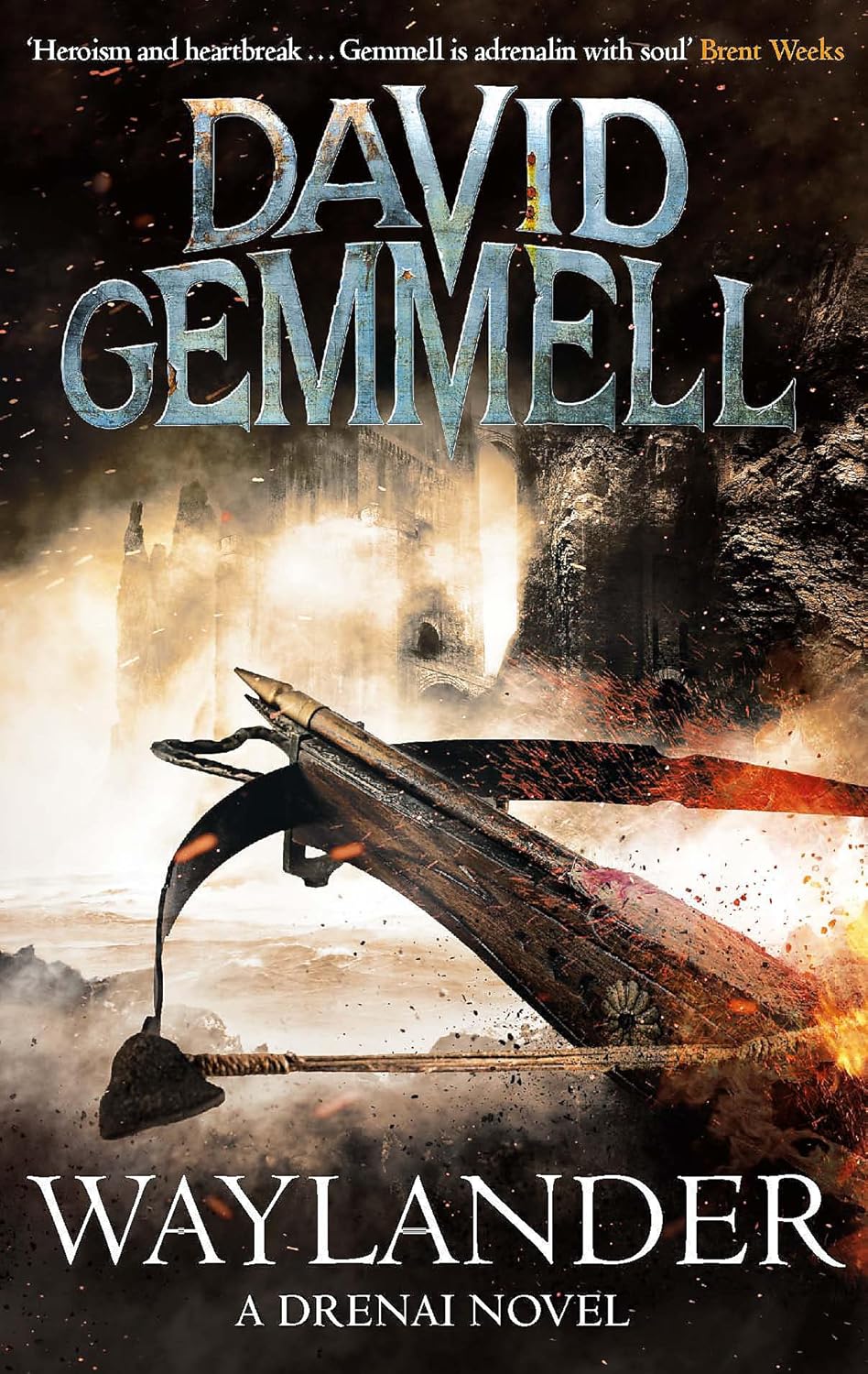
The Drenai books are less a series than a national mythology, jumping generations between volumes, and the practical map is by hero. Druss gets his youth in The First Chronicles of Druss the Legend and his middle years in The Legend of Deathwalker, both readable before or after Legend itself. Waylander, the saga’s dark mirror, is an assassin who killed the wrong king and spends three books, starting with Waylander, buying back a soul one impossible job at a time, and for a large faction of readers he, not Druss, is the shelf’s true masterpiece. The late pair, White Wolf and The Swords of Night and Day, gives the world to Skilgannon the Damned and swings for something stranger, resurrection and all. In between sit the connective volumes, The King Beyond the Gate, Quest for Lost Heroes, Winter Warriors, each a complete tale, each running the engine: the cost of violence, the old fighter’s last worth, the killer angling for grace. Publication order works. Character order works. Starting anywhere after Legend works. That’s the design.
The Rigante
Sword in the Storm through Stormrider. The deep-cut favorite.

The second world is the Celtic one, and its admirers quietly rank it above the Drenai. The first pair, Sword in the Storm and Midnight Falcon, follows Connavar of the Rigante against the Stone empire, Rome with the serial numbers barely filed, tribal honor against industrial conquest. Then the saga does something almost nobody else attempts: Ravenheart and Stormrider jump the same clans eight centuries forward into a musket-and-redcoat age, the Rigante now a broken highland people under occupation, and the old magic guttering. It’s Braveheart into Culloden in one series, the redemption engine intact the whole way, and if you want the case that Gemmell was more than his formula, this is the exhibit.
Shannow

Jon Shannow deserves his flag: Wolf in Shadow drops a haunted, Bible-quoting gunslinger into a world centuries after ours fell, hunting a city called Jerusalem across a landscape where sorcery is seeping back, and it was blending post-apocalypse, western, and fantasy decades before that cocktail had a name.
Troy, and the last chapter

And then Troy, the final story, which is really two stories. The trilogy itself, beginning with Lord of the Silver Bow, retells the Trojan War as grounded historical epic, Helikaon, Andromache, and Odysseus rebuilt as flesh and politics, Gemmell’s battle-craft at full power. The second story is what happened to it. In July 2006, weeks after emergency bypass surgery, Gemmell was found at his computer, dead of heart disease four days short of fifty-eight, seventy thousand words into the finale. Within hours, his wife Stella, a journalist who had worked beside him on the whole trilogy, resolved to finish it, telling the publisher she was the only one who could, and rereading his battles to learn how to build her own. Troy: Fall of Kings appeared in 2007 under both their names, and reviewers looking for the joins couldn’t find them. The man spent a career writing people who finish the fight for their fallen. His last book got the ending he would have written for it.
A note on where to actually start
Legend, read in one or two sittings, the way it’s built to be taken. The man who wrote it was expelled from school at sixteen and worked the doors of Soho nightclubs, where by all accounts he talked his way out of far more trouble than he punched, and it shows: he wrote fighters who would rather not, which is the whole secret. His publisher’s standing line calls him the finest writer of heroic fantasy, and two decades after his death nobody has taken the title. Among the David Gemmell books, the first one remains the distillate. Come down the mountain with Druss and see how long you last before ordering Waylander.