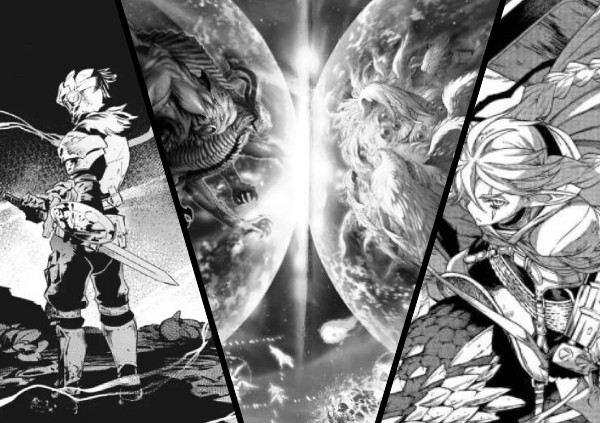
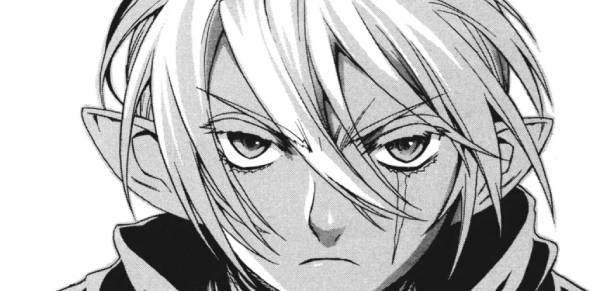
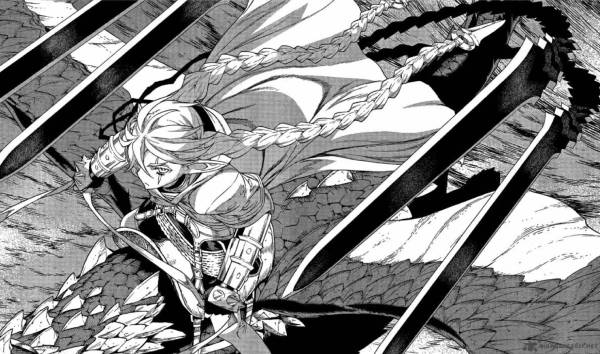
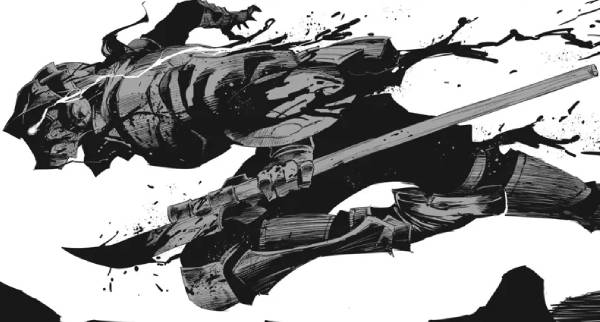
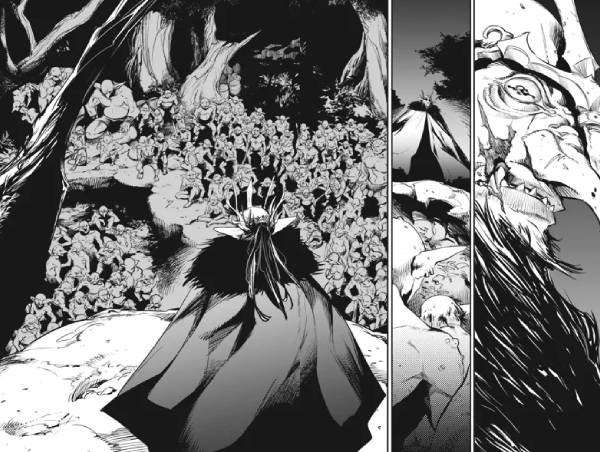
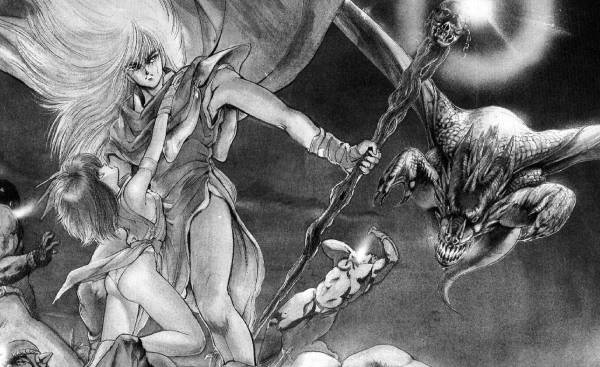
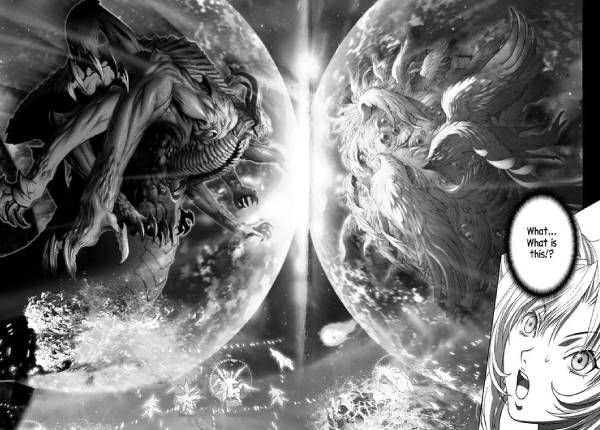
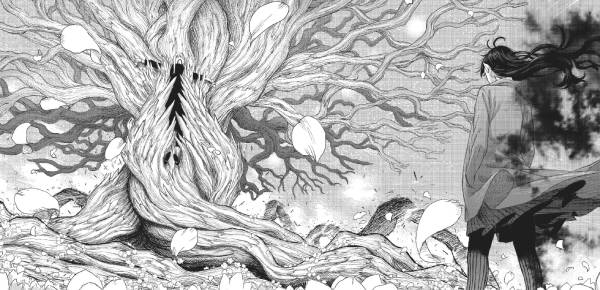
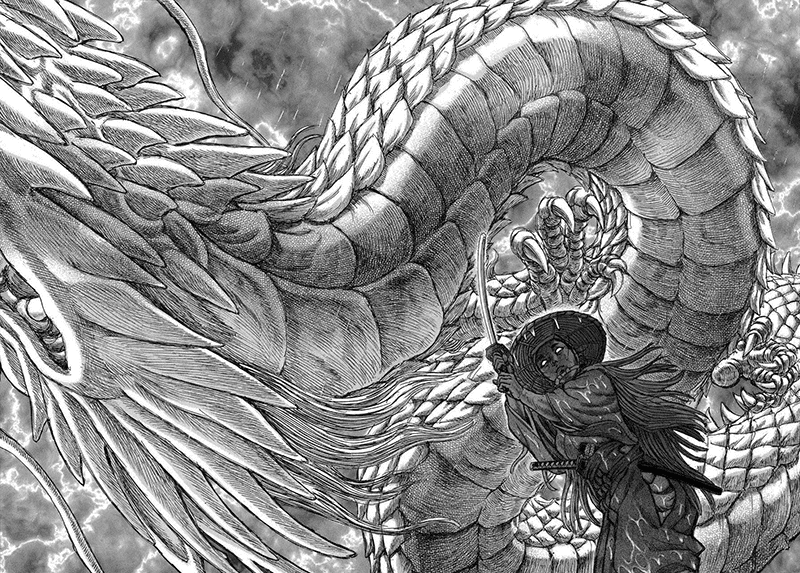
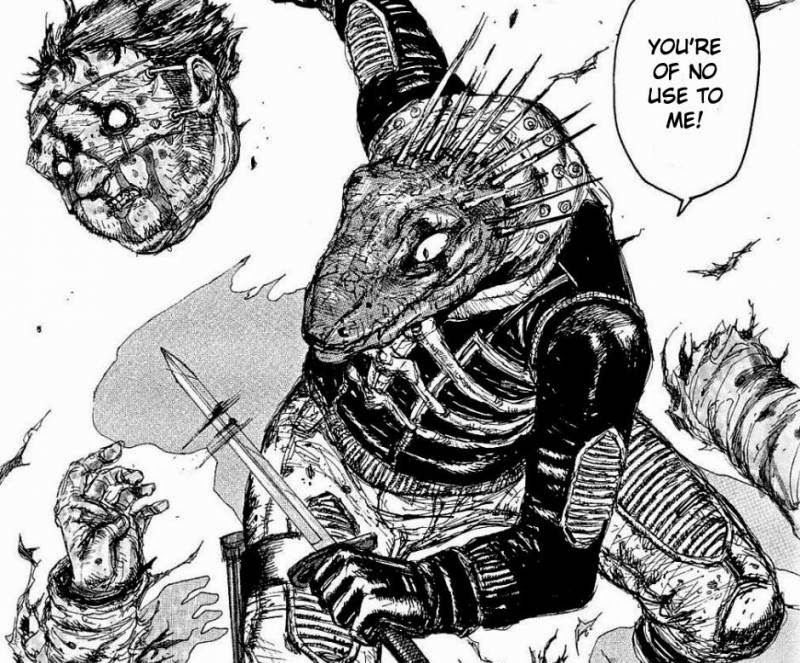
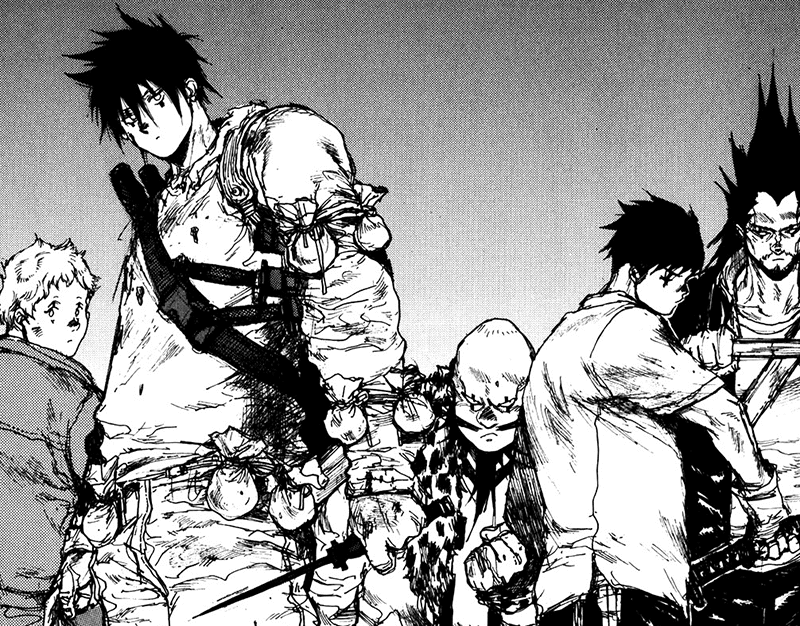
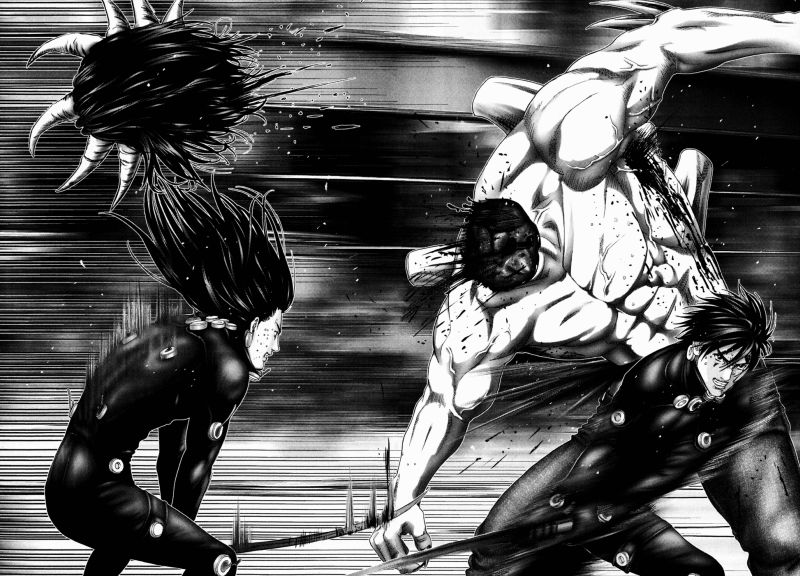
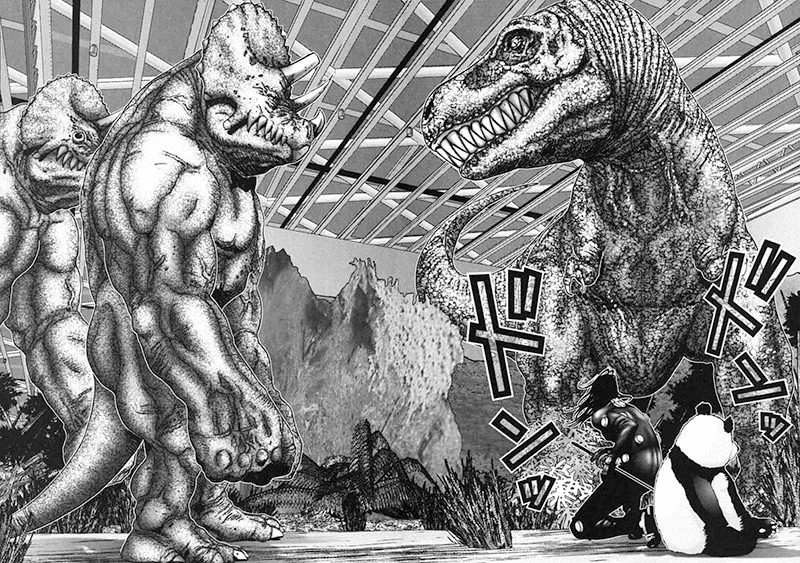
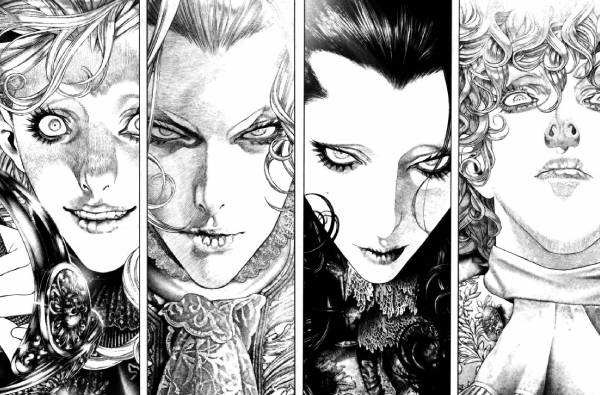
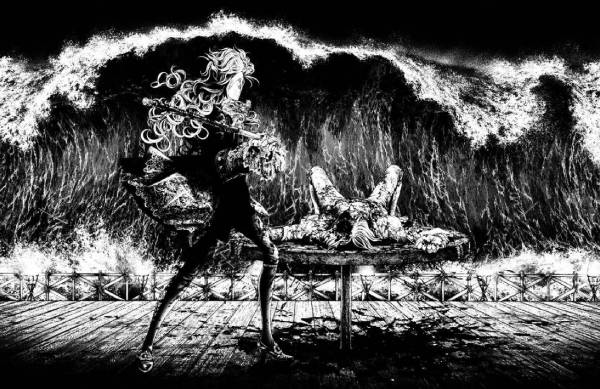
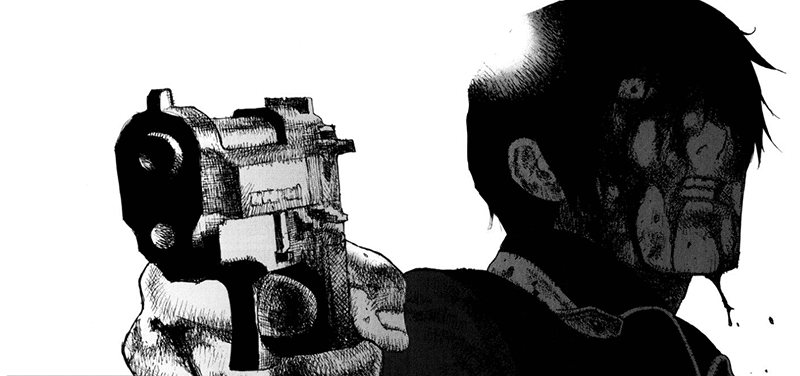
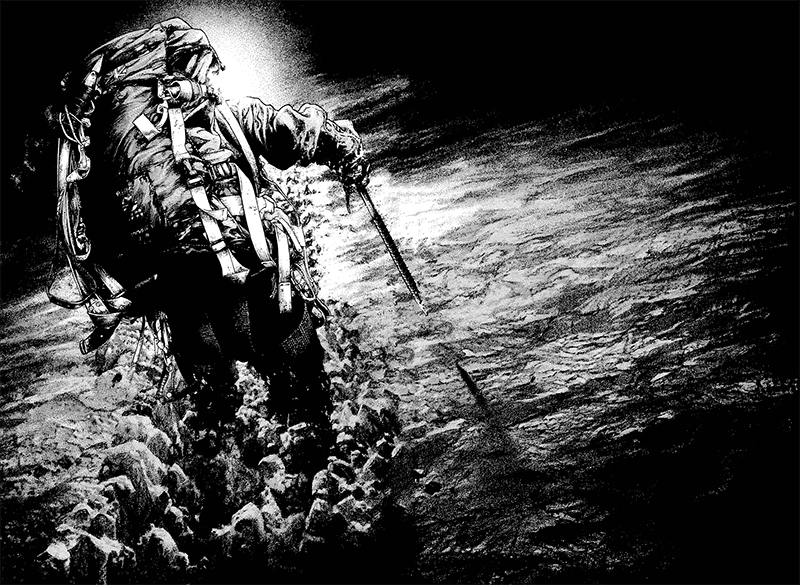
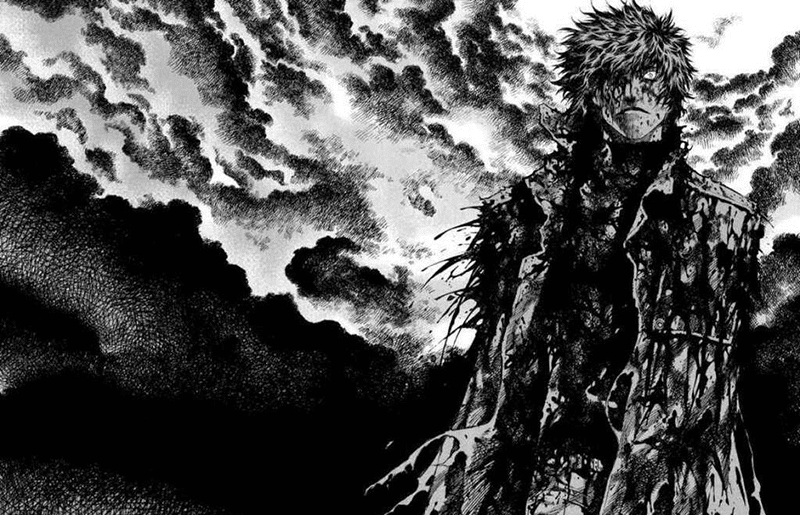
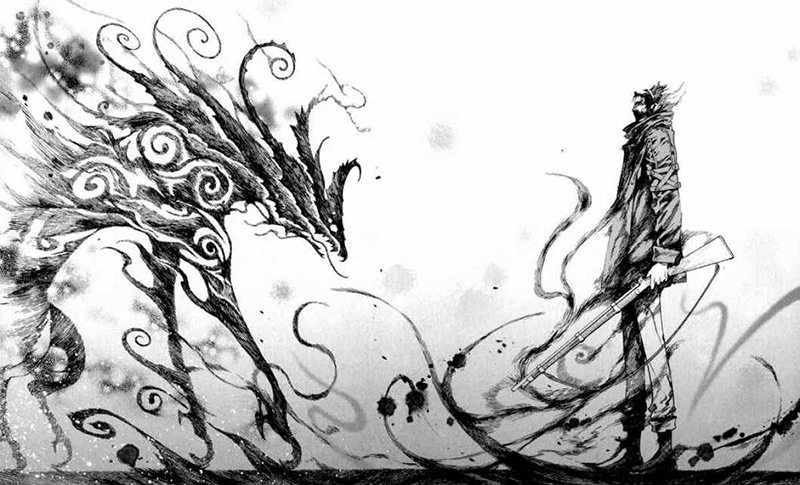
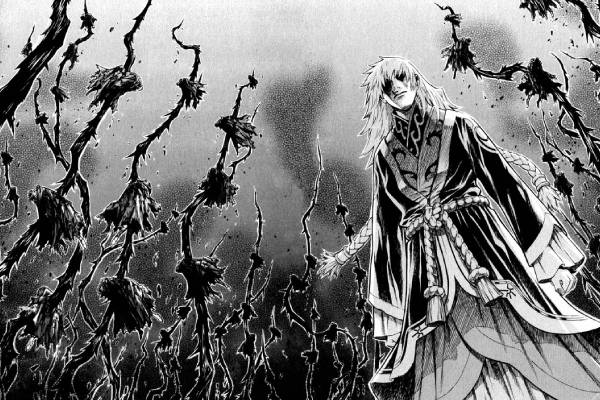
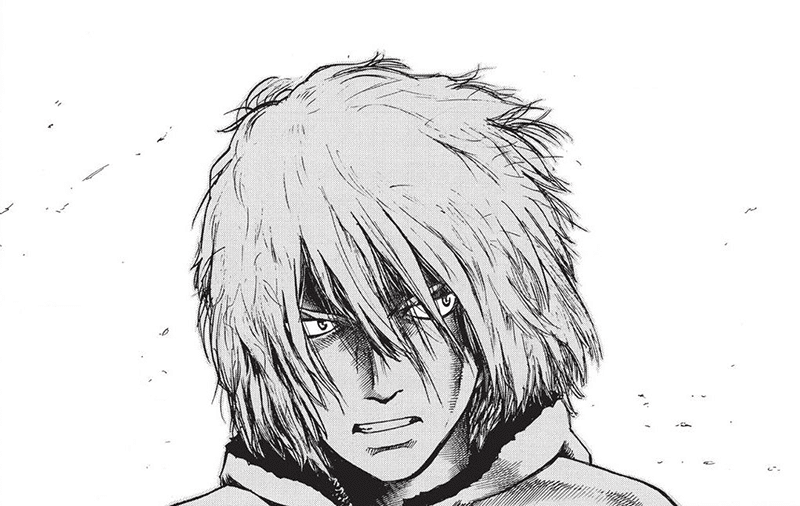
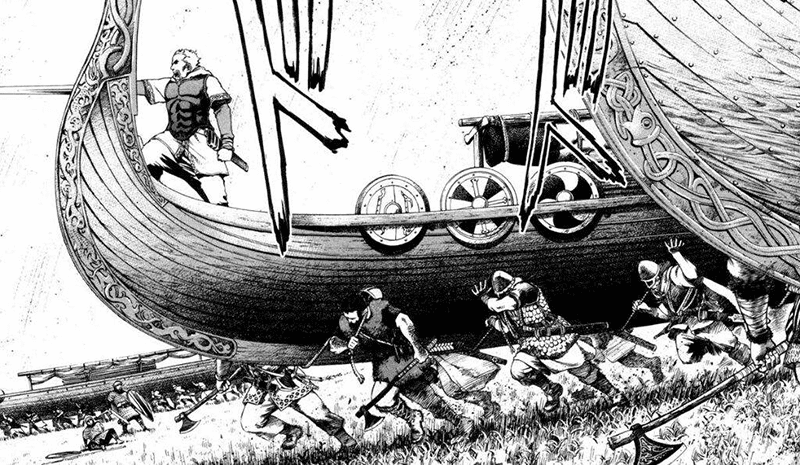
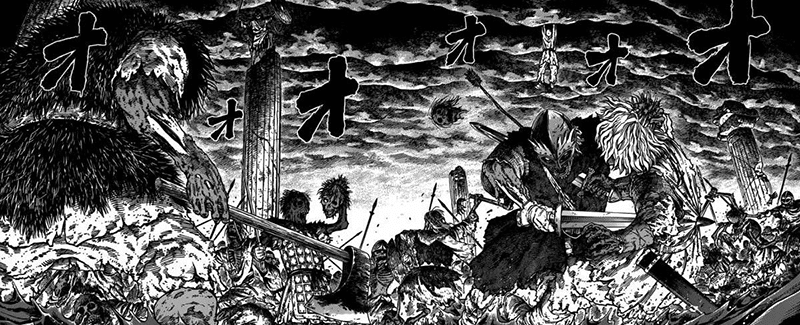
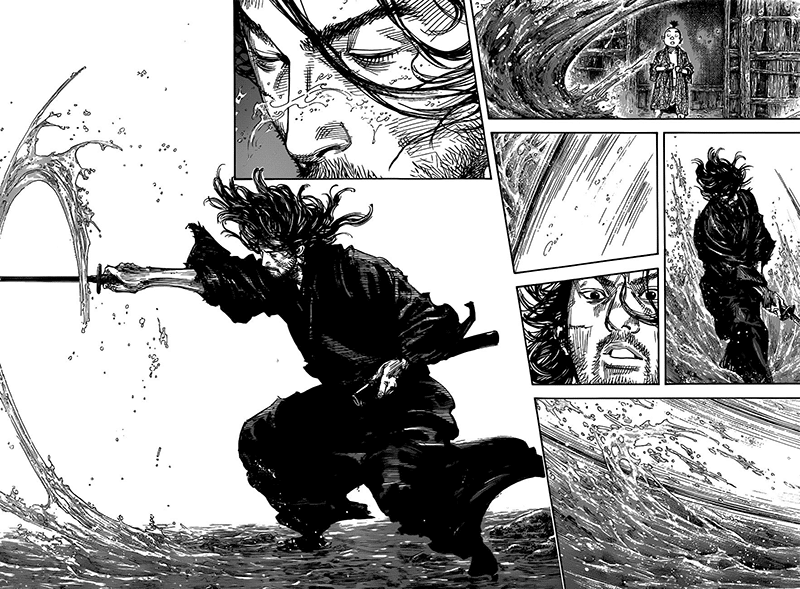
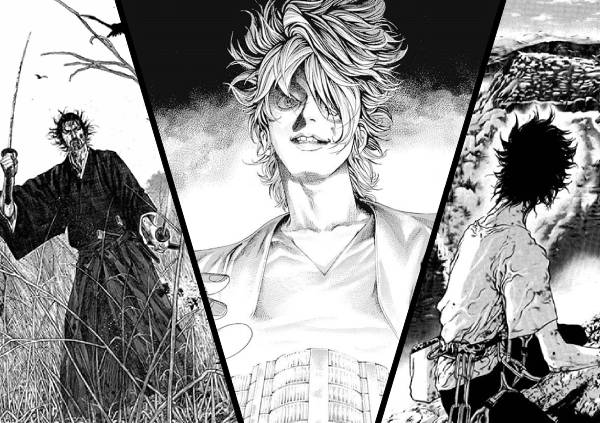
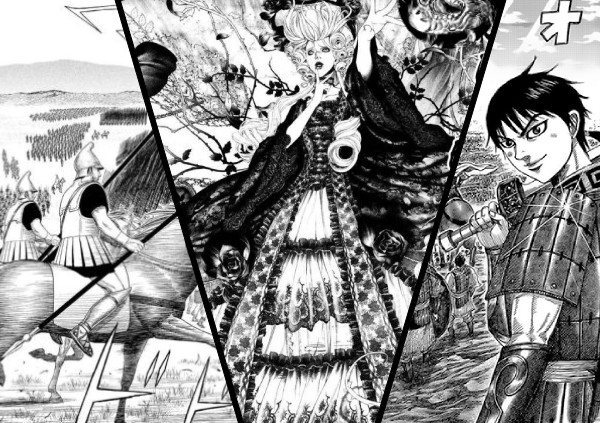
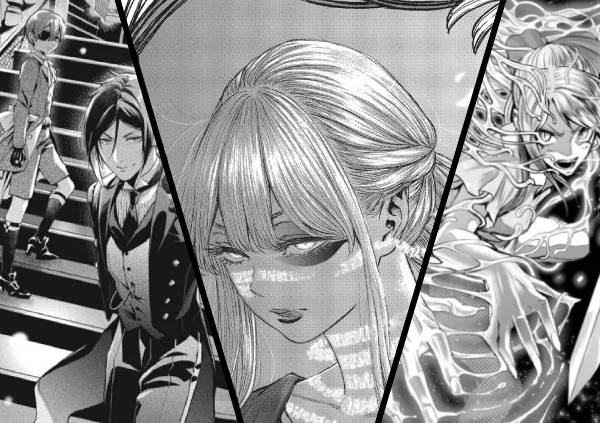
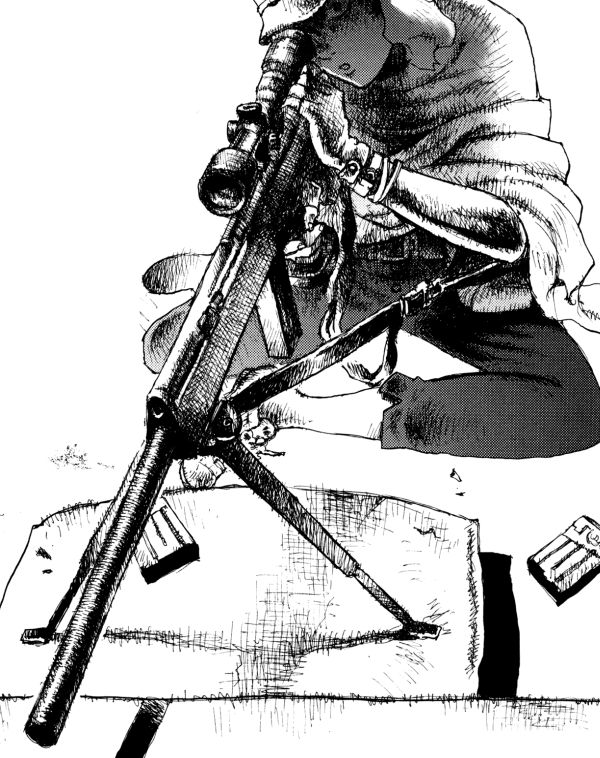
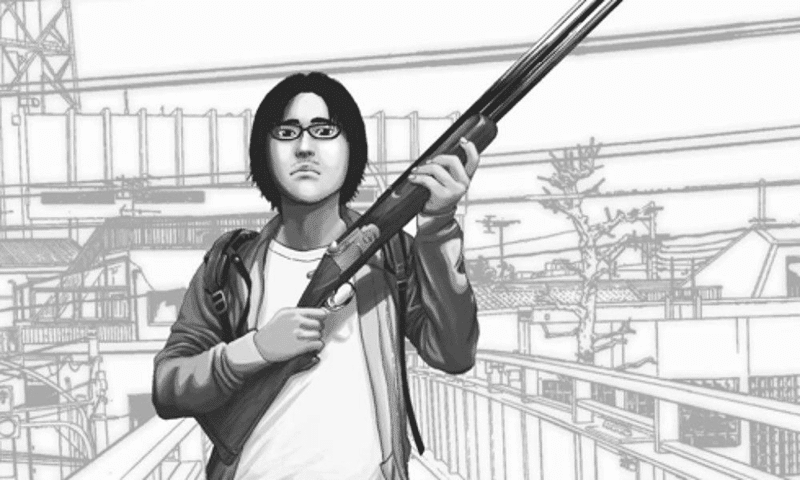
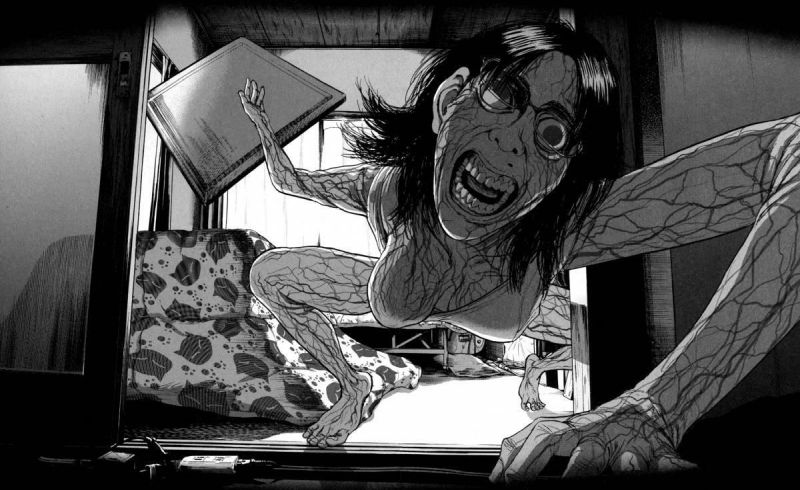
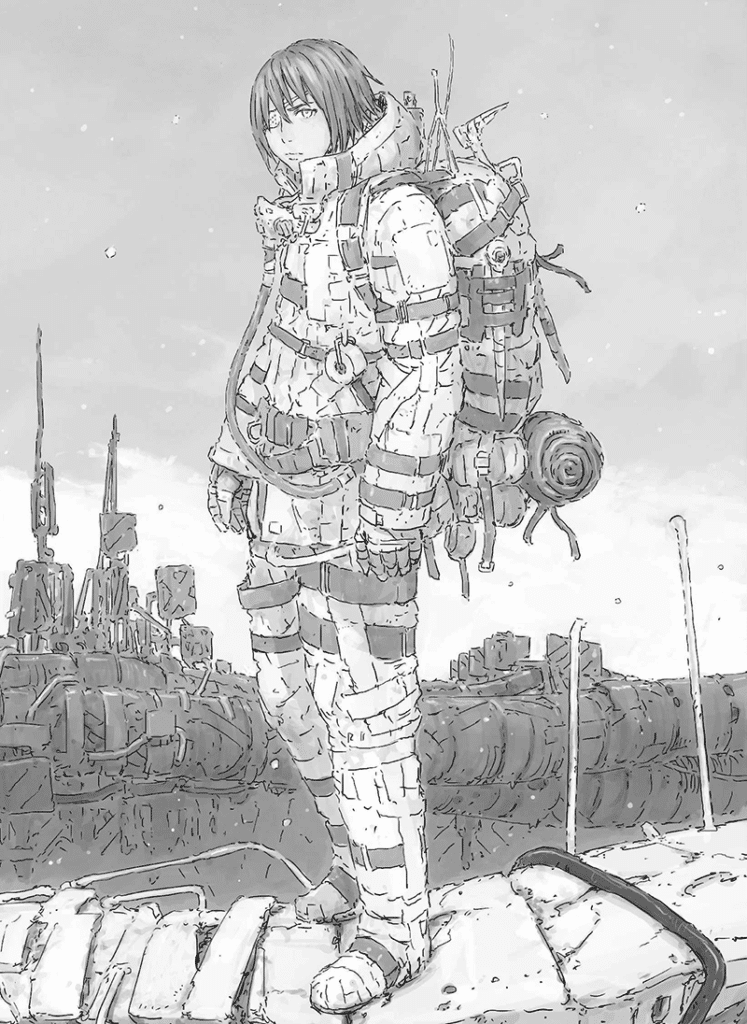
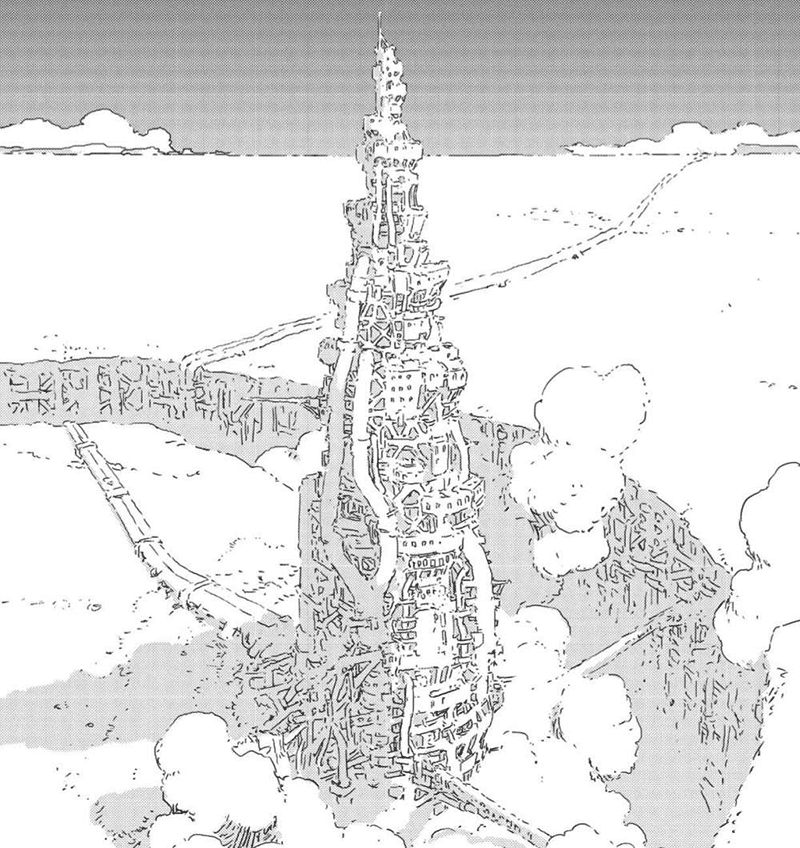
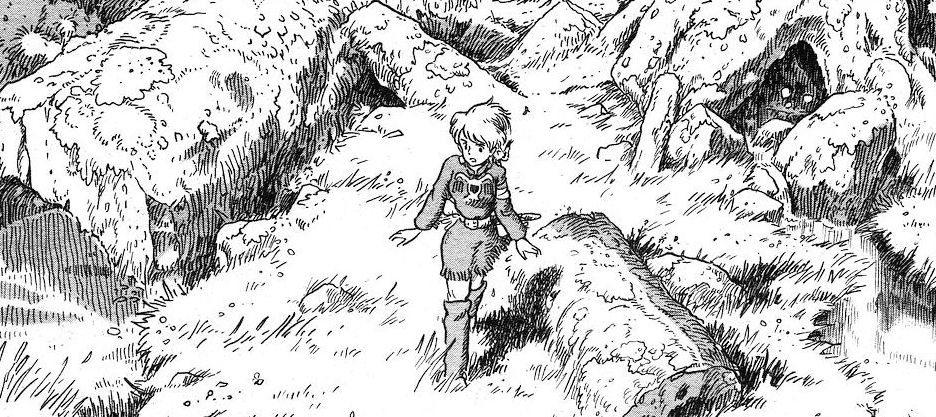
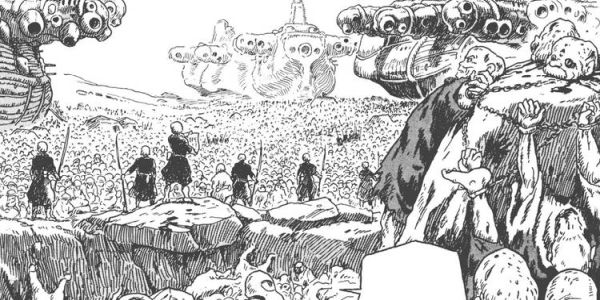
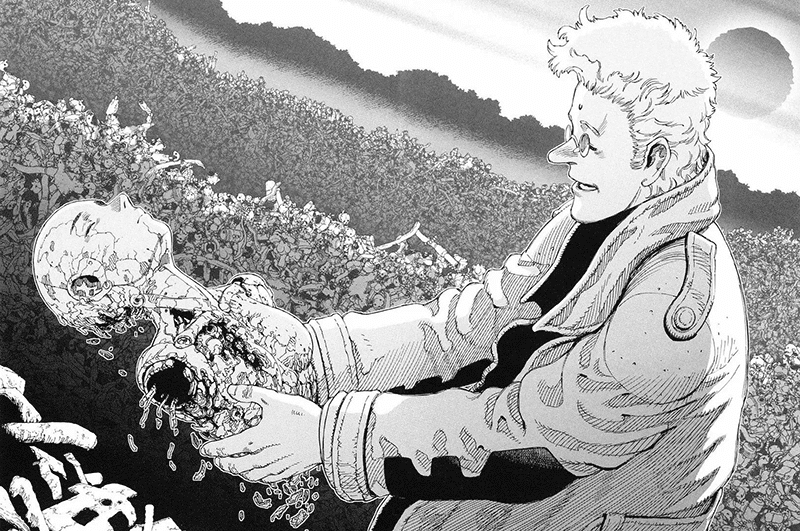
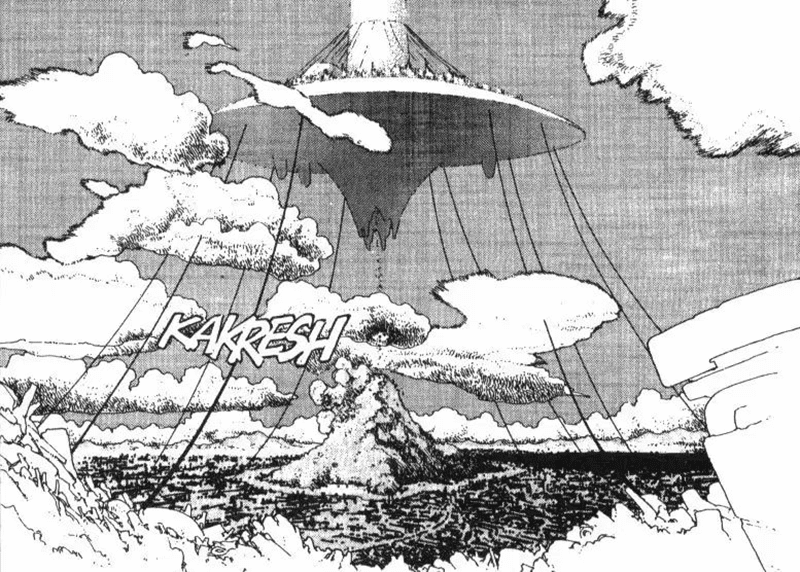
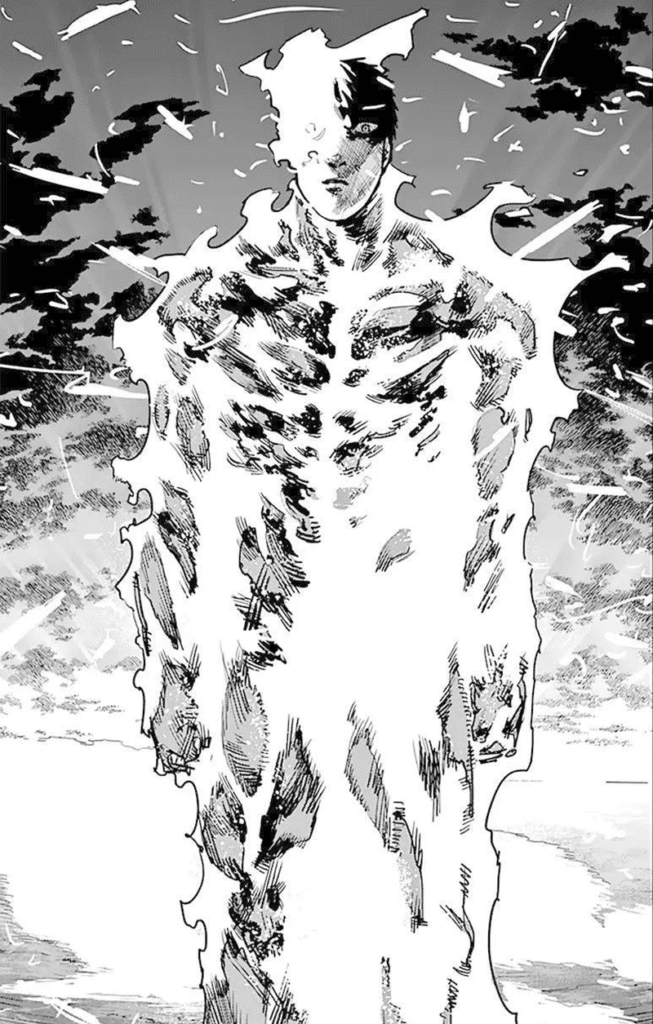
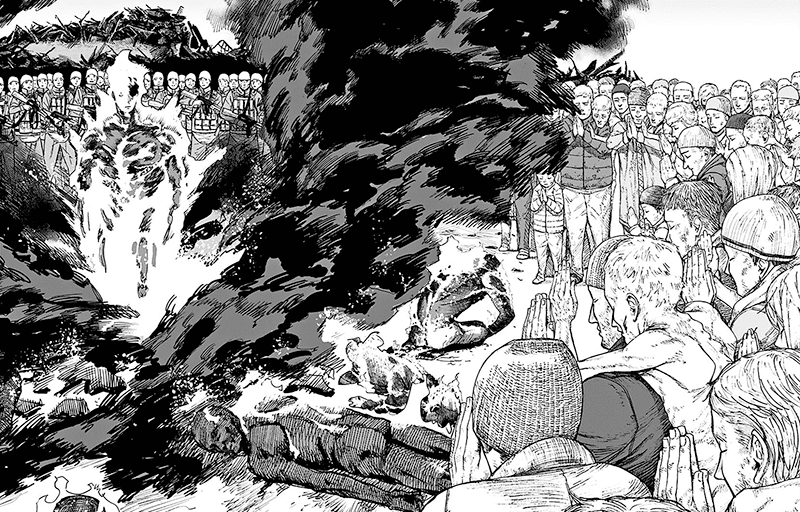
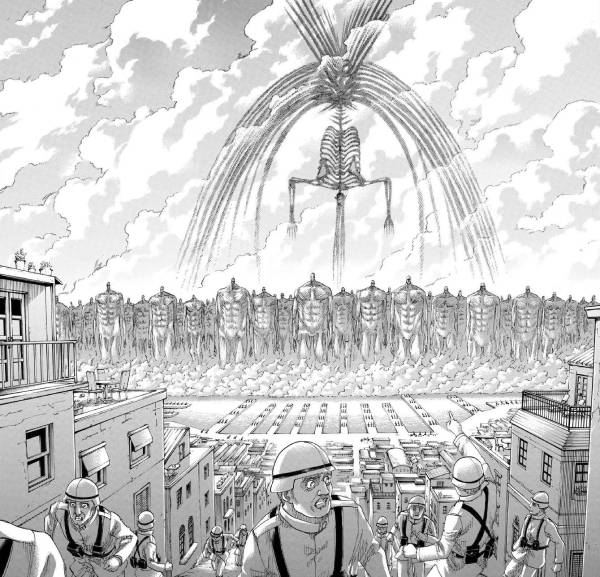
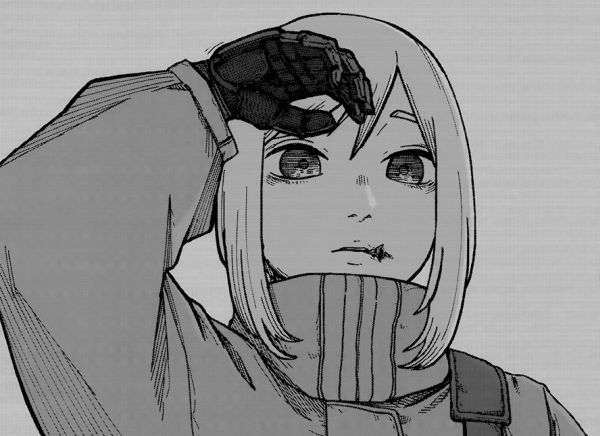
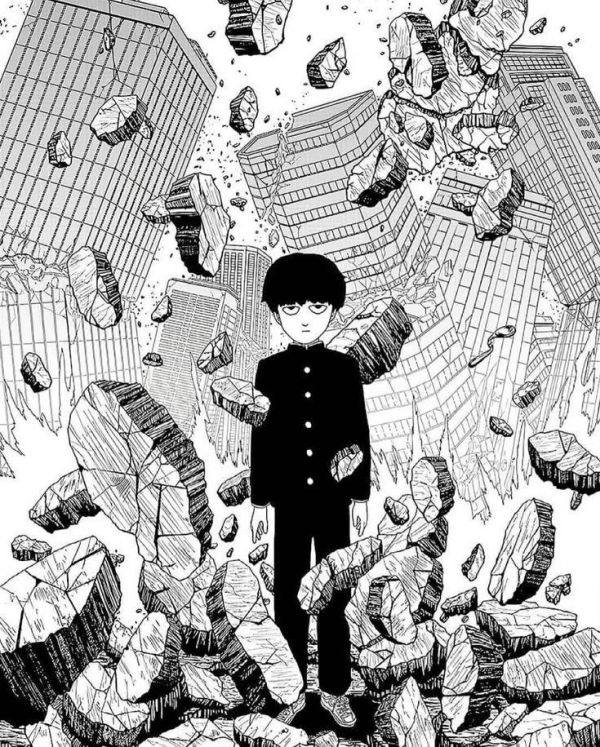
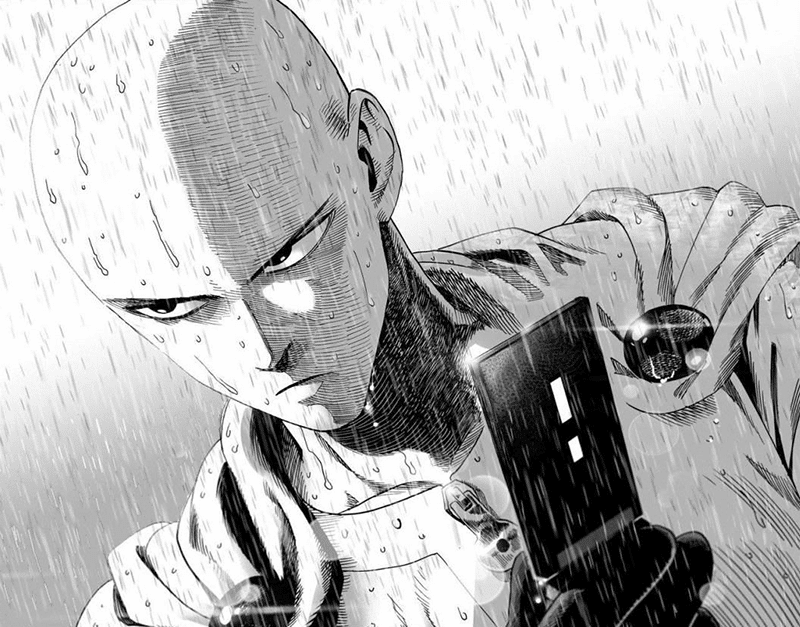
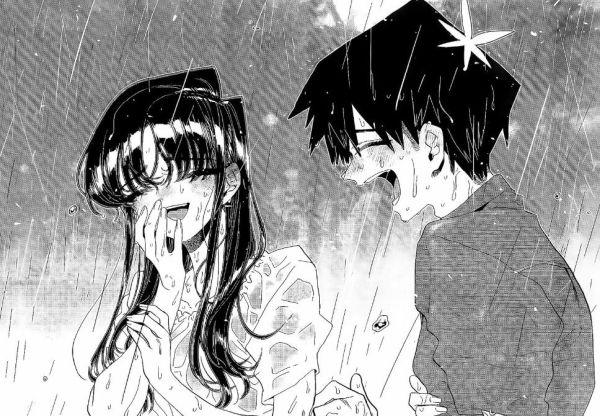
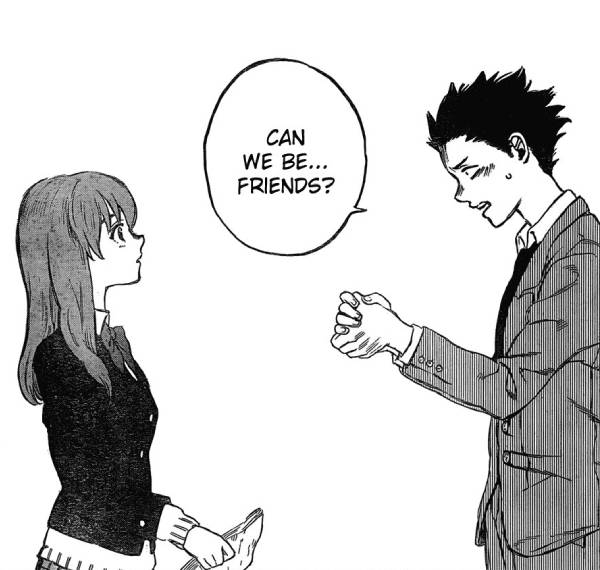
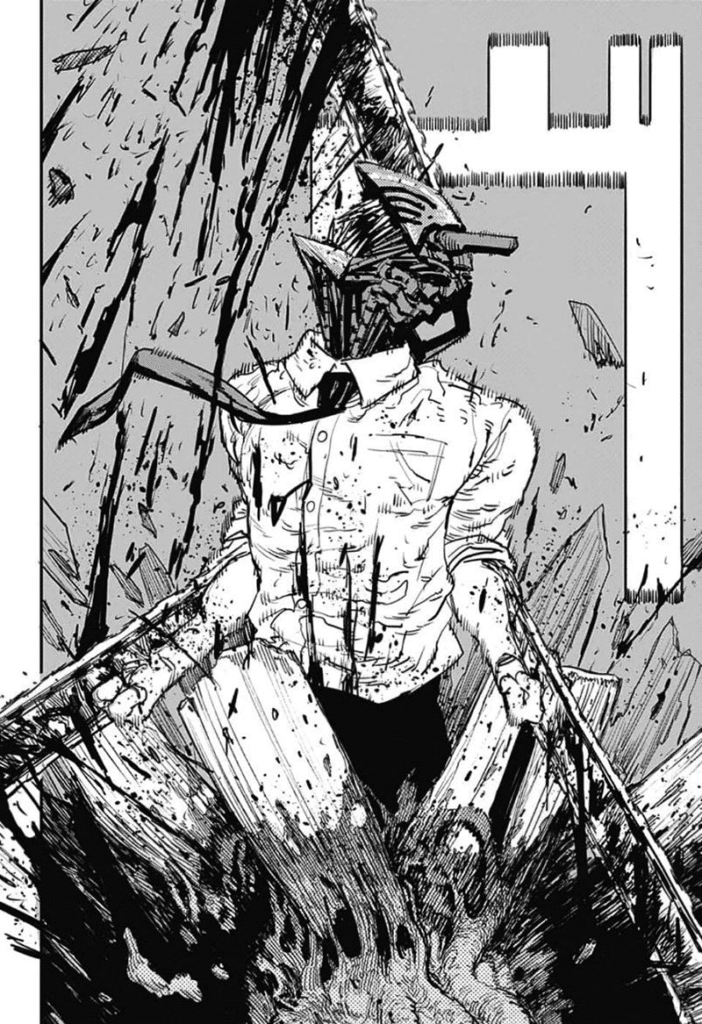
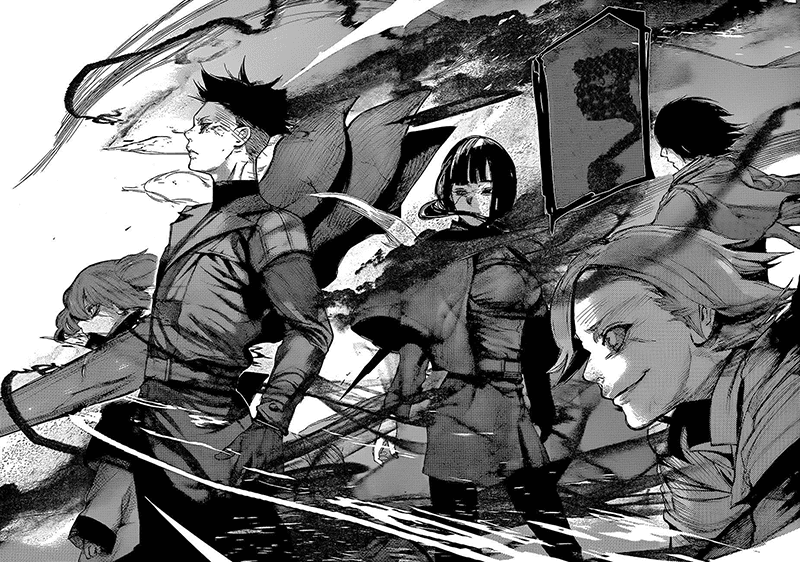
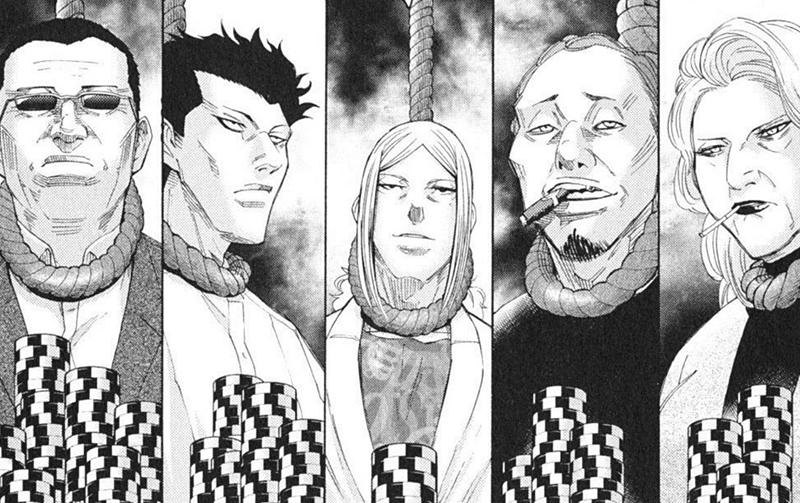
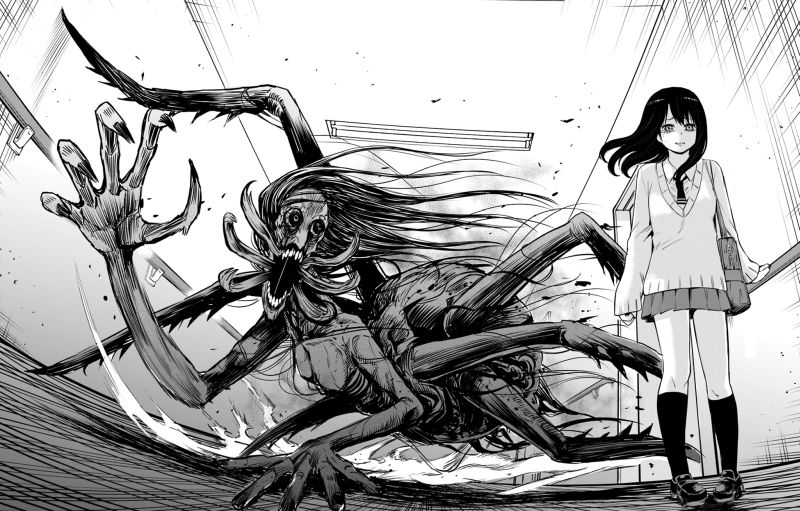
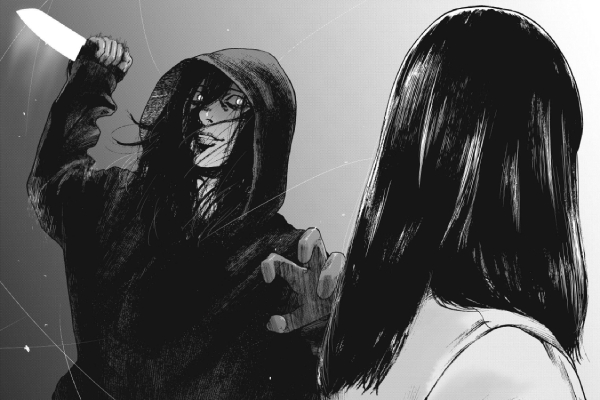
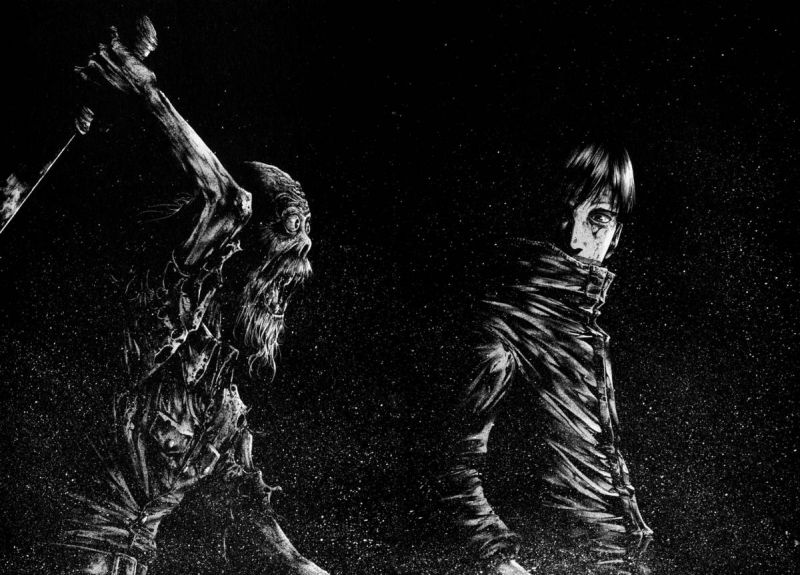
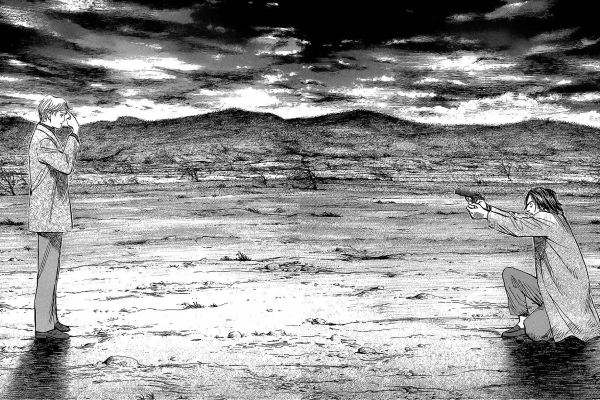
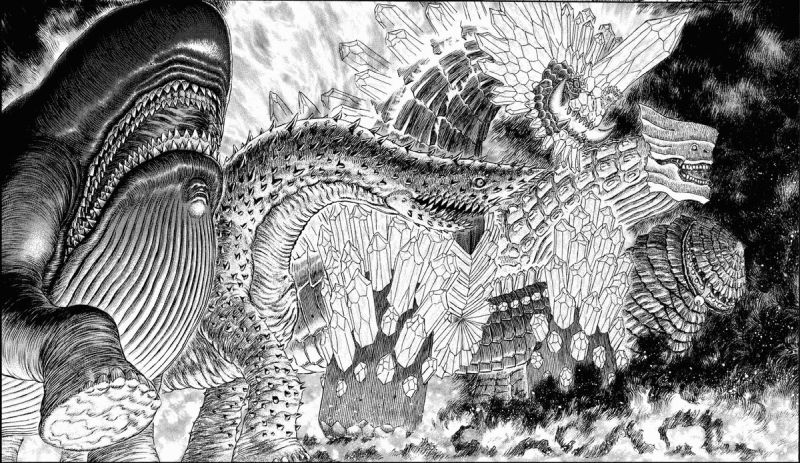
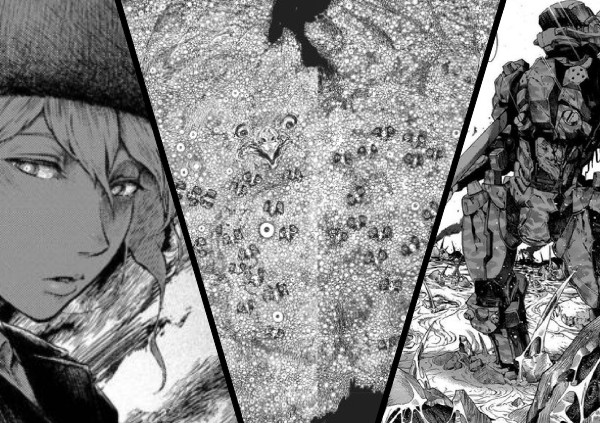
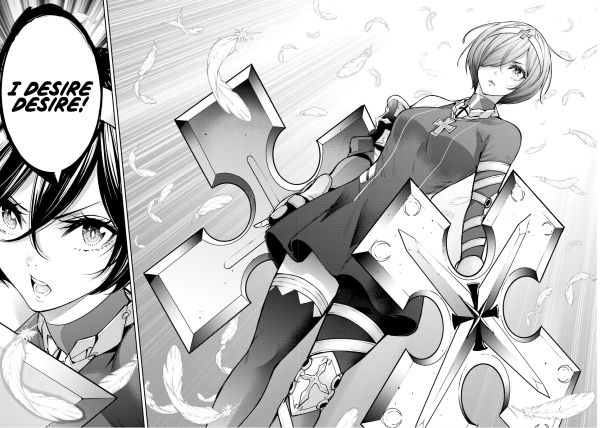
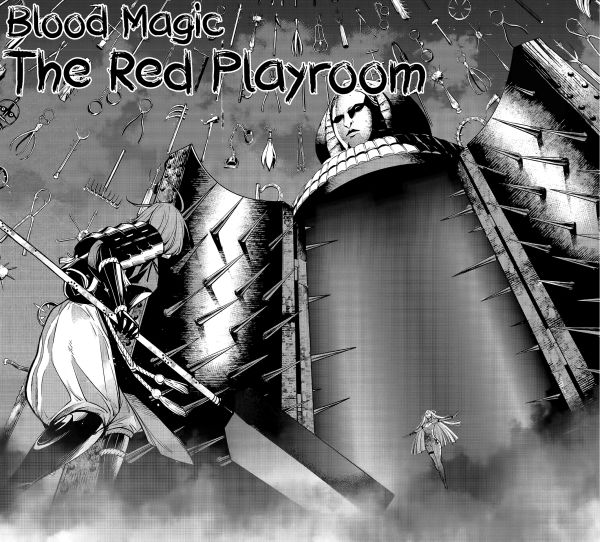
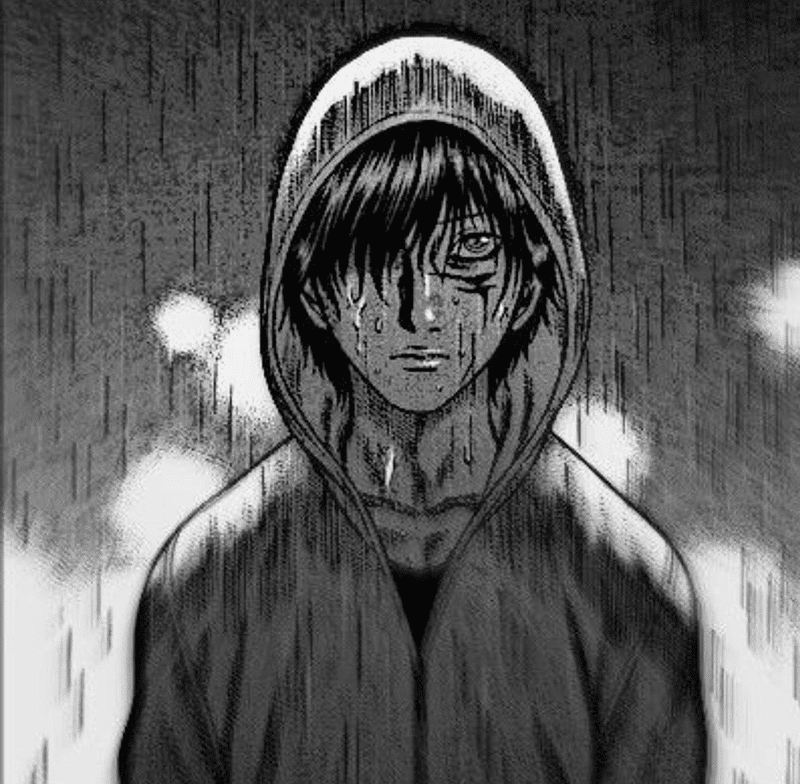
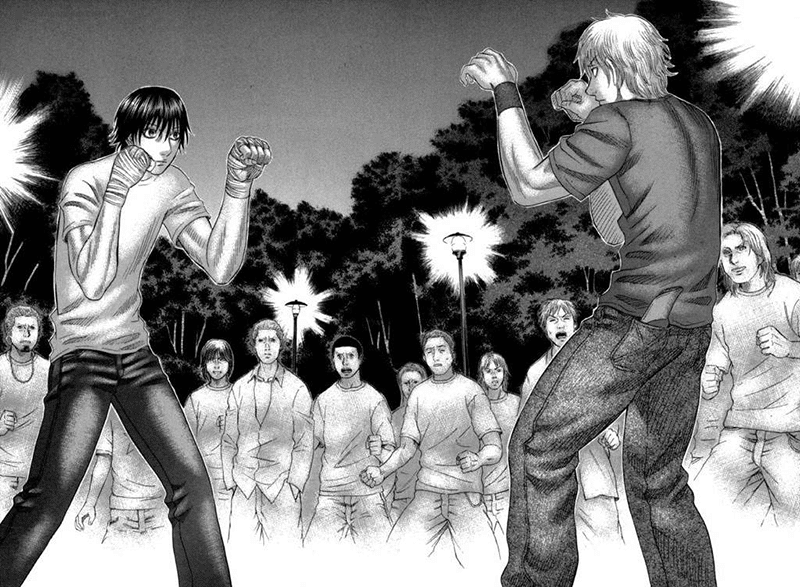
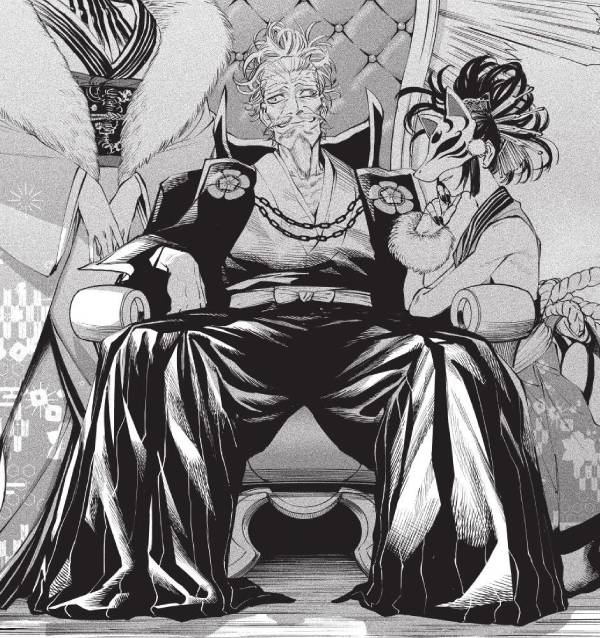
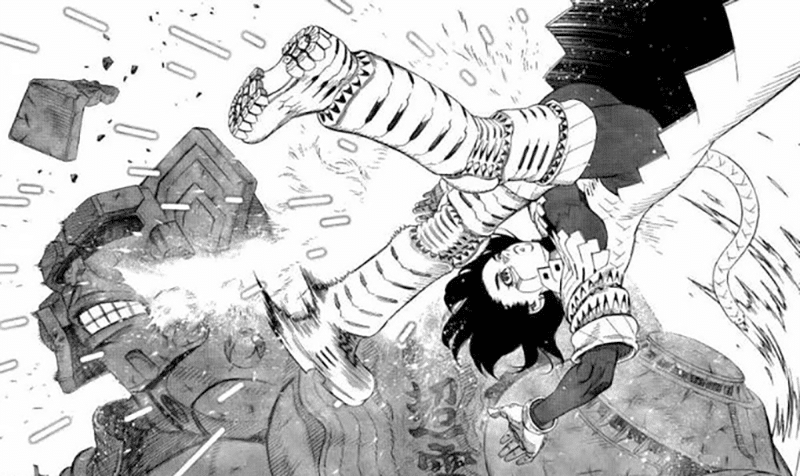
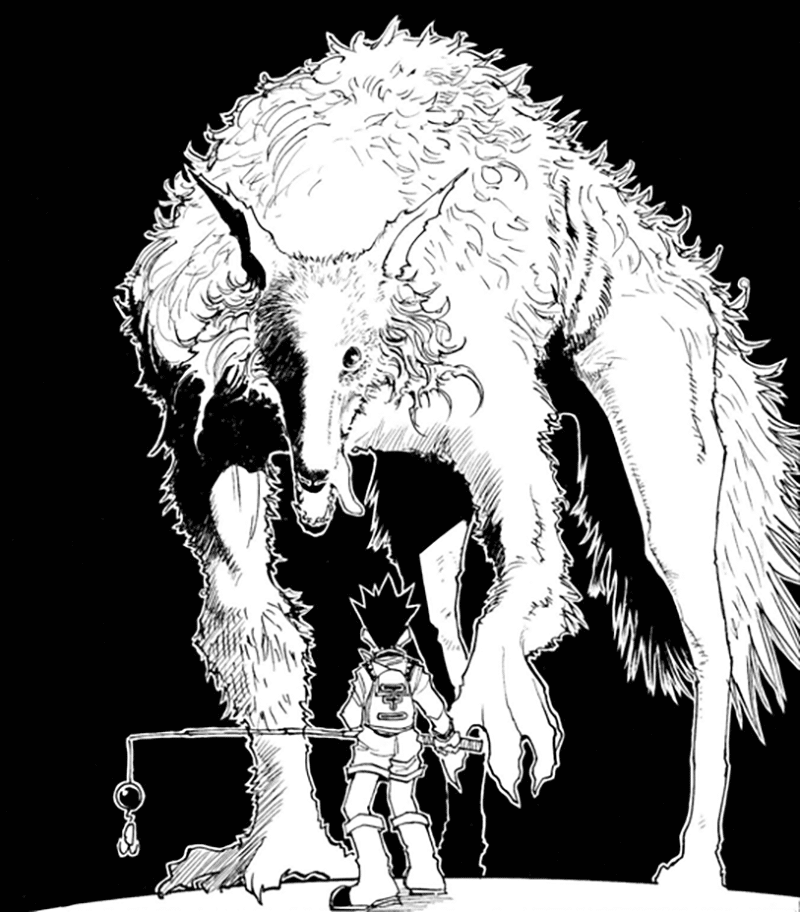
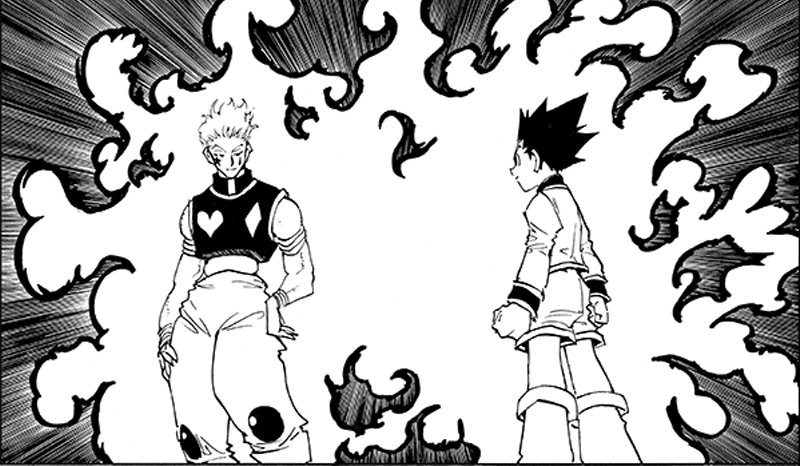
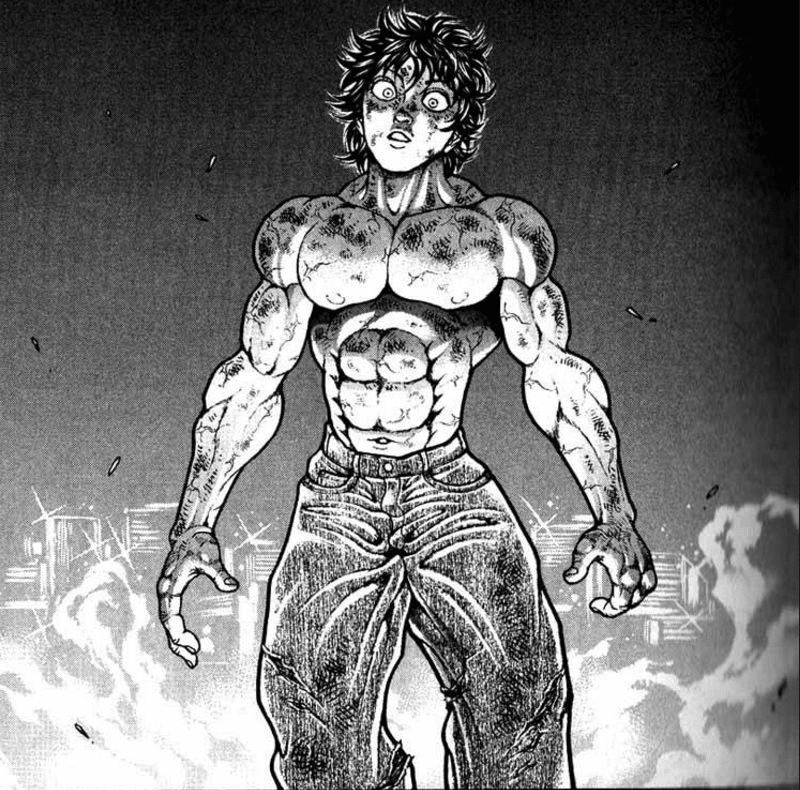
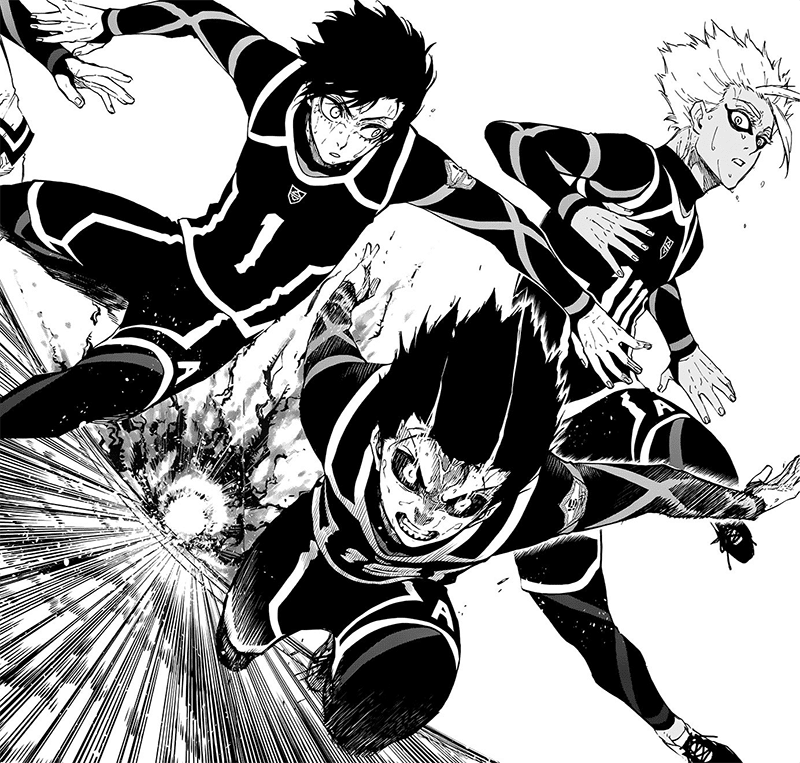
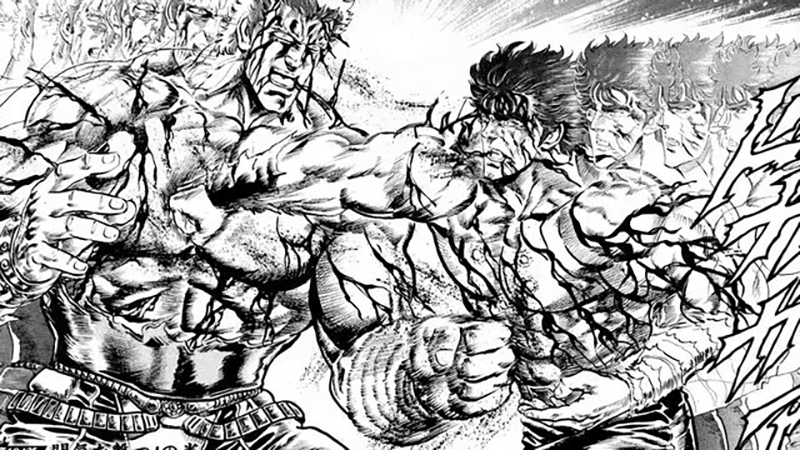
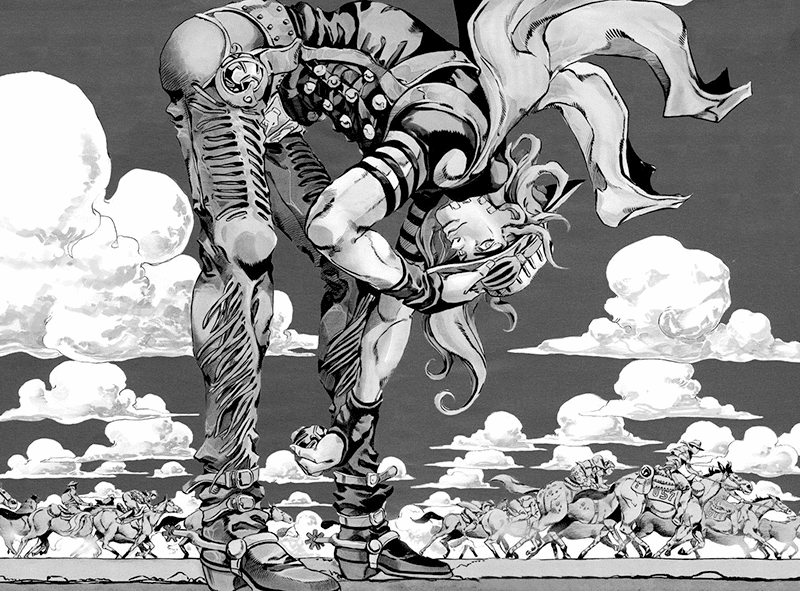
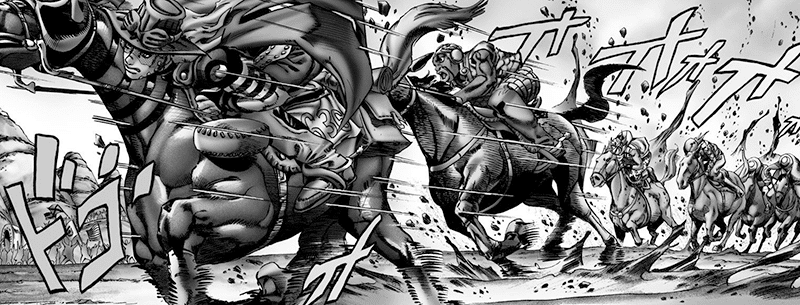
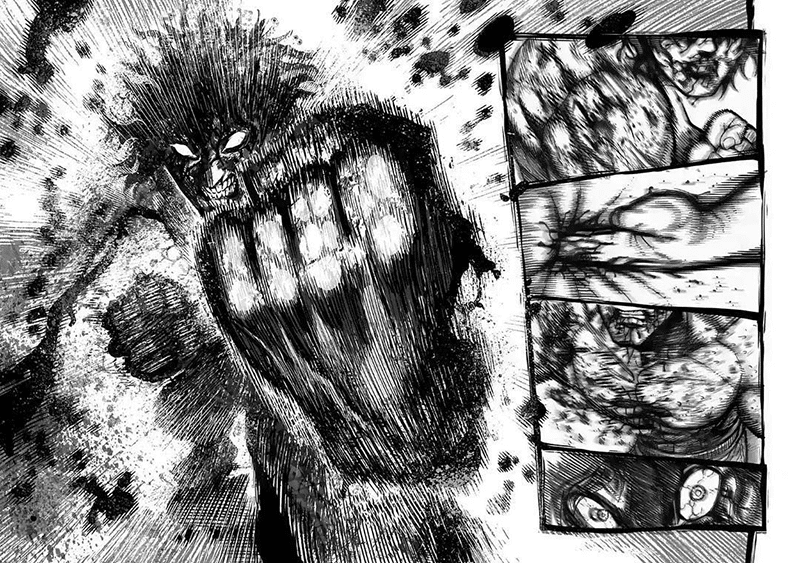
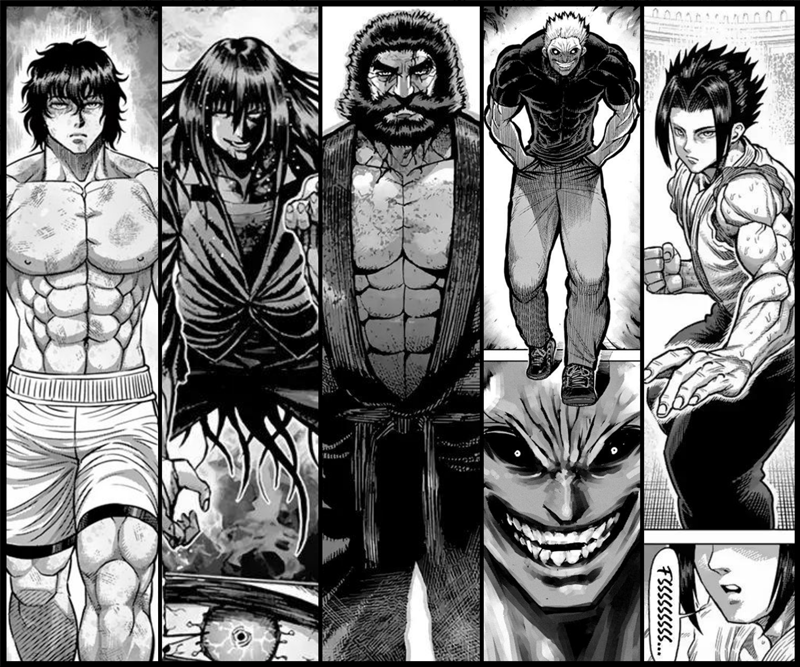
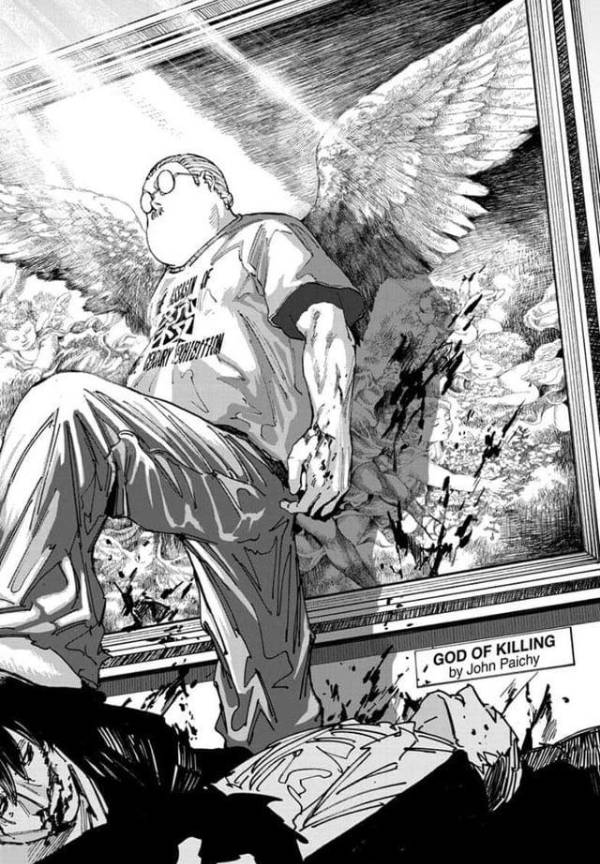
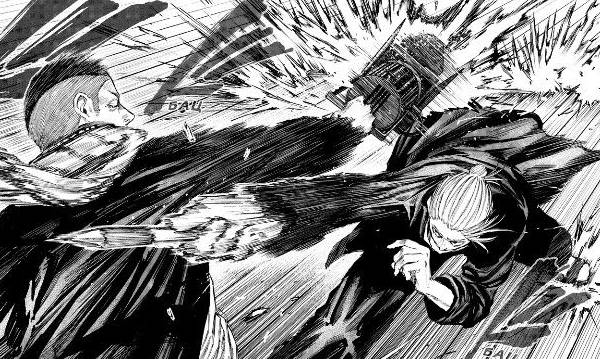
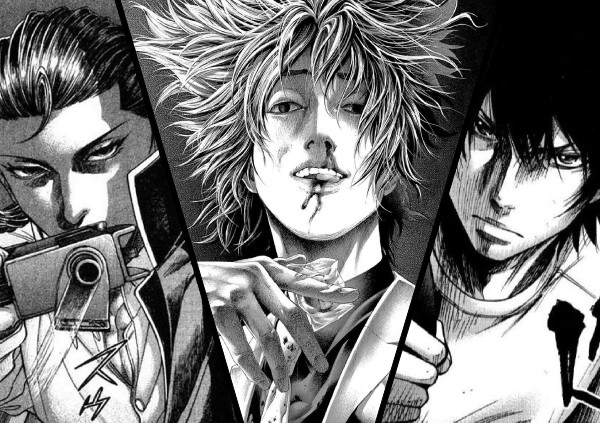
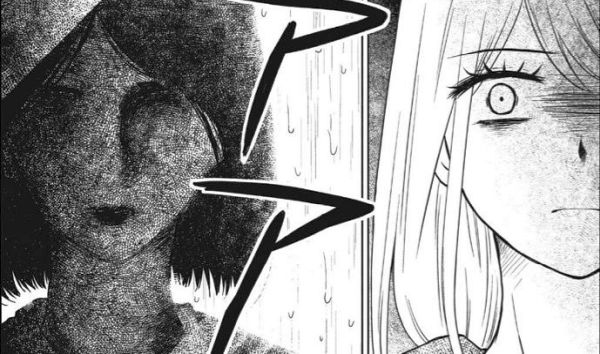
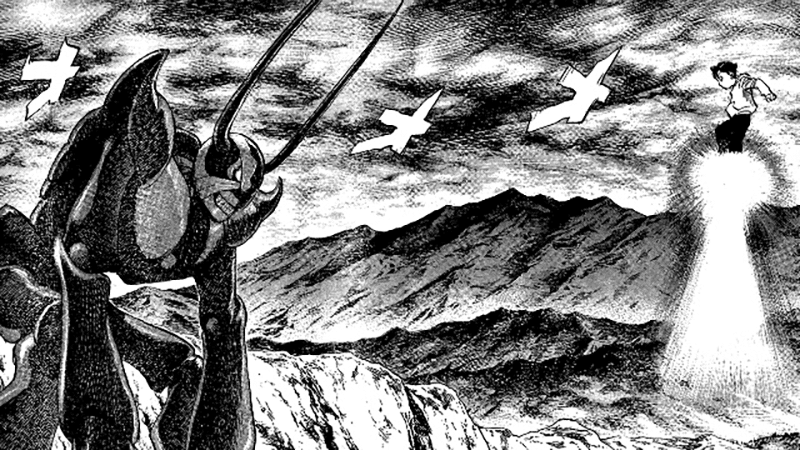
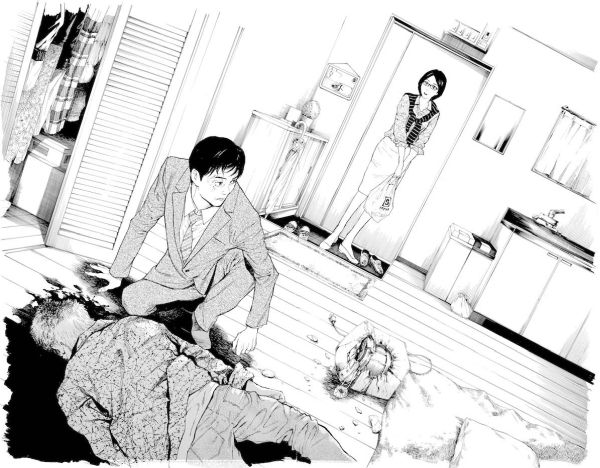
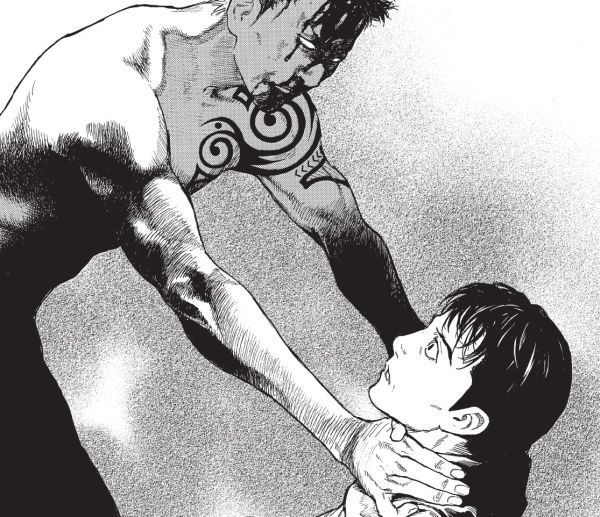
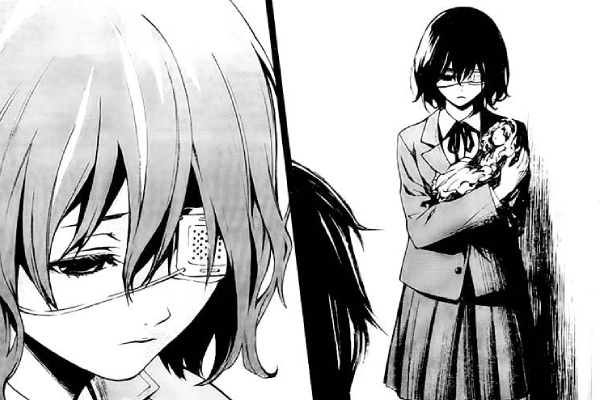
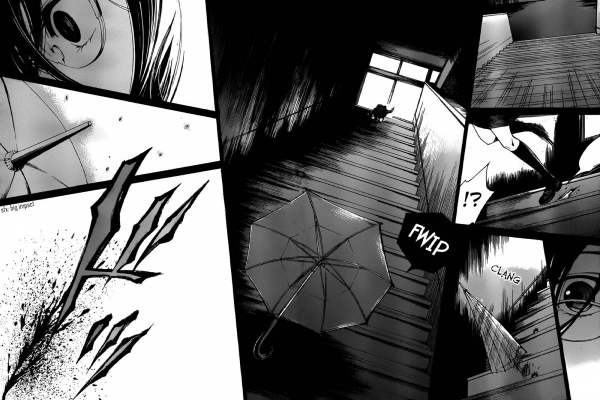
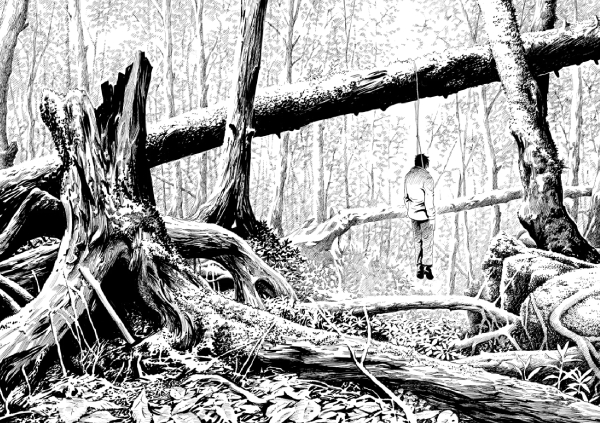
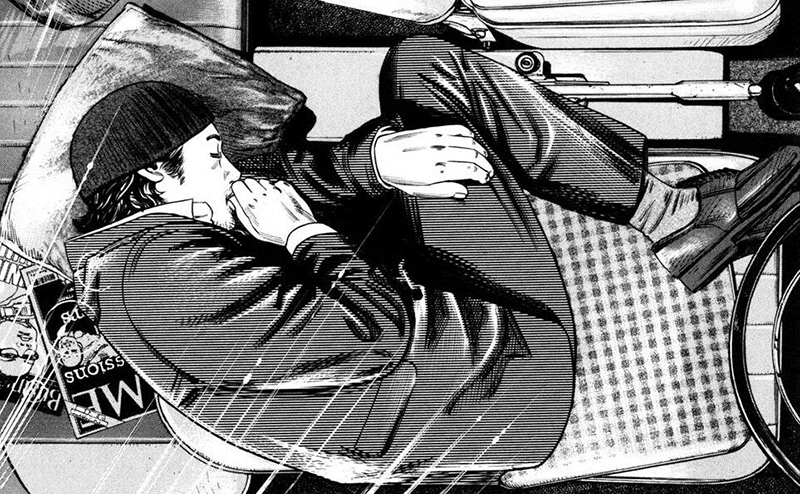
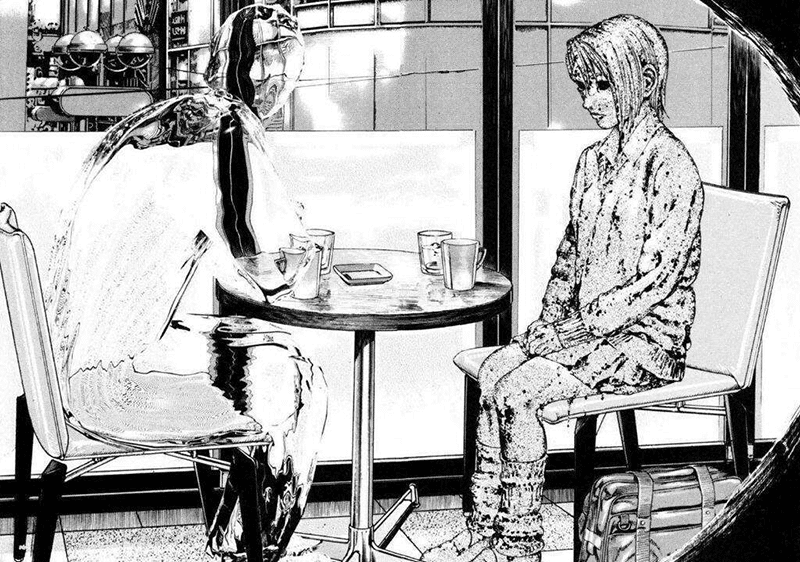
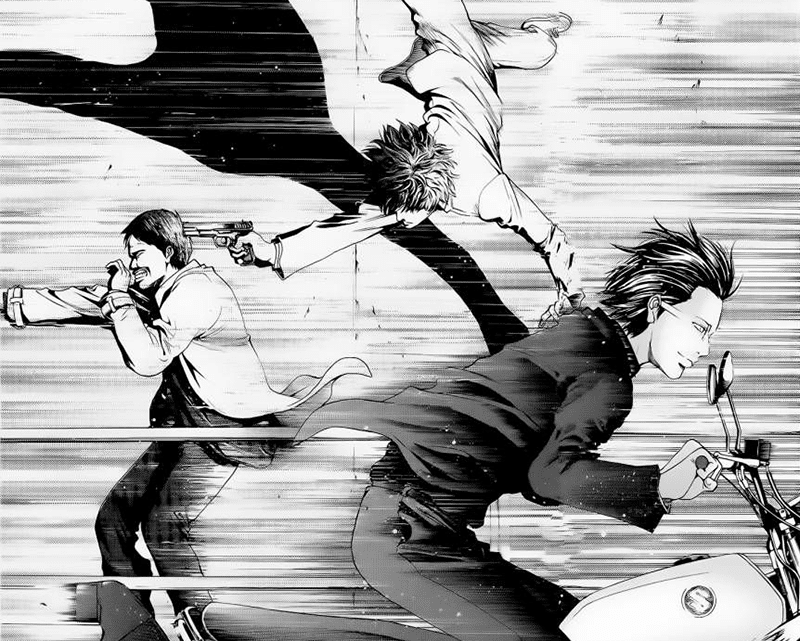
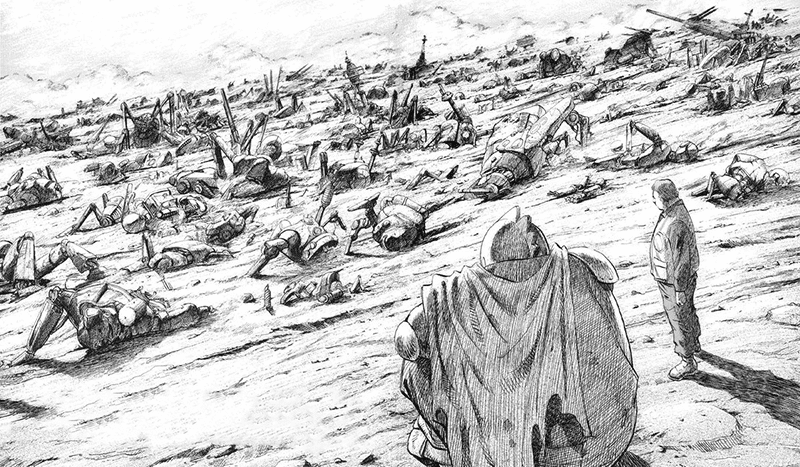
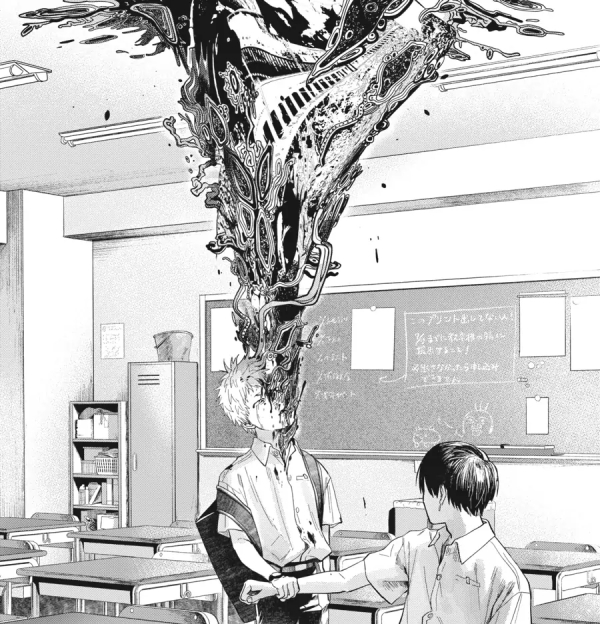
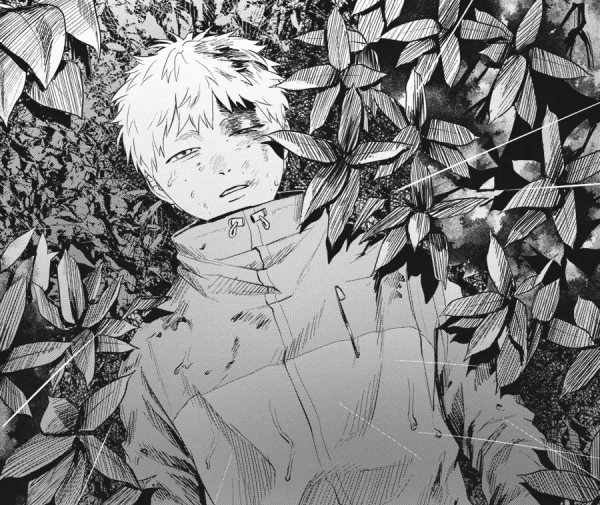
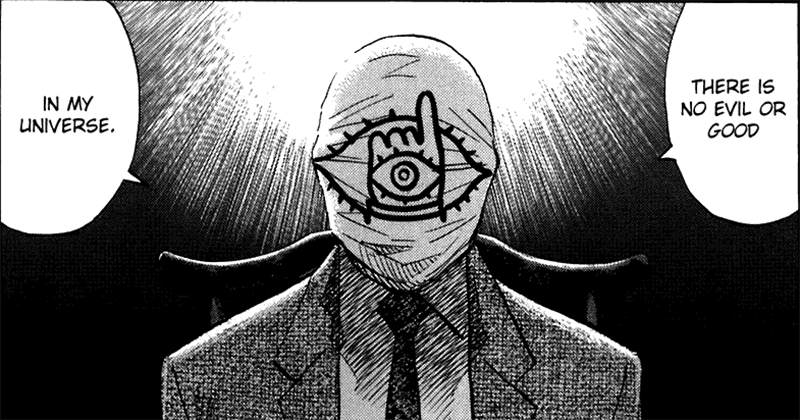
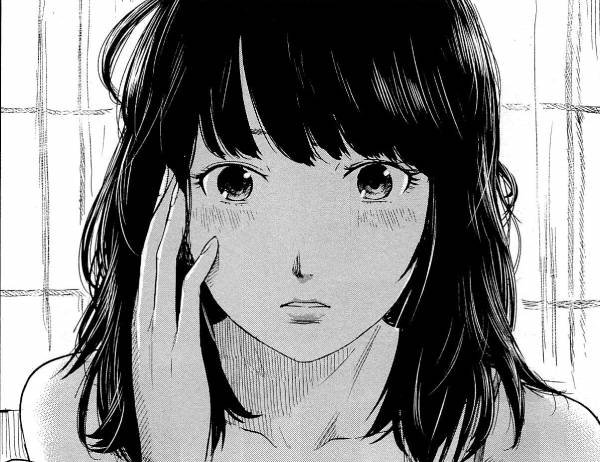
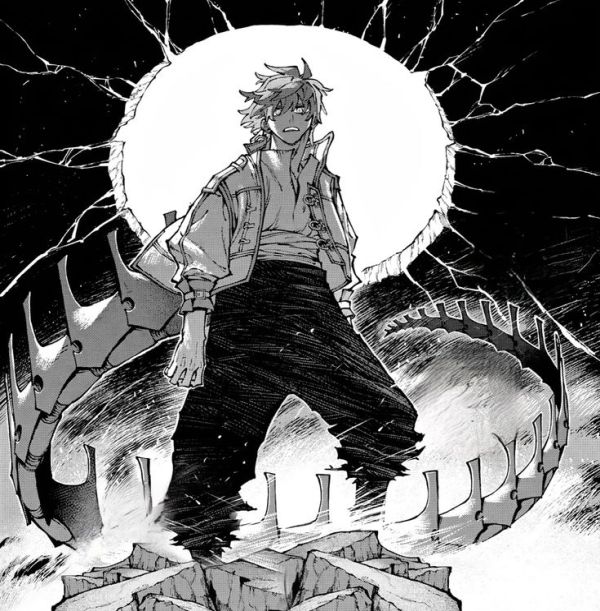
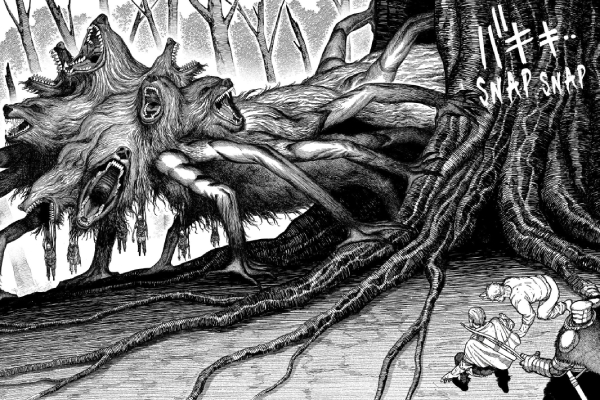
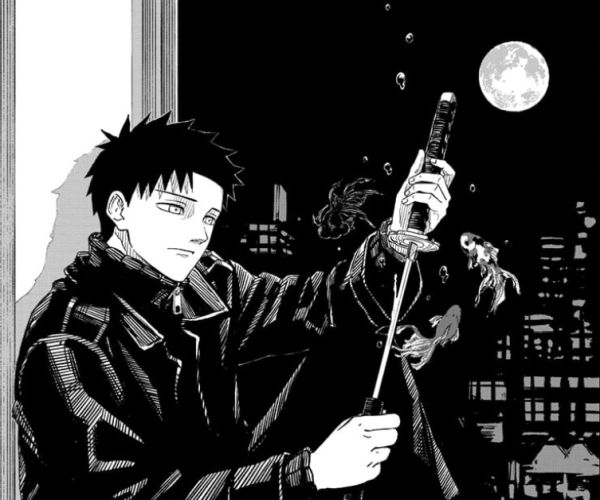
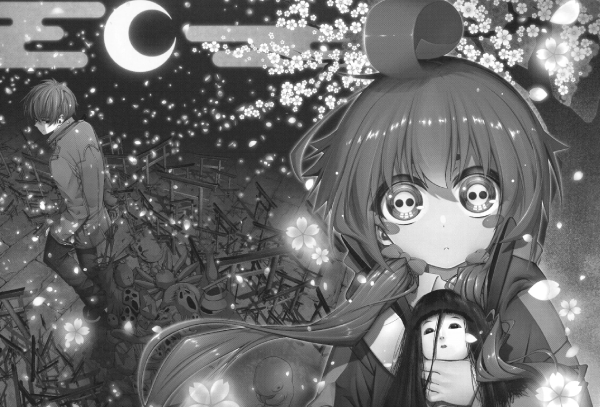
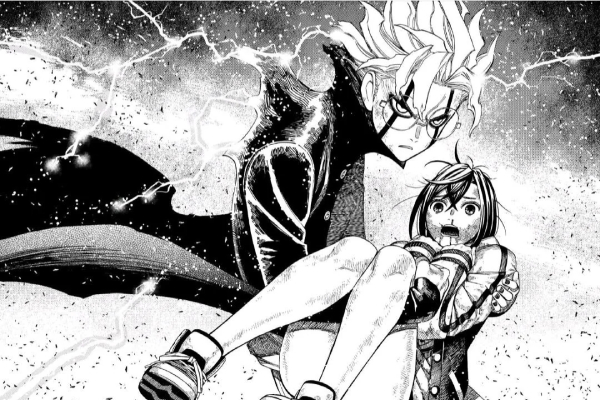
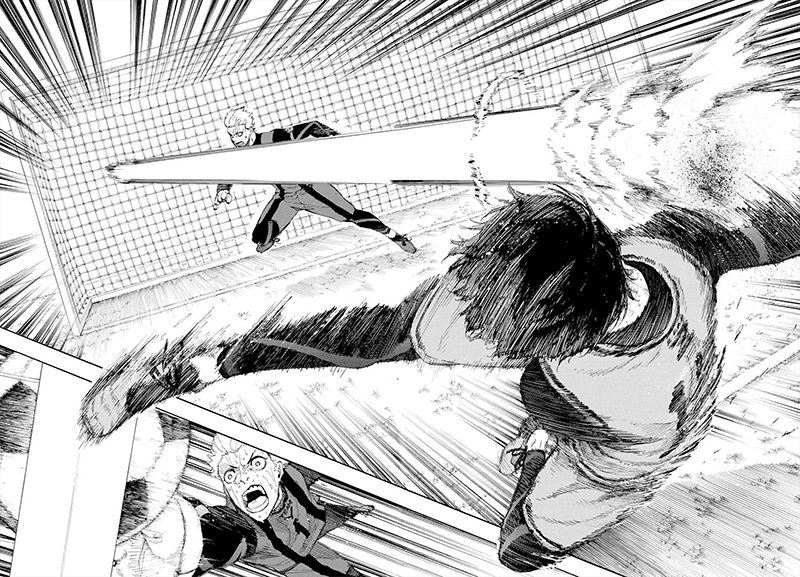
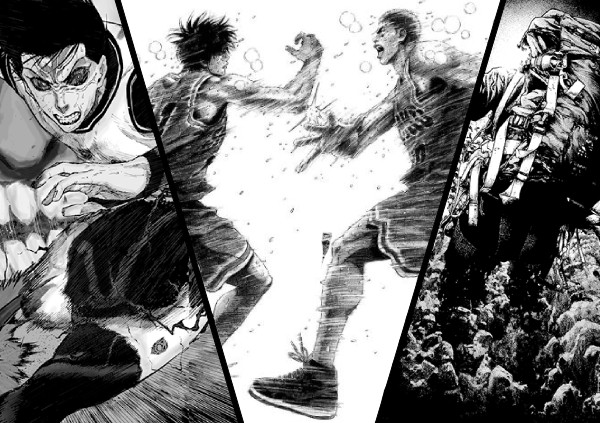
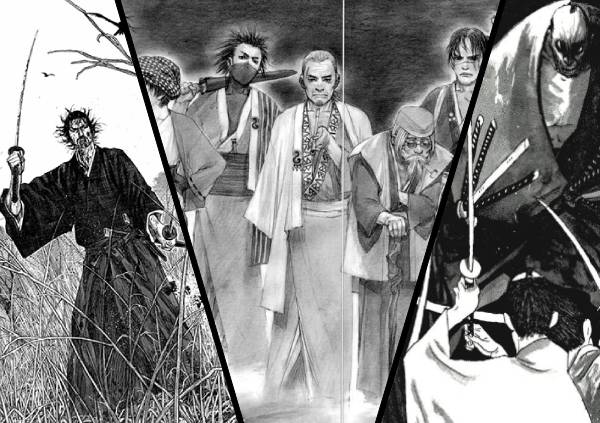
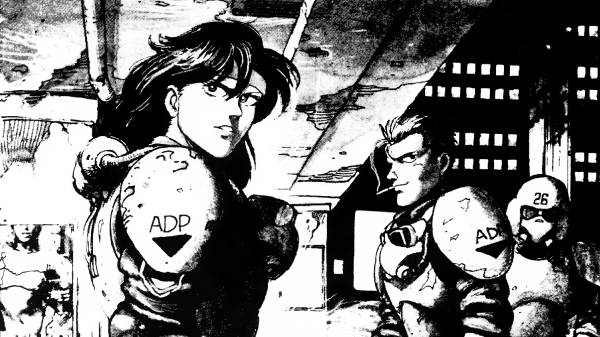
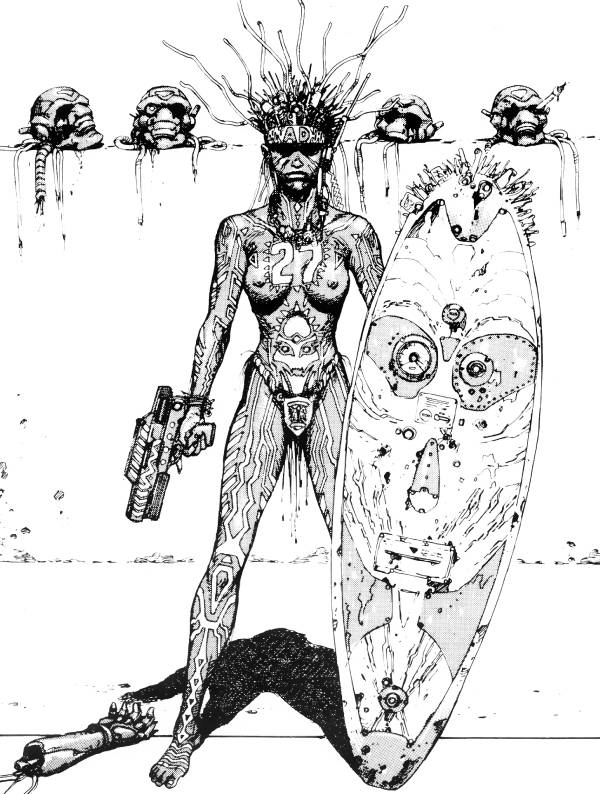
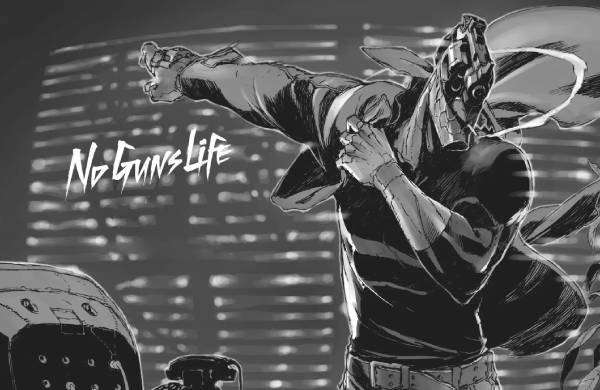
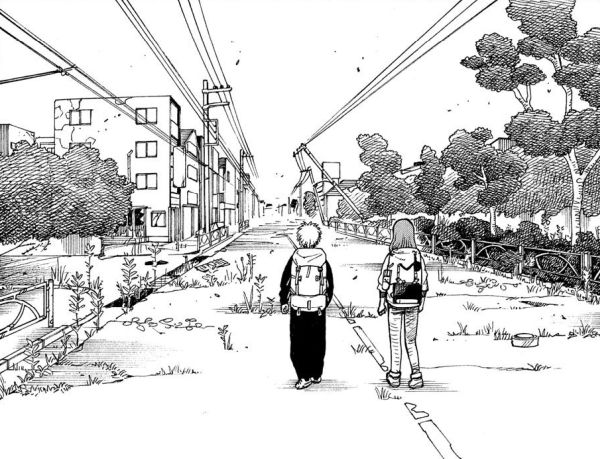
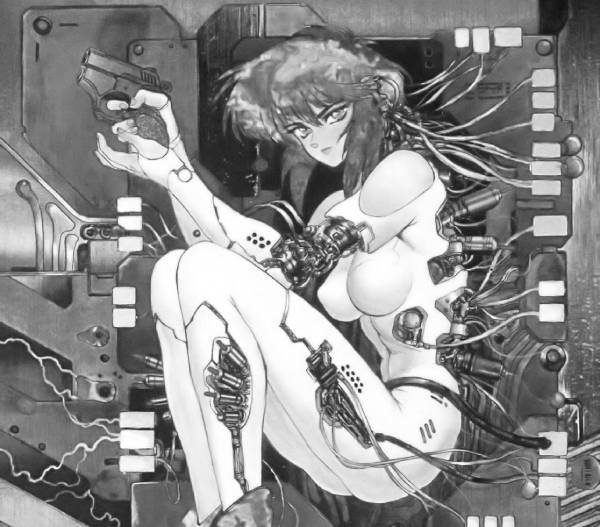
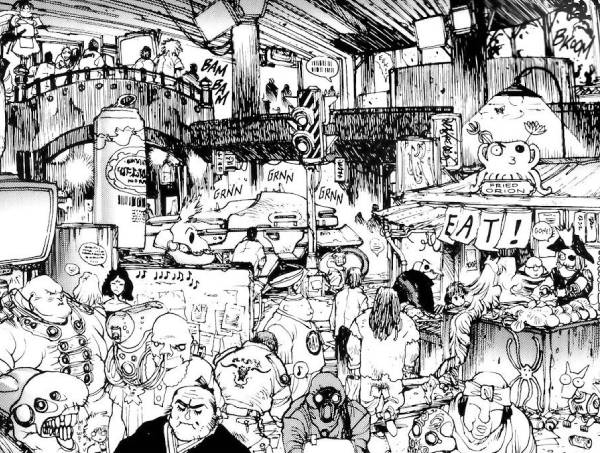
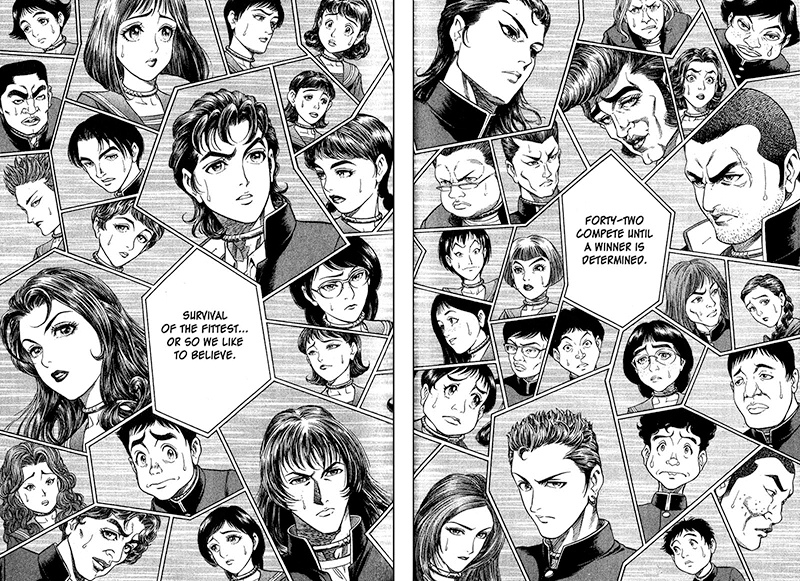
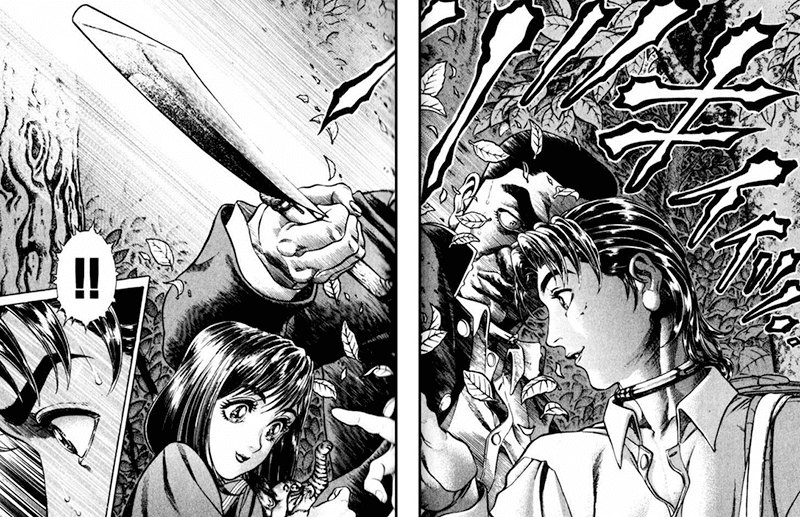
Best Action Manga: Fights-First Series With the Best Battles

Action manga have a special pull. There’s nothing quite like a series that knows exactly what it is and delivers page after page. Brutal brawls, stylish gunfights, impossible power-ups, and battles that spiral into pure chaos. The best action manga don’t just include fights. They build entire worlds around them.

This is also a fights-first list. Every series here earns its spot through one thing above all else: how fully it commits to combat. Some of these manga are built around long-running rivalries and power escalation, while others are tighter stories that keep the pace high and the violence constant.

The list covers a wide range of action styles, from classic battle shonen and supernatural conflicts to pure martial arts manga where every arc is designed around the next matchup. You will also find tournament-focused series that treat fighting as the entire structure, along with a few outliers that lean into absurd comedy, science-fiction brutality, or grounded street violence.

Action manga have been part of the medium from the beginning, evolving from clean martial arts choreography into increasingly stylized and inventive forms of combat. Whether it’s fists, blades, bullets, or monsters, action manga have always been about momentum, escalation, and the thrill of watching a fight pushed to its limits.

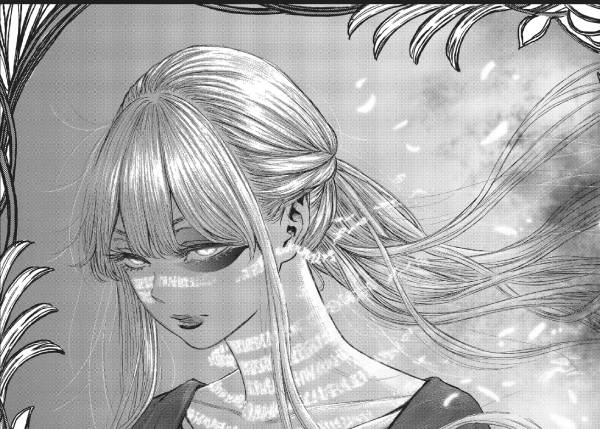
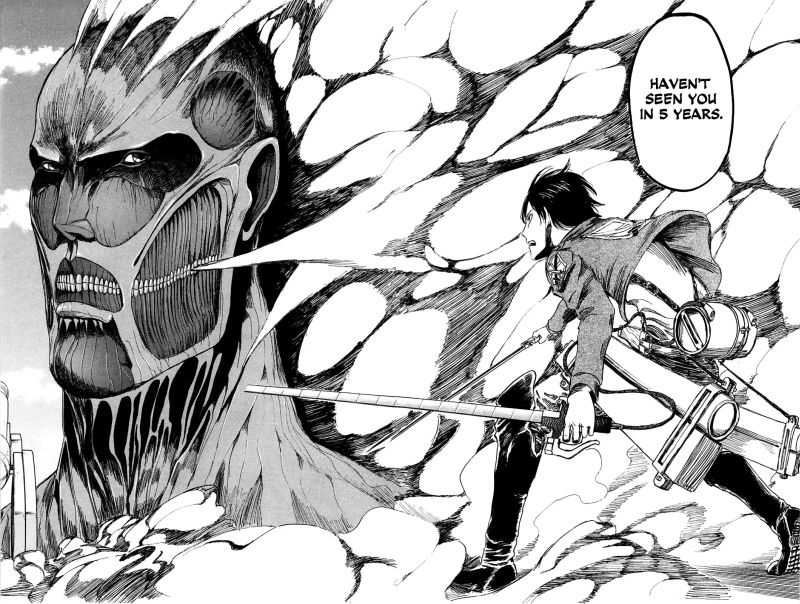
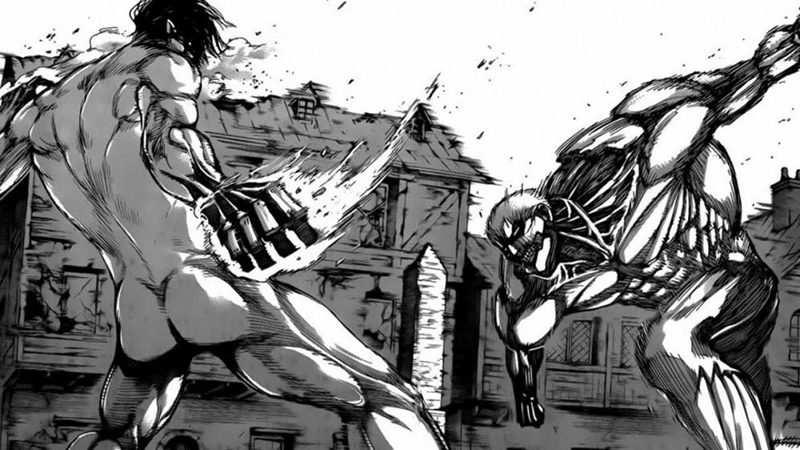
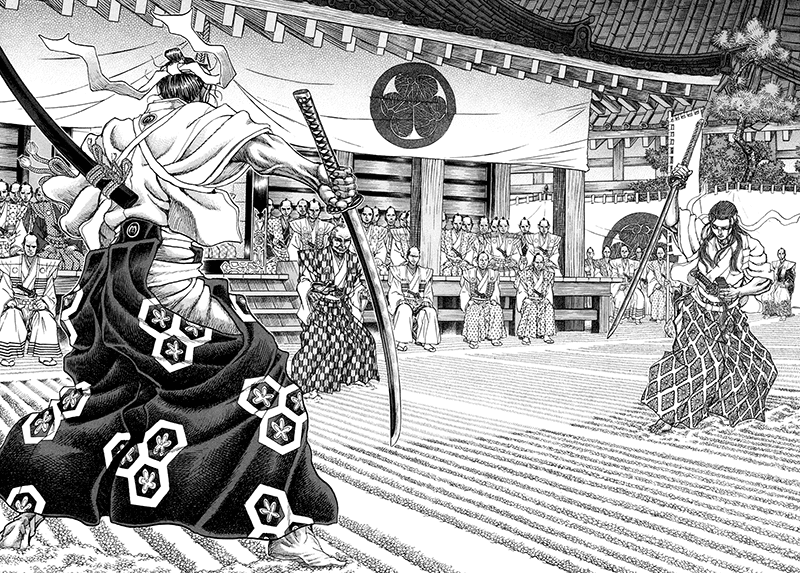
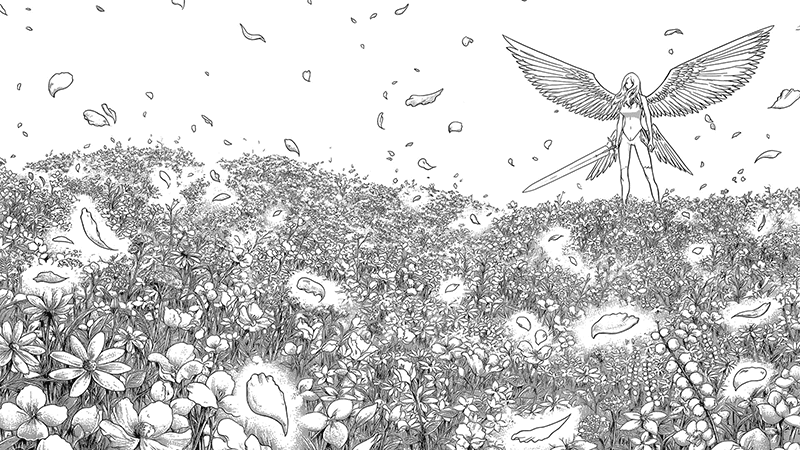
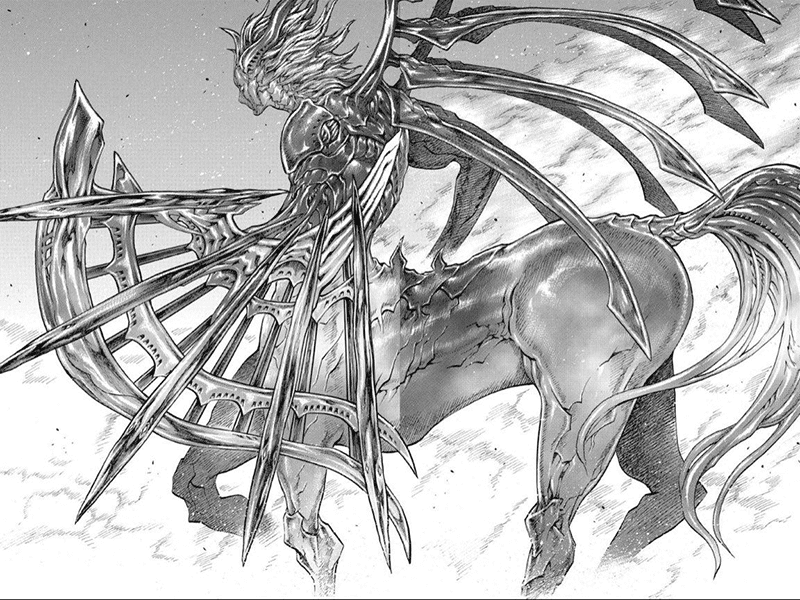
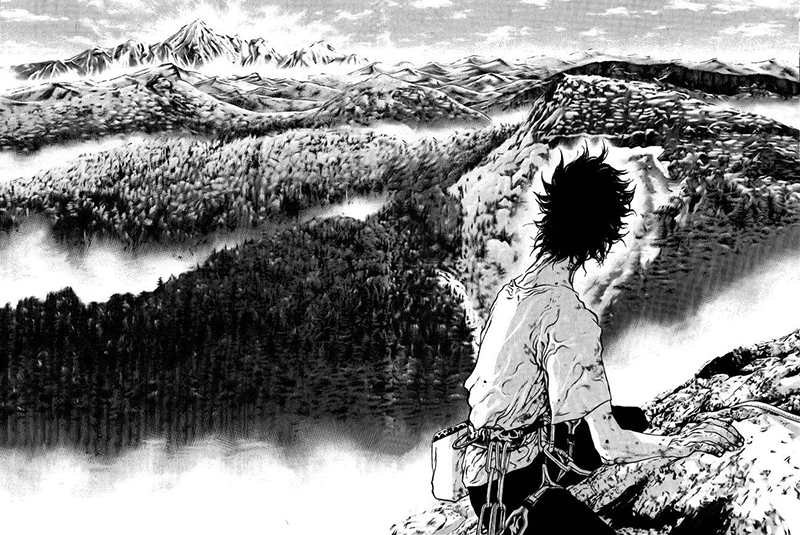
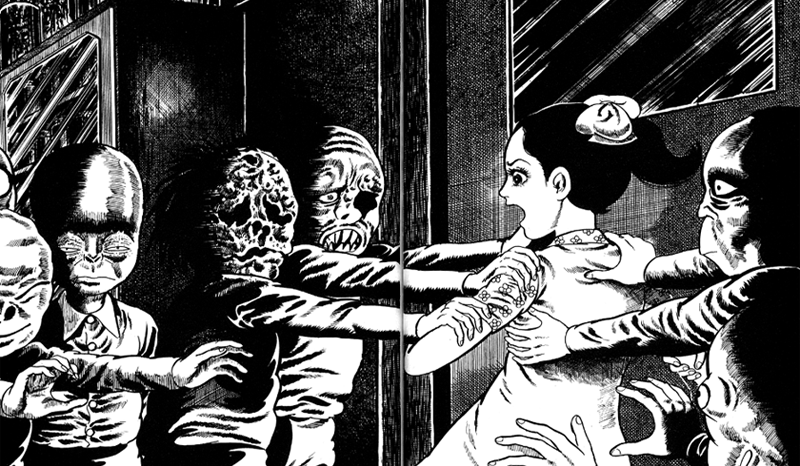
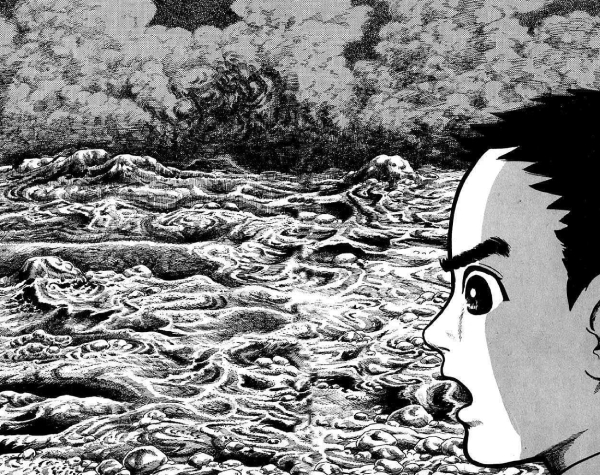
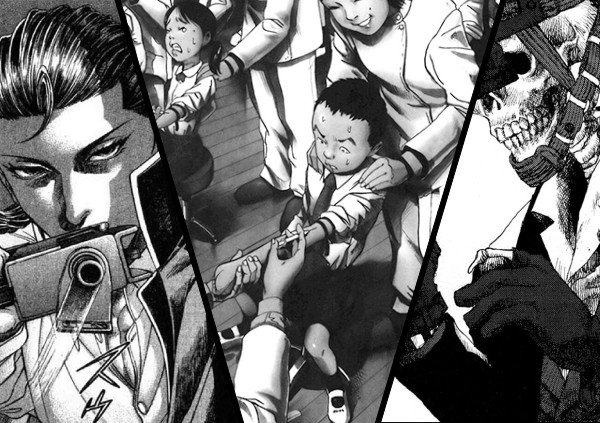
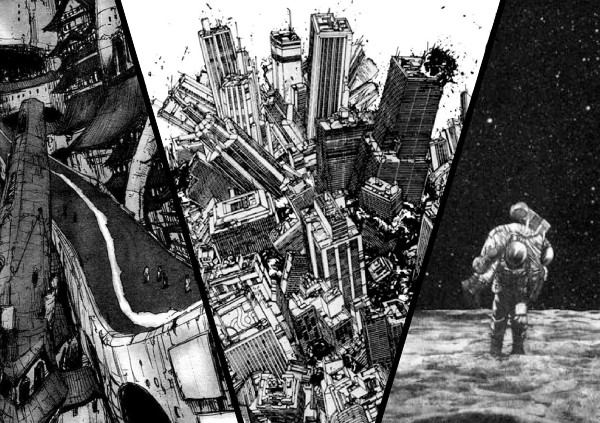
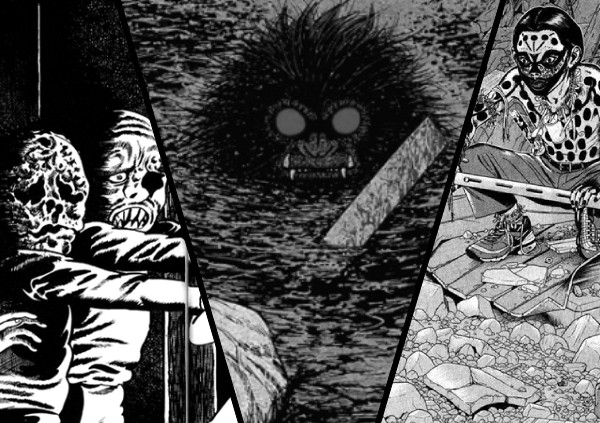
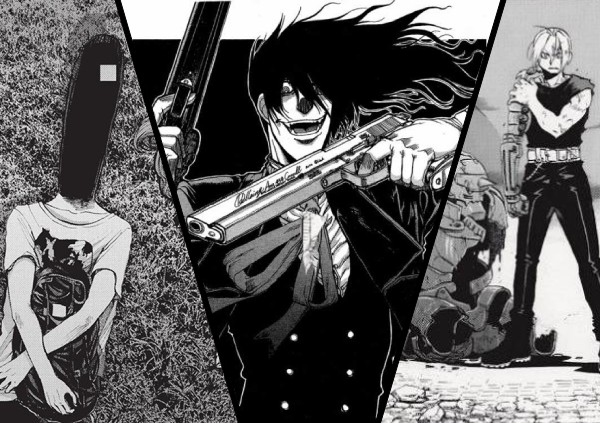
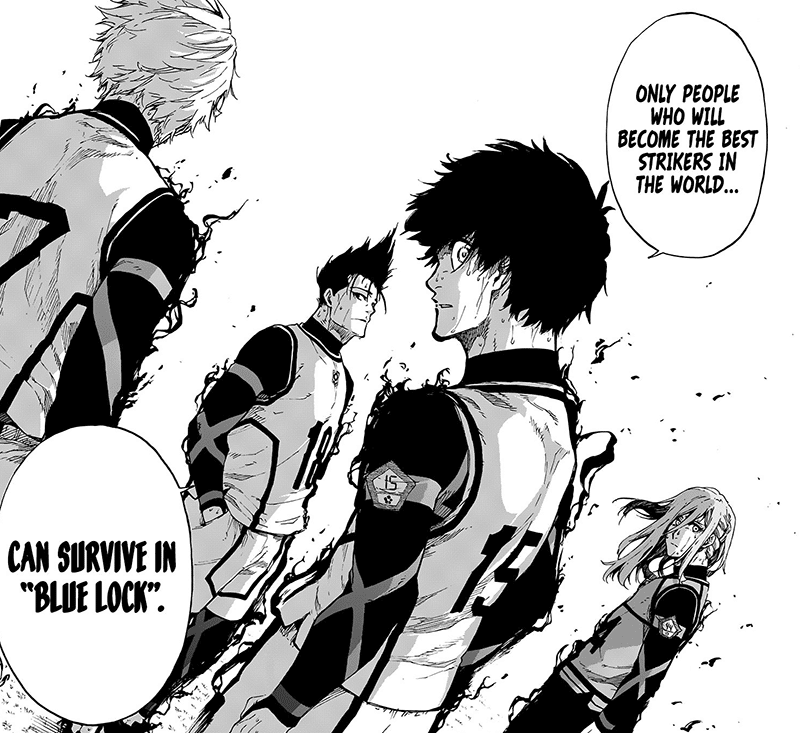
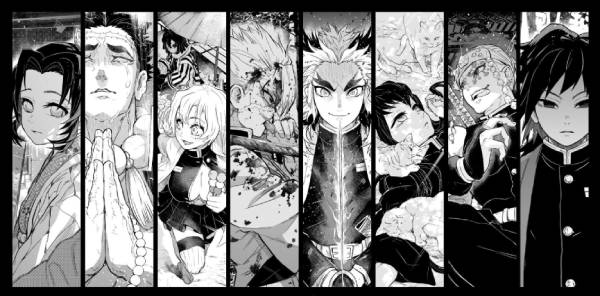
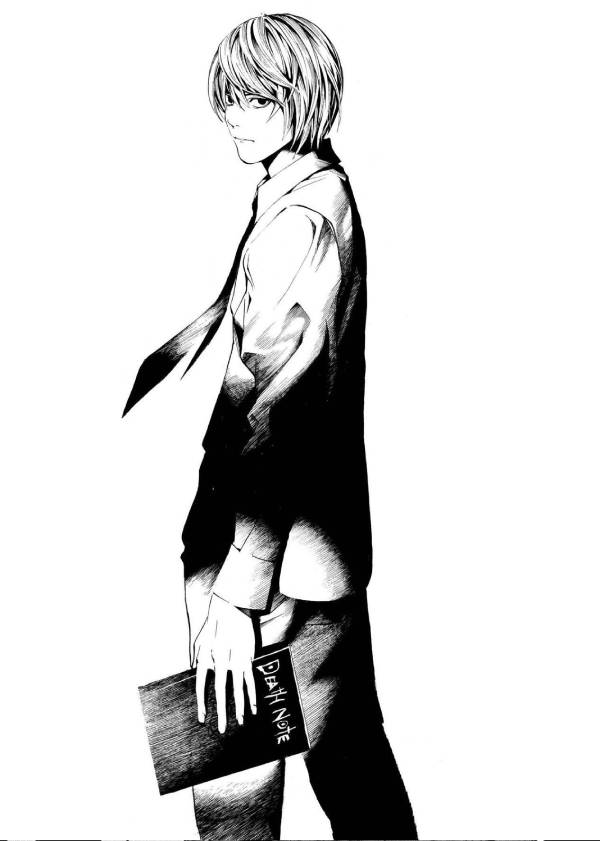
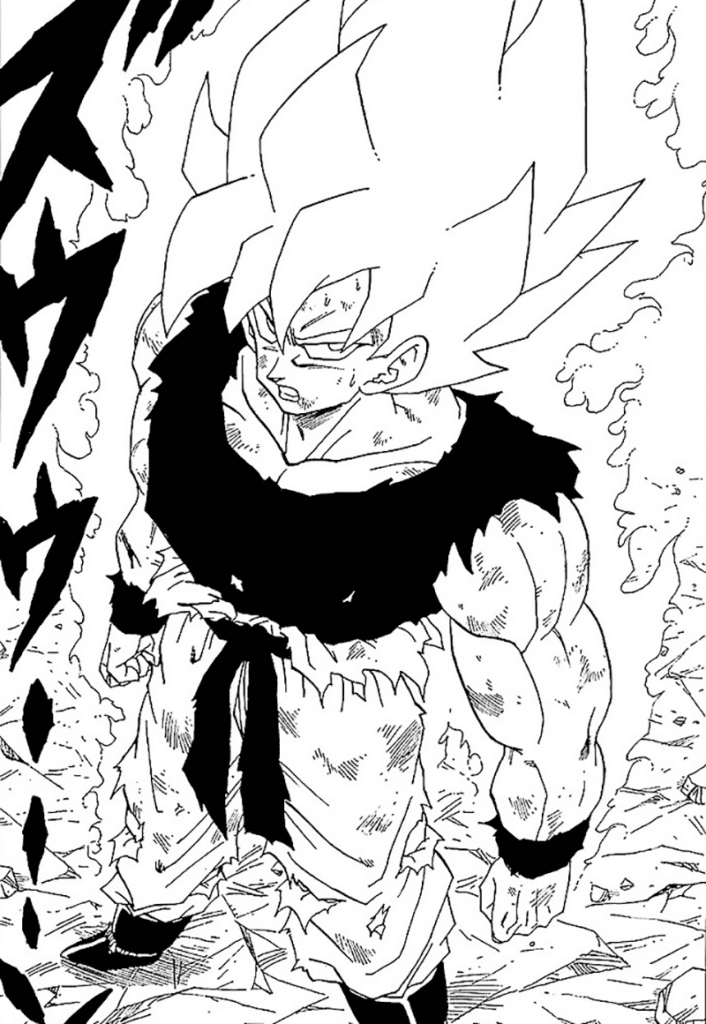
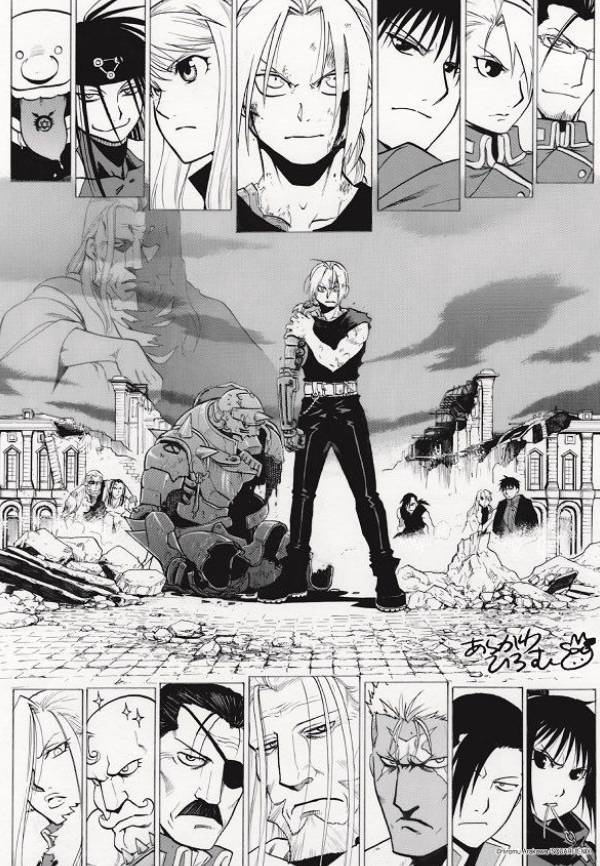
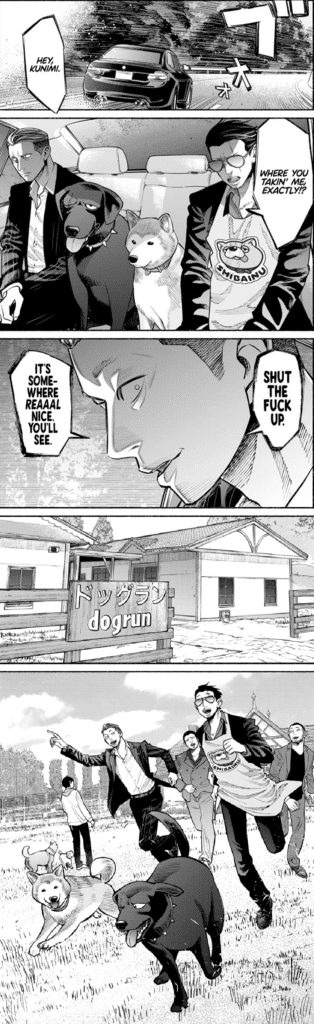
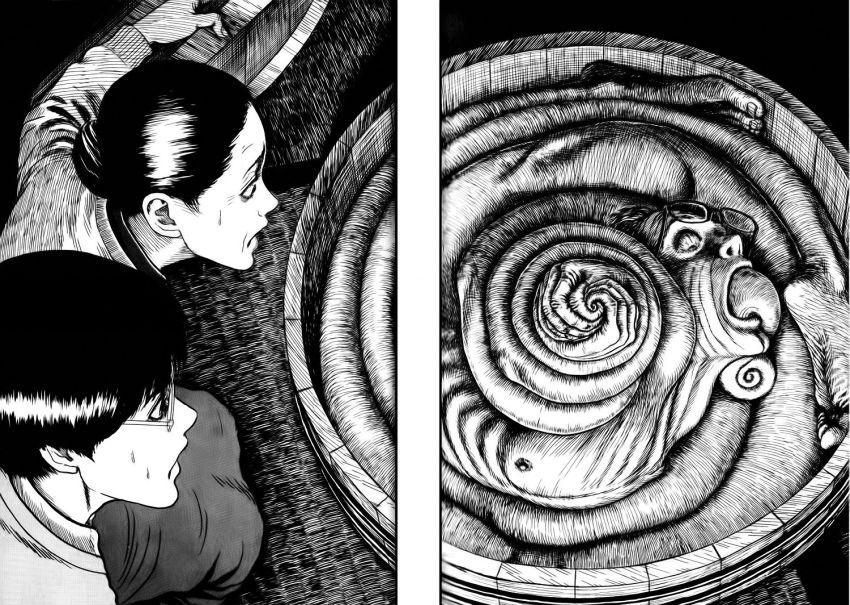
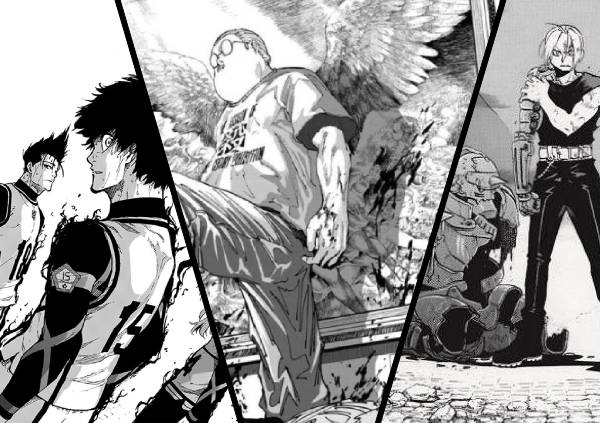
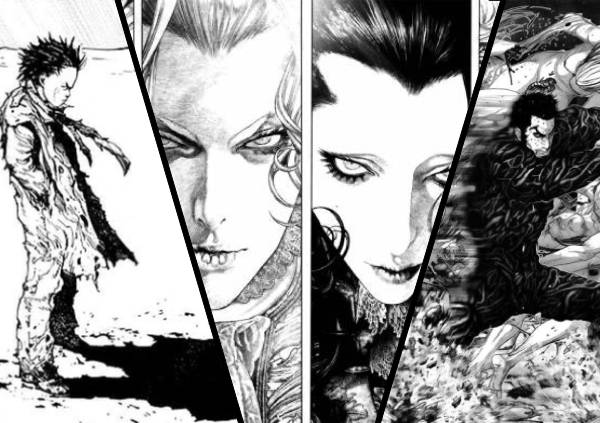
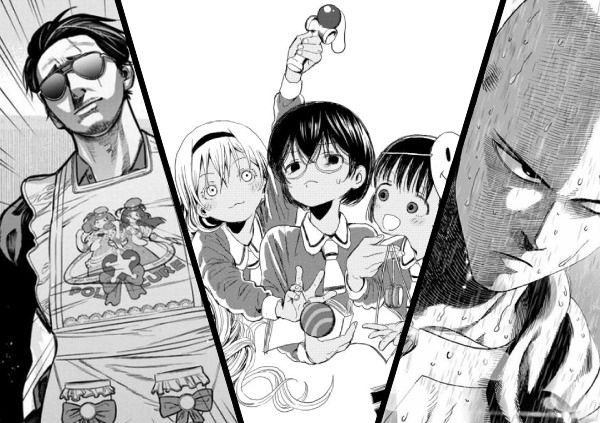
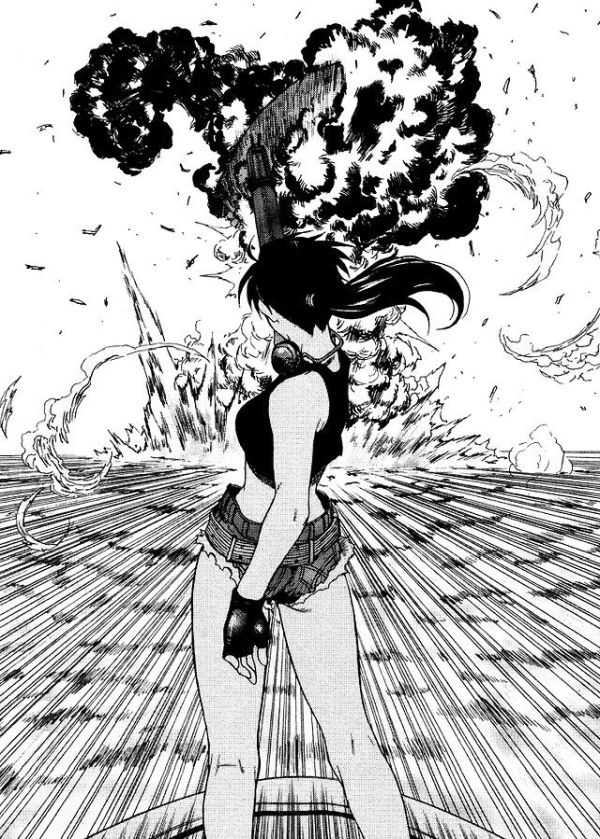
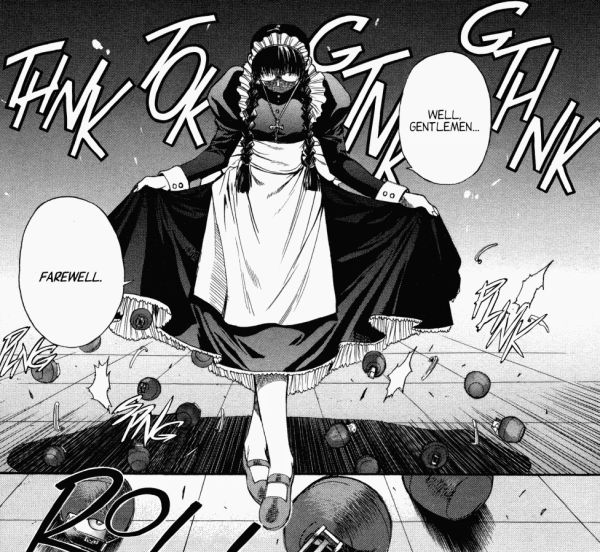
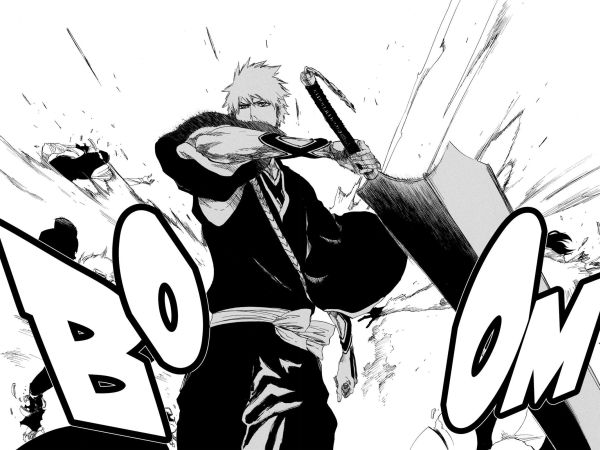
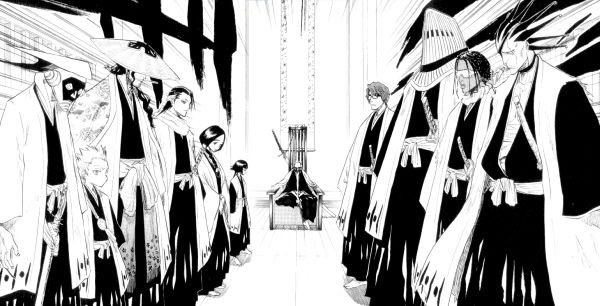
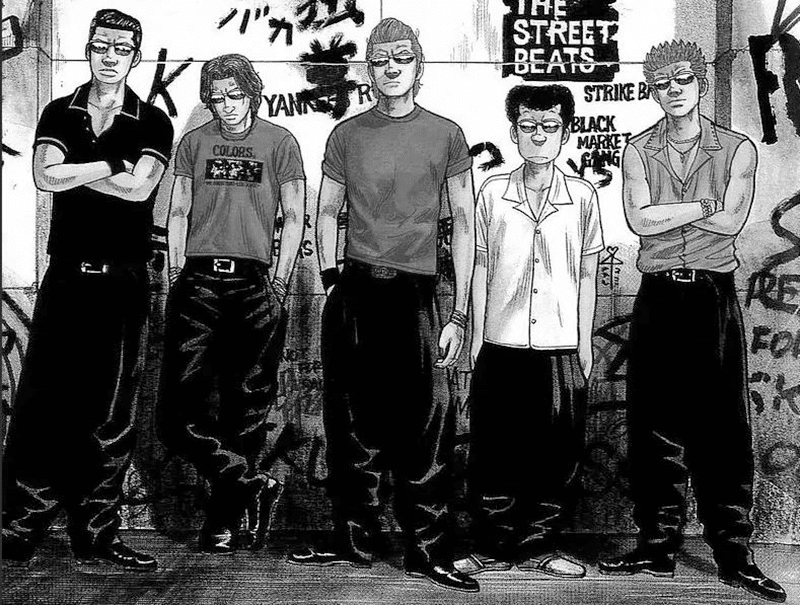
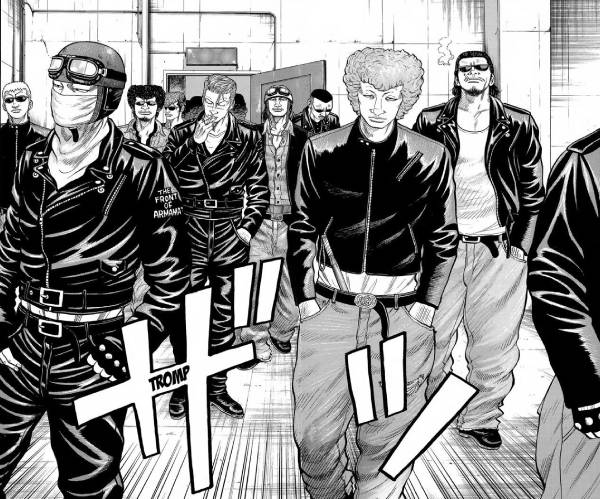
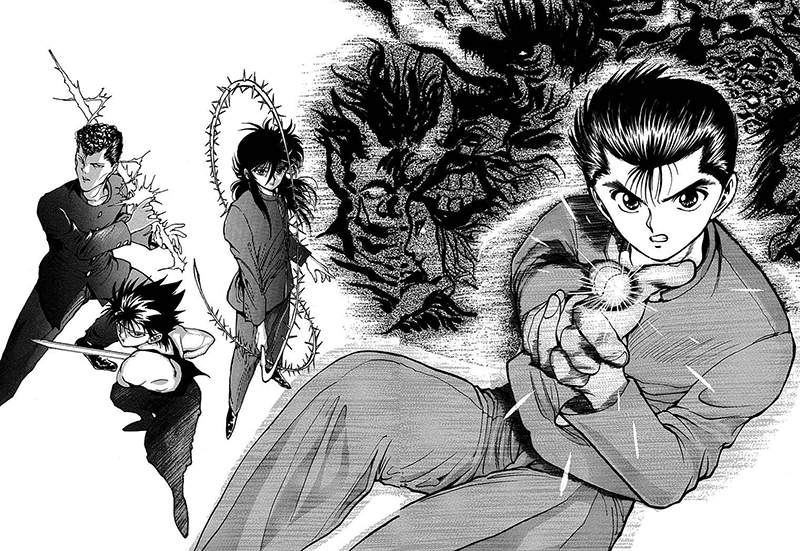
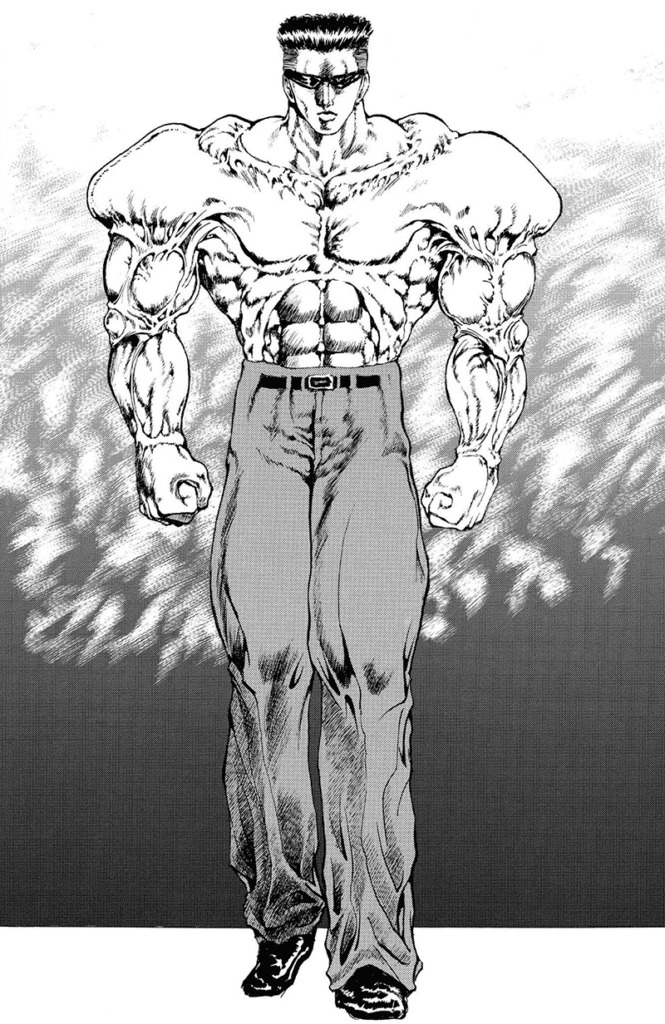
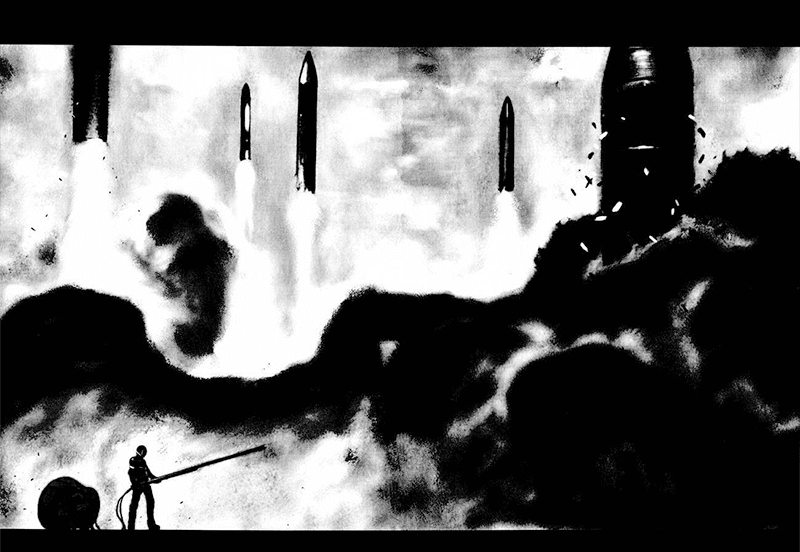
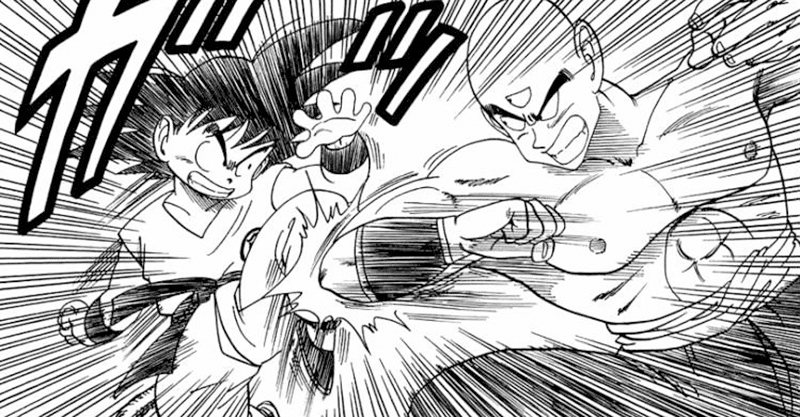
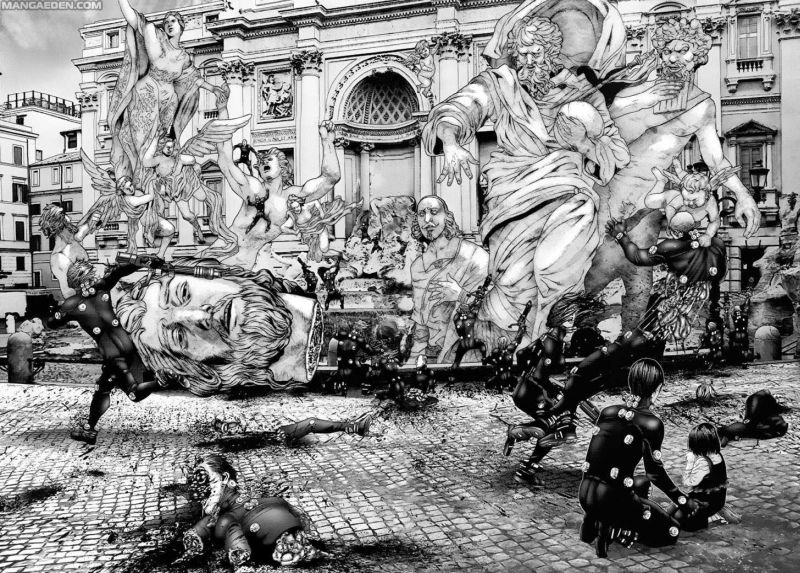
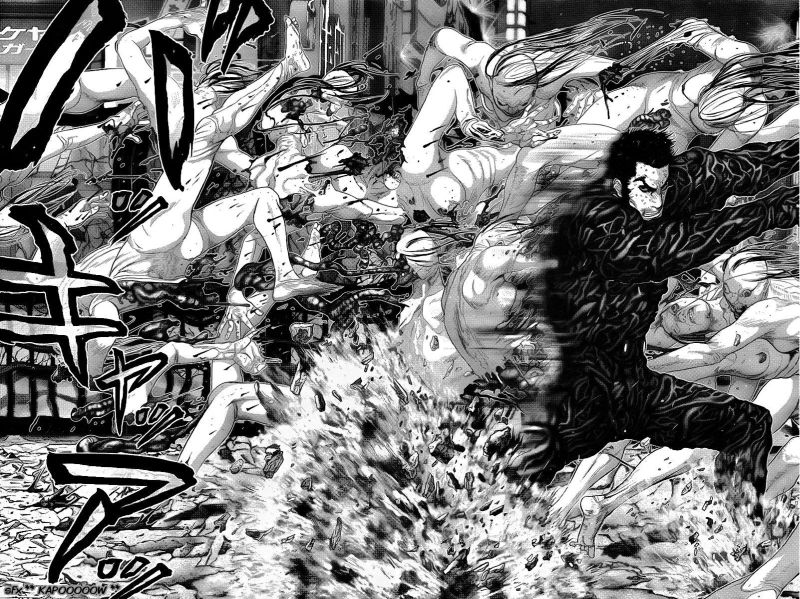
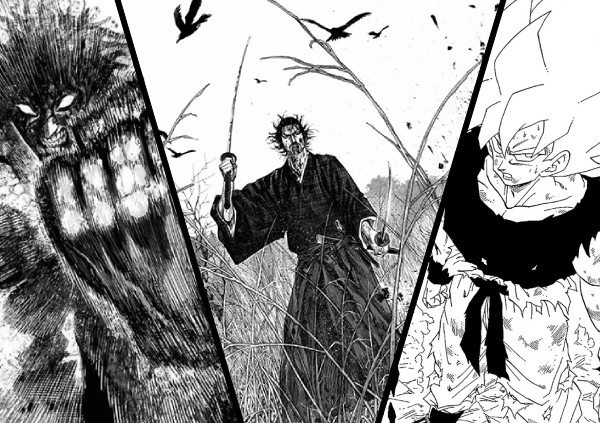
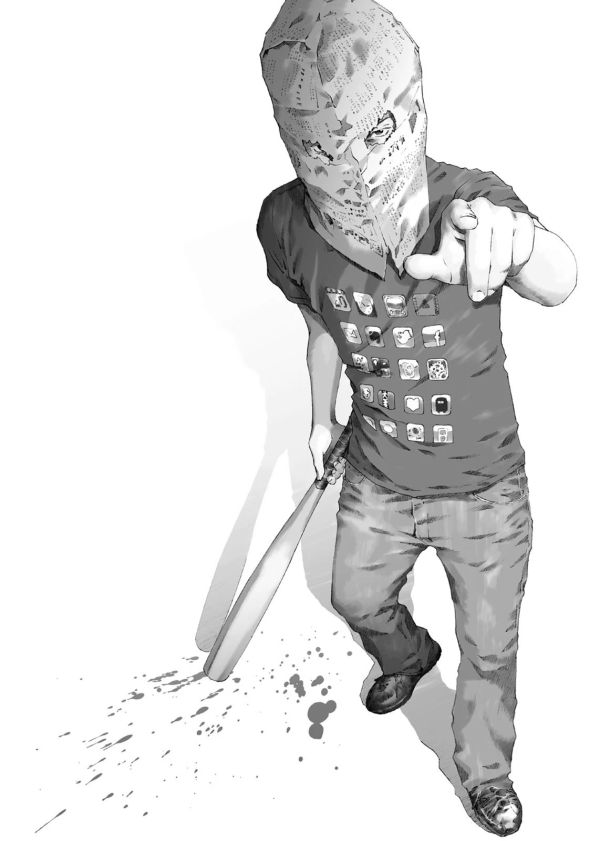
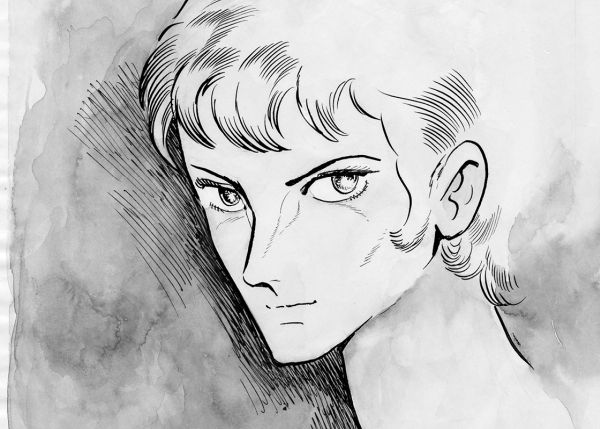
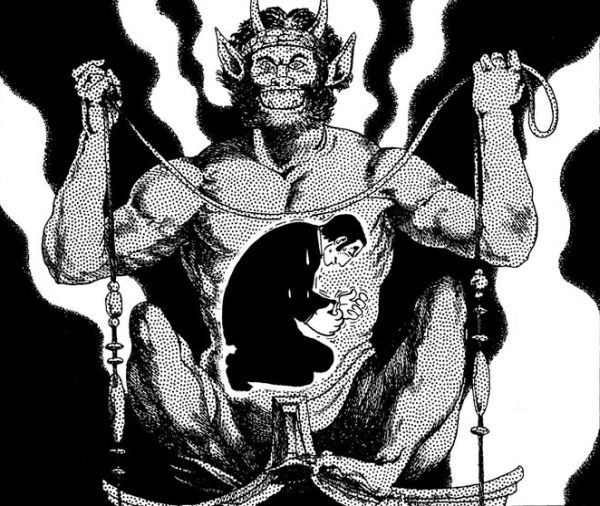
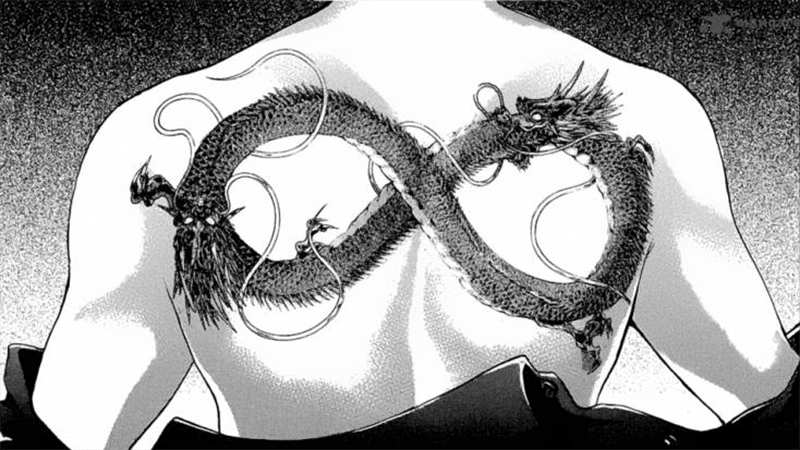
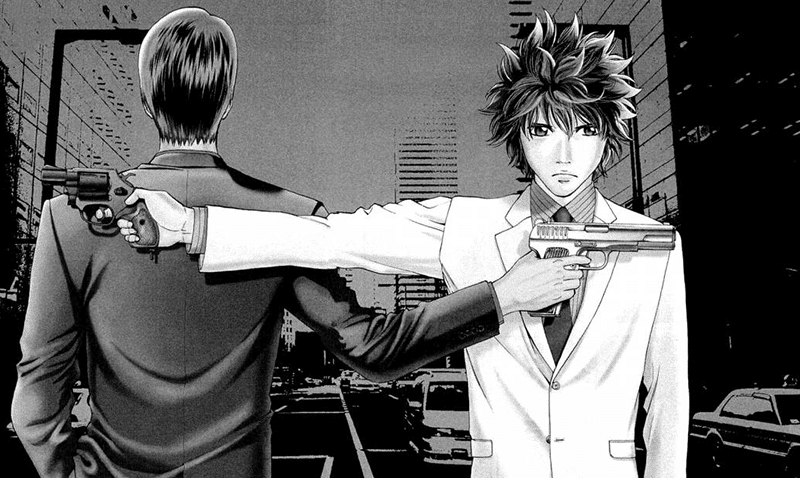
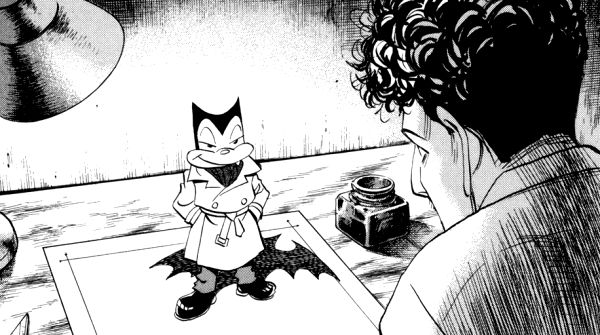
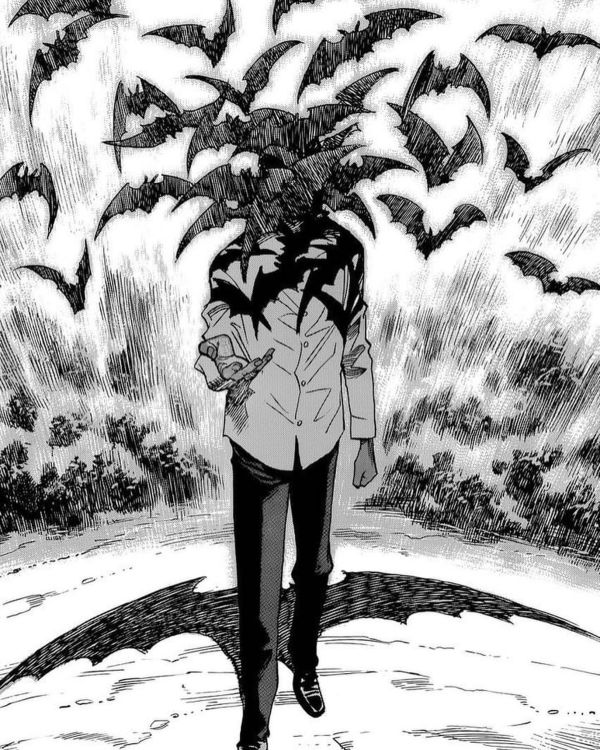
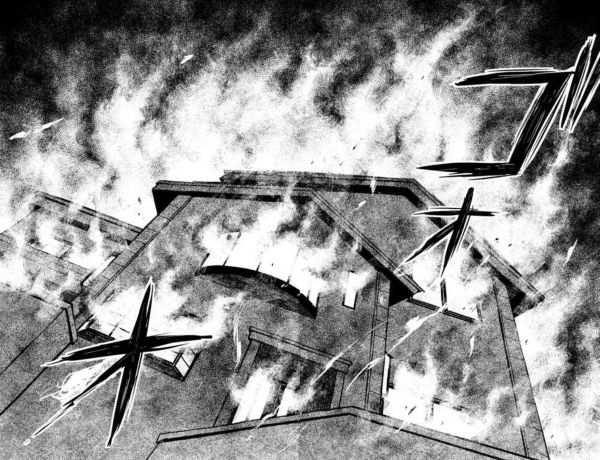
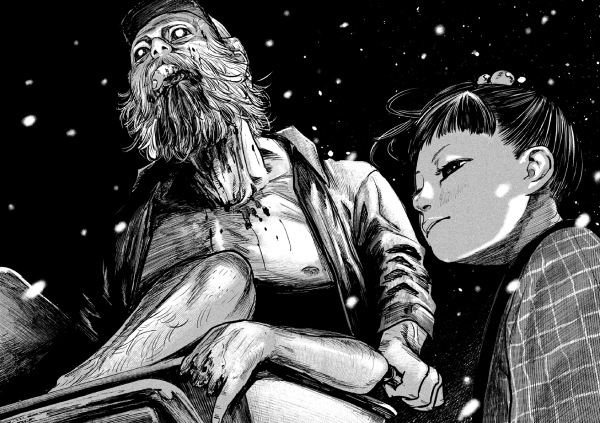
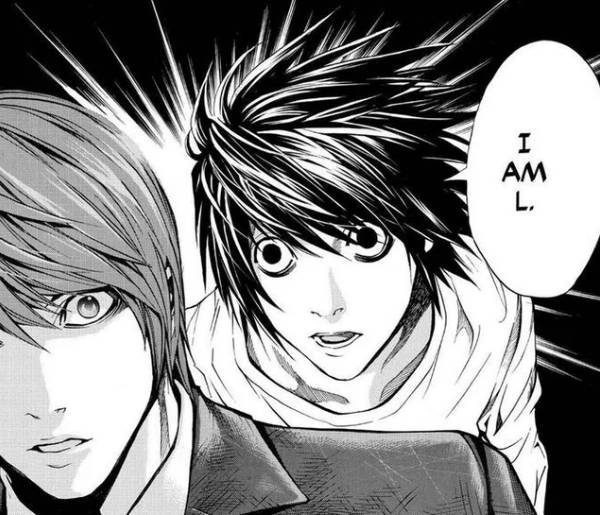
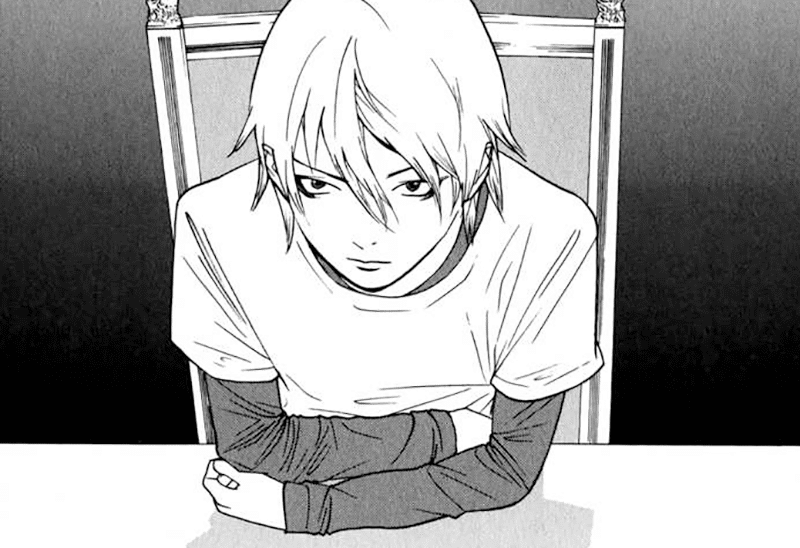
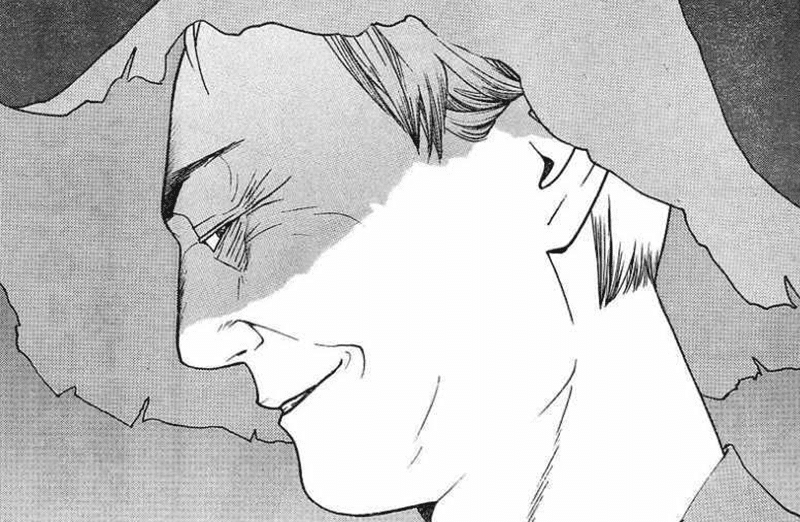
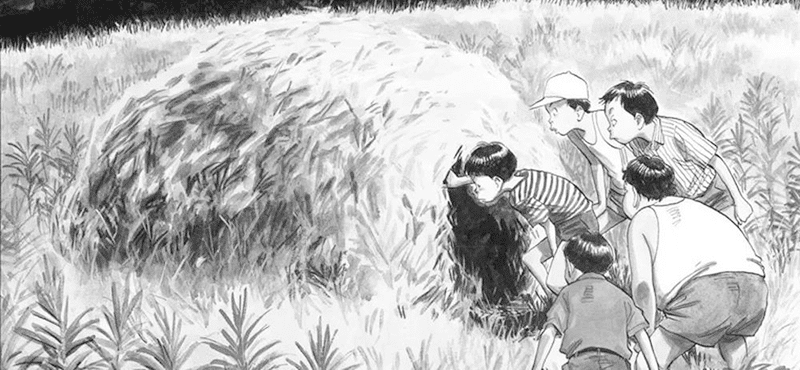
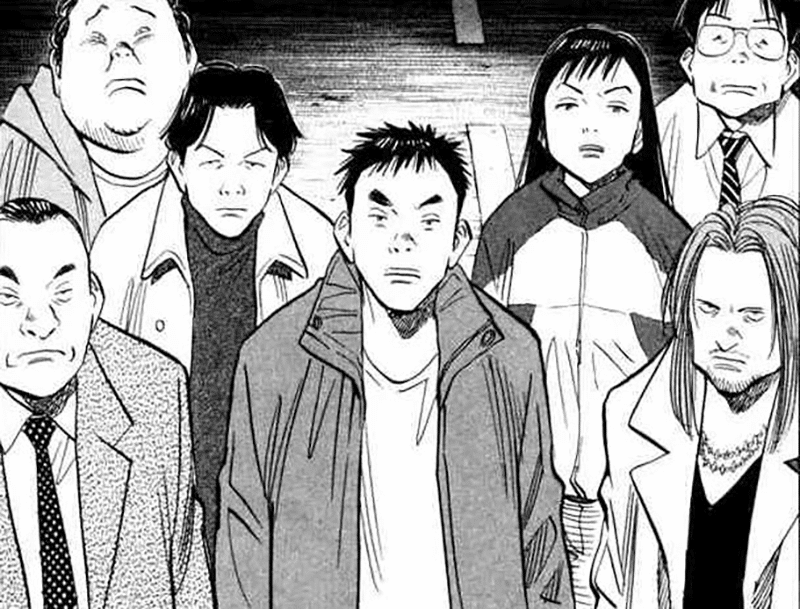
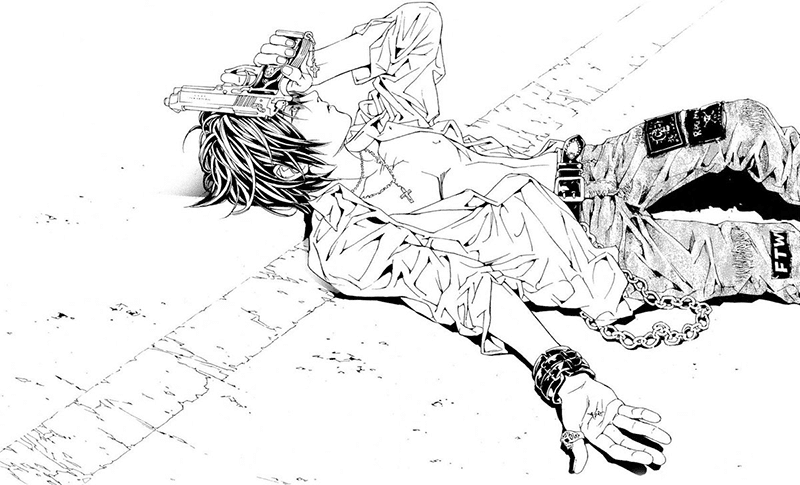
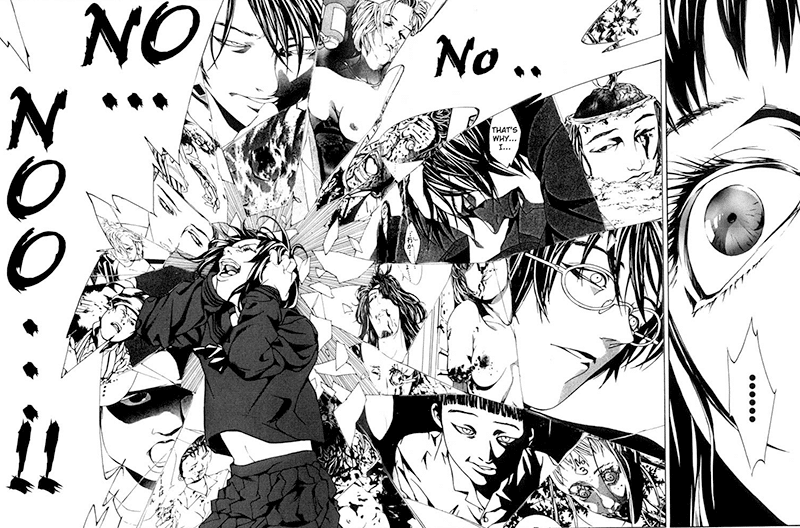
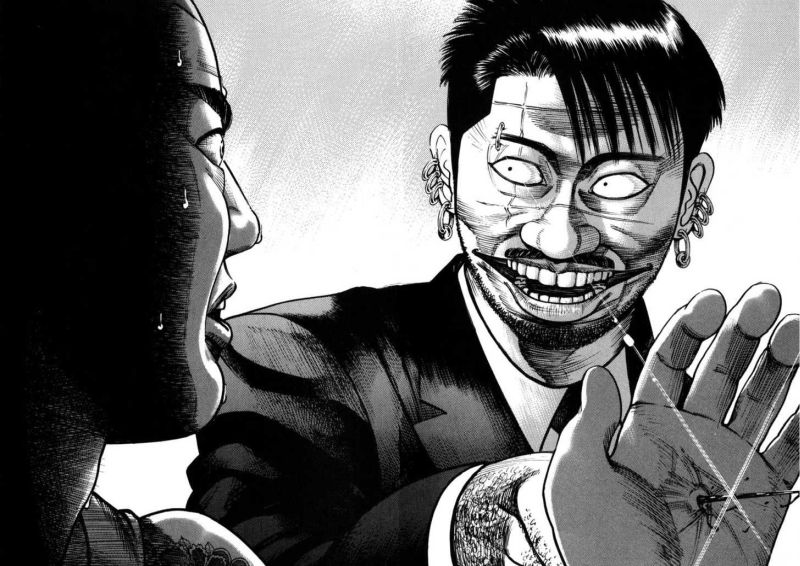
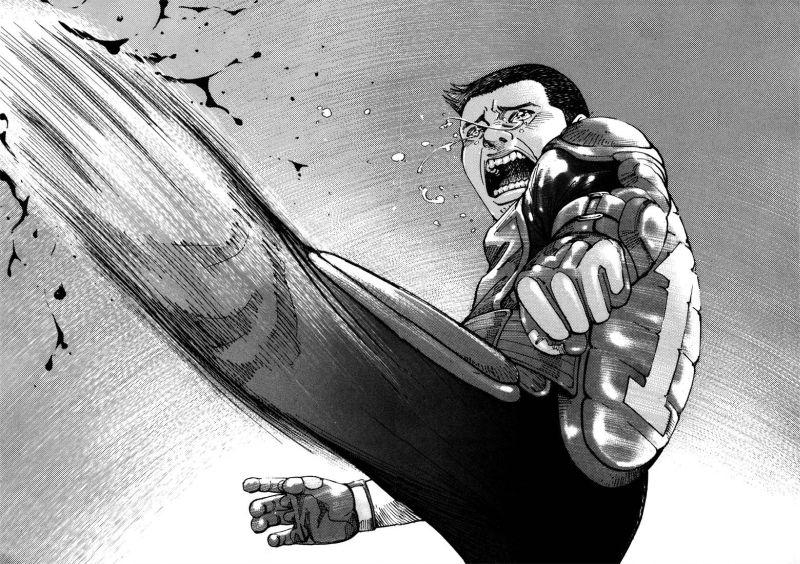
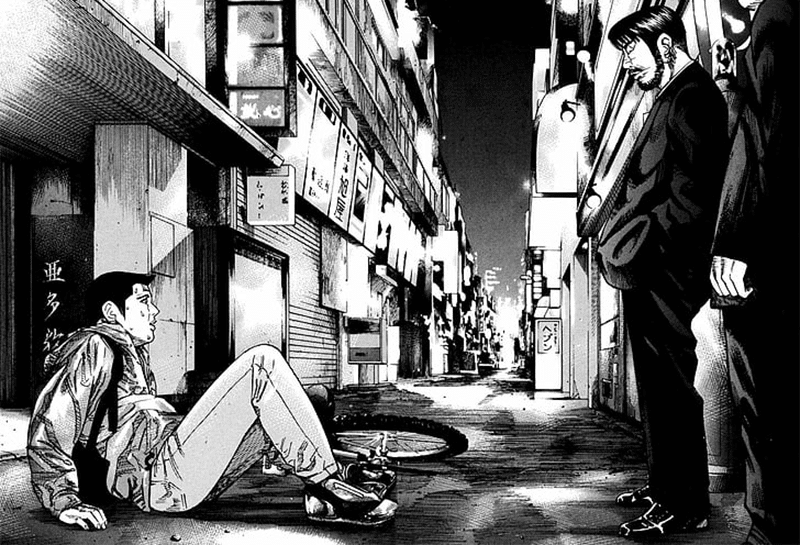
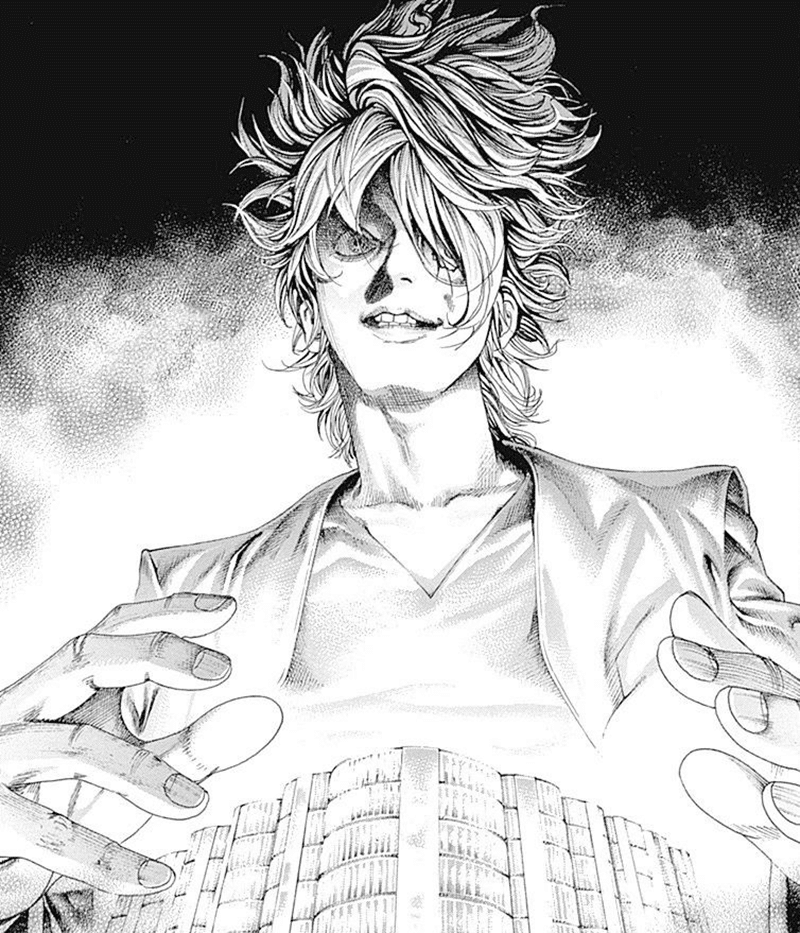
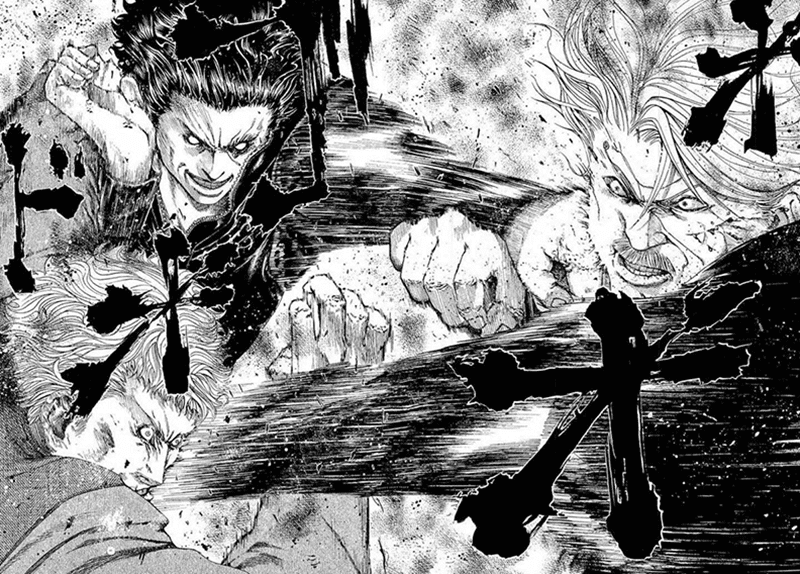
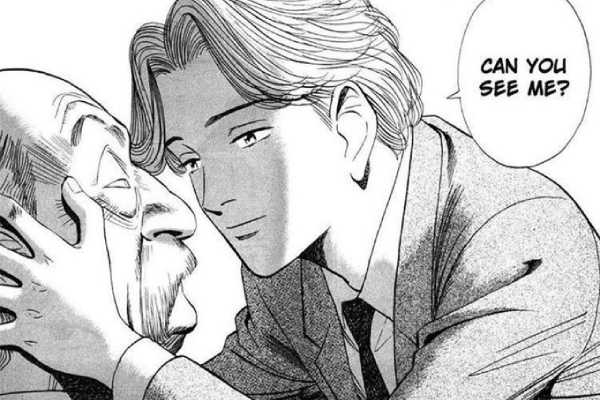
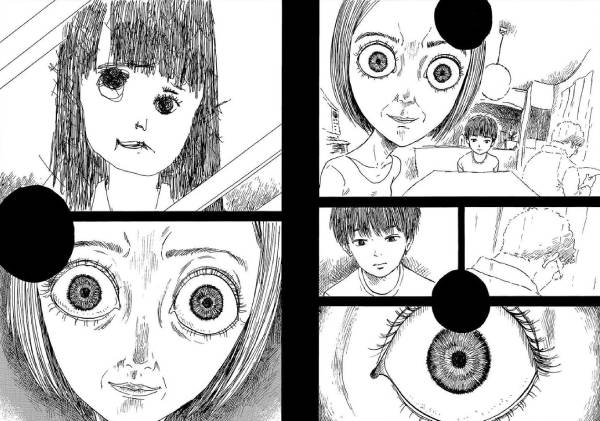
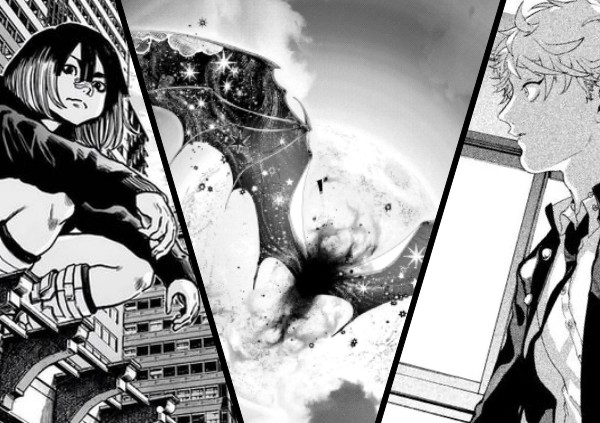
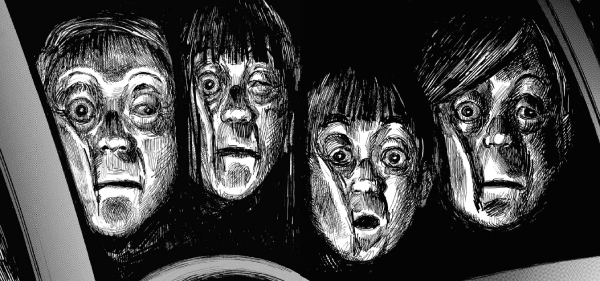
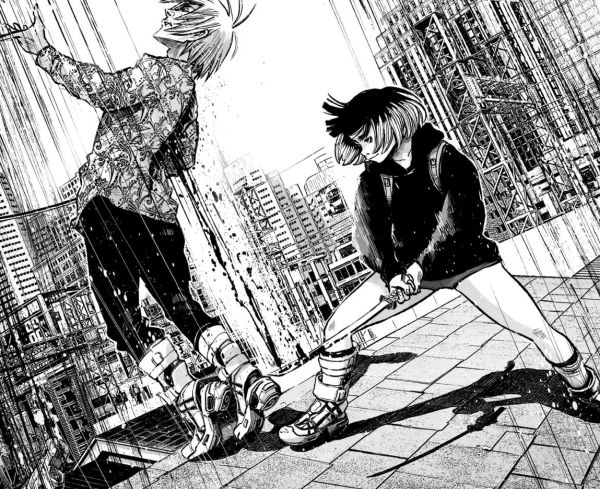
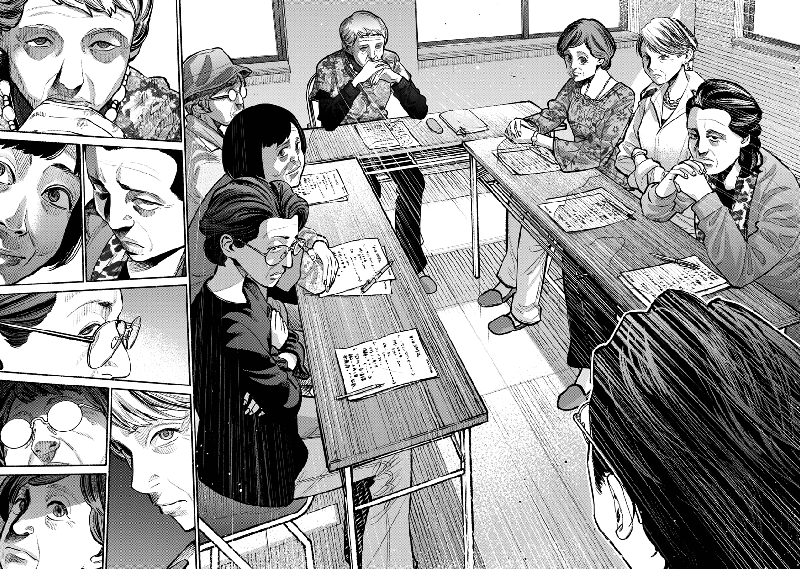
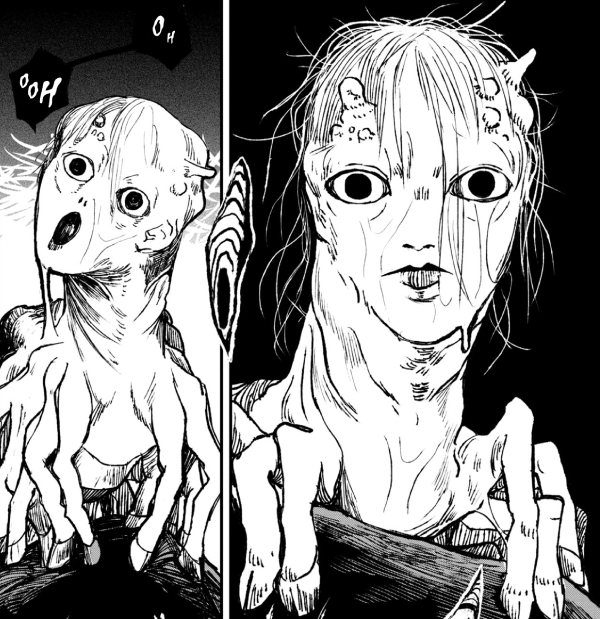
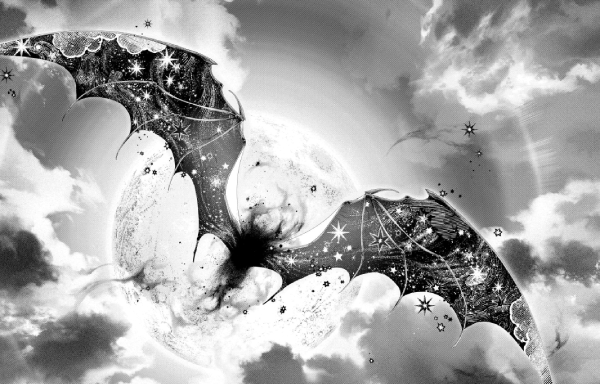
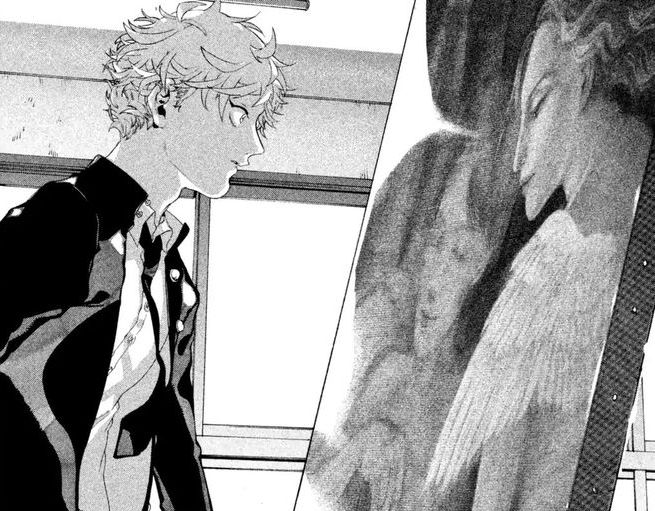
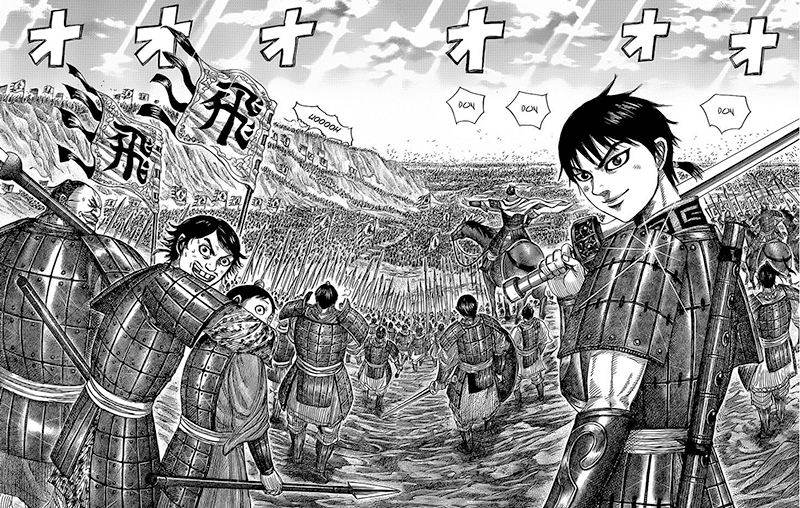
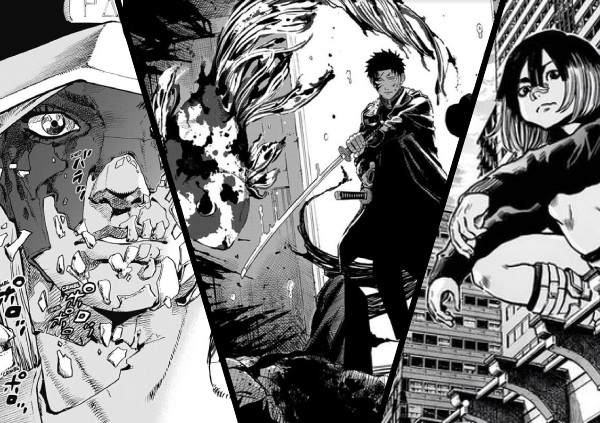
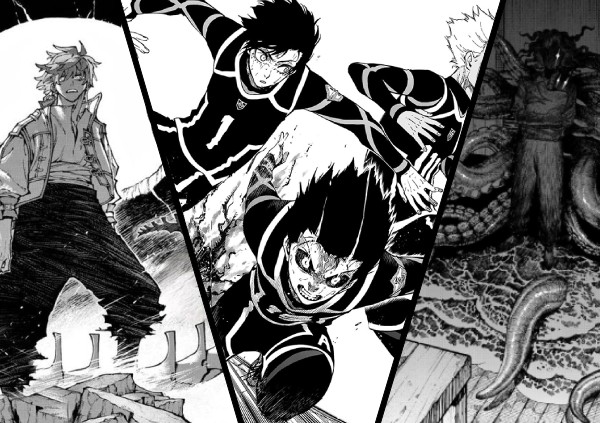
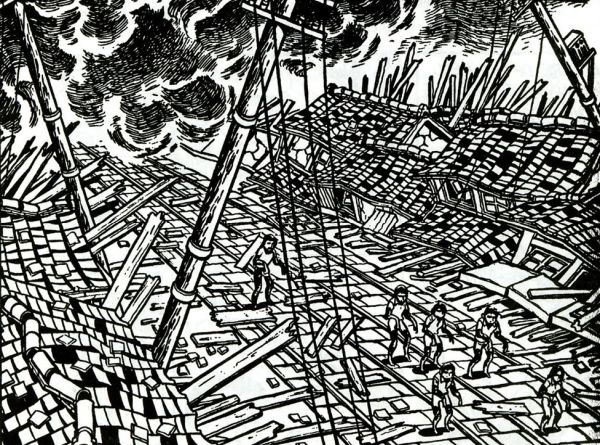
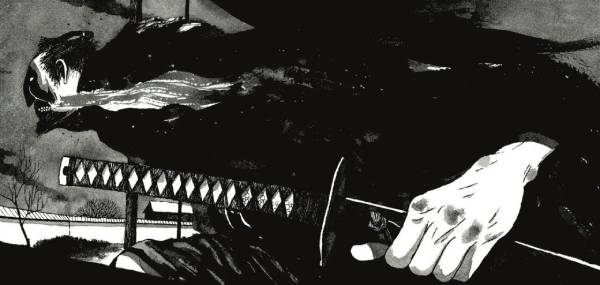
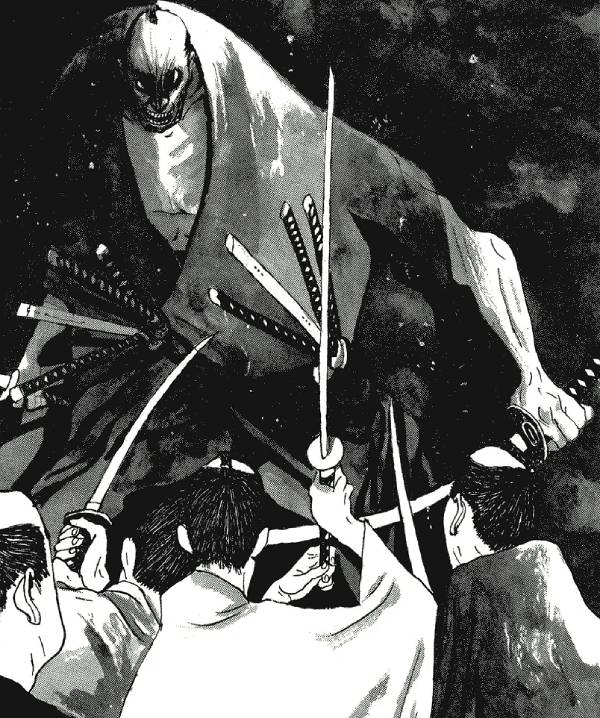
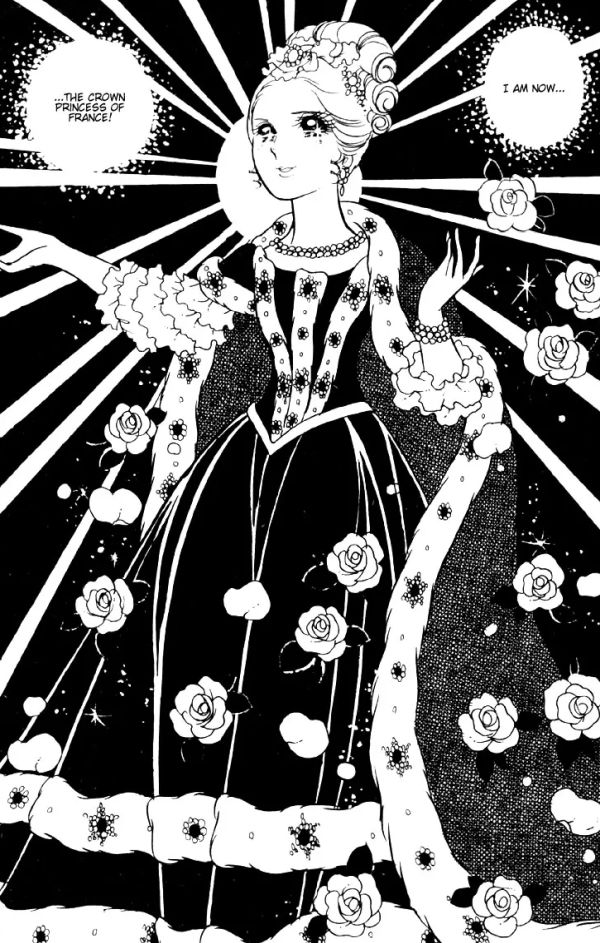
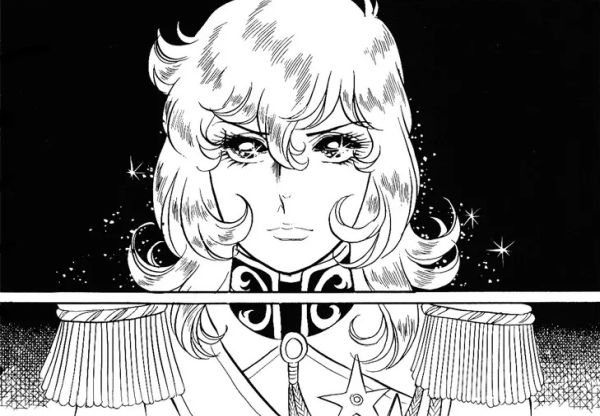
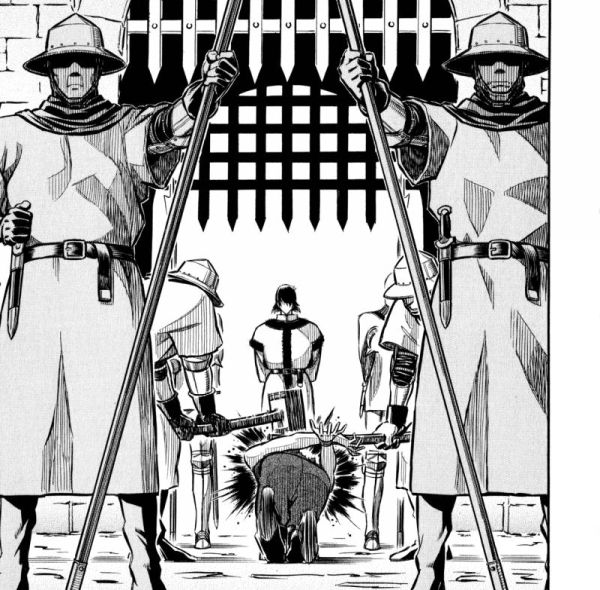
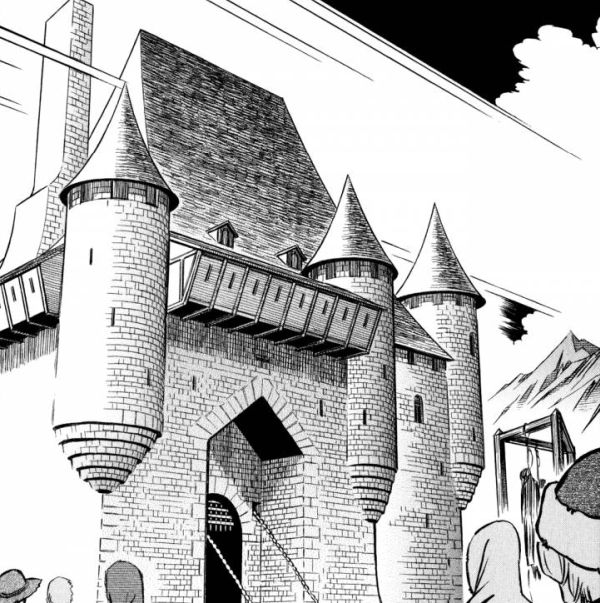
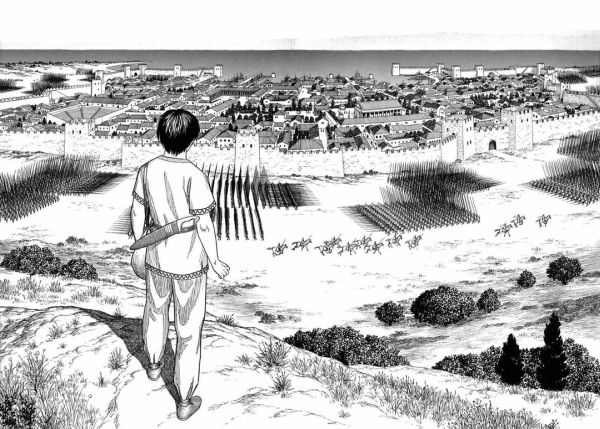
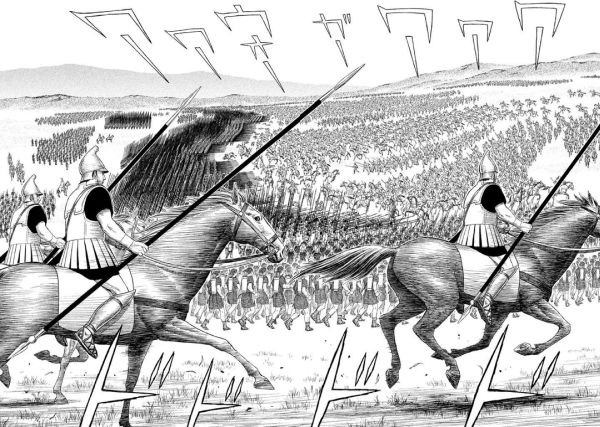
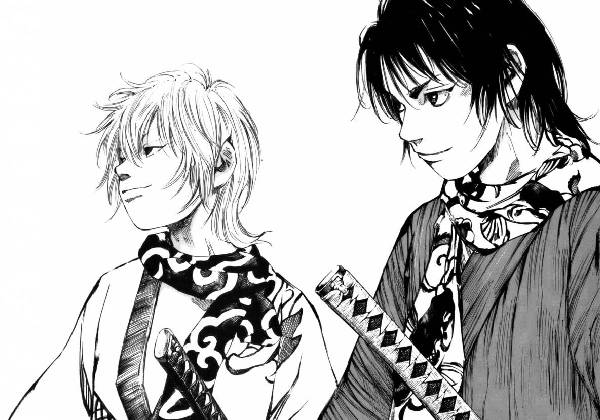
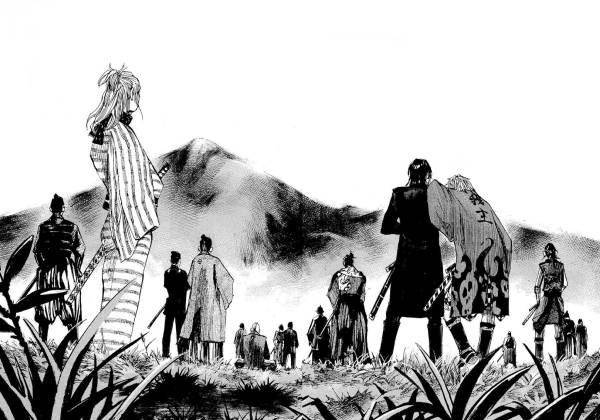
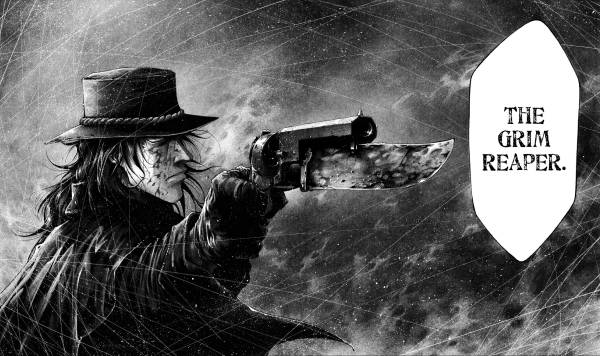
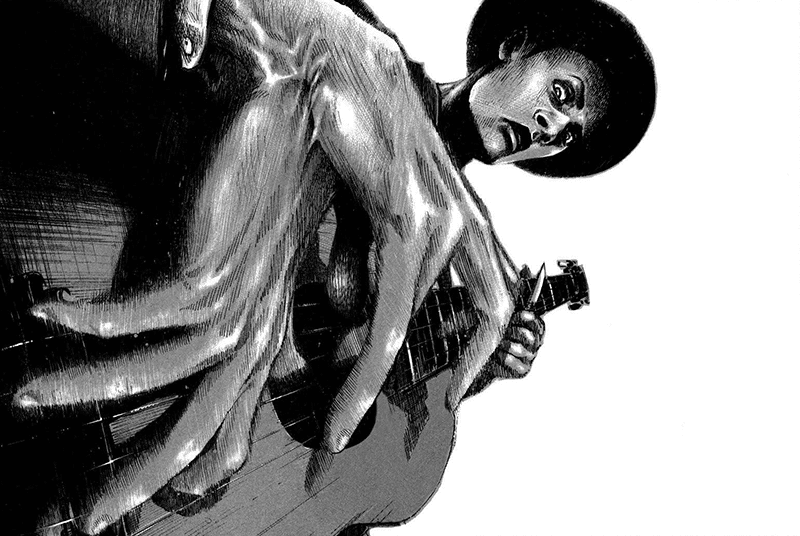
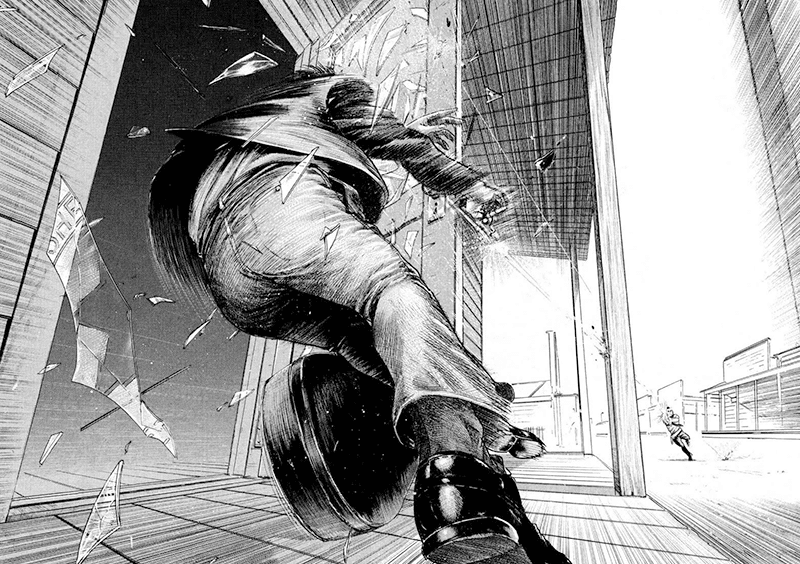
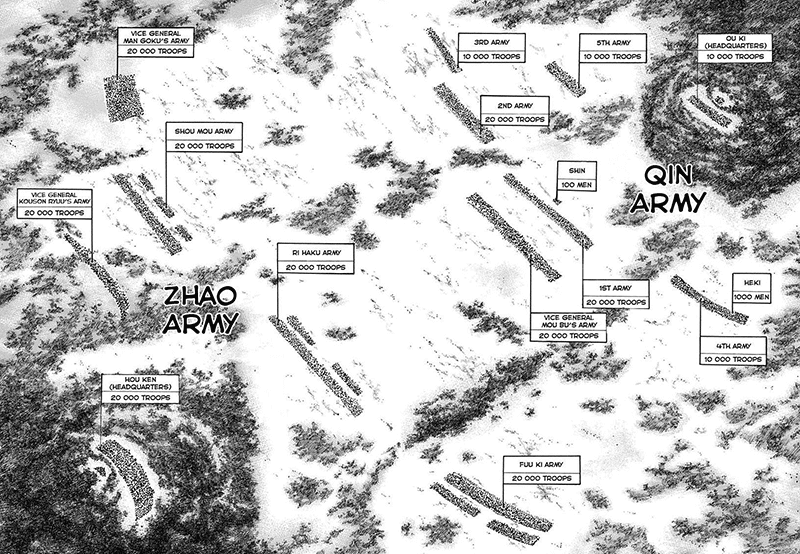
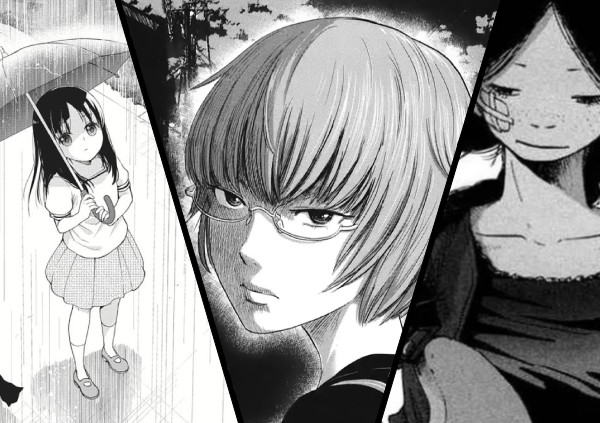
Action Manga Intro Picture
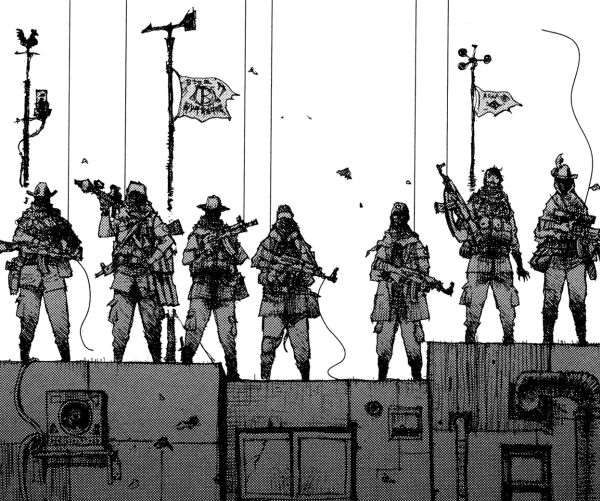
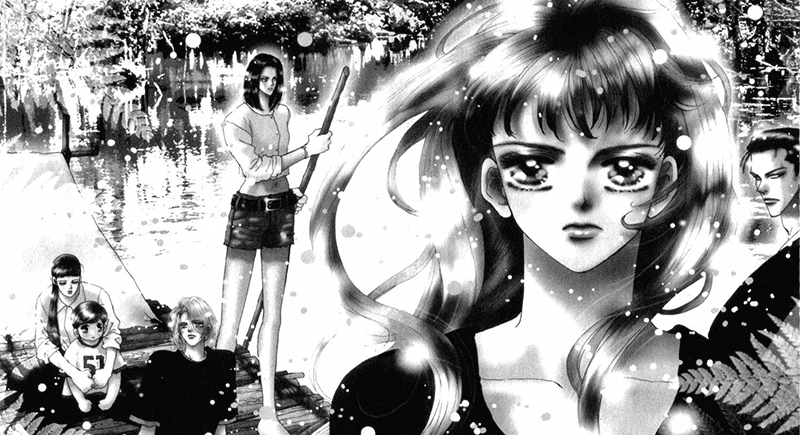
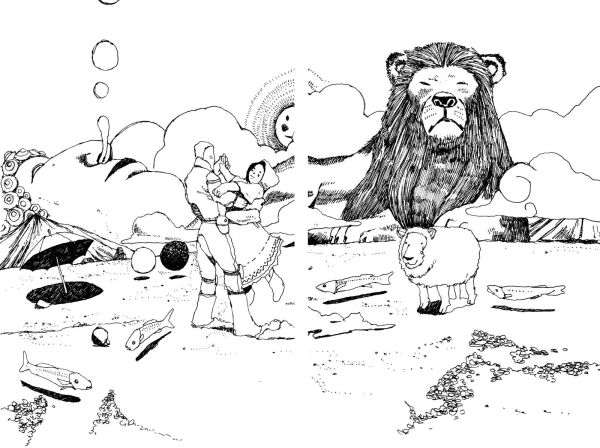
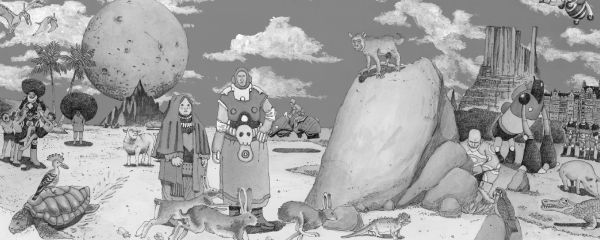
© Yoshihiro Togashi – Yu Yu Hakusho, Keisuke Itagaki – Grappler Baki, Akira Toriyama – Dragon Ball

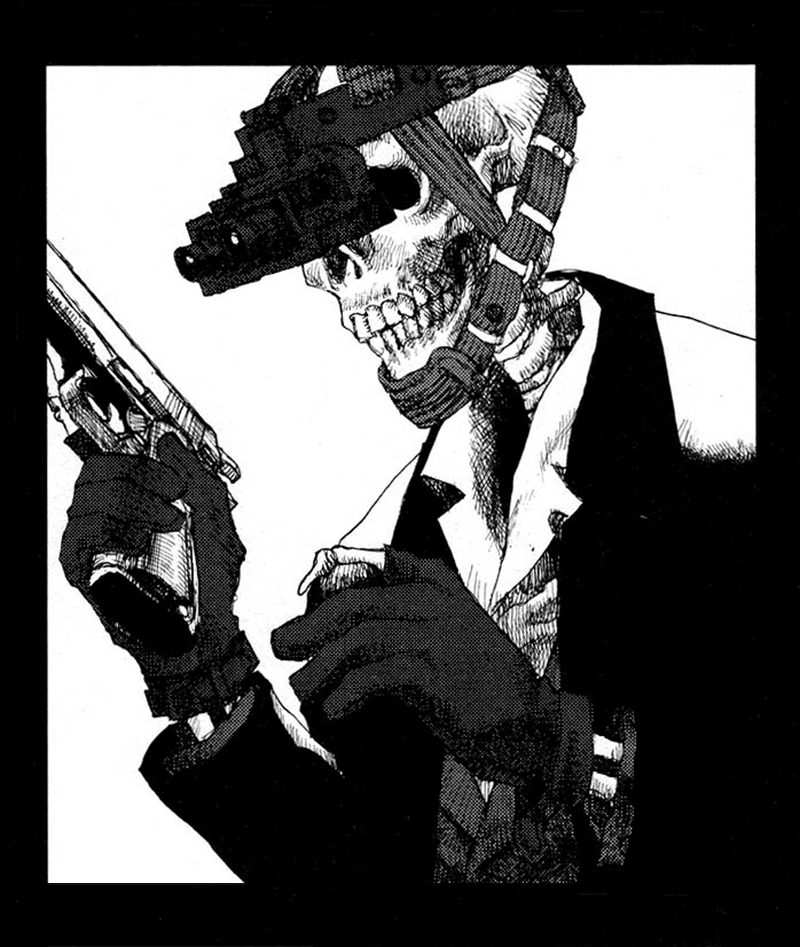
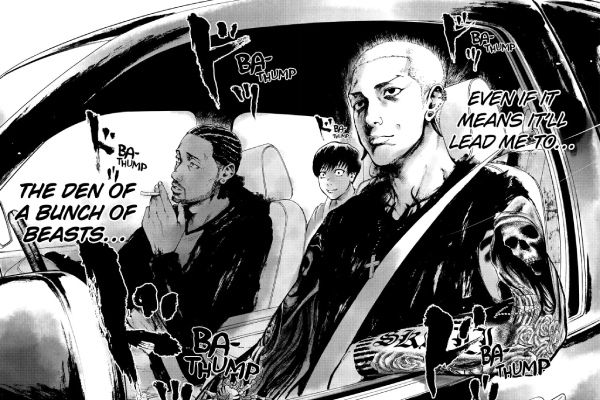
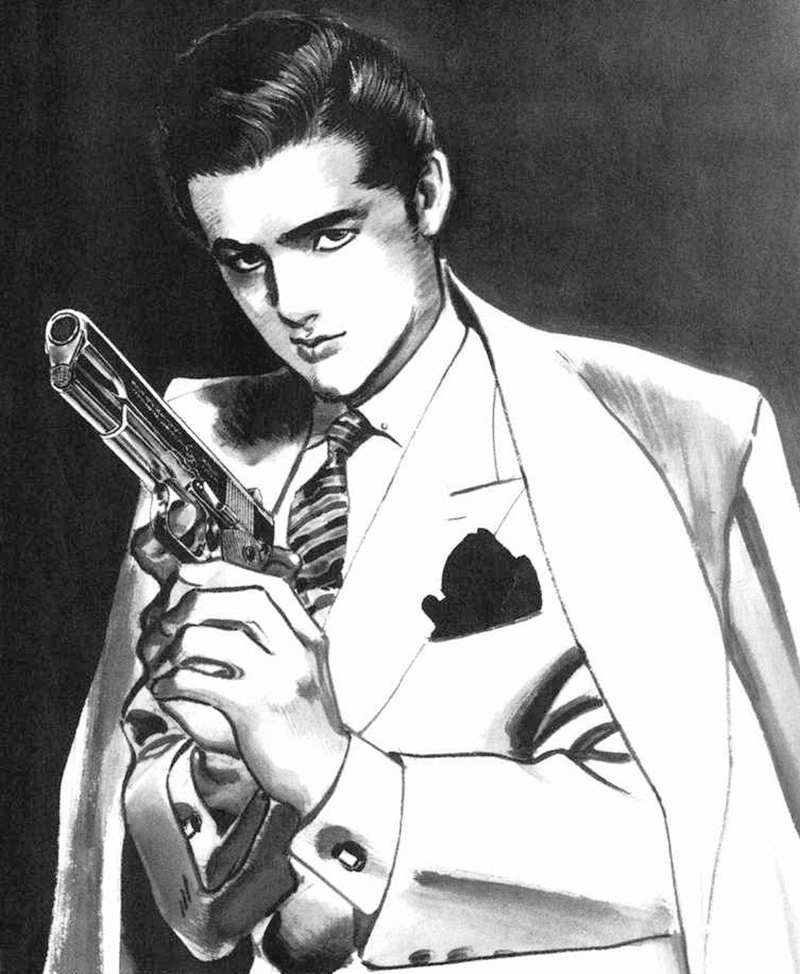
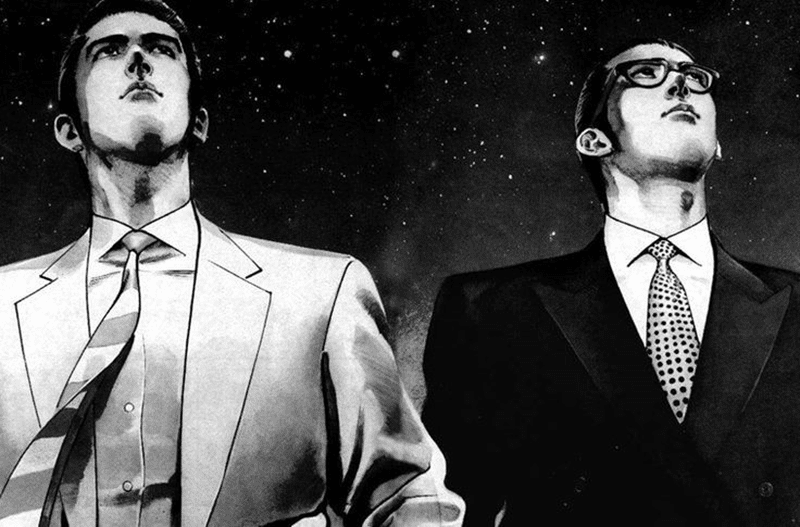
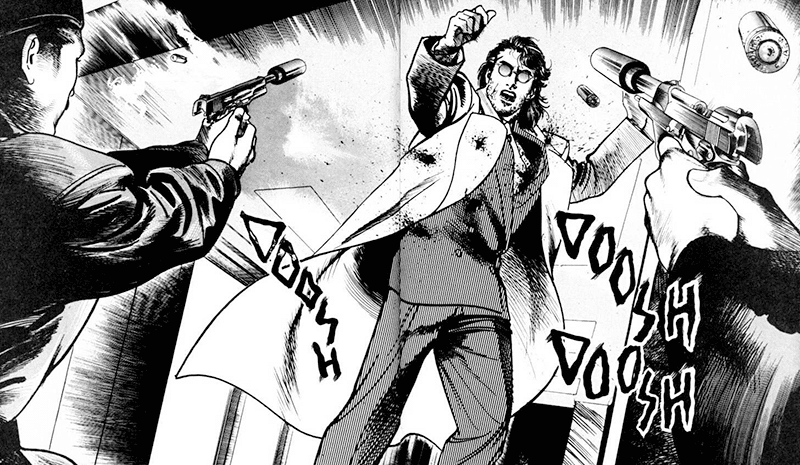
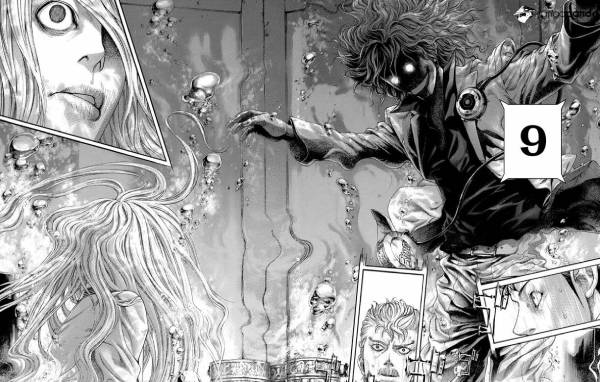
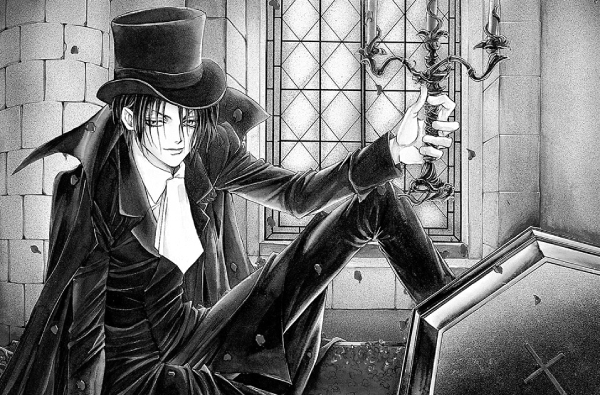
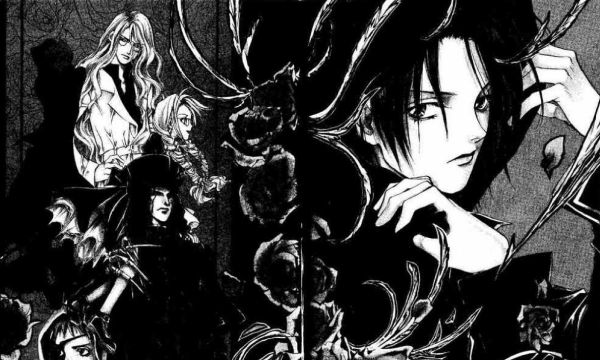
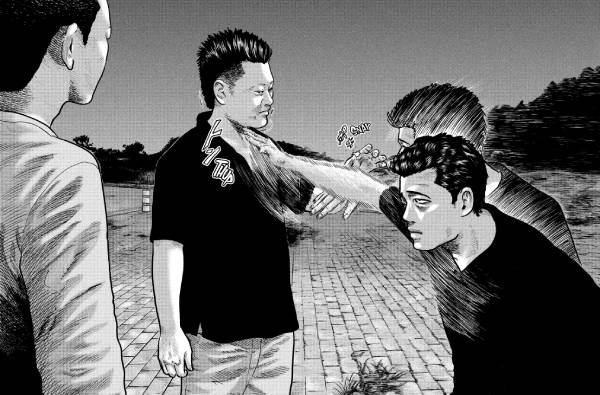
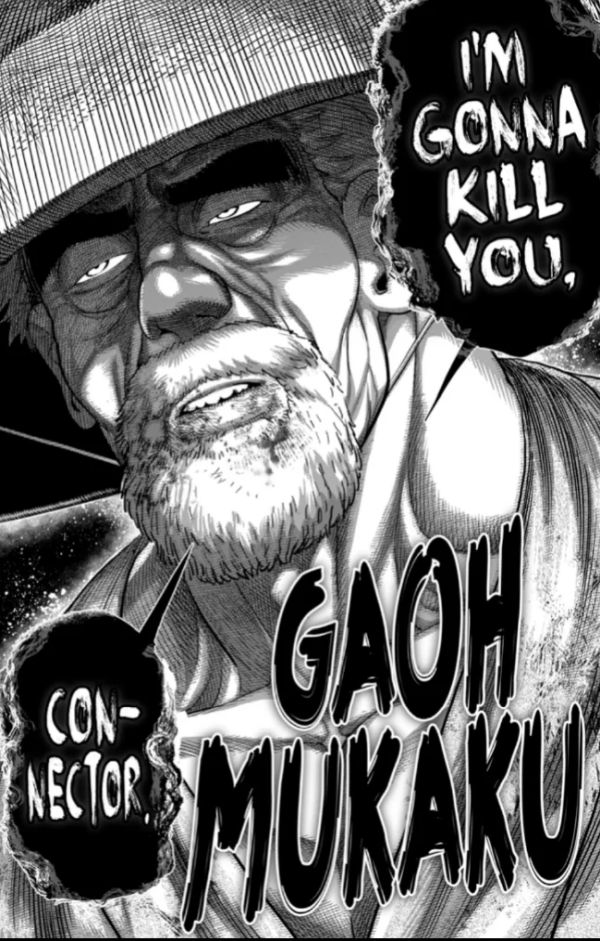
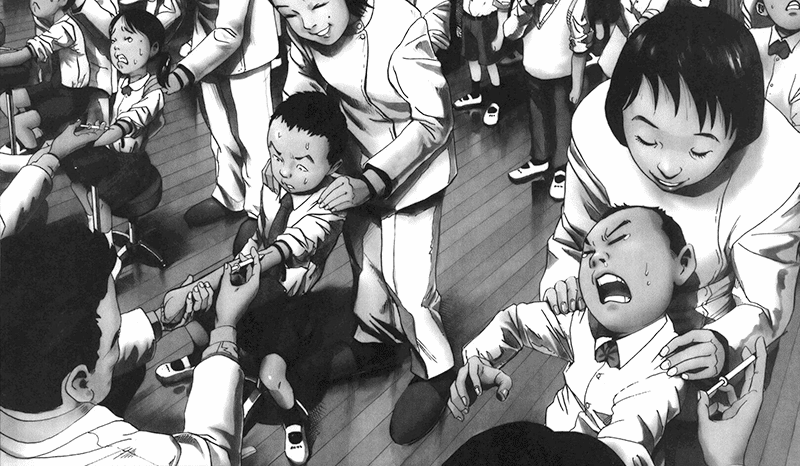
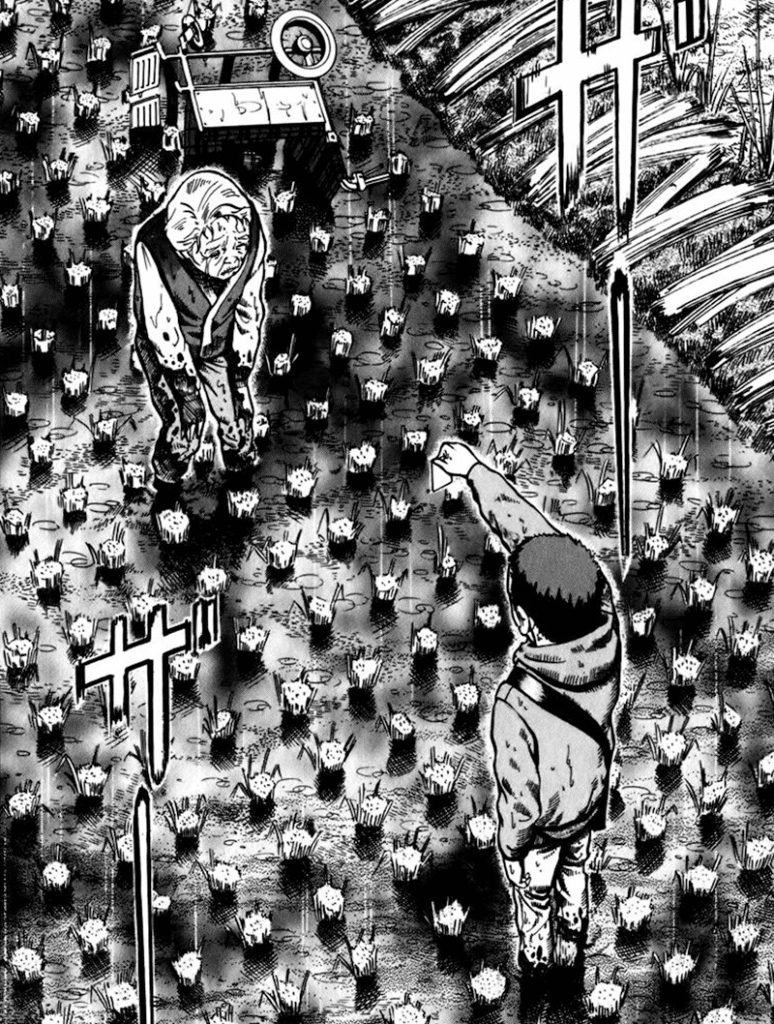
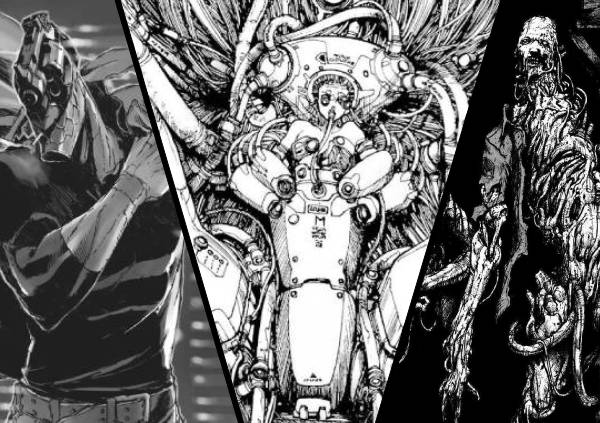
Kengan Ashura and Record of Ragnarok are the purest form of fight-driven storytelling, where the plot exists solely to move to the next clash. Biomega delivers a different kind of action that’s fast, brutal, and apocalyptic in the way it escalates. JoJo’s Bizarre Adventure: Part 7 – Steel Ball Run mixes bizarre adventure energy with constant Stand battles and creative matchups. And then you have brawler series like Crows and Holyland, which strip everything down to raw street violence and the psychology behind winning fights.

That also means I’m not ranking these purely on popularity. I’m not the biggest fan of traditional shonen, so a few iconic titles might land lower than you expect, even if they’re cornerstones of the genre.

Mild spoiler warning: I’ll keep things mostly general, but some plot details may be necessary to explain what makes a series worth reading.

Enjoying the content? If you’d like to support my work, consider signing up for my weird fiction newsletter.
* indicates required

With that said, here are the best action manga (last updated: March 2026).

29. Demon Slayer

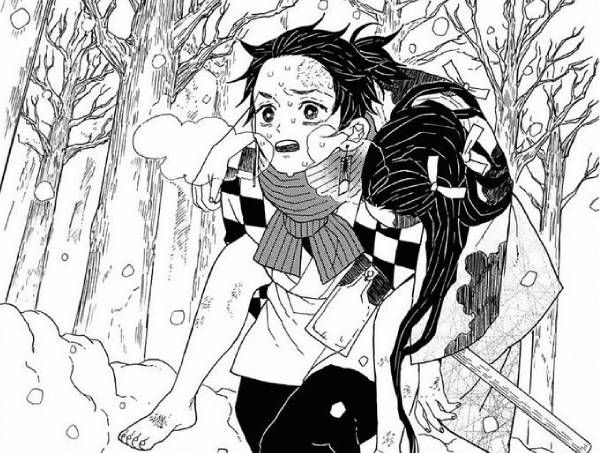
Manga by Koyoharu Gotouge - Demon Slayer Picture 1
© Koyoharu Gotouge – Demon Slayer

Demon Slayer is the kind of action manga that completely understands what readers want. It’s fast, clean, and emotionally direct, and built around a simple promise. Whenever the story slows down, it’s only because the next fight is about to hit even harder.

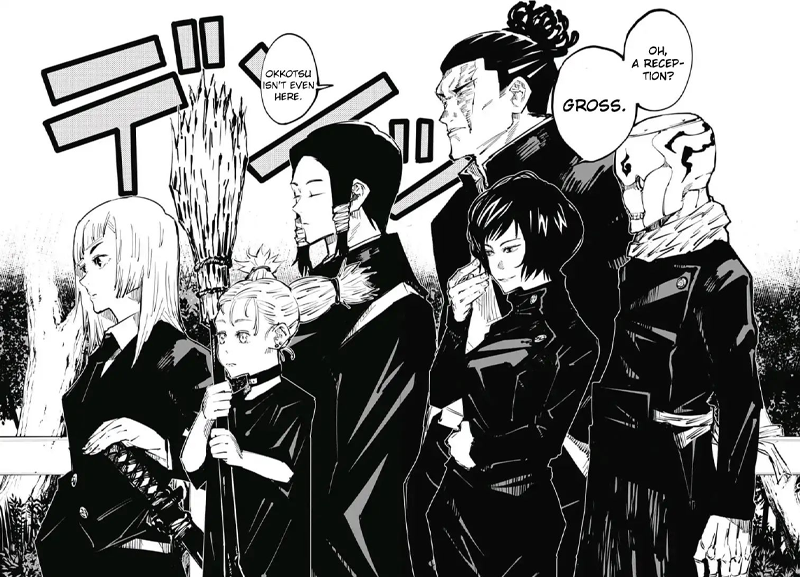
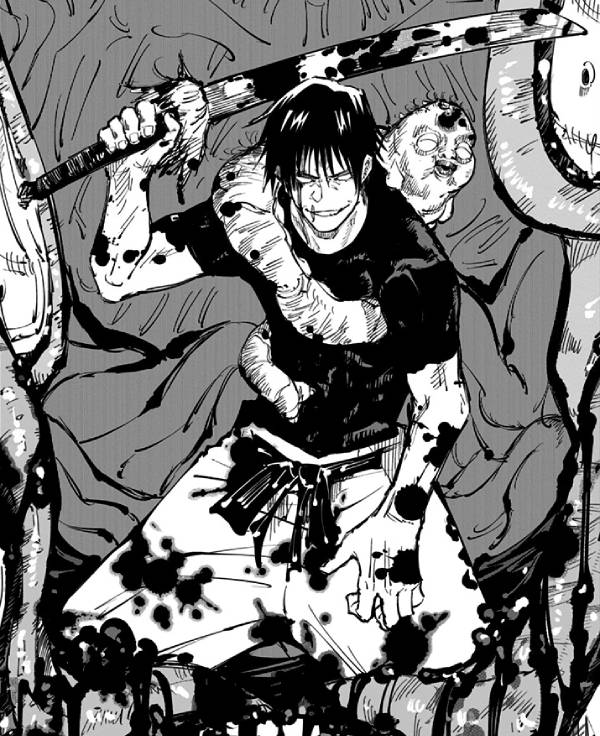
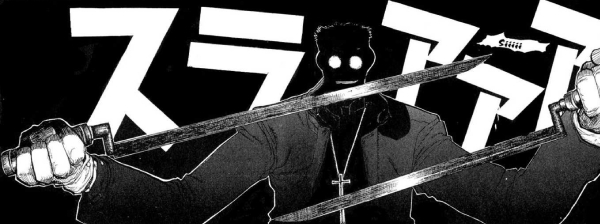
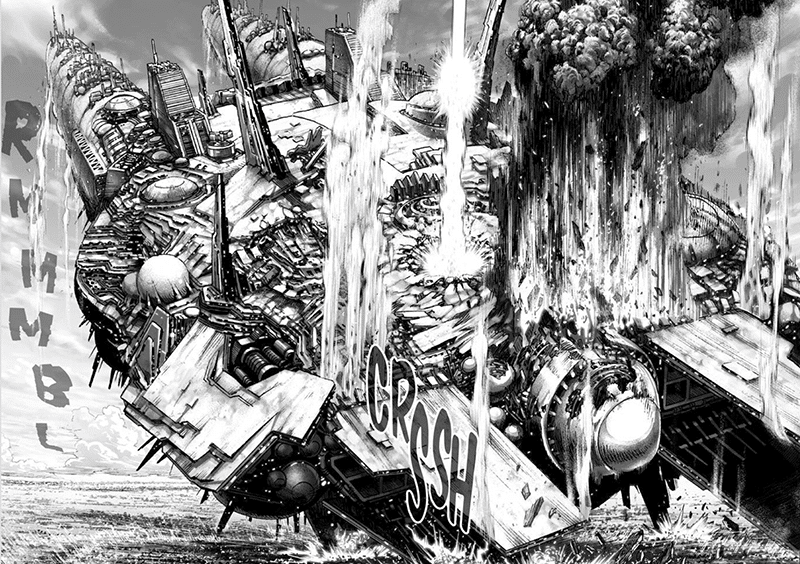
The setup is a classic shonen tragedy. Tanjiro’s life is destroyed overnight. His sister becomes something he can’t save and can’t abandon, and the road forward turns into a chain of escalating battles against increasingly dangerous demons. It’s familiar on paper, but the execution is sharp. The series never gets lost in its own mythology, and it doesn’t drown the reader in exposition dumps. Everything exists to keep the story moving forward and the combat escalating.

Manga by Koyoharu Gotouge - Demon Slayer Picture 2
© Koyoharu Gotouge – Demon Slayer

The biggest reason Demon Slayer works is how much weight it gives its action. Fights are flashy and readable, but they also feel personal. Every major demon encounter comes with a sense of tragedy and consequence, and the series leans into that without turning every arc into melodrama. The Breath Styles give the combat a strong identity. Even in black-and-white, the swordsmanship feels vivid and distinct, with techniques that are easy to recognize and satisfying to watch evolve. It’s not just spectacle for its own sake. The battles have rhythm, pressure, and stakes that make each new opponent feel like a step up.

The one drawback is that Demon Slayer doesn’t reinvent much. You get the expected training beats, the power surges, the emotional flashbacks, and the ranked enemies. But that familiarity is also why it lands. It’s a series that does the fundamentals extremely well, with great pacing and a strong sense of payoff. It also knows when to end decisively without dragging itself into a bloated, overly complex endgame.

Demon Slayer is a polished, fight-driven shonen that delivers big battles with real emotional weight.

Genres: Action, Adventure, Fantasy, Supernatural

Status: Completed (Shonen)


28. Naruto

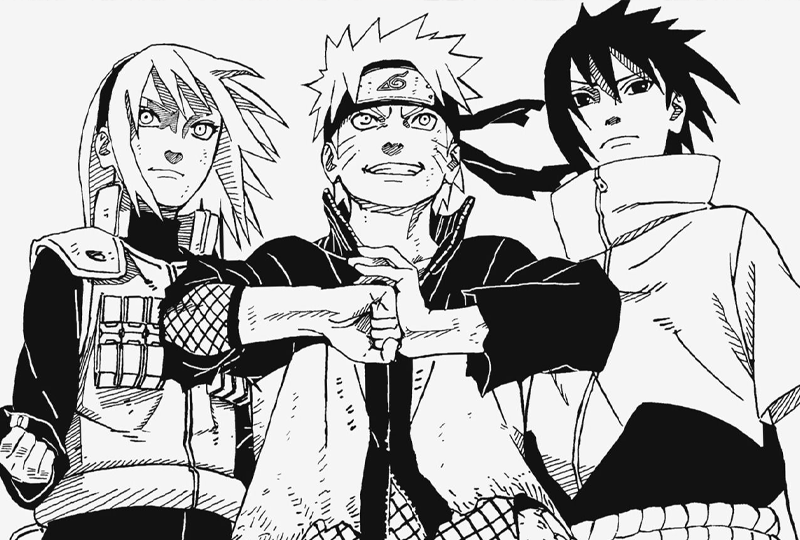
Manga by Masashi Kishimoto - Naruto Picture 1
© Masashi Kishimoto – Naruto

Naruto earns its reputation the same way the best action manga do: it hooks you quickly with fights that are smart, dangerous, and well-designed. At its peak, it’s a ninja story where every clash feels like a tactical problem, and the winners are the ones who adapt fastest, not the ones who are the strongest.

Naruto starts out as an outcast kid with something monstrous sealed inside him, before he gets thrown into the shinobi world with teammates, rivals, and an absurd amount to prove. From there, the series builds momentum through training arcs, missions that spiral into real danger, and a steady widening of the world beyond the Hidden Leaf Village. What makes it click, especially early on, is how grounded the combat feels. Hand signs, feints, and traps turn fights into tactical puzzles where one mistake can end everything.

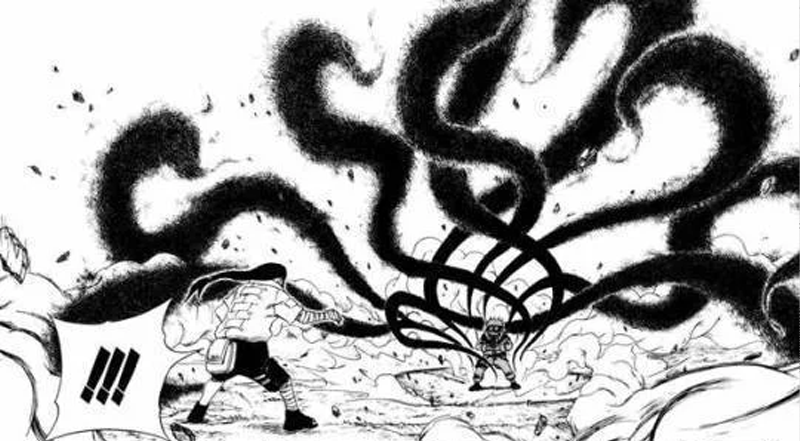
Manga by Masashi Kishimoto - Naruto Picture 4
© Masashi Kishimoto – Naruto

That first half is where Naruto becomes a classic. Even today, the Chunin Exams are often cited as one of the best tournament arcs in manga, not just because of the format, but because almost every matchup reveals something new. It’s character development through combat, with tension that stays high and strategies that remain readable. The following invasion arc raises the stakes without losing the series’ tactical edge. The second half keeps the momentum going by introducing the Akatsuki, one of the most iconic villain groups in manga. Their presence alone elevates the series, because it forces fights to feel more lethal and unpredictable.

The downside is that Naruto gradually shifts away from its strengths. Later arcs get bloated, and the combat drifts toward god-tier spectacle. You still get standout moments, and the Pain arc is an easy example of Naruto going all out, but the story’s final stretch abandons the tight ninja logic that made the early fights so satisfying.

Even with an uneven second half, Naruto’s highs are undeniable. It’s an action manga built around tactics, rivalries, and iconic matchups, even if it lands lower here than its legacy suggests.

Genres: Action, Adventure, Fantasy

Status: Completed (Shonen)


27. Black Lagoon

Manga by Rei Hiroe - Black Lagoon Picture 1
© Rei Hiroe – Black Lagoon

I first ran into Black Lagoon through its anime adaptation back in the day, and it still holds up as one of the slickest all-guns-blazing action stories out there. Reading the manga later, though, hits differently. It’s the same world of mercenaries, criminals, and nonstop firefights, but you get more time with the characters and story arcs the anime never touched.

The premise follows Rokuro Okajima, a normal Japanese salaryman who gets dragged into the criminal underworld. After being kidnapped by the Lagoon Company, he’s abandoned by the people who were supposed to protect him. Instead of escaping, he stays, and that decision becomes the series’ driving force. Rock is completely out of his depth physically, but he adapts fast in every other way. He becomes the guy trying to impose logic and restraint on a crew that lives by violence, profit, and impulse.

Manga by Rei Hiroe - Black Lagoon Picture 2
© Rei Hiroe – Black Lagoon

As fights-first action manga go, Black Lagoon is pure gunplay. The series runs on deals that go bad, rival crews colliding, and sudden bursts of violence that turn conversations into chaos. The action has that Hong Kong crime-movie rhythm: sharp movements, constant tension, and shootouts that feel loud even on a silent page. Revy is the obvious centerpiece, not just because she’s a walking disaster with perfect aim, but because the series uses her as a threat the moment a situation shifts. When she decides the talking is over, it’s over.

What makes the manga worth reading, even if you’ve seen the anime, is the extra texture. Rock’s development comes through more clearly, character dynamics get more room to breathe, and the later material explores different tones and versions for certain major events. The manga has also had long pauses over the years, so it reads best as an ongoing series rather than something with a clean ending.

Black Lagoon stands out for its stylish gunfights, a cast that feels dangerous and alive, and action that never lets up.

Genres: Action, Crime, Thriller

Status: Ongoing (Seinen)


26. Bleach

Manga by Tite Kubo - Bleach Picture 1
© Tite Kubo – Bleach

If there’s one manga that lives on pure style, it’s Bleach. It’s a pillar of modern shonen because of its iconic character designs, dramatic reveals, and fights that exist to be remembered.

The premise introduces us to Ichigo Kurosaki, a teenager who gets dragged into the world of Soul Reapers after a chance encounter. From there, his life becomes a cycle of supernatural threats, high-stakes battles, and rival factions with their own agendas. Bleach doesn’t waste time trying to justify itself with realism. It leans into operatic stakes and clean power escalation, and it uses that structure to keep the story moving from one major showdown to the next.

What makes the series stand out is how much personality it packs into combat. Tite Kubo’s art is effortlessly stylish, with sharp silhouettes, expressive paneling, and a sense of swagger that turns even simple standoffs into hype moments. And then there’s the single word that every manga fan recognizes instantly: Bankai. Bleach understands the thrill of transformations and builds its biggest fights around that payoff. The battles feel like theatrical events, with matchups designed to show off new abilities, brutal finishing moves, and power gaps that force characters to evolve or get crushed.

Manga by Tite Kubo - Bleach Picture 2
© Tite Kubo – Bleach

The cast is fun and easy to get invested in, even if some characters are more iconic than deeply written. Bleach’s biggest issue is arc structure. It can get repetitive, with long stretches that follow a familiar pattern of invasion, matchups, power-ups, and bigger enemies waiting. Soul Society is still the high point for a reason, although it, too, suffers from typical shonen training syndrome.

Still, when Bleach is good, it’s pure adrenaline. The antagonists help a lot, too. Aizen is one of shonen’s best villains, and characters like Ulquiorra and Grimmjow give the series some of its most memorable battles. If you want an action manga driven by stylish fights and relentless escalation, Bleach delivers.

Genres: Action, Adventure, Supernatural

Status: Completed (Shonen)


25. Rosen Garten Saga

Manga by Sakimori Fuji, Bakotsu Tonooka - Rosen Garten Saga Picture 1
© Sakimori Fuji, Bakotsu Tonooka – Rosen Garten Saga

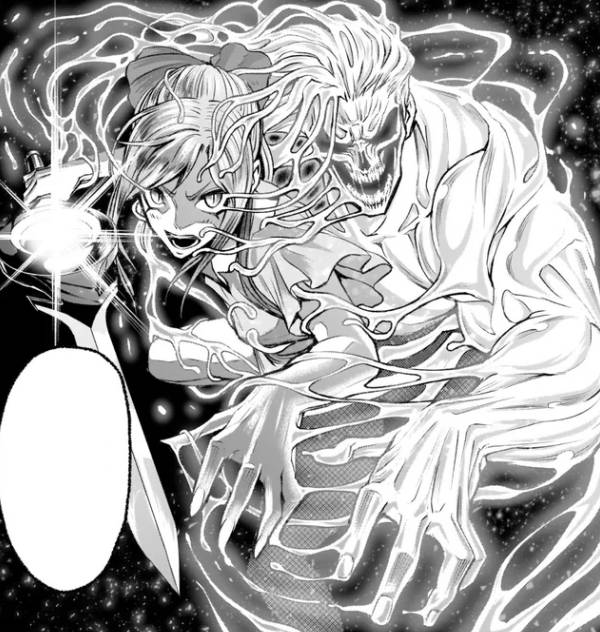
A retelling of the Nibelungenlied as a tournament action manga sounds like a fantastic idea, and Rosen Garten Saga does exactly that and a whole lot more. It takes the basic hook of legendary figures clashing in brutal matchups, then gleefully turns the whole thing into a hentai-adjacent sex comedy that’s so shameless and chaotic you almost can’t believe it exists in serialized form.

On paper, the premise is simple. Rin enters a battle-heavy story fueled by duels, rivalries, and escalating opponents, all while wielding a sword tied to the legendary hero Siegfried. Around her, the cast pulls from myth and folklore, but there’s a catch. These aren’t noble icons facing each other with honor and dignity. They’re degenerate caricatures built around outrageous impulses, warped identities, and the kind of unfiltered comedy that treats good taste like an afterthought. Characters will pause mid-fight to deliver dramatic speeches, but instead of friendship and resolve, it’s all about lust, fetish obsession, and whatever unhinged preference drives them.

Manga by Sakimori Fuji, Bakotsu Tonooka - Rosen Garten Saga Picture 2
© Sakimori Fuji, Bakotsu Tonooka – Rosen Garten Saga

The wild part is that it all works. Rosen Garten Saga commits so hard to its own stupidity that the absurdity becomes the appeal. It’s a parody of battle manga tropes that never feels lazy, because the author still understands pacing, matchups, and escalation. Each chapter pushes the insanity further. Fights, politics, and character relationships all function by the same depraved logic. It’s grotesque, proudly offensive, and often genuinely funny, but it’s also the most explicit title on this list, with content that many readers will bounce off immediately.

What makes it even more ridiculous is how good it looks. The art is clean, energetic, and far more polished than it has any right to be, and the choreography is sharp, even when the combat is fueled by pure degeneracy. If you can handle extreme, taboo humor and want an action manga that feels like a train wreck you can’t stop reading, Rosen Garten Saga is unforgettable.

Genres: Action, Adventure, Comedy, Fantasy, Erotica

Status: Ongoing (Seinen)


24. Record of Ragnarok

Manga by Shinya Umemura, Takumi Fukui, Ajichika - Record of Ragnarok Picture 1
© Shinya Umemura, Takumi Fukui, Ajichika – Record of Ragnarok

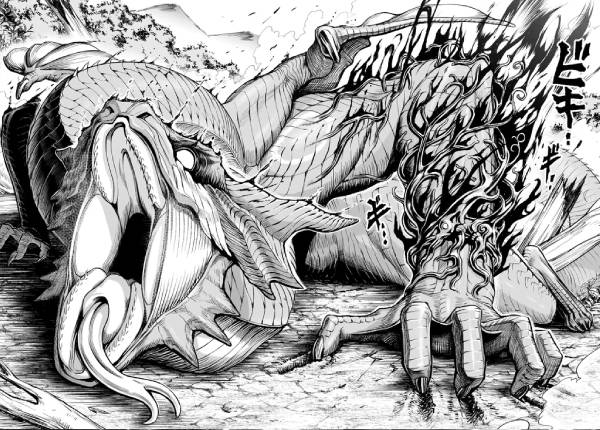
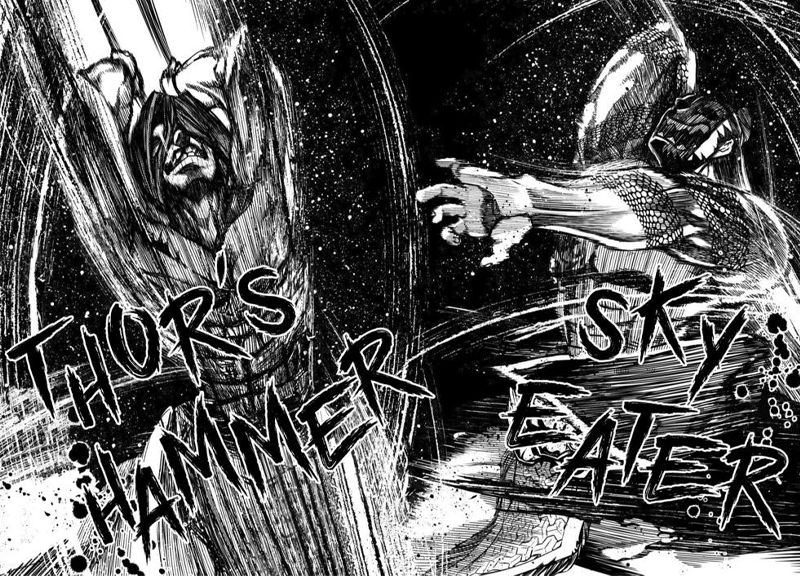
Record of Ragnarok is the purest kind of fights-first action manga. It doesn’t pretend the plot is the main attraction, because the whole premise exists for one reason: to throw gods and humans into a one-on-one tournament and let the strongest fighter win. The setup is simple in the best way possible. The gods vote to wipe out mankind, but are interrupted by the Valkyrie Brunhilde, who calls for Ragnarok, a 13-round deathmatch. From there, it’s all matchups, entrances, and escalation. Each round is designed like a headline fight. You get two larger-than-life combatants, a clear theme for the clash, and the crowd losing their minds every time the tide turns. It’s dumb in the most satisfying way, because it knows the reader is here for the spectacle.

The fights are the real hook, and for a series about humans facing deities, they’re surprisingly physical. Many battles feel like brawls, weapon duels, and brute-force contests where damage matters and momentum swings hard. The art sells it, too. Characters look absurdly cool, and the manga loves big reaction panels and dramatic impact shots that make each technique feel like an event.

Manga by Shinya Umemura, Takumi Fukui, Ajichika - Record of Ragnarok Picture 2
© Shinya Umemura, Takumi Fukui, Ajichika – Record of Ragnarok

The biggest drawback is also part of the formula. Fights regularly stop so the series can drop backstories mid-round, and their quality is inconsistent. Some flashbacks add real weight and make the matchup hit harder, but others drag, interrupt the flow, and overshadow the combat. The series often takes liberties with historical and mythological portrayals, which can either be fun or frustrating depending on the character.

When a round clicks, it’s pure hype. If you want a tournament series where the story exists solely to set up the next fight, Record of Ragnarok is one of the most addictive reads in the genre.

Genres: Action, Fantasy, Supernatural

Status: Ongoing (Seinen)


23. Majo Taisen

Manga by Makoto Shiozuka, Homura Kawamoto - Majo Taisen Picture 1
© Makoto Shiozuka, Homura Kawamoto – Majo Taisen

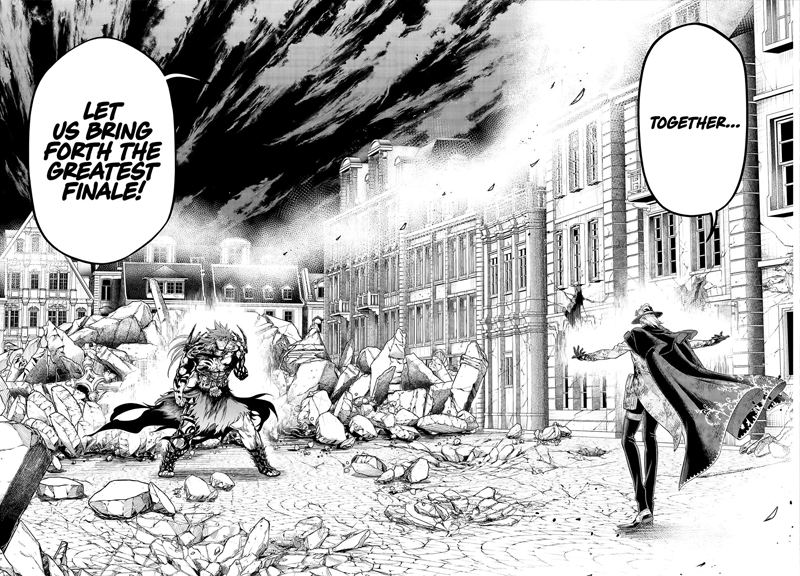
Majo Taisen follows the tradition of Record of Ragnarok almost beat by beat. It’s a tournament battle manga that throws famous women from history into a brutal one-on-one death bracket, then builds the entire series around flashy powers, dramatic entrances, and constant momentum.

The hook drops Joan of Arc into Walpurgis Night, where 32 witches fight until only one survives and earns her wish. From there, the series doesn’t waste time pretending it’s something deeper than it is. The tournament exists to create matchups, and each matchup exists to show off a new fighter’s personality and combat style. If you like action manga that stay focused on fights, Majo Taisen does exactly that.

The biggest difference from Record of Ragnarok is how it handles power. Where Ragnarok leans into brawls and weapon clashes, Majo Taisen goes heavier on magical abilities and spectacle. Each witch has a unique power tied loosely to her identity, and the best fights feature counters, sudden reveals, and momentum swings that keep the duel from turning into straight slugfests. It doesn’t reinvent the formula, but the matchups are engaging enough that the series stays hard to put down.

Manga by Makoto Shiozuka, Homura Kawamoto - Majo Taisen Picture 2
© Makoto Shiozuka, Homura Kawamoto – Majo Taisen

The art helps a lot, at least when it comes to character design and action panels. Nearly every fighter is drawn to look striking, intimidating, or outright gorgeous, which is fun but also makes the historical angle feel more like an aesthetic than a real foundation. Certain poses and angles also lean into fanservice territory. It’s not explicit, but it can get distracting. Backgrounds are another weak spot. Almost all fights take place in the same empty arena, which can be a bit of a letdown.

Characters can be a mixed bag. While some like Marie Antoinette and Mata Hari stand out, others can be forgettable. There are also hints at something bigger going on behind the tournament, which keeps things interesting.

Majo Taisen is an easy pick if you want bracket escalation and stylish, magic-based duels.

Genres: Action, Fantasy, Supernatural

Status: Ongoing (Seinen)


22. Holyland

Manga by Kouji Mori - Holyland 1
© Kouji Mori – Holyland

Holyland is what action manga looks like when it strips away the spectacle and treats every fight realistically. It’s raw, grounded, and uncomfortable in the best way, because the violence here isn’t heroic. It’s survival, pride, fear, and desperation colliding in dark alleyways.

Yuu Kamishiro isn’t a prodigy or a born fighter. He’s a lonely teenager who gets pushed around at school and doesn’t know where he belongs. What makes Holyland so compelling is how simple the starting point is. Yuu doesn’t get strong overnight or discover some hidden talent. He takes a single boxing punch and trains it obsessively, then tests himself on the streets at night. From there, the series builds its combat loop naturally. One fight leads to another, reputation spreads, and eventually Yuu becomes a magnet for other fighters who live on the edge of society. The streets become his holy land, the only place where he feels he exists for a reason.

Manga by Kouji Mori - Holyland 3
© Kouji Mori – Holyland

The action is brutally believable. Holyland doesn’t glamorize fighting, but it also doesn’t hold back from showing why it’s compelling. Every matchup has weight because the techniques are real and the outcomes are plausible. You get punches that land with ugly impact, grappling that turns fights into panicked scrambles, and victories that leave noticeable damage behind. It also does something rare for a fights-first series: opponents feel like real people. Characters like Masaki Izawa and Shougo Midorikawa are fully realized, with their own insecurities, limits, and reasons for throwing themselves into violence.

If there’s one downside, it’s that the manga can get a little too technical. The frequent explanations of form, distance, and mechanics occasionally interrupt the flow. The story leans heavily into character psychology, so it isn’t pure nonstop combat in the way something like Kengan Ashura or Grappler Baki are. But the fights are still the core of the series, and the realism makes every clash feel tense in a way most action manga never manage.

Holyland makes street fights feel authentic, tactical, and emotionally loaded.

Genres: Action, Martial Arts, Drama

Status: Completed (Seinen)


21. Crows

Manga by Hiroshi Takahashi - Crows 1
© Hiroshi Takahashi – Crows

If there’s one series that lives purely on street brawls, it’s Crows. It’s not interested in formal schools or flashy techniques. Instead, it treats fighting like a social language, where reputation is everything and dominance is decided the only way delinquents care about: by throwing hands until someone can’t get up anymore.

The story drops you into Suzuran High, a school infamous for producing the worst troublemakers around and never crowning a single leader. Harumichi Bouya transfers in with the goal of doing the unthinkable: taking over. That ambition becomes the story’s driving force. Suzuran is its own ecosystem. There are rival cliques, shifting alliances, and long grudges. Bouya’s arrival throws the whole thing into chaos. Every new relationship feels like it could turn into a fight, and every fight feels like it changes the hierarchy.

Manga by Hiroshi Takahashi - Crows 3
© Hiroshi Takahashi – Crows

What makes Crows work as an action manga is its simplicity. There are no complicated side plots and no needless melodrama. The plot revolves around fighting. Conflicts escalate naturally, from individual brawls to street wars involving entire crews, and the manga never loses that sense of momentum. The action itself is better than you might expect from an older series. Even without named techniques, you can feel the difference between someone who’s just posturing and someone who can actually fight. Positioning, timing, and toughness matter. The best fighters aren’t simply strong. They’re the ones who stay calm in chaos and know how to break an opponent’s rhythm.

Crows might be a violent series, but it’s also funny and weirdly lighthearted. There’s a sense of camaraderie behind all the bruises, and the series has a surprising amount of heart for a manga built on public beatdowns. Fights also never feel anonymous because the cast is large and full of memorable faces. Bouya stands out for his unwavering optimism and charisma.

The art is rough in that early 1990s way, and the world runs on delinquent logic where adults barely exist, but that’s all part of the manga’s charm. Crows is full of high-energy fights and a surprising amount of personality.

Genres: Action, Drama

Status: Completed (Shonen)


20. Yu Yu Hakusho

Manga by Yoshihiro Togashi - Yu Yu Hakusho Picture 1
© Yoshihiro Togashi – Yu Yu Hakusho

Yu Yu Hakusho is one of the most popular shonen action manga of the 1990s, and it still holds up surprisingly well if you want fights with personality and momentum. Written before Hunter x Hunter, you can already see the foundation of what Togashi would perfect later, just delivered in a simpler, faster package.

The series opens with Yusuke Urameshi. When he dies saving a kid, he’s revived as a Spirit Detective and tasked with investigating paranormal crimes. Early on, the structure leans episodic, with demons, hauntings, and other strange cases. But it doesn’t stay that way for long. Yu Yu Hakusho quickly finds its real identity once it shifts into escalating battles, rival figures, and larger conflicts tied to the demon world. What makes it feel distinct compared to other shonen of its era is the tone. This isn’t just another martial arts series. It’s occult, mythic, and psychic, featuring demons and spiritual energy, giving it a darker edge than the more straightforward adventure tone you see in many classics.

Manga by Yoshihiro Togashi - Yu Yu Hakusho Picture 2
© Yoshihiro Togashi – Yu Yu Hakusho

The cast is a big part of what makes the series so memorable and the fights so good. Yusuke is that perfect mix of attitude and heart, and his dynamic with Kuwabara adds warmth and comedy without undercutting the stakes. Kurama and Hiei are still iconic and help keep the matchups varied, since their fighting styles are so different from Yusuke’s brute-force approach.

Yu Yu Hakusho is most famous for its Dark Tournament arc, which is still widely cited as one of the greatest tournament arcs in manga. It has nonstop matchups, great pacing, and memorable villains, with Toguro standing out as a genuinely intimidating antagonist.

The series isn’t perfect, though. The art can look dated, and the early stretch takes a while before it settles into its rhythm. But once the core cast is assembled and the fights become meaningful, it’s hard to stop reading.

If you want an action manga full of supernatural fights, a lovable cast, and one of the genre’s best tournament arcs, Yu Yu Hakusho is an easy recommendation.

Genres: Action, Supernatural

Status: Completed (Shonen)


19. Gamaran

Manga by Nakamaru Yousuke - Gamaran Picture 1
© Nakamaru Yousuke – Gamaran

Gamaran is a samurai manga that runs purely on battles. It doesn’t feature deep political drama or sweeping historical commentary. It’s here to do one thing: deliver duel after duel with fighters who live and die by the blade.

The setup is a classic tournament structure with an Edo-era flavor. A powerful lord declares a competition to decide the future of his domain, and each of his sons sets out to secure a champion strong enough to survive the tournament. When Naoyoshi Washitsu goes looking for a famous swordsman, he ends up recruiting the swordsman’s son, Gama, a young prodigy who feels made for that kind of story. From there, the manga shifts right into the action. Gama faces opponent after opponent, each tied to a distinct weapon, style, and mindset, and the series keeps raising the difficulty until every duel feels like it could end in a single mistake.

What makes Gamaran stand out is how dedicated it is to combat craft. It introduces a huge range of fighters, and it gives each of them an identity that shows up directly in their fighting style. You get different schools of swordsmanship, unusual weapons, brutal close-quarters styles, and matchups designed to force Gama to adapt rather than simply overpower his opponents. The series also explains its combat ideas just enough to make the fights feel grounded, but it rarely slows down with lengthy lectures. The pacing stays aggressive, and the action never feels like filler.

Manga by Nakamaru Yousuke - Gamaran Picture 3
© Nakamaru Yousuke – Gamaran

Gamaran’s art leans toward clarity and impact rather than flashy spectacle. Duels have a tactile weight that makes them feel dangerous. The choreography is crisp, and the movements are easy to read. Even when the series gets more exaggerated, the consequences remain the same. Fighters bleed, stumble, and lose limbs when they misjudge an exchange. That tension gives Gamaran a constant edge. The reader understands that one wrong step could end it all.

The main weakness is the story’s simplicity apart from combat progression. Character development is minimal, and what plot there is serves only as an excuse for the next duel. For a fights-first manga like this, though, that simplicity is a strength. Gamaran is pure samurai action, full of nonstop duels and a tournament structure that never lets up.

Genres: Action, Adventure

Status: Completed (Shonen)


18. Tenkaichi

Manga by Yousuke Nakamaru, Kyoutarou Azuma - Tenkaichi Picture 1
© Yousuke Nakamaru, Kyoutarou Azuma – Tenkaichi

Similar to Gamaran, Tenkaichi is a tournament manga centered on samurai swordfighting. Gamaran focuses on grounded technique and discipline. Tenkaichi goes completely insane. This is samurai action turned into myth, an alternate history tournament where Japan’s deadliest legends clash like demigods, and every duel is designed to escalate into something outrageous.

After Oda Nobunaga unifies Japan, he knows his end is approaching and decides to settle succession through a death tournament. Sixteen champions are chosen, and the winner’s master earns the right to rule. From that point on, Tenkaichi doesn’t waste time. It dives right into the matchups. Each fight is built around spectacle, personality, and the thrill of watching two wildly different combat styles collide.

The cast is a huge part of the appeal. Tenkaichi pulls from real Japanese history and legend, then twists them into larger-than-life monsters. Names like Musashi and Kojirō carry instant weight, but the manga doesn’t rely on accuracy or reverence. It imagines everyone as a stylized version of their myth, with fighting styles and designs that feel more like a fever dream than real history. That approach makes every round feel unpredictable, because you’re watching legends unleashed.

Manga by Yousuke Nakamaru, Kyoutarou Azuma - Tenkaichi Picture 2
© Yousuke Nakamaru, Kyoutarou Azuma – Tenkaichi

The art is where Tenkaichi truly shines. It’s muscular, violent, and ridiculously dynamic, with heavy impacts, brutal wounds, and the kind of paneling that makes every swing carry enormous weight. The fights build toward crescendos that feel almost theatrical, with perfectly timed reversals and finishing sequences that sell the tournament’s life-or-death stakes. It’s one of those series where you can tell the author is obsessed with making every duel memorable.

If there’s one downside, it’s that the story is almost entirely built to serve the tournament. You won’t get deep character drama beyond ego, ambition, and obsession with victory. But that’s also why it belongs on an action manga list. Tenkaichi exists for the thrill of combat, and it delivers with an absurd amount of polish.

Genres: Action, Historical, Martial Arts

Status: Ongoing (Seinen)


17. Jujutsu Kaisen

Manga by Gege Akutami - Jujutsu Kaisen Picture 1
© Gege Akutami – Jujutsu Kaisen

Jujutsu Kaisen is one of the most popular action manga in recent years, and it earns that status by feeling sharp and brutal. It takes a familiar setup but injects it with modern pacing, nasty horror, and fights that hit hard and fast.

We’re introduced to a world of curses, beings born from negative emotions, and sorcerers who exist to exorcise them. Yuuji Itadori ends up becoming the vessel for the legendary curse Sukuna after making one impulsive decision. Instead of focusing on exposition, the series throws Yuuji directly into a world of lethal training, power struggles, and fights where the wrong matchup means death. That structure keeps everything moving. Jujutsu Kaisen rarely feels like it’s wasting time on the way to the next clash.

Where the manga shines is combat design. The cursed techniques are creative, the matchups varied, and the series makes fights tactical without turning them into dry lectures. Domain Expansions are the obvious highlight because they function like ultimate moves with genuine presence. Whenever a domain hits the page, it feels like the rules of the fight have just changed completely. The art is clean, aggressive, and fantastic at selling motion, impact, and sudden violence.

Manga by Gege Akutami - Jujutsu Kaisen Picture 4
© Gege Akutami – Jujutsu Kaisen

The downside is that the power system can get a bit too dense once the series pushes past its strongest stretch. After the Shibuya Incident, the techniques and mechanics become more complicated, and you start running into heavier exposition that can stall momentum. The finale also turns more repetitive than it should, with Sukuna spending long stretches fighting nearly everyone, and it’s clear he’s the author’s favorite character.

Jujutsu Kaisen is one of the defining modern battle series. The early arcs are tense and stylish, the cast is memorable, and the fights deliver some of the strongest supernatural action of its era. It stands out for its combination of unsettling horror imagery and high-speed combat, and constant escalation.

Genres: Action, Supernatural, Horror, Fantasy

Status: Completed (Shonen)


16. Hellsing

Manga by Kouta Hirano - Hellsing Picture 1
© Kouta Hirano – Hellsing

Hellsing might be one of the most popular action manga of all time, helped massively by its iconic anime adaptations and cult reputation. Even today, the manga hits hard because of its pure supernatural carnage and zero interest in restraint. If you want stylish violence, grotesque monsters, and a protagonist who treats every fight like an execution, this is one of the best action rides in manga.

We’re introduced to the Hellsing Organization, which protects Britain from undead threats. Their ultimate weapon is Alucard, an immortal vampire unleashed whenever the situation turns ugly. Alongside Integra Hellsing and the newly turned Seras Victoria, he tears through rival vampires, ghouls, and religious fanatics as if it were routine. The scale escalates fast, especially once Millennium enters, a Nazi vampire army engineered for war and chaos.

Hellsing’s biggest strength is tone. This isn’t slow-burn vampire horror or elegant gothic tragedy. It’s grindhouse insanity with apocalyptic stakes, where every character feels like an exaggerated archetype. Alucard isn’t a brooding antihero. He’s a gleeful nightmare, the kind of monster who enjoys the hunt as much as the slaughter. Alexander Anderson is another standout, because the series understands just how much fun it is to watch two unstoppable forces collide in fights that keep escalating beyond any reasonable limit.

Manga by Kouta Hirano - Hellsing Picture 2
© Kouta Hirano – Hellsing

The action is relentless and feels like it’s lifted from an over-the-top action movie. It’s gunfire, blades, transformations, familiars, and copious amounts of gore. Hirano’s art style sells it all perfectly. Thick black shadows, sharp contrasts, and aggressive paneling give the violence real presence, and the series improves steadily as it goes on. Even when the fights become absurd, the impact feels heavy, and the momentum never drops.

Hellsing isn’t subtle, and it isn’t trying to be. It’s horror-tinged action built around monsters, bloodshed, and sheer swagger. If you want an action manga that delivers nonstop supernatural chaos with one of the most unstoppable characters ever drawn, Hellsing is an easy recommendation.

Genres: Action, Horror, Supernatural

Status: Completed (Seinen)


15. One Punch Man

Manga by Yusuke Murata and ONE - One Punch Man 1
© Yusuke Murata and ONE – One Punch Man

Few manga understand the thrill of action as well as One Punch Man, and fewer can make it this funny without undercutting the spectacle. It takes a single joke, a hero so strong he ends every fight instantly, and somehow turns it into a series that still delivers some of the most explosive action in modern manga.

Saitama is the perfect antihero for an action manga. He trains until he’s unbeatable, joins the Hero Association, and realizes his reward for becoming the strongest person alive is boredom. The series could’ve gotten stale fast if it stayed locked into that same punchline, but One Punch Man avoids that trap by shifting the weight onto its supporting cast. That’s where the fights really bloom. You’ll get entire arcs where Saitama barely matters until the final beat, while other heroes struggle, adapt, and push themselves to the limits against threats that feel genuinely overwhelming.

The action is the main reason One Punch Man ranks as high as it does. Yusuke Murata’s art is absurdly good, with monster designs that feel huge and violent, choreography that stays readable even at max speed, and spreads that are nothing short of breathtaking. It’s one of those rare series where even side characters get fights that feel cinematic. The Monster Association arc, in particular, turns into a sprawling chain of matchups, power reveals, and escalating chaos, and it’s hard not to respect how much effort goes into making every exchange look clean and impactful.

Manga by Yusuke Murata and ONE - One Punch Man 2
© Yusuke Murata and ONE – One Punch Man

Throughout the manga, the comedy still lands because it’s timed perfectly. Saitama’s deadpan reactions and casual attitude act as a punchline to the genre itself. You’ll watch other characters do the most dramatic, desperate, life-or-death combat imaginable, only for Saitama to arrive and end it as if it’s nothing. It’s a simple contrast, but it stays effective because the series commits fully to both halves. The fights are played straight, and that’s exactly why the jokes work.

The one downside is that Murata’s perfectionism can slow things down. Chapters get redrawn, arcs get reworked, and the release rhythm can feel messy at times. Even so, the wait time is often worth it, because One Punch Man is one of the strongest action manga currently running. It combines genuinely sharp comedy with insane spectacle.

Genres: Action, Comedy, Supernatural

Status: Ongoing (Seinen)


14. Battle Angel Alita

Manga by Yukito Kishiro - Battle Angel Alita Picture 3
© Yukito Kishiro – Battle Angel Alita

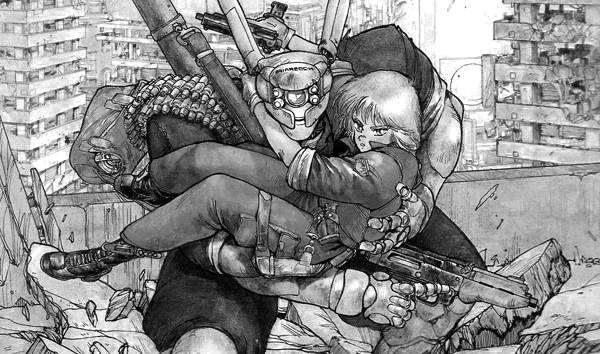
Cyberpunk manga are known for their dystopian worlds, where technology reshapes life into something colder and more brutal, but few of them commit to action like Battle Angel Alita does. This is a series that treats combat like a language. Fists, blades, and broken machinery do most of the talking, and the result is one of the most kinetic series in the genre.

The story begins in the Scrapyard, a junk city built beneath a shining utopia. Dr. Ido finds the remains of a cyborg girl in the trash, rebuilds her, and gives her a name: Alita. She wakes up with no memories, no past, and no idea what she’s capable of, but that innocence doesn’t last long. The Scrapyard is a place where everything has a price, and violence is the quickest way to learn the rules. Alita’s growth happens through constant conflict. Each opponent forces her to evolve, adapt, and become sharper than she was before.

Manga by Yukito Kishiro - Battle Angel Alita Picture 4
© Yukito Kishiro – Battle Angel Alita

What makes Alita stand out as an action manga is how physical and readable the fights feel. Kishiro’s combat has real weight. Bodies don’t just fly, they snap, crack, and come apart in ways that make upgrades matter. The series is full of opponents who look genuinely dangerous, and battles rarely feel like filler because the stakes are always personal, even when the world expands. Then you get the Motorball arc, which is still one of the best moments in any science-fiction manga. It’s speed, brutality, and spectacle blended into a single violent sport, and it shows how good Kishiro is at drawing motion without turning the page into visual noise.

There’s also real substance underneath the carnage. Alita’s story is about identity and self-determination, but it never turns into slow philosophical detours. Those themes are tied directly to survival, choice, and what Alita becomes through combat. The relationship with Ido gives the series an emotional anchor, and the contrast between the filthy Scrapyard and the unreachable world above creates constant tension in the background. The early art can feel rough, and some character designs look exaggerated, but the series gets more confident as it goes, especially once the action ramps up.

Battle Angel Alita earns its place for its sharp and brutal cyberpunk fights and its relentless forward momentum.

Genres: Action, Sci-Fi, Cyberpunk

Status: Completed (Seinen)


13. Hunter x Hunter

Manga by Yoshihiro Togashi - Hunter x Hunter 1
© Yoshihiro Togashi – Hunter x Hunter

Hunter x Hunter is one of the most ambitious shonen manga ever made. What starts out as a classic adventure manga with a kid taking a brutal exam to prove himself, slowly evolves into something darker, sharper, and far more complex than it first appears.

The early stretch is deceptively simple. Gon wants to become a Hunter to find his father, so he enters the Hunter Exam, where he meets allies and rivals who will later define the series. At first, it reads like a traditional shonen adventure, full of tests, training, and colorful characters. But the longer it goes, the more the series reveals its true strength. Hunter x Hunter isn’t interested in repeating the same arc structure as other shonen. It keeps evolving, shifting tone, and raising the mental stakes just as much as the physical ones.

The action becomes genuinely special once Nen is introduced. It’s not just a power system. It’s why fights feel like psychological chess matches instead of simple slugfests. Abilities aren’t generic power-ups. They’re shaped by personality, limitations, and weirdly specific rules that make fights unpredictable. The best battles come from planning, deception, and the ability to read your opponent. The series gets a lot of mileage out of that. It’s one of the most detailed and satisfying systems in manga, and it’s the main reason the action stays fresh even when the story slows down.

Manga by Yoshihiro Togashi - Hunter x Hunter Picture 6
© Yoshihiro Togashi – Hunter x Hunter

The cast also carries a lot of weight. Gon and Killua’s bond gives the series emotional grounding, while antagonists like Hisoka and the Phantom Troupe add an unsettling edge that most shonen villains never reach. When Hunter x Hunter leans into the criminal underworld or moral decay, it can feel closer to a thriller than a typical action manga. The Yorknew City arc is still one of the best examples of that, and the Chimera Ant arc shows how far Togashi is willing to push the genre into darker territory.

Of course, the series has flaws. Togashi’s art can be inconsistent, and his love for detail can sometimes turn into overwhelming exposition, especially in later arcs where chapters can feel like dense rulebooks. It’s also infamous for hiatus stretches, which can make the reading experience feel frustratingly incomplete.

As an action manga, though, Hunter x Hunter is special. If you want fights that reward attention, a power system that actually changes how combat works, and a series that keeps getting stranger and darker as it goes, this is one of the best long-form reads in the genre.

Genres: Action, Adventure, Fantasy

Status: Ongoing (Shonen)


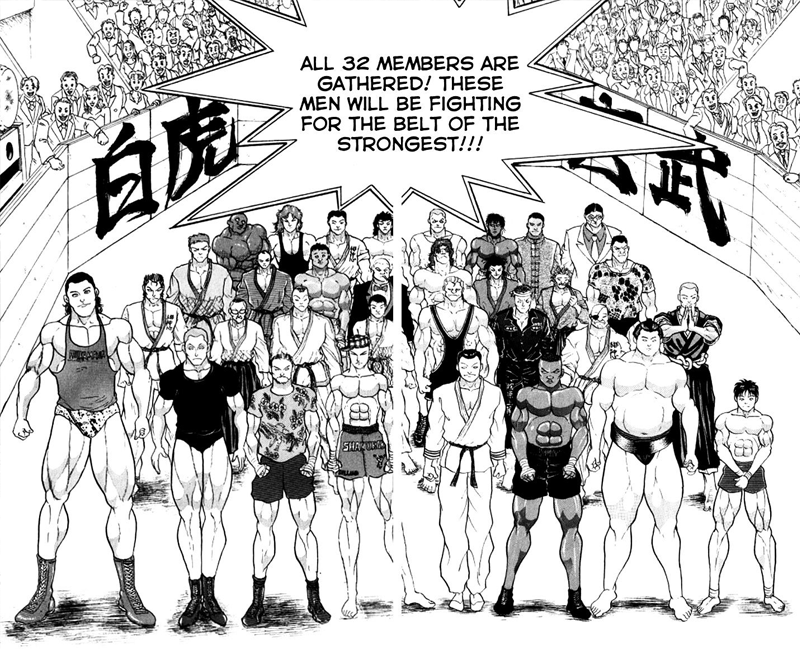
12. Grappler Baki

Manga by Keisuke Itagaki - Grappler Baki
© Keisuke Itagaki – Grappler Baki

Few manga go as insane as Baki. At first glance, it looks like a typical martial arts series built on training, underground arenas, and brutal matchups, but it quickly reveals itself as a sincere martial arts fever dream. Everything’s exaggerated, everything’s impossible, and yet the manga insists it’s all just physiology, technique, and willpower taken to the extreme.

Baki Hanma is a young fighter sharpening himself in the Tokyo Underground Arena with one long-term goal: surpassing his father, Yujiro Hanma, who’s known as the strongest creature on Earth. Yujiro isn’t written like a normal villain or rival. He’s treated like a natural disaster, a walking apex predator. That gives the series a great foundation, because every fight is framed as preparation for something monstrous.

What makes Baki stand out as an action manga is that it doesn’t rely on typical superpowers. It’s all hand-to-hand combat, leverage, grappling, striking, pain tolerance, and psychological warfare. The funny part is that none of it is remotely realistic, yet the series plays it as real martial arts. Fights will pause so the narrator can explain how a stance shifts the center of gravity, why muscle chains matter, or how fighters can multiply their strength simply through imagination. Another fighter will win through anatomical knowledge so precise it borders on the supernatural. The logic is ridiculous, but the commitment is total, which is exactly why it works.

Manga by Keisuke Itagaki - Grappler Baki Picture 4
© Keisuke Itagaki – Grappler Baki

Baki is brutal, but that violence is a major part of its appeal. Victories aren’t decided through points or techniques, but through pure damage until someone is unable to continue. Fighting isn’t treated like a sport. It’s dominance, survival, and ego, with enough brutality to make every matchup feel dangerous. The cast is also a huge reason the series stays entertaining. Many side characters embody specific combat philosophies, whether it’s street pragmatism or pure discipline.

The main drawback is how the series looks early on. The art is rough, warped, and so heavily stylized it might push some readers away. It improves and becomes more confident over time, but the visual aesthetic is always one of a kind.

Baki stands out as one of the most entertaining action manga for pushing physical combat into outrageous territory while still taking it seriously.

Genres: Action, Martial Arts

Status: Ongoing (Seinen)


11. Dandadan

Manga by Yukinobu Tatsu - Dandadan Picture 2
© Yukinobu Tatsu – Dandadan

Few modern shonen can rival Dandadan when it comes to sheer momentum. This is a genre blender that somehow makes horror, science-fiction, romance, comedy, and pure battle manga feel like they are all part of the same story, sometimes in the same chapter. And the crazier it gets, the more it works.

The series starts with a simple clash of beliefs. Momo Ayase thinks ghosts are real but laughs at the idea of aliens. Okarun is the exact opposite. He takes extraterrestrials dead seriously but can only scoff at ghosts. They split up to prove each other wrong, and get proven wrong immediately, and the plot never slows down again. Dandadan turns into an escalating chain of supernatural disasters, with Momo and Okarun dragging a growing cast into fights that get bigger, stranger, and more unhinged every arc.

What really earns it a spot on an action manga list is the quality of the combat. The fights are legitimately insane, but they remain readable. Dandadan doesn’t rely on static panels or endless exposition. It moves, and it moves constantly. Characters get launched through streets, pummeled through walls, and improve mid-fight in ways that feel frantic but deliberate. The choreography is sharp, the matchups feel distinct, and the abilities are weird enough that fights never feel interchangeable. Even when the series goes full kaiju-scale chaos, it still remembers to keep the action clean and satisfying.

Manga by Yukinobu Tatsu - Dandadan Picture 3
© Yukinobu Tatsu – Dandadan

The art is a huge reason it lands. Yukinobu Tatsu draws with an absurd amount of energy, balancing exaggerated comedy with genuinely unsettling horror imagery. Yokai designs are warped and grotesque, while the science-fiction threats are sleek, violent, and otherworldly. The page composition deserves praise, too. When Dandadan hits a big moment, it hits it with double-page spreads that are among the best in modern shonen.

The wild part is that the series has real emotional weight beneath the insanity. Dandadan loves sudden backstories and character beats that hit harder than you expect, which gives the fights more bite than spectacle alone. The tone can still feel chaotic, and that whiplash is part of the identity, but the core cast is strong enough to hold it together.

Dandadan is one of the most unpredictable action manga of its era. It’s ridiculously creative and constantly escalating.

Genres: Action, Comedy, Supernatural, Sci-Fi

Status: Ongoing (Shonen)


10. Chainsaw Man

Manga by Fujimoto Tatsuki - Chainsaw Man Picture 1
© Fujimoto Tatsuki – Chainsaw Man

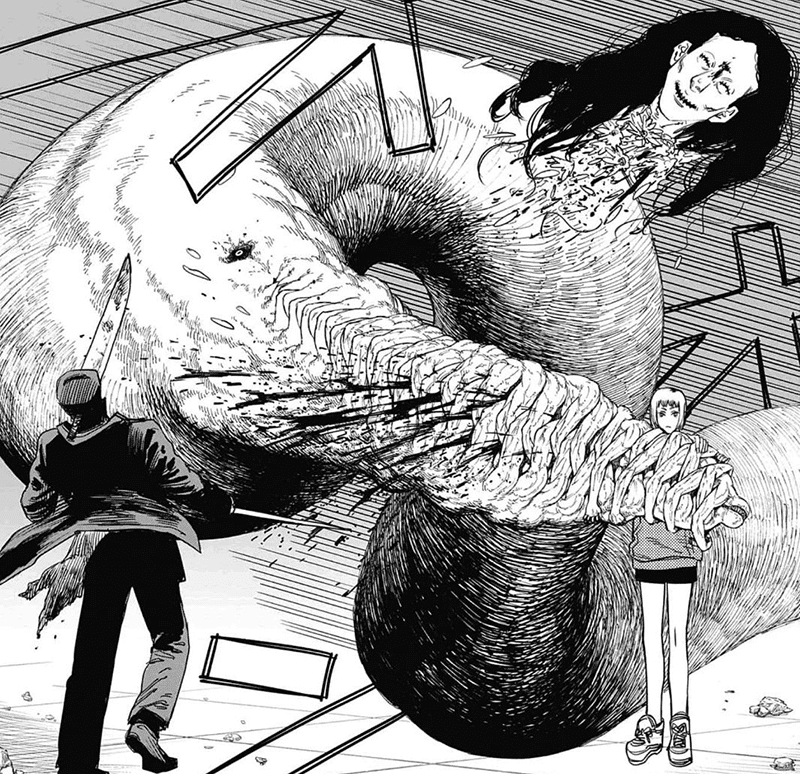
Chainsaw Man is one of the most insane action manga of the last decade. Tatsuki Fujimoto takes a premise that sounds like a joke, a guy with chainsaws for a head and arms fighting devils for money, and turns it into something brutal, emotional, and constantly unpredictable.

Denji is as far from a noble hero as you can get. He’s broke, half-starved, and stuck doing dirty work to pay off debt that isn’t really his. When he merges with Pochita, his pet devil, he becomes Chainsaw Man. He soon gets recruited into the Public Safety Bureau, a government agency specializing in exterminating devils. From there, the series is always moving, always escalating, and always threatening to grind its characters down.

The fights are the series’ main selling point, and they’re some of the wildest in modern manga. Battles happen fast, swing violently, and often end in moments that feel less like winning and more like surviving. The devils themselves are built for this kind of spectacle, with designs that are creative, unsettling, and grotesque. One minute it’s a brawl in a cramped hallway, the next you’re watching something so ridiculous it shouldn’t work, like Denji riding the Shark Devil around a living typhoon, cutting the enemy apart. The action feels like it’s constantly breaking the rules of what a battle manga can do.

Manga by Fujimoto Tatsuki - Chainsaw Man Picture 2
© Fujimoto Tatsuki – Chainsaw Man

Fujimoto’s art style fits that energy perfectly. It’s scratchy, raw, and sometimes messy, but it makes the carnage feel immediate. Panels don’t feel polished for the sake of looking pretty. They feel violent, as if the series is dragging you through the fight rather than showing it from a safe distance. The tone works the same way. Chainsaw Man can jump from crude comedy to genuine despair in a single chapter, and it somehow never feels like tonal whiplash. That instability is the point. It’s a world where happiness is rare, and the next nightmare is just waiting around the corner.

The cast is a big reason the madness lands. Denji’s simplicity hides how desperate he is for connection, and characters like Aki and Power add both chaos and real tragedy. Then there’s Makima, who might be one of the most chilling presences in modern shonen, because she doesn’t need to raise her voice to feel terrifying.

Chainsaw Man is an action manga that’s violent, weird, and creative in ways most series wouldn’t dare attempt.

Genres: Action, Horror, Supernatural, Comedy

Status: Completed (Shonen)


9. Blue Lock

Manga by Muneyuki Kaneshiro and Yuusuke Nomura - Blue Lock Picture 2
© Muneyuki Kaneshiro and Yuusuke Nomura – Blue Lock

Featuring a sports series on an action manga list might seem strange at first glance, but Blue Lock is a battle shonen in soccer form. It treats matches like life-or-death confrontations, builds arcs around rivalries and power-ups, and delivers the same rush you get from tournament manga.

The premise reframes soccer into something far more aggressive than a team sport. Japan wants a world-class striker, so the Blue Lock program locks 300 young forwards inside a brutal training facility, where only one gets to rise. That alone makes the series feel like a pure survival game, and it instantly shifts from teamwork to ego, ambition, and pressure. Yoichi Isagi starts as a fairly ordinary player, but he’s built for adaptation. His spatial awareness and willingness to evolve mid-match become the core that keeps the story escalating.

What makes Blue Lock work as an action manga is how it represents competition. This isn’t realistic soccer. It’s psychological warfare with goals as finishing moves. The series gives players signature weapons, turns clashes into chemical reactions, and frames momentum shifts like turning points in a fight. Nomura’s art sells it perfectly. Matches look intense, characters move like predators, and the panels consistently emphasize inner tension, ego states, and the feeling of shifting dominance. Even a single pass can feel like an attack. When a goal finally lands after multiple layers of buildup, it hits with the same satisfaction as a shonen finishing move.

Manga by Muneyuki Kaneshiro and Yuusuke Nomura - Blue Lock Picture 3
© Muneyuki Kaneshiro and Yuusuke Nomura – Blue Lock

The cast is another strength because the rivalries are the whole experience. Bachira’s chaotic creativity, Nagi’s lazy genius, Chigiri’s speed, and Barou’s King routine all function like different fighting styles. Later characters like Kaiser push the ceiling even higher, giving the series the feeling that there’s always going to be a bigger fish.

The escalation is handled especially well. It starts with elimination matches, builds into the U-20 arc, then expands toward global competition. Each phase raises the tension while staying locked on the same thrill: watching players evolve under pressure. It’s ridiculous, but it’s supposed to be. It’s not trying to be a normal sports manga.

Blue Lock stands out for its hype, rivalries, and nonstop competitive pressure.

Genres: Sports, Action

Status: Ongoing (Shonen)


8. Fist of the North Star

Manga by Buronson and Tetsuo Hara - Fist of the North Star Picture 1
© Buronson and Tetsuo Hara – Fist of the North Star

If there’s one series that can be described as the definitive action manga, it’s Fist of the North Star, Buronson and Tetsuo Hara’s testosterone-fueled spectacle that basically runs on grit, gore, and pure intimidation. It’s also the blueprint for the wandering savior archetype.

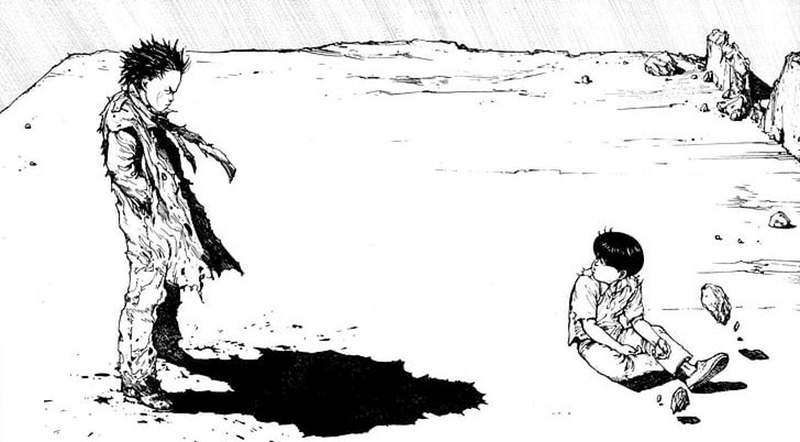
The setting is a scorched post-apocalypse where civilization has collapsed into sand, gangs, and desperation. The weak are hunted, violence is the only language anyone respects, and food and water are scarce. Kenshiro arrives in that wasteland as the heir to Hokuto Shinken, a martial art built around pressure points and internal destruction. He doesn’t just beat his enemies. He ends them. One touch, one strike, one calm sentence, and it’s already over. The series understands how satisfying that is, and it turns Kenshiro into a mythic figure who exists to punish cruelty.

What makes Fist of the North Star so timeless is how hard it commits to spectacle. The fights are outrageous, but they never feel lazy. Kenshiro’s style is precise and surgical, while his opponents are often towering monsters who rely on brute strength, weapons, or sheer savagery. That contrast is the series’ core rhythm. You get intimidation, posturing, brutal exchanges, and then the inevitable moment when Kenshiro proves he’s operating on another level. The violence is absurdly graphic, with bodies erupting and faces distorting. And who could forget Kenshiro’s most iconic line: “You’re already dead.” It’s one of those phrases that instantly triggers nostalgia because it represents the purest kind of payoff.

Manga by Buronson and Tetsuo Hara - Fist of the North Star Picture 4
© Buronson and Tetsuo Hara – Fist of the North Star

There’s also more emotion here than people might expect. For all the macho energy, the series is full of tragic rivals, doomed allies, and that weird, sincere 1980s intensity where men cry openly over honor and loss. Raoh is the series’ greatest antagonist and adds real weight to the story. He’s not just another villain to punch through. He’s a larger-than-life force that pushes the story into operatic territory.

The main downside is the structure. Like many long-running classics, it can feel episodic, and some arcs exist mainly to deliver the next batch of fights. The art also looks dated early on, although it grows into a sharper, more confident style.

Still, Fist of the North Star is a foundational action manga that’s brutal, iconic, and endlessly entertaining if you’re in the mood for violent fights and over-the-top spectacle.

Genres: Action, Martial Arts, Sci-Fi

Status: Completed (Shonen)


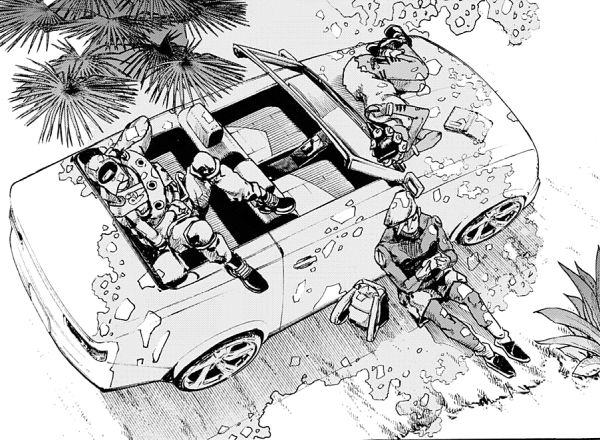
7. JoJo’s Bizarre Adventure: Part 7 – Steel Ball Run

Manga by Hirohiko Araki - Jojo's Bizarre Adventure Part 7: Steel Ball Run Picture 3
© Hirohiko Araki – Jojo’s Bizarre Adventure Part 7: Steel Ball Run

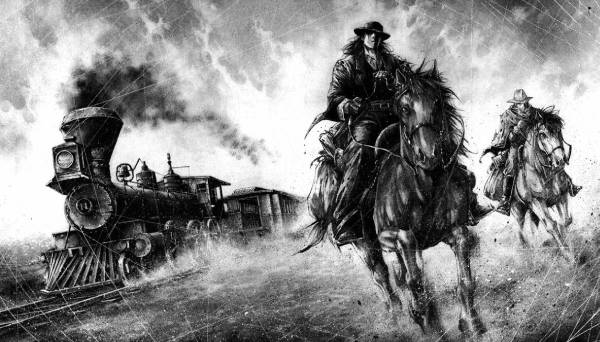
While JoJo’s Bizarre Adventure: Part 7 – Steel Ball Run is first and foremost a weird adventure manga built around a continent-spanning horse race, it’s also packed with action-heavy Stand battles that feel inseparable from the story’s momentum. It’s one of those rare series where the fights don’t interrupt the narrative. They are the narrative.

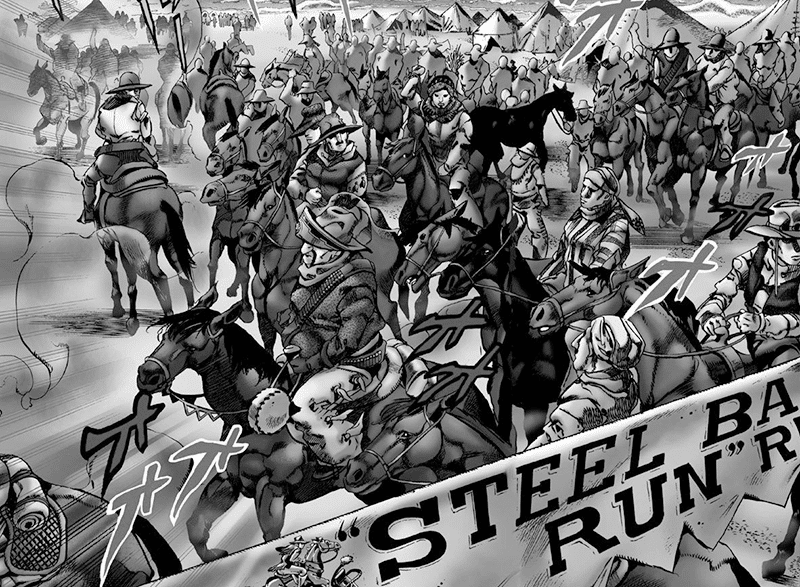
In an alternate 19th-century America, a massive horse race from San Diego to New York takes place, awarding the winner a life-changing cash prize. The story follows Johnny Joestar, a former prodigy now paralyzed from the waist down. Early on, he crosses paths with Gyro Zeppeli, a charismatic competitor who uses Steel Balls and a strange technique known as the Spin. When Johnny briefly regains feeling in his legs, he joins the race. To him, it’s now more than a competition. It’s become an obsession. He wants his old life back. From there, both men are pulled into something larger, full of rival competitors, assassins, and sacred relics.

What makes Steel Ball Run stand out as an action manga is how it structures conflict. The race stays central the entire time. Even when assassins appear, alliances shift, and supernatural conspiracies surface, the sense of forward motion never disappears. That constant pressure gives the battles a unique intensity. You’re not just fighting to win. You’re fighting while moving, being chased, and trying not to lose ground, which changes the flavor of every encounter.

Manga by Hirohiko Araki - Jojo's Bizarre Adventure Part 7: Steel Ball Run Picture 2
© Hirohiko Araki – Jojo’s Bizarre Adventure Part 7: Steel Ball Run

And then there are the fights themselves. Steel Ball Run is peak Stand combat, meaning every battle is a tactical puzzle, not a straight slugfest. Abilities are bizarre, specific, and often unfair in the best way. The wins rarely come from raw power alone. They come from positioning, deception, improvisation, and understanding the rules of a Stand before it’s too late. The Spin adds another layer, because it’s not only an homage to the earlier parts’ Hamon, it also feels like a grounded combat system inside an otherwise surreal universe.

Araki’s art also feels fully matured here. The sense of motion, the panel composition, and the dramatic reveals hit harder than ever, and the American frontier imagery gives the series a visual variety that keeps every new stretch of the journey fresh.

If you want action that’s creative, strategic, and unpredictable, Steel Ball Run is the JoJo part that delivers it at the highest level.

Genres: Action, Adventure, Supernatural

Status: Completed (Seinen)


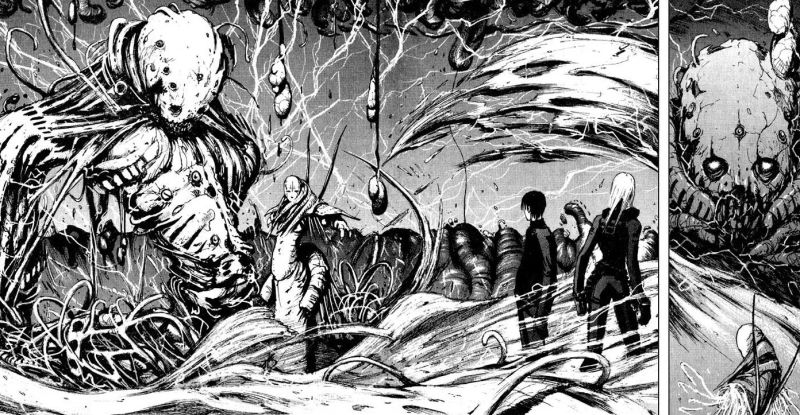
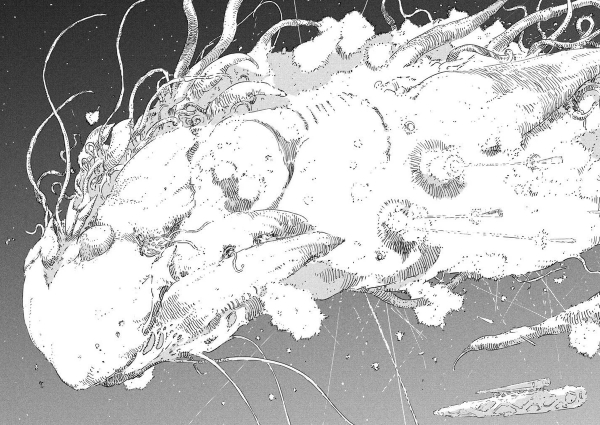
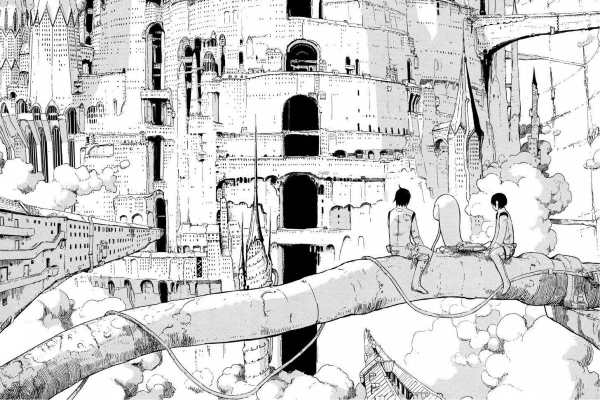
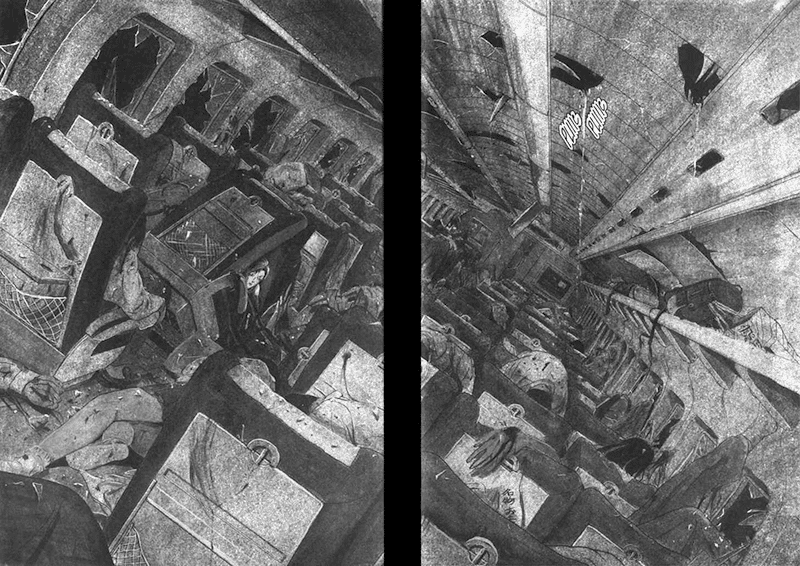
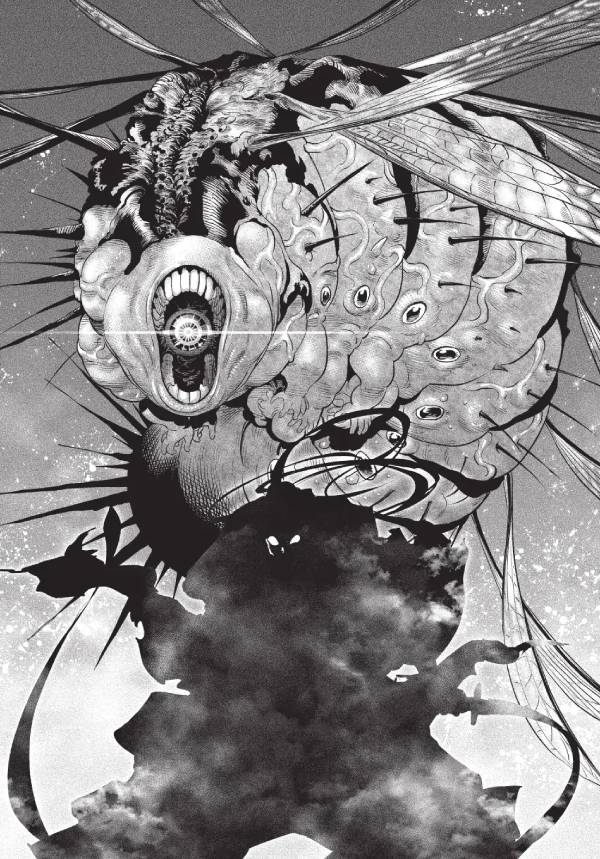
6. Biomega

Manga by Tsutomu Nihei - Biomega Picture 1
© Tsutomu Nihei – Biomega

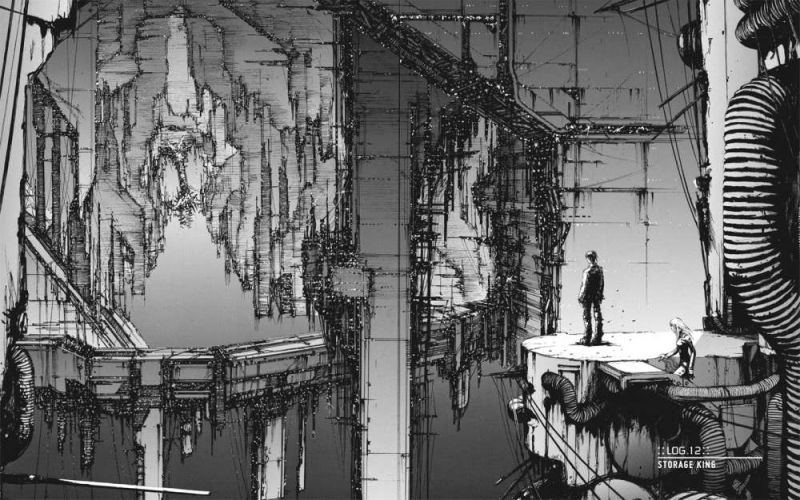
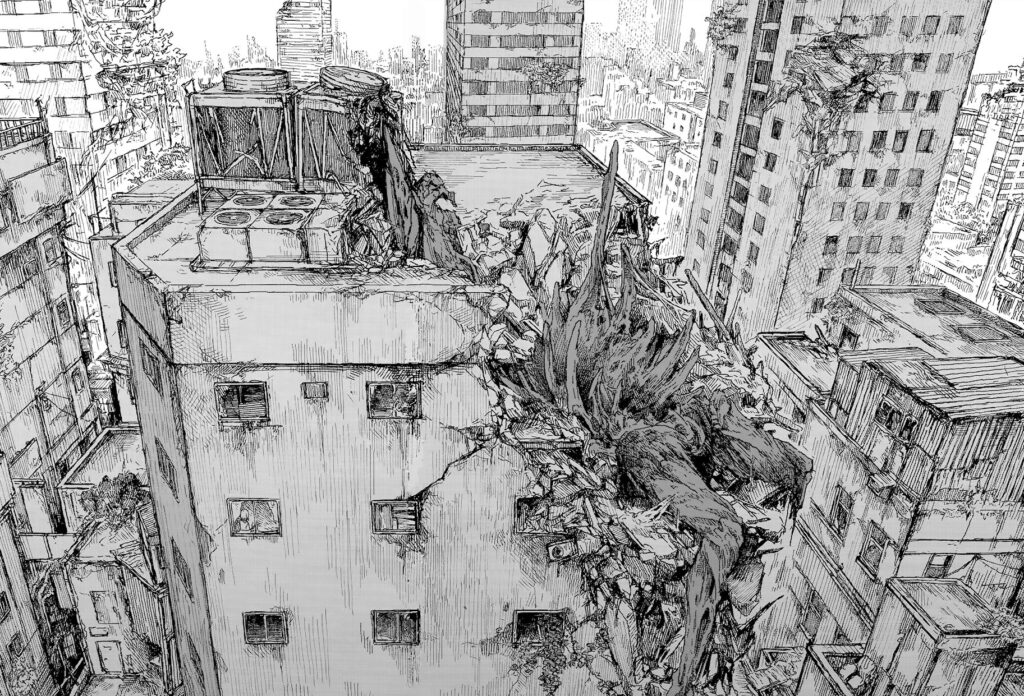
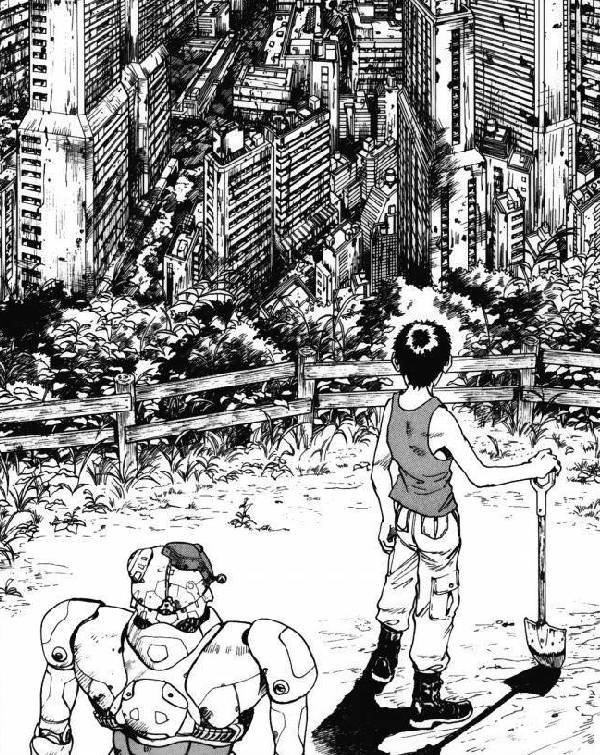
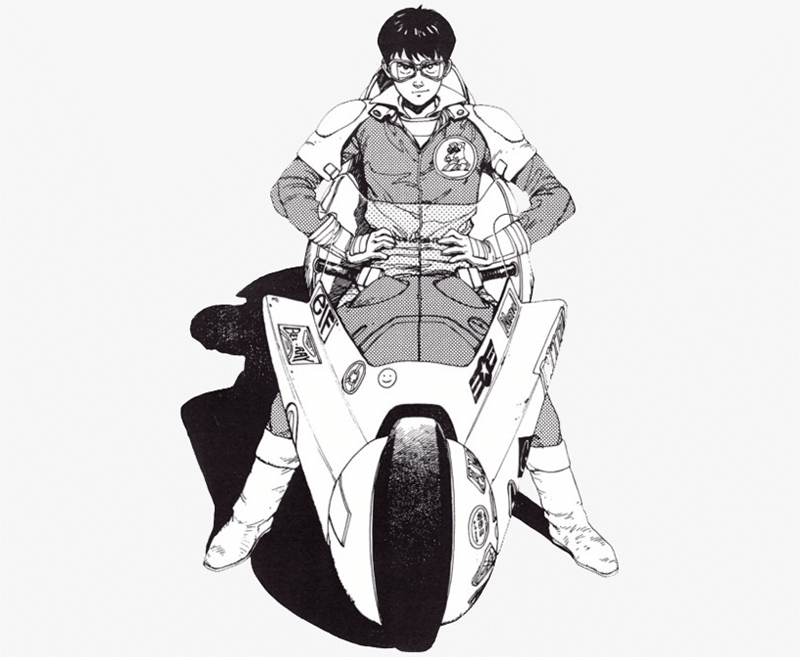
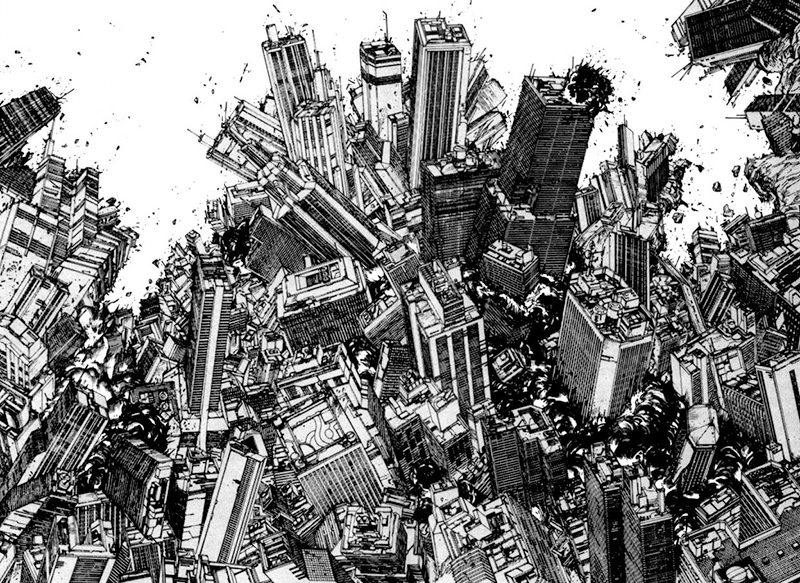
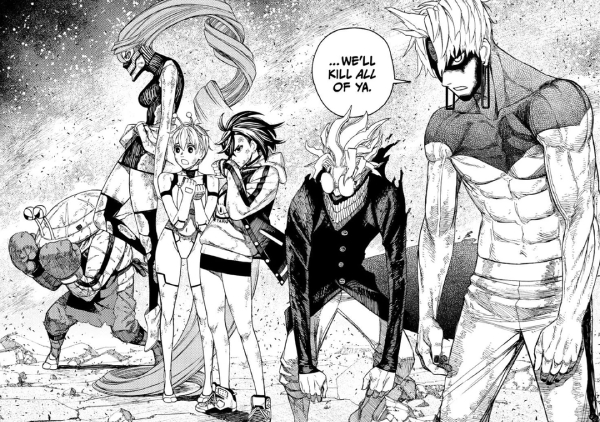
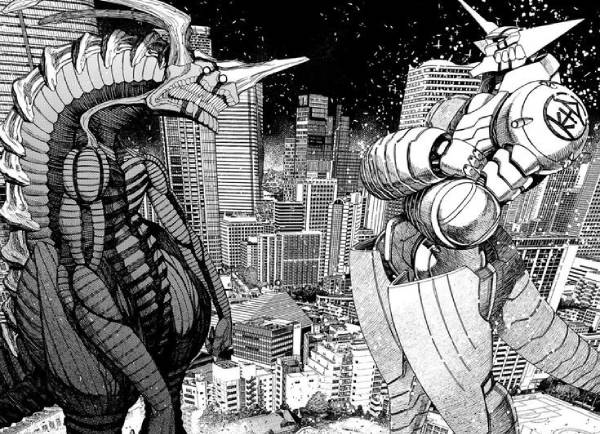
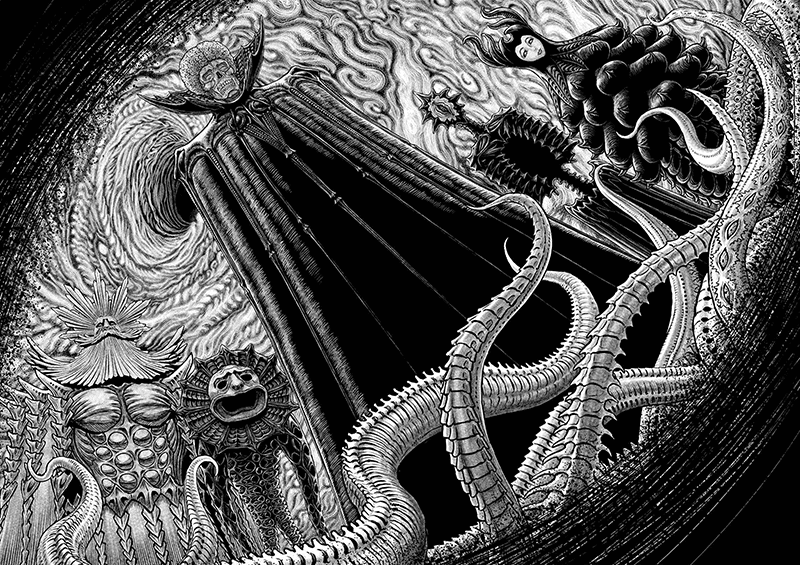
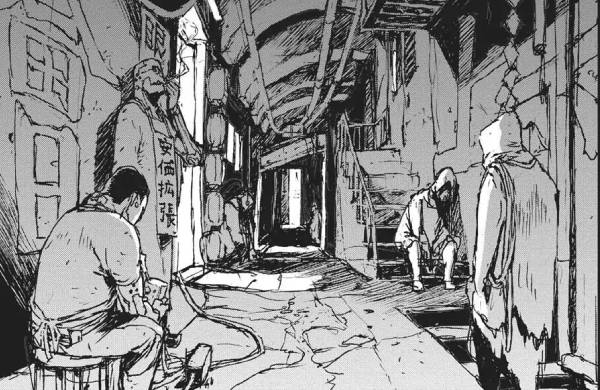
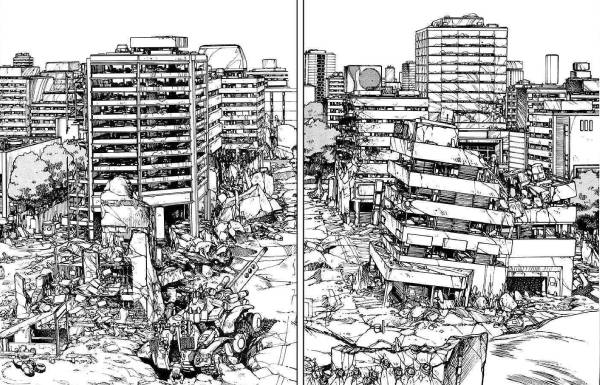
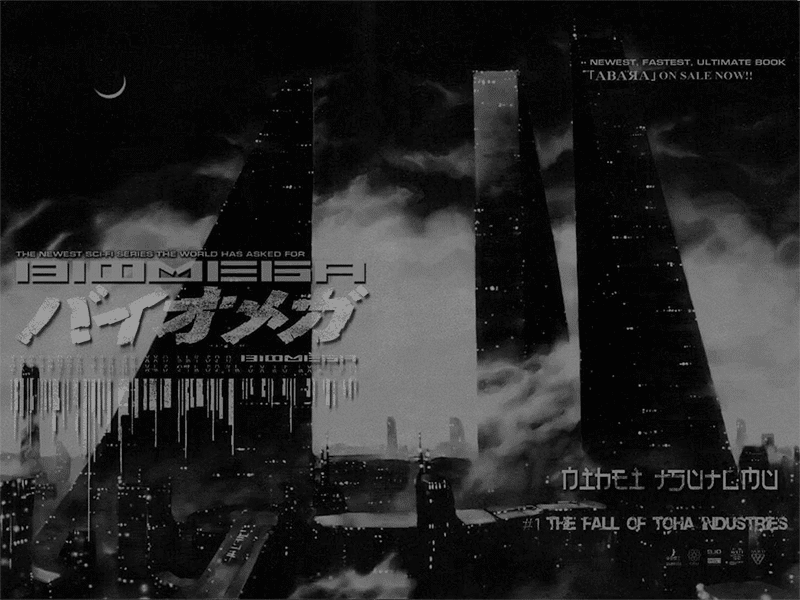
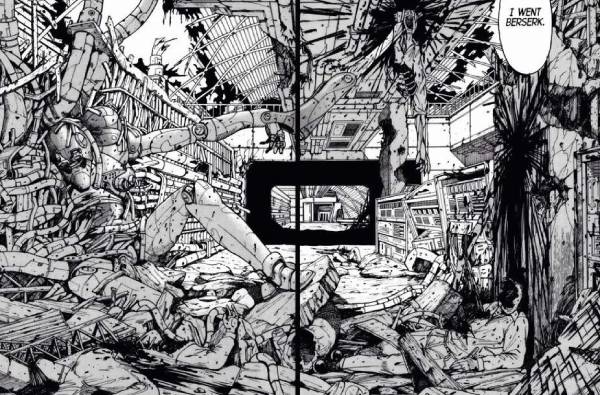
Tsutomu Nihei is known for his dark, quiet cyberpunk worlds and architectural insanity, and Biomega carries a lot of the same DNA as Blame! but with one key difference. Instead of slow isolation and a creeping atmosphere, this is an insanely fast-paced action manga, and one of the fastest reads on this list.

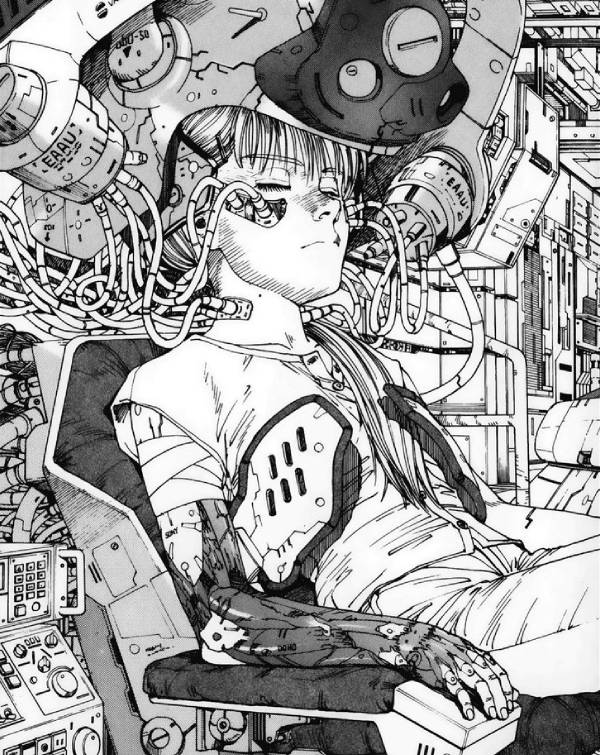
The setup introduces us to Zouichi Kanoe. He’s a synthetic human working for TOA Heavy Industries, tasked with finding a rare human immune to the N5S virus, a plague that turns people into grotesque biomechanical drones. But Biomega doesn’t focus on this mission for long. It keeps escalating, stacking factions, corporate agendas, and nightmare creatures on top of each other until it feels like the most insane apocalypse ever put to paper.

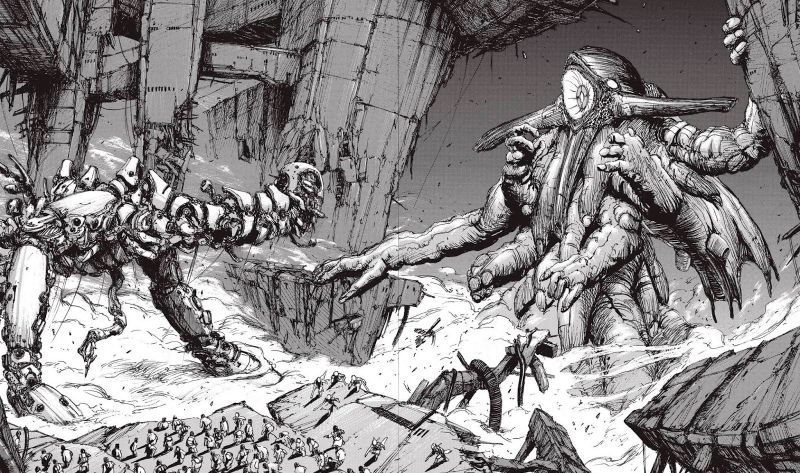
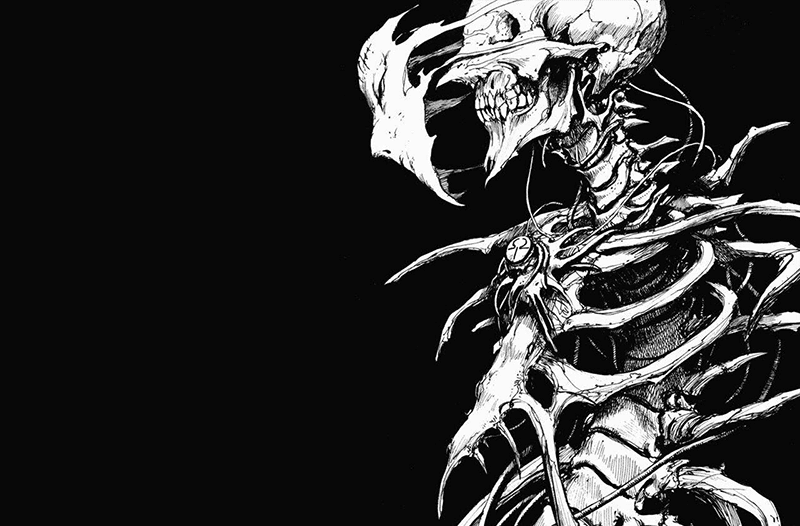
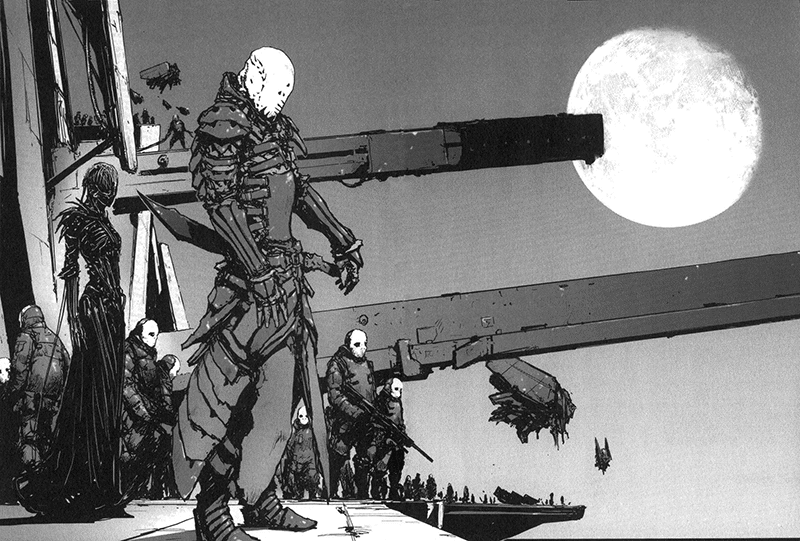
The action is the main event. Biomega’s fights are violent, stylish, and full of high-tech brutality, from motorcycles tearing through swarms of enemies to massive firearms, monstrous drones, and destruction that looks industrial in the worst way. Nihei draws combat like it’s a natural disaster, with bodies ripped apart and environments annihilated as collateral. It’s also one of those manga where the visuals do a lot of the storytelling. Entire stretches unfold with minimal dialogue, and the page flow becomes cinematic, emphasizing motion, impact, and scale over exposition.

Tsutomu Nihei - Biomega - 4
© Tsutomu Nihei – Biomega

The flip side is that the pace can be almost too aggressive. Big moments can fly past so quickly that you barely register them. Sometimes Nihei doesn’t even show the full fight. You’ll see a confrontation, then suddenly you’re staring at the bloody aftermath. Plot points appear without being fully explored, characters come and go, and by the later volumes the story compresses what feels like a larger vision into a tight page count. It can be disorienting and frustrating, especially if you’re looking for deeper character arcs and narrative clarity.

But as an action manga, Biomega is unforgettable. It’s cyberpunk chaos with horror textures, zombie apocalypse energy, and some of the most stunning futuristic combat Nihei has ever drawn.

Genres: Action, Sci-Fi, Cyberpunk, Horror

Status: Completed (Seinen)


5. Dragon Ball

Manga by Akira Toriyama - Dragon Ball Picture 4
© Akira Toriyama – Dragon Ball

Everyone who’s even a little familiar with manga knows the title Dragon Ball. Akira Toriyama’s masterpiece isn’t just iconic. It’s one of the core reasons battle manga read the way they do today. But beyond the nostalgia and influence, Dragon Ball still earns its place for one simple reason: Toriyama draws action better than almost anyone who ever worked in the medium.

The story starts out lighter than most people would expect. Young Goku teams up with Bulma to search for the Dragon Balls, and the early arcs lean into comedy, travel, and weird folklore as much as they lean into fighting. But even in that goofy phase, the series already feels like a combat manga. Characters train, learn from stronger fighters, and evolve through effort and experience rather than vague destiny. Then the series hits the World Martial Arts Tournament arcs, and that’s where Dragon Ball becomes foundational. These tournaments are still some of the cleanest, most satisfying examples of fight storytelling in manga, with matchups that build tension, rivalries that feel personal, and victories that come from timing and clever shifts in momentum.

Manga by Akira Toriyama - Dragon Ball Picture 3
© Akira Toriyama – Dragon Ball

Toriyama’s choreography is the real draw. His paneling makes motion feel effortless, almost animated, with clear exchanges that never turn into unreadable chaos. You always understand where the fighters are, what they’re trying to do, and why a moment matters. Even when the pace ramps up, the fights keep a rhythm that’s hard to replicate. It’s the kind of action where you feel the spacing, the feints, the impact, and how Goku gradually climbs from a talented kid to a fighter pushing past his limits. That clarity is why Dragon Ball reads smoothly decades later, even for people who think they already know the story.

As the series expands, the combat shifts toward larger spectacle. Power scaling climbs, energy attacks become central, and the tone changes once death becomes less permanent because the Dragon Balls can undo it. Some readers love the escalation. Others prefer the earlier phase, where training and technique feel like the main language of the story. Either way, Dragon Ball never stops delivering action, and its fight design remains the gold standard for the genre.

Genres: Action, Adventure, Martial Arts

Status: Completed (Shonen)


4. Gantz

Manga by Oku Hiroya - Gantz Picture 1
© Oku Hiroya – Gantz

If there’s one manga that defines brutal science-fiction action spectacle, it’s Gantz. It throws ordinary people into high-tech alien hunts, then turns up the carnage until the fights feel like an endurance test for both the characters and the reader.

Kei Kurono and Masaru Kato die in a freak accident, then wake up in a strange apartment with a group of confused strangers and Gantz, a giant black sphere. The rules are simple and horrifying. They’ve been drafted to hunt aliens hiding among humans. If they die again, they die for real. The first mission instantly makes it clear that this is not a heroic power fantasy. It’s nothing short of a massacre.

Gantz is at its best when it’s in mission mode. The action is high-octane, brutal as hell, and constantly unpredictable. The suits and weapons turn the team into something like science-fiction soldiers, but they never feel invincible. If anything, the high-tech gear only makes the deaths nastier, because the series can stage fights at insane speed while still keeping the violence graphic and personal. Oku’s monster design is a huge part of the appeal. The aliens range from grotesque to surreal to outright terrifying, and each hunt feels like it’s built around a new nightmare. People get shredded, blown apart, or erased in seconds, and the series loves to remind you how disposable the cast really is.

Manga by Oku Hiroya - Gantz Picture 3
© Oku Hiroya – Gantz

The art carries a lot of the spectacle. Oku draws bodies, environments, and creatures with a level of detail that makes the carnage feel disturbingly real. Battles often reach unbelievable levels of insanity, especially once the scale expands. The tension stays high because Gantz doesn’t protect anyone. It’s one of those series where a character can be built up, start growing on you, then get killed in the most sudden and ugly way possible.

Kurono’s development is also a big reason the story stays engaging. He starts off as selfish and unpleasant, the kind of protagonist you don’t want to root for, which makes it even more satisfying when trauma and survival gradually shape him into someone stronger and more human. The arc gives the chaos an emotional spine, even when the story around him gets increasingly absurd.

The flaws mostly show up in the long-form sprawl. Some plot threads feel like experiments Oku got bored with, and the later stretch gets messier as it tries to go bigger, including a finale that feels rushed. But even then, the core experience remains unforgettable. Gantz is a science-fiction action manga at its rawest, most brutal, and most unforgiving.

Genres: Action, Horror, Sci-Fi

Status: Completed (Seinen)


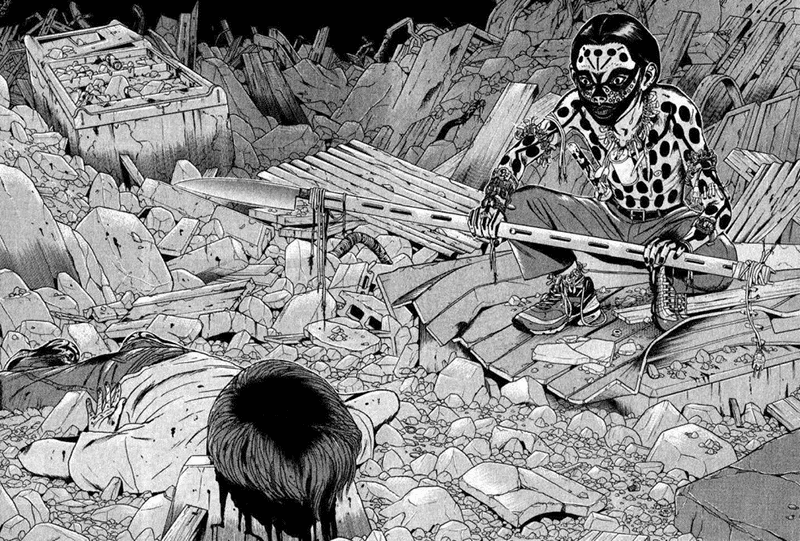
3. Kengan Ashura

Manga by Yabako Sandrovich and Daromeon - Kengan Ashura
© Yabako Sandrovich and Daromeon – Kengan Ashura

Kengan Ashura is my favorite tournament action manga, and one of the greatest martial arts manga of all time. It doesn’t just feature a tournament arc. It is the tournament arc, and it builds its entire identity around it, then delivers a series of brutal, high-energy matches that are as addictive as they’re consistent.

The hook drops you into a world where fighting is not about honor or destiny. It’s about business. Major corporate disputes are settled through sanctioned martial arts matches, with companies hiring fighters the way they’d hire lawyers or lobbyists. The setup creates a ruthless combat economy, and once Tokita Ohma enters the system, the story accelerates into the Kengan Annihilation Tournament, a massive bracket designed to decide who controls the association. From that point on, Kengan Ashura becomes exactly what it promises: nonstop violent competition with real stakes inside its world.

The action is the main reason it ranks so high. Kengan Ashura’s fights are brutal, over-the-top, and ridiculously satisfying to read, but they stay grounded in the language of martial arts. The exaggeration comes from techniques pushed past human limits, not energy beams. You’ll see grappling, striking, counters, feints, pressure, endurance, and ugly damage piling up until someone breaks. The series occasionally dips into a mythic edge with techniques like Ohma’s Advance or the Kure clan’s Removal, giving the fights an extra spike of insanity without abandoning the hand-to-hand core. It still feels like combat, just turned into legend.

Manga by Yabako Sandrovich and Daromeon - Kengan Ashura Picture 3
© Yabako Sandrovich and Daromeon – Kengan Ashura

What really elevates Kengan Ashura, though, is the roster. This manga understands that a tournament is only as good as the fighters it features, so it makes everyone memorable. Fighters have distinct silhouettes, philosophies, and reasons for stepping into the ring. Even characters who seem like they exist to lose a round often end up getting enough backstory, personality, and presence that you care. There’s also a strong sense of camaraderie and respect throughout the violence. Fights can be vicious, but there’s an underlying culture of strength, pride, and rivalry that makes the tournament feel alive instead of mechanical.

The art only heightens the appeal. Daromeon’s art is aggressive and sharp, but always readable. Exchanges are fast, transitions between strikes and grappling are clean, and finishers land with real impact.

Kengan Ashura is a pure tournament action manga with some of the most memorable characters and some of the best fights in modern martial arts manga.

Genres: Action, Martial Arts

Status: Completed (Seinen)


2. Sakamoto Days

Manga by Yuto Suzuki - Sakamoto Days Picture 1
© Yuto Suzuki – Sakamoto Days

Among ongoing shonen, Sakamoto Days might be the best action manga right now when it comes to pure hype, creativity, and fight choreography. It’s one of those rare series where you can open almost any chapter and immediately get a dose of clean, stylish action that feels effortless.

At first, the series is more comedy-forward. Taro Sakamoto used to be the ultimate assassin, feared across the underworld and unbeatable in a straight fight. Then he fell in love, retired, got chubby, and started running a convenience store. The fun in these chapters comes from watching this legend casually dismantle attackers with household appliances while staying committed to his new rule: no killing. But the longer you stick with it, the more the series shifts gears. The comedy stays, but the world expands, the threats get more dangerous, and Sakamoto Days transforms into one of the most consistently intense action manga of the last decade.

The reason it earns such a high spot is the combat itself. Suzuki’s choreography is absurdly good. Fights unfold like movie storyboards, with clear positioning, sharp transitions, and impacts that land without ever turning into visual noise. It’s fast, fluid, and always readable, the kind of manga that makes you forget you’re looking at still panels. The closest comparison in terms of pure flow is Blade of the Immortal, not because the tone is similar, but because the action has the same physical clarity. Every throw, dodge, gunshot, or close-range exchange feels deliberately staged.

Manga by Yuto Suzuki - Sakamoto Days Picture 3
© Yuto Suzuki – Sakamoto Days

Sakamoto Days also understands that great action needs variety. It isn’t just about who punches harder. The fights are creative, shaped by the environment, full of improvised weapons, and feature assassins with distinct styles. Shin’s telepathy changes how encounters play out. Nagumo brings chaos and unpredictability. And when the series wants a mythic threat, it delivers, turning certain characters into walking disasters that almost no one can keep up with.

The tone is another reason it works. The humor never fully disappears, but it evolves into deadpan banter, cool one-liners, and absurd little beats in the middle of the violence. That contrast gives the series its identity. It can be cartoonish one moment, then slam someone through a wall the next, without ever feeling inconsistent.

Sakamoto Days isn’t trying to be profound, and it doesn’t need to be. The plot exists to set up the next fight, and that’s exactly why it’s so satisfying. It’s one of the best action manga currently running. It delivers nonstop momentum and some of the best fight choreography in modern shonen.

Genres: Action, Comedy

Status: Ongoing (Shonen)


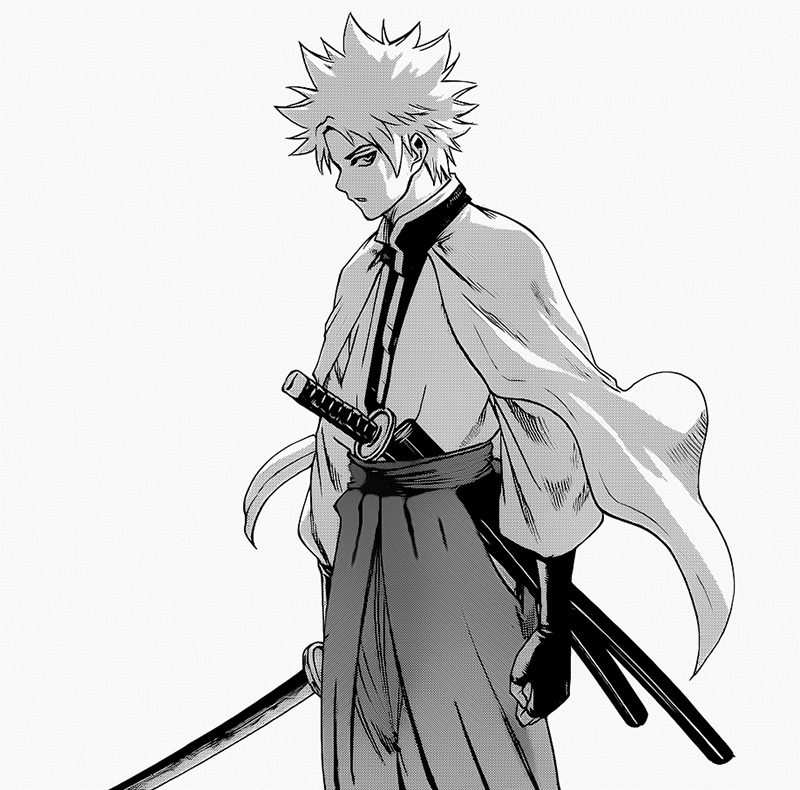
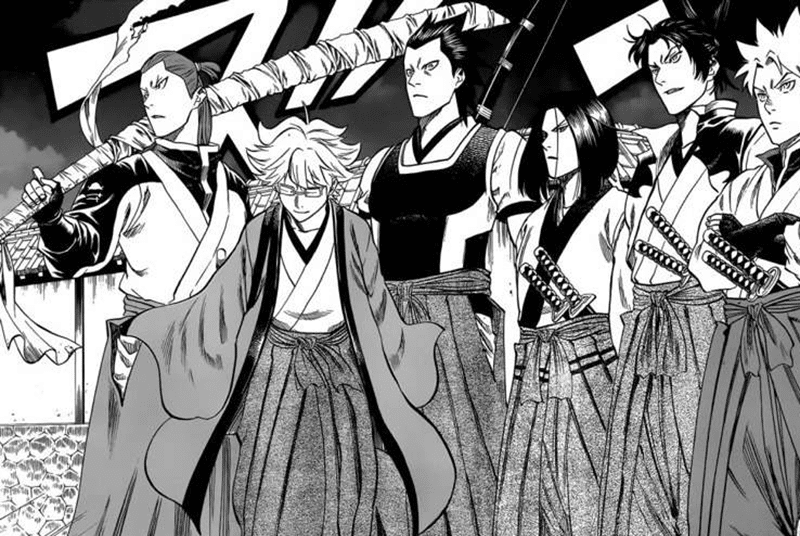
1. Blade of the Immortal

Manga by Hiroaki Samura - Blade of the Immortal Picture 1
© Hiroaki Samura – Blade of the Immortal

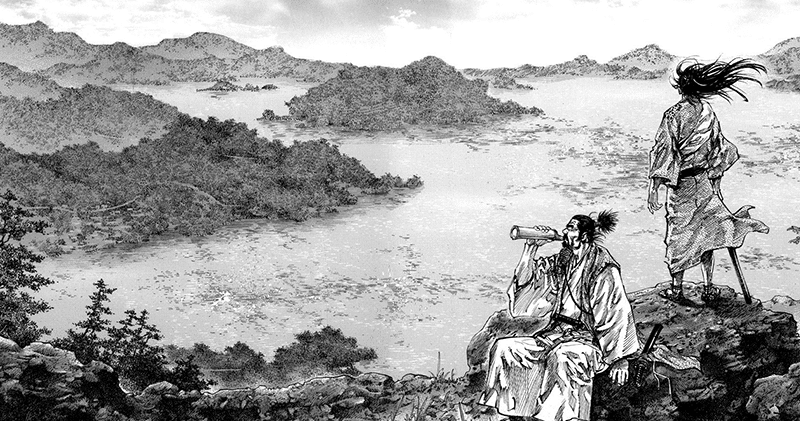
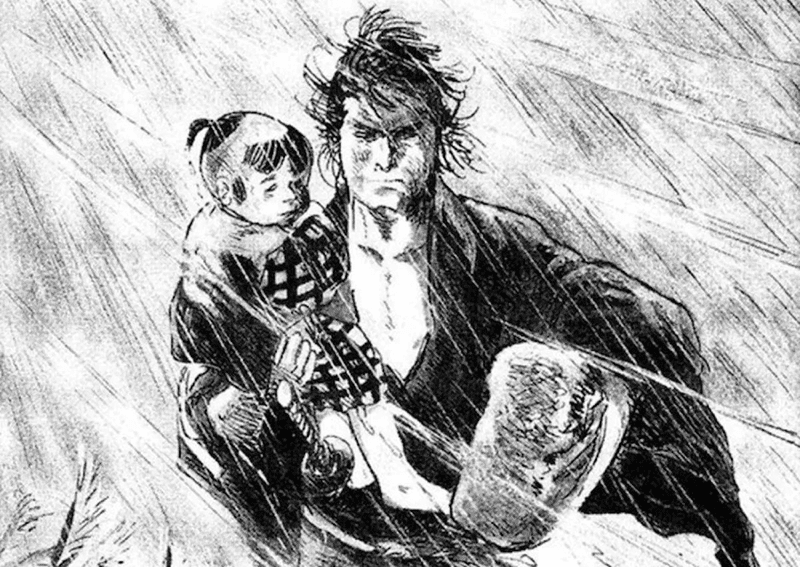
Blade of the Immortal is, to me, the greatest samurai manga ever made. While it doesn’t have the same meditative ambition as Vagabond, it stands apart through sheer attitude. It’s gritty, punk, and viciously human, a revenge drama where the sword fights aren’t decoration. They’re the heartbeat of the story.

Manji is an infamous swordsman cursed with immortality by bloodworms that keep him alive no matter the injury. The only way out of it is penance through violence: kill a thousand evil men and earn the right to rest. That path collides with Rin Asano, a teenager whose family was slaughtered by the Itto-ryu, a sword school led by the charismatic and terrifying Anotsu Kagehisa. Manji becomes her bodyguard almost by accident, and what starts as a simple revenge story slowly expands into a web of rival factions, personal grudges, and unhinged fighters.

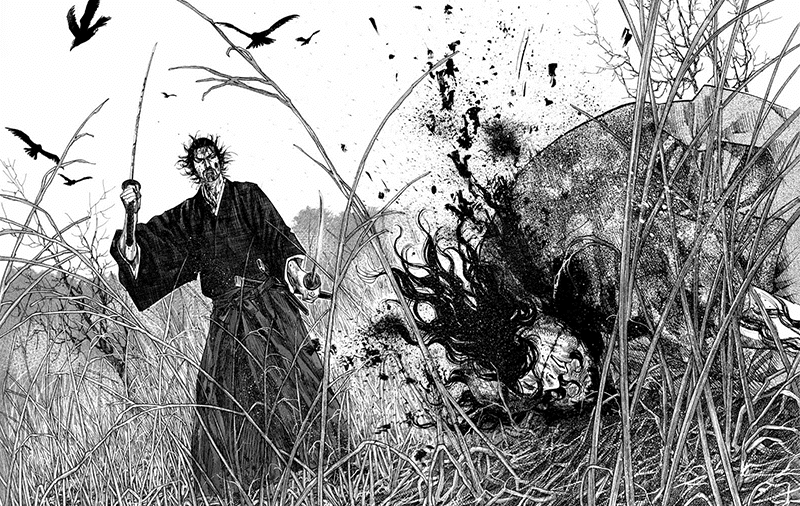
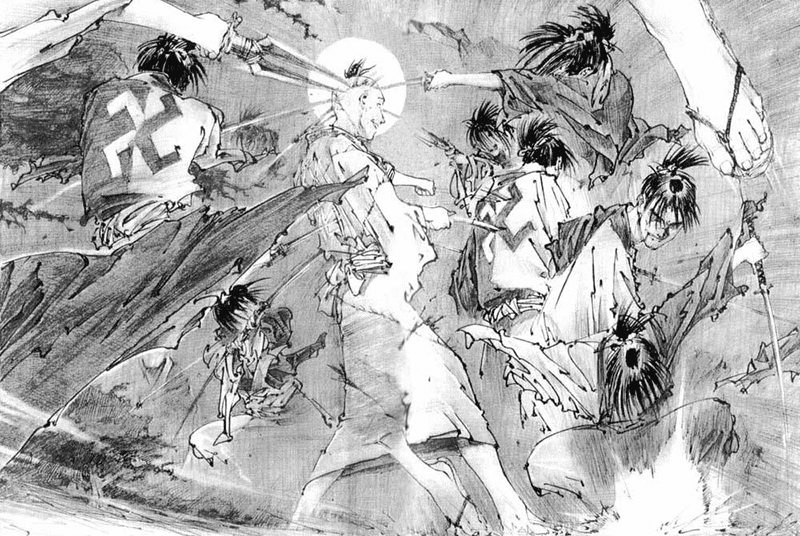
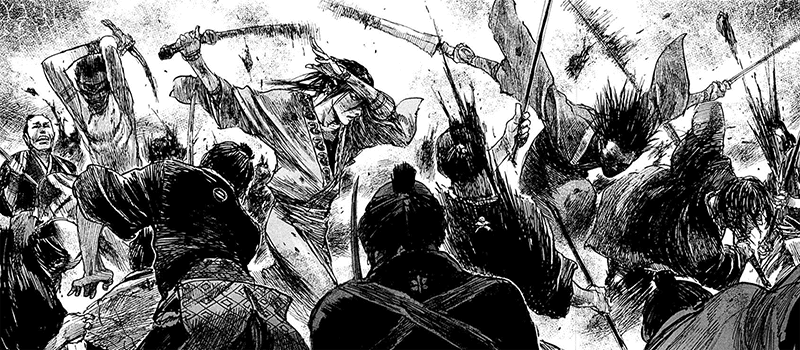
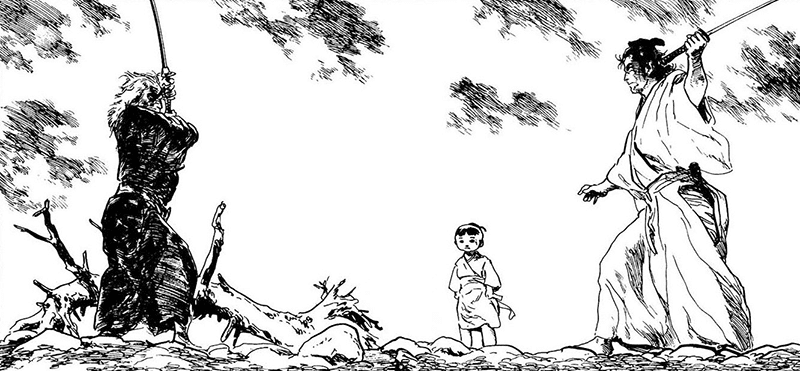
What makes Blade of the Immortal special, even beyond the writing, is the combat. These are some of the best choreographed battles in all of manga. Samura doesn’t draw sword fights as elegant dances. He draws them as messy, savage collisions where someone loses a hand, a throat gets cut, or victory comes down to pain tolerance and desperation. The violence is brutal, but it rarely feels empty. It feels like the cost of swinging a sword at another human being. Surprisingly, Manji’s immortality doesn’t remove tension, because the manga constantly puts him up against fighters who are even more skilled than he is. It also makes the fights much more costly. He might not die, but he can be broken, mutilated, and humiliated in ways that make every fight feel dangerous.

Manga by Hiroaki Samura - Blade of the Immortal Picture 4
© Hiroaki Samura – Blade of the Immortal

Samura’s art is another part of why the battles hit so hard. The style looks rough and sketchy at first, almost messy, but once you get used to it, it becomes obvious how skilled he is. Motion reads cleanly, character silhouettes are distinct, and the page has a gritty texture that fits the tone perfectly. The manga is full of panels that feel ugly in the best way. Even outside combat, the environments and character designs carry a sense of realism that makes the entire world feel harsh and physical.

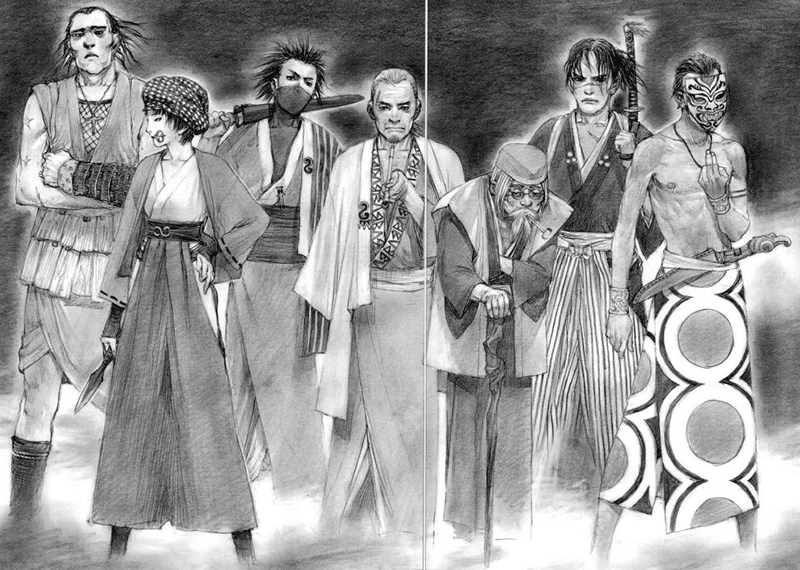
The cast is another highlight. Blade of the Immortal is stacked with memorable fighters, many of whom you end up caring about as much as the leads. Anotsu is the obvious standout because he’s not a simple villain. He’s driven, principled, and dangerous because he believes in what he’s doing. Characters like Magatsu, Makie, Hyakurin, and even the monstrous Shira give the story a moral grayness that makes every clash feel loaded. There are no clean heroes here. Just people with reasons, scars, and the willingness to keep fighting.

Blade of the Immortal is absolutely character-driven, but those characters are inseparable from the action. The battles are frequent, gripping, and often unforgettable and backed by some of the strongest writing and art in any samurai series. If you want an action manga with real weight behind every slash, this is as good as it gets.

Genres: Action, Historical, Drama

Status: Completed (Seinen)


More in Manga

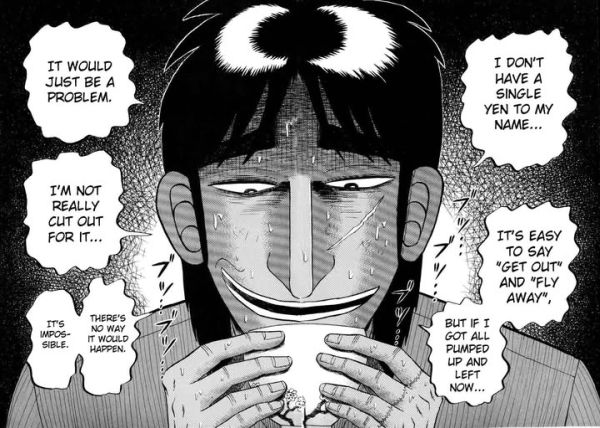
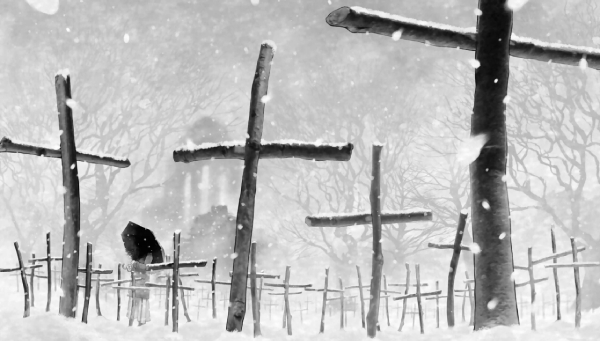
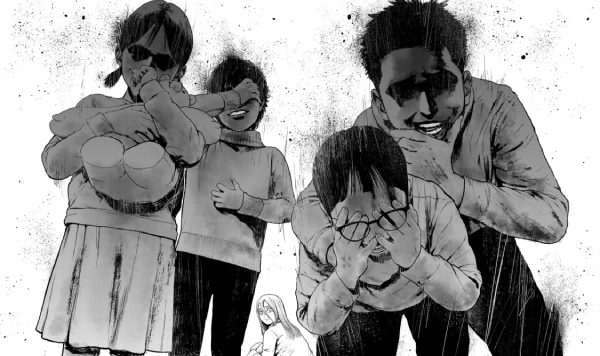
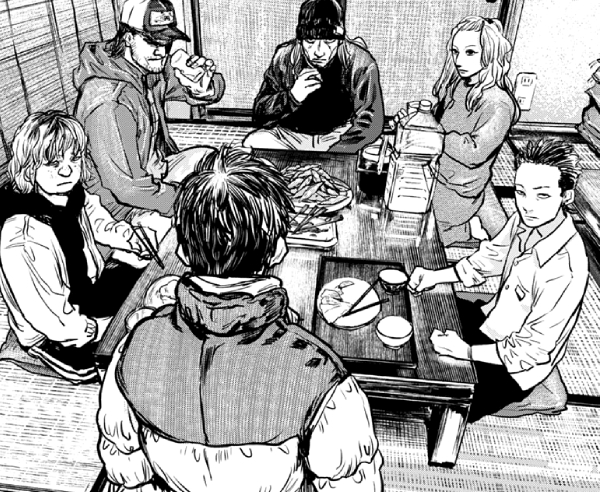
26 Best Thriller Manga: The Darkest Crime, Conspiracies, and Mind Games

Suspenseful stories are beloved for a reason, so it’s no surprise that thriller manga are among the most popular genres out there. There’s just something irresistible about watching tense stories unfold, following characters trapped inside them, and hitting twists that completely reshape what you thought was going on.

This list covers a broad range of thriller manga, from crime thrillers built around brutal murder cases and investigations to psychological thrillers about twisted people, broken minds, and even mind-game thrillers centered on dangerous gambles. Every manga here earns its spot through suspense, unpredictable turns, and the kind of tension that keeps you glued to the next chapter.

One reason thriller manga remain such a favorite is their variety. Some tell long-form stories driven by mystery, investigation, and slow-burn dread. Others focus on more personal stakes, where one terrible secret or one wrong decision can ruin a life. Then there are series built around cat-and-mouse games, dangerous manipulation, and bets that turn deadly.

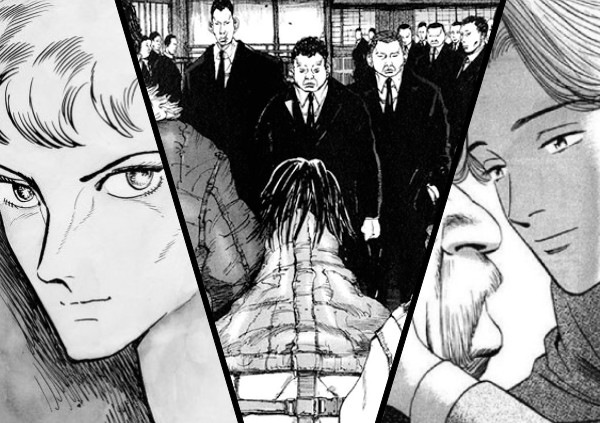
Thriller Manga Intro Picture
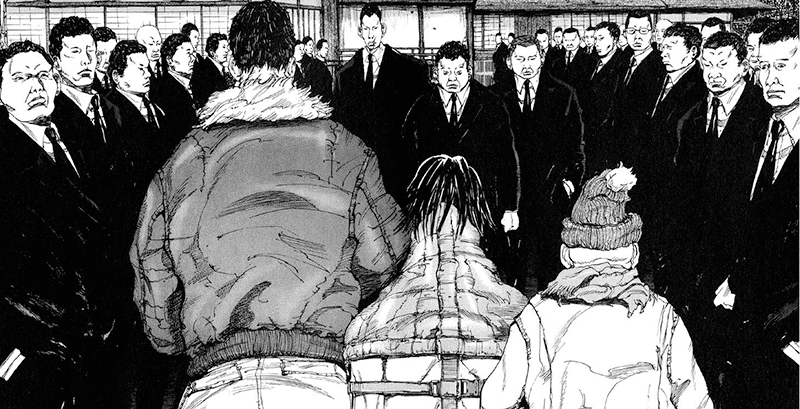
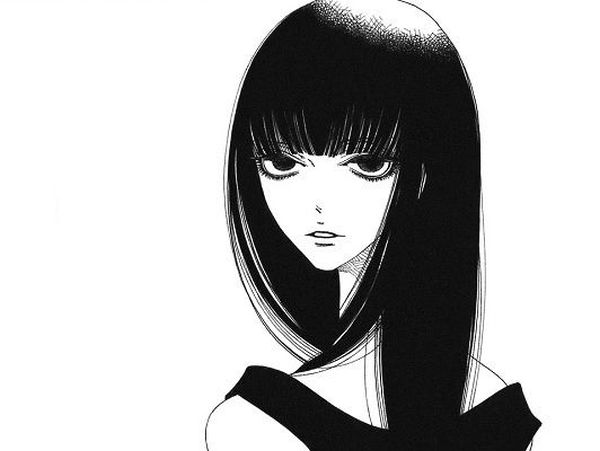
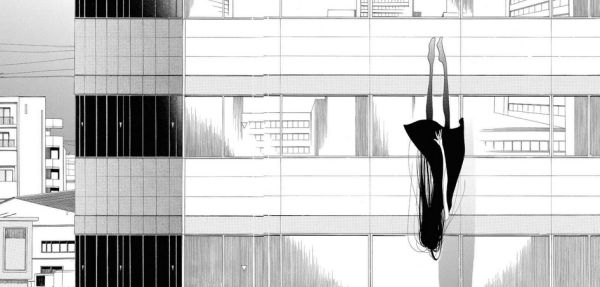
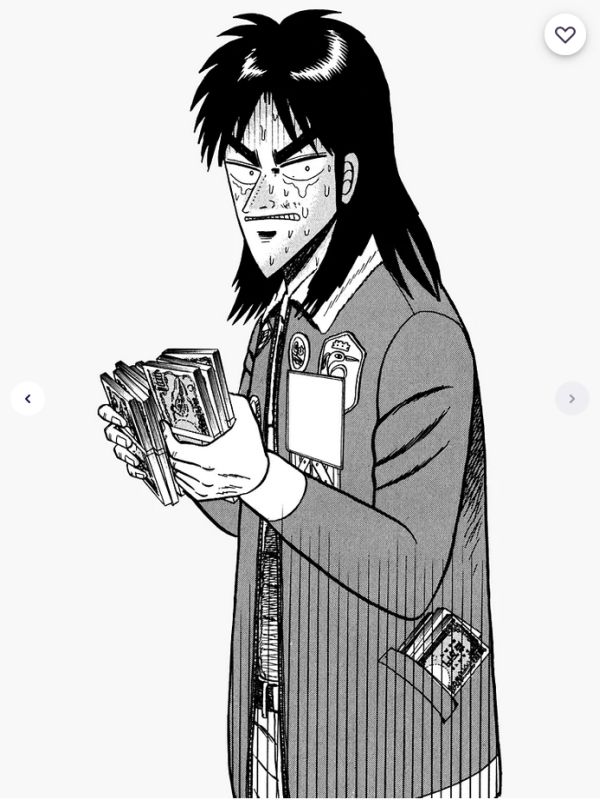
© Osamu Tezuka – MW, Manabe Shohei – Smuggler, Naoki Urasawa – Monster

Some manga on this list, like Ouroboros and Yokokuhan (Prophecy), lean heavily into crime and investigation. Others, like Kaiji and Usogui, focus on high-stakes gambling and the tricks people use to survive. Series like MPD Psycho and Ichi the Killer take a darker route, using visceral imagery to explore brutal crime and the ugliest corners of society. You’ll also find genre blends here, like Eden: It’s an Endless World! and Godchild, which use their settings to tell tense stories.

No matter the style, all of these manga stand out for one reason: they’re genuinely suspenseful. Whether they follow investigators, ordinary people pulled into nightmares, or opportunists trying to get ahead, they’re built to keep you on edge.

Mild spoiler warning: I’ll explain what makes each series so gripping, so I may mention a few plot details to explain why each manga belongs here.

Enjoying the content? If you’d like to support my work, consider signing up for my weird fiction newsletter.
* indicates required

With that said, here are my picks for the 26 best thriller manga (last updated: March 2026).

26. Manhole

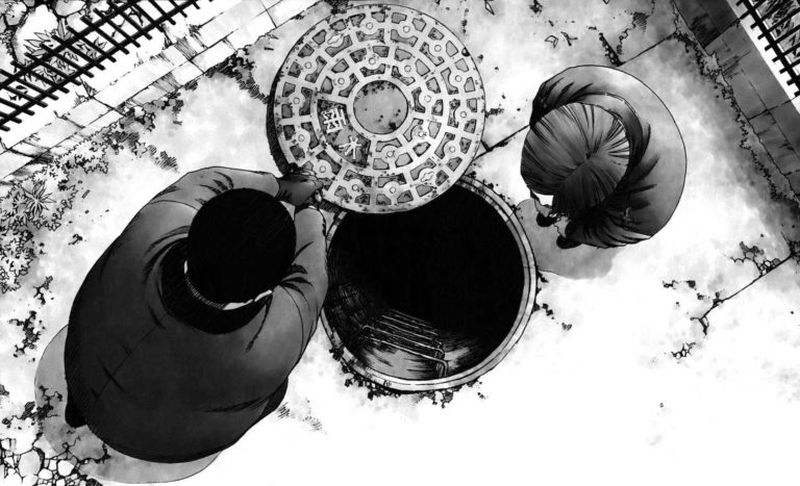
Manga by Tsutsui Tetsuya - Manhole Picture 1
© Tsutsui Tetsuya – Manhole

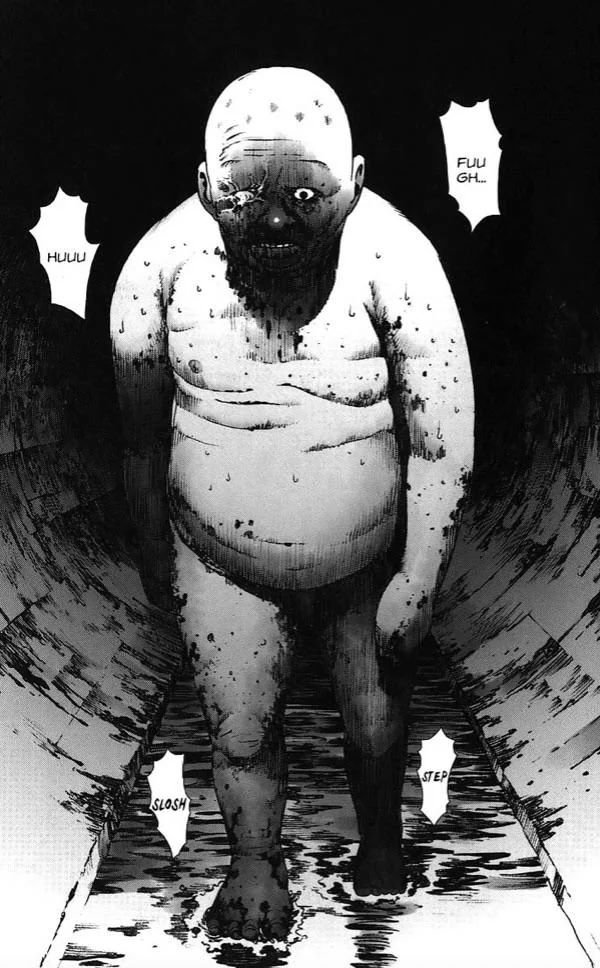
Manhole is a biological crime thriller manga that hooks you fast with one of those openings you don’t forget: a naked man staggers through a shopping district, covered in blood, before collapsing. From there, the series snaps into full procedural mode as two detectives, veteran Mizoguchi and rookie Nao Inoue, are pulled into a case that quickly becomes uglier than a normal murder investigation. The deeper they dig, the clearer it becomes that they aren’t chasing a serial killer. They’re chasing the source of an infection that could spread far beyond one crime scene.

What makes Manhole work is how it builds tension through realistic escalation. Each new clue drags the investigation into more unsettling territory: medical experiments, contamination fears, infected victims, and the creeping sense that the situation is slipping out of anyone’s control. The mystery stays grounded, but the horror comes from the biology itself. It’s not supernatural, not paranormal, and not reliant on monsters. It’s a scenario that feels disturbingly plausible, especially after the pandemic. When the threat is microscopic, invisible, and already moving through the world, even routine detective work feels like a race against the clock.

Manga by Tsutsui Tetsuya - Manhole Picture 2
© Tsutsui Tetsuya – Manhole

The characters also deserve praise. Mizoguchi and Inoue are easy to root for, and the story gives them enough personality that you actually care about how the case wears them down. Their dynamic keeps the manga relatable even when the plot becomes methodical, and the investigation structure stays clear even as the stakes expand. That said, Manhole isn’t the most complex series. It’s short, direct, and sometimes a little predictable, especially if you’ve read a lot of crime manga. The suspense comes from dread and inevitability more than nonstop twists.

Manhole is a thriller manga that feels like a police procedural infected with bio-horror. It’s tense in a grounded way, unsettling without relying on cheap tricks, and ideal for a short binge.

Genres: Thriller, Mystery, Horror

Status: Completed (Seinen)


25. Bloody Monday

Manga by Shin Kibayashi, Kouji Megumi - Bloody Monday Picture 1
© Shin Kibayashi, Kouji Megumi – Bloody Monday

Bloody Monday is a shonen mystery thriller manga built around one of the most reliable high-stakes setups you can ask for: a deadly virus, an international conspiracy, and an ordinary teenager who turns out to be the key to stopping disaster. The premise wastes no time raising the stakes. A lethal pathogen capable of killing within hours falls into dangerous hands, and a seemingly unrelated murder in Japan becomes the opening move in a much larger plan. From there, the story quickly shifts into a race against time, with secrets stacking up, government agencies mobilizing, and the sense that something massive is about to break loose.

The main tension comes from its combination of terror-plot urgency and mind-game escalation. Fujimaru Takagi, known online as Falcon, is a brilliant hacker who once exposed corruption from his computer. Now he’s pushed into the center of a real-world crisis, decoding clues and untangling conspiracies that are far bigger than he should be able to handle. Bloody Monday is genuinely gripping because it loves twists, cliffhangers, reversals, and schemes that keep reshaping the plot. Just when you think the story is narrowing down to one threat, it introduces another layer.

Manga by Shin Kibayashi, Kouji Megumi - Bloody Monday Picture 2
© Shin Kibayashi, Kouji Megumi – Bloody Monday

At the same time, Bloody Monday leans hard into shonen thriller tropes. Falcon is treated like the world’s most valuable asset despite being a high school kid, and the series often asks you to accept that teenagers can outsmart professionals. Some plot turns rely on convenient decisions, and part of the cast feels built to serve the plot more than they feel like real people. The art is functional and clean, but the main draw is pacing and suspense, not visual spectacle.

Bloody Monday is a conspiracy thriller manga where smart young protagonists are thrown into impossible situations and have to find a way to make it out alive.

Genres: Thriller, Mystery, Crime

Status: Completed (Shonen)


24. Hideout

Manga by Kakizaki Masasumi - Hideout Picture 2
© Kakizaki Masasumi – Hideout

Hideout starts in a dark place and somehow manages to get even darker. On the surface, it looks like a straightforward survival horror story about two people trapped in a nightmare environment. But beneath that setup lies one of the most effective short-form thriller manga out there, built around a simple question that becomes terrifying fast: how far has this man fallen, and what’s he capable of now? Written and illustrated by Masasumi Kakizaki, Hideout is short, brutal, and relentlessly tense, with the kind of psychological weight that makes it feel heavier than its length suggests.

The premise introduces us to Seiichi Kirishima, a failed novelist whose life has collapsed after the death of his child. He brings his wife to a remote island under the pretense of a fresh start, but his true motive is to kill her. When things go wrong, the story shifts into a chase, and Hideout becomes a panic-filled rush into a forgotten underground cave system. From there, the pressure becomes suffocating. Tight tunnels, limited visibility, and the constant fear of being cornered turn the environment into a deadly trap.

Manga by Kakizaki Masasumi - Hideout Picture 1
© Kakizaki Masasumi – Hideout

The tension really kicks in when the manga slowly reveals what’s happening inside Seiichi’s mind. Through flashbacks and fractured moments of clarity, you start to see that he’s not just a grieving husband pushed too far. He’s a man who’s been rotting from the inside for a long time, spiraling into resentment, delusion, and violence. Kakizaki’s art makes the cave scenes feel claustrophobic and physical, with heavy shadows and harsh lighting that keep every page oppressive. The violence is sudden and ugly, and the pacing is sharp enough that the manga never drags.

Hideout is a thriller manga that feels like survival horror on the outside and psychological collapse on the inside. It’s bleak, tense, and designed to leave you uncomfortable after the last page.

Genres: Thriller, Horror, Psychological

Status: Completed (Seinen)


23. Yokokuhan (Prophecy)

Manga by Tetsuya Tsutsui - Yokokuhan Picture 1
© Tetsuya Tsutsui – Yokokuhan

Yokokuhan (Prophecy) is a modern crime thriller manga that feels uncomfortably plausible, because its weapon of choice isn’t a gun or a knife. It’s the internet itself. At its core, this is a vigilante story about a masked man turning public outrage into a tool of punishment, but it’s also about how quickly moral certainty spreads when anonymity and viral attention do the heavy lifting. Instead of focusing on underworld power plays, Prophecy aims its tension at something more ordinary and unsettling: the everyday cruelty that people get away with because the system moves too slowly or doesn’t care.

The story centers on Shinbunshi, or Paperboy, a masked figure who broadcasts threats and actions online while exposing crimes and abuses that often slip through the cracks. His targets aren’t cartoonish villains. They’re petty tyrants, exploitative institutions, and people who benefit from apathy and power imbalances. The more attention he gets, the more dangerous his actions become, pulling the Tokyo Metropolitan Police Department’s Cybercrime Division into a high-profile pursuit. Leading the chase is Erika Yoshino, a driven investigator forced to confront a criminal who operates through public perception as much as physical evidence. That dual viewpoint is what keeps the tension high. You’re watching a vigilante escalate while the police scramble to predict his next move.

Manga by Tetsuya Tsutsui - Yokokuhan Picture 2
© Tetsuya Tsutsui – Yokokuhan

Prophecy’s suspense doesn’t come from elaborate plotting or twists. It comes from escalation and consequences. Each of Shinbunshi’s acts of justice sparks a public reaction. That reaction empowers him, and that feedback loop drives the story forward. The manga is also smart about moral tension. Shinbunshi’s actions hit a nerve because his targets often deserve accountability, but the methods become invasive and cruel in ways that start to mirror the system he claims to oppose.

Prophecy is a thriller manga that trades gang wars for internet-era vigilantism and the social consequences that follow. It’s sharp, grounded, and bingeable.

Genres: Thriller, Crime, Psychological

Status: Completed (Seinen)


22. MW

Manga by Osamu Tezuka - MW Picture 1
© Osamu Tezuka – MW

MW is the oldest manga on this list, but it still feels confrontational decades later. Created by Osamu Tezuka in the early wave of adult-oriented manga, it’s a bleak, pulpy crime thriller manga that helped push the medium into darker territory long before gritty suspense stories became mainstream. This is not a procedural mystery or a clean cat-and-mouse chase. It’s a nihilistic character story built around corruption, obsession, and a relationship so toxic it becomes the story’s true core.

We meet two men bound by guilt and secrecy. One is Garai, a Catholic priest trying to bury a past he can’t confess. The other is Michio Yuki, a brilliant, charming criminal who moves through the world like he’s untouchable. Their dynamic makes MW compelling. Garai clings to morality, faith, and denial, but he’s trapped in a cycle of enabling and complicity. Yuki, by contrast, is intelligent, seductive, and disturbingly empty, committing cruel acts with a casualness that makes him feel less like a person and more like a force of nature. Their relationship is uncomfortable, and the manga doesn’t shy away from themes of coercion, abuse, and sexual violence.

Manga by Osamu Tezuka - MW Picture 2
© Osamu Tezuka – MW

MW stands out because it treats crime as something inevitable rather than solvable. Systems appear corrupt, authority figures feel useless, and the story never lets you settle into the idea that justice will be served. Instead, suspense builds through escalation. Yuki’s schemes keep growing more extreme, and even when you can feel disaster approaching, the real tension becomes how far he will go and whether Garai will ever stop being dragged along behind him.

MW is a foundational adult thriller manga that feels twisted, provocative, and far ahead of its time.

Genres: Thriller, Crime, Psychological

Status: Completed (Seinen)


21. Ouroboros

Manga by Yuuya Kanzaki - Ouroboros 1
© Yuuya Kanzaki – Ouroboros

Ouroboros is a crime thriller manga that instantly stands out because it runs on a dual narrative. One protagonist is a police investigator, while the other operates within the underworld. This split perspective is key to the manga, showing how power works on different levels of society. By letting both sides of the law drive the story, Ouroboros keeps its tension high while constantly shifting how much control either character actually has.

As children, Ryuzaki Ikuo and Danno Tatsuya grew up in an orphanage. One day, they witness the murder of the woman taking care of them. Their lives are thrown into chaos, but a new goal quickly solidifies. One joins the police, climbing the ranks to gain authority and information. The other joins the yakuza, building connections that allow him to see what the law can’t touch. That premise is simple, but it creates a partnership that’s useful, uneasy, and morally unstable from the start.

Manga by Yuuya Kanzaki - Ouroboros 2
© Yuuya Kanzaki – Ouroboros

Ouroboros builds momentum through its blend of episodic casework and long-term conspiracy. Early on, you follow Ryuzaki tackling investigations, often with help from Danno’s underworld network. These cases aren’t filler. They establish tone, show how both men think under pressure, and build the larger mystery hanging over the story. The real thrill comes from watching both characters navigate information.

Ryuzaki has procedure and a badge, but he’s limited by politics, while Danno has leverage and access, but every move carries personal risk.

Ouroboros is a bingeable thriller manga that mixes police work and underworld access, with a larger conspiracy hanging over everything.

Genres: Thriller, Crime, Mystery, Drama

Status: Completed (Seinen)


20. Billy Bat

Manga by Naoki Urasawa - Billy Bat Picture 1
© Naoki Urasawa – Billy Bat

Naoki Urasawa has bigger titles under his name, like Monster and 20th Century Boys, but Billy Bat is the one that feels like his most ambitious conspiracy thriller manga. It starts with a premise that’s immediately unsettling. Kevin Yamagata is a Japanese-American cartoonist who creates a detective comic called Billy Bat. He then discovers that the character already existed in Japan long before he drew it. What begins as a fear of accidental plagiarism quickly turns into a spiral of mystery, murder, and hidden history, as Kevin returns to Japan and realizes that Billy Bat’s origins are tangled up with something far darker than coincidence.

The manga’s core is the gradual expansion of its central question: who created Billy Bat first, and why does this character keep appearing around history-changing events? It blends investigative suspense with long-form conspiracy storytelling. Kevin chases leads like a detective, but the deeper he goes, the more the story shifts into something bigger and stranger, connecting historical events, political movements, and shadowy organizations that treat the bat as a symbol, a tool, or even an omen. It’s one of those series where every answer creates two more questions, and the tension comes from realizing the truth is not only hidden but guarded.

Manga by Naoki Urasawa - Billy Bat Picture 2
© Naoki Urasawa – Billy Bat

If you like thrillers that constantly escalate, Billy Bat is a great choice. Urasawa is at his best with cliffhangers and forcing you to turn the page to see what happens next. That said, it’s dense, packed with characters, and sometimes messy in a way that rewards patience.

If you want an ambitious thriller manga that blends murder mystery, historical paranoia, and Urasawa-style momentum, Billy Bat is a wild ride.

Genres: Thriller, Mystery, Crime

Status: Completed (Seinen)


19. Burn the House Down

Manga by Moyashi Fujisawa - Burn the House Down Picture 1
© Moyashi Fujisawa – Burn the House Down

Burn the House Down is a domestic revenge thriller manga that proves you don’t need serial killers or criminal masterminds to create tension. Sometimes the scariest battleground is a wealthy family home, and the most dangerous weapon is a secret that never fully went away. A house fire ruined a family’s life, destroyed a mother’s reputation, and left two daughters carrying the fallout for over a decade. Now one of them is back, quietly infiltrating the same household under a false identity, determined to uncover the truth and set things right.

Thirteen years after the fire tore the Mitarai family apart, Anzu Murata works at a house-cleaning company while supporting her hospitalized mother. She still doesn’t accept the official story, and she still believes someone else was responsible. When she’s assigned to clean the home of Makiko Mitarai, her father’s new wife, Anzu sees the perfect opening. Using an alias, she inserts herself into the household and begins searching for evidence, carefully collecting information while trying not to expose her real motive. It’s a classic infiltration premise: every polite conversation becomes a test, every small mistake risks blowing the entire plan, and the question isn’t just what happened back then. It’s whether Anzu can keep up the charade long enough to prove it.

Manga by Moyashi Fujisawa - Burn the House Down Picture 2
© Moyashi Fujisawa – Burn the House Down

The real reason it works is Makiko. She isn’t a distant villain hiding in the shadows. She’s right there in the open, smiling, posturing, and controlling the atmosphere like the house belongs to her. The manga gets a lot of mileage out of her perfect-housewife mask and the toxic reality underneath it. Makiko is obsessive, manipulative, and unpredictable in ways that make domestic drama feel like psychological warfare. As Anzu digs deeper into family history, Burn the House Down shifts from finding evidence to something more personal and emotionally messy. Identity games, ugly family secrets, and reversals force you to constantly rethink who’s lying and why. It starts slow and methodical, almost like a private investigation carried out by one stubborn person, then tightens into a mind-game where both women try to outplay each other.

Not every twist lands perfectly, and a few characters feel frustratingly passive, but the core tension rarely disappears because the relationships stay charged. Burn the House Down is a thriller manga that trades crime scenes for secrets, manipulation, and revenge hidden behind polite conversation.

Genres: Thriller, Mystery, Drama

Status: Completed (Josei)


18. Pluto

Manga by Naoki Urasawa - Pluto 1
© Naoki Urasawa – Pluto

Pluto looks like science-fiction on the surface, but it runs like a murder mystery thriller manga. Naoki Urasawa takes one of Osamu Tezuka’s most iconic Astro Boy storylines and reshapes it into something heavier, colder, and far more grounded. The hook is incredibly simple but grows more complex over time: someone’s killing the most advanced beings in the world, and a pattern shows the culprit isn’t just dangerous. It’s personal.

Instead of focusing on Atom, Pluto follows Gesicht, an elite robot detective working for Europol. After the destruction of one of the world’s strongest robots, Gesicht is assigned to investigate, only to uncover a growing chain of deaths that point toward a single terrifying presence. As more legendary figures fall, the case widens into something global, tied to robotics law, politics, and the aftermath of a war that never truly ended. The deeper Gesicht digs, the more the name “Pluto” starts circulating among those involved.

Manga by Naoki Urasawa - Pluto 4
© Naoki Urasawa – Pluto

Urasawa’s art is especially effective for this story. The mystery unfolds slowly and methodically through quiet reveals, interviews, and an escalating sense of dread. Pluto isn’t built around action or spectacle. It’s built around inevitability. Every clue changes the shape of the case, and every new connection makes the danger feel larger. The tension hits especially hard because nobody feels safe, not even the characters who seem untouchable. Gesicht carries much of the suspense because he’s caught between his role as a logical investigator and emotions he can’t explain. He dreams. He feels guilt. And he fears what the truth might say about him. That inner instability gives the procedural structure real psychological weight, and it turns the investigation into something that feels intimate rather than mechanical.

Pluto is a strong thriller manga that’s tense, emotionally heavy, and quietly devastating.

Genres: Thriller, Sci-Fi, Mystery

Status: Completed (Seinen)


17. Eden: It’s an Endless World!

Manga by Hiroki Endo - Eden: It's an Endless World! Picture 1
© Hiroki Endo – Eden: It’s an Endless World!

Eden: It’s an Endless World! is a cyberpunk epic that earns its spot here because it gradually reveals itself as a political underworld thriller manga. Hiroki Endo starts with catastrophe, then expands the scope until you’re watching drug empires, covert organizations, mercenaries, and global power structures grind people into dust. It never stops being science-fiction, but the tension comes from crime, corruption, and the machinery of control.

The setup introduces us to a fractured world after a global virus devastates humanity. A powerful organization rises to stabilize the aftermath while tightening its grip. Two children immune to the virus become pieces on a board they don’t understand yet, and much of the early story focuses on survival. Then Eden shifts gears. Time jumps, perspectives widen, and what begins as post-pandemic fallout grows into a modern crime and rebellion narrative that spans continents. Endo keeps the suspense alive by constantly placing characters in unstable systems where every choice has consequences. You aren’t just watching people survive. You’re watching them make decisions that pull them deeper into violence, ambition, and political games that don’t forgive weakness.

Manga by Hiroki Endo - Eden: It's an Endless World! Picture 2
© Hiroki Endo – Eden: It’s an Endless World!

Eden escalates through sheer scope. The series moves through cartels, rebels, scientists, prostitutes, soldiers, and idealists, showing how each layer feeds the next. Even when Eden detours into philosophy or spirituality, the background pressure never leaves, because the world always feels close to falling into chaos. It’s also realistic in its depiction of how power operates. Governments are compromised, institutions rot, and influence moves through money, leverage, and fear. The violence is ugly rather than stylish, and Endo does not romanticize survival tactics. This gives the manga a harsh, adult tone that can feel exhausting in the best way, like the story is deliberately refusing comfort. The cast is flawed and often morally compromised, but consistently compelling, and the grounded artwork sells physical pain and emotional fatigue with brutal clarity.

Eden: It’s an Endless World! is a thriller manga that starts with disaster and grows into a sprawling story of crime, war, and manipulation inside a cyberpunk world.

Genres: Thriller, Sci-Fi, Cyberpunk

Status: Completed (Seinen)


16. My Home Hero

Manga by Naoki Yamakawa, Masashi Asaki - My Home Hero Picture 1
© Naoki Yamakawa, Masashi Asaki – My Home Hero

My Home Hero is a thriller manga built on a single, irreversible choice. When an ordinary salaryman discovers his daughter is the victim of abuse, he does something desperate he cannot undo. It’s a brutal act, but there’s a bigger problem: his daughter’s boyfriend is tied to organized crime. This one fact turns the story into an exercise in sustained pressure.

The suspense works because Tetsuo isn’t built for this world. He’s not a fighter or a hardened criminal. He’s just a father with a sharp mind, a strong conscience, and zero experience with violence. The gap between his abilities and the situation creates constant tension. His victories never feel clean. When he stays ahead, it’s through panic-fueled planning, improvisation, and painful compromise rather than mastery. The criminals he faces also feel plausible. They’re patient, methodical, and terrifying precisely because they don’t need to be loud. The early cat-and-mouse stretches are the series at its tightest, with interrogation scenes, evidence risks, and near-misses that feel almost unbearable because the stakes are so personal.

Manga by Naoki Yamakawa, Masashi Asaki - My Home Hero Picture 2
© Naoki Yamakawa, Masashi Asaki – My Home Hero

What really elevates the manga is how it treats morality. The story doesn’t let Tetsuo frame himself as a hero. Every step deeper into crime chips away at the fantasy of returning to normal, and consequences stick. The family dynamic matters, too. Kasen, Tetsuo’s wife, is not a bystander. She becomes an active partner, which turns the series into something rarer: a thriller about two ordinary adults coordinating lies, strategies, and cover stories while pretending daily life is unchanged. This tension between normal life and disaster underneath it is where My Home Hero hits hardest.

The series broadens as it goes on, and some later arcs are more sprawling than the earlier stretches. The focus shifts outward into wider crime territory, which can feel less intimate even when the paranoia remains. Still, it stays gripping because the core fear never disappears: exposure doesn’t just mean getting caught. It means losing your family.

As a thriller manga, My Home Hero turns parental love into moral compromise, with suspense built from plans, conversations, and the constant fear of discovery.

Genres: Thriller, Crime, Psychological

Status: Completed (Seinen)


15. Smuggler

Manga by Manabe Shohei - Smuggler Picture 1
© Manabe Shohei – Smuggler

Smuggler is a one-volume crime thriller manga that wastes no time proving how much tension you can pack into a short runtime. The hook introduces us to a broke, failed actor who takes a shady job disposing of corpses for the underworld. Almost immediately, he’s thrown into a mob war he’s not equipped to survive. It’s fast, vicious, and weirdly stylish, the kind of escalating chaos that keeps you turning pages because you don’t know how it can get any worse.

Yosuke Kinuta is the perfect anchor because he’s an ordinary guy in a cast of killers. He’s not brave, not trained, and not in control. He’s just desperate. That makes every scene tense, because even a small mistake could get him erased. Smuggler’s plot runs on pure momentum. Each chapter introduces complications that increase the risk. The story also knows when to swing from bad to hopeless, especially when two Chinese assassins enter the mix. They’re characters who steal scenes simply by existing, and their presence isn’t just dangerous, it’s lethal.

Manga by Manabe Shohei - Smuggler Picture 3
© Manabe Shohei – Smuggler

Manabe Shōhei’s art style amplifies the grime. Faces look realistic, but slightly grotesque, which fits the story’s grimy tone perfectly. The backgrounds look dirty, and the violence lands with blunt realism rather than flashy choreography. Smuggler also slips in black humor at exactly the right moments, not to soften the story, but to make the brutality feel even more absurd and unpredictable. The result is a thriller that feels like it’s daring you to keep up.

Because it’s short, Smuggler doesn’t aim for complex conspiracy layering. It aims for propulsion, tension, and a finale that feels inevitable. That focus is the point. You can finish it in one sitting, but it sticks because the pace is so tight and the escalation is so clean.

Smuggler is a sharp and violent thriller manga that delivers gritty underworld suspense in one of the most efficient packages possible.

Genres: Thriller, Crime, Action

Status: Completed (Seinen)


14. Utsubora The Story of a Novelist

Manga by Asumiko Nakamura - Utsubora Picture 1
© Asumiko Nakamura – Utsubora

Utsubora is a quiet, melancholic thriller manga about artistic decay and identity erosion. It’s slow, lingering, and lets unease seep in through implication, absence, and the feeling that the truth is somewhere in between what you’re seeing. The hook follows a burned-out novelist who is contacted by a young woman shortly before she takes her life. Then her identical twin appears while his life collapses into scandal.

Shun Mizorogi was once a celebrated author, but now his creativity has dried up. When Aki Fujino commits suicide, the story introduces Sakura Miki, Aki’s twin, and immediately destabilizes reality. A plagiarism scandal erupts around Mizorogi’s latest work, and the manga starts folding fiction into life until you cannot cleanly separate what was written, what was stolen, and what was lived. Utsubora lives on that ambiguity. Rather than giving you clean clues and easy answers, it reveals information in fragments, forcing you to assemble motive, timeline, and identity from charged conversations and carefully framed scenes. The tension comes from watching Mizorogi try to maintain control while everything around him suggests he never had it.

Manga by Asumiko Nakamura - Utsubora Picture 2
© Asumiko Nakamura – Utsubora

Asumiko Nakamura’s art shines with delicate linework, expressive faces, and paneling that creates a hypnotic stillness, making even the smallest shifts feel like major events. The manga also treats obsession and self-deception as the real threat. Mizorogi’s unraveling isn’t a dramatic break. It’s a slow rot, fueled by fear of mediocrity and the temptation to live through art rather than confront life. Sakura’s presence adds another layer of unease because the story constantly asks who she is, what she wants, and how much of her identity is her own. It’s more psychological drama than plot-heavy suspense, but it earns its thriller status through the way it tightens around its characters, making their inner collapse feel like a form of pursuit.

Utsubora doesn’t rely on cliffhangers and loud twists. It’s a thriller manga that feels like an elegant fever dream about authorship, plagiarism, and the terror of losing yourself.

Genres: Thriller, Psychological, Mystery

Status: Completed (Josei)


13. Gambling Apocalypse Kaiji

Manga by Nobuyuki Fukumoto - Gambling Apocalypse Kaiji Picture 1
© Nobuyuki Fukumoto – Gambling Apocalypse Kaiji

Kaiji is a gambling thriller manga that starts from an ugly truth: desperation makes people predictable, and predators build systems around that fact. Itou Kaiji is a guy with no direction. He’s broke and has no discipline. One day, a debt collector shows up and informs him he’s being forced to take on a huge loan. The interest rate alone is crushing, promising years of repayment. Then he’s offered a way out, but it entails participating in high-stakes gambling matches.

What makes it so tense is that the stakes feel like social execution, even when nobody is holding a gun. If you win, you get your life back. If you lose, your debt grows even bigger, and more serious punishments await you. The games themselves are brilliant because they are simple enough to understand, then weaponized through human behavior.

Fukumoto doesn’t merely focus on big moves. Instead, he dissects split-second decisions, thought processes, and second-guessing, making the games less about mechanics and more about psychological warfare. Kaiji isn’t just about who wins, but about how fear deforms decision-making, especially when players rationalize obvious betrayals.

Manga by Nobuyuki Fukumoto - Gambling Apocalypse Kaiji Picture 2
© Nobuyuki Fukumoto – Gambling Apocalypse Kaiji

Kaiji’s character work makes the series so interesting. Instead of a cold genius, he’s a kind-hearted man who believes in others. That tension gives the manga its emotional core. With survival on the line, who can he really trust? Every time he thinks he’s found an ally, there’s an underlying paranoia, because he can never be truly sure. The art might take some time to get used to. Exaggerated faces, sweat, and close-ups make decisions feel real, brutal, and inevitable.

Tone-wise, this is bleak and intensely focused. It can be dialogue-heavy, and it loves stretching moments of decision to bring out maximum tension. If you prefer quick, flashy pacing, it can feel slow. If you like suspense that builds from pressure, it’s one of the best gambling thriller manga out there. And because the broader Kaiji saga is long, it has room to keep reinventing how it tortures its cast with new setups and increasingly cruel rules.

Genres: Thriller, Psychological, Gambling, Drama

Status: Ongoing (Seinen)


12. A Suffocatingly Lonely Death

Manga by Inoryuu Hajime, Itou Shouta - A Suffocatingly Lonely Death Picture 1
© Inoryuu Hajime, Itou Shouta – A Suffocatingly Lonely Death

A Suffocatingly Lonely Death is a slow-burn investigation thriller manga that builds dread through procedure, not spectacle. It opens on a grotesque case involving murdered children in a mansion, then commits to the uncomfortable reality of chasing answers through trauma and contradiction. It’s the kind of story where every major answer creates new questions, and the most disturbing beats come from implication more than gore.

Detective Jin Saeki is pulled into the case, but the details grow increasingly unsettling. Witnesses are damaged and unreliable. The mansion’s owner, Juuzou Haikawa, becomes the prime suspect, but the story refuses to give an easy resolution. Saeki’s investigation soon puts him into contact with people who used to live with Juuzou, a group of children he’d chosen to take care of. Among them is the enigmatic Kanon Hazumin. Together, they try to uncover what actually happened, finding new clues, information, and connections, including one connection tied to Saeki’s own brother. The pacing is methodical, and that’s the point. You keep reading because the case never settles, and because the series steadily proves that there’s no simple explanation.

Manga by Inoryuu Hajime, Itou Shouta - A Suffocatingly Lonely Death Picture 2
© Inoryuu Hajime, Itou Shouta – A Suffocatingly Lonely Death

The suspense spikes whenever the story zooms in on behavior as evidence. Saeki becomes increasingly involved, and that intimacy matters because it makes the series personal. Created by the duo behind My Dearest Self With Malice Aforethought, A Suffocatingly Lonely Death has a similar taste for unease and misdirection, but here it’s channeled through a grounded police investigation rather than constant twists.

Tone-wise, it’s bleak and restrained. It’s less dependent on chapter-ending cliffhangers and more on creeping dread, where the horror is human. The trade-off is that it can feel slower and less flashy than other crime series, but because it’s ongoing, part of the appeal is that the larger mystery is still widening.

A Suffocatingly Lonely Death is a thriller manga that feels like a real investigation full of psychological darkness and a case that grows heavier and more complex with every chapter.

Genres: Thriller, Crime, Mystery

Status: Ongoing (Seinen)


11. Gannibal

Manga by Masaaki Ninomiya - Gannibal Picture 1
© Masaaki Ninomiya – Gannibal

Gannibal is a rural noir thriller manga that turns a quiet mountain village into a nightmare. A police officer transfers to the countryside for what should be a calm post. He quickly realizes that the community is ruled by a powerful family, the locals share an unspoken fear, and the rumor everyone avoids talking about might be real. It’s part crime story, part paranoia spiral, with horror elements that make every interaction feel like a threat.

Daigo Agawa arrives with his wife and daughter, hoping for stability. Instead, he finds a village that smiles too easily and answers too carefully. His predecessor vanished. The Goto family carries a presence that feels less like influence and more like ownership. And when a mutilated corpse is found, Daigo starts suspecting cannibalism. Gannibal thrives on its isolated setting. Daigo is alone out there, surrounded by people who may be protecting a dark secret. Even friendly gestures feel like surveillance. Every conversation is a probe, and every attempt to do the right thing risks turning the village against him.

Manga by Masaaki Ninomiya - Gannibal Picture 2
© Masaaki Ninomiya – Gannibal

The pacing is steady and tightening. It doesn’t rely on nonstop action. The suspense comes from the loaded exchanges and the feeling that Daigo can’t trust anyone. Gannibal also does something important for a story like this: it makes the antagonists feel human, which makes the threat scarier. The Goto family is brutal, but not cartoonish. The village’s darkness feels inherited, tied to ritual and the social reality of living somewhere remote. When violence hits, it’s shocking and ugly, not stylized, and the contrast with the beautiful rural setting makes it hit harder.

Tone-wise, this is one of the most horror-leaning entries on this list, but it stays grounded. There are no supernatural forces. The danger is human cruelty, group silence, and what people will do to keep their world intact. Daigo himself is a strong lead because he’s flawed. He’s protective, stubborn, and sometimes reckless, which makes the story feel less like a clean mystery and more like a survival situation that keeps escalating.

Gannibal is a thriller manga built on paranoia, isolation, and the fear that an entire community might be complicit.

Genres: Thriller, Crime, Mystery, Horror

Status: Completed (Seinen)


10. Death Note

Manga by Tsugumi Ohba and Takeshi Obata - Death Note Picture 1
© Tsugumi Ohba, Takeshi Obata – Death Note

Death Note is a shonen thriller manga that replaces fights with logic traps and turns its central premise into a constant escalation of risk. A genius student finds a notebook that kills anyone whose name is written inside it and decides to reshape the world. The hook is immediate, but the appeal is the cat-and-mouse chase that follows, as a legendary detective closes in and the story becomes a battle of prediction, misdirection, and ego.

Light Yagami is a fantastic lead. He’s a prodigy who believes he’s right, which makes the suspense sharper. The story isn’t asking if he can actually follow through on his plan, but what it takes to keep it going. When he adopts the identity of Kira and L appears, the manga’s momentum is built on counter-moves. Plans are set, traps are sprung, and each side responds with new strategies that force the other to adapt. Even when chapters are dialogue-heavy, they stay tense because every conversation is a hidden test. Someone’s always probing for a mistake, and slipping up means exposure.

Manga by Tsugumi Ohba and Takeshi Obata - Death Note Picture 2
© Tsugumi Ohba, Takeshi Obata – Death Note

The early stretch is where Death Note is at its best. The detective pursuit is tight, the reversals are clever, and the series keeps raising the stakes without needing physical action. Takeshi Obata’s art helps immediately. The composition is crisp, and the heavy shadows give the story a cold, cinematic intensity that sells paranoia. It’s also very clear about tone. This is stylish, heightened, and occasionally theatrical, closer to an intellectual duel than grounded police work.

The main criticism is well known: later arcs do not match the tension of the earlier confrontation with L. New players enter, the structure shifts, and while the manga stays readable and still delivers strong moments, it feels less sharp than at its peak. Still, even with that dip, it remains one of the best examples of a shonen thriller manga that prioritizes strategy over action.

Genres: Thriller, Mystery, Psychological, Supernatural

Status: Completed (Shonen)


9. Liar Game

Manga by Shinobu Kaitani - Liar Game Picture 1
© Shinobu Kaitani – Liar Game

Liar Game is a high-stakes mind-game thriller manga built on one simple fact: the rules are designed to reward deception, and kindness is a liability. An honest young woman is dragged into a competition where players gamble with massive sums of money, and the only way out is to manipulate, betray, and outthink people who have no problem ruining lives for profit. It’s not an action thriller. It’s pure psychological warfare.

Kanzaki Nao is introduced as painfully naive, the kind of person who trusts even when she shouldn’t. That makes her perfect, because the first arc immediately shows how quickly sincerity gets punished. After she’s conned, she turns to Shinichi Akiyama, a brilliant swindler recently released from prison, and their partnership becomes the series’ core dynamic. The tension comes from the game structure and escalation. Every round starts with rules that seem simple, then reveal layers of exploitation, loopholes, and social pressure that turn groups into paranoid factions. Alliances form, splinter, and reform as soon as money and fear enter the room, and the suspense comes from watching strategies collide in real time.

Manga by Shinobu Kaitani - Liar Game Picture 4
© Shinobu Kaitani – Liar Game

Liar Game is at its best when it introduces strong rivals, especially opponents who can push Akiyama into true uncertainty. The battles of wits often feel like watching a magic trick built from psychology, because the manga makes the logic readable while still keeping enough hidden information to land big reveals. It’s also surprisingly thematic beneath the thrills. The series constantly asks whether cooperation can survive in a system engineered to punish it, and what winning truly means. The trade-off is density. Some rule explanations can run long, and if you don’t like technical breakdowns, you might feel the story is slowing down when it’s actually building tension through detail. The ending is also a common criticism, because it can feel more abrupt than the ride deserves.

Still, it’s one of the smartest mind-game series out there. Once you get into the rhythm, it’s hard to put down because every arc ends with a new hook, a new twist, or a new betrayal.

Liar Game is a thriller manga that’s pure strategy, shifting alliances, and psychological pressure without needing violence to raise the stakes.

Genres: Thriller, Psychological, Mind Games, Drama

Status: Completed (Seinen)


8. 20th Century Boys

Manga by Naoki Urasawa - 20th Century Boys Picture 1
© Naoki Urasawa – 20th Century Boys

20th Century Boys is a conspiracy thriller manga that turns nostalgia into a weapon. A group of childhood friends invent a Book of Prophecy as kids, full of imaginary villains and end-of-the-world scenarios. Years later, those symbols reappear, tied to a rising cult led by a masked figure known only as Friend. The hook lands immediately: your childhood games are now predicting terrorism, and someone is using your memories to reshape the world.

Kenji Endo, now a washed-up adult with a normal job and normal worries, is pulled back into the past when a friend dies and the cult’s influence starts creeping into his life. From there, Urasawa builds suspense through widening circles. At first, the mystery centers on Friend’s identity, but it quickly becomes a different question: how deep does this go? The story moves across multiple time periods, bouncing between the friends’ childhood and a future where Friend’s movement has changed society. That structure keeps the suspense sharp. You’re constantly comparing what happened then to what is happening now, looking for the missing link that explains how ordinary kids became tied to a global nightmare.

Manga by Naoki Urasawa - 20th Century Boys Picture 2
© Naoki Urasawa – 20th Century Boys

Urasawa’s pacing is relentlessly readable. He’s a master of cliffhangers that feel earned, and he uses grounded character work to make huge stakes feel personal. The best part of 20th Century Boys is the steady reversals, the shifting alliances, and the way suspicion keeps moving as the cast grows. You never feel like you’re watching a single hero solve a puzzle. You feel like the whole group is constantly in danger inside a story that keeps rewriting itself. The tone balances paranoia with warmth, which is rare. Even when the plot gets massive, it keeps returning to friendships, regrets, and the fear of being defined by something you never thought mattered.

The main downside is ambition. Over time, the conspiracy grows so wide that it can start to feel like everyone in the world is connected, and some later turns lean more operatic than the early grounded dread. The ending is also divisive for a reason. Some readers may want a cleaner resolution than what the story gives them. Still, the tension, the character focus, and the sheer momentum are hard to deny.

20th Century Boys is a thriller manga packed with cult paranoia, long-form mystery payoffs, and an energy that will make you want to keep reading.

Genres: Thriller, Mystery, Drama

Status: Completed (Seinen)


7. MPD Psycho

Manga by Eiji Otsuka and Shouu Tajima - MPD Psycho 1
© Eiji Otsuka and Shouu Tajima – MPD Psycho

MPD Psycho is one of the most graphic, unsettling thriller manga out there, and it uses that extremity to fuel a sprawling conspiracy. The early chapters read like a brutal detective story, but then it slowly reveals itself as something bigger and more disorienting: a labyrinth of cult influence, manipulation, and identity fracture where the plot itself feels unstable.

Kazuhiko Amamiya, a man with dissociative identities, works on cases that are grotesque even by noir standards. Early arcs read like episodic investigations, full of disturbing human behavior and ritualistic murder scenes. But the further he digs, the more the cases connect, and the story’s true core takes shape: an overarching conspiracy that keeps widening and warping the meaning of everything you’ve seen so far. The manga builds tension by stacking questions. Who’s really responsible for these crimes? Why do patterns repeat? What is being engineered behind the scenes? The answers arrive, but they rarely arrive cleanly, which creates a constant feeling of paranoia.

Manga by Eiji Otsuka and Shouu Tajima - MPD Psycho 2
© Eiji Otsuka and Shouu Tajima – MPD Psycho

The artwork is a huge part of the experience. It’s hyper-detailed and unnervingly realistic, which makes the violence feel physical and the psychological collapse feel tangible. The gore is extreme, and there are moments of sexual violence and cruelty that are hard to sit through. The point is never shock for shock’s sake, though. MPD Psycho ties brutality to the fragility of self. Amamiya’s shifting identities become both thematic core and narrative device. They show just how much conditioning and trauma can fracture a person. As the conspiracy expands and the perspectives shift, it can be difficult to keep track of how each thread connects, and that density is either the appeal or the deal breaker.

MPD Psycho is a thriller manga with a conspiracy that turns every answer into another trap. It’s one of the boldest entries on this list, not only for its extreme content but also for how ambitious it is.

Genres: Thriller, Crime, Psychological, Horror

Status: Completed (Seinen)


6. My Dearest Self With Malice Aforethought

Manga by Inoryuu Hajime, Itou Shouta - My Dearest Self With Malice Aforethought Picture 1
© Inoryuu Hajime, Itou Shouta – My Dearest Self With Malice Aforethought

My Dearest Self With Malice Aforethought is the twist-heaviest thriller manga on this list, and it earns that reputation fast. It starts with a clean hook: a college student wakes up missing time, a stranger insisting she’s his girlfriend, and the creeping realization that his ordinary life may be nothing but a lie. From there, it becomes a page-turner built on reveals, hidden motives, and revelations that keep rewriting what you think you know.

Eiji Urashima’s missing days aren’t just a quirky mystery. They’re a crack in his identity. As he investigates, he uncovers contradictions in his relationships, clues that suggest he’s capable of things he can’t remember doing, and threads that pull him toward a larger truth. The core tension comes from author-versus-reader manipulation. The manga constantly sets up a conclusion, then flips the board. Betrayals, identity games, and withheld information arrive at a ruthless tempo.

Manga by Inoryuu Hajime, Itou Shouta - My Dearest Self With Malice Aforethought Picture 2
© Inoryuu Hajime, Itou Shouta – My Dearest Self With Malice Aforethought

The best stretch is the early half, where the pacing never slows down and every new reveal escalates the stakes. It’s also a very specific kind of ride. It leans pulpy and sensational, but it stays readable and grounded because of Eiji: he’s terrified of who he might be. As the story moves into later arcs, the chaos settles into a more straightforward narrative. That shift makes the themes land and the ending satisfying, but it can also feel slightly less manic than the earlier barrage of twists. Still, the central mystery keeps enough momentum that the tension rarely collapses.

If you love thrillers that feel like they’re closing on the character’s own mind, this one hits hard. If you prefer slow-burn procedural logic, the constant reframing might be too much. Either way, My Dearest Self With Malice Aforethought is a thriller manga that builds constant suspense around identity, memory, and the fear that your worst version has already acted.

Genres: Thriller, Psychological, Mystery

Status: Completed (Seinen)


5. Sanctuary

Manga by Buronson and Ryoichi Ikegami - Sanctuary 1
© Buronson and Ryoichi Ikegami – Sanctuary

If you want the greatest crime and political thriller manga ever created, Sanctuary is the one that earns the crown. Written by Buronson and illustrated by Ryoichi Ikegami, it’s a ruthless story about power, control, and ambition, told through two men who decide Japan needs to be rebuilt by force. It’s part yakuza epic, part political thriller, and it commits to its premise so hard that it feels different and more ambitious than most rise-to-the-top stories.

The hook introduces us to Chiaki Asami and Akira Houjou, two childhood friends who share the same dream: to create a sanctuary. Instead of choosing one route, they split the world in half. Houjou sets out to unite the underworld by crushing factions and turning the yakuza into a weapon with national reach. Asami takes the opposite path, climbing through politics, manipulating elections, parties, and rival power blocs as he moves toward the position of Prime Minister. One fights in Diet chambers and backroom negotiations. The other fights in smoky clubs, alleyway meetings, and violent power grabs. The brilliance is that the manga never treats one side as the main story. It keeps both storylines moving, and the tension comes from watching them advance in parallel, sometimes cooperating, sometimes threatening to ruin everything.

Manga by Buronson and Ryoichi Ikegami - Sanctuary 2
© Buronson and Ryoichi Ikegami – Sanctuary

Sanctuary is a thriller because it runs on escalation, not mystery. Every arc is a new test of influence. Asami’s storyline is pure leverage: who can be bought, who can be exposed, who can be ruined, and how quickly a political handshake can become a threat. Houjou’s side is a war of intimidation and shifting alliances, where respect is just another currency, and every deal has the potential to turn into violence. This dual narrative keeps the pacing sharp. A political win might trigger an underground reaction. A yakuza move creates consequences that bleed into the legitimate world. You keep reading because it’s always moving toward a bigger collision, and because every victory creates a new enemy who feels smarter, richer, and more dangerous than the last.

The cast is stacked with rivals who actually feel worthy of the protagonists, and Isaoka is the standout. He’s not just brutal and intimidating. He’s competent, understands systems, and knows exactly where people break. Sanctuary stays gripping because it refuses to hand easy wins to Asami and Houjou. The threats evolve, and the further they climb, the more obvious it becomes that the top isn’t a finish line.

Manga by Buronson and Ryoichi Ikegami - Sanctuary 3
© Buronson and Ryoichi Ikegami – Sanctuary

Ikegami’s art is perfect for this story. Everything looks sharp, clean, cinematic, and expansive. The men feel made of confidence and menace, the city glows with nightlife and corruption, and even quiet conversations carry the weight of a standoff. It’s pure 1990s seinen style, and it makes the power plays feel physical. That said, Sanctuary isn’t flawless. The depiction of women is seriously dated, often reducing them to accessories in a male power fantasy. The earlier stretches feel grounded and ruthless in their realism. Later, though, it becomes more operatic. The moves get bigger, the turns get wilder, and it shifts from plausible to cinematically intense. But that excess is part of its appeal. Sanctuary knows exactly what it is.

As a thriller manga, Sanctuary is a towering epic that combines election warfare, yakuza politics, and nonstop momentum.

Genres: Thriller, Crime, Political

Status: Completed (Seinen)


4. Ichi the Killer

Manga by Hideo Yamamoto - Ichi the Killer Picture 1
© Hideo Yamamoto – Ichi the Killer

Ichi the Killer is probably the most disturbing and transgressive thriller manga on this entire list. This is a yakuza story that drags you into the ugliest corner of the underworld, where torture, sexual violence, and murder aren’t shocking twists, but routine tools of control. Hideo Yamamoto softens nothing, and that harshness is exactly why the tension feels so sharp. This isn’t a stylish gangster fantasy. It’s a descent into damaged people using cruelty as identity.

The premise centers on two men who feel destined to collide. Ichi is a traumatized assassin with a fragile mind, and Kakihara is a sadistic yakuza enforcer who treats pain like religion. When his boss disappears, Kakihara’s search turns into a violent spiral of interrogations, retaliation, and escalating brutality. It becomes an inverted cat-and-mouse game where Kakihara isn’t chasing justice. He’s chasing stimulation, dominance, and the exact kind of monster he hopes exists out there. The closer he gets to Ichi, the more the plot reveals manipulation and hidden motives under the chaos.

Manga by Hideo Yamamoto - Ichi the Killer Picture 2
© Hideo Yamamoto – Ichi the Killer

What makes Ichi the Killer a real thriller, and not just shock content, is the way it builds paranoia through power imbalance. Nobody feels safe. Alliances break apart. Loyalty is nothing but a leash. The yakuza politics aren’t presented as neat factions. Instead, the hierarchy is defined by fear, leverage, and the casual way characters treat cruelty as negotiation. Every time Kakihara squeezes someone for answers, the suspense spikes because the information will come out eventually, but you never know what the cost will be. At the same time, the manga keeps reframing Ichi. He initially looks like a simple killing machine, but the story slowly makes it clear he’s far more unstable, tragic, and possibly more controlled than he first appears. That uncertainty is where the manga turns sharp, because it turns violence into a symptom rather than spectacle.

Yamamoto’s art is a huge reason the manga lands. His linework is clean, but his expressions are warped and exaggerated in a way that makes every moment of panic feel physical. When violence happens, it’s explicit and ugly, not quick or glamorous, and it lingers long enough to make you uncomfortable. The downside is obvious: some moments are so extreme they’ll feel unbearable rather than compelling, and parts of the narrative lean hard into chaos over tight realism. But even that messiness fits the tone.

Manga by Hideo Yamamoto - Ichi the Killer Picture 3
© Hideo Yamamoto – Ichi the Killer

Ichi the Killer is a thriller manga where suspense comes from cruelty, manipulation, and constant escalation. Be warned, though: it’s nihilistic in tone and full of extreme violence.

Genres: Thriller, Crime, Psychological

Status: Completed (Seinen)


3. Usogui

Manga by Toshio Sako - Usogui Picture 1
© Toshio Sako – Usogui

Usogui is the most brilliant mind-game thriller manga I’ve ever read, and it isn’t even close. Toshio Sako takes the appeal of gambling manga, high stakes, clever rules, and massive reversals, and pushes it into something harsher and more exciting. Every match feels like one misread could get you erased. The story centers on Baku Madarame, nicknamed Usogui, who throws himself into underground gambles overseen by Kakerou, an organization that enforces the rules with absolute authority. You don’t quit the games. You win or you pay, often with your life.

What makes Usogui so great is that it escalates through strategy and psychological warfare. The games are never about luck. They’re about reading people, controlling the flow of information, and setting traps. Sako thrives on double bluffs, hidden conditions, and mid-match reversals that force you to reevaluate what you think is happening. And the series has a rare skill: it makes complicated games readable without draining the tension. You see the mental math, the risk assessment, the tiny tells that separate confident moves from fatal ones. The suspense comes from the quiet terror of realizing someone has manipulated the entire room and you’re one step too late to notice.

Manga by Toshio Sako - Usogui Picture 2
© Toshio Sako – Usogui

Baku is the perfect thriller protagonist because he doesn’t act like a hero. He’s calm when most people would crack. He wins through timing, nerve, and a willingness to bet everything, even when the odds look suicidal. But Usogui isn’t just about Baku winning over amateurs. The opposition is stacked with monsters, and the best matches feel like wars between predators who all believe they’re the smartest person in the room. Rival gamblers aren’t just obstacles, they’re threats with their own philosophies and blind spots, capable of weaponizing fear just as well as Baku does. Even the referees raise the tension, because Kakerou’s presence turns each gamble into something ceremonial and final. The atmosphere tells you this isn’t entertainment. It’s selection.

Usogui also deserves a lot of credit for how dramatically it improves. Early on, the series can feel rougher, with a more chaotic survival vibe before it locks into what it does best: clean, rule-based battles where psychology decides everything. Once it finds that lane, it becomes more ambitious with every major arc. The art evolves massively. Paneling gets sharper, faces become more expressive, and action gains weight and clarity. By the time you hit the biggest showdowns, it’s absurdly confident, and every turn of the page could flip everything. And because the consequences are real, the tension never feels fake.

Manga by Toshio Sako - Usogui Picture 4
© Toshio Sako – Usogui

Tone-wise, it’s intense, stylish, and often brutal, but it doesn’t rely on gore. Violence exists as a threat hanging over every decision, which makes even quiet scenes feel loaded. The only real warning is that it’s long and it expects attention. If you want quick games and instant gratification, the setup and rule details may feel dense. But if you like thrillers that reward focus, this one hits a level most series never reach.

If you want the pinnacle of gambling mind games, with terrifying opponents and strategies that keep evolving past what you thought the genre could do, read Usogui. It’s a thriller manga that turns smart into suspense.

Genres: Thriller, Gambling, Mind Games, Psychological

Status: Completed (Seinen)


2. Godchild

Manga by Yuki Kaori - Godchild Picture 1
© Yuki Kaori – Godchild

Godchild is a Victorian gothic crime thriller manga that hides its darkness behind gorgeous, ornate shoujo art. It follows Cain Hargreaves, a young aristocrat with a poisoned upbringing, as he investigates murders, disappearances, and the polite cruelty under the surface of Victorian-era London. Every case feels like a refined dinner party with a murder waiting to happen, and the tension comes from how quickly Cain learns that evil isn’t loud. It’s inherited, institutional, and often smiling.

Early on, the manga leans into episodic cases, each built around a sharp hook: deadly poisons, elaborate traps, and twisted family dynamics. It gives off a Sherlock-style vibe, but with far more malice and far less comfort. Even when the cases look theatrical, the conclusions often land in an uncomfortable place where motives are personal and justice never feels clean.

What makes Godchild a top-tier thriller, though, is what lies underneath those cases. The episodic structure creates steady momentum, but it also tightens over time. Each investigation reveals another layer of rot in Cain’s world, and the deeper he digs, the more the story makes you ask how far it goes. Secrets begin stacking. Characters who seem harmless turn out to be dangerous. The series carries a constant sense that Cain is being watched, which gives the plot a paranoid edge even during quieter stretches. And because Cain’s own history is tangled up in the worst of it, every clue makes him question his own identity.

Manga by Yuki Kaori - Godchild Picture 2
© Yuki Kaori – Godchild

Tone-wise, Godchild is bleak, elegant, and cruel in a very specific way. It isn’t trying to shock you with gore every chapter, and it isn’t an action story. It’s a slow-burn thriller where suspense comes from atmosphere, suspicion, and the fear of what people will do when their reputation, obsession, or family name is threatened. When violence hits, it’s sudden and mean, especially for a shoujo series, which makes the contrast land harder. It also reads denser than most entries on this list. At times, it feels closer to reading a Victorian novel with illustrations than a typical manga, but that density is part of its appeal. You get layered motives, social pressure, and the sense that every character is hiding something.

Godchild also works because it offers more than just its episodic cases. The overarching narrative gradually reveals a larger web of cruelty and sinister forces, and that long-term mystery gives the series weight. There are subtle BL undertones, too, but they’re tragic and character-driven rather than fanservice and they fit the gothic tone well.

Godchild is a thriller manga that feels like a gothic Sherlock Holmes crossed with tainted ancestry and secret-society paranoia. It’s perfect if you love elegant cruelty, episodic mysteries with overarching tension, and protagonists who keep moving forward even when the truth might destroy them.

Genres: Thriller, Mystery, Gothic, Historical

Status: Completed (Shoujo)


1. Monster

Manga by Naoki Urasawa - Monster Picture 1
© Naoki Urasawa – Monster

Monster is a rare thriller manga that feels inevitable. It starts with one moral decision and builds tension so patiently that, by the time the full horror is revealed, it’s already too late to stop. Naoki Urasawa turns a simple premise into a sprawling psychological chase across post-Cold War Europe, where danger spreads through whispers, coincidences, and human weakness, rather than spectacle.

Dr. Kenzo Tenma is a brilliant Japanese neurosurgeon working in Germany when he saves a young boy instead of an influential politician. It costs him his career. The real consequences, however, arrive years later when that boy, Johan Liebert, returns as a remorseless killer. Tenma becomes obsessed with stopping the monster he unleashed, and that single goal turns his life into a long pursuit across cities, borders, and broken communities. The story never rushes the chase. Instead, it keeps tightening the net around Tenma, forcing him to move secretly while he tries to do what no one else will.

Manga by Naoki Urasawa - Monster Picture 2
© Naoki Urasawa – Monster

What makes Monster so gripping is how its suspense escalates through cause and effect. Tenma doesn’t discover Johan through convenient clues or dramatic reveals. He finds him the way you’d uncover a real conspiracy: through scattered testimonies, vanished witnesses, false leads, and the lingering aftermath of violence. Each arc adds more information about Johan, and the more Tenma learns, the more he realizes he’s not chasing an ordinary criminal. Johan doesn’t just kill people. He manipulates them, convinces them to destroy themselves or others, and then vanishes before anyone can prove he was even there. That’s why the series feels so paranoid. Everyone could be a pawn, an accomplice, or a future victim.

Johan is also one of the most unsettling antagonists in manga because he’s rarely loud. His evil is calm, rational, and almost clinical. He understands people well enough to break them with a few words, and the manga repeatedly shows how fragile morality becomes under pressure. Tenma is the perfect counterweight to that. He isn’t a detective or an action hero. He’s a regular man placed in an impossible situation, where stopping the monster might require him to violate everything he believes about life, guilt, and justice. Monster uses that dilemma to make the suspense emotional as much as plot-driven.

Manga by Naoki Urasawa - Monster Picture 3
© Naoki Urasawa – Monster

The tone is grounded and bleak. This is a slow-burn story with a noir atmosphere, realistic violence, and tension that comes from anticipation rather than shock. Urasawa’s restrained artwork makes it even sharper, because the horror lands in ordinary settings: hospitals, apartments, train stations, quiet streets. Monster isn’t perfect, and it occasionally leans on coincidence, but the overall structure remains relentless. It’s one of the few long mystery chases that still feels controlled the whole way through.

Monster is a thriller manga built on dread, moral pressure, and a villain who feels less like a person and more like an idea.

Genres: Thriller, Mystery, Psychological, Drama
Status: Completed (Seinen)


More in Manga

Best Mystery Manga: 17 Dark, Twisty, and Unforgettable Series

Mysteries are some of the most beloved stories in all of fiction, so it’s no surprise that mystery manga are incredibly popular. There’s just something about unresolved murders, conspiracies, or strange events coming to light.

This list covers a wide variety of mystery manga, from investigative stories built around brutal crime cases to ambitious series built around large-scale conspiracies. But it also includes more intimate, personal stories, where the biggest question isn’t just what happened, but what it does to the people caught inside it.

Mystery as a genre has a long tradition, stretching back to the 19th century with the detective stories of Edgar Allan Poe. Similarly, mystery manga can be traced back to the 1950s, and the genre has only grown more popular since then. The appeal is simple: readers get to follow along, pick up on details, and hunt for clues that might reveal what’s actually going on before it’s spelled out.

Mystery Manga Intro Picture
© Yuki Kaori – Godchild, Naoki Urasawa – Billy Bat, Inoryuu Hajime, Itou Shouta – My Dearest Self With Malice Aforethought

Some series on this list, like Ouroboros and A Suffocatingly Lonely Death, focus on complex crime cases. Others, like Naoki Urasawa’s 20th Century Boys and Billy Bat, pull you into conspiracy mysteries where the characters are dwarfed by what they uncover. And then there are personal mysteries like Inside Mari and Homunculus, where the questions become uncomfortable, psychological, and deeply tied to identity.

Every pick here stands out because a bigger mystery is hiding beneath the surface, whether it’s a crime case, a conspiracy, or something more intimate.

Mild spoiler warning: I’ll focus on each series’ mystery elements, but some plot details may be necessary to explain why it made the list.

Enjoying the content? If you’d like to support my work, consider signing up for my weird fiction newsletter.
* indicates required

With that said, here’s my list of the best mystery manga (last updated: March 2026).

17. Tonari no Jii-san

Manga by Koike Nokuta - Tonari no Jii-san Picture 1
© Koike Nokuta – Tonari no Jiisan

Tonari no Jii-san is a supernatural mystery manga set in a quiet rural town where reality feels slightly off, and everyone acts like that’s normal. It’s slow-burn horror built on denial, absence, and the creeping feeling that something impossible is being treated as normal.

Yuki lives a mostly ordinary life until one moment changes everything. She witnesses something disturbing while she’s seeing her sister off, but the real shock isn’t what happens. It’s the town’s response. None of the townspeople acknowledge it. That silence becomes the story’s core, because the mystery isn’t just about what she saw, but why she’s the only one reacting to it. From there, every normal interaction feels staged, as if the town is quietly enforcing an unseen rule.

Manga by Koike Nokuta - Tonari no Jii-san Picture 2
© Koike Nokuta – Tonari no Jiisan

As the story develops, small inconsistencies stack up into something much uglier. Folklore creeps in, but it never settles into a traditional ghost story format. Instead, it expands into a broader town secret filled with grotesque hints and unnatural transformations, including the infamous bubble-head imagery that’s genuinely hard to shake. The series escalates patiently, which is exactly why it works. It doesn’t rush to explain itself. It lets the uncertainty speak for itself, and it keeps widening the gap between what Yuki experiences and what everyone else insists is normal. Even when the manga starts leaning into higher-concept ideas, it holds onto its core question: who can you trust when nobody sees the world the way you do?

The art is full of heavy shadows, warped textures, and sudden distortions, giving even quieter scenes a sickly tension, as if the town itself is watching.

Tonari no Jii-san is ideal for readers who want an atmospheric mystery with rural horror and constant unease.

Genres: Horror, Mystery, Psychological, Supernatural, Drama

Status: Ongoing (Seinen)


16. Shikabane Kaigo

Manga by Kazuki Miura, Harumi Miura - Shikabane Kaigo Picture 1
© Kazuki Miura, Harumi Miura – Shikabane Kaigo

Shikabane Kaigo is a modern horror mystery manga about a live-in caregiver who accepts a new job that feels wrong from the first conversation. It doesn’t rely on jump scares. Instead, it builds dread through rules, routines, and the sense that everyone around you is carefully pretending nothing is unusual.

Akane Kuritani takes a position deep in the mountains, where she’s assigned to care for an elderly woman named Hiwako inside an isolated Western-style mansion. What sounds straightforward quickly turns unsettling. The house has strict rules. Her coworkers are polite in a way that feels rehearsed. Even casual conversations carry a strange sense of pressure, as if Akane is being probed. The core mystery isn’t just what’s wrong with the patient. It’s what this place is designed to do, and why everyone involved seems invested in keeping Akane confused and compliant.

Manga by Kazuki Miura, Harumi Miura - Shikabane Kaigo Picture 2
© Kazuki Miura, Harumi Miura – Shikabane Kaigo

That’s what makes the series so gripping. The mystery doesn’t stay locked to one chapter. It spreads outward, pulling in the employer, the house itself, and the unsettling atmosphere surrounding the job. Shikabane Kaigo understands that fear hits harder when it’s grounded in ordinary life. The horror comes from isolation, from the feeling of being constantly watched, and from the friction between what Akane sees and what the people around her insist is normal. Hiwako is especially unnerving, drawn with such clinical detail that she feels less like a person and more like the remains of one.

The artwork only heightens the unease. Shadows sit heavy in the background, textures feel grimy and tangible, and empty rooms carry a strange, unseen tension.

Shikabane Kaigo is a slow-burn mystery that turns the mundane act of caregiving into a nightmare of secrets and quiet paranoia.

Genres: Horror, Mystery, Psychological

Status: Ongoing (Seinen)


15. Another

Manga by Ayatsuji Yukito, Kiyohara Hiro - Another Picture 1
© Ayatsuji Yukito, Kiyohara Hiro – Another

Another is the most horror-coded entry on this list, and it’s the kind of mystery manga that makes you feel uneasy before anything happens. It centers on a curse hanging over Class 3-3 at Yomiyama North Middle School, where the students behave as if they’re all participating in a silent lie.

Kouichi Sakakibara transfers into the class, and immediately senses that something is wrong. Everyone is tense, careful, and weirdly formal, as if one mistake could set something off. The most unsettling detail is Mei Misaki, a quiet girl who sits in plain sight, yet everyone treats her as if she doesn’t exist. The bizarre social rule becomes the story’s driving force: Kouichi doesn’t just want answers. He needs them. Once he starts digging, a series of horrific, inexplicable deaths begins.

Manga by Ayatsuji Yukito, Kiyohara Hiro - Another Picture 2
© Ayatsuji Yukito, Kiyohara Hiro – Another

What makes Another work is its clean, paranoid momentum. It’s not a detective story in the traditional sense, but it’s structured like one. Kouichi follows clues, uncovers buried history, and tries to connect patterns before the next tragedy hits. The tension is constant because the mystery doesn’t stay abstract. It punishes people in sudden, brutal ways, which is why this is easily the most gruesome pick in the lower half of this list. Even when the deaths get a little over-the-top, they still serve a purpose, forcing the characters into panic, denial, and desperate reasoning.

The artwork leans into moody shadows and quiet dread, and the manga format gives the story a more grounded tone than you might expect. Not every plot element lands perfectly, and a few reveals happen a bit late, but the final stretch pulls everything together in a way that feels surprising, satisfying, and genuinely tragic.

Another blends curses, paranoia, and ghost-story dread into a tight, tragic mystery.

Genres: Horror, Supernatural, Mystery, Thriller, Tragedy

Status: Completed (Seinen)


14. The Kurosagi Corpse Delivery Service

Manga by Eiji Ōtsuka, Housui Yamazaki - The Kurosagi Corpse Delivery Service Picture 1
© Eiji Ōtsuka, Housui Yamazaki – The Kurosagi Corpse Delivery Service

The Kurosagi Corpse Delivery Service is a supernatural mystery manga, but it doesn’t build toward one massive, intricate conspiracy. Instead, it runs on smaller, isolated cases, and each one is a weird little puzzle about death, regret, and what someone needs to finally be laid to rest. It’s episodic by design, but the cases stay sharp enough that it never feels repetitive.

The setup centers on a group of Buddhist university students who run a delivery service for the dead, tracking down bodies and fulfilling their final wishes. Each member brings something useful to the job. Kuro Karatsu is the standout because he’s able to communicate with the dead and help uncover what happened. That makes every case a blend of investigation and the supernatural, where the questions aren’t just about how someone died. It’s also about why they died, who benefited, and what hidden ugliness gets exposed when a corpse refuses to stay quiet. Murders, cover-ups, cruelty, and buried trauma show up constantly, and the best arcs land because the mystery isn’t just a plot device. It’s tied to someone’s unfinished business.

Manga by Eiji Ōtsuka, Housui Yamazaki - The Kurosagi Corpse Delivery Service Picture 2
© Eiji Ōtsuka, Housui Yamazaki – The Kurosagi Corpse Delivery Service

What really separates The Kurosagi Corpse Delivery Service from darker, more oppressive mysteries is its tone. It’s grim, but it’s also funny in a way that feels intentional rather than forced. The cast is quirky, the banter is sharp, and the story uses black comedy to keep the series from becoming emotionally exhausting. The manga can jump from absurdity to something genuinely unsettling without breaking its own rhythm, and the episodic structure helps maintain momentum. Even when one case wraps up quickly, the next one brings a new kind of problem, which keeps the series fresh even across a long run.

The art supports that blend perfectly. It’s grounded enough to make the bodies and crime scenes feel real, but it also leans into eerie expressions and surreal moments when the supernatural side pushes through.

The Kurosagi Corpse Delivery Service is a cult classic for a reason. It’s a mystery manga with a supernatural twist, strong character chemistry, and case-by-case storytelling.

Genres: Horror, Mystery, Supernatural, Comedy, Drama

Status: Ongoing (Seinen)


13. Homunculus

Manga by Hideo Yamamoto - Homunculus Picture 3
© Hideo Yamamoto – Homunculus

Homunculus is first and foremost a psychological character study, but it has enough unanswered questions and creeping uncertainty to earn its place on this list. It’s the kind of story where the central mystery isn’t a crime scene. It’s the human mind, and what happens when you peel it open.

Susumu Nakoshi lives out of his car, stuck in a strange limbo between luxury hotels and a park where the desperate sleep. He’s homeless, but not in the usual sense. Still, he’s clearly running from something. Then he meets Manabu Ito, a medical student obsessed with trepanation, a procedure meant to expand consciousness by drilling into the skull. Nakoshi agrees, and afterward he begins seeing grotesque distortions in other people, visions that seem to expose their hidden selves. These homunculi become the story’s hook, but they’re also the beginning of the mystery. What exactly are they? Something supernatural? A psychological projection? Brain damage dressed up as revelation? Hideo Yamamoto never gives a clear answer, which is what makes the series so unsettling.

Manga by Hideo Yamamoto - Homunculus Picture 4
© Hideo Yamamoto – Homunculus

The mystery keeps widening the further Nakoshi spirals. It isn’t a detective story, but it’s still driven by investigation, just aimed inward instead of outward. Nakoshi is constantly searching for meaning in what he sees. At the same time, the manga teases another set of questions that slowly become impossible to ignore: who was Nakoshi before this life? Why is he living like this if he clearly understands money and status? And what made him someone who looks functional on the surface, but seems fundamentally hollow underneath?

Homunculus succeeds because it refuses to play safe. It’s eerie at first, then becomes deeply uncomfortable, and eventually slips into territory that feels like a full mental breakdown on the page. The art is a major reason it works, mixing grounded realism with distortions that look like body horror, visual metaphor, and pure nightmare all at once.

Homunculus is an unforgettable mystery manga that leans hard into identity, perception, and psychological decay.

Genres: Psychological, Horror, Drama

Status: Completed (Seinen)


12. Ouroboros

Manga by Yuuya Kanzaki - Ouroboros 2
© Yuuya Kanzaki – Ouroboros

Ouroboros is a crime mystery manga that stays tense because it works from both sides of the system at once. One lead investigates from inside the Shinjuku police, while the other moves through the yakuza, and the story constantly asks the same question: who’s closer to the truth?

Ryuzaki Ikuo and Danno Tatsuya both grew up in an orphanage and were raised by a caretaker who gave them stability and a sense of family. When she’s murdered in front of them, the moment becomes the central mystery hanging over the entire series. Instead of chasing the killer head-on, they choose opposite paths to get answers. Ryuzaki climbs the police ranks to access case files, evidence, and internal networks. Danno enters the underworld, building connections the law can’t touch. That split makes Ouroboros work. It isn’t just an investigation. It’s two parallel hunts for the same truth, each shaped by a different kind of power, risk, and compromise.

Manga by Yuuya Kanzaki - Ouroboros 3
© Yuuya Kanzaki – Ouroboros

The manga also plays smart with structure. Early on, it features small investigations, but they never feel like filler. Each case introduces new players and shows you how the two leads operate when they’re forced to improvise. More importantly, those side investigations quietly feed into the larger conspiracy behind the orphanage murder. The deeper the story goes, the harder it becomes to trust anyone. Ryuzaki might wear a badge, but politics and corruption limit what he can actually do. Danno can reach people Ryuzaki can’t, but every step forward puts a target on his back. Their partnership is productive, but it’s never clean, and that ethical tension is where the story gets a lot of its bite.

Ouroboros shines when it turns information into a weapon. It’s full of moments where characters think they have control, only for the narrative to reveal they’re missing a key piece. The conspiracy angle is genuinely gripping because it unfolds slowly, with enough moving parts to keep you guessing. It gets a bit more outlandish toward the end, and a couple of developments lean into familiar thriller territory, but the ride stays strong because the emotional goal never changes.

Ouroboros is a bingeable crime mystery manga with underworld tension, police procedure, and a long-running conspiracy driving everything forward.

Genres: Mystery, Thriller, Crime, Drama

Status: Completed (Seinen)


11. A Suffocatingly Lonely Death

Manga by Inoryuu Hajime, Itou Shouta - A Suffocatingly Lonely Death Picture 1
© Inoryuu Hajime, Itou Shouta – A Suffocatingly Lonely Death

A Suffocatingly Lonely Death is one of the purest examples of an investigative mystery manga. It centers on a disturbing crime case that keeps growing heavier the deeper you dig. It’s a slow-burn police thriller where dread comes from procedure, contradictions, and the feeling that someone has been shaping the truth for years.

The story opens with a grisly incident involving murdered children in the basement of a mansion, and Detective Jun Saeki is pulled in as the details refuse to line up. The scene feels wrong in a way that’s hard to explain at first. Not flashy or theatrical, just subtle details that don’t line up. From there, the core mystery tightens through interviews with witnesses who are damaged, evasive, or outright unreliable. Eventually, the mansion’s owner, Juuzou Haikawa, becomes the prime suspect, but the series doesn’t give you the comfort of an easy villain. Every time Saeki gets closer to a clean explanation, the manga reveals another layer of fear, manipulation, or trauma underneath.

Manga by Inoryuu Hajime, Itou Shouta - A Suffocatingly Lonely Death Picture 2
© Inoryuu Hajime, Itou Shouta – A Suffocatingly Lonely Death

What makes it work is how grounded it feels. Saeki has to earn answers the hard way, and the story makes you feel the grind of extracting the truth. The tension spikes whenever behavior becomes evidence, because the most important clues aren’t hidden in the obvious places. They’re in pauses, inconsistencies, and the moments someone’s story doesn’t line up. The investigation becomes increasingly intimate once Kanon Hazumin enters the story and the way the case brushes up against Saeki’s own life. That personal connection matters. You’re not just watching a detective work. You’re watching him get pulled deeper into a case that seems to refuse clear answers.

A Suffocatingly Lonely Death is bleaker and more restrained than My Dearest Self With Malice Aforethought, trading constant twists and cliffhangers for slow, methodical dread. It’s about the creeping sense that the truth is ugly, human, and hidden in plain sight. If you want a crime-focused mystery that feels methodical, tense, and psychologically heavy, A Suffocatingly Lonely Death is an easy pick.

Genres: Mystery, Thriller, Crime

Status: Ongoing (Seinen)


10. Pluto

Manga by Naoki Urasawa - Pluto 1
© Naoki Urasawa – Pluto

Pluto is a slow-burn mystery manga set in a science-fiction world. It’s a methodical murder investigation where the victims aren’t just important. They’re legendary.

Based on Osamu Tezuka’s Astro Boy, Naoki Urasawa reshapes it into something colder and more grounded. Even without having read Astro Boy, Pluto will instantly pull you in: someone is destroying the most advanced robots on Earth, and the pattern suggests the killer isn’t acting randomly. The story follows the elite robot detective Gesicht, who investigates the first high-profile death and quickly realizes he’s dealing with something bigger than a single suspect. As his investigation continues, the name “Pluto” comes up again and again, but instead of a person, it feels like an approaching catastrophe.

What makes Pluto so effective is the way it builds tension through process. Urasawa doesn’t rush. He lets the case expand through interviews, uneasy connections, and quiet reveals that reframe what you thought you understood. With every clue, the investigation becomes bigger, slowly encompassing politics, robotics law, and the fallout of an older war that never truly ended. As the case grows, the mystery shifts from who’s responsible to why it feels so personal. That sense of intent keeps the pages turning. The killer doesn’t just eliminate targets. They leave messages behind, and it forces Gesicht and the reader to start questioning the entire structure of this world.

Manga by Naoki Urasawa - Pluto 2
© Naoki Urasawa – Pluto

Gesicht is also the perfect lead for this kind of story because he carries emotional weight he isn’t supposed to have. He’s a robot, yet he feels guilt, has nightmares, and is haunted by things that don’t neatly fit into his logic or programming. This inner turmoil gives the mystery framework a deeply intimate psychological edge.

Pluto is strongest in the middle stretches when the mystery hits peak momentum, and the case grows too large to contain. The final act leans more toward mythic resonance than strict police-work grit, but it still lands emotionally and as a tribute to Astro Boy.

Pluto is one of Urasawa’s most gripping reads. It’s a tense, devastating murder mystery that slowly expands into a larger conspiracy.

Genres: Mystery, Thriller, Sci-Fi, Drama

Status: Completed (Seinen)


9. The Summer Hikaru Died

Manga by Mokumoku Ren - The Summer Hikaru Died Picture 1
© Mokumoku Ren – The Summer Hikaru Died

The Summer Hikaru Died is a mystery manga that doubles as an intimate cosmic horror story, where the most terrifying question isn’t what’s out there, but who you’re standing next to. It starts with a quietly crushing premise: Yoshiki knows his best friend is dead, and something else that looks and sounds exactly like him takes his place.

The series doesn’t drag out the obvious. Early on, it makes it clear that this isn’t the real Hikaru, and that choice strengthens the mystery instead of undercutting it. Because once you accept that something else is wearing Hikaru’s face, the story opens into a bigger set of questions. What is this new Hikaru? Where did it come from, and what happened to the original? Why did it choose this town, and why does it seem strangely attached to Yoshiki? The setting matters, too. This is a remote town where people keep secrets, and the supernatural feels woven into daily life. The deeper Yoshiki gets involved, the more the town reveals its cracks, including local folklore tied to an entity known as Nounuki-sama. Ghosts appear. Unexplained events pile up. It becomes less about one replacement and more about what’s been waiting in the hills all this time.

Manga by Mokumoku Ren - The Summer Hikaru Died Picture 2
© Mokumoku Ren – The Summer Hikaru Died

What makes the manga hit so hard is the emotional core underneath the horror. Yoshiki isn’t only afraid. He’s grieving, forced to share space with something that shouldn’t exist, while still craving the comfort of the person he lost. That tension gives every scene a soft, aching weight, and it turns the mystery into something deeply personal. Mokumokuren also nails the slow dread. The story is full of small pauses, strange conversations, and moments where you can feel something’s about to happen. And when the cosmic horror imagery breaks through, it’s genuinely striking, with Hikaru’s true form spilling out into something massive, alien, and impossible to fully process.

There are BL undertones, but they’re handled with sincerity rather than fanservice. The intimacy is often uncomfortable on purpose, like the story is forcing Yoshiki to confront how badly he wants to believe. It’s tender, eerie, and quietly devastating.

As a mystery manga, The Summer Hikaru Died blends rural folklore and cosmic dread with a surprisingly emotional hook.

Genres: Horror, Mystery, Supernatural, Drama

Status: Ongoing (Seinen)


8. Billy Bat

Manga by Naoki Urasawa - Billy Bat Picture 1
© Naoki Urasawa – Billy Bat

Billy Bat is a mystery manga built around a global conspiracy so strange it feels impossible at first, and that’s exactly why it hooks you. It starts with something harmless, a cartoon character, then slowly reveals that this bat might be tangled up in violence, power, and history itself.

A Japanese-American comic artist named Kevin Yamagata creates a detective series called Billy Bat, and it becomes a hit. Then he makes a horrifying discovery: years before he drew it, the character already existed in Japan. Kevin returns to Japan to look into it, afraid he’s accidentally plagiarized someone. This is where things turn darker. The central question quickly shifts from who he stole it from to why the character keeps appearing around death and major events. The deeper Kevin goes, the more the mystery starts behaving like a curse, as if Billy Bat isn’t just a drawing, but a symbol that keeps resurfacing in the worst possible places.

Manga by Naoki Urasawa - Billy Bat Picture 2
© Naoki Urasawa – Billy Bat

Urasawa builds the story like a puzzle box that keeps expanding. Kevin follows leads, moving from murders to hidden documents to secret networks that treat the bat like a tool, an omen, or something they’re actively trying to control. That escalation is Billy Bat’s real strength. Each answer feels like progress, but it always leads to a bigger revelation. The conspiracy isn’t just hidden. It’s protected, and learning the truth comes with consequences. The scale also becomes increasingly ambitious as the narrative connects political movements, historical moments, and mythic undertones into a long chain of cause and effect. It’s not subtle about its scope, and that’s part of the appeal.

Urasawa is at his best when he’s building cliffhangers, and Billy Bat always wants you to read one more chapter. At the same time, this is easily one of his densest works. It can feel messy if you’re expecting something as clean and focused as Monster. But if you’re willing to stick with it, the payoff is getting one of the most complex conspiracy stories in manga.

Billy Bat is a mystery manga that’s big on paranoia, hidden history, and long-form escalation.

Genres: Mystery, Thriller, Crime, Drama

Status: Completed (Seinen)


7. My Dearest Self With Malice Aforethought

Manga by Inoryuu Hajime, Itou Shouta - My Dearest Self With Malice Aforethought Picture 1
© Inoryuu Hajime, Itou Shouta – My Dearest Self With Malice Aforethought

A lot of mystery manga take a slow approach, carefully laying out clues and building toward the truth one step at a time. Not My Dearest Self With Malice Aforethought. This is one of the fastest-paced mystery manga on this list, and its first half is genuinely one of the most addictive reads I’ve ever encountered.

Eiji Urashima wakes up with missing days, a stranger insisting she’s his girlfriend, and the sickening realization that his normal life might be built on lies he doesn’t even remember. At first, it feels like a simple memory mystery, but it quickly escalates into something much uglier. Eiji starts digging into his own life and finds contradictions everywhere. Relationships don’t line up. People react to him with fear or caution. Small details suggest something violent happened. Soon he realizes that he might have a second personality. From there, the biggest question isn’t what happened during these lost days, but what his other personality is actually capable of. That’s what keeps the pages turning. The mystery isn’t happening somewhere else. It’s inside the protagonist’s head, and it seems to actively work against him.

Manga by Inoryuu Hajime, Itou Shouta - My Dearest Self With Malice Aforethought Picture 2
© Inoryuu Hajime, Itou Shouta – My Dearest Self With Malice Aforethought

The author is constantly manipulating the reader’s expectations. The manga teases a conclusion, only to pull the rug out from under it moments later. Betrayals, withheld information, and sudden revelations arrive at a ruthless tempo, and it makes you want to read on because the story never stabilizes. My Dearest Self With Malice Aforethought is strongest during the first half, where every new reveal reframes everything and the narrative never slows down. It’s pulpy and sensational at times, but the emotional core stays sharp throughout. Eiji isn’t a hero or a mastermind. He’s a confused and terrified young man who fears he might be the villain in his own story.

As the series continues, the pacing settles into a more linear push toward resolution. The chaos becomes more structured, which makes the finale feel more coherent, even if it loses a bit of that manic early energy. Still, the mystery holds together surprisingly well, and it does a solid job paying off the major questions without relying on a cheap final shock.

My Dearest Self With Malice Aforethought is a twist-heavy mystery manga that feels like a trap slowly closing around someone’s identity.

Genres: Mystery, Thriller, Psychological, Drama

Status: Completed (Seinen)


6. 20th Century Boys

Manga by Naoki Urasawa - 20th Century Boys Picture 2
© Naoki Urasawa – 20th Century Boys

20th Century Boys might be the most popular mystery manga of all time, and it earns that reputation fast. It tells a sprawling conspiracy story through multiple time periods, constantly flashing back to childhood while building toward a mystery that grows bigger, stranger, and more dangerous with every reveal.

Kenji Endo lives a normal adult life until it’s suddenly impossible to keep pretending everything is fine. A childhood friend dies, and around the same time, a cult led by a masked figure known only as Friend begins rising to power. The disturbing part isn’t just the cult itself. It’s the symbolism. Friend’s rhetoric and iconography echo the Book of Prophecy Kenji and his friends created as kids, a goofy homemade story that was never meant to become real. That connection becomes the core mystery: how did a silly childhood game turn into a blueprint for real-world terror? Kenji gathers his old friends and starts pulling at the threads, only to realize the conspiracy isn’t hidden in the shadows. It’s spreading in plain sight.

Urasawa’s structure is one of the biggest reasons the story works. The manga jumps between the late 1990s, the year 2014, and the so-called Friend Era, while layering in flashbacks from the 1960s and 1970s showing the characters as children. Those timelines never feel like a gimmick. They’re an essential part of the puzzle, and the contrast between nostalgia and dread is where the series truly shines. The childhood sections are especially effective because they don’t just exist for emotional texture. They actively reshape what you think you know, turning innocent memories into evidence and rewriting the meaning of small details you’d normally ignore.

Manga by Naoki Urasawa - 20th Century Boys Picture 4
© Naoki Urasawa – 20th Century Boys

The first two arcs are among the strongest long-form mystery storytelling in manga. They’re packed with shifting alliances, red herrings, and slow, satisfying realizations where the conspiracy widens at exactly the wrong moment. It’s also character-driven in a way most conspiracy thrillers aren’t. Kenji isn’t a superhuman genius. He’s a regular guy forced into a role he never wanted, and the story constantly reminds you how fragile his group really is when the world turns against them.

The latter stretch gets messier and more outlandish, and the sheer scale of the conspiracy can feel almost too huge to believe. But even when the story overreaches, it’s overreaching with ambition, not laziness. The suspense stays strong, and the central mystery keeps pulling you forward because you need to know who Friend really is and how deep it goes.

20th Century Boys is a mystery manga packed with conspiracy paranoia, unforgettable characters, and momentum that won’t let you go until the end.

Genres: Mystery, Thriller, Drama

Status: Completed (Seinen)


5. Death Note

Manga by Tsugumi Ohba and Takeshi Obata - Death Note Picture 1
© Tsugumi Ohba, Takeshi Obata – Death Note

Death Note is one of the most popular cat-and-mouse mystery manga ever written, built around a battle of wits where both sides are constantly trying to uncover the other’s identity. One day, prodigy high schooler Light Yagami finds a strange notebook. The rules are simple: if you write someone’s name in it, they die. After some initial tests, he decides to use it to reshape the world from the shadows. The real suspense comes from what follows: a detective hunt where every move creates a new trap.

Light isn’t a desperate underdog stumbling into power. He’s confident, controlled, and convinced he’s doing the right thing, which makes the mystery sharper because the story isn’t asking if he can win. It’s asking how long he can keep winning without being exposed. Once Light becomes Kira, the stakes keep rising. The police chase him. Light baits them. L enters the story. Light responds. Every arc is built around prediction, misdirection, and the fear of making one irreversible mistake. Even dialogue-heavy moments feel tense because those conversations aren’t filler. They’re tests, and a single slip means the end.

Manga by Tsugumi Ohba and Takeshi Obata - Death Note Picture 2
© Tsugumi Ohba, Takeshi Obata – Death Note

The cat-and-mouse structure is why Death Note qualifies for this list. It’s not a procedural mystery, and it isn’t about clue-gathering in the traditional sense, but it absolutely runs on investigation logic. L is constantly narrowing the pool of suspects through deduction, surveillance, and psychological pressure. Light is constantly trying to control what information exists, how people interpret it, and what evidence can be allowed to exist. In other words, the mystery here isn’t about who Kira is, but what counts as proof when death looks like coincidence. That’s what makes the early stretch so electric. The reversals are clever, the pacing is ruthless, and the story keeps raising the stakes without relying on physical fights.

Obata’s sharp compositions and heavy shadows help sell it. They give the manga a cold, dramatic intensity that fits the paranoia perfectly. It’s stylish, sometimes theatrical, and less of a grounded police story and more an intellectual duel, but it works because it fully commits to the mind-game tone.

The usual criticism is the later arcs. They simply don’t match the raw tension of the initial showdown, and the structure shifts once new players enter the game. Still, even with that dip, Death Note remains one of the best mystery manga of all time.

Genres: Mystery, Thriller, Psychological, Supernatural

Status: Completed (Shonen)


4. Inside Mari

Manga by Shuuzou Oshimi - Inside Mari Picture 1
© Shuuzou Oshimi – Inside Mari

Inside Mari is an intimate psychological story, but it spends most of its pages moving like a mystery, built around one question that won’t leave you alone. One day, college dropout Isao Komori wakes up in the body of Mari, a high school girl he’s been quietly obsessed with, and nothing about it makes sense. It’s an unsettling, slow-burn mystery manga where the real horror comes from identity slipping out of your hands.

Isao isn’t a normal protagonist. He’s isolated, detached, and drifting through life with no real anchor, and Mari becomes a symbol of everything he thinks he’s lost. Then the story breaks reality in a single moment and refuses to explain itself. Why is he in Mari’s body? Where did Mari go? Is she gone, trapped, watching, or erased? That’s what drives the early chapters, because Inside Mari doesn’t treat the body swap like a gimmick. It treats it like a crime scene in the mind. Isao has to imitate a life he doesn’t understand while chasing fragments of the truth. The stakes keep rising because every day he’s in Mari’s body, the more impossible it feels to return to normal. The mystery also creates constant tension through social pressure. Mari’s friends, her home, and her daily life all become obstacles. One wrong move can expose him, and exposure means losing the only chance he has to ever understand what happened.

Manga by Shuuzou Oshimi - Inside Mari Picture 3
© Shuuzou Oshimi – Inside Mari

What makes Inside Mari stand out is how the mystery changes shape as it progresses. It starts with a straightforward question, almost like a detective story about an impossible event. But the deeper Isao goes, the more personal and psychological it becomes. Oshimi turns the mystery into a descent through repression, sexual guilt, dissociation, and self-destruction. The story keeps asking what’s really happening, but the meaning keeps changing. Instead of chasing a single twist, you’re watching identity get peeled open layer by layer.

Oshimi’s pacing is patient and controlled, and he excels at sustaining discomfort without relying on shock. Quiet scenes feel tense because the characters are always one scene away from breaking apart. His clean, expressive art captures shame, confusion, and panic in a way that makes even mundane settings feel claustrophobic. And when the revelation finally lands, it doesn’t feel like a cheap trick. It reframes the entire story in a way that’s genuinely satisfying, because it’s rooted in character rather than spectacle.

Inside Mari is a psychological mystery manga that turns identity into an intimate investigation.

Genres: Mystery, Psychological, Drama

Status: Completed (Seinen)


3. MPD Psycho

Manga by Eiji Otsuka and Shou Tajima - MPD Psycho 1
© Eiji Otsuka and Shou Tajima – MPD Psycho

MPD Psycho is not only the most graphic entry on this list; it’s also the most complex mystery manga here, and that combination makes it linger in a way you can’t fully shake. It starts like a brutal detective series, then keeps expanding until the entire story feels like an overarching conspiracy.

The main reason it’s so labyrinthine is the protagonist. Detective Kazuhiko Amamiya suffers from multiple personality disorder, and the manga uses that fractured identity to drive everything that follows. Early on, you watch him investigate grotesque murder cases: ritualistic scenes, unnerving patterns, and violence that goes far beyond typical noir. The more cases he investigates, the more they echo each other. That’s where the mystery takes shape. These crimes aren’t isolated. They’re connected, guided, and circling around something larger than the cases themselves. Soon, Amamiya realizes that the investigation is tied to his past in ways he doesn’t fully understand. Every answer leads to another question: what’s going on behind the scenes, and why does it feel like Amamiya is part of it?

Manga by Eiji Otsuka and Shou Tajima - MPD Psycho 2
© Eiji Otsuka and Shou Tajima – MPD Psycho

What makes MPD Psycho stand out is the way it turns mystery structure into psychological pressure. Amamiya’s different personalities aren’t just a gimmick. They actively reshape how the story unfolds because each identity carries its own motives, blind spots, and emotional weight. That fragmentation makes the plot feel unstable in a deliberate way. Some arcs feel like casework, others feel like paranoia spirals, and the conspiracy keeps widening until you’re no longer sure if you’re chasing a killer, a system, or a method of control. This makes it rewarding if you like dense stories that demand attention. The downside is that it can be challenging to track, especially once the narrative stacks layers of manipulation and personality shifts.

The art by Shou Tajima is a huge part of why it works. His hyper-detailed, grounded style makes the violence feel physical instead of stylized. That realism makes the disturbing moments so hard to shrug off. This is a bleak thriller, and it comes with content that can be genuinely rough, including cruelty and sexual violence. But it rarely feels like empty shock. The brutality reinforces the manga’s core theme: identity is fragile, and the world is full of people willing to exploit that fragility.

MPD Psycho is a mystery manga that feels like a true-crime noir story collapsing into a conspiracy nightmare.

Genres: Mystery, Thriller, Crime, Psychological, Horror

Status: Completed (Seinen)


2. Monster

Manga by Naoki Urasawa - Monster Picture 1
© Naoki Urasawa – Monster

Monster is a slow-burn mystery manga that steadily grows bigger. It starts with a single good deed, then spreads outward until it feels like every place and every person falls under its shadow. Naoki Urasawa doesn’t build suspense through spectacle. He builds it through inevitability, where the horror is already in motion by the time you realize what you’re dealing with.

In a German hospital, Japanese surgeon Dr. Kenzo Tenma makes a single decision that should destroy his career: instead of saving an influential politician, he saves a young boy. The real consequences arrive years later. The boy, Johan Liebert, reappears as a serial killer so calm and controlled that he barely registers as human. Horrified, Tenma decides to undo his past mistakes, and the story turns into a long, grounded pursuit across post-Cold War Europe. It’s not a chase in the action-thriller sense. Tenma keeps moving, following traces that disappear as quickly as they form, trying to stop something that keeps slipping away.

Manga by Naoki Urasawa - Monster Picture 2
© Naoki Urasawa – Monster

The mystery narrative works on multiple levels. The obvious is Johan’s location and how to stop him, but the deeper hook is how little Johan behaves like a normal criminal. Tenma doesn’t uncover him through convenient clues or twists. He finds him through scattered testimonies in broken communities, vanished witnesses, and the lingering aftermath of violence. Many arcs play like standalone mysteries, where Tenma enters a town, senses something rotten beneath the surface, and realizes Johan has already been there. The series constantly reinforces the idea that Johan doesn’t just kill people. He manipulates them. He plants a thought, preys on a weakness, and convinces others to destroy themselves, leaving almost no proof he was even involved. That’s what makes the whole story feel paranoid. Every small conversation carries the threat of unseen influence, and anyone could be a pawn.

What makes Johan so terrifying is his calm and quiet demeanor. He is evil, but in a composed, rational, and almost gentle way, which makes it worse. Tenma serves as the ideal counterbalance. He’s a normal man, trapped in an impossible dilemma. Stopping the monster he’s unleashed is the right thing to do, but it might also mean doing something that goes against his morals. This turns the suspense emotional, not just plot-driven, because the story keeps asking what it would actually mean for him to take a life.

Manga by Naoki Urasawa - Monster Picture 3
© Naoki Urasawa – Monster

Monster thrives on anticipation, not shock. The tone is bleak but grounded, and Urasawa’s restrained art makes the horror land even harder because it happens in ordinary places: apartments, train stations, hospitals.

It’s not flawless, and it sometimes leans on coincidence, but its control over dread and pacing is almost unmatched. As a mystery manga, Monster is tense, human, and morally brutal, featuring one of manga’s most unsettling antagonists.

Genres: Mystery, Thriller, Psychological, Drama

Status: Completed (Seinen)


1. Godchild

Manga by Yuki Kaori - Godchild Picture 1
© Yuki Kaori – Godchild

Godchild may be a surprising pick for the #1 spot on this list, but to me it’s one of the most compelling long-form mystery manga I’ve ever read. It takes a classic Victorian crime setup, filters it through gothic tragedy, and makes every case feel both elegant and vicious at the same time.

Set in 19th-century London, you’re introduced to young aristocrat Cain Hargreaves, who investigates macabre mysteries alongside his loyal servant, Riff, and his half-sister, Mary Weather. The early structure is deceptively episodic: Cain arrives at a social gathering and soon witnesses a murder. What makes it interesting is that many of these cases are cruel and personal, driven by inheritance or obsession. You get poisons, traps, blackmail, warped family dynamics, and crimes that aim to ruin, not just kill. It’s about reputation and destroying someone’s legacy.

At first glance, this makes Godchild appear similar to Sherlock Holmes. Where it differs is in the payoff. A case might be solved, the murderer might be found, but it seldom brings comfort. There’s always a bitter aftertaste, and there are always implications that the real villain is often something larger and institutional.

Manga by Yuki Kaori - Godchild Picture 2
© Yuki Kaori – Godchild

What makes Godchild so good is the larger mystery it weaves beneath the episodic structure. Cain’s world is bleak and rotten, and every case reveals another layer. Eventually, Cain’s family legacy becomes its own evolving mystery, tied to a web of secrets and a shadowy organization circling around him. The more Cain learns, the more unstable his sense of self becomes, because the truth isn’t just another case he can solve. It’s something that threatens to break him. That’s the hook that keeps you reading, even during the series’ slower stretches.

Godchild also succeeds in presentation. The gothic Victorian backdrop is perfect for mystery storytelling, and Godchild leans hard into it. Social rituals, rich mansions, foggy streets, and brutality hidden behind pleasantries. The art is a huge part of why the series feels so distinct. Because it’s shoujo, everything has this melancholic beauty to it, and that contrast makes the violence land harder. The murders are sudden and mean, but the world surrounding them is hauntingly gorgeous, which gives the whole manga a strange emotional weight.

If you want a mystery manga with a gothic atmosphere, episodic crime cases, and a larger conspiracy tightening around the protagonist’s life, Godchild is an easy pick, especially if you like elegant stories that feel genuinely cruel.

Genres: Mystery, Thriller, Gothic, Historical, Drama

Status: Completed (Shoujo)


More in Manga

The 21 Best Ongoing Seinen Manga to Start Right Now

I’m a big fan of seinen manga, so I’m always keeping up with new series as they’re released. That said, finding new titles worth your time can be tough given how much manga gets published each year. That’s why I put together this list of my favorite ongoing seinen manga.

Instead of repeating the same mega-popular picks you’ll see everywhere, I’m focusing on standout series that genuinely deserve your time. You’ll find everything from unsettling horror and psychological thrillers to deeper, more ambitious stories that stick with you. Some of these manga are still early and easy to catch up on, while others have been running for hundreds of chapters.

Ongoing Seinen Manga Intro Picture
© Inio Asano – Munjina into the Deep, Sakamoto Shinichi – DRCL Midnight Children, Tsubasa Yamaguchi – Blue Period

What they all share is simple: these are ongoing series I actually recommend reading right now. Whether you want the brutal action of Kengan Omega and Tenkaichi, the slow-burn dread of A Suffocatingly Lonely Death, or the chaotic brilliance of The JOJOLands, you’ll find something here.

Mild spoiler warning: I keep things as spoiler-light as possible, but a few plot details may come up to explain why a series belongs here.

Enjoying the content? If you’d like to support my work, consider signing up for my weird fiction newsletter.
* indicates required

With that said, here are my picks for the best ongoing seinen manga (last updated: March 2026).

21. Tonari no Jii-san

Manga by Koike Nokuta - Tonari no Jii-san Picture 1
© Koike Nokuta – Tonari no Jii-san

Tonari no Jii-san is a horror manga that doesn’t rely on gore. It’s at its scariest in the silence, denial, and the creeping feeling that everyone around you is pretending nothing is wrong.

It starts small, with Yuki living a quiet life in a rural town until she witnesses something she can’t explain. The real shock isn’t the event itself. It’s what happens afterward. No one reacts. No one asks questions, and the world simply keeps moving on. That tension carries the series and turns everyday conversations and familiar places into something quietly unsettling.

What makes it such a strong ongoing seinen manga is its patience. The mystery expands slowly, blending local folklore with warped bodies. Even when the story introduces bigger, stranger ideas, it focuses on the same core theme: the terror of being the only person who notices.

The pacing is slow, and it’s still early enough that some plot threads are unresolved. Still, the atmosphere is already strong. Tonari no Jii-san mixes quiet paranoia with a broader supernatural mystery.

Genres: Horror, Drama, Mystery, Psychological, Tragedy

Status: Ongoing (Seinen)


20. N

Manga by Kurumu Akumu, Niko to Game - N Picture 1
© Kurumu Akumu, Niko to Game – N

N is the kind of horror that doesn’t need plot twists to build dread. It does it through gaps. Each chapter feels like a fragment of a larger nightmare, dropping you into modern urban legends, unnerving online encounters, and situations that feel wrong before you even understand what’s happening.

At first, it plays like a loose anthology, with each episode keeping exposition to a minimum and letting the discomfort do the work. Over time, patterns emerge. Certain images linger, references echo across unrelated scenarios, and a cult-like group called N begins to feel like a force tying it all together. The series never explains things, but it rewards attention, especially when small details resurface and reframe earlier moments.

Visually, it looks rough and unstable in a way that suits the material, and the visual horror hits hard when it wants to. Panels sometimes feel off-balance, as if the page itself is unreliable. Faces distort, and expressions last longer than they naturally should.

As an ongoing seinen manga, it’s strong for readers who enjoy atmosphere, implication, and dread that spreads quietly. The release schedule can be uneven, but each new chapter feels like another piece of an unsettling puzzle.

Genres: Horror, Mystery, Supernatural, Psychological

Status: Ongoing (Seinen)


19. Mujina into the Deep

Manga by Inio Asano - Mujina into the Deep Picture 2
© Inio Asano – Mujina into the Deep

Mujina into the Deep reads like Inio Asano taking his usual discomfort and anxiety and pushing them into something larger. It’s built on street violence, desire, and the sense that society is quietly rotting, even when the action veers into the surreal.

The story opens with Terumi Morgan, a washed-out salaryman. His life changes after a chance encounter with Ubume, a mujina who works as a professional killer. What makes it such an engaging ongoing seinen manga is how quickly it drops you into a world where brutality feels casual and everyone seems trapped. No one here’s a hero or villain so much as a symptom, reacting to humiliation and decay the only way they can.

Visually, it’s pure Asano. The city feels dense and real, while character designs push toward something more exaggerated and slightly grotesque. When the fights hit, they’re fast and blunt, more about impact than clean choreography, which fits the story’s raw tone.

The main drawback is that the series still feels uneven on its feet. The sex and violence can come off as deliberately abrasive, and the social critique is only hinted at so far. The momentum is undeniable, though, and every new chapter feels unpredictable. Mujina into the Deep delivers Asano’s typical psychological edge, just in a nastier, more openly chaotic way.

Genres: Action, Drama, Psychological

Status: Ongoing (Seinen)


18. Shikabane Kaigo

Manga by Kazuki Miura, Harumi Miura - Shikabane Kaigo Picture 1
© Kazuki Miura, Harumi Miura – Shikabane Kaigo

Shikabane Kaigo is an ongoing seinen manga that makes you uncomfortable from page one. The horror here is quiet and methodical, built on isolation, rigid rules, and the sense that everyone is complicit in something terrible.

Akane Kuritani takes a live-in caregiving job deep in the mountains, where she’s assigned to look after an elderly woman in a decaying Western-style mansion. On paper, it’s a routine job. In practice, everything feels staged. The house has strict guidelines, the staff speaks with rehearsed politeness, and the building feels designed to contain people.

The dread comes from restraint. Scenes linger just long enough for small details to stack up, and the feeling of being watched never fully fades. Hiwako, the bedridden patient, is especially unnerving. She’s drawn in such a blunt, clinical way that she seems closer to a corpse than a living person, turning ordinary caregiving moments into something quietly unbearable.

The art leans into texture and shadow instead of exaggeration, which makes the uglier turns hit harder when they arrive. Shikabane Kaigo is still early in its run, and the release schedule is slow. Even so, it already stands out for its strong atmosphere, pacing, and sustained psychological pressure.

Genres: Horror, Mystery, Psychological

Status: Ongoing (Seinen)


17. Goblin Slayer

Manga by Kousuke Kurose, Kumo Kagyuu - Goblin Slayer Picture 1
© Kousuke Kurose, Kumo Kagyuu – Goblin Slayer

Goblin Slayer doesn’t pretend to be a sweeping fantasy epic. It locks onto one ugly problem and treats it like a job, which gives the series a clarity and consistency that most long-running fantasy manga lose.

The hook is simple: a hardened adventurer who only takes goblin extermination quests. What makes it work as an ongoing seinen manga is that he approaches every fight like a survival mission. Instead of power-ups and heroic speeches, the series leans on preparation, terrain, traps, and resource management. Victory usually comes from thinking ahead and fighting unfairly, not from being stronger than the enemy.

When the manga stays underground, it’s at its best. The dungeon crawls are tight, messy, and violent, built around darkness, cramped spaces, and constant pressure. Goblins feel terrifying because they’re relentless and cruel, not because they’re impressive opponents. The tactical problem-solving keeps the action satisfying even when the formula repeats.

The main drawback is that it’s intentionally formulaic, so character growth and long-term plot progression are almost non-existent. The early emphasis on sexual violence also sets a bleak tone that won’t work for everyone, even though the series treats it as part of the setting’s brutality rather than cheap shock.

Goblin Slayer is a strong fit for readers who want methodical dark fantasy with a grounded, tactical edge.

Genres: Dark Fantasy, Action, Adventure

Status: Ongoing (Seinen)


16. The Fable: The Third Secret

Manga by Katsuhisa Minami - The Fable Picture 1
© Katsuhisa Minami – The Fable

The Fable was one of the freshest crime manga of the last decade, mostly because it treated its killer premise like a social experiment. Drop an elite hitman into normal life, forbid him from killing, and the rules unravel the moment the underworld notices him.

The Fable: The Third Secret returns to the same world and cast, continuing Akira’s strange attempt at living like a regular guy. The appeal is still there. Akira remains equal parts terrifying and socially clueless, and the series is best when it leans into deadpan humor, awkward everyday interactions, and sudden bursts of tension the moment the wrong person walks into the room.

At the same time, this continuation comes with a clear drawback. The original story already felt complete, and some readers find the continuation unnecessary. Third Secret is still early enough that its direction isn’t fully clear. Some will be happy about new chapters, while others might want tighter momentum and higher stakes. Still, it’s hard not to be curious when a series this distinctive adds a new chapter to its legacy. As an ongoing seinen manga, it’s best for fans of the original series’ dry comedy and grounded tension who want to spend more time with the characters.

Genres: Crime, Slice of Life, Dark Comedy

Status: Ongoing (Seinen)


15. The Summer Hikaru Died

Manga by Mokumoku Ren - The Summer Hikaru Died Picture 1
© Mokumoku Ren – The Summer Hikaru Died

The Summer Hikaru Died opens with the kind of horror premise that doesn’t need a slow-burn reveal. Yoshiki already knows the truth: his best friend is dead. The boy standing in front of him looks and sounds identical, but something else is wearing Hikaru’s face, yet Yoshiki chooses to stay anyway.

That decision shapes the entire series. The scares aren’t built around chase scenes or gore. They come from grief, denial, and the unbearable intimacy of pretending nothing has changed. The creature that returned is unmistakably inhuman, yet it still carries fragments of Hikaru’s warmth, which makes every quiet moment feel unstable. The story leans into that contradiction, letting fear and tenderness exist side by side.

The rural setting sharpens the mood. Empty forests, hushed conversations, and old village folklore give the series a slow, watchful atmosphere, as if it’s part of something deeper. It also carries gentle BL undertones, expressed through closeness and dependency rather than overt romance, which makes the emotional tension feel more personal.

The downside is that it’s a deliberately restrained read. Progress is gradual, and answers arrive in small pieces rather than big reveals. Still, it’s one of the most consistent ongoing seinen manga for readers who want dread rooted in loss, memory, and the pain of refusing to let go.

Genres: Horror, Mystery, Supernatural, BL

Status: Ongoing (Seinen)


14. Mieruko-chan

Manga by Izumi Tomoki - Mieruko-Chan Picture 2
© Izumi Tomoki – Mieruko-Chan

Mieruko-chan takes a horror premise that should lead to screaming and exorcisms, then turns it into a daily endurance test. Miko can see ghosts, and they’re absolutely disgusting, hyper-detailed abominations that drift through classrooms, hallways, and streets. The catch is simple: reacting makes you a target. So she does the only thing she can do. She pretends she can’t see them.

What makes it work as an ongoing seinen manga is that the tension never gets old. The series thrives on the quiet panic of holding your face still while something impossible leans in too close, and it’s weirdly relatable in the way it turns fear into routine. Miko isn’t trying to solve a grand mystery or become a hero. She’s trying to make it through the day without flinching, and that small goal creates constant pressure.

The creature design is the real hook. These ghosts look wrong in every imaginable way, drawn with a level of grotesque detail that clashes with the manga’s cute, everyday style. On top of that, the story has a sharp comedic streak, using awkward timing and slice-of-life beats to break the tension without deflating it.

That said, the tone can swing hard between comedy and dread, and the expanding lore won’t work for everyone. Mieruko-chan is tough to beat for readers who want horror that’s creepy, oddly funny, and relentlessly uncomfortable in the best way.

Genres: Horror, Comedy, Supernatural, Mystery, Slice of Life

Status: Ongoing (Seinen)


13. Tenkaichi

Manga by Yousuke Nakamaru, Kyoutarou Azuma - Tenkaichi Picture 1
© Yousuke Nakamaru, Kyoutarou Azuma – Tenkaichi

Tenkaichi doesn’t pretend to be subtle. It’s a tournament manga built for spectacle. Every match is treated like a main event and every fighter is engineered to steal the show.

The story centers on a brutal martial arts competition to decide the country’s future. Strategy and politics exist mostly as framing devices. The real draw is watching historical legends turned into exaggerated monsters, with names like Musashi, Hattori Hanzō, and Itō Ittōsai carrying instant mythic weight before the fighting starts. That familiarity helps the matchups land fast, which makes it easy to binge and even easier to follow as new chapters are released.

The art is the real selling point. Character designs are sharp, aggressive, and instantly readable, and the choreography favors clarity over clutter. Techniques play out with a clean rhythm, expressions go feral at the right time, and the paneling constantly pushes momentum forward.

The main drawback is that the story remains intentionally lean. Character beats exist as fuel for the next round, and readers looking for deeper themes or long-form development may find the structure repetitive.

Tenkaichi is currently my favorite ongoing seinen manga because it consistently delivers stylish, high-impact matchups and brutality.

Genres: Action, Historical, Samurai, Martial Arts

Status: Ongoing (Seinen)


12. Kengan Omega

Manga by Yabako Sandrovich and Daromeon - Kengan Omega Picture 2
© Yabako Sandrovich and Daromeon – Kengan Omega

Kengan Omega keeps everything that made Kengan Ashura work so well and expands it into something broader. The series still lives and dies on brutal, high-clarity martial arts combat, but it’s no longer content to stay confined to a single tournament. Instead, it mixes fights with longer-running plot threads, which makes it surprisingly satisfying to follow week to week.

Koga is a strong entry point, grounded enough to make the Kengan world feel dangerous again instead of purely mythic. Ryuki adds a different kind of tension: the sense that something deeper is unfolding behind the matches. Rather than locking everything into a single bracket, Omega bounces between rival groups, underworld power struggles, and clashes between different fighting styles, giving the story more room to build momentum.

The action is still the main event. Techniques are distinct, the choreography remains sharp, and the pacing inside each fight is clean enough that the action never turns into noise. Even short bouts feel dangerous, which is why it’s so easy to keep reading.

As it expands, Kengan Omega’s story gets wilder. Conspiracies and high-concept turns push it into territory that feels more outrageous than Ashura’s tight setup. As an ongoing seinen manga, it’s one of the best series for readers who want relentless hand-to-hand combat.

Genres: Action, Martial Arts

Status: Ongoing (Seinen)


11. A Suffocatingly Lonely Death

Manga by Inoryuu Hajime, Itou Shouta - A Suffocatingly Lonely Death Picture 2
© Inoryuu Hajime, Itou Shouta – A Suffocatingly Lonely Death

A Suffocatingly Lonely Death is an ongoing seinen manga structured like a crime thriller, but the mood is closer to psychological horror. It’s built around trauma, silence, and the slow realization that the truth may be uglier than any single suspect.

The story pulls investigator Jin Saeki into a disturbing case where every new detail complicates the timeline instead of clarifying it. Testimonies feel unreliable, motives remain murky, and the connections between people hint at a deeper conspiracy. Nothing is framed as clean or cathartic. The tension comes from the sense that everyone knows more than they’re saying.

What makes it so effective is restraint. Rather than chasing constant twists, the series lets dread build through pacing, awkward pauses, and the weight of what’s unsaid. The art supports that approach with harsh expressions, sharp linework, and an overall ugliness that fits the subject matter without overplaying it.

The downside is that it’s deliberately slow-burning. Progress can feel methodical, and readers who want rapid reveals may find it frustrating. Still, it’s remarkably consistent in tone, and it keeps tightening its mystery without losing control. Ideal for readers who want crime storytelling that feels bleak, claustrophobic, and emotionally heavy.

Genres: Mystery, Psychological, Horror

Status: Ongoing (Seinen)


10. Made in Abyss

Manga by Akihito Tsukushi - Made in Abyss 2
© Akihito Tsukushi – Made in Abyss

Made in Abyss centers on a single idea: a world so beautiful it hurts and so cruel it keeps getting worse the deeper you go. The series isn’t driven by flashy battles or constant twists. It’s driven by descent. Every layer of the Abyss feels like a new ecosystem designed to punish curiosity.

Riko enters the Abyss chasing the legacy of her mother, alongside Reg, a mysterious robot boy tied to the secrets buried below. While this premise is engaging, the setting is the real protagonist. Each new layer introduces stranger wildlife, older technology, and new rules. The curse tied to climbing back up gives the journey permanent weight, which means progress comes with consequences that can’t be undone.

Made in Abyss lives on a constant clash of tones. The character art leans cute and almost storybook-like, while the Abyss delivers injuries, dread, and brutality with an unsettling lack of mercy. That contrast is part of what makes it such an engaging ongoing seinen manga. When it turns dark, it does so without blinking, and the worldbuilding is detailed enough that each new discovery feels earned.

Unfortunately, the series’ release schedule is uneven. Chapters arrive slowly, so it’s best treated as something you catch up on in batches rather than one you follow regularly. Even so, it remains one of the most immersive, emotionally punishing dark fantasy adventures in manga.

Genres: Dark Fantasy, Adventure, Sci-Fi

Status: Ongoing (Seinen)


9. Berserk

Manga by Kentaro Miura - Berserk Picture 5
© Kentaro Miura – Berserk

Berserk isn’t just a great dark fantasy manga. It’s one of the defining works in manga, the kind of series that sets a standard other stories spend decades chasing. Even after all these years, it still hits with a scale and emotional weight that most fantasy can’t reach.

Guts is a brutal protagonist shaped by violence, loss, and pure endurance. The story never lets him escape the consequences of what he’s survived. The bond he shared with Griffith remains the core of the entire narrative, a relationship that twists ambition, loyalty, and betrayal into something genuinely tragic. Berserk has plenty of iconic battles, but the lasting impact comes from its deeper themes: the way trauma and obsession reshape people until their lives feel permanently scarred.

Berserk’s world is bleak, full of war, fanaticism, and grotesque monsters that are more than window dressing. They’re part of a setting that’s as oppressive and merciless as it feels alive. The art by Miura still serves as a benchmark, balancing impossible detail with overwhelming scale.

The biggest drawback is the release pace. Berserk might be an ongoing seinen manga, but chapters arrive slowly. The continuation after Kentaro Miura’s death also feels like a different era, even with Kouji Mori and Studio Gaga following Miura’s planned direction. Even so, Berserk remains essential reading for anyone who wants fantasy at its most ambitious and uncompromising.

Genres: Horror, Dark Fantasy, Action, Tragedy, Psychological

Status: Ongoing (Seinen)


8. The Way of the Househusband

Manga by Kousuke Oono - Gokushufudou: The Way of the House Husband Picture 2
© Kousuke Oono – Gokushufudou: The Way of the House Husband

The Way of the Househusband is a comedy built on commitment, not clever one-liners. It takes the visual language of yakuza thrillers and applies it to domestic life with absolute sincerity, turning chores into standoffs and errands into heist missions. This makes it one of the most enjoyable ongoing seinen manga for fans of deadpan, over-the-top comedy.

We meet Tatsu, a once-feared gangster who’s now living as a full-time househusband devoted to cooking, cleaning, and supporting his wife. The premise never needs to evolve because the contrast does all the hard work. A trip to the supermarket plays like a negotiation under pressure. A neighborhood greeting carries the weight of a criminal past. Even basic cooking feels like preparation for war. The series stays funny because it never breaks character, treating every mundane situation with the same intensity you’d expect from a serious crime thriller.

The art is a huge part of the appeal. Dramatic framing, sharp expressions, and clean paneling sell the joke instantly, and the pacing stays tight enough that chapters rarely overstay their welcome. Side characters, especially ex-yakuza types, keep the situations fresh while preserving the same deadpan rhythm.

The downside is the structure. It’s episodic and repetitive, and releases can be infrequent, so it works better in chunks than as a weekly habit. The Way of the Househusband is one of the sharpest comedies and one of the most reliable comfort reads currently running.

Genres: Comedy, Slice of Life

Status: Ongoing (Seinen)


7. One Punch Man

Manga by Yusuke Murata and ONE - One Punch Man 1
© Yusuke Murata and ONE – One Punch Man

One Punch Man takes a joke premise and uses it as an excuse to build an entire superhero universe. Saitama is strong enough to end any fight instantly, which should kill the tension, but the series stays fresh by shifting the weight to everyone else. The world is packed with heroes, monsters, rivalries, and disasters that feel legitimately high-stakes, even when you know the punchline is coming.

What makes it worth keeping up with as an ongoing seinen manga is the constant escalation. The series stacks huge threats back to back, gives side characters full arcs, and regularly plays out like an epic battle manga interrupted by the most bored man alive. That mix of genuine hype and deadpan comedy gives the series its rhythm. Saitama doesn’t even need to show up for it to stay entertaining, which is a rare strength for a gag-driven setup.

Murata’s art is still the main draw. The monster design is absurdly detailed, the choreography is clean, and the large-scale spreads hit with a cinematic sense of motion and impact. Even small fights look genuinely fantastic. The main drawback is the release pace, which can be slow. The redraws can also make the series feel like it’s constantly being refined in real time.

One Punch Man is tough to beat for readers who want top-tier action and comedy that never undercuts the spectacle.

Genres: Action, Comedy, Superhero

Status: Ongoing (Seinen)


6. Nikubami Honegishimi

Manga by Paregoric - Nikubami Honegishimi Picture 2
© Paregoric – Nikubami Honegishimi

Nikubami Honegishimi is the kind of horror manga that unsettles you in slow motion. It doesn’t rush to explain itself or chase constant shock. Instead, it lets strange details sit in plain sight until they start forming a pattern.

The story moves between two time periods, blending earlier paranormal investigations with the fallout they leave behind. In the past, occult magazine editor Inubosaki and photographer Asama cover bizarre cases. Slowly, these eerie encounters hint at something larger without spelling it out. The second narrative centers on Inubosaki’s nephew, who searches for answers about what happened to her, turning the earlier fragments into a broader mystery.

Among ongoing seinen manga, Nikubami Honegishimi stands out for its atmosphere. The series is strong enough to let discomfort build between reveals, focusing more on quiet dread, silence, and implication. It also has one of the most distinctive visual identities in modern horror manga. The character art can be playful and stylized, which makes the grotesque creature designs hit even harder when they appear. Some of the monsters are genuinely startling, not just in how they look, but in how wrong they feel.

The pacing is deliberately slow, which can be a problem for some readers. It’s also still early enough that the larger shape of the story hasn’t fully revealed itself. Still, it stands out for its originality, mood, and the sense that every chapter is adding another layer to something deeply unnatural. Perfect for readers looking for creature horror that lingers.

Genres: Horror, Supernatural, Mystery

Status: Ongoing (Seinen)


5. Choujin X

Manga by Ishida Sui - Choujin X Picture 1
© Ishida Sui – Choujin X

Choujin X feels like Sui Ishida is taking the core fear behind transformation and rebuilding it into something stranger and more unstable. Power doesn’t arrive as a cool upgrade. It arrives as a problem, something that breaks people and forces them to confront what they actually are.

The story starts with two childhood friends who get dropped into a violent world of humans warped by supernatural abilities. The hook is how both of them handle it. One adjusts fast and leans into the new reality, while the other struggles with panic, doubt, and the physical cost of change. That friction keeps the series grounded even when the action turns chaotic.

Choujin X moves between grim violence, dark humor, and surreal tonal shifts without ever feeling careless. Fights rarely exist just for spectacle. They’re usually tied to fear, instability, or identity slipping out of place, which makes the tension feel personal instead of purely kinetic. Ishida also avoids dumping lore upfront, only hinting at larger forces and factions while letting the story breathe.

Visually, it’s a standout. The paneling is expressive, bodies move with fluid energy, and when abstraction hits, the page itself feels unstable. The only downside is the irregular release schedule, which makes it better to catch up in batches. On the other hand, it also gives Ishida room to progress the story at his own pace.

As an ongoing seinen manga, Choujin X is one of the most distinctive action series currently running, especially for readers who want psychological weight beneath the powers.

Genres: Action, Supernatural, Psychological

Status: Ongoing (Seinen)


4. DRCL: Midnight Children

Manga by Sakamoto Shinichi - DRCL Midnight Children Picture 2
© Sakamoto Shinichi – DRCL Midnight Children

DRCL: Midnight Children might be the most visually stunning ongoing seinen manga right now. It feels like being pulled into a gothic fever dream, where the story is carried as much by mood and imagery as by plot. Shinichi Sakamoto treats Dracula as raw material, then reshapes it into something obsessive, sensual, and deeply unstable.

The story starts in a rigid boarding school, a place of repression and hierarchy. It’s a perfect setting for a story about desire, fear, and identity slipping out of place. As Dracula’s influence spreads, reality starts to fray. Scenes feel like half-remembered nightmares, and emotional intensity matters more than clear explanations. Instead of straightforward momentum, the series leans into repetition, symbolism, and visual metaphor, rewarding readers who enjoy horror that feels suggestive rather than straightforward.

The art is among the finest in manga. Sakamoto’s pages are overwhelming in the best way, packed with shadows, motion, and bodies drawn with a kind of operatic exaggeration. Faces contort into animal expressions, anatomy twists into something unnatural, and entire sequences play out through abstraction rather than action.

The only downside is that it progresses deliberately. The storytelling can feel fragmented if you prefer clean plot beats. DRCL: Midnight Children is one of the most ambitious vampire manga running right now, full of gothic atmosphere and visual ambition.

Genres: Horror, Vampire, Fantasy, Drama

Status: Ongoing (Seinen)


3. Blue Period

Manga by Tsubasa Yamaguchi - Blue Period Picture 1
© Tsubasa Yamaguchi – Blue Period

Blue Period is one of the rare manga that treats creativity like work instead of magic. It’s quiet, disciplined, and painfully honest about what it feels like to chase something meaningful when you’re not sure you’ll ever make it.

Yatora starts out as a high-achieving student who’s doing well in every measurable way but feels completely disconnected from his own life. Finding art doesn’t fix that. It makes things harder. The series focuses on effort, repetition, critique, and the slow panic that comes from realizing you have ambition but almost no skill yet. That rejection of effortless genius is the hook, and it’s what makes it such a great ongoing seinen manga to keep up with. Progress comes in inches, not breakthroughs.

The supporting cast deepens that experience. Everyone handles pressure differently, whether it’s insecurity, competitiveness, obsession, or burnout, and those emotions ground the series rather than turning it into melodrama. Even scenes about technique and critique land because they’re tied to character, not exposition.

The art is more intimate than flashy, leaning on expression, body language, and small moments where confidence collapses or returns. This also means it’s not a high-drama binge. It’s steady, reflective, and sometimes emotionally exhausting in a quiet way.

Blue Period is one of the most consistent series running for anyone who cares about craft, discipline, and the psychological cost of choosing a hard path.

Genres: Drama, Psychological, Slice of Life

Status: Ongoing (Seinen)


2. JoJo’s Bizarre Adventure Part 9: The JOJOLands

Manga by Hirohiko Araki - Jojo's Bizarre Adventure Part 9: JoJoLands Picture 1
© Hirohiko Araki – Jojo’s Bizarre Adventure Part 9: JoJoLands

The JOJOLands is proof that Araki never runs out of new ideas. Even this deep into the franchise, he knows how to make a new part feel unfamiliar, modern, and unpredictable without losing the strange energy that defines the series.

This time around, the story leans into crime, money, and ambition instead of heroism. The cast is based in Hawaii, chasing profit through scams and robberies that spiral into increasingly dangerous confrontations. Jodio Joestar is a big reason it feels sharper than expected. He’s volatile, calculating, and willing to escalate without hesitation, which gives the early chapters relentless tension.

The mystery hook is a strange lava rock connected to wealth. It works because it creates forward momentum. Each conflict adds another rule, so the series keeps moving forward without stalling. Stand battles are still bizarre, but they’re introduced with clear logic, and the pacing stays tight enough that even small encounters feel meaningful.

Araki’s fashion-forward art remains instantly recognizable, full of sharp expressions and stylized poses that make every panel feel alive. While I rate it highly as an ongoing seinen manga, the larger thematic threat is still developing, so some readers may prefer to wait until there’s more to catch up on. The JOJOLands is already taking shape as a confident new JoJo part and one of the strongest in the series.

Genres: Action, Supernatural, Crime

Status: Ongoing (Seinen)


1. Kingdom

Manga by Yasuhisa Hara - Kingdom Picture 2
© Yasuhisa Hara – Kingdom

Kingdom is a rare war epic that actually earns its length. It isn’t just about big battles stretched across hundreds of chapters. It’s a long-form commitment to strategy, ambition, and the cost of building an empire, told at a scale most manga never attempt.

We meet Shin, a former servant boy who wants to become a Great General. What makes the series work so well is how quickly it stops being about a single dream and becomes about campaigns. Kingdom thrives on extended warfare where decisions ripple across dozens of chapters. Armies move like machines, supply lines matter, morale collapses, and one tactical error can destroy an entire campaign. Battles aren’t chaotic noise. They’re structured around formations, deception, leadership, and psychological pressure, which makes every clash feel important rather than convenient.

The political side keeps things interesting even off the battlefield. Court struggles and rival states constantly shape the battlefield, so victories never exist in a vacuum. Commanders bring distinct philosophies to war, which makes confrontations feel personal and ideological instead of repetitive.

Hara’s art starts rough, but improves dramatically over time, eventually delivering huge sieges and cavalry charges with impressive clarity. The early arc can feel shonen-coded, and the sheer length is intimidating. Kingdom is one of the most ambitious and rewarding ongoing seinen manga, especially for readers who want battles that feel like actual wars.

Genres: Historical, Military, Strategy

Status: Ongoing (Seinen)


More in Manga

Best Ongoing Shonen Manga: 10 Series Worth Reading Right Now

Shonen manga are some of the most popular series out there, but with how many new chapters drop every week, it can be hard to figure out what’s actually worth reading. That’s why I put together this list of my favorite ongoing shonen manga. These are the ones I genuinely think are worth keeping up with, whether you binge them in chunks or follow them weekly.

This isn’t a list of every shonen currently running. It’s a curated lineup of series that feel exciting right now and keep delivering, either through pure momentum, creative ideas, or sheer entertainment value. Whether you want the nonstop action of Sakamoto Days, the chaotic genre blend of Dandadan, or the relentless, ego-fueled intensity of Blue Lock, there’s something here you can jump into immediately and stay invested in.

Ongoing Shonen Manga Intro Picture
© Ao Hatezaka – Galaxias, Muneyuki Kaneshiro and Yuusuke Nomura – Blue Lock, Kuramori Tooru – Centuria

What all the series on this list have in common is simple: they’re high-energy reads that still feel fresh chapter to chapter. Some lean into stylish action and comedy. Others go darker or more horror-tinged, but all of them have the same pull of wanting just one more chapter.

If you’re tired of the usual recommendations and want shonen manga that feel current, fun, and genuinely easy to get hooked on, this list is for you.

Mild spoiler warning: I avoid major plot reveals whenever possible, but small story details may be mentioned to explain why a series earns its spot.

Enjoying the content? If you’d like to support my work, consider signing up for my weird fiction newsletter.
* indicates required

With that said, here’s my list of the best ongoing shonen manga (last updated: March 2026).

10. Gachiakuta

Manga by Kei Urana - Gachiakuta - Picture 2
© Kei Urana – Gachiakuta

As far as ongoing shonen manga go, Gachiakuta doesn’t waste time pretending to be clean. It throws you into a city that treats people like garbage, then drops its main character into the literal landfill beneath it. The result is a trash-punk series with a sharp revenge drive and a setting that feels grimy in the best way.

Gachiakuta’s hook is simple, but the execution makes it stick. The Abyss is a world built from refuse, and everything about it has texture, from stitched-together monsters to improvised weapons that feel part of the environment. Kei Urana’s art is the real selling point here. The paneling is restless, the spreads hit hard, and the world looks alive, ugly, and dangerous.

It’s a battle manga that’s easy to binge, even if it leans on familiar tropes. The series keeps its energy high, and the visual style gives the fights an edge that most new titles don’t have.

The main limitation is that the story structure is still classic shonen at its core, so some beats are easy to predict. Still, the grit and atmosphere make it feel distinct. It fuses trash-world brutality with a unique and kinetic art style.

Genres: Action, Fantasy, Dystopian

Status: Ongoing (Shonen)


9. Galaxias

Manga by Ao Hatezaka - Galaxias Picture 1
© Ao Hatezaka – Galaxias

Galaxias has that old-school adventure vibe, but it isn’t content to stay cozy. The opening sets up a world where the great discoveries are already supposed to be over, which makes Jio’s dream of becoming an adventurer feel almost pointless. Then she meets Neraid, a dragonfolk with no memories and a suspicious connection to her legendary idol, Yuri Holst. From there, the story centers on discovery and doubt.

The best thing about Galaxias is the balance between light, quest-driven momentum and the steady undercurrent of mystery. It moves quickly once it finds its rhythm, and it’s already good at planting questions, paying them off, and introducing new places without drowning you in lore. The dragonfolk abilities also give the action a fun unpredictability, so fights don’t feel like filler between travel beats.

The main downside is that the premise starts familiar, and it can take a few chapters before the series shows its sharper edges. Galaxias is an easy catch-up read with a lot of room to grow. It gives you that classic journey vibe with the creeping sense that the hero’s story doesn’t add up.

Genres: Adventure, Fantasy, Action, Mystery

Status: Ongoing (Shonen)


8. Centuria

Manga by Kuramori Tooru - Centuria Picture 1
© Kuramori Tooru – Centuria

Centuria opens so brutally that you instantly understand that this isn’t your typical fantasy manga. A slave ship is swallowed by a storm, nearly everyone on board is killed, and a sea god appears at the worst possible moment. One boy survives, and the gift he receives doesn’t feel like a blessing so much as a sentence. From there, it settles into a grim, mythic rhythm that feels closer to nightmare folklore than standard battle fantasy.

What makes Centuria so readable is how hard it commits to atmosphere. The world feels cold, immense, and indifferent, while the supernatural elements carry an eerie weight. Kuramori’s art is one of the main reasons it works so well. The monsters are grotesque without looking random, the scale is cinematic, and even quieter panels have a sense of foreboding.

As an ongoing shonen manga, it works because the tension doesn’t come solely from fights. There’s a constant sense of something larger circling Julian, and the mystery keeps pulling you forward even when the action slows down. The main drawback is that the moral complexity looks deeper than it actually is, with heroes and villains painted in broad strokes. Still, it’s a dark fantasy binge that feels haunted in a way most new series don’t.

Genres: Horror, Dark Fantasy, Action, Supernatural

Status: Ongoing (Shonen)


7. Kagurabachi

Manga by Takeru Hokazono - Kagurabachi Picture 1
© Takeru Hokazono – Kagurabachi

Kagurabachi hits hard because it keeps its priorities simple. It’s a revenge story built around cursed swords, sharp imagery, and fights that feel designed to leave a mark. The tone is serious from page one, and it never wastes chapters trying to soften the edge. Chihiro is quiet, focused, and shaped by loss, and the manga treats that single-minded drive as fuel rather than something to analyze deeply.

The best part is the action clarity. The swordplay reads clean, the magic effects have a clear visual identity, and the series understands how to frame violence without turning every exchange into noise. Even early on, the encounters feel like stepping stones toward a bigger underworld fueled by power, greed, and weaponized myth. That sense of escalation makes it easy to binge, and even easier to keep up with week to week.

The main trade-off is that character depth is still thin outside the core cast, and occasional internal monologues can slow momentum mid-fight. Kagurabachi has a distinct mood, and it’s perfect for fans of stylish sword violence and forward drive.

Genres: Action, Fantasy, Supernatural

Status: Ongoing (Shonen)


6. Dai Dark

Manga by Q Hayashida - Dai Dark Picture 1
© Q Hayashida – Dai Dark

Dai Dark takes a simple curse and turns it into an excuse for nonstop cosmic madness. Zaha Sanko’s bones are rumored to grant wishes, which makes him the most wanted man in a universe built from scrap metal and filth. It doesn’t chase prestige or heroics. Instead, it commits to grime, cruelty, and unhinged comedy.

Q Hayashida’s strength is tone control. While the violence is extreme, it’s staged with such deadpan absurdity that gore becomes part of the punchline instead of a cheap shock tactic. The art is dense with grotesque machinery and warped anatomy. The action stays readable, and every chapter has at least one image that’s pure nightmare fuel.

Dai Dark is an easy series to get into because it’s driven by creativity more than plot. It’s loose, episodic, and piles weird ideas on top of each other without explanation. The catch is that long-term story progression can feel slow, and character growth is minimal. It’s a nasty space-horror comedy that stands out for its unhinged imagination and consistent vibe.

Genres: Horror, Science Fiction, Comedy, Action, Adventure

Status: Ongoing (Shonen)


5. Dark Gathering

Manga by Kenichi Kondou - Dark Gathering Picture 1
© Kenichi Kondou – Dark Gathering

Dark Gathering is an ongoing shonen manga that starts with a simple setup, then turns progressively sinister. Keitarou is a guy who attracts ghosts but wants nothing to do with them, which is a bad combination when he ends up tutoring Yayoi, a child prodigy who treats the supernatural like a mission. Her goal is personal, the danger is immediate, and the series wastes no time dragging its cast into places they really shouldn’t be.

The manga feels like pure occult escalation. Each encounter feels like stepping into a cursed urban legend, and the spirits aren’t your traditional monsters of the week. They’re grotesque, violent, and often built around unsettling backstories that linger after the chapter ends. The series also benefits from longer installments, so arcs get room to breathe while still delivering a clean payoff.

What makes it worth catching up on is the progression. Dark Gathering builds an overarching story without losing the satisfaction of individual missions, and it stays consistently tense as the stakes climb.

The only downside is that the graphic content can be surprisingly intense for a shonen title. Either way, it’s one of the best picks for readers who want supernatural horror with strategy, disturbing imagery, and stylish battles.

Genres: Horror, Supernatural

Status: Ongoing (Shonen)


4. Chainsaw Man

Manga by Fujimoto Tatsuki - Chainsaw Man Picture 1
© Fujimoto Tatsuki – Chainsaw Man

Chainsaw Man takes a ridiculous premise and turns it into something genuinely unsettling and unhinged. A broke teenager fuses with a devil and becomes a chainsaw-headed hunter, but the series doesn’t treat this idea as a joke. Fujimoto uses the carnage as a surface layer, then keeps digging into exploitation, isolation, and the emptiness of getting what you wanted.

The reading experience is the real hook. One chapter can be crude and funny, the next can turn brutal without warning, and the emotional whiplash feels intentional rather than messy. The devils are memorable because they aren’t just monsters. They’re nightmares built from human fear, and the fights have a raw intensity that makes even smaller confrontations feel dangerous. Denji also lands harder than he has any right to. He starts simple, but the story keeps forcing him to confront what he actually wants and what it costs.

Chainsaw Man is one of the few ongoing shonen manga that refuses to settle into a stable formula. Even quieter stretches feel loaded, as if something bad is about to happen at any moment. The downside is that the tone can swing so hard that it won’t work for readers who want consistency or clear catharsis. It’s perfect for readers who want an unpredictable mixture of chaos, dread, and comedy.

Genres: Action, Horror, Supernatural, Comedy

Status: Ongoing (Shonen)


3. Dandadan

Manga by Yukinobu Tatsu - Dandadan Picture 1
© Yukinobu Tatsu – Dandadan

Dandadan is an exhilarating genre blend of horror, science-fiction, comedy, and romance that never sits still. It starts with a simple paranormal dare between two teenagers, then instantly spirals into aliens, yokai, curses, and battles that feel like they’re trying to outdo themselves every single chapter.

The vibe is chaotic, but it never feels sloppy. Yukinobu Tatsu knows exactly when to push into absurd comedy, when to lean into genuinely creepy imagery, and when to hit you with an emotional gut punch. The tonal range is Dandadan’s biggest advantage, because quieter stretches stay entertaining thanks to the cast’s chemistry and the constant sense that anything can happen next. The art is also fantastic. Action scenes are hyperkinetic without becoming unreadable, and the monster designs swing from folklore grotesque to science-fiction nightmare fuel with effortless confidence.

Dandadan is one of the easiest series to recommend because of its sheer momentum. The one drawback is that the tonal shifts can be whiplash-heavy if you prefer a consistent mood. Still, it’s hard to beat when it comes to paranormal insanity with a weirdly sincere heart underneath it.

Genres: Action, Horror, Supernatural, Science Fiction, Comedy, Romance

Status: Ongoing (Shonen)


2. Blue Lock

Manga by Muneyuki Kaneshiro and Yuusuke Nomura - Blue Lock Picture 1
© Muneyuki Kaneshiro and Yuusuke Nomura – Blue Lock

Blue Lock takes soccer and strips out teamwork. It’s an ongoing shonen manga built around a ruthless idea: lock up 300 strikers, crush anyone who can’t keep up, and force the survivors to become forwards who win games on their own. That premise turns every match into a high-stakes battle where pride, fear, and ambition matter as much as technique.

The series reads like a battle manga in a sports uniform. Players aren’t just passing and shooting. They hunt weaknesses, break rivals psychologically, and evolve mid-game in ways that feel closer to power-ups rather than training drills. Yusuke Nomura’s art sells that intensity with sharp, dramatic visuals that make even a single goal feel like a finishing move. The cast is another standout. Everyone has a distinct weapon, personality, and ego, so rivalries never blur together.

Right now, Blue Lock is deep into the U-20 World Cup arc, which raises the stakes by throwing its strikers onto the global stage. It’s the kind of escalation that makes catching up feel rewarding, since every new opponent forces another shift in mindset.

The only downside is that realism isn’t a priority, and the drama can get ridiculous. Blue Lock doesn’t stand out for plot complexity. It stands out for momentum and pure hype.

Genres: Sports, Action

Status: Ongoing (Shonen)


1. Sakamoto Days

Manga by Yuto Suzuki - Sakamoto Days Picture 1
© Yuto Suzuki – Sakamoto Days

Sakamoto Days is my favorite ongoing shonen manga at the moment. It’s proof that a goofy premise can evolve into something genuinely sharp. What starts as a comedy about a legendary assassin who retires, gains weight, and runs a convenience store quickly turns into one of the cleanest action series currently running.

The fights are the real reason it’s so easy to recommend. Yuto Suzuki’s choreography is fast, readable, and consistently inventive, with action that flows cleanly instead of relying on messy blurs or impact lines. Every arc introduces new enemies with distinct styles, and the series is great at turning simple environments into weapons, whether it’s a cramped store aisle or a crowded street. Even when the stakes rise, the tone stays light, slipping into deadpan jokes and character banter without killing momentum.

Sakamoto Days is a fantastic weekly read because its chapters are tight, the pacing stays aggressive, and the cast is fun even outside combat. The main limitation is that it prioritizes spectacle over deep drama, so emotional weight takes a back seat to stylish violence. Still, for pure readability and momentum, it’s tough to beat.

Genres: Action, Comedy

Status: Ongoing (Shonen)


More in Manga

The 17 Best Historical Manga for History Fans

Historical manga have a specific kind of charm. They let you revisit the past, step into a different era, and experience reimaginings of major historical events through characters you actually care about. There’s something gripping about watching larger-than-life figures shape history in real time, whether it’s on the battlefield, inside a royal court, or through the quiet brutality of everyday survival. When historical manga are at their best, they don’t romanticize the past. They make it feel alive, dangerous, and human.

This list covers a wide range of historical manga, from character-driven stories rooted in Japan’s past to series set in medieval Europe and beyond. Some are massive war epics that thrive on strategy, leadership, and the cost of ambition. Others are darker and more intimate, focusing on obsession, trauma, class cruelty, and the psychological weight of living in a harsher world. There are also a few outliers that bend reality or lean into gothic horror, using historical settings to tell stories that are more stylized, surreal, or unsettling.

Historical manga also have a long tradition in the medium. They’ve been around since early manga history and have evolved into countless forms over the decades. While a lot of the most iconic series pull from Japanese history and the samurai era, there are plenty of standout manga that explore European settings, too. Revolutions, aristocratic power, religious oppression, war, and systemic cruelty all show up here, and the best series don’t shy away from what those worlds were actually like.

Historical Manga Intro Picture
© Hitoshi Iwaaki – Historie, Shinichi Sakamoto – Innocence, Yasuhisa Hara – Kingdom

Vagabond and Shigurui are firmly set in Japan’s sword-and-honor age, telling stories driven by ambition, brutality, and obsession. Wolfsmund and Innocent explore darker corners of European history, where the ruling class can feel as terrifying as any enemy on the battlefield. And then there are titles like Me and the Devil Blues and JoJo’s Bizarre Adventure: Part 7 – Steel Ball Run, which take a historical backdrop and push it into stranger territory. It’s not pure realism, but it still delivers the same appeal that makes historical manga so compelling in the first place.

Every pick on this list earns its spot through atmosphere, historical detail, and how convincingly it captures its era, whether it’s recreating major events or telling a more character-driven story.

Mild spoiler warning: I’ll focus on each series’ historical setting, but a few plot details may be necessary to explain why it belongs on the list.

Enjoying the content? If you’d like to support my work, consider signing up for my weird fiction newsletter.
* indicates required

With that said, here are the best historical manga (last updated: March 2026).

17. Barefoot Gen

Manga by Keiji Nakazawa - Barefoot Gen Picture 1
© Keiji Nakazawa – Barefoot Gen

Barefoot Gen is not only the oldest entry on this list but also the most haunting. It’s a historical manga at its rawest, since it shows one of the darkest events in human history through the eyes of a child who’s forced to grow up overnight.

The story follows Gen Nakaoka, a loud, spirited kid living in wartime Hiroshima with his struggling family. Even before the bomb drops, daily life is already brutal. Food is scarce, propaganda is constant, and anyone who questions the emperor or the war effort is treated like a traitor. Gen’s father refuses to play along, which paints a target on his family’s back. That social hostility matters because it captures something a lot of WWII stories skip: the way ordinary people are pushed into cruelty, even toward their neighbors, long before the worst happens.

Manga by Keiji Nakazawa - Barefoot Gen Picture 2
© Keiji Nakazawa – Barefoot Gen

Then the atomic bomb drops, and Barefoot Gen shifts into a survival nightmare. Gen lives, but the city is instantly reduced to ash, screams, and ruins. What follows is starvation, radiation sickness, and the brutal truth that surviving the blast doesn’t mean you’re safe. Even the living are treated as if they’re contaminated, unwanted reminders of what happened. The manga never lets you escape that sense of aftermath, where society might be moving forward, but the victims are left behind.

Keiji Nakazawa’s art is simple and sometimes even oddly comedic, which might sound like a mismatch for the serious subject matter. But that contrast is part of what makes it work. The clean, readable pages keep the story moving forward, and the lighter moments make the devastation hit harder when it arrives. You can feel the author writing from lived experience, not research, which gives the entire story a weight most war manga can’t reach.

Barefoot Gen is a historical manga that romanticizes nothing and forces you to live through one of history’s bleakest hours.

Genres: Drama, Historical, War

Status: Completed (Shonen)


16. Takemitsu Zamurai

Manga by Taiyou Matsumoto, Issei Eifuku - Takemitsu Zamurai Picture 1
© Taiyou Matsumoto, Issei Eifuku – Takemitsu Zamurai

Takemitsu Zamurai is probably the most artistic take on the wandering swordsman story you’ll ever read. It’s a historical manga filtered through an avant-garde lens, blending quiet humor, melancholy, and a dreamlike sense of motion that feels closer to an ink painting than standard paneling.

Sōichirō Senō is a mysterious ronin who moves into an Edo-era tenement. Wanting to leave the life of a warrior behind, he exchanges his katana for a bamboo practice sword. From then on, he spends his days forming awkward friendships with the people around him, chasing butterflies, or watching busy streets. It’s a simple setup, but the historical weight never disappears. Edo is a place that’s cramped, tense, and built on hierarchy, survival, and old grudges. Even when Sōichirō is doing nothing, you know that trouble is never far away.

Manga by Taiyou Matsumoto, Issei Eifuku - Takemitsu Zamurai Picture 3
© Taiyou Matsumoto, Issei Eifuku – Takemitsu Zamurai

What makes this manga unforgettable is Taiyō Matsumoto’s art. The linework feels calligraphic and loose, like it’s being painted on the spot, and entire scenes unfold through body language instead of exposition. Characters warp and bend with emotion, backgrounds drip with atmosphere, and the world looks worn rather than polished. It may not be realistic in a traditional sense, but it captures the spirit of the era in a way that has to be experienced. When violence breaks out, it doesn’t feel flashy or heroic. It feels sudden, ugly, and deeply personal.

The best part is how human Sōichirō feels beneath all that style. He isn’t a mythical samurai or a stock archetype. He’s a man trying to rediscover the simple joys of life, and every small connection he makes gives the story warmth before it turns sharp again.

Takemitsu Zamurai is a historical manga that’s not only more poetic than brutal but also one of the most experimental and deeply Japanese works on this list.

Genres: Historical, Samurai, Slice of Life

Status: Completed (Seinen)


15. The Rose of Versailles

Manga by Riyoko Ikeda - The Rose of Versailles Picture 1
© Riyoko Ikeda – The Rose of Versailles

The Rose of Versailles is the kind of historical manga that’s lush, glamorous, and unapologetically emotional. But underneath all that beauty lies a story about power, class, and an empire quietly rotting from the inside.

Set in the years leading up to the French Revolution, the manga follows a young Marie Antoinette as she arrives in Versailles and stumbles into court life like it’s a game. She’s spoiled, impulsive, and painfully sheltered, making her perfect for a world built on image and privilege. Running alongside her story is Oscar François de Jarjayes, the captain of the Royal Guards, who was raised as a man to carry on her family’s legacy. Oscar is the real anchor here: loyal, disciplined, and constantly forced to balance duty against what she can clearly see happening outside the palace walls. As the gap between the nobles and the common people grows more violent and desperate, the story starts tightening quickly.

Manga by Riyoko Ikeda - The Rose of Versailles Picture 2
© Riyoko Ikeda – The Rose of Versailles

What makes The Rose of Versailles special is how it commits to big emotions without turning its cast into caricatures. Marie isn’t treated like a simple villain, and Oscar isn’t written as a flawless icon, even though she has the presence of one. The series thrives on shifting loyalties, personal identity, and the slow realization that status doesn’t protect you from consequences. The art leans into classic shojo elegance, with expressive faces, flowing hair, and theatrical compositions that fit the setting perfectly. It starts lighter and more romantic than you might expect, but the closer it gets to the revolution, the heavier and more intense it becomes.

I first found the story through the 1979 anime adaptation, and it’s interesting to see how different the manga feels. The anime leans darker and more operatic, while the manga spends more time on Marie’s perspective before the focus sharpens and the political stakes take over.

As a historical manga, The Rose of Versailles is a classic that blends court drama, tragedy, and revolution-era tension with unforgettable characters.

Genres: Drama, Historical, Romance

Status: Completed (Shojo)


14. Wolfsmund

Manga by Mitsuhisa Kuji - Wolfsmund Picture 1
© Mitsuhisa Kuji – Wolfsmund

I first discovered Wolfsmund years ago and was instantly intrigued by it. It’s the kind of historical manga that doesn’t romanticize medieval Europe at all. Instead, it throws you into a world of oppression, cruelty, and survival, built around the Swiss fight for independence against Austrian rule.

The story centers on the St. Gotthard Pass, a vital route between regions that’s controlled by a border fortress known as Wolfsmund. Anyone trying to cross has to answer to Wolfram, the sadistic ruler of the gate, and that’s where the early chapters really shine. They’re almost episodic at first, following different travelers, rebels, and desperate people who attempt to slip through the pass. Most of them fail. What follows is interrogation, torture, and execution, often in scenes so brutal that calling the series violent feels like an understatement. Wolfsmund doesn’t just show cruelty. It lingers on it long enough to make you uncomfortable, which is exactly the point. This is a setting where authority is absolute, and life has almost no value.

Manga by Mitsuhisa Kuji - Wolfsmund Picture 2
© Mitsuhisa Kuji – Wolfsmund

As the manga continues, it shifts from those grim one-off tragedies into something bigger. The focus expands into open conflict, showing the battles and turning points that lead toward Swiss independence. While Wolfsmund itself and Wolfram are fictional, the locations, tactics, and themes are rooted in real history, and the larger arc lines up with the struggle that defined the era. It feels less like shock-driven brutality and more like a war story, complete with sieges, formations, and desperate momentum.

The result is a messy but memorable experience. The violence can be extreme, and some readers might bounce off the torture-heavy opening. But if you can handle it, Wolfsmund delivers a harsh, grounded version of the Middle Ages.

If you want a historical manga that feels cruel, unforgiving, and relentlessly high-stakes, this one will stay with you.

Genres: Action, Drama, Historical

Status: Completed (Seinen)


13. Historie

Manga by Hitoshi Iwaaki - Historie - Picture 1
© Hitoshi Iwaaki – Historie

As someone who’s a big fan of ancient Greece, I was instantly interested in a historical manga retelling of the rise of Alexander the Great. Instead of focusing only on Alexander’s life, however, it tells the story of Eumenes, the brilliant, lesser-known figure who earns his place beside history’s most famous conqueror.

Historie follows Eumenes from childhood, long before he becomes the strategist and right-hand man people associate with Alexander’s campaigns. That’s what gives the story depth. You’re not just watching a legend being made. You’re watching someone claw his way upward through intelligence, instinct, and sheer, stubborn confidence. The era feels harsh and competitive, with politics and hierarchy always hanging over every decision. Even early on, it’s clear that Eumenes is living in a world where talent matters, but so does where you’re born, who you impress, and how quickly you learn to survive around people with more power than you.

Manga by Hitoshi Iwaaki - Historie - Picture 2
© Hitoshi Iwaaki – Historie

That said, Historie takes time to get going. The pacing is slow at the start, and the early art can feel rough and unremarkable compared to what the series becomes later. But if you push through those opening chapters, it steadily improves. The world grows more detailed, the character writing becomes sharper, and the story builds real momentum as Eumenes is pulled closer to the political and military forces shaping the era.

While other series, such as Kingdom, are more action-heavy and play out on massive battlefields, Historie is strongest in its quieter, political stretches. The best moments come from tension, ambition, and the psychological cost of striving for greatness in a time where success often meant becoming someone colder than you ever wanted to be.

Historie stands out as a slow-burning historical manga that blends character study, political pressure, and ancient warfare into a surprisingly personal story.

Genres: Action, Drama, Historical

Status: Ongoing (Seinen)


12. Sidooh

Manga by Tsutomu Takahashi - Sidooh Picture 1
© Tsutomu Takahashi – Sidooh

A lot of samurai manga are built around lone ronin and wandering swordsmen, but Sidooh is something else. This is a historical manga that treats the end of the samurai era like a slow collapse, where survival matters more than honor and every victory comes at a cost.

It’s 1855, and Japan is starting to change forever. Here, we meet the orphaned brothers Shoutarou and Gentarou Yukimura. Their father’s gone, their world is unforgiving, and the only thing they’re left with is a sword and a rigid idea of what it means to live by the warrior’s path. What starts as a gritty story about two kids trying not to die turns into a brutal coming-of-age tale, where the brothers are shaped by violence, poverty, and the shifting power structures of a country moving toward modernization.

Manga by Tsutomu Takahashi - Sidooh Picture 3
© Tsutomu Takahashi – Sidooh

Tsutomu Takahashi doesn’t glorify swordsmanship here. Duels aren’t flashy, and violence rarely feels heroic. It’s sudden, messy, and often tragic, the kind of violence that makes you understand why the samurai myth was always just that, a myth. The brothers run into ronin, warlords, and revolutionaries, and nearly everyone they meet is clinging to old codes of honor, unable to move on. As the series continues, the personal stakes expand into a wider historical narrative. You can feel the era collapsing under its own weight, where old values don’t work anymore, and new ones haven’t replaced them yet.

The art matches the tone perfectly. Takahashi’s style is heavy and raw, with thick shadows and harsh expressions that make every street feel cold and every confrontation inevitable. Even quiet scenes carry tension, and the backdrop of Edo feels worn and haunted.

As a historical manga, Sidooh is a grounded and emotionally rough portrayal of a dying era through the people trapped inside it.

Genres: Action, Drama, Historical, Samurai

Status: Completed (Seinen)


11. Green Blood

Manga by Masasumi Kakizaki - Green Blood Picture 1
© Masasumi Kakizaki – Green Blood

Green Blood is one of the few historical manga that dives into America’s underworld instead of Japan’s past, and that makes it a standout. It drops you straight into the filth and violence of New York’s Five Points, where poverty, corruption, and gang rule feel like the real law of the land.

Set during the post-Civil War industrial boom, the story follows Brad and Luke Burns, two brothers who grow up surrounded by brutality. Luke wants out. He’s desperate to escape the slums and build something resembling a normal life. Brad, on the other hand, is already in too deep. Unbeknownst to his brother, he’s the Grim Reaper, a feared assassin working for the Grave Digger gang. Much of the story’s early tension comes from Brad’s secret life before the story expands into a larger, more character-driven revenge narrative.

Manga by Masasumi Kakizaki - Green Blood Picture 2
© Masasumi Kakizaki – Green Blood

What makes Green Blood work as a historical manga is how well it captures the ugliness of its era. Five Points isn’t presented as a typical gangster playground. It feels overcrowded and desperate, full of immigrant struggle, mob intimidation, and the kind of violence that erupts over pride, territory, and survival. The manga also adds real historical flavor with events like the Dead Rabbits Riot to anchor its chaos in something recognizable, even when the story becomes cinematic.

Kakizaki’s artwork is a huge part of the appeal. The heavy shading, hardened faces, and detailed period clothing give the manga a gritty texture. Every alleyway feels cramped and dangerous, and the action has a choreographed quality that makes gunfights and brawls feel like they belong in a classic Western noir movie. It’s stylish without being clean, and brutal without feeling like it’s trying too hard to shock you.

That said, Green Blood isn’t flawless. Some side characters are thin, and it leans on familiar revenge and gang-war beats. It also feels too short, and some more breathing room would’ve helped it realize the full breadth of its vision.

Still, if you want a historical manga with a violent criminal edge and a setting you almost never see in manga, Green Blood delivers.

Genres: Action, Crime, Drama, Historical

Status: Completed (Seinen)


10. Lone Wolf and Cub

Manga by Kazuo Koike and Goseki Kojima - Lone Wolf and Cub Picture 1
© Kazuo Koike and Goseki Kojima – Lone Wolf and Cub

Lone Wolf and Cub is one of the most influential historical manga ever made, and it’s easy to see why. It helped redefine the samurai genre into something more adult, more cinematic, and far more brutal, serving as the blueprint for countless revenge epics that followed.

The story centers on Itto Ogami, the Shogunate’s former executioner, who’s framed for treason by the Yagyū clan and stripped of everything he once was. With no home left and no honor to protect, he becomes a ronin and sets out on the road with his infant son, Daigoro. To survive, Ogami takes assassination contracts, moving from town to town while carving a blood-soaked path toward vengeance. It’s a wandering swordsman story, but the historical core is bigger than the constant duels. Feudal Japan here is full of corruption, rigid hierarchy, and cruelty disguised as duty. Ogami’s fall shows how quickly the system can abandon you when you stop being useful.

Manga by Kazuo Koike and Goseki Kojima - Lone Wolf and Cub Picture 3
© Kazuo Koike and Goseki Kojima – Lone Wolf and Cub

What makes Lone Wolf and Cub special is its structure. Many chapters feel like self-contained tragedies or moral parables, with Ogami and Daigoro drifting through the lives of desperate villagers, corrupt officials, and rival killers. Some arcs are pure violence. Others slow down and focus on survival, poverty, and the quiet despair of ordinary people living under the weight of authority. The story is brutal, but it’s never just mindless bloodshed. Ogami’s cold resolve is constantly balanced by Daigoro’s innocence, making them one of the most iconic father-son dynamics in manga. It’s tender in a way most revenge stories aren’t willing to be.

Goseki Kojima’s art is the other half of its legacy. The panels feel like classic jidaigeki cinema, full of heavy shadows, weathered faces, and deliberate motion. Kojima can make a silent stare-off feel tense and then make violence feel sudden and ugly without losing clarity. Even decades later, the visual storytelling still holds up as a benchmark for the genre.

The slow pacing might irritate some modern readers compared to newer action series, but it’s part of Lone Wolf and Cub’s appeal. As a historical manga, its atmosphere is hard to match. Few other series capture the beauty and brutality of the warrior’s path this well.

Genres: Action, Historical, Samurai

Status: Completed (Seinen)


9. Godchild

Manga by Yuki Kaori - Godchild Picture 1
© Yuki Kaori – Godchild

Godchild doubles as a historical manga set in Victorian England and a gothic mystery where every seemingly normal location feels one bad moment away from cruelty. It’s elegant on the surface, vicious underneath, and it uses its setting so well that the era feels like an essential part of its villainy.

Cain Hargreaves is a young aristocrat with a cursed family and an obsession with collecting deadly poisons. Over the course of the story, he investigates disappearances, murders, and the twisted behavior hidden beneath the refined Victorian surface. Most chapters work like episodic cases. Cain, alongside his loyal servant Riff, enters a party or wealthy household, and within a few pages something feels wrong. Then someone dies, and the case reveals what people are willing to do to protect their reputation. You get poisonings, staged accidents, inheritance schemes, and crimes that aren’t just about eliminating someone, but humiliating them or making them suffer. It’s classic detective-style tension, except the answers rarely feel satisfying, because the truth usually exposes a bigger kind of rot.

Manga by Yuki Kaori - Godchild Picture 2
© Yuki Kaori – Godchild

What makes Godchild stand out is how it ties those self-contained cases into an overarching narrative. The series is a follow-up to the earlier Cain Saga and improves on that formula by giving Cain’s personal story sharper momentum. Each mystery adds another piece to the larger nightmare surrounding his father and a shadowy organization. Over time, the story’s focus switches from finding out who’s responsible to how deep the corruption goes. Even Cain’s identity begins to change, as if he himself becomes as unstable as the twisted crimes he’s solving. This adds long-form tension that keeps the series compelling even when it slows down to build atmosphere.

The Victorian setting is a huge part of what makes Godchild so good. You get candlelit halls, rigid social rules, and the quiet violence of class and power. The shojo art style gives everything a melancholic beauty, which serves as a perfect contrast to the story’s nastier turns. While many of the murders Cain witnesses are twisted, the world they’re happening in looks hauntingly beautiful, almost as if the manga is trying to show how easily cruelty can hide behind etiquette.

If you want a historical manga with a gothic atmosphere, intimate crime stories, and a larger conspiracy surrounding its protagonist’s life, Godchild is an easy recommendation.

Genres: Drama, Gothic, Historical, Mystery, Thriller

Status: Completed (Shojo)


8. Shigurui

Manga by Noria Nanjou and Takayuki Yamaguchi - Shigurui 1
© Noria Nanjou and Takayuki Yamaguchi – Shigurui

Shigurui is one of the darkest and bleakest entries on this historical manga list, and it earns that reputation immediately. This isn’t a heroic tale of honor and wandering swordsmen. It’s a story that strips the samurai myth down to the bone, showing the era as a system built on oppression, physical suffering, and psychological ruin.

The story starts when the daimyo Tadanaga Tokugawa announces a brutal tournament. It comprises eleven matches, but instead of wooden swords, the competitors wield real blades and fight to the death. The first match instantly shows you just how bleak this world is. One man, Gennosuke Fujiki, is missing his right arm, while his opponent, Seigen Irako, is lame and blind. It’s an image that’s both grotesque and mesmerizing, and from there Shigurui tells us the story of how these two men ended up reduced to this. What follows is a slow descent through brutal training, rivalry, humiliation, and the kind of ambition that destroys everything it touches.

Manga by Noria Nanjou and Takayuki Yamaguchi - Shigurui 2
© Noria Nanjou and Takayuki Yamaguchi – Shigurui

This is where Shigurui differs from many other samurai stories. The warrior class isn’t romanticized. The samurai system is shown to reward obedience, cruelty, and ego. Violence never feels heroic. It feels ritualistic, like an ugly tradition people are forced to participate in. The world is rigid and suffocating, and the characters are trapped inside it, whether they accept the rules or not. Even when the manga leans into shock, it’s always aiming for more than just stylish sword fights. It makes the past feel heavy, not romantic.

Takayuki Yamaguchi’s art is full of anatomical detail that makes every injury look disturbingly real. The gore is explicit, sometimes to the point of being hard to stomach, but at the same time, strangely beautiful in composition. Shigurui knows exactly when to stay still, when to emphasize motion, and when to let silence do more damage than dialogue. It’s repulsive and mesmerizing at the same time, and that tension never lets up.

Shigurui is a singular historical manga for how it challenges the samurai myth and shows the era at its cruelest. It’s slow, grim, and often brutal to an extreme, but also unforgettable.

Genres: Action, Drama, Historical, Martial Arts, Tragedy

Status: Completed (Seinen)


7. JoJo’s Bizarre Adventure: Part 7 – Steel Ball Run

Manga by Hirohiko Araki - Jojo's Bizarre Adventure Part 7: Steel Ball Run Picture 1
© Hirohiko Araki – Jojo’s Bizarre Adventure Part 7: Steel Ball Run

JoJo’s Bizarre Adventure is one of the most iconic franchises in manga, and Steel Ball Run is where it hits its peak. It’s also an outlier on this list because it’s full of supernatural abilities and Araki’s typical blend of insanity. Still, it works as a historical manga for how vividly it brings the American frontier to life.

Steel Ball Run takes place in an alternate version of 19th-century America, built around a horse race across the United States with a massive cash prize. The lead is Johnny Joestar, a disgraced former jockey who’s paralyzed from the waist down and barely holding himself together. Early on, he meets Gyro Zeppeli, one of the race’s competitors who fights using Steel Balls, spinning weapons tied to a secret technique. Johnny’s obsession starts the moment he realizes that technique can briefly restore feeling to his legs. From there, he joins the race, not realizing it’s a battleground for assassins, political manipulation, and a conspiracy involving sacred relics.

Manga by Hirohiko Araki - Jojo's Bizarre Adventure Part 7: Steel Ball Run Picture 3
© Hirohiko Araki – Jojo’s Bizarre Adventure Part 7: Steel Ball Run

What makes the historical angle work is that the race never stops being the backbone of the story. Even when Stand battles erupt and the plot goes off the rails, the setting keeps pulling everything forward. You get dusty towns, wide-open deserts, rugged terrain, and that constant sense of danger that comes with traveling through lawless territory. It’s not realistic history, but the world still feels researched and textured. Araki clearly knows his way around American imagery, geography, and frontier atmosphere, and it adds real flavor to the madness.

Steel Ball Run’s execution is peak Araki. The Stand powers are among the most inventive and strangest in the entire series, and every major encounter feels like a life-or-death battle. Johnny also has one of the best arcs in JoJo. He starts out bitter, full of self-loathing, but becomes driven and willing to accept his own shortcomings. Gyro is the perfect counterbalance: charismatic, principled, and weirdly emotional when it matters. The result is a story that feels like a race, a road trip, and an action-heavy conspiracy thriller all at once.

Steel Ball Run is a historical manga at its weirdest, with a heavy supernatural edge, but also a breathtakingly beautiful rendition of the American frontier.

Genres: Action, Adventure, Historical, Supernatural

Status: Completed (Seinen)


6. Me and the Devil Blues

Manga by Akira Hiramoto - Me and the Devil Blues Picture 1
© Akira Hiramoto – Me and the Devil Blues

Me and the Devil Blues is a historical manga set in the American South, and it’s easily the most horror-tinged entry on this list. It takes the crossroads legend of Robert Johnson and turns it into a feverish nightmare of obsession, violence, and paranoia, all wrapped in a setting that feels sweaty, hostile, and haunted.

The story follows Robert “RJ” Johnson, a desperate musician who wants greatness more than anything. He’s not gifted, he’s not lucky, and he’s painfully aware that he won’t make it the honest way. So he does what the myth says he’s not supposed to do. One night, he heads to a crossroads and makes a deal with something he doesn’t understand. The bargain works. His fingers move like magic, and his music becomes unreal. But the price is immediate. From that moment on, RJ’s life turns into a nightmarish downward spiral full of violence and paranoia.

What makes the historical setting hit is how oppressive it feels. Hiramoto creates the Jim Crow South as a place drenched in tension, where violence and cruelty are part of the landscape. You get dusty back roads, juke joints soaked in sweat, and towns where segregation isn’t background detail, but a constant threat. The manga also features the outlaw energy of the Prohibition Era and the kind of desperation that creates myths. It’s stylized but grounded enough to make the fear land harder.

Manga by Akira Hiramoto - Me and the Devil Blues Picture 2
© Akira Hiramoto – Me and the Devil Blues

The atmosphere is the real masterstroke here. Me and the Devil Blues builds dread the way a good horror story does, by never letting you breathe for long. It isn’t pure horror in the traditional sense, but it’s soaked in guilt and impending doom, especially once the story introduces Stanley McDonald. He’s one of the most genuinely malevolent antagonists you’ll find in a manga like this, and every scene with him feels like something terrible is about to happen.

The art is nothing short of stunning. It’s gritty, hyper-detailed, and textured in a way that makes everything feel physical, from cracked dirt paths to the sweat on faces under harsh lighting. The South becomes its own character, and you can tell Hiramoto put in a lot of work to make it feel specific and alive.

If you want a historical manga that blends American gothic dread with gorgeous artwork and nonstop tension, Me and the Devil Blues is unforgettable.

Genres: Historical, Horror, Mystery, Psychological

Status: On Hiatus (Seinen)


5. Vinland Saga

Manga by Makoto Yukimura - Vinland Saga Picture 1
© Makoto Yukimura – Vinland Saga

Vinland Saga is a historical masterpiece that brings 11th-century Europe and the age of the Vikings to life with brutal clarity. It’s one of the best historical manga ever created, and it earns that reputation through sheer atmosphere, character depth, and scale.

The story follows Thorfinn Karlsefni, the son of the legendary warrior Thors, whose life is destroyed when his father is murdered by Askeladd, a cunning mercenary leader. Thorfinn becomes a child soldier, clinging to revenge as his only reason to keep moving forward. This gives Vinland Saga its early edge. Thorfinn doesn’t chase vengeance from a safe distance. He follows Askeladd across battlefields, doing his dirty work, and waiting for the moment he’s strong enough to kill him in a duel. It’s personal, ugly, and painfully human, even when the story expands into larger conflicts.

As the plot escalates, Vinland Saga grows beyond revenge into politics, warfare, and survival. The kidnapping of Prince Canute triggers a chain of events that reshapes the power struggles of the era, pulling Thorfinn and Askeladd into a larger game of statecraft. This is where the manga begins to feel like a true epic. It’s not just raids and fights anymore, but shifting alliances, moral compromises, and the constant question of what it takes to survive in this harsh world.

Manga by Makoto Yukimura - Vinland Saga Picture 2
© Makoto Yukimura – Vinland Saga

Yukimura’s historical texture is incredible. The brutality of Viking culture is never softened, and the manga doesn’t flinch from slavery, massacres, and the casual cruelty of conquest. At the same time, it feels grounded. You can almost feel the mud underfoot, the tension of longships packed with warriors, and the cold air of the sea. The art only strengthens the immersion, with meticulously drawn villages, ships, armor, and landscapes that make the era feel tangible instead of romanticized. Later arcs prove Yukimura can make quiet places just as real, whether it’s a farmstead or a camp full of war-torn veterans.

But Vinland Saga’s greatest strength is that it isn’t just about war. It’s about what war does to people. As the story slows down, it becomes a character study about trauma, guilt, and the struggle to find meaning after vengeance. Thorfinn’s evolution is one of the best in manga, and characters like Canute, Einar, and Hild deepen the emotional weight without feeling like filler.

And then there’s Askeladd, one of the most layered characters in manga. He’s introduced as a simple, one-note villain, but evolves into someone far more complex: tactician, manipulator, reluctant mentor, and a man driven by secrets of his own.

Vinland Saga is a brutal, sweeping, and deeply human historical manga.

Genres: Action, Drama, Historical

Status: Completed (Seinen)


4. Vagabond

Manga by Takehiko Inoue - Vagabond Picture 1
© Takehiko Inoue – Vagabond

Vagabond is one of the purest historical manga ever made, an epic that turns violence into something raw, intimate, and philosophical.

Based on Eiji Yoshikawa’s novel Musashi, the manga follows a feral, angry young man called Shinmen Takezo, who believes strength is the only thing that matters. After surviving the chaos of war alongside his friend Matahachi, Takezo returns home, but is soon branded a criminal and hunted down. Eventually, the monk Takuan Soho saves him and bestows a new name upon him: Musashi Miyamoto. From there, the story becomes a long climb toward the dream of becoming invincible.

What makes Vagabond stand out isn’t just the duels. It’s how harsh the era feels. Food is scarce, reputation travels faster than truth, and violence is treated as a fact, not a dramatic event. Musashi drifts from town to town, crossing paths with rival schools, warlords, and other swordsmen chasing their own definition of purpose. The historical setting doesn’t just feel like a backdrop. It feels like a cage built from pride, class, and the constant threat of death.

Manga by Takehiko Inoue - Vagabond Picture 2
© Takehiko Inoue – Vagabond

Takehiko Inoue’s art is the main reason Vagabond hits as hard as it does. His brushwork makes every panel feel alive. You get sweeping landscapes, filthy roads, cramped villages, and faces genuinely exhausted by the era they live in. When fights happen, they’re vicious and sudden, but they’re seldom treated as spectacle. A duel ends, someone collapses, and the silence afterward feels heavier than the action itself. Inoue is also incredible at pacing. He’ll linger on stillness, nature, or a quiet moment of doubt before snapping back into violence without warning.

Vagabond also benefits from its wider cast. Sasaki Kojirō isn’t just Musashi’s rival. He feels like a secondary protagonist, and the manga spends real time exploring his path through the same world. Even characters like Matahachi, who could’ve been disposable or comic relief, become tragic reminders of what happens when ambition turns into self-destruction.

While Vagabond remains unfinished to this day, it’s still essential. If you want a historical manga that feels brutal, meditative, and deeply human, this is among the best you’ll ever read.

Genres: Historical, Action, Drama, Samurai

Status: On Hiatus (Seinen)


3. Blade of the Immortal

Manga by Hiroaki Samura - Blade of the Immortal Picture 1
© Hiroaki Samura – Blade of the Immortal

If Vagabond is a quiet climb toward mastery, Blade of the Immortal is the polar opposite. It’s a historical manga that doubles as a revenge saga full of unhinged characters, punk energy, and duels that feel desperate instead of heroic.

Manji, known as the infamous Hundred Man Killer, is cursed with immortality after an old nun infects him with bloodworms. When he meets Rin Asano, a teenage girl hunting the Itto-ryu sword school for slaughtering her family, the two form an uneasy partnership built on vengeance. The setting stays rooted in late-Edo Japan, where social rank matters, violence is normalized, and sword schools have massive influence.

The series’ biggest strength is its cast and moral mess. Blade of the Immortal never locks into an easy good-versus-evil narrative, and even the people you want dead often have motives you can understand. Anotsu Kagehisa, the leader of the Itto-ryu, is the perfect example: charismatic, ruthless, and strangely principled in his own way. Manji and Rin also grow in ways that feel realistic, shifting from pure revenge into something more complicated and painful. And then you get figures like Shira, a full-on nightmare of human cruelty, whose presence pushes the manga into darker, more stylized territory.

Manga by Hiroaki Samura - Blade of the Immortal Picture 3
© Hiroaki Samura – Blade of the Immortal

Samura’s presentation sells it. The art is sketchy but razor-sharp in motion, with fights that feel messy, tactical, and brutally physical. It’s not clean samurai choreography. It’s people slipping in blood, using inventive weapons, and winning because they’re meaner, smarter, or more willing to suffer. At the same time, the dialogue has this great contrast where high-status characters speak formally and with era-coded restraint, while Manji and the rougher fighters talk like street punks. That clash makes the world feel real, while also making the main cast feel like outsiders in a rigid system.

One of my favorite details, and a big reason this manga belongs on any historical manga list, is Samura’s weapon lore. Throughout the series, he includes short notes on blades, tools, and the fighting gear you’re seeing, grounding even the wildest duels in real historical weapons and technique. It’s the kind of extra texture that makes the violence feel like it comes from a real time and place.

As a historical manga, Blade of the Immortal stands out because it’s savage, character-driven, and showcases some of the best and most brutal fights in manga.

Genres: Historical, Action, Revenge, Drama

Status: Completed (Seinen)
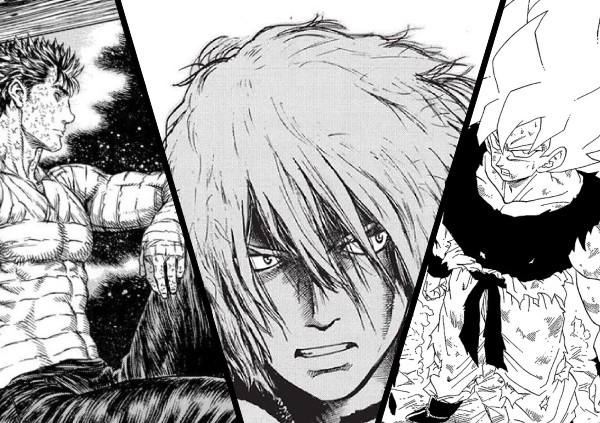

2. Kingdom

Manga by Yasuhisa Hara - Kingdom Picture 2
© Yasuhisa Hara – Kingdom

Kingdom is among the most ambitious historical manga of all time. It doesn’t just recreate famous battles but turns them into a grinding machine that never stops.

The historical core is the unification of China under the state of Qin during the Warring States period, and it takes decades of strategy, betrayal, and mass slaughter to do it. The story follows Shin, a former servant who claws his way up from the dirt with one reckless dream: to become a Great General under the Heavens. Running parallel is the story of Ei Sei, the young king of Qin, who wants to reshape the entire country through conquest and centralized rule. Most of the major players are rooted in real history, from Ei Sei himself to rival commanders and generals across the states. Shin is the perfect lead for this kind of epic because not much is known about his real-life counterpart, which gives the manga room to mythologize him without completely breaking the historical background.

What makes Kingdom stand out is how it treats war. Battles aren’t just about clashing armies and stylized duels. They’re about supply lines, terrain traps, feints, morale breaks, and commanders gambling thousands of lives on a single read of the enemy. Even major campaigns come with momentum shifts that feel earned, and the series is at its best when it zooms out to show how one battlefield decision can reshape the entire political board. The political layer matters just as much as the violence. Ei Sei’s early internal struggle to secure Qin, crush rival power brokers, and sell the idea of unification gives the story weight beyond the battlefields. Kingdom even nods to its roots by quoting and framing key moments like recorded history, drawing from Sima Qian’s accounts as a backbone, even when the narrative gets dramatized.

Manga by Yasuhisa Hara - Kingdom Picture 4
© Yasuhisa Hara – Kingdom

And it definitely gets dramatized. Kingdom condenses timelines, amps up personal rivalries, and turns certain wars into larger-than-life spectacles. The Coalition War is the best example: it’s based on a real turning point, but it’s presented with maximum tension and heroic escalation. Other stylized elements include the mountain forces under Yotanwa, grounded in real frontier tribes and a historical figure, but pushed into a more mythic direction to keep the battlefield variety wild and memorable.

The art also starts rougher than you’d expect from a series of this scale, but as the story expands into sieges, fortresses, and full-scale engagements, the visuals grow into massive, detailed spreads that sell the scope.

Kingdom is a war story where strategy matters more than speeches. It’s not a perfect history lesson, but as an epic about ambition, statecraft, and the cost of building empires, it’s hard to beat.

Genres: Historical, Action, Military, Drama

Status: Ongoing (Seinen)


1. Innocent

Manga by Shinichi Sakamoto - Innocent Picture 1
© Shinichi Sakamoto – Innocent

While The Rose of Versailles approaches the French Revolution with glamorous shojo style and romantic tragedy, Shinichi Sakamoto’s Innocent does the complete opposite. This is a historical manga that showcases the era’s decadence, cruelty, and obsession with spectacle and turns it into something feverish and unforgettable.

The story centers on Charles-Henri Sanson, Paris’ royal executioner, a man born into a role that makes him both essential to the monarchy and permanently stained by it. He isn’t a general or a schemer at court, but he stands at the point where power becomes physical. Every beheading is a performance, every sentence is a political statement, and the crowd is constantly waiting to be entertained. Sanson carries that contradiction of the age on his back: the kingdom wants order, the people want blood, and he’s expected to deliver death with ceremony, precision, and grace. The historical tension is constant. Reputation matters more than empathy. Duty matters more than mercy. And as France edges closer to collapse, even the idea of justice becomes nothing but a farce.

What makes Innocent so striking is how aggressively it commits to style without ever losing the ugliness underneath. Sakamoto draws 18th-century France with obsessive texture: lace, embroidery, powdered wigs, gilded halls, packed streets, and cold instruments of execution rendered like religious icons.

Manga by Shinichi Sakamoto - Innocent Picture 2
© Shinichi Sakamoto – Innocent

But the manga doesn’t just look beautiful. It feels like a grand opera. Characters enter scenes like performers. Emotions are constantly exaggerated. Violence is staged with theatrical symmetry, then made sickeningly real the moment the blade drops. The best part is how it makes the past feel heavy, not romantic. Public punishment isn’t just background detail. It’s social control, class warfare, and entertainment all rolled into one. And through Sanson, the series keeps asking a brutally honest question: what has society become if it needs a scaffold to function?

The most fascinating thread running through both Innocent and its sequel Innocent Rouge is Sanson’s fixation on a perfect execution, a painless death that feels almost merciful. It’s a haunting metaphor for the Enlightenment itself, where progress and philosophy exist right alongside institutional cruelty. Rouge eventually shifts more focus toward Marie-Joseph Sanson and pushes harder into rebellion, symbolism, and transgression. It can feel indulgent and fragmented at times, but it also completes the story’s transformation into a full-blown revolution nightmare, equal parts intoxicating and horrifying.

If you want a historical manga that’s operatic, brutal, and visually untouchable, Innocent is one of the boldest picks. It’s graphic, excessive, and absolutely committed to its extremes.

Genres: Historical, Drama, Psychological

Status: Completed (Seinen)


More in Manga

13 Dystopian Manga That Nail Authoritarian and Cyberpunk Horror

Dystopian stories have only become more popular over the last decade, so it makes sense that dystopian manga is a huge favorite, too. There’s something compelling about watching people survive under authoritarian societies, cruel social systems, or futures where the world is high-tech, but human life is worth less than ever.

This list covers a broad spectrum of dystopian manga, from grounded settings that feel only one step away from modern life to full-blown cyberpunk nightmares packed with corporate control, surveillance, and technological horrors. Every series earns its spot by showing what happens when society goes rotten and the people inside it are crushed, warped, or forced to adapt.

Dystopian Manga Intro Picture
© Masayuki Taguchi and Koushun Takami – Battle Royale, Motoro Mase – Ikigami, Jiro Matsumoto – Freesia

Dystopian manga took off in the 1980s alongside the rise of cyberpunk, with stories that leaned into high-tech futures where power structures used technology to tighten their grip. Since then, countless creators have put their own spin on dystopia, showcasing political oppression, class systems that trap entire populations, or worlds so broken that normal life is barely possible.

Some picks here, like Freesia or Ikigami, portray dystopias in the purest sense, with horrifying laws and systems designed to control people. Others, like the cyberpunk worlds of Tsutomu Nihei, drop you into technological futures where individuals feel meaningless, swallowed up by megastructures, corporations, or systems that don’t care about them. And then you’ve got more modern stories like Heavenly Delusion, which explores dystopia on a smaller, more intimate scale.

Mild spoiler warning: I focus mainly on each series’ dystopian setting, but I may mention certain plot details to explain why a manga belongs on this list.

Enjoying the content? If you’d like to support my work, consider signing up for my weird fiction newsletter.
* indicates required

With that said, here are the best dystopian manga (last updated: February 2026).

13. AD Police

Manga by Tony Takezaki, Suzuki Toshimitsu - AD Police Picture 1
© Tony Takezaki, Suzuki Toshimitsu – AD Police

AD Police is dystopian cyberpunk in its purest late-1980s form: dirty neon streets, corporate power that’s practically untouchable, and a society that only functions because someone’s willing to do the dirty work. If you’re a fan of Bubblegum Crisis, this one instantly feels familiar, just with more grit and less glamor.

The story takes place in MegaTokyo, where violent crimes tied to advanced tech and rogue androids called Boomers have forced the creation of the AD Police, an elite unit with heavy firepower and expanded authority. They’re given permission to level whole blocks in the name of safety, and that’s where the dystopian core shows itself. The system doesn’t feel heroic. It feels desperate. The city is so unstable that keeping order means nothing more than containment, damage control, and hoping things don’t spiral into total chaos.

Manga by Tony Takezaki, Suzuki Toshimitsu - AD Police Picture 2
© Tony Takezaki, Suzuki Toshimitsu – AD Police

What makes AD Police work is the atmosphere. MegaTokyo feels like a place where the average person is trapped under the weight of progress. That megacorporate influence hangs over everything, with the Genome Corporation’s Boomers woven into daily life and the city’s reconstruction.

The manga also doesn’t romanticize its protagonists. The AD Police aren’t beloved defenders of the people. They’re feared, distrusted, and seen as corrupt or ineffective by the public, which gives the series a more cynical edge than a lot of other futuristic law enforcement stories. It’s not the deepest entry on the list, but it’s a strong mood piece and a sharp dystopian snapshot of an era when cyberpunk was all about corporations, decay, and losing control.

As a dystopian manga, it blends classic-era cyberpunk with gritty, street-level action.

Genres: Cyberpunk, Action, Sci-Fi

Status: Completed (Seinen)


12. No Guns Life

Manga by Tasuku Karasuma - No Guns Life Picture 1
© Tasuku Karasuma – No Guns Life

At first glance, No Guns Life might look like an outlier on a dystopian manga list. It’s a gritty detective noir story set in dim hallways, smoky clubs, and back-alley bars. But underneath that hard-boiled exterior is a bleak cyberpunk society built on corporate control, human experimentation, and people who’ve been turned into tools.

Inui Juuzou is an Extended, a human who’s undergone extensive biomechanical enhancements and had his head replaced by a revolver. He used to be a soldier, but now works as a private investigator in a postwar city populated by mechanical outcasts. Juuzou isn’t a flashy super-cop. He’s a worn-down survivor, supported by Mary, a mechanic who keeps his body running when no one else will.

The dystopian core comes from how the world treats the Extended. These people aren’t celebrated as veterans or protected as citizens. They’re disposable assets and walking reminders of a war that never really ended. Much of the suffering traces back to Berühren, the megacorporation that pioneered the technology behind the Extended and still holds enormous influence over the city. In a world like this, power doesn’t come from laws or politics. It comes from ownership of bodies, upgrades, and the technology that keeps people alive.

Manga by Tasuku Karasuma - No Guns Life Picture 2
© Tasuku Karasuma – No Guns Life

What makes No Guns Life stand out is how intimate it feels. Rather than leaning into towering skylines and endless exposition, it keeps things grounded. The horror is personal. You see what a corporate dystopia looks like at street level: broken soldiers, stolen identities, people who don’t know who or what they are anymore.

The artwork sells that mood perfectly. Karasuma’s pages are heavy with industrial textures, shadows, and grime, with mechanical designs that feel practical and grotesque at the same time. Fights can get chaotic, but they usually land with real weight and brutality.

If you want a dystopian manga that mixes cyberpunk oppression with detective noir atmosphere, No Guns Life is an easy recommendation.

Genres: Sci-Fi, Action, Cyberpunk

Status: Completed (Seinen)


11. Heavenly Delusion

Manga by Masakazu Ishiguro - Heavenly Delusion Picture 1
© Masakazu Ishiguro – Heavenly Delusion

Heavenly Delusion is first and foremost a post-apocalyptic thriller, but it earns its spot on a dystopian list because of what’s hidden inside its paradise. In a world that’s already collapsed, there’s a sealed-off institute raising children, keeping them obedient, sheltered, and completely cut off from the truth.

The series runs on a dual narrative. One storyline follows a group of kids inside a sterile, nursery-like facility run by robots, where everything is safe, clean, and quietly controlled. The outside world is treated like a nightmare, and the children are shaped by rules they don’t fully understand. That’s where the dystopia lives. It’s not a massive government crushing crowds in public squares. It’s a smaller, more intimate kind of control, the kind that feels almost protective on the surface until you realize how much is being withheld.

Manga by Masakazu Ishiguro - Heavenly Delusion Picture 2
© Masakazu Ishiguro – Heavenly Delusion

The other storyline follows Maru and Kiruko, two survivors traveling across the ruins of Japan in search of Heaven, a destination that may or may not exist. This side leans more into survival, uneasy settlements, and the constant feeling that danger is just moments away, even when people act friendly. The tension comes from watching both sides slowly circling the same mystery from different angles, with just enough hints to keep you turning the pages.

What really carries Heavenly Delusion is its atmosphere. The art has a slightly unusual look, but it’s detailed where it counts, especially when it comes to wrecked cityscapes and the unsettling creature design. It can also be unexpectedly brutal, which helps the world feel dangerous. The main drawback is that it occasionally veers into uncomfortable nudity or sexualized moments that feel misplaced for a story this bleak and tense, and the pacing can be uneven when the manga holds back information a little too long.

Heavenly Delusion is an addictive dystopian manga that blends institutional control with a post-apocalyptic mystery.

Genres: Sci-Fi, Mystery, Adventure

Status: Ongoing (Seinen)


10. Appleseed

Manga by Masamune Shirow - Appleseed Picture 1
© Masamune Shirow – Appleseed

Appleseed is an action-heavy cyberpunk mecha manga at heart, built around tactical missions, firefights, and high-tech showdowns. But beneath all that spectacle, it has clear dystopian roots, especially in its supposedly perfect city of Olympus, a place where society is engineered, monitored, and governed by systems that don’t trust ordinary humans.

It’s the 22nd century, and the world has been left in ruins after the Third World War. In these trying times, Deunan Knute, a skilled former soldier, and Briareos, her cyborg partner, arrive at Olympus. They’ve been recruited by ESWAT, an elite unit tasked with protecting the city. Governed by AIs and bioroids, genetically engineered humans designed for stability, Olympus should represent humanity’s next step. In reality, it’s a managed experiment. It doesn’t just keep the peace. It shapes the rules of what people are allowed to do.

That’s what makes Appleseed feel dystopian even when it’s exploding into mecha action. Olympus is a city built to eliminate chaos, and it treats free will as a liability. Governance isn’t driven by messy debates. It’s managed, optimized, and nudged in the right direction. The bioroids exist as both a solution and a warning sign, proof that the system would rather redesign humanity than deal with its flaws. When Deunan and Briareos run into conspiracies, political friction, and unrest beneath the utopian surface, it becomes clear that even a perfect society breeds conflict. It just hides it better.

Manga by Masamune Shirow - Appleseed Picture 2
© Masamune Shirow – Appleseed

Appleseed is also fascinating as an early version of the ideas Shirow would later shape in Ghost in the Shell. You can see his obsession with the boundary between human and machine, along with the uneasy question of whether technology is saving civilization or replacing it. The difference is that Appleseed leans more militaristic and direct. Big set pieces come first, while philosophy and politics are hidden underneath.

Shirow’s art is full of details, especially in the cyborg and machinery designs, which still look impressive today. While exposition can feel heavy, and chaotic fights can be hard to follow, his ambition shines through.

If you want a dystopian manga that mixes of postwar reconstruction, cyberpunk governance, and high-octane mecha action, Appleseed belongs on your list.

Genres: Sci-Fi, Action, Mecha

Status: Completed (Seinen)


9. Ikigami

Manga by Motoro Mase - Ikigami 1
© Motoro Mase – Ikigami

Ikigami is the most grounded dystopia on this list because its world looks almost identical to our own. The only difference is a single law, and that’s enough to turn an ordinary society into something quietly horrifying.

That law is the National Welfare Act. Every year, a number of young citizens are chosen to die for their country. The policy isn’t framed as cruelty, but as civic duty. It’s supposed to help maintain social stability and remind people to value life. Death is processed through bureaucracy, handled with forms and procedures, and normalized through social acceptance. Twenty-four hours before their death, people are handed official death notices called Ikigami. The protagonist, Kengo Fujimoto, is a government messenger tasked with delivering them.

Ikigami’s dystopia is so effective because it doesn’t rely on apocalyptic collapse, war-torn wastelands, or megacorporations running the streets. It’s a clean, functioning system where state violence is completely legal, and most citizens go along with it because they’re told it’s for the greater good. The cruelty isn’t hidden. It’s printed on official paper and delivered like any other notice. The law changes how people behave, how they plan their lives, and how they view each other, because anyone could be next.

Manga by Motoro Mase - Ikigami 2
© Motoro Mase – Ikigami

Ikigami is told via a series of vignettes, each focused on a different recipient. Some try to chase unfinished dreams, others break down, and a few try to make peace with loved ones. This episodic structure keeps the emotional impact sharp, because every story is its own small tragedy. Fujimoto’s role ties it all together. He’s neither a hero nor a villain. He’s just the face of an inhuman policy, showing that dystopian systems rely on ordinary people to function.

Motoro Mase’s art is grounded, which fits the tone perfectly. Ikigami doesn’t need shock value. The horror comes from how plausible everything feels, and how easily society rationalizes violence once it becomes the law.

Ikigami stands out as one of the most unsettling dystopian manga on this list because it feels uncomfortably plausible.

Genres: Drama, Psychological, Dystopian

Status: Completed (Seinen)


8. Battle Angel Alita

Manga by Yukito Kishiro - Battle Angel Alita Picture 1
© Yukito Kishiro – Battle Angel Alita

Battle Angel Alita is a character-driven cyberpunk action manga set in a broken world where the future already feels dead, and the survivors fight over what’s left. It’s not an authoritarian dystopia like Ikigami, but its world has some of the clearest examples of class-based dystopia in the genre.

Most of the story takes place in the Scrapyard, a sprawling junk city built from the rubble discarded by Zalem, a floating utopia that hangs above. That contrast is the reason Battle Angel Alita belongs on this list. The people below live among rust, factories, and scavenged tech, while the city above remains distant, clean, and untouchable. Zalem isn’t just scenery. It’s a constant reminder that society is split between winners and disposable lives, and the gap isn’t meant to close. Even when the series focuses on street-level survival, the dystopia is always there, looming overhead.

Manga by Yukito Kishiro - Battle Angel Alita Picture 2
© Yukito Kishiro – Battle Angel Alita

Alita starts as literal junk. Discovered and rebuilt by cybernetics specialist Dr. Ido, Alita is innocent, curious, and has no memory of her past. Before long, she gets pulled into the city’s violence. The Scrapyard is a hellhole of mercenaries and bounty hunters, shaped by a world fueled by exploitation. Alita’s journey becomes a brutal crash course in identity, self-determination, and what it means to stay human when your body’s made of modular machinery.

What makes Battle Angel Alita so memorable is how cleanly it balances action with emotional weight. The fights have real speed and impact, especially during the Motorball arc, where combat is turned into spectacle and survival into entertainment. Alita’s evolution as a fighter never feels empty because it’s tied to her growth as a person. Later parts of the series also expand Zalem’s role and make the dystopian structure feel even more concrete.

As a dystopian manga that mixes class divide, cyberpunk grime, and one of the best action protagonists in manga, Battle Angel Alita remains essential.

Genres: Sci-Fi, Action, Cyberpunk

Status: Completed (Seinen)


7. Biomega

Tsutomu Nihei - Biomega - 1
© Tsutomu Nihei – Biomega

Biomega is a lightning-fast cyberpunk action story that doubles as a zombie apocalypse, packed with body horror, megastructures, and pure Tsutomu Nihei chaos. It’s one of the darkest dystopias on this list because governments barely matter here. Everything is owned, controlled, and reshaped by megacorporations that treat humanity as disposable resources.

On a ruined Earth, synthetic human Zouichi Kano and his AI companion, Fuyu, are sent to track down a person resistant to a dangerous pathogen, the N5S virus. It doesn’t just kill people. It turns them into grotesque biomechanical drones. The deeper Zouichi goes, the more the dystopian machinery reveals itself. Every major force in Biomega is corporate-backed, engineered, or manufactured. Survival isn’t determined by law or justice. It’s determined by who controls the tech, who can weaponize it, and who’s willing to wipe out what’s left of the population to rebuild the world in their own image.

Manga by Tsutomu Nihei - Biomega Picture 3
© Tsutomu Nihei – Biomega

That’s where Biomega differs from traditional dystopias. The oppression here isn’t paperwork or police checkpoints. It’s biotech, engineered systems, and post-human power. The virus itself feels like the ultimate tool of control, an extinction-level disaster that turns people into resources and threats at once. Nihei’s environments sell that hopelessness perfectly. Cities stretch into impossible architecture, empty and gigantic, with characters reduced to small figures moving through ruined industrial complexes that no longer feel made for humans.

Like Blame!, Biomega often tells its story visually, with long stretches of minimal dialogue and a heavy focus on scale, movement, and atmosphere. The pacing is also relentless. Biomega’s first half speeds through nightmarish set pieces and story beats alike to the point of being disorienting. The later volumes get even stranger, throwing in new concepts and pushing the manga closer to a biopunk odyssey. Biomega is an ambitious work that never loses momentum, but the trade-offs are thin characters, forgotten plot points, and ideas that never get fully explored.

Still, Biomega is a dystopian manga that feels like a corporate-controlled apocalypse in motion, which makes it one of the most intense rides in the genre.

Genres: Sci-Fi, Action, Cyberpunk

Status: Completed (Seinen)


6. Ghost in the Shell

Manga by Masamune Shirow - Ghost in the Shell Picture 1
© Masamune Shirow – Ghost in the Shell

Ghost in the Shell is not only one of the core pillars of cyberpunk manga but also one of the best examples of a high-tech dystopia that doesn’t need dictators to feel oppressive. This is a world where technology is everywhere, bodies are replaceable, minds are connected, and identity can be edited like a file.

Set in 2029, after multiple world wars, society has fully embraced cybernetics and networked consciousness. People can live with cyberbrains, prosthetic bodies, and constant digital connectivity, but that convenience comes at a price. Hackers can invade the deepest corners of your mind. Memories can be manipulated. Cyberterrorism has become a daily threat. The more people rely on the Net, the easier it becomes for governments and institutions to monitor, influence, or control them. The dystopia here isn’t a single law or an obvious regime. It’s a reality where the systems you need to function are the same systems that can erase your identity.

Manga by Masamune Shirow - Ghost in the Shell Picture 2
© Masamune Shirow – Ghost in the Shell

That’s where Section 9 comes in. Major Motoko Kusanagi and her team are a covert task force dealing with cybercrime, political manipulation, and threats that blur the line between human and machine. In a lot of dystopian stories, the police are the boots-on-the-ground arm of authority. In Ghost in the Shell, the dangers are so abstract and invisible that policing becomes a philosophical problem. What does justice even mean when a person can be rewritten, copied, or hijacked?

The manga itself is denser and more playful than most people expect, especially if they’re coming from the anime adaptation. It’s often episodic, jumping between cases, while Shirow dumps tech ideas, social commentary, and worldbuilding through side explanations and footnotes. Sometimes it’s brilliant, and sometimes it feels like reading a science-fiction manual mid-chapter. The action can also be chaotic in places, but the reward is a setting that feels disturbingly plausible the longer you sit with it.

Ghost in the Shell is a dystopian manga that feels more relevant than ever. It shows us a world in which the danger is the technology you can’t live without.

Genres: Sci-Fi, Action, Cyberpunk

Status: Completed (Seinen)


5. Blame!

Manga by Tsutomu Nihei - Blame! Picture 2
© Tsutomu Nihei – Blame!

Blame! is a cyberpunk dystopia at its bleakest. It’s not about an authoritarian government tightening its grip or a megacorporation squeezing a city dry. It’s about what happens when technology takes over so completely that the world keeps expanding long after humans stopped mattering.

This nightmarish world is only known as The City, a megastructure that keeps expanding endlessly. To stop it, a man named Killy is sent to find a human with the Net Terminal Gene, a special genetic code that would allow them to access the Netsphere and regain control. The premise is simple, but the dystopia itself is overwhelming. The City doesn’t feel like a place people live in. The few humans Killy encounters exist like pests, hiding, hunted, displaced, and erased when found.

What makes Blame! so unsettling is how impersonal the oppression is. The enemy isn’t armies or politicians. It’s automated forces. The Safeguard functions like a self-correcting immune system, violently exterminating anything that doesn’t belong. Builders expand The City without question, pushing walls and corridors outward forever. Even the architecture becomes a form of dystopian control. You can’t argue with it, negotiate with it, or change it. All you can do is survive inside it as long as it allows.

Manga by Tsutomu Nihei - Blame! Picture 1
© Tsutomu Nihei – Blame!

Nihei’s storytelling leans heavily on atmosphere and scale rather than exposition. Dialogue is sparse. Entire chapters play out in silence, with the environments doing most of the talking. The City is the real core of the manga, an impossible labyrinth of towers, shafts, and chambers that make Killy look tiny in every scene. That sense of size creates constant dread, like you’re exploring a place you can’t comprehend. Violence in Blame! is always sudden and catastrophic. Killy’s weapon, the iconic Gravitational Beam Emitter, doesn’t kill enemies. It tears through the world around him.

Blame! can be disorienting, especially if you want clear lore or character drama. But if you’re in the mood for a dystopian manga that feels cold, lonely, and inhuman on a cosmic scale, it’s one of the strongest reads on this list.

Genres: Sci-Fi, Action, Cyberpunk

Status: Completed (Seinen)


4. Battle Royale

Manga by Masayuki Taguchi and Koushun Takami - Battle Royale Picture 1
© Masayuki Taguchi, Koushun Takami – Battle Royale

Battle Royale is a different kind of dystopian manga. Instead of spending dozens of chapters exploring the full structure of its society, it zooms in on the most horrifying part of one: a single law that exists purely to terrify the public into obedience.

In this version of Japan, the government runs The Program, a state-mandated death game where a randomly selected class of junior high students is shipped to a remote location and forced to kill each other until only one survives. The premise is infamous, but what makes it dystopian isn’t just the violence. It’s the intent behind it. The Program exists as a tool of social control, a brutal spectacle designed to crush rebellion before it starts and to keep the population afraid, compliant, and easy to manage. Even worse, it targets children. Not soldiers. Not criminals. Ordinary students, treated as disposable symbols in a system that values stability over human life.

Manga by Masayuki Taguchi and Koushun Takami - Battle Royale Picture 2
© Masayuki Taguchi, Koushun Takami – Battle Royale

The story follows Shuya Nanahara and his classmates as they’re thrown into that nightmare. With explosive collars locked around their necks, rules that leave no room for mercy, and weapons in their hands, there’s no way out. The manga shines when it focuses on how different students react under the same pressure. Some cling to friendship, some panic and self-destruct, some rationalize murder as survival, and others reveal ugliness that was always there. That range of reactions keeps Battle Royale from feeling like pure shock value. It’s violent, yes, but it’s also a grim character study about fear, selfishness, and what people become when a system gives them permission to do the unthinkable.

Compared to the movie, the manga digs deeper into backstory and motivation, which adds more weight to the deaths and makes the island feel even more suffocating. The downside is that the structure can feel repetitive, especially when the story cycles through character introductions and rapid eliminations. The artwork is a mixed bag. At best, it’s raw and nightmarish, capturing desperation, gore, and psychological breakdown. At worst, it leans into excess, with moments of sexualization that seem out of place and character designs that can be distractingly inconsistent.

Still, it lands. Battle Royale remains one of the most upsetting dystopian manga out there because it’s so direct about its message: in a truly authoritarian society, not even kids are safe, and everyone becomes collateral.

Genres: Action, Thriller, Dystopian

Status: Completed (Seinen)


3. Eden

Manga by Hiroki Endo - Eden: It's an Endless World! Picture 1
© Hiroki Endo – Eden: It’s an Endless World!

Eden: It’s an Endless World! is one of the most ambitious dystopian manga on this list, starting off as a post-pandemic survival story before expanding into a continent-spanning cyberpunk thriller. It’s brutal, political, and deeply human, and it’s the kind of series that doesn’t just show you a broken world but asks what people turn into once the system collapses and something worse replaces it.

The setting is a near-future Earth after the Closure Virus devastates civilization and throws global politics into chaos. In the power vacuum, the Propater Federation rises as a government-like superstructure with monopolistic control over huge parts of the world. That’s where Eden’s dystopia hits the hardest. Instead of a single city or a sole dictator, you get an international order shaped by shadowy organizations, corporate interests, and militarized control. Nations become pieces on a board. People become collateral. Even safety feels temporary, because the world is run by forces that operate above morality, and often above consequences.

Manga by Hiroki Endo - Eden: It's an Endless World! Picture 3
© Hiroki Endo – Eden: It’s an Endless World!

Eden follows multiple perspectives, but the core storyline centers on Elijah Ballard, a kid pulled into a life of violence and survival as he clashes with Propater’s reach, all while dealing with the legacy of his father in South America. What makes the manga special is how it refuses to simplify anyone. Characters can be sympathetic one chapter and horrifying the next. The world is too messy for clean heroes, and Eden commits to that. It also uses its dystopian setting properly, showing how corruption, poverty, war economics, and exploitation distort people over time, not just in one dramatic moment.

Endo’s art supports that realism. It’s grounded, adult, and unglamorous, with violence and sex portrayed as ugly facts of survival rather than stylish window dressing. There’s also a strong philosophical undercurrent, with ideas pulled from Gnostic mythology and bigger questions about technology, faith, and meaning in a world that’s falling apart. The only real downside is that Eden’s scale can feel overwhelming at times, because it juggles a huge cast and consistently shifts locations, but the payoff is a world that feels massive and alive.

Eden is an essential dystopian manga with real scale, cyberpunk politics, and raw human desperation.

Genres: Sci-Fi, Action, Cyberpunk

Status: Completed (Seinen)


2. Akira

Manga by Katsuhiro Otomo - Akira Picture 2
© Katsuhiro Otomo – Akira

Akira depicts one of manga’s most iconic dystopias: Neo-Tokyo, a sprawling futuristic city where corruption is baked into the concrete. It’s loud, violent, and unstable, a place that feels like it’s always one riot away from collapse.

Neo-Tokyo is ruled by a mix of corrupt politicians and military power, and the people living under them don’t have much of a voice. The streets are packed with biker gangs, radicals, and desperate civilians trying to survive in a society that’s already rotten from the inside. The dystopia here isn’t subtle. We see it in constant unrest, heavy-handed authority, and the sense that the government’s real priority isn’t protecting people but controlling them. That control becomes even more disturbing once the story reveals the existence of secret experiments on children, with the military treating human lives like disposable research material in pursuit of power.

Manga by Katsuhiro Otomo - Akira Picture 1
© Katsuhiro Otomo – Akira

The story follows Kaneda and Tetsuo, two reckless youths shaped by Neo-Tokyo’s chaos. Their friendship doubles as a rivalry and feels like the natural result of a world with no stable future. Once the story kicks into gear, Akira evolves into something much bigger than street-level cyberpunk, with psychic powers, military crackdowns, and escalating destruction that swallows the entire city. Halfway through, the tone shifts and the setting starts to feel post-apocalyptic, but the dystopian weight never fully disappears. It just changes form, from an oppressive, authoritarian system into a world where control is enforced through overwhelming power and fear.

What makes Akira endure is Otomo’s sheer visual ambition. Neo-Tokyo feels dense and real, filled with debris, crowds, and grime, with paneling that has a cinematic clarity that still holds up today. While the characters may be archetypal, and the story sometimes trades clean structure for escalation, the spectacle is the point.

Akira is a timeless dystopian manga that gives you societal decay, political rot, and end-of-the-world destruction all in a single package.

Genres: Sci-Fi, Action, Dystopian

Status: Completed (Seinen)


1. Freesia

Manga by Jiro Matsumoto - Freesia Picture 1
© Jiro Matsumoto – Freesia

Freesia is a dystopian manga about a Japan that has legalized murder and watches as the people inside it fall apart. It’s grimy, psychologically abrasive, and so emotionally warped that even justice feels like another form of violence dressed up in paperwork.

In this society, a law has been passed that allows retaliatory killings. If someone murders a loved one, you’re allowed to kill the perpetrator in return or hire a government-approved executioner. That one policy is enough to make the setting a dystopia. It turns grief into a transaction and murder into a service industry. Kano is one of the people who carry out these revenge killings. It’s framed as restoring the balance, but in reality, it normalizes cruelty that slowly erases any meaningful boundary between victim and perpetrator.

What makes Freesia so chilling is that the manga rarely argues about the law. It shows what the people who live under it become. It distorts relationships, reshapes morality, and turns ordinary citizens into hunted targets for professional killers. The government doesn’t need cameras on every street corner. The population polices itself through fear, bitterness, and the knowledge that violence is legal on paper. It’s a dystopia built on societal rot, where everyone is already exhausted, and the solution for pain is more pain.

Manga by Jiro Matsumoto - Freesia Picture 3
© Jiro Matsumoto – Freesia

This atmosphere comes through in the way the story is told. Matsumoto’s art is raw and ugly in the best way possible, with gritty environments and faces that sometimes look uncanny. The world feels unstable, as if reality itself is eroding. Scenes can shift abruptly. Conversations fracture or trail off into nonsense. The manga slips into hallucinations and memory gaps without warning, making you feel uncertain about what’s real and what’s not. That’s largely because of Kano. He’s mentally ill, his mind is unreliable, and Freesia forces you to live inside that damaged perspective. This is a world where sanity is collateral damage, and mental illness is not treated like a tragic exception, but the natural endpoint of living in a society that legalized revenge.

A lot of the supporting cast is equally broken. One of the most unsettling examples is Mizoguchi, a man who treats targets like prey and talks about hunting them like animals. He’s brutal at work, violent at home, and uses intimidation to make people comply. Then a flashback shows him as something else entirely: a normal man and a loving husband. It’s one of Freesia’s sharpest moments, because it doesn’t excuse what he becomes. It shows you how a rotten system can hollow someone out and twist them into a monster.

Freesia isn’t a comfortable read, and it’s not meant to be. It’s surreal, depressing, and relentlessly bleak, with almost no catharsis to soften the blow. But as a dystopian manga, it’s one of the most haunting portrayals of social decay you’ll find.

Genres: Crime, Psychological, Drama

Status: Completed (Seinen)


More in Manga

The 28 Best Science-Fiction Manga of All Time

Science-fiction has always been one of manga’s strongest pillars. Whether it’s neon-soaked cyberpunk cities, ruined futures, or high-concept worlds built around one terrifying idea, science-fiction manga has a way of making the genre feel limitless. The best series don’t just dress up a story with technology. They use the setting to change how life works, how people think, and what survival means.

This list covers a wide range of science-fiction manga, from genre-defining classics to modern standouts. Every title here earns its place through the strength of its worldbuilding, its core science-fiction concept, or the way it explores a future shaped by progress, collapse, or both. Some of these stories are brutal and violent, others are quiet and reflective, and a few are so strange they barely fit the genre at all. What they share is a commitment to speculative worlds that feel real on the page.

One reason science-fiction manga remains beloved is the variety. You’ll find manga that grew out of Japan’s early cyberpunk movement, stories built around space travel and long-term survival, and post-apocalyptic settings where humanity clings to the last scraps of civilization.

Science-Fiction Manga Intro Picture
© Tsutomu Nihei – Biomega, Katsuhiro Otomo – Akira, Makoto Yukimura – Planetes

Some series, like Nausicaä of the Valley of the Wind or Land of the Lustrous, use their worlds to tell more ambitious, thematic stories. Others, like Blame! or Girls’ Last Tour, lean into isolation and scale, placing small human lives against environments that feel endless and indifferent. You’ll also find grounded stories like Planetes, which explores what a future in space might actually look like. And for readers who like their science-fiction stranger, titles like Joshikouhei and Ultra Heaven twist futuristic ideas into something surreal and unpredictable.

No matter the era or tone, these manga stand out because they commit to their concepts. Some are somber reflections on life in the future, others are technological nightmares where progress becomes the threat. Either way, the setting isn’t just flavor. It’s the point.

Mild spoiler warning: I’ll keep each entry focused on its science-fiction elements, but a few early plot details are necessary to explain why a series belongs here.

Enjoying the content? If you’d like to support my work, consider signing up for my weird fiction newsletter.
* indicates required

With that said, here are the 28 best science-fiction manga (last updated: February 2026).

28. Origin

Manga by Boichi - Origin Picture 2
© Boichi – Origin

Boichi’s Origin is one of the more modern entries on this list, and it’s firmly cyberpunk. That said, it’s not the kind of story you might expect from its premise. It opens with neon sprawl, corruption, and inhuman threats hiding in plain sight, but it doesn’t rely on spectacle.

The premise transports us to Tokyo in 2048. The city’s now the hub of a massive Eurasian railroad linking much of the northern hemisphere. Crime and corruption are rampant, and so are darker forces. The protagonist, a prototype android named Origin, hides in plain sight while hunting down other artificial beings who blend in just as easily. On paper, this might sound like a typical killer android vs. killer android story, but much of the series’ personality comes from what happens between these fights. Origin has to work, pay rent, keep his cover intact, and deal with repairs and upgrades as if they’re just part of his weekly routine. That mundanity gives the science-fiction concept a realistic edge, and it makes his loneliness land harder than the action does.

Manga by Boichi - Origin Picture 3
© Boichi – Origin

As a science-fiction manga, Origin works best when it leans into identity and restraint. Origin’s reasoning is cold, direct, and often unintentionally funny, but there’s something quieter and tragic behind it. He studies people the way a machine would, searching for something he can’t fully replicate. The violence hits fast, but the story keeps circling back to what it means to exist in a human world without being one. Boichi’s art does a lot of heavy lifting here. The mechanical detail is intricate and sharp, the fights are easy to follow and well choreographed, and the city feels dense without becoming visual noise.

The downside is that Boichi can’t resist undercutting his own atmosphere. Origin frequently features awkward fan service and tonal whiplash, moving from thoughtful scenes into exaggerated comedy or distracting sexual innuendo.

Later chapters lose some of the careful mood the manga builds early on, and the ending feels rushed and almost too ambiguous for its own good. Still, Origin is a cyberpunk science-fiction manga with a strong sense of character, stunning art, and a focus on the more mundane parts of futuristic urban life.

Genres: Sci-Fi, Cyberpunk, Action, Thriller

Status: Completed (Seinen)


27. Bokurano

Manga by Mohiro Kitoh - Bokurano Picture 1
© Mohiro Kitoh – Bokurano

Bokurano is a science-fiction manga built around one of the most recognizable setups in the genre: a group of kids is asked to pilot a giant mech and protect the world. But instead of treating that premise like a power fantasy, it turns it into something closer to a nightmare. It starts as a game. They agree to fight, then learn what that promise actually means.

The battles themselves don’t feel triumphant. Each fight is framed around consequences and costs. Cities get destroyed, collateral damage piles up, and even survival comes at a price. Bokurano centers on one major theme: how you spend what little time you have when saving the world is a death sentence. That pressure gives the story its momentum. It doesn’t rely on twists, but lets the premise do the work.

Manga by Mohiro Kitoh - Bokurano Picture 2
© Mohiro Kitoh – Bokurano

Structurally, it’s episodic. It focuses on the children one by one, showing how each of them handles the situation. We see fear, denial, numbness, and even anger, but not only in the cockpit. The tone is heavy, and doesn’t flinch from abuse, exploitation, and broken families. Instead of dodging these topics, Bokurano leans into them, making its science-fiction premise hurt even more. It’s not a distant tragedy. It’s intimate misery given center stage.

The downside is that Bokurano can be emotionally blunt, sometimes to the point of feeling scripted. Some characters don’t act like real kids, and some of the philosophical beats feel awkward instead of sharp. Still, if you want a science-fiction manga that treats mecha as psychological horror and commits to consequences instead of catharsis, Bokurano will stick with you.

Genres: Drama, Psychological, Sci-Fi, Mecha

Status: Completed (Seinen)


26. No. 5

Manga by Taiyou Matsumoto - No. 5 Picture 1
© Taiyou Matsumoto – No. 5

No. 5 is one of the strangest entries on this list, a science-fiction manga that barely feels like a conventional story. Taiyō Matsumoto throws you into a world that’s become 70% desert and refuses to explain anything you’re seeing. The result is less a clean narrative and more a fever dream, combining violence, symbolism, and deadpan absurdity.

The premise makes it sound straightforward enough. No. 5 is a marksman working for an elite group called the Rainbow Council. One day, he goes rogue, setting out across the scorched wasteland with the enigmatic Matryoshka. All the while, he’s being hunted down by former allies who feel less like traditional soldiers and more like bizarre ideas made into characters. From there, the series refuses to offer you any form of structure and instead operates on dream logic. You’re given no background or exposition, conversations feel stilted and coded with symbolism, and the world’s rules seem arbitrary by design.

Manga by Taiyou Matsumoto - No. 5 Picture 2
© Taiyou Matsumoto – No. 5

What makes it work is how fully Matsumoto commits to this disorientation. No. 5 doesn’t build tension through escalation or a clean plot. It builds it through atmosphere and momentum, the sense that you’re traveling through a world that refuses answers. It can read like a random puzzle, but the randomness feels deliberate. The setting follows the same logic. At first glance, it feels dystopian, but it’s also strangely playful. One moment might be brutal, the next surreal, and the shift never comes with any kind of warning.

The art is what makes it all work. Matsumoto’s linework is loose, sketchy, and expressive, with a grime-stained energy that makes the desert feel endless. Characters look bizarre and human at the same time, and the action has a jagged, kinetic rhythm that fits the story’s instability. Even when you’re not sure what’s going on, you’ll get swept along by the art.

The downside is accessibility. No. 5 can feel impenetrable, and it offers neither exposition nor a clean payoff. If you want stories that explain their concepts, this will feel borderline nonsensical. But as a science-fiction manga with a focus on mood, imagery, and pure weirdness, it’s a singular experience.

Genres: Sci-Fi, Action, Psychological, Surreal

Status: Completed (Seinen)


25. AD Police

Manga by Tony Takezaki, Suzuki Toshimitsu - AD Police Picture 1
© Tony Takezaki, Suzuki Toshimitsu – AD Police

AD Police is set in the Bubblegum Crisis universe, which immediately made it a must-read. Bubblegum Crisis was the first anime that pulled me into the cyberpunk genre, so I was excited when I found a manga set in the same world. It doesn’t have the same flashy action or scale as the anime series, but as a science-fiction manga, it holds up surprisingly well, especially if you’re a fan of gritty 1980s futurism.

The setting is MegaTokyo, a city defined by sprawling infrastructure, neon-lit decay, and the constant threat of machines going berserk. The AD Police are a specialized unit to deal with these types of crimes. The machines they face are called Boomers, sentient androids designed for labor and security. The officers respond with powered armor and military-grade tech, making their operations look more like urban warfare than traditional policing. Even when they’re doing the right thing, they leave trails of destruction behind, making them anything but heroes in the public eye.

Manga by Tony Takezaki, Suzuki Toshimitsu - AD Police Picture 3
© Tony Takezaki, Suzuki Toshimitsu – AD Police

Structurally, AD Police can feel episodic at first, but it eventually builds into something bigger. The focus on smaller cases fits the setting well and allows the manga to show different sides of the same job. You get rogue androids, institutional burnout, and a creeping sense that humanity is losing control over its creation. The best moments aren’t speeches or big reveals. They’re the ones where the job feels like routine, showing that MegaTokyo has been living this nightmare for long enough to normalize it.

The art and mood are the main draw. AD Police features everything that made late-1980s cyberpunk so popular: dense, grim city shots, neon lights, and rain-slicked streets. The action is clean, and even when the plot moves fast, it captures those classic themes of morality, power, and anxiety about modern technology.

Unfortunately, AD Police is short. At only nine chapters, it can feel more like a teaser than a fully realized story, and character development often takes a back seat to action and setup. Still, as a science-fiction manga, it’s an entry that captures cyberpunk’s golden age, and ideal for readers who want grit, style, and dystopian policing.

Genres: Sci-Fi, Cyberpunk, Action

Status: Completed (Seinen)


24. Hotel

Manga by Boichi - Hotel 1
© Boichi – Hotel

Hotel is among the best one-shot collections I’ve read, and also a reminder why Boichi is such a standout artist in manga. Even if you’ve never read his longer series, it makes the appeal obvious within a few pages. Every chapter looks incredible, and even when the plot wavers, the visual craft alone makes you keep reading. As a science-fiction manga, it’s refreshingly varied, jumping from more somber narratives to outright absurdity without losing its identity.

The stories aren’t connected in any direct way, but share a loose thematic thread. Boichi seems drawn to bigger ideas, especially the kind that pushes human ambition to its limits. The title story, Hotel, is easily the centerpiece. It follows an AI tasked with maintaining a massive facility that preserves Earth’s genetic information, essentially an archive created to outlast humanity itself. It’s strange, lonely, and surprisingly heartfelt at the end, delivering an emotional payoff that only great short stories pull off.

Manga by Boichi - Hotel 2
© Boichi – Hotel

From there, the collection becomes more varied. One chapter leans more somber and grounded, using science-fiction elements as a vehicle rather than spectacle. Then things get more chaotic, especially in the infamous ‘tuna’ story, which begins with a scientist trying to revive an extinct species and gets more outlandish the longer it goes. It’s the kind of escalating weirdness that shows just how much Boichi is enjoying the absurdity. There’s also a chapter that’s lighter on science-fiction and feels more like an excuse to visualize a bizarre idea rather than a full narrative.

The final chapter is the purest showcase of Boichi’s skill. It’s presented in full color and looks stunning, even if it doesn’t offer much in terms of plot. That’s the main drawback with Hotel. While none of the stories are outright bad, their quality varies, and some feel more like visual experiments than complete concepts. Still, the highlights are genuinely strong, and the overall experience is worth it for the range alone.

This is a science-fiction manga ideal for readers who want short, memorable bursts of imagination presented with stunning, highly polished art.

Genres: Sci-Fi, Anthology, Drama

Status: Completed (Seinen)


23. All You Need Is Kill

Manga by Takeshi Obata, Hiroshi Sakurazaka, Ryousuke Takeuchi - All You Need Is Kill Picture 1
© Takeshi Obata, Hiroshi Sakurazaka, Ryousuke Takeuchi – All You Need Is Kill

All You Need Is Kill is a compact, brutal science-fiction manga. As a two-volume adaptation of Hiroshi Sakurazaka’s novel, it’s built on one brutal premise: dying is practice. It doesn’t just focus on action. It shows how repetition grinds down its protagonist, turning every reset into a lesson in survival, discipline, and psychological erosion.

Aliens known as Mimics have invaded Earth. Humanity is fighting a losing battle, and newly conscripted Keiji Kiriya dies almost instantly during his first deployment. That’s when it starts. Keiji wakes up the day before the battle, thinking it was all a dream. When the same details keep repeating, he realizes he’s trapped in a time loop that resets every time he dies. It’s a simple concept, but the execution stays sharp. With each reset, Keiji learns more about the enemy, the battlefield, and the cost of hesitation. Quickly, fear gets replaced by routine, and we watch him as he grows from recruit to seasoned fighter.

Manga by Takeshi Obata, Hiroshi Sakurazaka, Ryousuke Takeuchi - All You Need Is Kill Picture 2
© Takeshi Obata, Hiroshi Sakurazaka, Ryousuke Takeuchi – All You Need Is Kill

The science-fiction elements are lean but effective. The powered suits give the action real weight without turning it into mere spectacle, and the Mimics feel alien in a genuinely disturbing way. The time premise gives the series a high-concept edge, but it also forces the reader to watch the same day repeat while the character keeps evolving. The story really takes off once Keiji crosses paths with Rita, a legendary soldier and veteran of many battles.

A huge part of the series’ appeal is the art by Takeshi Obata. The military tech, including the exosuits, is rendered with crisp detail, while impacts and motions are clear, making the action easy to track even as the pacing grows more aggressive. The main limitation is the rushed finale, and the thin supporting cast. Outside of Rita and Keiji, most characters feel one-dimensional.

Still, for its two-volume run, it lands harder than a lot of longer science-fiction manga.

Genres: Sci-Fi, Action, Mecha

Status: Completed (Seinen)


22. Trigun Maximum

Manga by Yasuhiro Nightow - Trigun Maximum Picture 1
© Yasuhiro Nightow – Trigun Maximum

I first ran into Trigun through its original anime adaptation, and it felt like the perfect gateway into science-fiction Western storytelling. Reading the manga later made one thing obvious: Trigun Maximum is where the series truly shines. It’s a science-fiction manga that starts with chaos and comedy, then gradually becomes something more serious, emotional, and ambitious than its early tone suggests.

The core setup is simple but memorable. On the desert planet Gunsmoke, Vash the Stampede is a legendary criminal with a $$60,000,000,000 bounty on his head, and a reputation for destroying entire cities. Bounty hunters follow him wherever he goes, turning every town into a battle zone before he can even catch his breath. The truth is that Vash isn’t a cold-blooded outlaw. He’s a pacifist with ridiculous skill, obsessed with love and peace, and committed to never killing anyone, no matter how ugly the situation gets. That contradiction is the series’ driving force. The violence follows him everywhere, and every time he tries to do the right thing, he gets punished for it.

Manga by Yasuhiro Nightow - Trigun Maximum Picture 2
© Yasuhiro Nightow – Trigun Maximum

What makes Maximum hit harder than the original Trigun run is that it shifts its episodic mayhem into a larger conflict with real weight. The world feels harsh and exhausted, like a place barely held together by stubborn survival and half-functioning technology. As the story continues, we learn more about Vash’s past, the planet’s history, and the forces that keep pushing him toward breaking his moral code. This is when we meet Nicholas D. Wolfwood, arguably Trigun Maximum’s greatest character, and an ideal counterbalance to Vash. He’s pragmatic, lethal, and consistently testing whether Vash’s idealism is bravery or delusion.

While Trigun Maximum is still fun, it’s not as lightweight anymore. The comedy never fully disappears, but the emotional beats become more serious, and confrontations feel inevitable. Nightow’s art is generally great, but it can get messy during high-motion battles. This roughness fits the setting, but it’s the manga’s clearest downside, apart from a few plot beats that lean harder into chaos than clarity.

Trigun Maximum is a science-fiction manga that doubles as a desert epic and moralistic tale, full of gunslinger action and high-concept ideas.

Genres: Sci-Fi, Action, Adventure, Drama, Comedy

Status: Completed (Seinen)


21. Fire Punch

Manga by Tatsuki Fujimoto - Fire Punch Picture 1
© Tatsuki Fujimoto – Fire Punch

Fire Punch is a post-apocalyptic manga by Tatsuki Fujimoto, and one of the rawest manga I’ve read. It reads like a work created with no interest in comfort or following genre conventions. This is a science-fiction manga at its most nihilistic, mixing brutal survival, strange powers, and sudden meta detours into something that feels intentionally bizarre.

After a supernatural catastrophe caused by the Ice Witch, the world is locked in permanent winter. Civilization has collapsed, and the survivors have turned toward cannibalism, cults, violence, and routine cruelty. In this world, we meet the siblings Agni and Luna, two Blessed with regenerative powers, who live in a small village. When a military commander discovers the community’s cannibalistic leanings, he burns it to the ground with inextinguishable flames. While Luna succumbs, Agni survives. With the fire still burning on him, his body keeps healing itself, leaving him trapped in continuous agony as he drags himself across the frozen wastes, bent on revenge.

Even early on, the series has a distinctive science-fiction feel. The Blessed read like genetically engineered humans, which makes their powers feel less like a gimmick and more like a high-concept. We also get glimpses of society before the catastrophe with the introduction of the city of Behemdorg. Its modern technology and industrial expertise make the world feel less like fantasy ruin and more like a broken future. That contrast matters because Fire Punch isn’t entirely about suffering. It’s about what humans become when systems fail and power turns into myth.

Manga by Tatsuki Fujimoto - Fire Punch Picture 3
© Tatsuki Fujimoto – Fire Punch

Then we get introduced to Togata, a film-obsessed immortal with a warped sense of storytelling who turns the manga into a parody of itself. Fire Punch starts openly mocking typical tropes, commenting on its own brutality, and questioning where the story is supposed to go. These chapters are some of Fujimoto’s best work because they aren’t just fun, they show people’s hunger for spectacle regardless of the cost.

This is an extreme work, with relentless cruelty and a tone that can lurch from grim tragedy to absurd commentary without warning. The final act is also divisive, leaning into philosophical weirdness and leaving many readers confused.

Fire Punch isn’t for readers looking for clean arcs or normal plot beats. It’s unpredictable, ambitious, but also unforgettable.

Genres: Sci-Fi, Post-Apocalyptic, Action, Horror, Drama

Status: Completed (Shonen)


20. Dandadan

Manga by Yukinobu Tatsu - Dandadan Picture 1
© Yukinobu Tatsu – Dandadan

Dandadan is an exhilarating genre blend that refuses clean labels, but it still earns its spot on this science-fiction manga list. Yukinobu Tatsu treats aliens and futuristic threats as more than window dressing. Between bizarre invaders, and full-on kaiju-scale destruction, the series keeps stacking science-fiction concepts on top of its horror and comedy elements until it becomes its own brand of chaos.

A simple dare sets things in motion. Nerdy outcast Ken Takakura, nicknamed Okarun, is obsessed with aliens, while Momo Ayase believes in ghosts. When they each investigate a haunted location tied to their beliefs, they both end up being right. From there, Dandadan turns into a chain of encounters that swing between grotesque supernatural horror and sudden alien threats. It’s a constant collision of the occult and the cosmic, with every new chapter throwing weirder ideas into the mix.

What makes it work is how sharp the execution is, even when the tone is all over the place. The action is kinetic and readable, the monster design is memorable, and the alien tech feels properly otherworldly instead of generic. One moment you’re dealing with the goofy-looking Serpo aliens, the next you’re hit with something genuinely terrifying, with fights that sometimes feel closer to mecha spectacle than paranormal mayhem. Tatsu also manages to throw in some real emotional moments when it counts. Backstories land hard, and these quieter character insights stop the series from turning into pure escalation.

Manga by Yukinobu Tatsu - Dandadan Picture 3
© Yukinobu Tatsu – Dandadan

The art is one of the main reasons Dandadan can pull off these wild shifts so easily. Tatsu moves from unsettling details to comedic exaggeration without ever losing control. The horror imagery has twisted designs and menace, while the science-fiction action has speed and impact. Spreads regularly sell the sense of scale, even when the plot is going into overdrive.

The main drawback is that Dandadan’s pacing can feel relentless, and the wild tonal swings might not work for everyone. If you want a consistent mood and tight structure, it can be exhausting. But if you like fast escalation and imaginative threats, Dandadan is a science-fiction manga that thrives on unpredictability.

Genres: Sci-Fi, Action, Comedy, Horror, Supernatural

Status: Ongoing (Shonen)


19. Usuzumi no Hate

Manga by Haruo Iwamune - Usuzumi no Hate Picture 1
© Haruo Iwamune – Usuzumi no Hate

Usuzumi no Hate is the newest entry on this list, and it immediately stood out to me as a quiet, haunting take on the apocalypse. It’s a science-fiction manga that doesn’t rely on flashy tech or constant action to feel futuristic. Instead, it builds its identity through atmosphere, ruins, and the slow realization that the world ended a long time ago.

The premise introduces us to a young woman named Saya, who walks through a world where humanity has almost vanished because of an alien invasion by beings called Executioners. She isn’t a normal survivor either. She’s an artificial human with a mission, searching for anyone still alive while cleansing the corruption the Executioners left behind. That structure gives the story an episodic rhythm. Each chapter sends her somewhere new. It’s a different section of a dead city, another pocket that once flourished with human life, and the manga lets the setting do most of the talking.

Early on, the appeal is loneliness. If you love the empty-world feeling of Blame! or Girls’ Last Tour, Usuzumi no Hate hits that same mood of wandering through giant, silent spaces that feel almost sacred. The architecture is the highlight. Crumbling skyscrapers, decrepit streets, and forgotten interiors are drawn with enough detail to make the world feel alive even after it’s died. Saya’s presence only makes the emptiness sharper. She keeps moving because she was created to, not because she believes her mission will actually succeed.

Manga by Haruo Iwamune - Usuzumi no Hate Picture 2
© Haruo Iwamune – Usuzumi no Hate

What elevates the series is how it handles despair without drowning in it. It doesn’t constantly tell you how tragic everything is. It just shows remnants, lets quiet scenes linger, and trusts the reader to understand. Saya’s perspective also adds a strange emotional layer. She isn’t a dramatic narrator, so the sadness often lands through the contrast of how calm she behaves and how bleak the world looks.

That said, the manga shifts gears as it goes on. Later chapters introduce other living humans, and the story becomes less about solitary exploration and more about character dynamics and moving toward a possible destination. Depending on what you want, that change will either feel welcome or like a loss of the earlier, hypnotic isolation. It’s also still ongoing, so the long-term tone could keep evolving in unpredictable ways.

Usuzumi no Hate is a science-fiction manga that’s best if you want beauty in ruin, a steady sense of wonder, and a journey that feels both gentle and grim at the same time.

Genres: Sci-Fi, Post-Apocalyptic, Adventure, Drama

Status: Ongoing (Seinen)


18. Knights of Sidonia

Manga by Tsutomu Nihei - Knights of Sidonia Picture 1
© Tsutomu Nihei – Knights of Sidonia

Tsutomu Nihei often writes stories that feel like silent journeys through dying worlds made of unfathomable architecture, but Knights of Sidonia takes that cold scale and turns it into a space opera. It’s a science-fiction manga about humanity surviving aboard a moving fortress, fighting an enemy that feels less like a different species and more like a malevolent cosmic power.

The setting alone is high-concept. Earth is gone, and the last remnants of humanity drift through space aboard massive seed ships, each carrying a self-contained ecosystem, military infrastructure, and enough culture to pretend normal life still exists. Sidonia is only one of those ships, which makes the scale quietly terrifying. Even if the ship falls, the story implies the war doesn’t end. Humanity is scattered, small, and replaceable on the cosmic timeline.

Manga by Tsutomu Nihei - Knights of Sidonia Picture 2
© Tsutomu Nihei – Knights of Sidonia

The story follows Nagate Tanikaze, who’s spent most of his life in the ship’s depths, isolated from the population, until he’s pulled into the world above and quickly drafted into combat. Sidonia’s defense depends on Gardes, towering mechs built to fight the Gauna, a relentless alien presence that keeps attacking the ship no matter where it goes. The Gauna are pure nightmare fuel. Their biology is wrong on a fundamental level, shifting between organic armor and a strange internal structure, and their ability to mimic human form adds an eerie layer of body horror. Nihei never fully explains them, and that’s part of the dread. They feel unknowable, and the series treats survival as the only realistic goal.

What makes Knights of Sidonia stand out is the balance between spectacle and atmosphere. The space battles are huge, fast, and surprisingly readable, with intricate mechanical details. Nihei’s designs carry the world, from the brutalist interior of the Sidonia to the grotesque alien shapes outside. This is also his most accessible work. For longtime Nihei fans, that lighter tone can feel almost shonen-leaning, but it also makes the ship feel alive. Even so, death is common, and safety is always temporary.

The biggest flaw is the ending. Nihei wraps things up in a way that feels almost too clean and optimistic for a series built on existential dread and Lovecraftian horrors. Still, the journey there is strong enough. Knights of Sidonia is a science-fiction manga for readers who want massive space battles, unsettling aliens, and worldbuilding that shows just how insignificant humanity really is.

Genres: Sci-Fi, Action, Mecha, Horror

Status: Completed (Seinen)


17. Appleseed

Manga by Masamune Shirow - Appleseed Picture 1
© Masamune Shirow – Appleseed

Appleseed is a cyberpunk mecha manga by Masamune Shirow that stands out for its dense worldbuilding, military action, and an early version of the ideas that would later shape Ghost in the Shell. It’s older, messier, and more chaotic than his most famous work, but it’s also a foundational science-fiction manga, especially if you like 1980s futurism that treats technology as both salvation and threat.

Set in the 22nd century, it features a world left half-ruined and politically unstable after a world war. In that chaos sits Olympus, a gleaming city-state built as a utopia, run by advanced systems and tightly enforced order. Deunan Knute, a capable ex-SWAT operative, is recruited into the city’s elite police force, alongside her partner Briareos, a heavily augmented cyborg with an intimidating presence but a strangely human core. Olympus looks perfect from a distance, but the manga doesn’t take long to show that it’s held together by paranoia, power struggles, and the kind of fragile social engineering that only works until it fails.

Appleseed’s strongest hook is the tension between design and reality. Olympus is engineered for stability, with AI governance and genetically created bioroids meant to smooth out the worst parts of human nature. Politics return anyway. People still want power. Factions still form. Even with machines and engineered humans designed for harmony, a utopia is just another system to be exploited. That’s where Appleseed earns its cyberpunk edge. It isn’t about grimy alleyways and neon decadence. It’s about the fragility of an optimized future.

Manga by Masamune Shirow - Appleseed Picture 3
© Masamune Shirow – Appleseed

Shirow’s execution leans more action-heavy than philosophical. Tactical missions, security crackdowns, and mecha combat dominate a lot of the pages, giving the series a punchier rhythm than you might expect from a work featuring such heavy themes. The mecha designs are the real highlight. They look functional and industrial, with mechanical details that make every mech look real and built for combat. The action is genuinely exciting, and much of it feels like a prototype for a lot of science-fiction action manga that came later.

The downside is that it can sometimes be hard to read. The paneling gets busy during chaotic scenes, and Shirow occasionally dumps exposition in a way that feels more like reading a manual than following a conversation. The story also swings between ponderous explanation and gripping action, which can interrupt the flow.

Appleseed is still a hallmark of science-fiction manga. It captures a moment when optimism about technology and fear of control were both part of the same vision. Rough as it can be, it’s still one of the safest recommendations for readers who want cyberpunk built on systems, politics, and heavy mecha warfare.

Genres: Sci-Fi, Cyberpunk, Mecha, Action

Status: Completed (Seinen)


16. Battle Angel Alita

Manga by Yukito Kishiro - Battle Angel Alita Picture 3
© Yukito Kishiro – Battle Angel Alita

Battle Angel Alita is a cyberpunk manga that swaps neon skylines for rust, scrap metal, and a world that looks like it’s already lost. Instead of a flashy futuristic city, you get the Scrapyard, a brutal sprawl of factories, back-alley clinics, and cybernetic violence. It’s science-fiction manga at its most physical, grounded in body upgrades, street-level conflicts, and the question of who someone is when their body can be rebuilt piece by piece.

One day, cybernetics specialist Dr. Ido stumbles upon the remains of a cyborg girl in a pile of junk. After rebuilding her, he names her Alita. Upon awakening, she has no memories of who she was, only a strange instinct for combat and a relentless desire to understand herself. That amnesia could’ve been a generic hidden-past hook, but Kishiro uses it as a defining character trait. Early on, Alita is almost childlike, then she hardens as she learns what kindness costs in a world built on exploitation.

The worldbuilding is the series’ clear foundation. The Scrapyard feels alive because it’s full of broken people trying to earn a living through violence. Mercenaries, bounty hunters, and augmented freaks move through its labyrinthine alleys, waiting for their next prey. Hanging above is Zalem, a floating utopia of perfection and control, and a constant reminder that the world isn’t fair. That contrast is classic cyberpunk, and expands when Alita’s journey widens beyond street-level grit.

Manga by Yukito Kishiro - Battle Angel Alita Picture 2
© Yukito Kishiro – Battle Angel Alita

Battle Angel Alita is iconic for its action. Kishiro is excellent at conveying speed and impact, making the fights feel technical instead of pure spectacle. Motorball, in particular, is one of the best action arcs in manga, a violent sport that combines velocity, brutal fights, and real stakes without losing clarity. Another highlight is the series’ focus on cybernetics. Over the course of the series, Alita receives multiple upgrades, each more intricate and imaginative than the last. The same goes for her opponents, who grow increasingly grotesque, with the standout being Zapan, whose final form is nothing short of nightmare fuel.

If there’s one downside to Battle Angel Alita, it’s the early chapters. The art can look rough, and some of the character designs lean too cartoonish. All this changes in later volumes when it turns into a science-fiction manga that balances visceral combat and identity-driven storytelling.

Battle Angel Alita is best for fans of gritty, character-driven cyberpunk action.

Genres: Sci-Fi, Cyberpunk, Action, Drama

Status: Completed (Seinen)


15. Pluto

Manga by Naoki Urasawa - Pluto 1
© Naoki Urasawa – Pluto

At first glance, Pluto might look like a straightforward robot story, but it’s really a slow-burn, futuristic murder mystery. Based on Osamu Tezuka’s iconic manga Astro Boy, Naoki Urasawa reimagines it as a grounded thriller that uses futuristic technology not as a stylish backdrop, but as a vehicle for social criticism. It’s a science-fiction manga driven by investigation, grief, prejudice, and the uncomfortable idea that a machine can suffer in much the same way as a human.

The most noticeable change is Pluto’s choice of protagonist. The original Astro Boy followed the adventures of Atom, but here the story focuses on Gesicht, another highly advanced robot. As a detective for Europol, he investigates the destruction of one of the world’s most advanced robots, a legendary figure once considered untouchable. When other robots are destroyed as well, a pattern becomes clear. Someone’s targeting them, and the killer seems to move with purpose rather than impulse. Before long, the ominous name “Pluto” starts circulating, but less like a clue and more like a looming presence.

Manga by Naoki Urasawa - Pluto 2
© Naoki Urasawa – Pluto

Urasawa’s worldbuilding is subtle, but that’s part of the appeal. This is a future where robots are integrated into daily life so completely that society has normalized them. They work, have families, and enforce the law, yet are still treated as property when convenient. The tension between what makes one human and what a machine is the centerpiece of the manga. It’s baked into the way the characters talk, the laws they follow, and the violence they’re exposed to. Urasawa suggests artificial intelligence isn’t just a technological leap, it’s a moral crisis waiting to happen.

Pluto is a thriller most of all. Gesicht interviews witnesses, revisits old incidents, and slowly realizes that the case isn’t just about catching a killer. It’s about a war that never truly ended, and the way trauma continues to echo, even for beings that aren’t supposed to have emotions. Gesicht himself proves the central theme. He might be a robot, but he dreams, suffers from guilt, and fears what his investigation may lead to. That makes it not only more personal than procedural, but central to the manga’s themes.

The main drawback is the later volumes, which push the story closer to Tezuka’s mythical Astro Boy direction rather than staying true to the razor-sharp tension of the middle volumes.

Overall, Pluto is a science-fiction manga for readers who want a noir-leaning mystery where the future isn’t flashy, but quietly terrifying because of how familiar it looks.

Genres: Sci-Fi, Thriller, Mystery, Drama

Status: Completed (Seinen)


14. Dead Dead Demon’s Dededede Destruction

Manga by Inio Asano - Dead Dead Demon’s Dededede Destruction - Picture 1
© Inio Asano – Dead Dead Demon’s Dededede Destruction

Dead Dead Demon’s Dededede Destruction is one of the strangest entries on this list, and one of the most quietly unsettling. Inio Asano takes a premise that should turn into an action spectacle, then does the opposite. While a giant alien mothership hangs over Tokyo, the story focuses on the lives of Ouran and Kadode, two ordinary high school girls. That contrast is the point, and it’s unsettling even when almost nothing happens.

The girls drift through school days, petty arguments, and late-night conversations, as if everything is normal. Meanwhile, the world around them has already changed. Military responses, government messaging, and rumors about the invaders quietly dominate the story’s backdrop. Asano points toward an undeniable truth that many alien invasion stories miss: people normalize everything. No matter the disaster or the absurdity. Life goes on, even if the sky is wrong, because you’ve got bills to pay and school to attend.

What makes it work is the world’s logic. The invasion isn’t treated as a single event with a clear beginning and end. It’s a prolonged condition, something society adapts to through denial, until the extraordinary becomes the mundane.

Manga by Inio Asano - Dead Dead Demon’s Dededede Destruction - Picture 2
© Inio Asano – Dead Dead Demon’s Dededede Destruction

That changes around the halfway point. The tone shifts from grounded slice-of-life to something stranger and more conceptual. The story introduces ideas involving time, memory, and consequences. It stops being a straightforward narrative and becomes something bolder, messier, and more ambitious, as if Asano is testing how far he can push the premise. When it works, it feels like the manga reveals what it’s been hiding all along. When it doesn’t, it can feel like Asano’s destabilizing the story on purpose.

What makes it compelling even then is Asano’s art. His hyperrealistic cityscapes make Tokyo feel tangible and alive, while the exaggerated, almost comedic character designs create an uncanny disconnect. The mothership looming overhead serves as a visual anchor, a reminder that normalcy is nothing but an illusion. Even when the story gets confusing, the imagery keeps it grounded.

Another downside is the ending. It’s deliberately ambiguous, which can be satisfying or frustrating if you prefer a cleaner resolution.

Dead Dead Demon’s Dededede Destruction is Inio Asano at his most ambitious, a science-fiction manga that commits to atmosphere and ideas over clean answers.

Genres: Sci-Fi, Slice-of-Life, Drama

Status: Completed (Seinen)
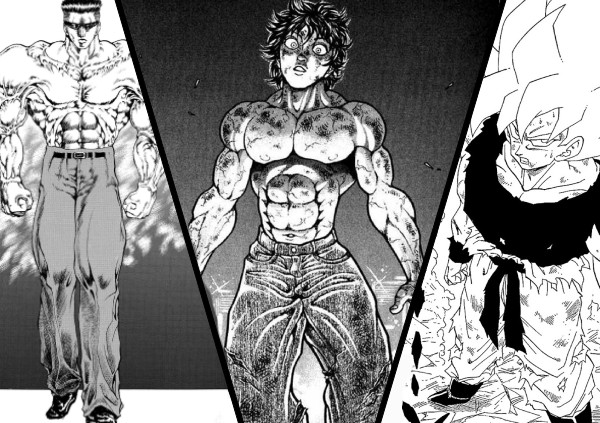

13. Parasyte

Manga by Hitoshi Iwaaki - Parasyte Picture 1
© Hitoshi Iwaaki – Parasyte

Parasyte is the most horror-leaning entry on this list, but its core idea is pure alien invasion science-fiction. A new species arrives in secret, takes over human bodies, and turns everyday life into a paranoid nightmare where anyone could wear the wrong face. It’s a science-fiction manga that centers on one simple question: what happens when humanity stops being the top predator?

Shinichi Izumi is a normal high schooler until one of the parasites tries to burrow into his brain. When he wakes up, the creature ends up inhabiting only his right arm. That mistake creates the story’s core dynamic. Instead of merging into one, Shinichi and the parasite, later called Migi, have to coexist in the same body.

Elsewhere, other parasites succeed. Having taken over their human hosts, they move through society with eerie calm, killing and feeding on humans whenever it suits them. This logic keeps Parasyte’s horror sharp. The parasites never announce themselves, and they don’t operate like pure monsters. They hide, adapt, and treat people as nothing but livestock. Their bodies can change with horrifying flexibility, turning heads into blades, mouths into rings of teeth, and limbs into weapons. It’s grotesque, but it’s also precise, which always makes the transformations feel like a deliberate biological function.

Manga by Hitoshi Iwaaki - Parasyte Picture 2
© Hitoshi Iwaaki – Parasyte

What elevates the manga beyond a pure survival thriller is psychological erosion. Shinichi doesn’t just learn how to fight back. He starts changing, and not merely in a way that feels empowering. The more he’s forced to fight, the harder it becomes to tell where his humanity ends and something colder begins. That change gives the story depth. It isn’t asking whether monsters exist, but how easy it is to become one when the circumstances demand it.

Iwaaki’s pacing is controlled, mixing sudden violence with quieter scenes that let the dread settle. The action is brutal, disturbing, and gory, but the series never forgets that each confrontation has consequences. Even the philosophical angle lands because it’s tied directly to character behavior. All this makes Parasyte a timeless science-fiction manga because it’s not about modern technology, but about biology, identity, and the fragile illusion of public safety.

If there’s one downside, it’s the supporting cast. Many of them are merely functional when compared to Shinichi’s and Migi’s central relationship. In terms of atmosphere, creature design, and moral ambiguity, though, it’s outstanding.

Cold, gruesome, and strangely thoughtful, Parasyte left a permanent mark on the genre.

Genres: Horror, Sci-Fi, Action, Psychological

Status: Completed (Seinen)


12. Nausicaä of the Valley of the Wind

Manga by Hayao Miyazaki - Nausicaä of the Valley of the Wind Picture 1
© Hayao Miyazaki – Nausicaä of the Valley of the Wind

No science-fiction manga list feels complete without Nausicaä of the Valley of the Wind, Hayao Miyazaki’s sprawling post-apocalyptic epic about a world that poisoned itself but continued on anyway. Long after a cataclysmic war reduced modern civilization to ashes, humanity is scattered in small kingdoms, clinging to whatever arable land still exists.

The speculative hook is brutal and fascinating: the planet is being reclaimed by the Sea of Corruption, a colossal fungal forest that releases toxic spores and breeds monstrous insects. Survival isn’t just a matter of politics or warfare. It’s biological. Most people can’t safely breathe outside their settlements, and the ecosystem itself feels like an immune response that no longer recognizes humans as part of its body.

Nausicaä, princess of the Valley of the Wind, is one of the few who engage with that reality instead of treating it as scenery. She’s curious, compassionate, and capable, and the story immediately throws her into a conflict when larger powers escalate the war and drag smaller nations into it. What follows isn’t a clear hero’s journey. It’s an escalation of invasions, shifting alliances, and moral compromise, all happening in a landscape where one wrong decision can trigger a catastrophe that wipes out everyone.

Manga by Hayao Miyazaki - Nausicaä of the Valley of the Wind Picture 2
© Hayao Miyazaki – Nausicaä of the Valley of the Wind

What makes it stand out as a science-fiction work is the way Miyazaki treats ecology as a system with rules, not a fantasy curse to be lifted. The insects aren’t just monsters. They’re part of an environment that behaves logically, reacts to threats, and punishes exploitation. Technology also lingers. Ancient weapons, half-understood machines, and remnants of prior ages tempt people into repeating the same mistakes, and Miyazaki frames that impulse as the true antagonist.

Visually, it’s gorgeous and meticulously crafted. You get vast deserts, strange aircraft, dense mechanical detail, and creature designs that are both majestic and terrifying. It’s also far more violent and disturbing than people might expect from Miyazaki, showing how ugly, chaotic, and dehumanizing war is.

The manga isn’t perfect. Nausicaä can feel almost saint-like, and the story’s scope gets denser the longer it continues. There are a lot of factions, moving parts, and moral debates, which might be a surprise for those who’ve only seen the anime adaptation.

Still, if you want a post-apocalyptic manga that treats nature, war, and human ambition as one connected disaster, this is as visionary as it gets. It’s science-fiction manga at its most mythic and devastating.

Genres: Adventure, Action, Drama, Sci-Fi, Post-Apocalyptic

Status: Completed (Seinen)


11. Biomega

Manga by Tsutomu Nihei - Biomega Picture 1
© Tsutomu Nihei – Biomega

Biomega by Tsutomu Nihei might be the fastest-paced manga on this entire list. It’s a cyberpunk zombie apocalypse that blasts through its first act, then mutates into something even stranger. If you love science-fiction manga that prioritizes momentum, atmosphere, and sheer concept density over explanation, this one delivers.

The setup throws us into a ruined near-future Earth. Zoichi Kanoe is a synthetic human working for Toha Industries. He’s sent out with his AI companion Fuyu Kano to locate a rare human with resistance to the N5S virus. That virus doesn’t just kill people. It rewrites their bodies into grotesque biomechanical drones, turning cities into festering hives of rotten flesh. What should’ve been a straightforward mission turns into a global power struggle, involving mega-corporations, mutated creatures, and those who want to use the outbreak for their own goals.

Nihei’s world is a pure industrial nightmare. Giant structures rise into the sky, roads and tunnels feel endless, and high technology is everywhere. The design of the infected is as unique as it is disturbing. It’s a body horror fusion of machine and decaying flesh, frozen mid-mutation into something else entirely.

Tsutomu Nihei - Biomega - 1
© Tsutomu Nihei – Biomega

Execution-wise, Biomega is visual storytelling in its purest form. Nihei loves long stretches of minimal dialogue, letting architecture, framing, and momentum do the storytelling. Zoichi’s hyper-stylized appearance is part of that identity. He performs impossible stunts, blasts through massive waves of drones, and wields weapons of mass destruction. The action is clean even when it’s fast, and its momentum stays high throughout the manga’s first half.

Then the second half hits. The later volumes turn into a wilder, more surreal biopunk adventure, and the pacing loosens up compared to the initial fast-paced structure. It’s still a science-fiction manga, but it starts feeling like a different manga, exploring even stranger locations and more abstract ideas. Biomega can, at times, feel too big and ambitious for its six-volume run, leaving plot points unexplored and rushing past some of its better ideas.

Few cyberpunk manga commit this hard to sheer imagination and visual storytelling. It’s perfect for readers who want a brutal, high-speed descent into biomechanical horror and outrageous concepts.

Genres: Cyberpunk, Action, Horror, Sci-Fi

Status: Completed (Seinen)


10. Joshikouhei

Manga by Jiro Matsumoto - Joshikouhei Picture 1
© Jiro Matsumoto – Joshikouhei

Joshikouhei is easily the most bizarre, surreal, and transgressive entry on this list. Jiro Matsumoto takes a familiar war story and twists it into a psychological breakdown disguised as a military science-fiction manga, where the real threat isn’t the enemy, but what a weapon does to the person using it.

The core idea makes it clear this isn’t your typical war story. The premise centers on an interdimensional war in which soldiers pilot Assault Girls, colossal combat units resembling schoolgirls. These mechs are weapons of massive destruction, able to turn the tides of entire battles. The most grotesque part is the link between pilot and machine: the longer someone pilots an Assault Girl, the more the machine’s identity bleeds into the pilot’s mind. It’s not trauma or stress, but the slow replacement of self, where speech patterns, emotions, and instincts reshape themselves around a manufactured persona.

That’s where Joshikouhei stops being a straightforward combat story and turns into something nastier and more complex. Pilots who’ve lost the ability to separate themselves from the machine are called corrupted. It then falls to Lieutenant Takigawa and his Hyena Platoon to track them down and eradicate them. These encounters aren’t heroic clashes, but feel like containment failures. Matsumoto frames the battlefield as a place where identity can rot, with each mission pushing pilots closer to the irrevocable moment of corruption.

Manga by Jiro Matsumoto - Joshikouhei Picture 2
© Jiro Matsumoto – Joshikouhei

Joshikouhei’s world is intentionally cold. Advanced technology is used for war instead of progress, and its use becomes another way to erase people. Even when the story is at its most violent, and battles rage, it’s rarely cool or stylish. The fights are messy, ugly, and disorienting, especially when the Hyena Platoon is battling corrupted Assault Girls.

Matsumoto’s art style fits the story perfectly. It’s frantic, sketchy, and turns action into a mess that makes it hard to tell where the machine ends and the body begins. This is exactly the point. When he leans into body horror, he goes all the way, including an infamous scene so shocking and explicit that it’s clearly designed to be horrifying rather than titillating.

That said, Joshikouhei is extreme. It’s packed with graphic nudity, gore, and imagery that will make readers drop it almost instantly. It also gets increasingly abstract near the end, shifting into fever-dream surrealism.

Joshikouhei is a singular experience, a mecha science-fiction manga that’s hostile, philosophical, and psychologically destabilizing.

Genres: Sci-Fi, Mecha, Psychological, Surreal, Horror

Status: Completed (Seinen)


9. Land of the Lustrous

Manga by Haruko Ichikawa - Land of the Lustrous Picture 1
© Haruko Ichikawa – Land of the Lustrous

There’s nothing else in manga that feels quite like Land of the Lustrous. It’s a science-fiction manga that looks delicate on the surface before slowly revealing a setting built on strange natural laws, pseudo-futurism, and a kind of existential pressure that never lets up. Its art style is a huge part of that effect: clean lines, sharp silhouettes, and wide stretches of negative space make every page feel cold, unique, and alien.

The manga introduces a distant future Earth where immortal gemstone beings called the Lustrous live in a quiet, rigid society. They are in constant danger from the Lunarians, mysterious beings that descend from the sky to collect them for their crystalline bodies. It’s an almost mythical premise, but the series makes it into something eerily physical and plausible. This is not fantasy with magical rules. Instead, Haruko Ichikawa’s world is shaped by geology turned biology, long cycles of collapse and transformation, and the consequences of survival across millennia.

Phosphophyllite, or Phos, is the weakest and most aimless of the group, brittle and sidelined, but desperate to be useful. What follows is one of the most haunting character developments in modern science-fiction manga, because it isn’t powered by simple growth or willpower. It’s shaped by erosion. Every new responsibility comes with a cost, and every solution changes what Phos is, both in body and mind. The series is at its best when it shows how identity can be rewritten, not through speeches, but through gradual replacement and loss.

Manga by Haruko Ichikawa - Land of the Lustrous Picture 2
© Haruko Ichikawa – Land of the Lustrous

Ichikawa deserves credit for how well she handles scale. The story starts intimately and lonely, then widens into something cosmic without turning into spectacle. The Lunarians are designed as an abstract threat, and the calm rhythm of the Lustrous’ daily lives makes both sides feel equally unsettling. Action scenes feel fragile and severe, not like fights, but like elements colliding and shattering.

The distinctive edge here is tone. This isn’t a hot-blooded war story or a traditional hero’s journey. It’s a quiet, philosophical, and often unsettling story, more concerned with what purpose means when life’s eternal.

The single downside is emotional harshness. As the series continues, it grows bleaker and more meditative, and some readers might miss the earlier balance of lightheartedness and momentum.

Land of the Lustrous is a science-fiction manga that’s beautiful, ruthless, and strangely inevitable.

Genres: Sci-Fi, Fantasy, Psychological, Drama

Status: Completed (Seinen)
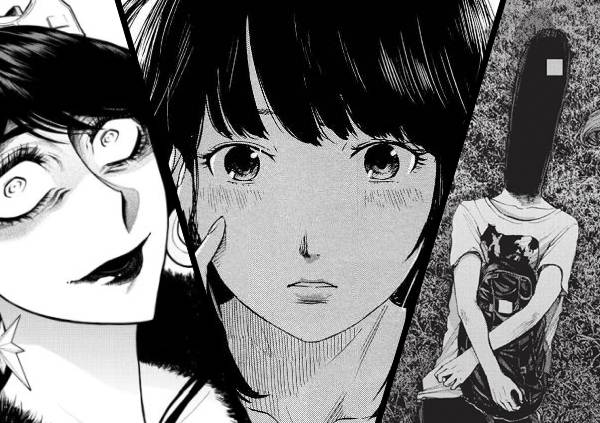

8. Ghost in the Shell

Manga by Masamune Shirow - Ghost in the Shell Picture 1
© Masamune Shirow – Ghost in the Shell

Ghost in the Shell is one of those rare titles that doesn’t just represent a genre. It defined it. Masamune Shirow’s original manga is a cornerstone of cyberpunk and science-fiction manga, building a near future where identity is no longer anchored to flesh, privacy doesn’t exist, and the line between human and machine is nothing but a technicality.

The year is 2029, and cybernetics are everywhere. Brains can interface with the Net, information warfare is as dangerous as gunfire, and bodies can be reconstructed from scratch. This is the world Section 9 operates in, a covert unit created to deal with political manipulation, cyberterrorism, and rogue AIs. The heart of the unit is Major Motoko Kusanagi, a confident full-body cyborg who slowly comes to question memory, selfhood, and identity.

If you’ve only seen the 1995 anime adaptation, you might be surprised how different the manga feels. It’s far more episodic, showcasing various operations that lean into heavy action, expository worldbuilding, and philosophical exercises. Shirow’s version of Motoko is also more playful than her anime counterpart, willing to banter and push buttons. It makes the cast feel more alive, even when the story moves into denser concepts.

Manga by Masamune Shirow - Ghost in the Shell Picture 3
© Masamune Shirow – Ghost in the Shell

That density is part of the appeal, but it’s also a challenge. Shirow treats the setting not as a vibe, but as a functional, plausible world, constantly layering in details about cyberbrains, hacking, surveillance, and how governmental institutions weaponize information. The result is a cyberpunk manga that feels oddly relevant, especially how it frames identity as something editable, vulnerable, and exploitable. When the story leans into more abstract concepts and existential territory, it hits hard because it’s grounded in internal logic.

The main downside is how overwhelming Ghost in the Shell can be. Between packed panels, occasionally confusing action, and Shirow’s infamous footnotes, it sometimes feels like a much longer work than its three-volume run suggests.

Still, Ghost in the Shell is one of the most rewarding science-fiction manga ever written: cerebral, stylish, and unsettling in the way only great futurism can be. It’s perfect for readers who are looking for big cybernetic ideas and the messy implications that come with them.

Genres: Cyberpunk, Sci-Fi, Noir

Status: Completed (Seinen)


7. Planetes

Manga by Makoto Yukimura - Planetes Picture 1
© Makoto Yukimura – Planetes

Planetes might be the most grounded entry on this list, and that’s exactly why it hits so hard. Instead of leaning on lasers, aliens, or world-ending wars, it treats space like a workplace.

Makoto Yukimura builds a story around an unglamorous job: orbital debris collection. In the near future, humanity has filled Earth’s orbit with junk, and someone has to clean it up before it shreds satellites, stations, and people. The premise sounds small, but it’s high-concept. Planetes turns space expansion into logistics, labor, and risk management, and it makes the vacuum feel terrifying without needing monsters. This is a science-fiction manga with a hard science edge, obsessed with procedure, physics, and what it means to keep working in an unforgiving environment.

The Toy Box crew is the heart of the story, especially Hachimaki. His ambition gives the manga momentum, not because he’s destined to save the world, but because his dream is painfully human. He wants something bigger than routine, something that proves his life matters. The cast around him carries its own weight: Yuri’s quiet grief, Fee’s sharp edge, Pops’ aged experience. They don’t exist as archetypes. They feel like real people with a history, bad habits, and private reasons for showing up every day.

Manga by Makoto Yukimura - Planetes Picture 2
© Makoto Yukimura – Planetes

What makes Planetes stand out is its world logic. Space isn’t a fantasy here. It’s corporatized and politicized. Missions come with budgets, rules, and compromises. Characters argue about safety protocols, the ethics of development, and who gets left behind when progress becomes a business. Even when the series widens its scope beyond day-to-day operations, it never stops feeling plausible. The bigger themes emerge naturally out of the setting.

The art by Yukimura is amazing and sells the scale without romanticizing it. You get the mechanical detail of equipment and machines, plus the eerie stillness of orbit, where Earth looks close enough to touch but also impossibly far away. Empty black space and spreads of drifting debris make characters feel small, almost meaningless. That’s the point, because space doesn’t care.

If there’s a downside, it’s pacing. Planetes is a manga that can feel slow and episodic early on, and readers looking for escalation could easily feel underwhelmed. But that patience is the series’ real strength, letting the emotional payoff land with real force.

Planetes is a science-fiction manga about hard science problem-solving with a mature, character-driven core.

Genres: Sci-Fi, Drama, Psychological

Status: Completed (Seinen)


6. Girls’ Last Tour

Manga by Tsukumizu - Girls' Last Tour Picture 1
© Tsukumizu – Girls’ Last Tour

When I started reading Girls’ Last Tour, I didn’t expect to like it as much as I did. On the surface, it looks like a quiet survival story about two girls scavenging for food, warmth, and fuel in the ruins of civilization. But the deeper it goes, the clearer it becomes: it’s a gentle, almost comforting portrait of the end of the world.

The science-fiction hook is instantly haunting. Chito and Yuuri travel through a dead megacity that feels less like a setting and more like the last remnants of humanity. Layers of concrete, abandoned industry, and silent infrastructure stretch on forever, hinting at a civilization that once reached absurd levels before quietly collapsing. That scale matters. Even when the chapters are about the more mundane moments of life, the environment tells you that something enormous and irreversible has already happened.

Manga by Tsukumizu - Girls' Last Tour Picture 2
© Tsukumizu – Girls’ Last Tour

What makes it stand out as a science-fiction manga isn’t just the advanced tech on display, but that it’s already become history. The girls occasionally stumble upon artifacts most people would take for granted, like a camera, but they treat them like relics from a forgotten civilization. It’s not so much about how these things work, but why they were made in the first place. Each discovery turns into a meditation on memory, culture, and meaning, without ever forcing a single definitive answer.

The series stays grounded in routine. The girls move because staying still means starvation. When survival’s on the line, there’s no room for existential dread. They bicker, make up, and keep going because momentum is its own kind of hope. That’s where the series’ defining mood comes in: tender nihilism. Life might not have a grand purpose, but warmth, companionship, and a meal are more than enough to keep waking up in the morning. Girls’ Last Tour isn’t about despair or misery. It’s about resignation made into something soft and weirdly sweet.

Manga by Tsukumizu - Girls' Last Tour Picture 3
© Tsukumizu – Girls’ Last Tour

Visually, Girls’ Last Tour is brilliant by contrast. The characters are drawn with a cute simplicity, while backgrounds lean vast, geometric, and lonely, echoing Nihei’s megastructures. Huge empty spaces make them feel small and insignificant, and the silence between panels says more than dialogue ever could. It’s a post-apocalyptic manga that understands that emptiness doesn’t have to be terrifying.

That said, Girls’ Last Tour is slow and unflashy, deliberately so, and its bleakness can hit harder the longer you read on. The ending, especially, can feel too heavy or depressing for some readers, but to me it felt perfect, because the series’ core philosophy stayed honest to the last page.

Girls’ Last Tour is a science-fiction manga that’s quiet, human, and strangely comforting at the edge of oblivion.

Genres: Sci-Fi, Post-Apocalyptic, Slice-of-Life, Drama, Psychological

Status: Completed (Seinen)


5. Gantz

Manga by Oku Hiroya - Gantz Picture 1
© Oku Hiroya – Gantz

Gantz is one of the most outrageous, high-octane rides in science-fiction manga. It’s brutal, messy, and often completely unhinged. Hiroya Oku takes a simple survival premise and turns it into an escalating nightmare of alien slaughter, human ugliness, and jaw-dropping spectacle.

It starts with death. Kei Kurono and Masaru Kato die in a sudden accident, then wake up in a cramped Tokyo apartment with a group of strangers who are just as confused as they are. At the apartment’s center sits Gantz, a black sphere that throws them into a mission they never agreed to. Their job appears simple at first: hunt down aliens hiding in plain sight. In reality, it’s full of panic, gore, and split-second deaths that make it clear nobody is safe.

The science-fiction hook isn’t just that aliens exist. It’s the system behind the violence. Gantz drops ordinary people into missions using advanced gear that feels both militarized and oddly specific. The series leans hard into the high-concept tech in general, with teleportation, replication, and an infrastructure operating beyond the characters’ understanding. Oku constantly suggests something bigger at work, and that the characters are nothing more than its disposable parts.

Manga by Oku Hiroya - Gantz Picture 2
© Oku Hiroya – Gantz

Gantz lands so hard because of its structure. The fights are chaotic, vicious, and weirdly fluid in motion, with Oku’s linework giving even the most grotesque violence a slick, readable flow. The alien designs are a major selling point. They are surreal, imaginative, and often genuinely unsettling, shifting from walking death sentences to designs so bizarre you’re unsure what you’re even looking at. The tension stays high because the story treats its cast as disposable. People don’t get last words or heroic speeches. They get erased.

Even the world outside the missions is unflinchingly dark. Oku paints a cynical, rotten version of modern life, full of cruelty, exploitation, and casual violence. It adds a grimy edge that makes the alien hunts feel like an extension of humanity’s worst impulses rather than an escape from them. Gantz isn’t interested in heroic purity. It’s interested in what people become when only survival matters.

Kurono is the clearest example. He starts out as crude, selfish, and hard to root for, which is exactly why his development is so great. Over time, trauma shapes him into someone capable of leadership and empathy, and it never feels like a sudden personality switch. It feels earned. The supporting cast helps, too. Even when characters don’t get backstories, they have sharp enough personalities to make the missions feel tense in a personal way.

Manga by Oku Hiroya - Gantz Picture 3
© Oku Hiroya – Gantz

For all its creativity, Oku can sometimes get overambitious. Its length introduces several scattered subplots and dangling ideas that never get satisfying payoffs, with the vampire storyline being the most notorious example. The final stretch also expands into large-scale chaos with a climax that feels rushed when compared to the manga’s earlier, more deliberate momentum and character beats.

Still, when Gantz hits, it remains unmatched. It’s savage, inventive, and thrilling in a way very few series dare to be. This is science-fiction manga at its most reckless, and it commits without flinching.

Genres: Horror, Action, Psychological, Sci-Fi, Alien

Status: Completed (Seinen)


4. Ultra Heaven

Manga by Keiichi Koike - Ultra Heaven Picture 1
© Keiichi Koike – Ultra Heaven

Ultra Heaven might feel like an outlier on this list. It’s not a space opera, a mecha war, or a cyberpunk thriller. It’s a psychedelic fever dream about chemical bliss, spirituality, and the slow collapse of reality set in a futuristic city. Yet it still earns its spot as an essential science-fiction manga because of how far it pushes the genre’s obsession with consciousness and artificial experiences.

The core idea is that feelings have become products. With the right drug, you don’t just get high. You get emotions: rage, bliss, comfort, serenity. Anything can be manufactured and sold. Kabu is the kind of guy who fits right into this world. He’s a small-time dealer and a heavy user who constantly searches for something stronger. That makes him the perfect target for Ultra Heaven, a new underground drug.

What makes the manga hit isn’t plot complexity, because it’s not built like a traditional narrative. It’s built like an experience. The early sections feel grimy and tactile, full of street-level grit, and closer to a dystopian manga. Then the drugs kick in, and the story doesn’t just slip, it drops into full metaphysical freefall. Koike makes altered states the real setting, not a temporary detour, and turns the manga into a visual representation of an unstable consciousness trying to understand what’s happening.

Manga by Keiichi Koike - Ultra Heaven Picture 3
© Keiichi Koike – Ultra Heaven

Koike’s art is what elevates the manga to new heights. His characters and environments have a harsh, grounded realism, the kind that makes the city feel heavy, suffocating, and used up. But once Kabu takes a hit, the pages stop behaving normally. Panels twist, overlap, and fracture. Perspectives flip without warning. Shapes repeat and turn into kaleidoscopes. Sometimes it reads like a hallucination rendered with mechanical precision, other times like an abstract diagram of something that doesn’t have a visual representation. It’s one of the rare manga where form is inseparable from content. You don’t just observe Kabu’s spiral from a distance. You’re dragged into it with him.

Later chapters shift the focus again. This is when Ultra Heaven stops being purely about chemicals and focuses on something else: meditation, discipline, and guided transcendence. Here, enlightenment turns into something that can be manufactured and engineered, just like drugs. That’s where Ultra Heaven shines most as a science-fiction manga. It isn’t just trippy. It’s asking what happens when inner experiences become commodities, exploited, and monetized.

Manga by Keiichi Koike - Ultra Heaven Picture 4
© Keiichi Koike – Ultra Heaven

Ultra Heaven’s main drawback is how fragmented and brief it is. With only three volumes, it can feel unfinished, like you’re only seeing a small part of a much larger story. Plot threads drift in and simply vanish. Explanations are nonexistent, and the final stretch embraces abstraction so hard that it becomes nigh incomprehensible.

And yet, that incompleteness feels almost like the point. Ultra Heaven isn’t trying to be neat. It’s trying to destabilize. If you’re looking for an experimental science-fiction manga about the fringes of the inner mind, perception, and psychedelic enlightenment, there’s nothing quite like it.

Genres: Psychological, Sci-Fi, Experimental

Status: Completed (Seinen)


3. Eden: It’s an Endless World!

Manga by Hiroki Endo - Eden: It's an Endless World! Picture 1
© Hiroki Endo – Eden: It’s an Endless World!

Eden: It’s an Endless World! is a cyberpunk epic that doesn’t rely on neon lights or cool gadgets to make its world feel eerie and convincing. Hiroki Endo builds a world that was shattered by catastrophe and rebuilt into something colder, quieter, and more dangerous. It starts with survival, but it turns into a story where corporations, crime, religion, and technology clash. As a science-fiction manga, it’s one of the most ambitious titles on this list: big ideas, hard consequences, and a future that feels uncomfortably plausible.

In the aftermath of a global pandemic, a shadowy organization seizes control under the banner of stability, transforming a ruined world into a managed system. Eden makes it clear that a dystopia isn’t created by a single, decisive event. It’s created by decisions, compromises, and institutions that never give power back once they have it. From there, the story turns into a long-form geopolitical thriller spanning continents.

Manga by Hiroki Endo - Eden: It's an Endless World! Picture 2
© Hiroki Endo – Eden: It’s an Endless World!

What makes Endo’s worldbuilding work is how it treats technology as infrastructure, not decoration. The future isn’t shiny. It’s functional and militarized, with hackers, surveillance tools, cybernetic enhancements, and advanced weaponry existing alongside poverty, exploitation, and collapsing states. The series keeps returning to its core message: technology doesn’t fix human nature; it just changes the scale of what humans can do. That’s why Eden’s cyberpunk elements feel so grounded. It’s a future shaped by incentives and ambition, not aesthetics, and its violence is the logical consequence of politics and desperation rather than random spectacle.

Execution-wise, Eden’s greatest strength is scope without losing momentum. The cast spans continents and social classes, from soldiers to mercenaries to idealists, criminals, scientists, and people simply trying to live their lives. Endo shifts perspective often, but each viewpoint is a different angle of the same broken structure, showing how power travels through money, coercion, faith, and fear. The tension doesn’t come from stylized action, but from unstable alliances, moral compromises, and the sense that every victory has a price.

Visually, the manga commits to physical reality. Endo’s art is sharp, anatomical, and emotionally blunt. Injuries look painful, sex looks human rather than glamorous, and exhaustion shows up in faces and posture. When the story gets violent, it’s ugly and direct, not stylized. That choice is a huge part of Eden’s identity. It’s a series that refuses to romanticize the underworld or the cost of survival.

Manga by Hiroki Endo - Eden: It's an Endless World! Picture 3
© Hiroki Endo – Eden: It’s an Endless World!

Its most distinctive edge is that it treats cyberpunk as a global condition. A lot of cyberpunk manga focuses on a single city, a single case, or a single movement. Eden feels more like watching a world reassemble itself after a disaster into a new order that’s worse than what came before. It also weaves in spiritual and philosophical ideas without turning preachy, using belief systems as another way to show how people cope with collapse or how they exploit it.

Eden can also be a demanding series. It’s long, brutal, and spends a lot of time in society’s more uncomfortable areas, showing sexual violence and the uglier sides of human behavior. While scale is part of the appeal, it also means long detours, dense stretches, and a tone that rarely offers much relief.

Eden: It’s an Endless World! is one of the most rewarding reads in science-fiction manga. It’s adult cyberpunk that feels realistic, politically sharp, and follows its ideas to their nastiest conclusion.

Genres: Sci-Fi, Cyberpunk, Thriller, Drama, Psychological

Status: Completed (Seinen)


2. Akira

Manga by Katsuhiro Otomo - Akira Picture 1
© Katsuhiro Otomo – Akira

Akira by Katsuhiro Otomo might be the most influential science-fiction manga ever made. It’s a landmark work that shows how manga visualizes urban collapse, political paranoia, and youth rebellion, all packed into a single dystopia. Even decades later, it still feels strangely modern, owing not only to its stunning visuals but its timeless themes.

Centered on the rebuilt metropolis of Neo-Tokyo, it’s a story of aggressive biker gangs, extremist cells, and a government trying to handle public unease with secrecy and brute force. It’s a world full of tension and suppression, giving you the feeling that the next riot, cover-up, or disaster is just pages away. This pressure makes Akira feel less like a simple futuristic setting and more like a system about to collapse.

Kaneda and Tetsuo are two reckless teenagers shaped by the streets and the chaotic world around them. Their friendship carries a constant edge of rivalry, and that instability becomes catastrophic when they get involved with a secret military project. Akira’s story relies heavily on psychic powers, but the real science-fiction idea is what seemingly unlimited power does to identity. Tetsuo’s awakening isn’t framed as heroic. It’s a corruption, an escalation that turns insecurity into fuel for an apocalypse.

Manga by Katsuhiro Otomo - Akira Picture 1
© Katsuhiro Otomo – Akira

Otomo’s execution elevates the manga to greatness. His paneling is cinematic, but not in a conventional way. He controls motion, space, and geography with obsessive precision, so even chaotic street fights and explosions stay readable. Neo-Tokyo is rendered with a precision and architectural density that other series can’t match for more than a few panels at a time. You can feel the concrete, the sprawl of highways, the clutter of rubble, and the grime of alleyways. When Akira’s scale rises, the destruction doesn’t feel abstract or symbolic. It looks almost controlled, as if Otomo understands exactly how a city’s meant to break apart.

Akira is also one of the purest examples of momentum-based storytelling in science-fiction manga. It doesn’t stop to explain things, and it doesn’t need to. Tension comes from acceleration: turf conflicts turn into political chaos, covert military experiments become public disasters, and ordinary violence swells into something mythic. It’s not hard science-fiction, and it doesn’t want to be. The power system seems intentionally hazy to keep the story in a feverish state fueled by escalation.

Manga by Katsuhiro Otomo - Akira Picture 4
© Katsuhiro Otomo – Akira

That said, Akira isn’t flawless. The characters can feel archetypal, especially when compared to other cyberpunk manga that dive deep into psychology and philosophy. Kaneda is charming and impulsive, Tetsuo is never far from outright psychopathy, and the supporting cast exists to expand the scope rather than to evolve. When the story shifts into massive psychic spectacle, coherence takes a hit, and the emotional intimacy of the earlier street-level conflicts gets overshadowed by sheer scale. Otomo’s ambition is part of the appeal, though, even when it can make the narrative feel disjointed.

Still, Akira earns its reputation through raw vision. It’s dystopian science-fiction at its best: loud, crowded, unstable, and drawn with a level of craft that’s leagues above most of the genre. It doesn’t just depict the end of the world. It makes you live through it.

Genres: Sci-Fi, Cyberpunk, Dystopian, Action

Status: Completed (Seinen)


1. Blame!

Manga by Tsutomu Nihei - Blame! Picture 2
© Tsutomu Nihei – Blame!

Tsutomu Nihei’s Blame! is one of my favorite manga of all time, and it’s also one of the most overwhelming pieces of science-fiction manga ever drawn. It doesn’t offer you clean explanations or a friendly world. Instead, it drops you into a future so vast and broken that humanity feels completely insignificant.

Blame!’s world is dominated by The City, a self-expanding megastructure that keeps building in all directions without a clear endpoint. Somewhere inside that infinite machine exists the Netsphere, a control layer that could bring order back to the system. Killy’s job is to find a human with the Net Terminal Gene, the genetic code needed to access it. That simple objective pushes him into a seemingly endless journey through never-ending corridors, unfathomable industrial complexes, and entire regions designed with no regard for human life.

Blame! works because its science-fiction elements aren’t just a backdrop. The setting behaves like a living organism. The City grows, repairs, replaces, and expands with cold indifference, and the creatures inside feel less like inhabitants and more like invaders. Biomechanical monstrosities lurk in hidden corners. Cyborgs look like nightmares given silicon life. The Safeguard exists to eliminate threats and unauthorized humans. The Builders keep constructing new layers even when there’s no longer any civilization in need of them. Meanwhile, every pocket of human survivors Killy encounters feels temporary, as if on the fringes of oncoming destruction.

Manga by Tsutomu Nihei - Blame! Picture 3
© Tsutomu Nihei – Blame!

Nihei’s greatest weapon is visual storytelling. He never pauses to explain how anything works, but the world still feels consistent because the details reinforce each other. Bodies and identity feel mutable in unsettling ways, with systems that can rebuild, overwrite, and repurpose what’s left behind. Technology feels less like machinery and more like high-concept ideas given form. At times, it becomes so extreme it reads like sorcery, but the manga presents it as the natural endpoint of a hyper-developed, fully networked society.

The other reason Blame! hits so hard is its restraint. Dialogue is sparse, and exposition is a rare luxury. Instead of narration, you get scale. Killy is often rendered as a tiny silhouette against impossible architecture, and those panels tell you more than exposition ever could. You feel how far he’s traveled, how unimportant he is compared to the machinery and structures surrounding him, and how little The City cares for any life dwelling within it.

When violence happens, it’s sudden and catastrophic. The Gravitational Beam Emitter Killy wields doesn’t create stylized fights, but instant annihilation, turning shootouts into structural disasters. That contrast is the series’ rhythm: long stretches of ominous, quiet exploration, then a few seconds of sheer, unbridled destruction.

Manga by Tsutomu Nihei - Blame! Picture 1
© Tsutomu Nihei – Blame!

Blame!’s biggest flaw is the one thing that makes it legendary. It can be incredibly hard to read. The story is cryptic, arcs feel episodic, and Nihei’s refusal to spell anything out will leave many readers frustrated. Even when answers arrive, they tend to raise more questions, which is either perfect or infuriating, depending on what you expect from the genre.

Blame! is a singular achievement in science-fiction manga. It’s a work full of oppressive atmosphere, architectural horror, and alien ideas delivered with total confidence. It’s not about plot, but about vision, and the sense of traveling through a world that’s not only infinite but uncaring.

Genres: Sci-Fi, Cyberpunk, Horror, Action

Status: Completed (Seinen)


More in Manga

17 Short Manga You Can Finish in a Day

Many manga run long, stretching into hundreds of chapters or dozens of volumes. But not every story needs that much space to deliver thrills, atmosphere, and a satisfying conclusion. That’s where short manga shine. These are stories you can read in a single sitting and still walk away feeling like they delivered.

That’s why I put together this list of the best short manga. It includes true one-shots, along with a few denser picks like Soloist in a Cage or Ultra Heaven that can take a full afternoon to read. Even so, every entry here is short enough to finish quickly compared to the usual long, multi-volume commitment.

Short Manga Intro Picture
© Shiro Moriya – Soloist in a Cage, Daisuke Igarashi – Witches, Takeshi Obata, Hiroshi Sakurazaka, Ryousuke Takeuchi – All You Need Is Kill

There’s a lot of variety on this list. Some lean into horror first, like Hideout, while others lean into tight science-fiction action, like All You Need Is Kill. A few go full experimental and surreal, like BIBLIOMANIA or Witches. Different tones, different genres, same appeal: each one gives you a full, satisfying experience without hundreds of chapters.

Mild spoiler warning: I’ll avoid major plot details, but I may mention basic setups to explain why each manga is worth reading.

Enjoying the content? If you’d like to support my work, consider signing up for my weird fiction newsletter.
* indicates required

With that said, here’s my list of the best short manga you can read in a single sitting (last updated: February 2026).

17. Hideout

Manga by Kakizaki Masasumi - Hideout Picture 1
© Kakizaki Masasumi – Hideout

Hideout is the kind of short manga that doesn’t build dread so much as drop you right into a nightmare. In nine chapters, Masasumi Kakizaki delivers a vicious blend of survival horror and psychological collapse, with pacing that never loosens its grip. Seiichi Kirishima is a failed writer who takes his wife to a remote island to repair their relationship after the death of their child. He’s lying. Seiichi has come up with a plan to kill her, but when that plan fails, the story changes to a frantic chase. The pursuit forces them into a cave system, but it isn’t as empty as it should be.

What makes Hideout work is how effectively it escalates tension. When the manga leans into flashbacks, they’re brief and function as grim proof that Seiichi’s mind has been cracking long before he entered the caves. It’s a descent fueled by grief, bitterness, and self-hatred, and the manga refuses excuses or redemption.

The story lives through Kakizaki’s art. Heavy blacks, tight framing, and oppressive shadows make the cave feel alive and the pages claustrophobic. Reading it in a single sitting is brutal because it never gives you room to breathe.

Genres: Horror, Psychological

Status: Completed (Seinen)


16. All You Need Is Kill

Manga by Takeshi Obata, Hiroshi Sakurazaka, Ryousuke Takeuchi - All You Need Is Kill Picture 1
© Takeshi Obata, Hiroshi Sakurazaka, Ryousuke Takeuchi – All You Need Is Kill

All You Need Is Kill is a war story built around one central idea: dying becomes practice. It’s a two-volume short manga that moves like a blockbuster, but it’s strongest when it shows what constant repetition does to a person.

Earth is losing a global war against aliens called Mimics, and rookie soldier Keiji Kiriya doesn’t even survive his first deployment. Then he wakes up a day before the battle, trapped in a loop that resets every time he dies. The hook is simple, but the execution lands. Each restart escalates the tension, teaches you the rules, and turns basic combat into trial-and-error. Watching Keiji go from panicked recruit to hardened fighter is the main satisfaction, and the powered-suit action is easy to follow without ever feeling clean or meaningless.

Takeshi Obata’s art is a huge part of that appeal. The exosuits, environments, and impacts are full of crisp, obsessive detail that make every fight feel physical, even when the story is accelerating. The downside is that the cast outside of Keiji and Rita stays thin, and later chapters can feel rushed, especially when they aim for emotional weight.

The pacing is the point. All You Need Is Kill is grim, efficient, and full of adrenaline.

Genres: Action, Sci-Fi, Mecha

Status: Completed (Seinen)


15. Hotel

Manga by Boichi - Hotel 1
© Boichi – Hotel

Boichi can make anything look fantastic, but Hotel is one of the clearest arguments for why he’s one of manga’s top-tier artists. It’s a compact anthology where the visual storytelling does as much work as the writing. Even when a chapter’s idea is simple, the art does the heavy lifting.

Each story stands on its own, which makes this an easy short manga to read in a single sitting. The early chapters lean into more grounded and emotional themes, with a strong science-fiction tone and a few thematic threads that make the collection feel loosely connected rather than purely random. As it goes on, that tone changes. Some chapters get stranger and more surreal, which gives Hotel a nice sense of range.

The downside is consistency. There isn’t a single weak chapter, but some are clearly more memorable than others, and one entry leans on pure spectacle. It’s beautiful, including a full-color chapter that looks incredible, but it’s more about mood and visuals than story.

It’s a perfect manga for readers who want a one-volume collection of science-fiction short stories, emotional payoff, and stunning artwork without having to commit to a longer story.

Genres: Sci-Fi, Drama

Status: Completed (Seinen)
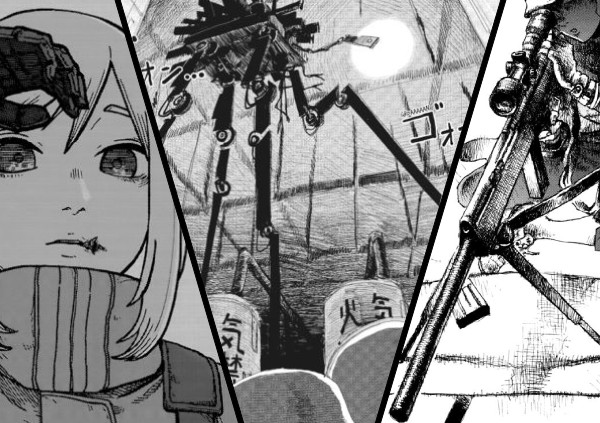

14. Soloist in a Cage

Manga by Shiro Moriya - Soloist in a Cage Picture 1
© Shiro Moriya – Soloist in a Cage

Soloist in a Cage wastes no time proving what kind of world it’s dealing with. Prison City is a sealed dystopian sprawl. Nobody gets out. Kids are born inside the walls, and survival is a matter of luck and cruelty. It’s a bleak setup, but it hooks fast and uses its short runtime well.

Chloe grows up in this cage, raising her baby brother, Locke, in a place ruled by gangs, traffickers, and worse. When a rare escape attempt promises the possibility of freedom, the plan falls apart, and Chloe is forced to leave behind the person she was trying to protect. Years later, she returns with a single goal. Trained to fight, she steps back into a hellhole that’s only gotten larger and is now even more tightly controlled.

The story itself is straightforward, and the characters can feel simplistic, especially for a setting this complex. Some antagonists don’t land as hard as they should, and a few action beats resolve so quickly they feel like highlights rather than full fights. The reason it still works is the presentation. The art is crisp, cinematic, and dynamic, with fight choreography that feels like dancing rather than brawling. Snowy rooftops, oppressive shadows, and sudden violence give the whole manga a harsh, cold atmosphere.

As a short manga, it delivers a compelling hook, stunning art, and zero filler.

Genres: Action, Drama, Dystopian

Status: Completed (Seinen)


13. Zashiki Onna

Manga by Mochizuki Minetaro - Zashiki Onna Picture 1
© Mochizuki Minetaro – Zashiki Onna

Zashiki Onna doesn’t need gore, curses, or monsters to get under your skin. It’s one of the cleanest examples of stalker horror in manga, and it still works because it understands the real fear behind obsession. The premise is simple, but it keeps escalating until what started as unease turns into panic.

Hiroshi is a college student living an unremarkable life when he notices an unusually tall woman outside a neighbor’s apartment. The moment is small, easy to dismiss, and that’s exactly why it lands. Their exchange is short, but it’s enough for her attention to shift to him, and soon boundaries start to collapse. At first, she appears at his door, then she breaks into his home, and before long, her obsession turns physical, and dangerous.

The manga’s biggest strength is plausibility. The woman is never explained as a supernatural being. She’s just there, relentless, quiet, and the lack of motive makes her feel even worse. The art emphasizes cramped interiors, uncomfortable angles, and distorted facial expressions that make almost every page unsettling.

The trade-off is how straightforward it is. Zashiki Onna isn’t a layered mystery or twist-heavy thriller. It’s a slow, invasive escalation, and it commits to that all the way through. If you’re looking for a short manga that’s tight, creeping, and hard to shake, this one stands out.

Genres: Horror, Mystery, Psychological, Thriller

Status: Completed (Seinen)


12. Goth

Manga by Kenji Ooiwa and Otsuichi - Goth Picture 1
© Otsuichi – Goth

Goth is a horror manga with a cold, adolescent focus. It’s not interested in heroic investigators or righteous catharsis. The hook is that two teenagers are drawn to death the way others are drawn to gossip, and the story never pretends that fascination is healthy.

An adaptation of Otsuichi’s novel, with art by Kenji Oiwa, Goth focuses on high schoolers Yoru Morino and Itsuki Kamiyama as they investigate a string of gruesome cases. The structure is episodic and loosely connected, with each chapter built around a different crime and a different killer. Kamiyama often figures out what happened and who’s responsible, but he isn’t seeking justice. He’s studying murder, collecting details, and treating violence like a hobby. Morino isn’t a moral counterweight. She’s just as unnerving and interested in death.

Goth’s biggest strength is atmosphere. It keeps things lean, and the lack of sentimental framing makes the violence feel blunt and uncomfortable. The art isn’t flashy, but it’s effective where it matters. Murder scenes are vivid, grotesque, and hard to shrug off, which is exactly the point. Even more so because of the characters’ reaction to them.

The downside is the depth. It’s a short manga, so the main duo’s darker edges are suggested rather than explored, and some plot threads end right when they could’ve turned into something more intriguing. Still, it stands apart from conventional horror mysteries by refusing to relegate its protagonists to familiar roles.

Goth isn’t for readers who want likable leads, but it’s perfect for those who are looking for clinical, unsettling crime horror.

Genres: Horror, Psychological, Mystery

Status: Completed (Shonen)


11. Witches

Manga by Daisuke Igarashi - Witches Picture 2
© Daisuke Igarashi – Witches

Witches feels less like a conventional story collection and more like a series of waking dreams. Daisuke Igarashi builds a world where magic is real, logic feels secondary, and ordinary life brushes up against something vast and unseen.

It’s an anthology of tales that share a loose universe and a consistent focus on perception. Characters stumble into moments of wonder, dread, tenderness, and quiet devastation, usually without fully understanding what they’ve touched.

The best chapters don’t explain. They let an image, a landscape, or a sudden shift in reality carry the meaning, which is where Igarashi excels.

The art is the main reason Witches belongs on a list of the best short manga. Page spreads can be stunning, and backgrounds have a dense, tactile detail that makes cities, coastlines, and interiors feel both real and slightly dream-like. It’s also a work that can be rough around the edges. Faces can feel slightly off, story flow can get clunky, and the writing can sometimes spell out ideas the visuals already communicated. Witches is also a work primarily interested in myth-building and aesthetics, which sometimes comes at the cost of accurate representations of cultures and locations.

Still, when it hits, it’s sublime. It’s folk horror combined with surreal fantasy, filtered through the eyes of an artist who trusts atmosphere over clear answers.

Genres: Supernatural, Fantasy, Drama

Status: Completed (Seinen)
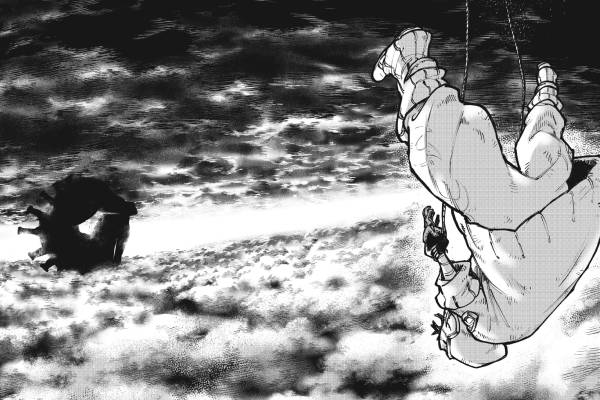

10. Keep on Vibrating

Manga by Jiro Matsumoto - Keep on Vibrating Picture 2
© Jiro Matsumoto – Keep on Vibrating

Keep on Vibrating is the most transgressive entry on this list, and you feel that within the first few pages. Jiro Matsumoto has a reputation for a reason, and in this collection he embraces it. It’s explicit, abrasive, and often deliberately ugly, but it’s also weirdly compelling.

Rather than a single plot, this manga strings together short vignettes that feature sex, violence, and surreal breakdowns with almost no interest in interpretation or comfort. Characters move through ruined streets, back alleys, and fractured worlds as if everything is normal. That disconnect is the point. Matsumoto treats the grotesque as the everyday, then pushes it even further. Some stories feel like pure shock. Others, like the very first chapter, are so surreal that you’re unsure what you’re reading.

The art matches the mood perfectly. It’s gritty and sketchy, with a raw instability that makes every panel feel slightly wrong. Matsumoto also isn’t afraid to shift styles midstream. What might feel like warped realism at first can turn into abstract absurdity in a matter of panels.

It’s a singular experience, but it’s also full of explicit sex, taboo imagery, and moments that feel like provocation for its own sake. Still, as a short manga collection, it’s one of the easiest ways to understand Matsumoto’s real appeal. You’ll either drop it right away, or you’re going to be enthralled by its insane, hypnotic energy.

Genres: Psychological, Drama, Surreal, Erotica

Status: Completed (Shonen)


9. Fraction

Manga by Shintaro Kago - Fraction Picture 1
© Shintaro Kago – Fraction

Fraction is one of the most interesting meta-horror works in manga, and Shintaro Kago’s sharpest showcase when he prioritizes form over story. It starts like a nasty serial killer thriller, then steadily reveals that the story itself is what’s being dissected.

The premise introduces a murderer dubbed the Slicing Devil, who cuts his victims in half, and the first chapter plays that grim premise straight. Then Kago inserts himself into the manga, discussing the narrative, and turns it into a self-aware discussion on structure, genre conventions, and how authors manipulate readers. It might sound indulgent, but it’s the opposite. These explanations are incredibly clever and lead to a twist that lands because you finally realize what he’s been doing all along.

After that, the plot pivots back to the Slicing Devil, but with a more openly absurd tone, closer to the chaotic, nonsensical stories he’s known for. The volume also features several one-shots. The standout here is Voracious Itches, a piece of body horror so revolting, that it’s guaranteed to stay on your mind.

Fraction is a work that’s transgressive, structurally unhinged, and sometimes intentionally offensive. It stands out not so much for the story it tells but for what it does with it. Part serial killer manga, part meta-narrative, part typical Kago, it’s a short manga that feels almost too ambitious for its page count.

Genres: Horror, Mystery, Psychological, Meta

Status: Completed (Seinen)


8. Enigma of Amigara Fault

Junji Ito - The Enigma of Amigara Fault
© Junji Ito – The Enigma of Amigara Fault

Sometimes the shortest stories are the most terrifying, and Junji Ito has always understood that short-form horror can hit harder than a long-running series. The Enigma of Amigara Fault is proof. In roughly thirty pages, Ito creates a tale that’s haunting and taps into a fear too real to be fictional.

After an earthquake, a fault line reveals something impossible: hundreds of human-shaped holes carved into the stone. The image is strange enough on its own, but Ito makes it worse. When news footage spreads, people gather, and an obsession takes hold. Visitors aren’t just there to stare at the phenomenon. They feel pulled toward it, certain that one of those holes was made just for them.

The story follows a young man arriving at the site and meeting a woman named Yoshida. The pacing is perfect, and we watch as the compulsion plays out in real life. There’s no spectacle, only the slow build of dread, and the awful combination of curiosity and inevitability. The horror isn’t just about claustrophobia. It’s the idea of being pulled in by something you don’t understand, and helpless to do anything but obey it.

The holes are never explained, and that’s why the story lingers. As a short manga, it wastes nothing, and it leaves you with a final page you won’t be able to shake.

Genres: Horror, Supernatural, Mystery

Status: Completed (One-shot)


7. BIBLIOMANIA

Manga by Oobaru, Macchiro - BIBLIOMANIA Picture 2
© Oobaru, Macchiro – BIBLIOMANIA

BIBLIOMANIA feels less like a traditional manga and more like a surreal picture book. It’s gorgeous, meticulous, and deeply wrong, the kind of body horror where the art is the reason you keep turning the pages.

A girl named Alice wakes up in Room 431 of a decrepit manor with no explanation and no way out. When a talking serpent instructs her not to leave, she does exactly that, ignoring its warning that her body will rot. From there, the manga turns into a fever-dream tour through shifting rooms, strange inhabitants, and increasingly bizarre transformations. BIBLIOMANIA isn’t driven by mystery or complex plot beats. It’s about the steady erosion of normality. While Alice’s world expands room by room, her humanity slips further and further away.

What makes it work so well is its pure commitment to atmosphere. The story is simple and almost fable-like, but Macchiro’s art turns every hallway and grotesque change into something both eerie and elegant. Panels are packed with details, and the contrast between Alice’s cute, storybook design and the manor’s nightmarish interiors keeps the tone off-balance. While it’s clearly inspired by Alice in Wonderland, BIBLIOMANIA never feels like parody or homage. It uses the familiar framework simply to showcase visual surrealism.

The biggest downside is the narrative. If you want strong character writing or a tidy resolution, this manga won’t deliver. As a short manga, BIBLIOMANIA is closer to an art-driven descent into visual madness than a conventional horror story, and that’s exactly why it stands out. Even if you can read it in a single sitting, its art will be unforgettable.

Genres: Horror, Fantasy, Psychological, Drama

Status: Completed (Seinen)
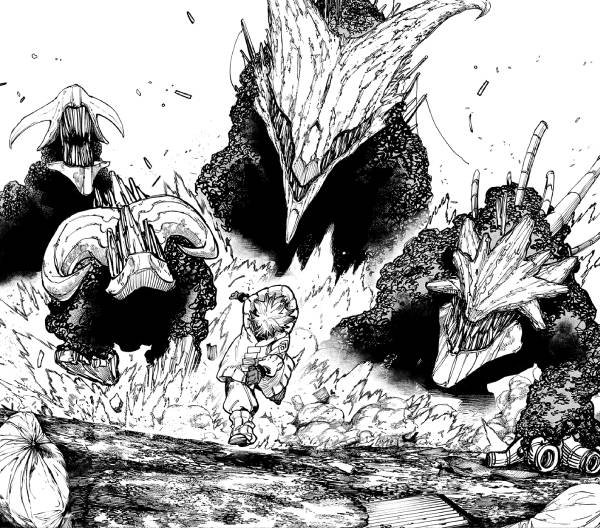

6. Fuan no Tane

Manga by Nakayama Masaaki - Fuan no Tane Picture 1
© Nakayama Masaaki – Fuan no Tane

Fuan no Tane is a work that barely qualifies as traditional storytelling, and that’s exactly why it works. Masaaki Nakayama strips horror down to raw sensation, delivering micro-scares that feel like half-remembered urban legends or something wrong you saw out of the corner of your eye.

There’s no central plot and no recurring characters. Instead, it’s a chain of tiny vignettes that often run only a few pages, sometimes with minimal dialogue. Each one drops you into a mundane situation: a school hallway, a quiet street, a home visit, and then interrupts it with something wrong. No explanation, no lore, and no resolution. Many chapters end right at the moment of impact, leaving the horror to your imagination instead of resolving it on the page.

Nakayama’s art is grounded until it isn’t. Faces warp, eyes go empty, and a single glance through a window becomes unbearable. The paneling does a lot of the heavy lifting, using abrupt reveals and negative space to create that classic J-horror feeling. While some entries lean more into weirdness or dark comedy, most are straight horror.

Fuan no Tane is here for its micro-scares approach. The original run is a short manga that you can finish in an hour or two, and if you want more, Fuan no Tane+, Fuan no Tane*, and Nakayama’s PTSD Radio explore the same bite-sized dread in different ways. The format is the point, and it’s brutally effective.

Genres: Horror, Supernatural, Psychological

Status: Completed (Shonen)


5. Hanging Balloons

Junji Ito - Hanging Ballons Picture 1
© Junji Ito – Hanging Balloons

Hanging Balloons is my favorite Junji Ito one-shot, and it’s a great example of how he can turn an absurd premise into something genuinely apocalyptic. The premise sounds like a joke until you see it on the page, and then it becomes hard to forget.

It starts small, with the suicide of a young idol named Terumi and the quiet dread that hangs over Ito’s best works. Rumors spread soon after, but the ghost people report seeing isn’t a figure drifting through the streets. It’s a floating head. At first, it feels like a ghost story, but Ito uses that slow opening to set up the real hook. The sky fills with enormous balloons, each bearing a human face, and fixated on a single person. They don’t attack at random. They stalk their counterparts patiently and relentlessly, with one purpose: to kill them by hanging.

What makes the story work is the escalation. Ito moves from the intimate horror of a ghost story to a public catastrophe without rushing, letting the absurdity become its own kind of logic. The concept is terrifying because it’s personal. The balloon isn’t a mere monster. It’s your own face turned into a deadly predator.

Like many Ito classics, the mystery is never explained, and the lack of answers only sharpens the unease. As a short manga, it wastes nothing, and it ends in one of Ito’s most terrifying final panels.

Genres: Horror, Supernatural, Psychological

Status: Completed (One-shot)


4. Smuggler

Manga by Manabe Shohei - Smuggler Picture 1
© Manabe Shohei – Smuggler

Smuggler proves that Shōhei Manabe can leave a mark with a single volume. It’s a tight crime thriller that’s part underworld story, part black comedy, part sudden brutality, and never stops escalating.

Yosuke Kinuta is a failed actor buried in debt, the kind of guy who keeps saying yes because he’s got no better options. Forced to take a job with a corpse disposal crew, he’s unaware of the dangers waiting for him. What starts as a routine job drags him into the middle of a mob conflict, and from there the story keeps stacking complications and bad decisions. Yosuke works as the anchor here. He’s the closest thing to a normal person, which makes the surrounding cast feel even more unhinged.

That cast makes the manga so good. The crew leader is cold and practical, gangsters are loud and unpredictable, and two Chinese assassins push the tone into something more stylized without losing its grime. The violence is quick, and sometimes shockingly casual, with flashes of dark humor that land because the manga never treats it as such.

Shōhei Manabe’s art is the perfect match. Faces look distinctly human, backgrounds feel alive, and there’s a slight ugliness to his character designs that amplifies the mood. The only downside is that the art can be polarizing. If you want clean, pretty characters, this work isn’t for you.

As a short manga, Smuggler feels lean, nasty, and complete. Think Tarantino energy filtered through a harsher, more cynical lens.

Genres: Crime, Thriller

Status: Completed (Seinen)
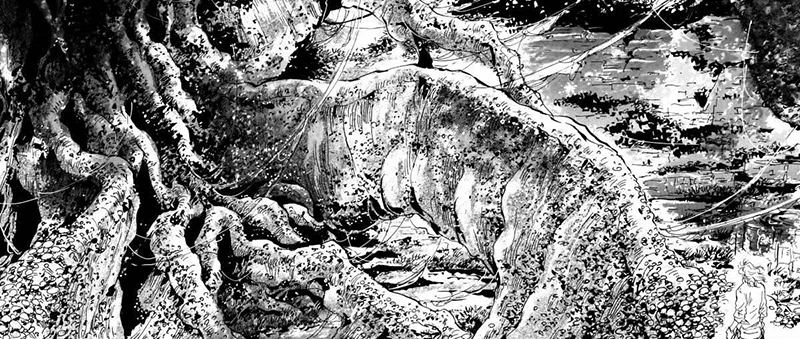

3. Helter Skelter

Manga by Kyoko Okazaki - Helter Skelter Picture 1
© Kyoko Okazaki – Helter Skelter

Helter Skelter isn’t a horror manga, but it’s one of the most unsettling manga about fame, beauty, and self-erasure. Kyoko Okazaki takes the glamor of celebrity culture and uses it to showcase a psychological collapse that feels intimate, ugly, and uncomfortably believable.

Japan’s top model, Liliko, is worshipped for a perfection that isn’t real. Her body has been surgically remade into an ideal, and her public identity is built on the assumption that the illusion will hold forever. When that perfection starts to fail, everything around her begins to fade. The story follows Liliko as she spirals into paranoia, cruelty, and desperation, clinging to the spotlight whatever way she can. Okazaki never reduces this premise to a simple moral lesson. Liliko is a victim, yes, but she’s also a monster, which makes this manga so hard to dismiss.

The critique running underneath is sharp. Helter Skelter is about what a culture obsessed with youth and beauty demands from a woman, and what it does to the ones who accept it. Liliko becomes a product, and her tragedy is that she succeeds at it.

Okazaki’s art leans into discomfort, featuring sketchy lines, uneven faces, and cold, white spaces that make scenes feel exposed rather than romantic. It’s a style that can be seen as rough, but that roughness is part of the effect.

As a short manga, Helter Skelter hits fast and lingers longer than most long-form psychological dramas. It’s beauty as body horror, filtered through a brutally human lens.

Genres: Psychological, Drama, Avant-Garde

Status: Completed (Josei)


2. Solanin

Manga by Inio Asano - Solanin Picture 1
© Inio Asano – Solanin

Inio Asano’s Solanin is a slice-of-life drama that understands that adulthood can feel like a slow fade into routine. It’s not built on big twists or grand ambition. It’s built on small days, stalled dreams, and the kind of sadness that creeps in when you realize nobody is going to tell you what you’re supposed to do.

Taneda and Meiko are a young couple who drift through post-college limbo. They work jobs they don’t care about, talk about possibilities, and quietly worry that their best times are already behind them. Then one day, Meiko quits her job. Instead of triumph, it’s shown as impulsive, messy, and hard on their relationship. But because of this honesty, the moment lands. The story follows them as they try to reconnect with the versions of themselves that still believed in something: their shared love for music.

Solanin stands out for its tonal control. Asano writes about the frustrations of ordinary, flawed people without turning into melodrama, giving them room to be unsure, conflicted, but still sympathetic. The art carries that emotional realism. Cityscapes look alive, faces are expressive without being exaggerated, and the panels linger on routine and silence in a way that makes the mundane feel loaded. Later story beats turn more dramatic, centering on grief and moving on, but it never feels like cheap manipulation. It feels heavy, yes, but it also feels real.

The biggest downside is how restrained Solanin feels. It’s slow, and if you’re looking for plot momentum, it may feel too quiet. But as a short manga, Solanin is remarkably complex and hits harder than many longer narratives. It’s a grounded, bittersweet drama, and it will stay with you long after the final page.

Genres: Drama, Slice of Life

Status: Completed (Seinen)
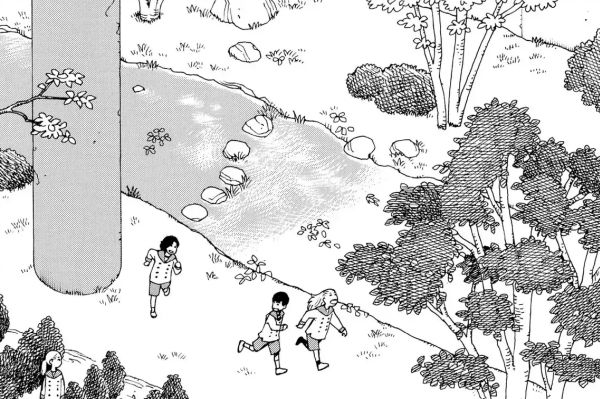

1. Ultra Heaven

Manga by Keiichi Koike - Ultra Heaven Picture 1
© Keiichi Koike – Ultra Heaven

Ultra Heaven is the densest short manga on this list. Keiichi Koike turns familiar science-fiction beats into something stranger and closer to a visual experiment than a traditional narrative. It’s also the most psychedelic manga I’ve ever read, a work that treats the medium the way it’s characters treat drugs, as a gateway to altered perception.

The future is grim. Emotions can be manufactured and sold. Kabu, a small-time dealer and junkie, is addicted to these synthetic feelings. He lives for the next high until a mysterious figure introduces him to Ultra Heaven, an underground drug so potent it promises more than simple pleasure. From there, the manga becomes a spiral through addiction, altered perception, meditation, and the pursuit of transcendence.

The reason to read it is the art. Koike’s city scenes are gritty, grounded, and dense with detail, but during highs and meditative states, he breaks open the page unlike any other manga. Panels warp, overlap, and dissolve. Layouts turn into sprawling collages where perception stops making sense. Ultra Heaven doesn’t just depict hallucinations. It recreates them through structure, forcing you to experience the same vivid disorientation Kabu suffers through. Few manga have ever pushed form to such extremes while remaining readable.

Ultra Heaven’s biggest problem is fragmentation. It feels like a small part of something larger. Plot threads appear and evaporate, dialogue teases meaning before fizzling out, and its ending leans hard into abstraction. This focus on form over substance is part of its appeal, but it won’t be for everyone.

Even as a full-afternoon read, it still feels like a single sitting plunge into the outer edge of what manga can do, simply because the visuals keep pulling you in.

Genres: Psychological, Sci-Fi, Experimental

Status: Completed (Seinen)
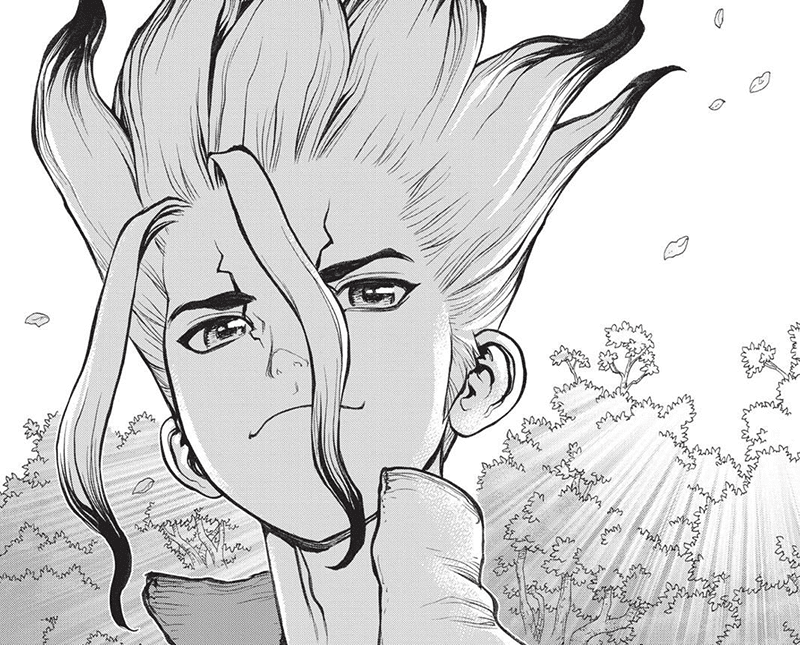


More in Manga

The 16 Best Tournament Arcs in Manga

Battle manga come in many forms, but when most fans think of the genre, they picture fights. Tournament arcs are where those fights shine, and the best tournament arcs in manga tend to be the highlights of their series. They strip away long travel segments and sprawling subplots, then give readers exactly what they want: rivalries, matchups, pressure, and character growth.

They also come in more flavors than people give them credit for. Some are classic brackets with prizes at the end. Some are team competitions. Others are tournaments in disguise, like selection exams or city-wide battle royales. And a few series are even built around one giant tournament from start to finish.

Tournament Arcs Intro Picture
© Keisuke Itagaki – Grappler Baki, Yabako Sandrovich and Daromeon – Kengan Ashura, Makoto Shiozuka, Homura Kawamoto – Majo Taisen

Tournament arcs have become a staple of battle manga. From shonen classics like Dragon Ball and Yu Yu Hakusho to newer picks like Kengan Ashura and Tenkaichi, they all use the format in their own way.

Regardless of length, the best ones are packed with memorable fights and the kind of character moments that stick with you long after they’re over. Not every tournament arc is great, and quality can vary a lot. That’s why this list is a mix of iconic staples and personal favorites, with one rule: only one tournament arc per series. If you want more recommendations, check out my lists of the best shonen manga and the best long manga.

Mild spoiler warning: I’ll focus on each manga’s tournament arc, but sometimes I’ll have to mention plot details to explain why it made the cut.

Enjoying the content? If you’d like to support my work, consider signing up for my weird fiction newsletter.
* indicates required

With that said, here are the best tournament arcs in manga.

16. Kyoto Goodwill Event – Jujutsu Kaisen

Best Tournament Arcs in Manga by Gege Akutami - Jujutsu Kaisen Picture 1
© Gege Akutami – Jujutsu Kaisen

Jujutsu Kaisen is one of the biggest modern shonen hits, and it’s a series I’ve enjoyed tremendously.

The Kyoto Goodwill Event is a competition between the students at the jujutsu schools in Kyoto and Tokyo. As we soon learn, the Kyoto school has a hidden agenda. What should’ve been a friendly event turns into a dire battle.

This isn’t your typical tournament arc. Instead, it plays out as a gripping team showdown that leads to some great battles, especially once the stakes rise.

It gets even better when special grade curses enter the picture in the second half.

While the Kyoto Goodwill Event is often overshadowed by Jujutsu Kaisen’s bigger arcs, it’s still one of the best tournament arcs. It delivers fantastic fights, introduces the Yuji and Todo bromance, and shows just how powerful Gojo really is.

Genres: Action, Supernatural, Horror, Fantasy

Status: Completed (Shonen)


15. Heavens Arena – Hunter x Hunter

Best Tournament Arcs in Manga by Yoshihiro Togashi - Hunter x Hunter Picture 5
© Yoshihiro Togashi – Hunter x Hunter

Hunter x Hunter’s second arc introduces Heavens Arena, a massive tower with 251 floors that functions like a never-ending martial arts tournament. Win your matches, climb higher, and face stronger opponents.

Gon and Killua enter for a simple reason: they need money, and the tower pays.

Heavens Arena isn’t your typical tournament arc. While you see some early fights, many matches happen off-screen as the story focuses more on what the arc is really for.

Once Gon and Killua reach the 200th floor, they hit a wall they can’t seem to overcome. Hisoka is there too, and he makes it clear that they aren’t ready to compete at that level just yet.

That wall is Nen, Hunter x Hunter’s power system. The arc becomes a crash course in Nen, with Gon and Killua learning the fundamentals and what it means to fight opponents who actually know what they’re doing.

Heavens Arena is more of a development arc than anything else, built to introduce Nen. Still, it delivers some fantastic moments, and the highlight is easily Gon’s confrontation with Hisoka. It may not be one of Hunter x Hunter’s best arcs, but it’s one of the most important, which earns it a spot on this list.

Genres: Action, Adventure, Fantasy

Status: Ongoing (Shonen)


14. Ragnarok – Record of Ragnarok

Best Tournament Arcs in Manga by Shinya Umemura, Takumi Fukui, Ajichika - Record of Ragnarok Picture 1
© Shinya Umemura, Takumi Fukui, Ajichika – Record of Ragnarok

Record of Ragnarok is the first manga on this list built entirely around a tournament called Ragnarok.

It pits humans against gods in thirteen one-on-one death matches.

The stakes couldn’t be higher. If humanity loses, it’s wiped out. If humans win, they earn the right to live for another thousand years.

The premise alone makes Ragnarok a worthy inclusion among the best tournament arcs in manga.

One of the manga’s smartest choices is how much time it spends introducing its fighters and digging into their backstories. Those long character stretches give each match more weight than spectacle alone.

Not every fight hits the same highs, but the best ones are full of reversals, momentum shifts, and outcomes that feel genuinely unpredictable. The standout here is the fight between Jack the Ripper and Heracles.

If you enjoy tournament arcs or manga centered on tournaments, Record of Ragnarok is an easy recommendation.

Genres: Action, Fantasy, Supernatural

Status: Ongoing (Seinen)


13. Walpurgis – Majo Taisen

Manga by Makoto Shiozuka, Homura Kawamoto - Majo Taisen Picture 1
© Makoto Shiozuka, Homura Kawamoto – Majo Taisen

Majo Taisen follows in the same tradition as Record of Ragnarok, centering on a single tournament built around constant one-on-one fights.

The twist is the roster. Instead of gods and legendary heroes, Majo Taisen throws famous women from history into a brutal death bracket, framing them as witches and larger-than-life combatants. The main character is Joan of Arc, who joins the tournament with one promise hanging over everything: the winner gets their wish granted.

Like Ragnarok, the setup is mostly an excuse for the fights to happen, but the battles themselves have a different flavor. Where Ragnarok leans more toward brawls, Majo Taisen is built around flashy, magical powers, with each ability tied to a fighter’s history and identity. That makes the matchups feel more tactical, more varied, and often more spectacular.

It’s not reinventing the formula, but it does a great job keeping things fresh. Every competitor gets a backstory that sells their ambition and gives the fights some emotional weight. The art is also a major draw, with character designs that look bold, beautiful, and dramatic, even if that sometimes softens the historical angle. Backgrounds can be weaker, but the character work carries the spectacle.

If you enjoyed Record of Ragnarok, Majo Taisen won’t disappoint.

Genres: Action, Fantasy, Supernatural

Status: Ongoing (Seinen)


12. Super Fight Tournament – One Punch Man

Best Tournament Arcs in Manga by Yusuke Murata and ONE - One Punch Man Picture 4
© Yusuke Murata and ONE – One Punch Man

One Punch Man is a fantastic manga. Even though it’s often seen as a gag series, it delivers some of the best action and art in manga, all while poking fun at clichés and genre conventions.

So it was only a matter of time until it tackled the tournament arc formula.

Disguised with a wig and fighting under a false name, Saitama enters the Super Fight Tournament. He wants the prize money, but he also wants to experience some real martial arts.

Given Saitama’s strength, most matches end in an instant.

The big fight is when he’s matched against Suiryu, an absurdly talented martial artist who unleashes technique after technique. The fight goes exactly how you’d expect, but it still lands thanks to the contrast between Suiryu’s effort and Saitama’s boredom.

The true climax comes when Gouketsu, a terrifying monster, crashes the tournament and forces the fighters to either die or become monsters themselves. Some accept immediately, while others, including Suiryu, try to fight back.

The Super Fight Tournament has a definite filler feel, and the manga doesn’t hide how underwhelmed Saitama is by the whole thing. Still, for Suiryu’s bout with Saitama and the chaos that follows, it earns its spot on this list.

Genres: Action, Comedy, Supernatural

Status: Ongoing (Seinen)


11. Ura Buto Satsujin – Flame of Recca

Best Tournament Arcs in Manga by Nobuyuki Anzai - Flame of Recca Picture 1
© Nobuyuki Anzai – Flame of Recca

Flame of Recca is an older series, but still worth reading if you’re a fan of tournament manga.

It follows Recca Hanabishi, a boy with the innate ability to control fire who dreams of becoming a ninja. He pledges to protect a kind girl named Yanagi Sakoshita, who has the power to heal injuries. That promise soon draws the attention of Koran Mori, a man obsessed with immortality.

Flame of Recca really shines in its third major storyline, the Ura Buto Satsujin, a tournament organized by Koran Mori that forces Recca and his friends to fight for survival.

The series isn’t bad before this point, but Ura Buto Satsujin is where it truly delivers. The protagonists are matched against a steady stream of dangerous supernatural opponents, and the arc makes excellent use of its cast.

Flame of Recca’s battles are suspenseful, creative, and consistently fun, with each member of the team getting moments to stand out. Even today, Ura Buto Satsujin still holds up as a top-tier tournament arc.

Genres: Action, Martial Arts, Supernatural

Status: Completed (Shonen)


10. Grand Tournament of Unabara – Gamaran

Manga by Nakamaru Yousuke - Gamaran Picture 3
© Nakamaru Yousuke – Gamaran

Gamaran is a samurai manga built around a single tournament and doesn’t pretend to be anything else.

A powerful lord declares a competition to decide who will inherit his title after his death. His sons are forced into competition, each recruiting a warrior to fight for them. Naoyoshi Washitsu sets out to recruit a legendary swordsman, but finds the swordsman’s son, Gama, who becomes his unexpected champion.

It’s a simple setup that mostly exists to justify the fights, and that’s exactly where Gamaran excels. The manga is all about swordplay, with a heavy emphasis on weapons, techniques, and the brutal logic of duels.

The tournament throws in dozens of fighters from different schools and backgrounds, and the series does a great job introducing new styles and weapons without slowing the pace. These fights are grounded, violent, and often shorter than the multi-chapter clashes you see in other battle manga, which gives them a sharp, relentless rhythm.

The story itself doesn’t evolve much, and character development is minimal, but that feels deliberate. Gamaran’s focus is fights and fights alone, and if that’s what you want from a tournament arc, it absolutely earns its place on this list.

Genres: Action, Adventure

Status: Completed (Shonen)


9. Battle City – Yu-Gi-Oh!

Best Tournament Arcs in Manga by Kazuki Takahashi - Yugioh Picture 1
© Kazuki Takahashi – Yugioh

Yu-Gi-Oh! features its fair share of tournaments. While Duelist Kingdom is a fan favorite, it’s hard to deny that Battle City is the series at its best.

Seto Kaiba turns the entire city into a battleground, creating a city-wide battle royale where duels can happen anywhere. The arc brings in a mix of new and returning characters, and it’s never short on memorable matchups.

What makes Battle City stand out isn’t just the introduction of the three Egyptian God Cards. It’s the strength of its duels. This arc delivers some of the best duels in Yu-Gi-Oh!, from the iconic clashes between Yugi and Kaiba to the standout duel between Yugi and Dark Bakura.

In many ways, Battle City feels like a refined Duelist Kingdom. The stakes are higher, the cards and strategies get more mystical and complex, and the arc introduces new items, traps, and characters without losing momentum.

Battle City isn’t just Yu-Gi-Oh!’s greatest arc. It’s also one of the best tournament arcs in manga.

Genres: Action, Adventure, Supernatural

Status: Completed (Shonen)


8. Royal Knights Selection – Black Clover

Best Tournament Arcs in Manga by Yūki Tabata - Black Clover Picture 2
© Yūki Tabata – Black Clover

Black Clover’s Royal Knights Selection is one of the best tournament arcs thanks to its fantastic battles. What makes it even more satisfying is watching the cast grow throughout the competition, especially as teams learn to coordinate and cover each other’s weaknesses.

Asta stands out as the underdog, but the arc’s best fight is the clash between Langris and Finral, which hits harder than you’d expect and does a great job showing how far both characters have come.

The Royal Knights Selection also works because of its variety. It features a wide range of characters and abilities, and not every magic type is built for pure offense. Support skills, tactics, and teamwork matter, which makes the matchups feel more dynamic than most tournament arcs.

By the time it ends, the arc has delivered some of Black Clover’s most exciting fights and is easily one of its strongest arcs.

Genres: Action, Adventure, Fantasy, Comedy

Status: Ongoing (Shonen)


7. UA Sports Festival – My Hero Academia

Best Tournament Arcs in Manga by Kohei Horikoshi - My Hero Academia Picture 1
© Kohei Horikoshi – My Hero Academia

My Hero Academia is one of the most popular modern shonen manga. It’s a classic zero-to-hero story, but set in a world where superpowers are the norm.

While the overall plot can feel familiar, the series makes up for it with a likable cast and consistently strong action.

The UA Sports Festival is one of its best arcs. It’s an annual event at UA High School that pits students from different grades against each other in multiple events. You get obstacle races, team-based battles, and eventually one-on-one matches.

The team stages are especially fun because they let side characters shine while also showing how flexible quirks can be in different situations. It’s not just about raw power, but using the right ability the right way.

The highlight is easily Midoriya vs. Todoroki. It’s one of the manga’s best fights and a major character moment for Todoroki. We learn about his backstory, his relationship with his father, and the deeper reasons behind his internal conflict.

The UA Sports Festival is one of the best tournament arcs, and it delivers one of the most unforgettable fights in all of My Hero Academia.

Genres: Action, School, Superpower

Status: Completed (Shonen)


6. Tenkaichi – Tenkaichi: Nihon Saikyo Bugeisha Ketteisen

Manga by Yousuke Nakamaru, Kyoutarou Azuma - Tenkaichi Picture 1
© Yousuke Nakamaru, Kyoutarou Azuma – Tenkaichi

Tenkaichi is another manga built around a single tournament, and it fully commits to the format.

Set in an alternate history where Oda Nobunaga unified Japan, the story kicks off when he announces a tournament to decide his successor. Sixteen fighters are chosen to battle to the death until only one remains, with the winner’s sponsor earning the right to rule Japan.

What makes Tenkaichi so much fun is its roster. It draws from historical legends like Musashi Miyamoto and Sasaki Kojiro, then reimagines them as larger-than-life myths. Their signature weapons and techniques are pushed to insane heights, and the manga leans hard into the idea of historical figures colliding in a modern, hyper-stylized death bracket.

The fights are pure spectacle. They’re violent, dynamic, and gripping, packed with big reveals, flashy techniques, sudden power spikes, and over-the-top finishing sequences. At its best, Tenkaichi delivers some of the strongest tournament fights in modern manga.

Since the series is still ongoing, the story is largely centered on the tournament itself, and there isn’t much character drama beyond ego and the drive to win. Still, for its stunning fights, Tenkaichi absolutely belongs on this list.

Genres: Action, Historical, Martial Arts

Status: Ongoing (Seinen)


5. Maximum Tournament – Baki

Best Tournament Arcs in Manga by Keisuke Itagaki - Grappler Baki Picture 4
© Keisuke Itagaki – Grappler Baki

Baki is another series packed with tournaments, but the best of them is the Maximum Tournament.

Since it’s an early arc, the art isn’t as polished as in later installments. The fights are consistently amazing, and many of them rank among the best in the entire series.

The Maximum Tournament also expands the cast in a major way, introducing characters who become long-term staples. Two standouts are Retsu Kaioh and Jack Hanma, both of whom get fantastic fights against Baki.

What makes this arc one of the best tournament arcs is how pure it feels. There’s no ki, no magic, and no energy blasts. It’s still Baki, so the techniques are exaggerated and the violence is brutal, but it stays grounded in the idea of fighters testing their bodies and styles against each other.

The variety is another strength. Each competitor brings a different martial art and approach, which keeps the matchups distinct instead of repetitive.

Overall, the Maximum Tournament is one of the best tournament arcs in manga, and arguably the best arc in Baki as a whole.

Genres: Action, Martial Arts

Status: Ongoing (Seinen)


4. Kengan Annihilation Tournament – Kengan Ashura

Best Tournament Arcs in Manga by Yabako Sandrovich and Daromeon - Kengan Ashura Picture 3
© Yabako Sandrovich and Daromeon – Kengan Ashura

Kengan Ashura is another manga built around a single major tournament.

In its world, major business deals are settled through martial arts matches overseen by the Kengan Association. Ohma Tokita becomes a fighter for the Nogi Group, and after a short introduction and a few early bouts, the main event is announced: the Kengan Annihilation Tournament.

Anyone who enjoys battle manga and tournament arcs will have a good time with Kengan Ashura.

The tournament brings together 32 fighters, each with their own look, personality, and fighting style. As the bracket progresses, the manga takes time to flesh out the cast, giving competitors backstories and motivations that make the matchups feel meaningful.

The fights are the real draw. They’re brutal, over-the-top, and packed with some of the best art in manga. It’s genuinely hard to point to a single fight that isn’t great.

Even when the story adds twists and side drama, it never loses sight of what it is: a giant martial arts tournament. If you’re a fan of battle manga and tournament arcs, Kengan Ashura is an easy recommendation. The Kengan Annihilation Tournament absolutely earns its spot on this list.

Genres: Action, Martial Arts, Tournament

Status: Completed (Seinen)
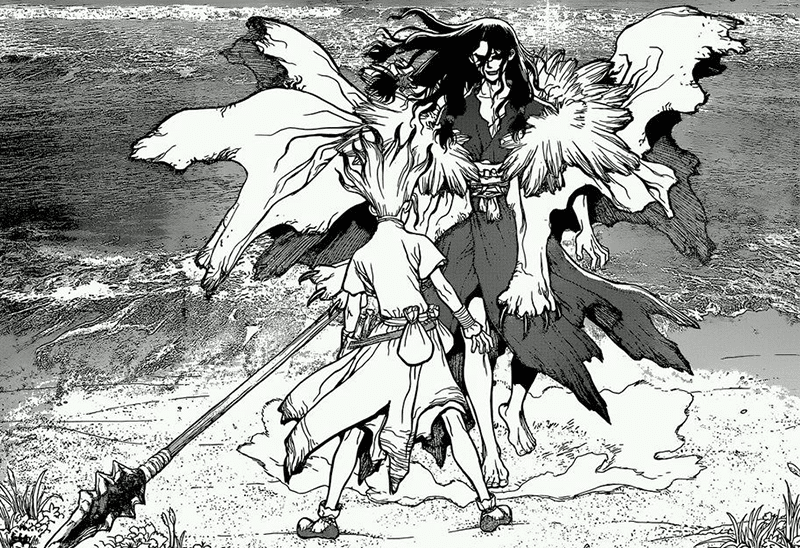

3. 22nd World Martial Arts Tournament – Dragon Ball

Manga by Akira Toriyama - Dragon Ball Picture 5
© Akira Toriyama – Dragon Ball

Often called the father of modern shonen manga, Dragon Ball established many of the genre’s most popular tropes. It wasn’t the first series to feature tournament arcs, but it helped popularize them in a big way.

Dragon Ball includes several tournament arcs across its long run, but the best is the 22nd World Martial Arts Tournament.

Set shortly after the Red Ribbon Army arc, it introduces two major new characters: Tien Shinhan and Chiaotzu. Their arrival immediately raises the bar and gives the tournament a sharper edge.

The fights are outstanding, and many of them rank among the best in Dragon Ball. Tien vs. Yamcha, Krillin vs. Goku, and the final fight between Tien and Goku are all gripping and consistently entertaining.

Best Shonen Manga by Akira Toriyama - Dragon Ball Picture 3
© Akira Toriyama – Dragon Ball

The 22nd tournament also feels like a clever evolution of the 21st. Where the earlier event leans more into gags, this one feels more mature and places a stronger focus on intense, action-packed fights.

Interestingly, the stakes are simple. The point is the tournament itself, to decide who’s the strongest. Later tournaments, even the 23rd, tie more directly into the overarching plot, but the individual fights aren’t always as memorable.

The 22nd World Martial Arts Tournament is one of the best tournament arcs in manga, one of the standout arcs in Dragon Ball, and a showcase of some of the series’ greatest fights.

Genres: Action, Adventure, Martial Arts

Status: Completed (Shonen)
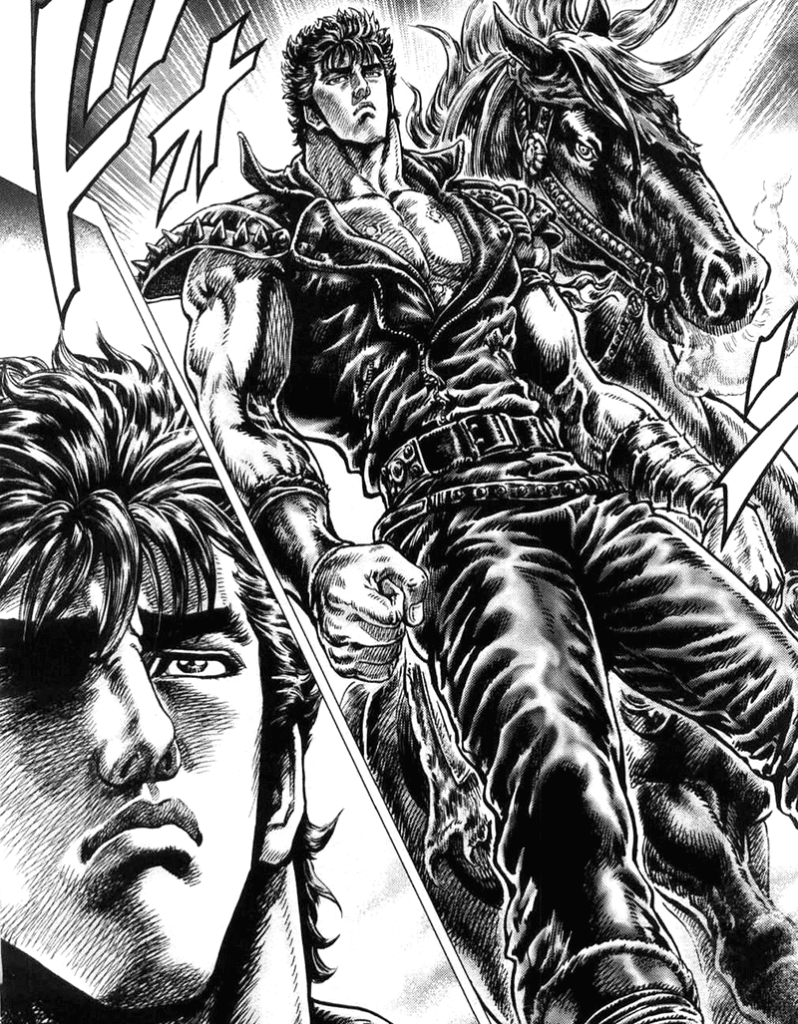

2. Dark Tournament – Yu Yu Hakusho

Best Shonen Manga by Yoshiro Togashi - Yu Yu Hakusho Picture 1
© Yoshiro Togashi – Yu Yu Hakusho

What’s there to say about Yu Yu Hakusho’s Dark Tournament? It’s one of the best tournament arcs in manga, and for many readers, it’s the best.

The tournament is organized by wealthy humans and pits teams of demons against each other in brutal matches. The roster is stacked with ruthless fighters, including Toguro, the series’ most iconic villain.

Yusuke and his friends are forced into the tournament by Toguro himself. Round by round, they face stronger teams until the bracket narrows toward the inevitable showdown with Team Toguro.

The Dark Tournament has everything that makes this format work. The cast is strong, the action is excellent, and the fights are consistently memorable. Most importantly, the matchups feel distinct, with each battle bringing its own flavor.

Manga by Yoshiro Togashi - Yu Yu Hakusho Picture 2
© Yoshiro Togashi – Yu Yu Hakusho

This is also where several characters finally reveal what they’re truly capable of. Hiei unleashes the Dragon of the Darkness Flame, Kurama shows off his deadliest plants, and Kuwabara gets the kind of moments that prove he’s far more than comic relief.

The highlight is the final battle between Yusuke and Toguro. Watching Toguro escalate, transforming into stronger and more monstrous forms, gives the fight a relentless sense of pressure.

The Dark Tournament earns its reputation, powered by one of the medium’s best villains and packed with some of its greatest fights.

Genres: Action, Supernatural

Status: Completed (Shonen)
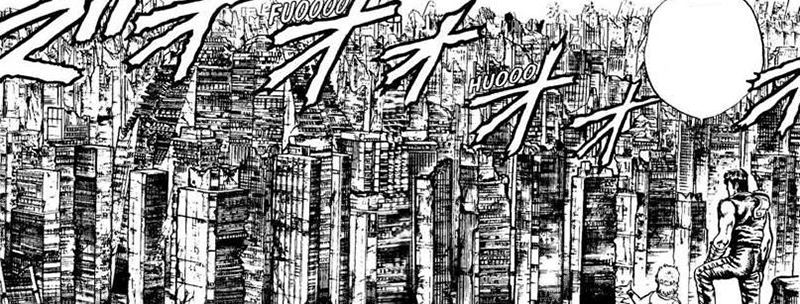

1. Chunin Exams – Naruto

Best Tournament Arcs in Manga by Masashi Kishimoto - Naruto Picture 3
© Masashi Kishimoto – Naruto

Naruto is one of the most popular shonen manga of all time. Almost everyone knows the story of the underdog ninja who dreams of becoming the Hokage.

While the series gets weaker in its later half, when it starts to feel more like Dragon Ball Z, the early parts are fantastic. The focus is on hidden techniques, hand signs, finesse, and ninja arts, with battles that feel clever instead of purely explosive.

The culmination of all of that is the Chunin Exams, the arc that came to define the series and, for many readers, the best tournament arc in manga.

When genin want to rise in rank and become chunin, they have to pass a series of challenges. From written exams to the Forest of Death survival test to one-on-one matches, the arc hits every kind of challenge and keeps the pace moving.

Best Tournament Arcs in Manga by Masashi Kishimoto - Naruto Picture 4
© Masashi Kishimoto – Naruto

The biggest strength is how much attention it gives the cast. Nearly everyone gets time to shine, showing off unique techniques while also revealing more about their personalities and motivations.

It also includes some of Naruto’s greatest fights, especially Rock Lee vs. Gaara, along with Sasuke vs. Gaara and Naruto vs. Neji. Each one feels memorable for different reasons, and the choreography is consistently strong.

Beyond the fights, the arc expands Naruto’s world in a major way. It introduces Orochimaru, sheds more light on the jinchuriki, and plants seeds for future story turns, including Sasuke’s eventual decision to leave the village.

The Chunin Exams are an outstanding arc, packed with great action, character development, and some of the series’ best moments. It’s a fan favorite for a reason.

Genres: Action, Adventure, Fantasy

Status: Completed (Shonen)
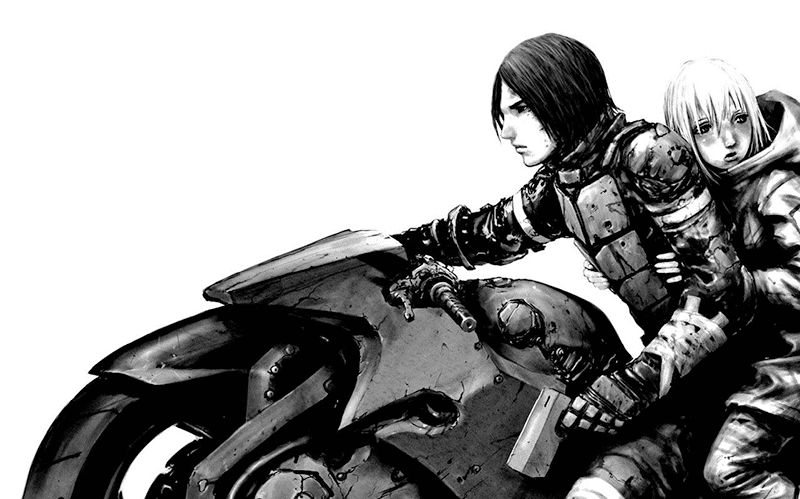


More in Manga

READ MY BOOKS


Cover of New Haven


Cover of Fuck Monsters


Cover of Miller's Academy


Cover of The First Few Times Always Hurt


Cover of Irradiant Tears


Cover of Unsettling Truth